 Les Salins
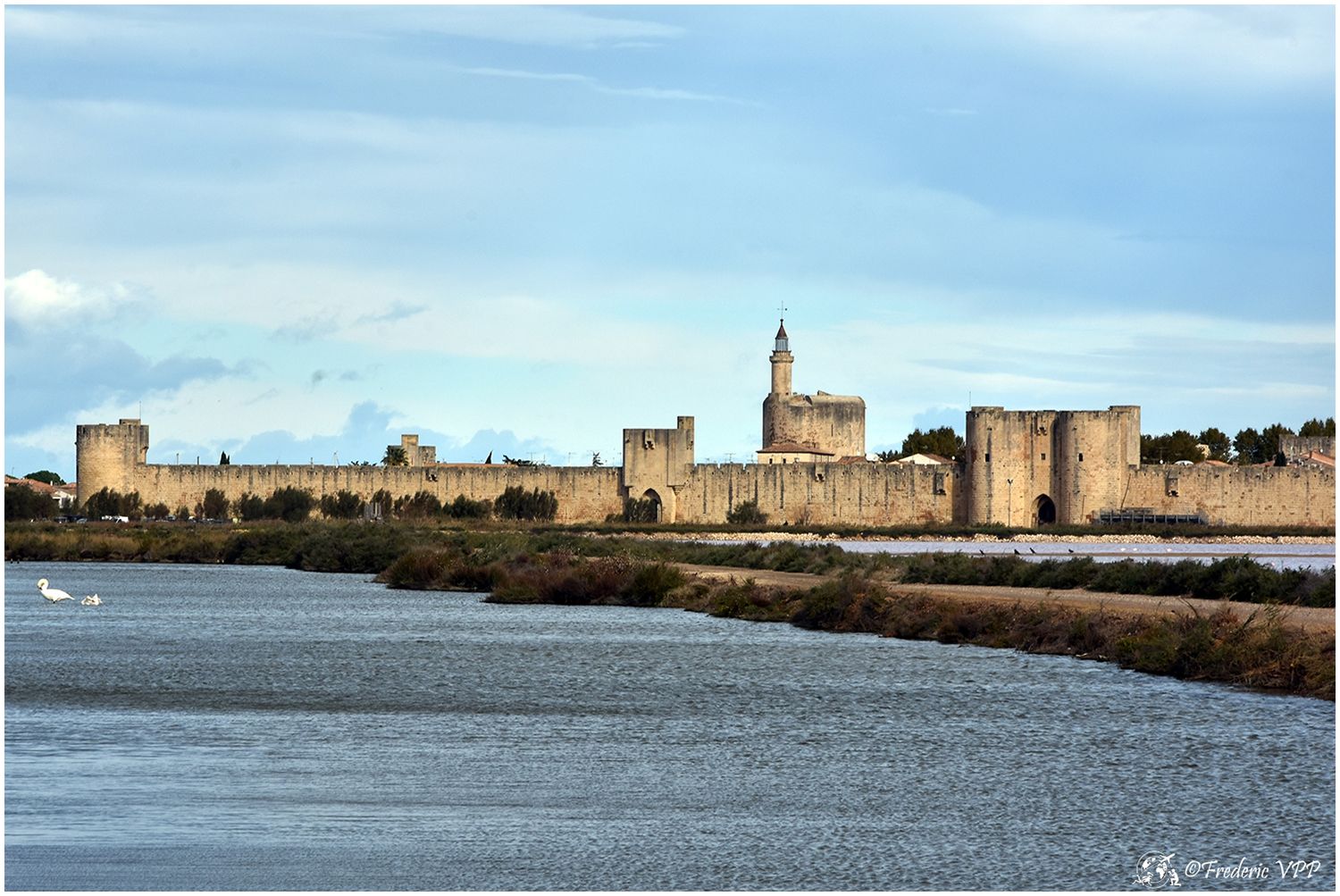
Les Salins, Aigues-Mortes, France, November 2022
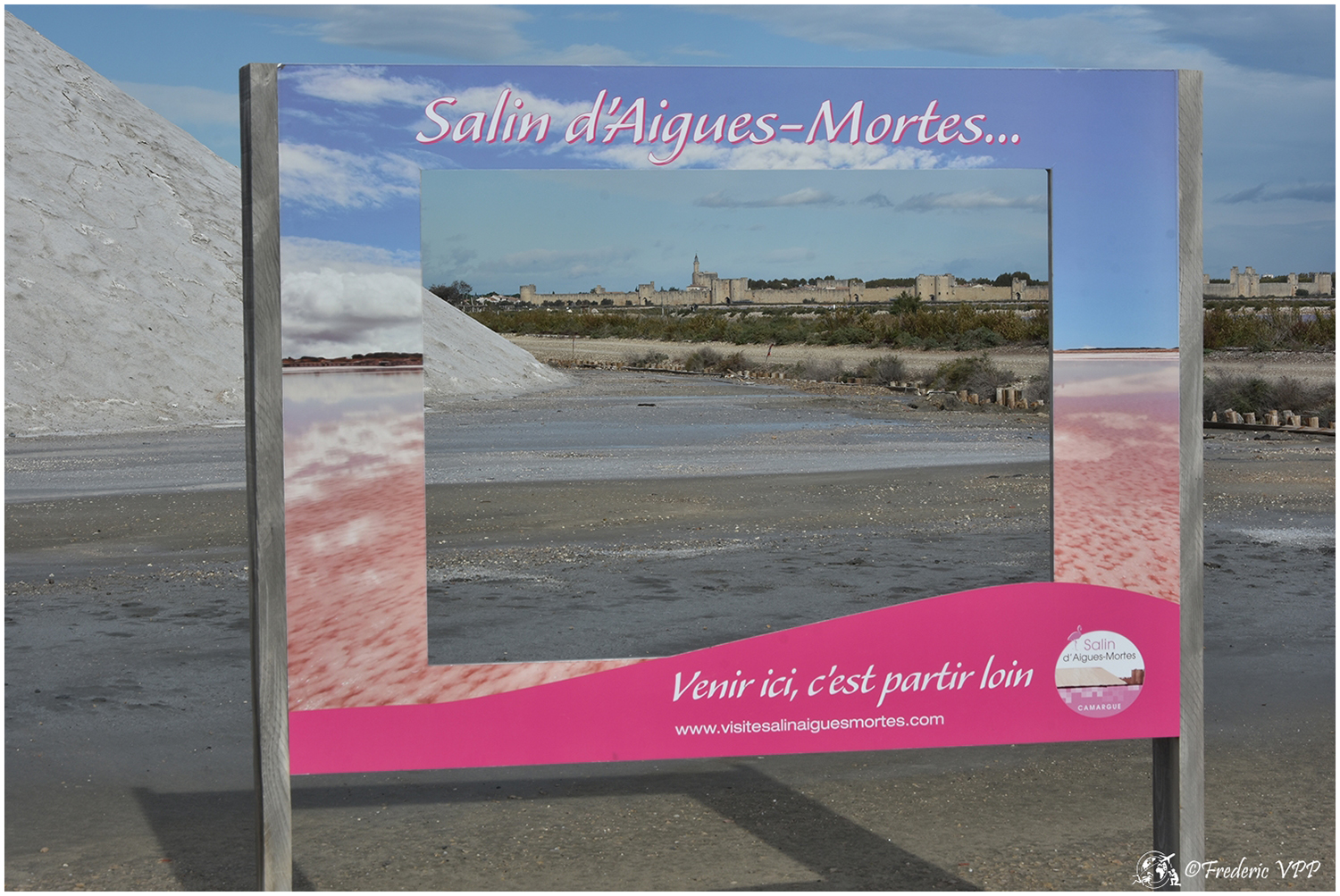
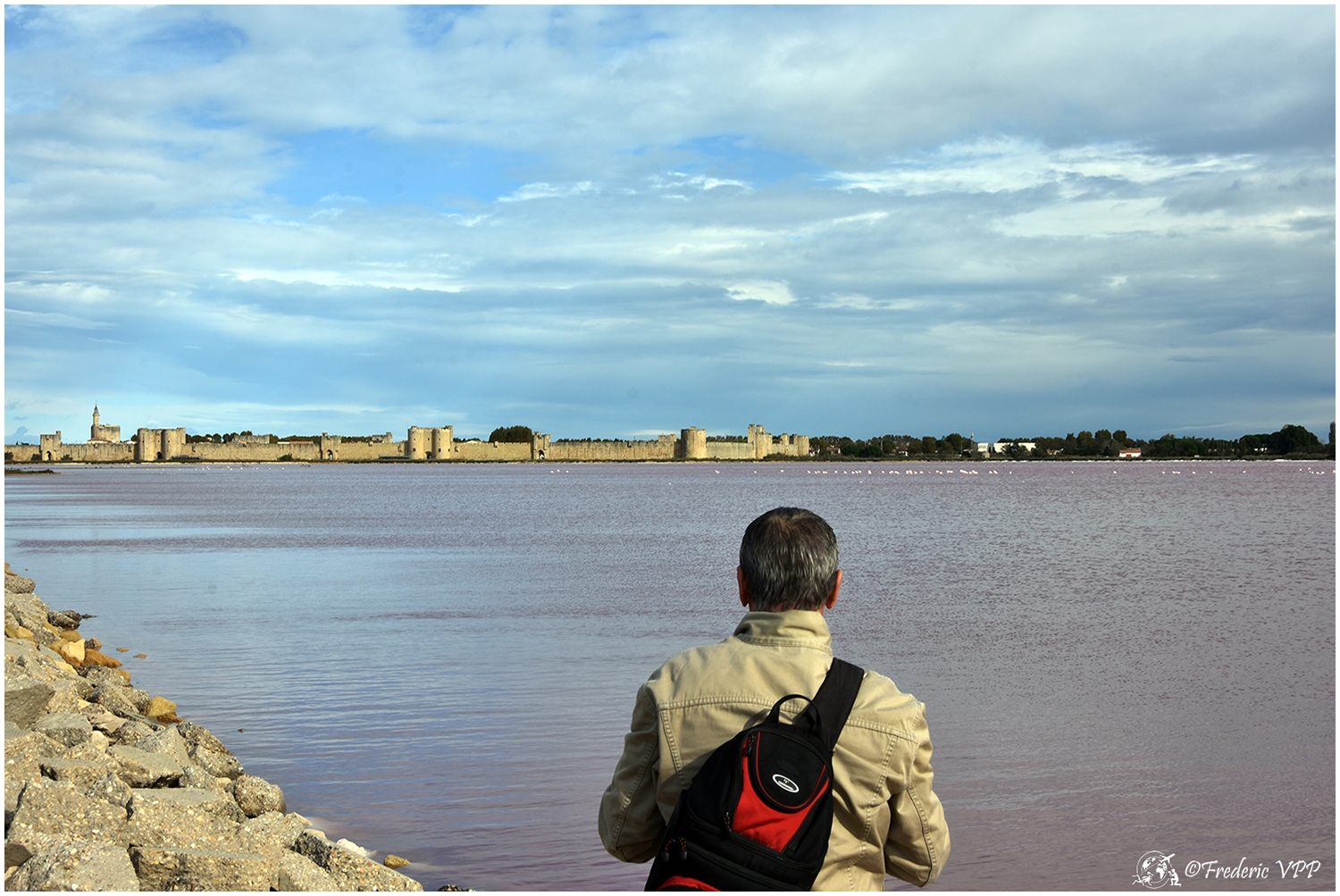
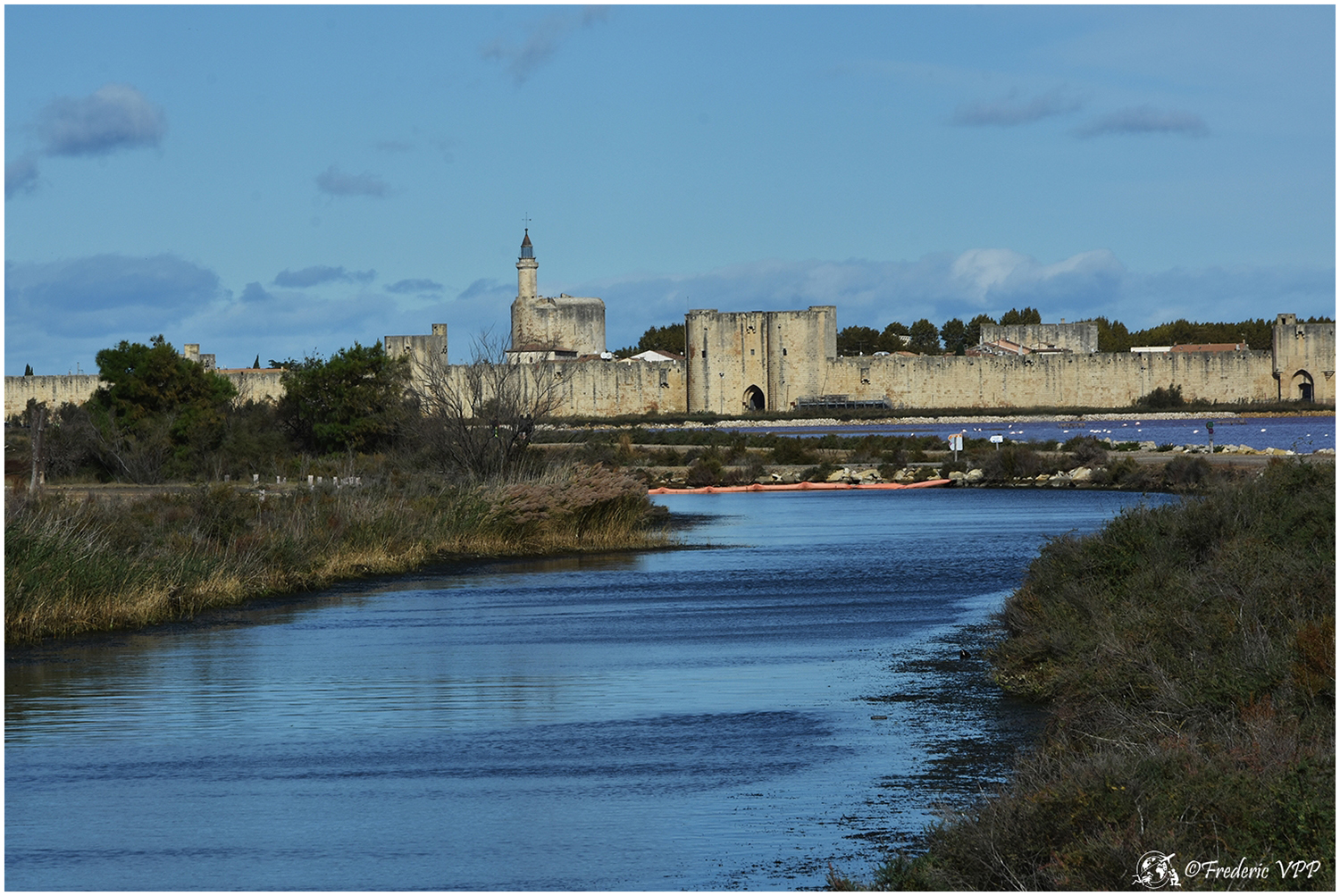
20 years later, I return to visit the Salins dAigues-Mortes with my friend Alain...
|
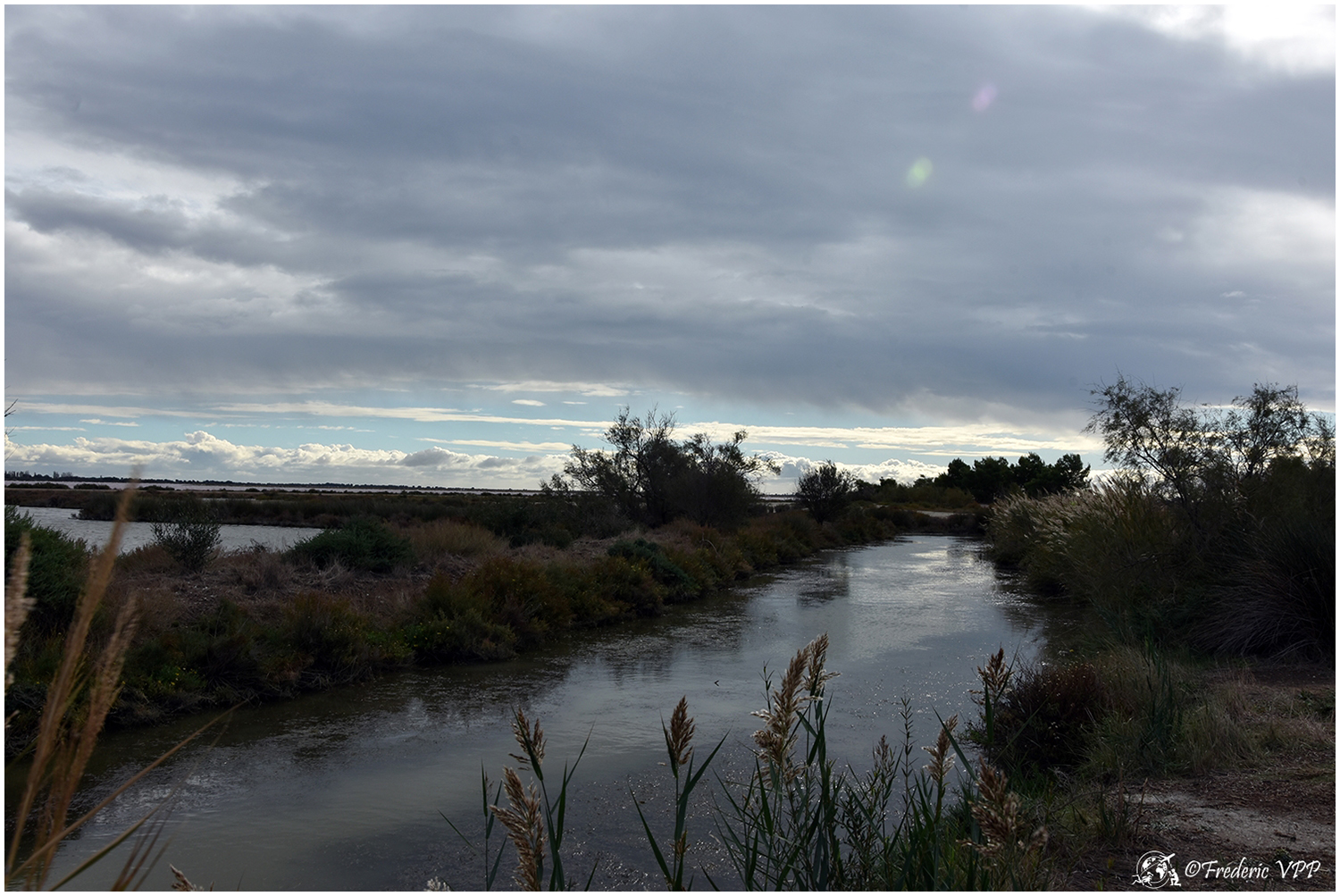
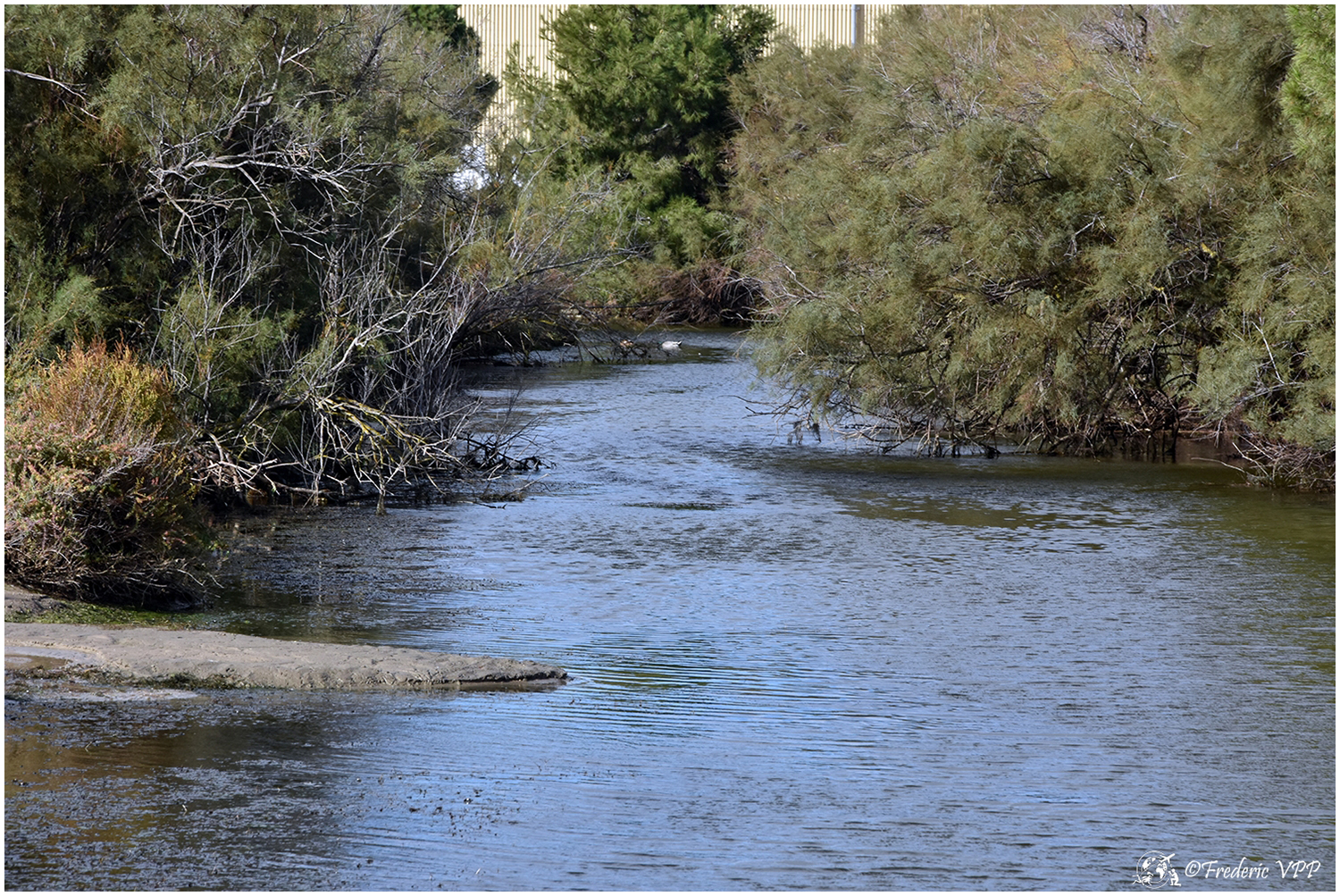
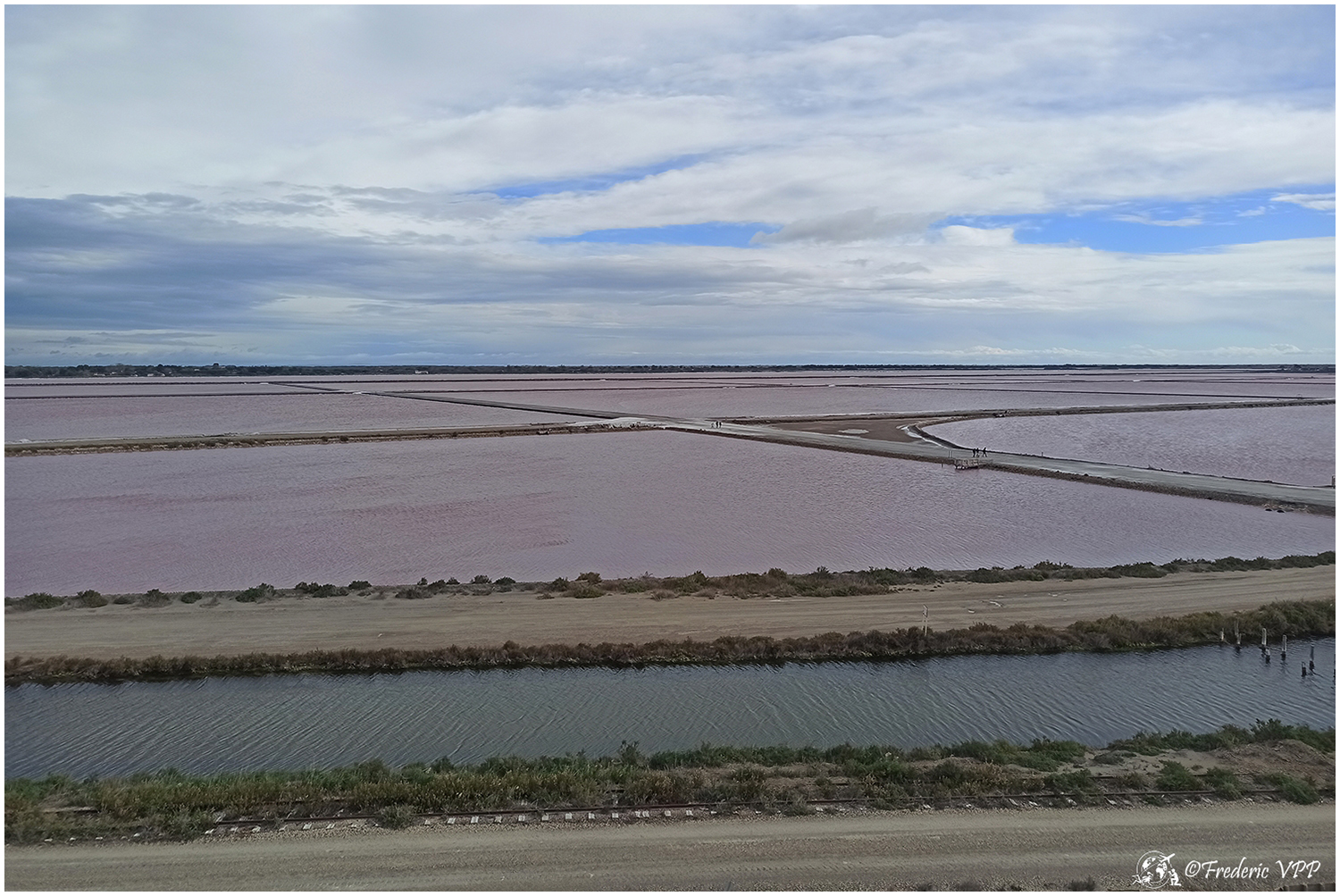
We chose the pedestrian route and we walked about 4.5km. The most athletic can do a 12km course. You can even do it accompanied by a guide, but the path is punctuated with explanations that allow you to better understand the activity.
And for the "lazy", there is still the little train that will take you to the different places with explanations.
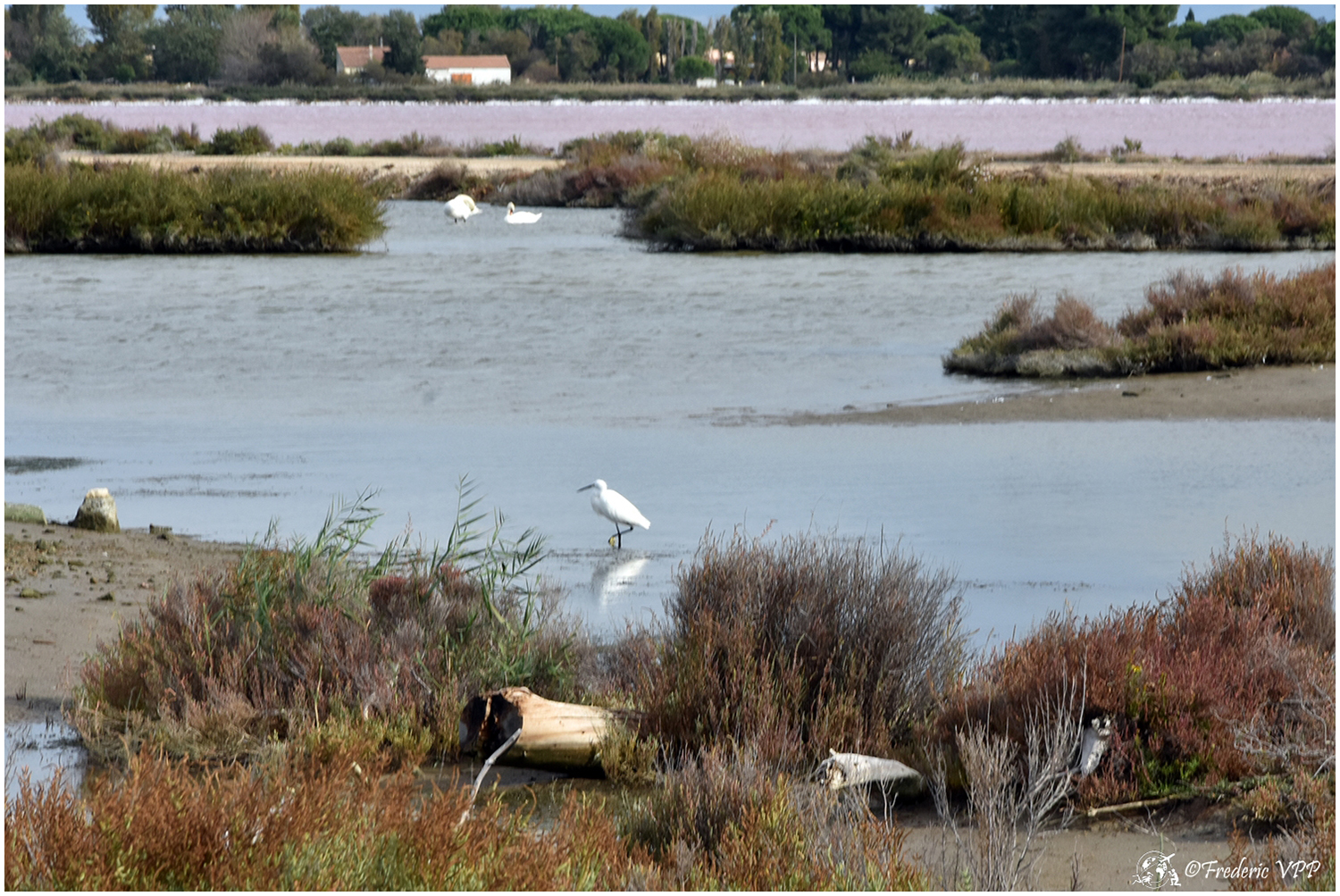
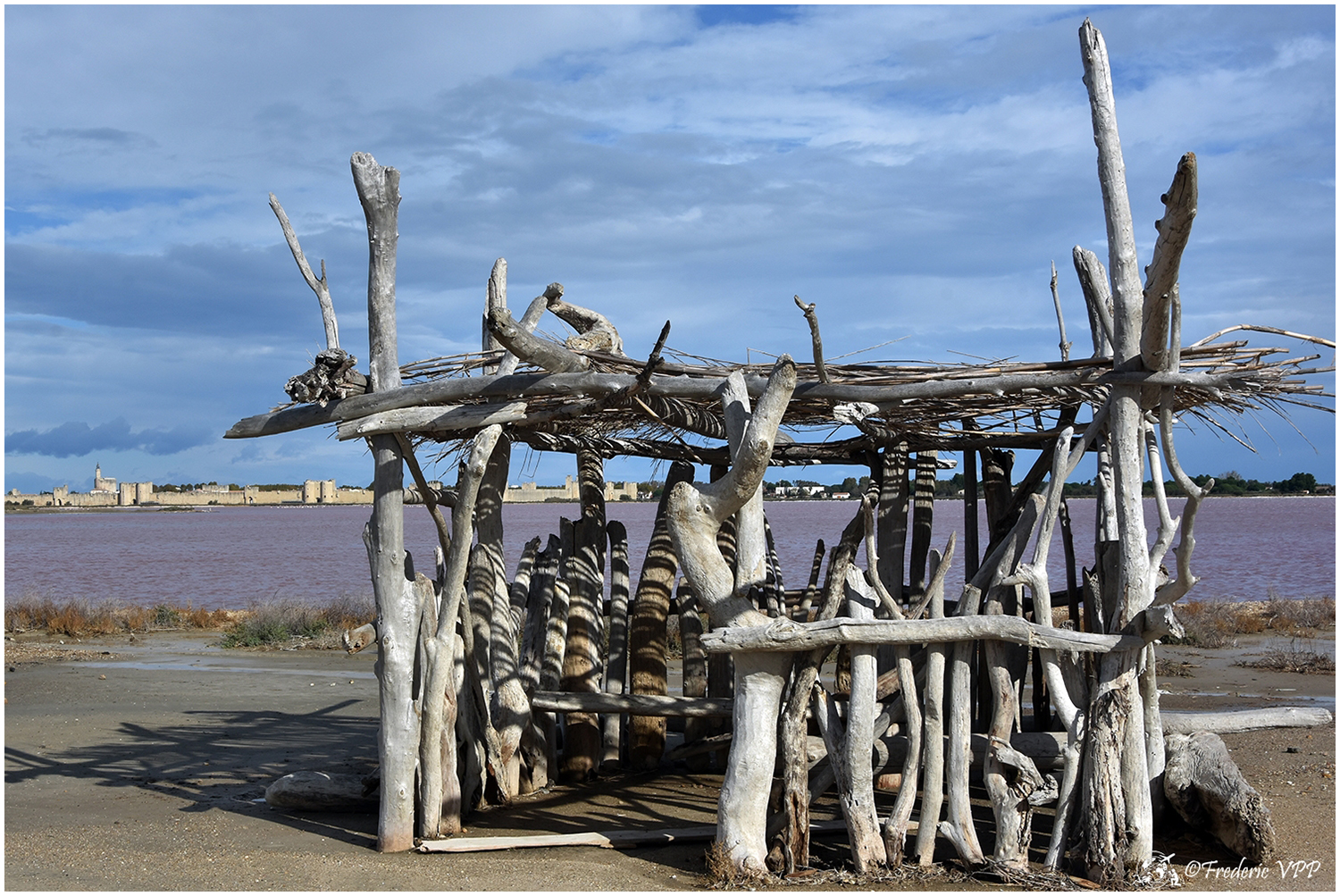
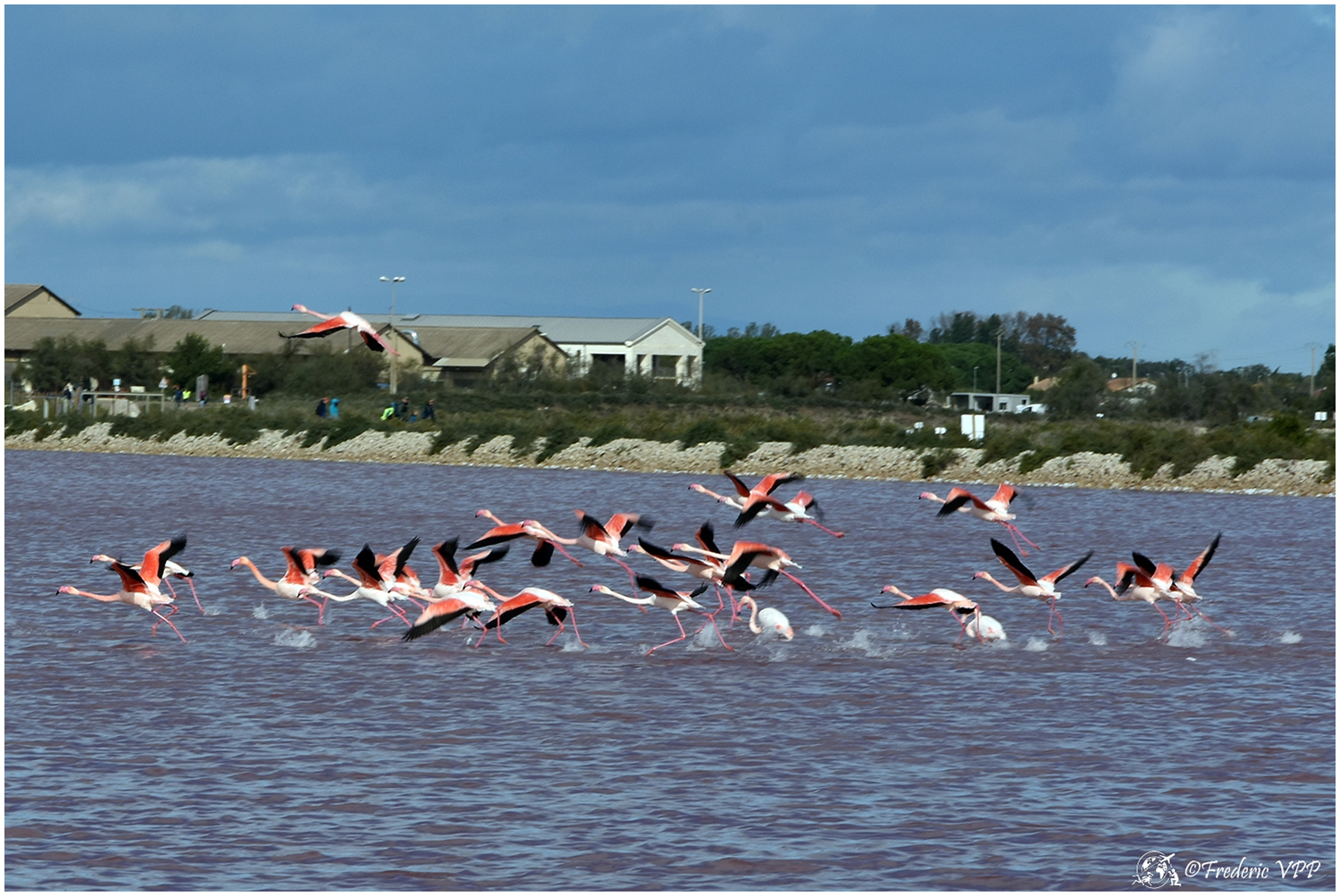
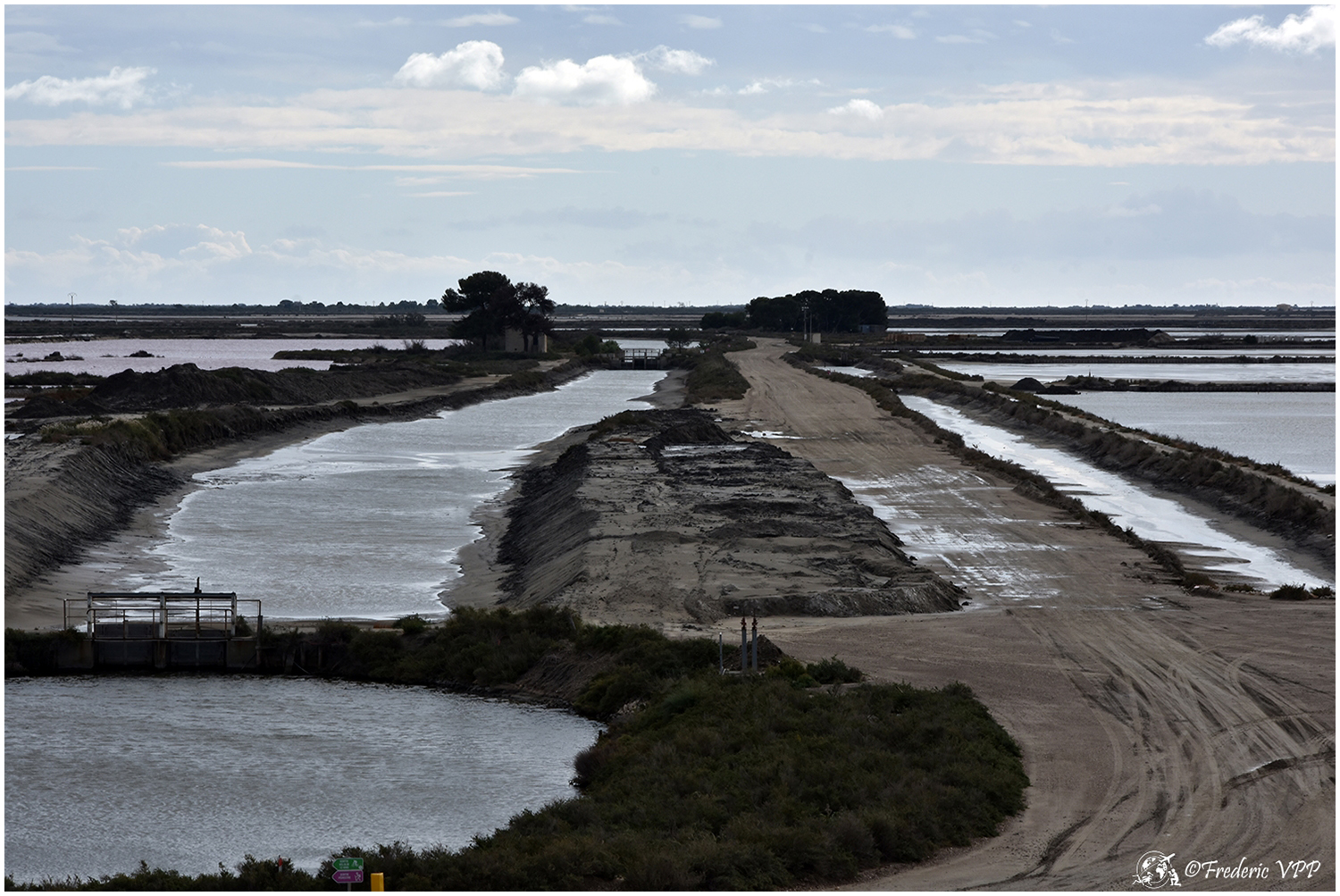
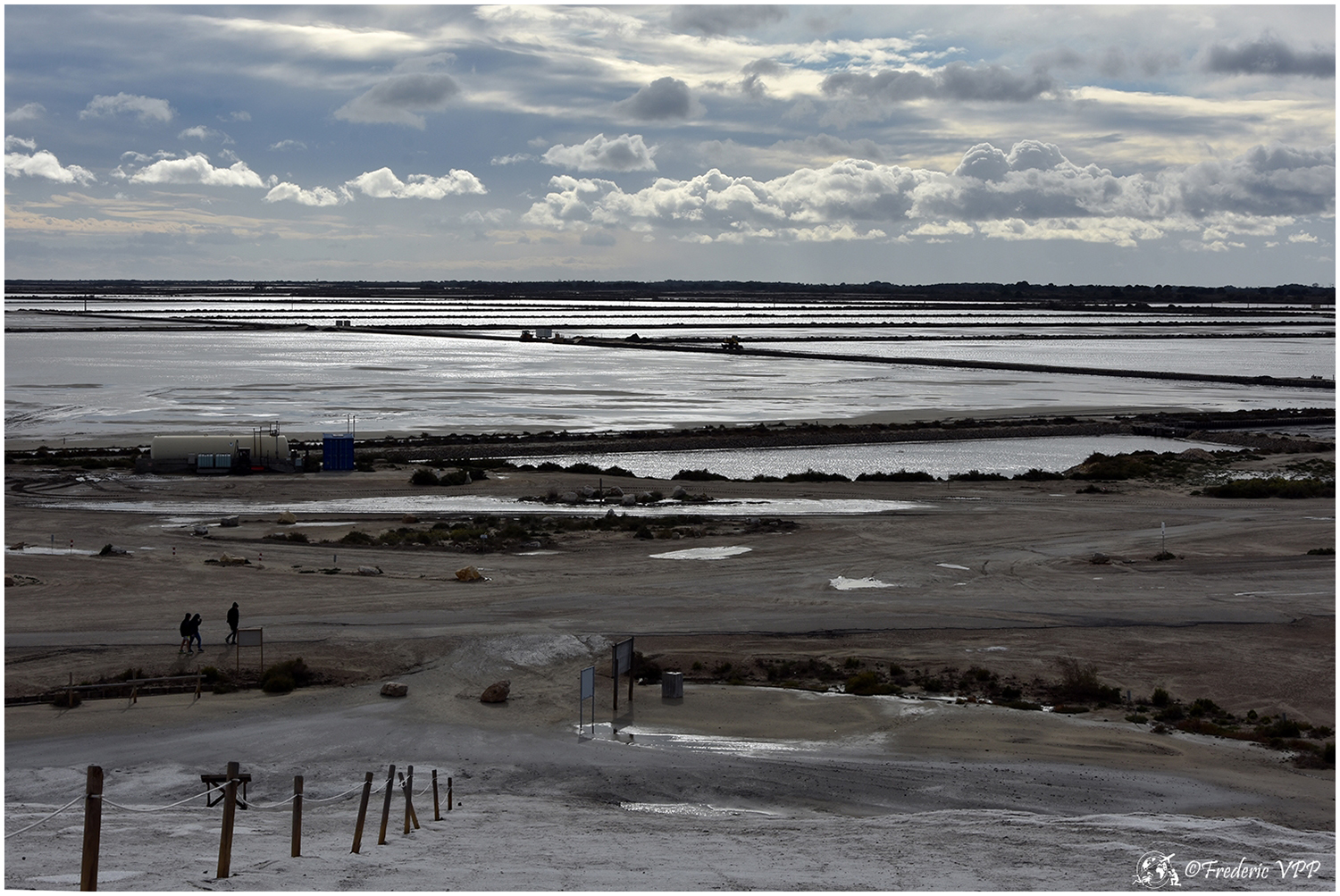
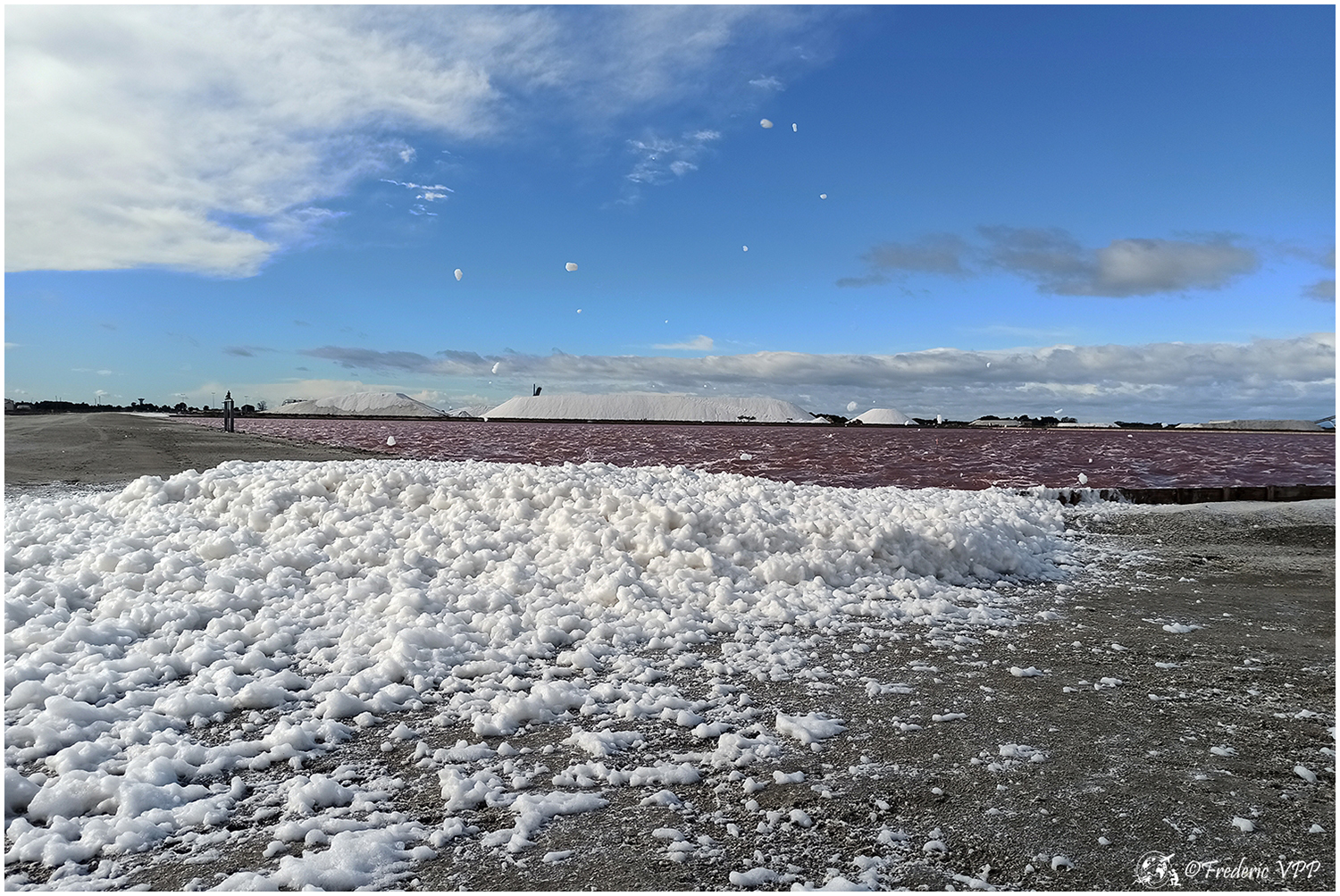
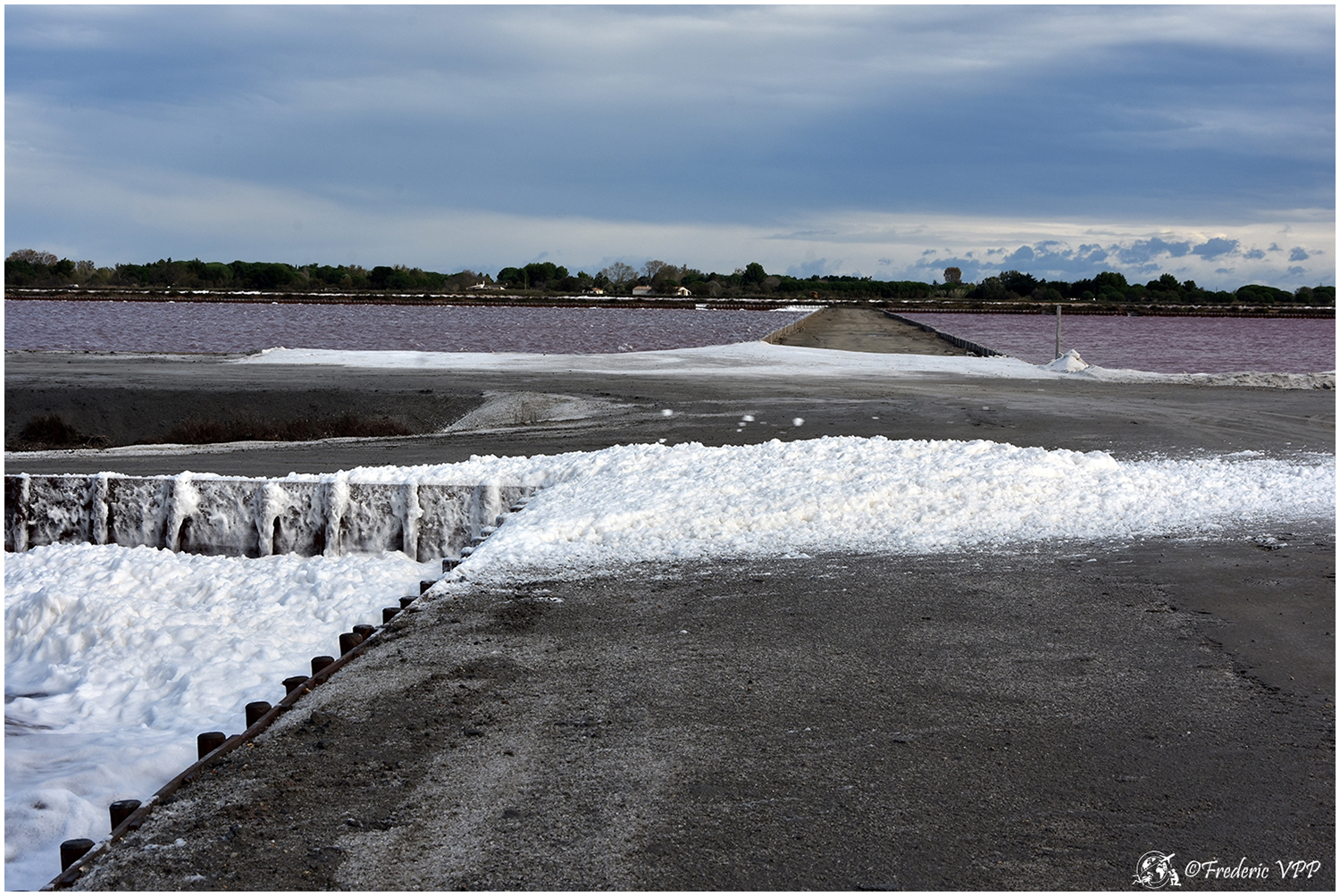
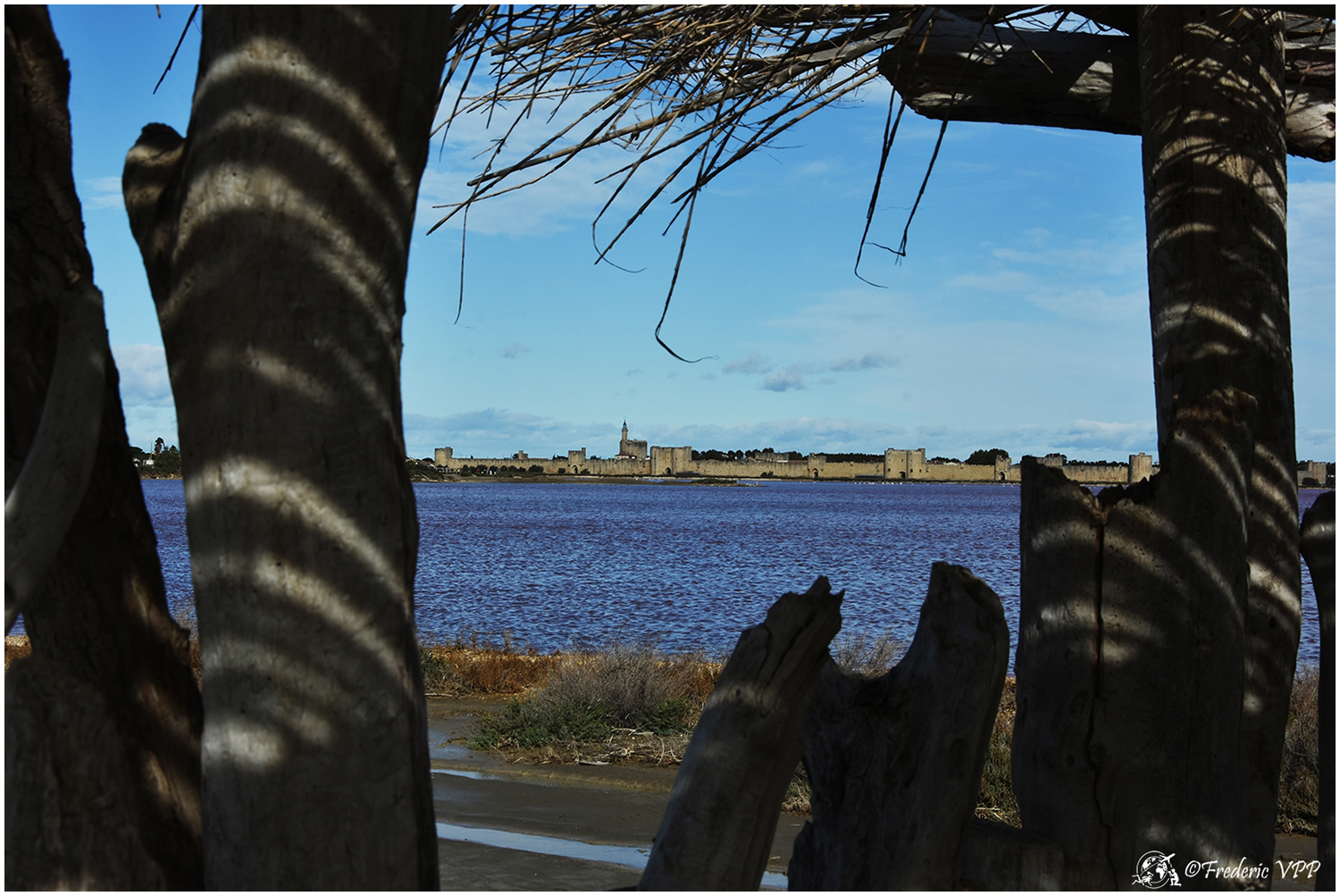
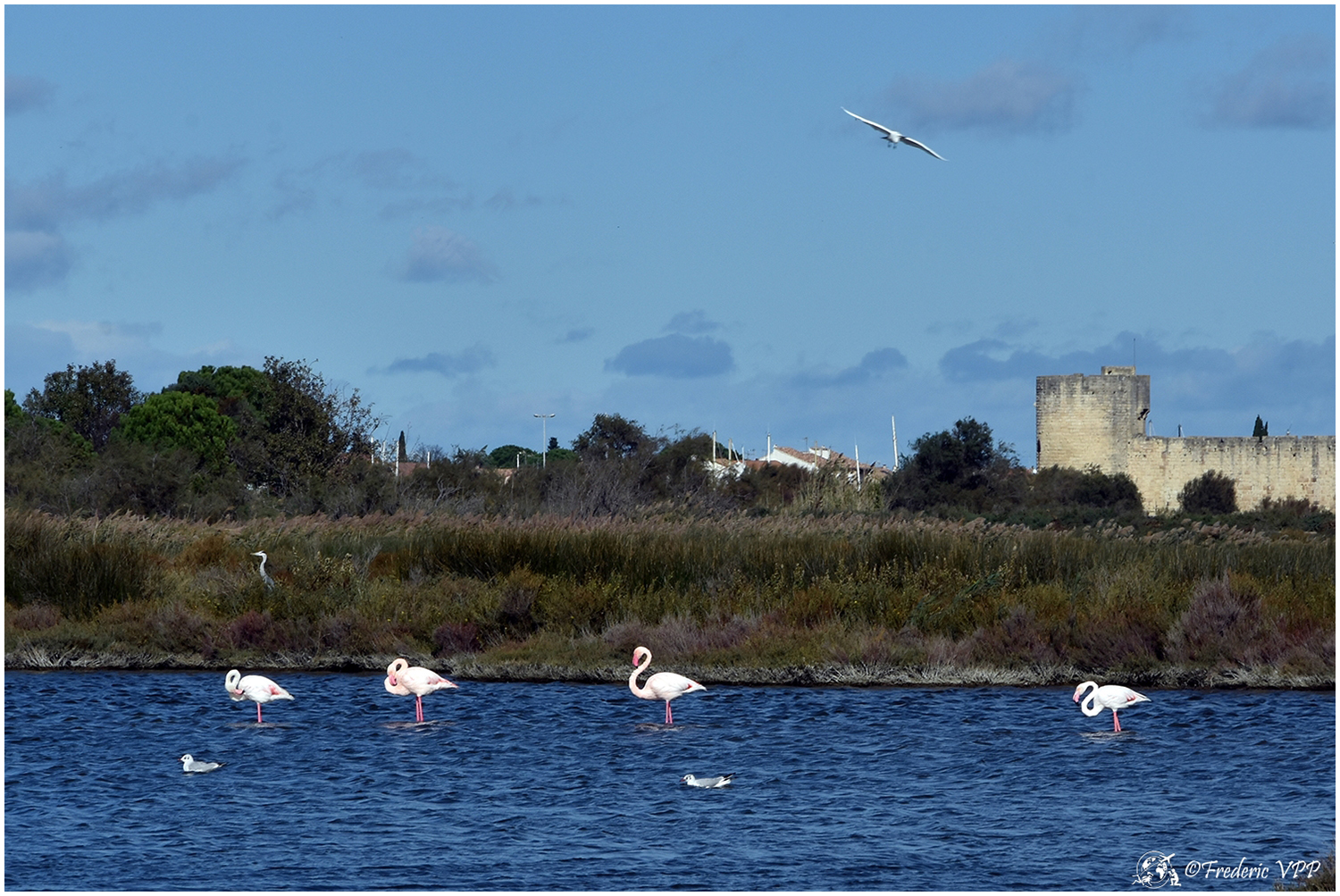
The "tables", where the salt is collected, are filled with water and evaporation reduces the amount of water. The red color is due to an algae. This famous seaweed is eaten by shrimps which are eaten by flamingos, hence their pink color.
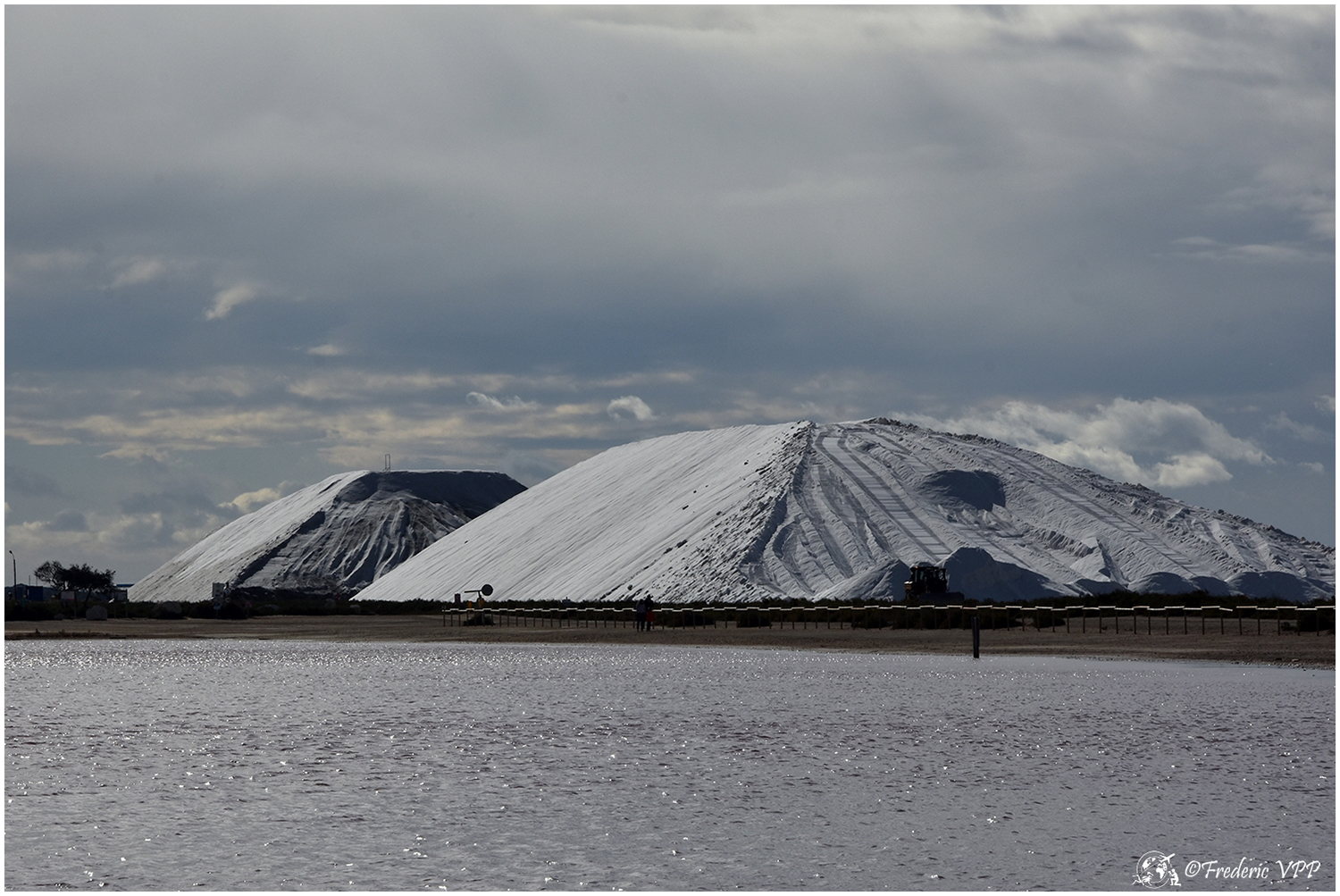
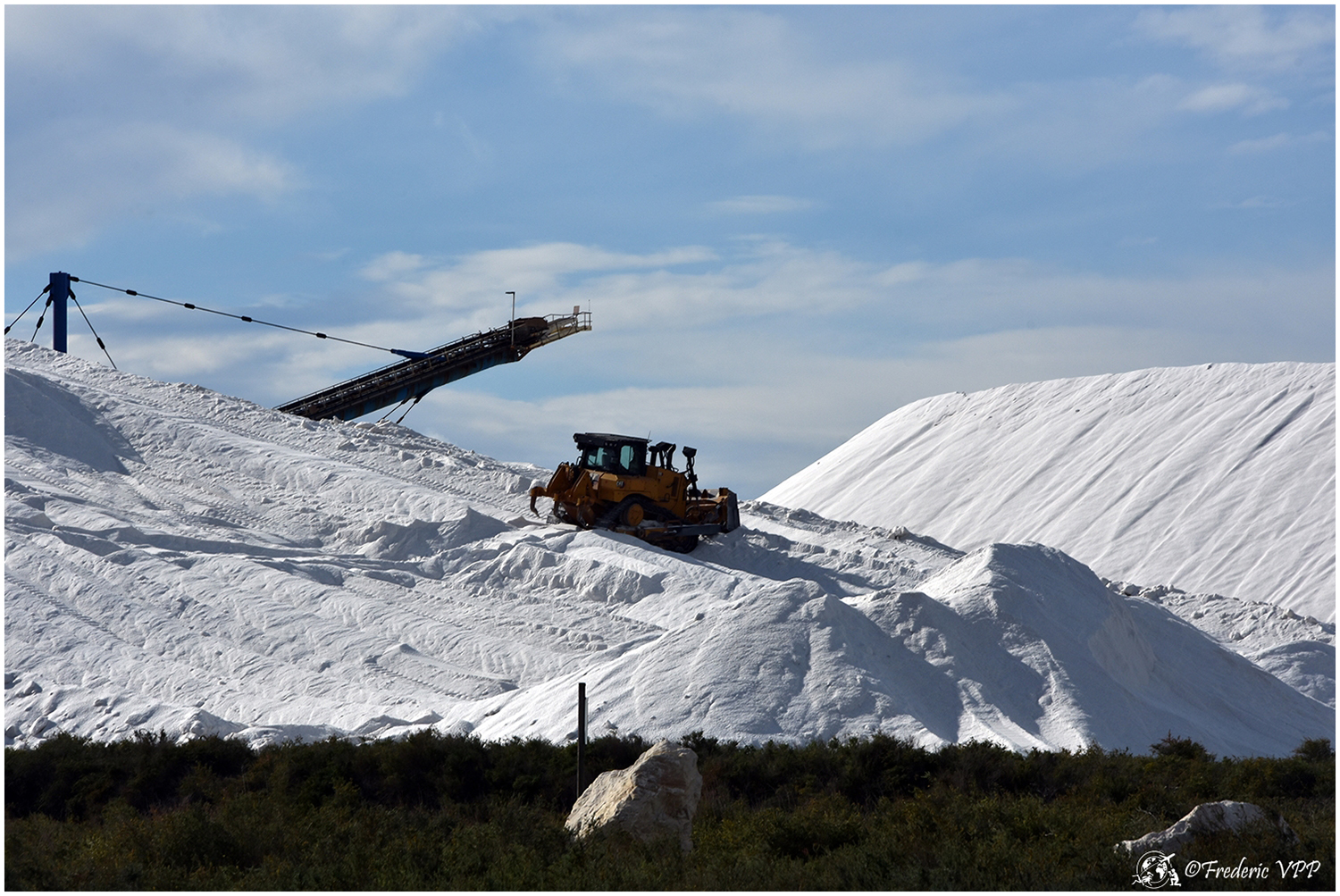
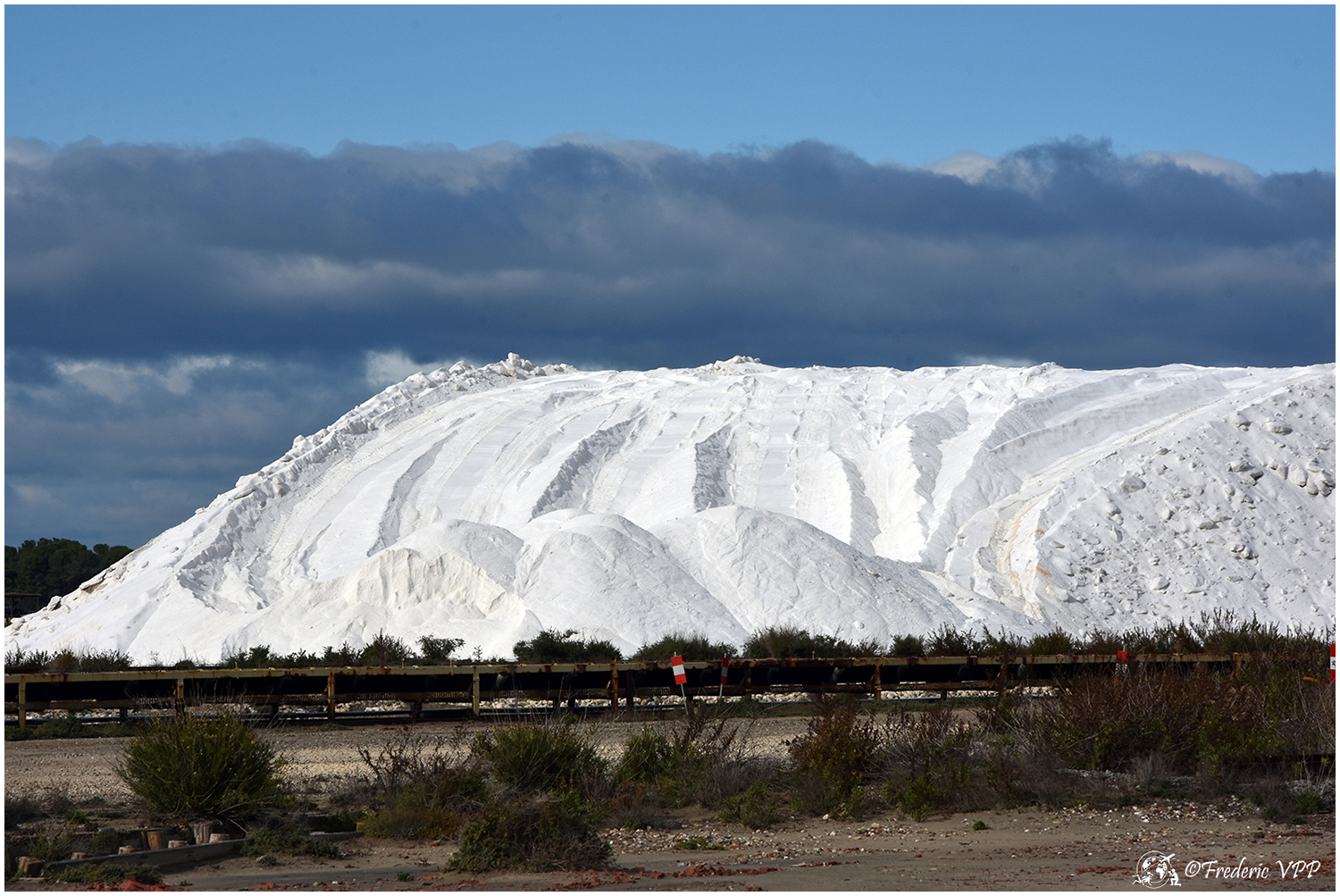
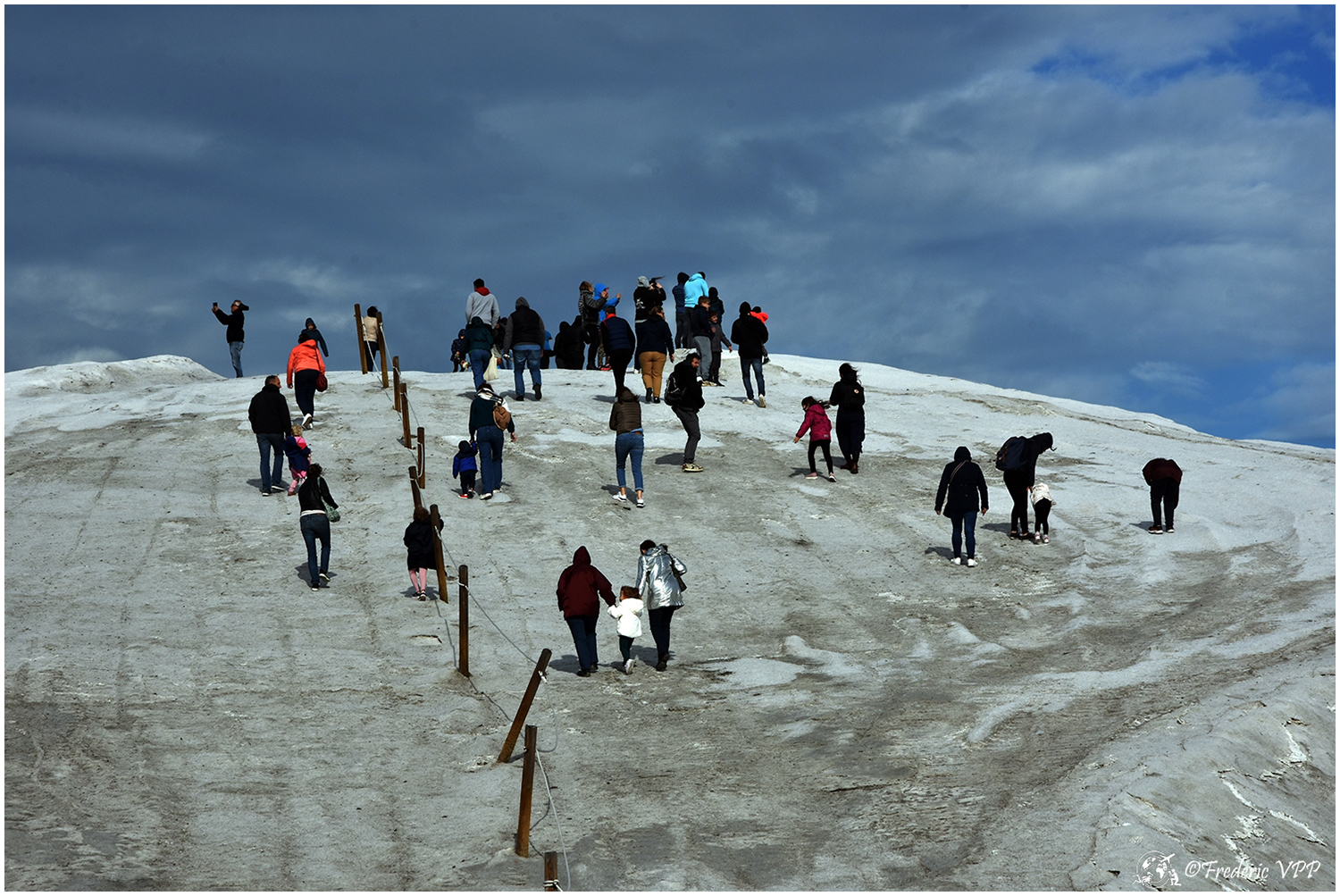
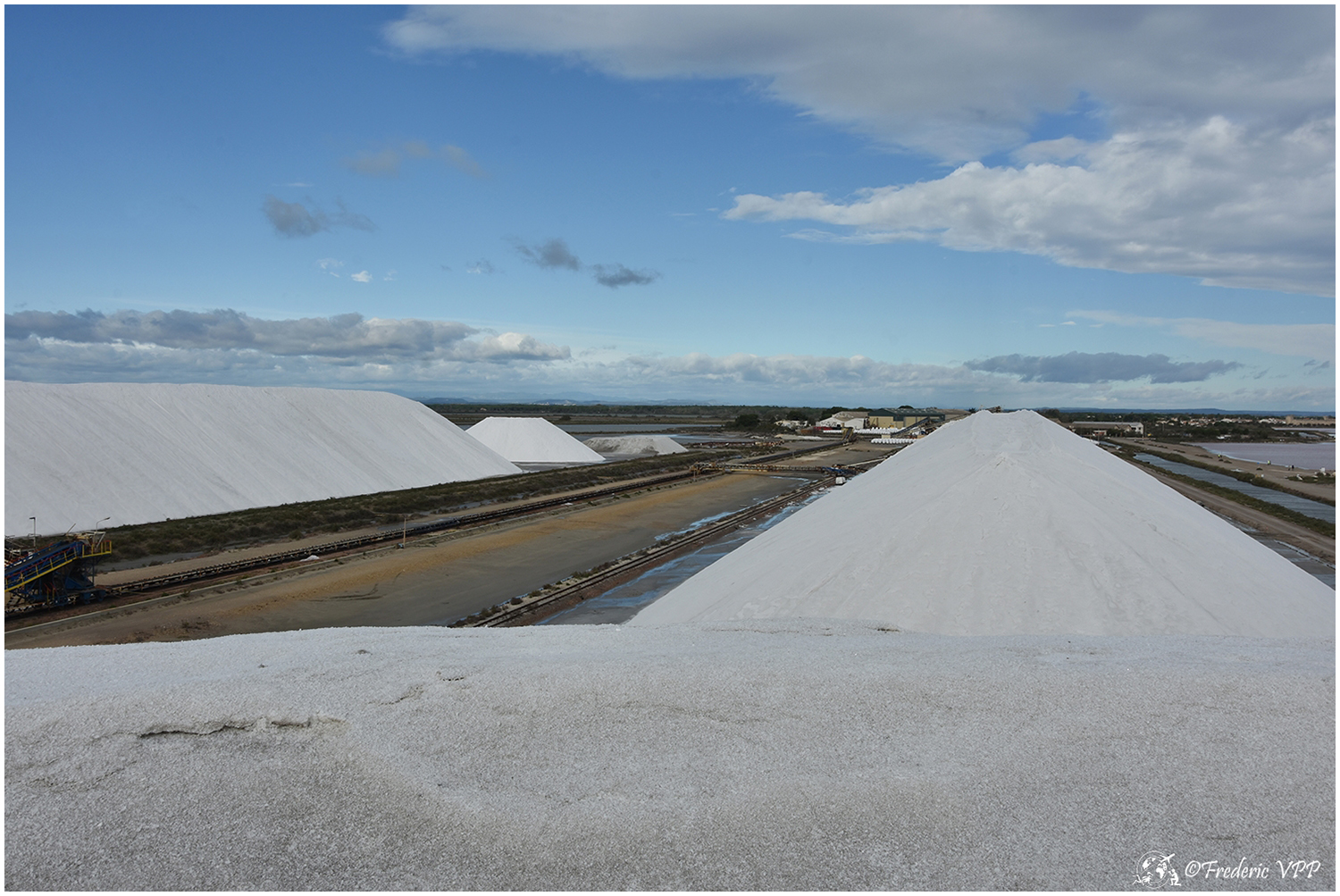
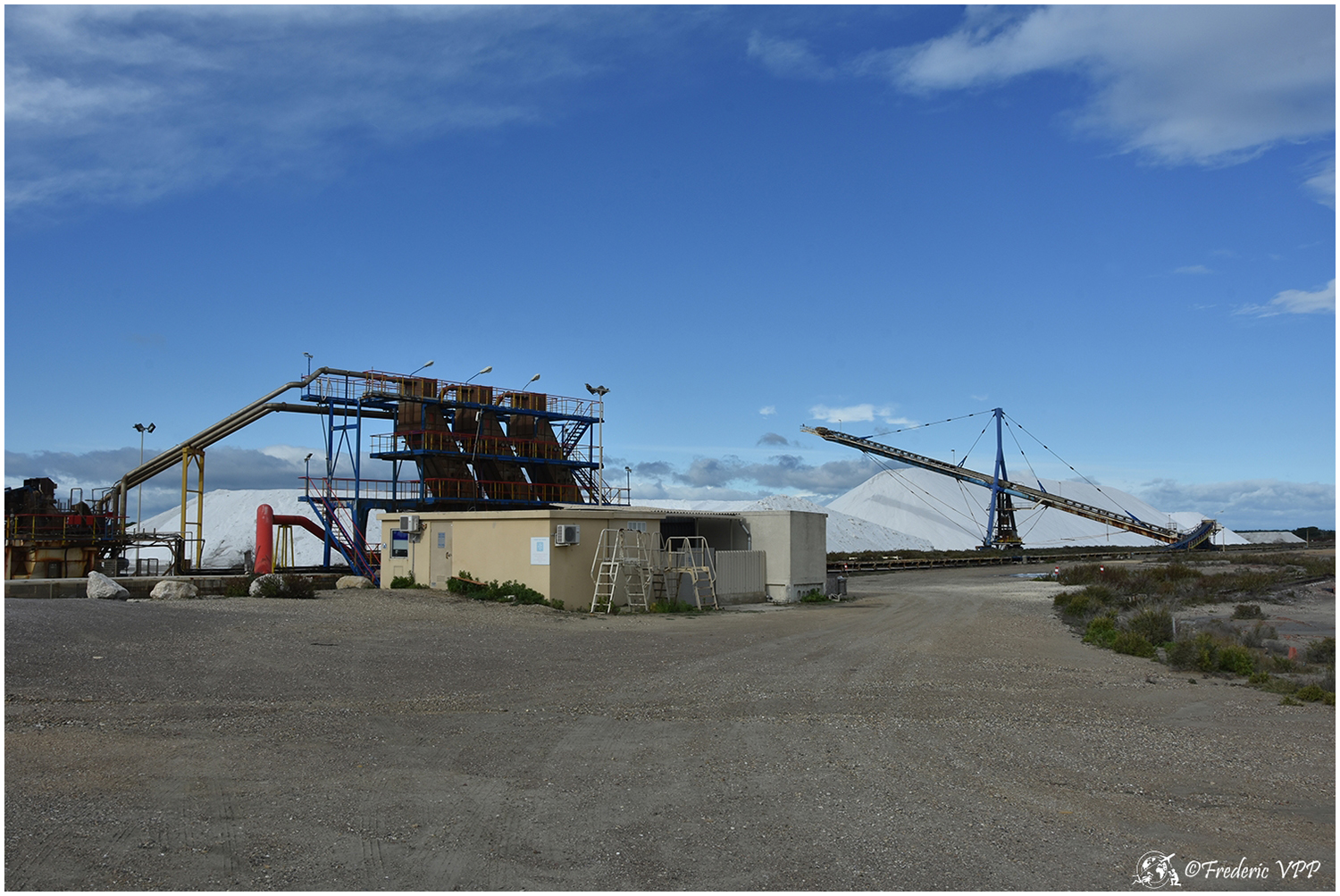
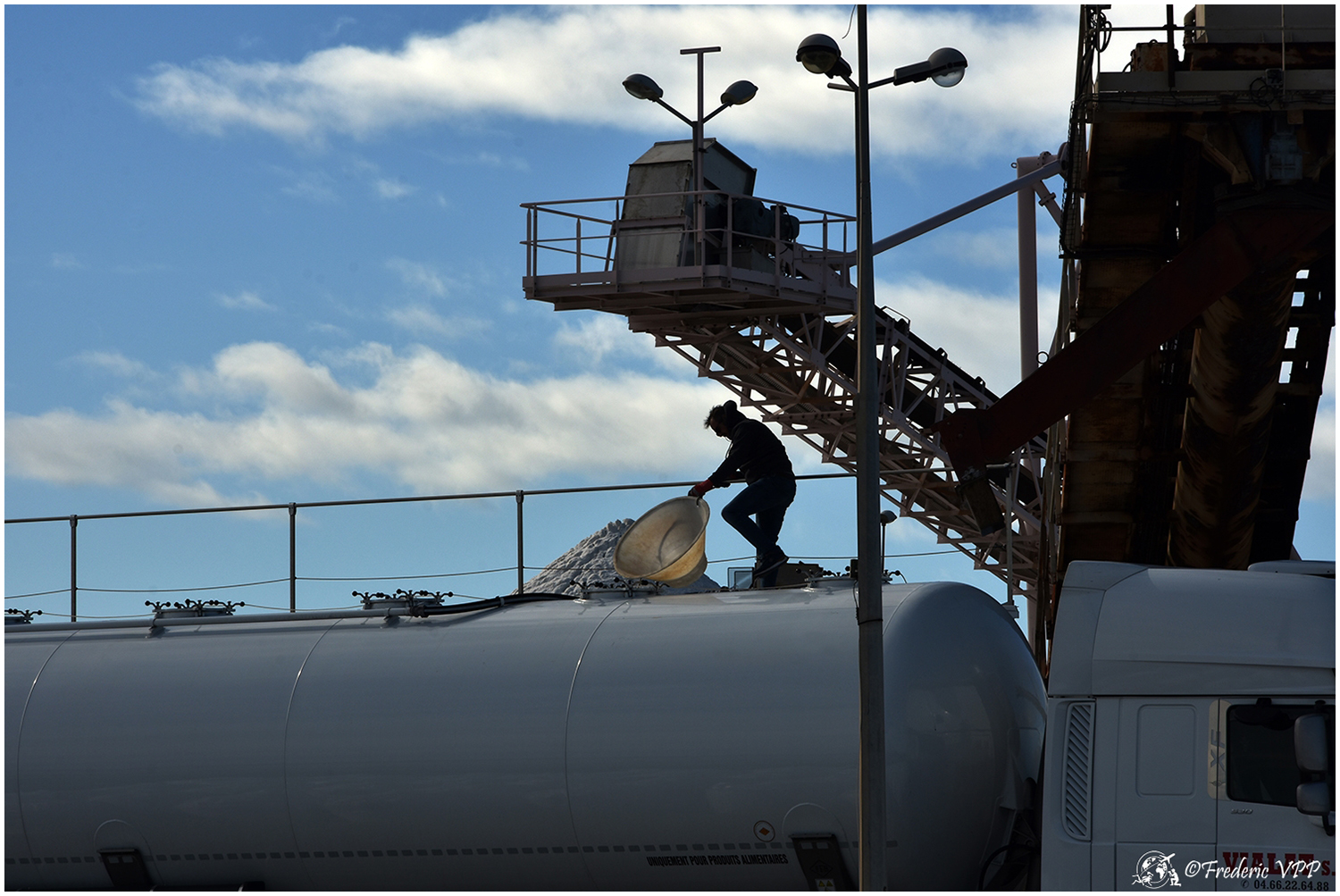
After the collection, carried out by hand in the old days by the "sauniers", the salt is rinsed with sea water and stored on "mountains" of salt, named the "camelles".
As it dries, a crust forms. Normally, it is this salt that will be used on the roads to clear snow.
This is a must visit if you are passing through the area. You will learn a lot.
|
|
The exploitation of salt in Aigues-Mortes is an economic activity that dates back to Antiquity. The first activity of the saltworks is attributed to a Roman engineer, Peccius, who left his name to the Peccais marsh.
During the reign of Louis IX, when the abbey came under his domination, part of the marshes were cleaned up, to facilitate activity and trade in the region.
It was in 1856 that the Salins dAigues-Mortes were incorporated, by the grouping of the owners, to become the company Renouard et Cie. In 1868, the company changed its name. The Compagnie des Salins du Midi then set up its head office in Montpellier.
The saltworks have been listed in the general inventory of cultural heritage since December 22, 1995, both for the production site and for the administrative and housing buildings
|
|
A big thank you to my friend Alain for this walk in the salt marshes.
|
|
Sorry if the links are outdated or not accessible
|

|
|


