 Zhaoqing
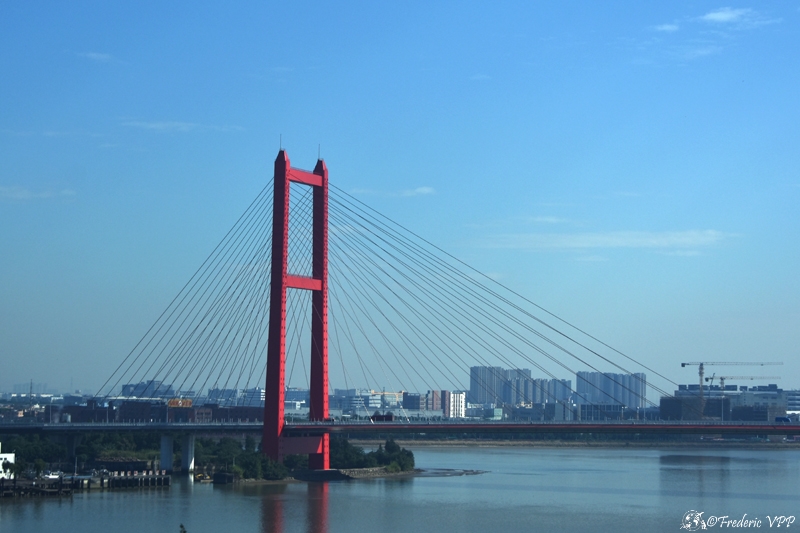
Zhaoqing, Guangdong, China, November 2025
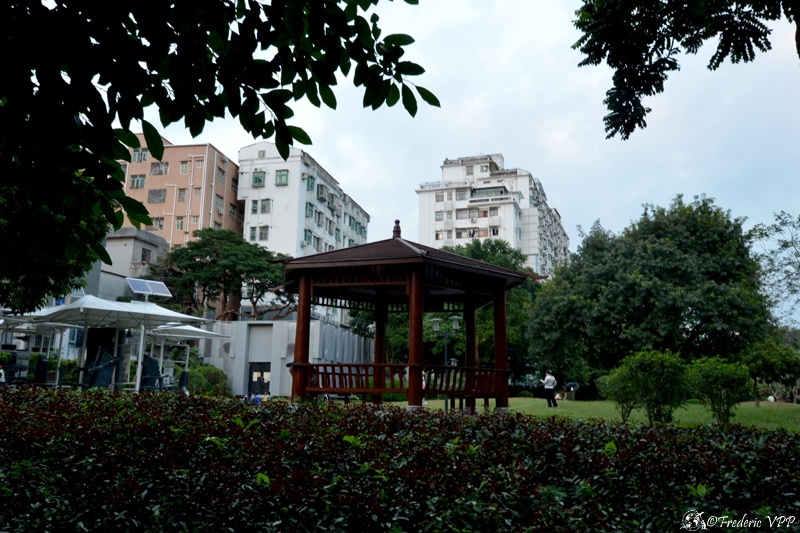
Zhaoqing is a city in southern China, located in Guangdong Province...
|
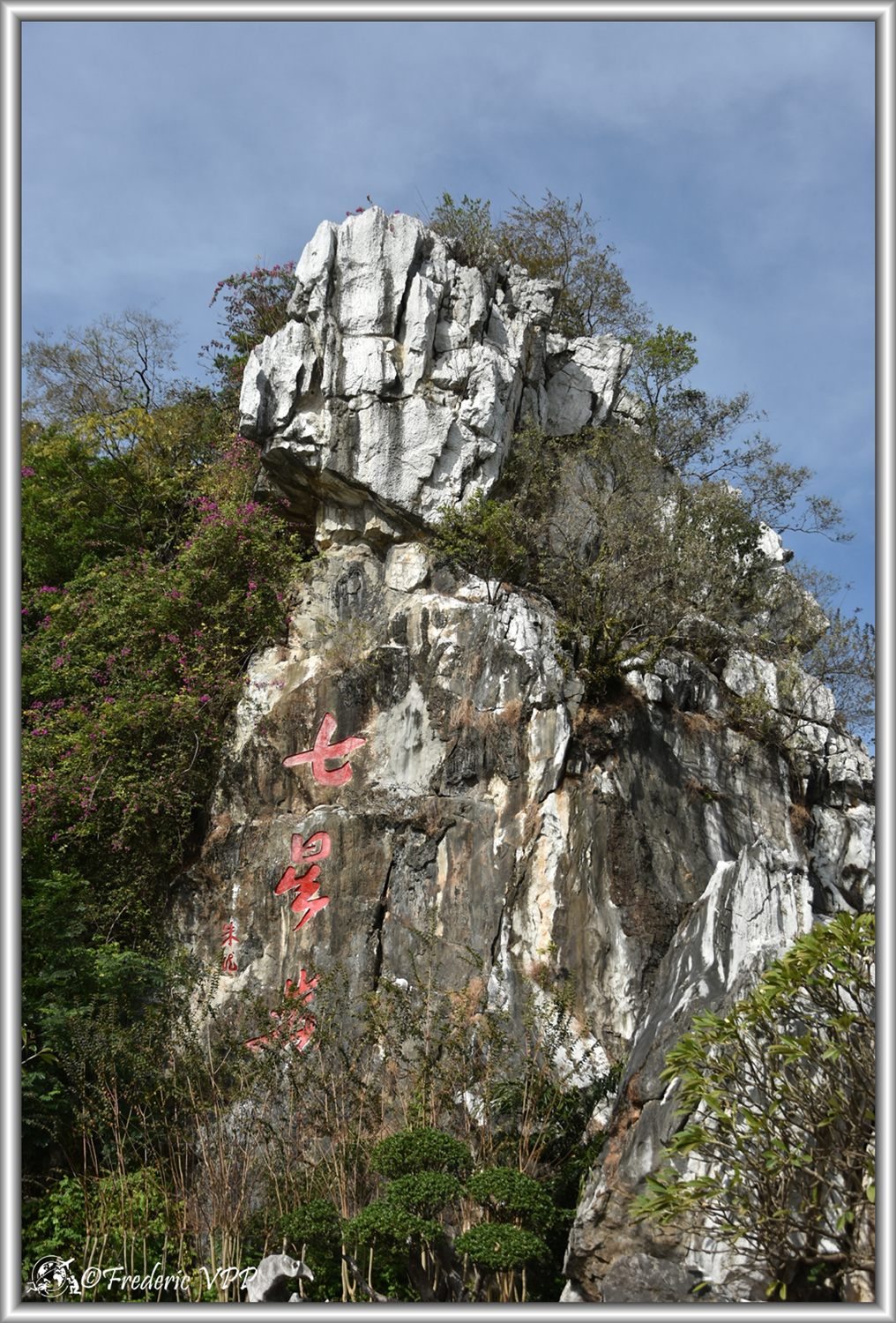
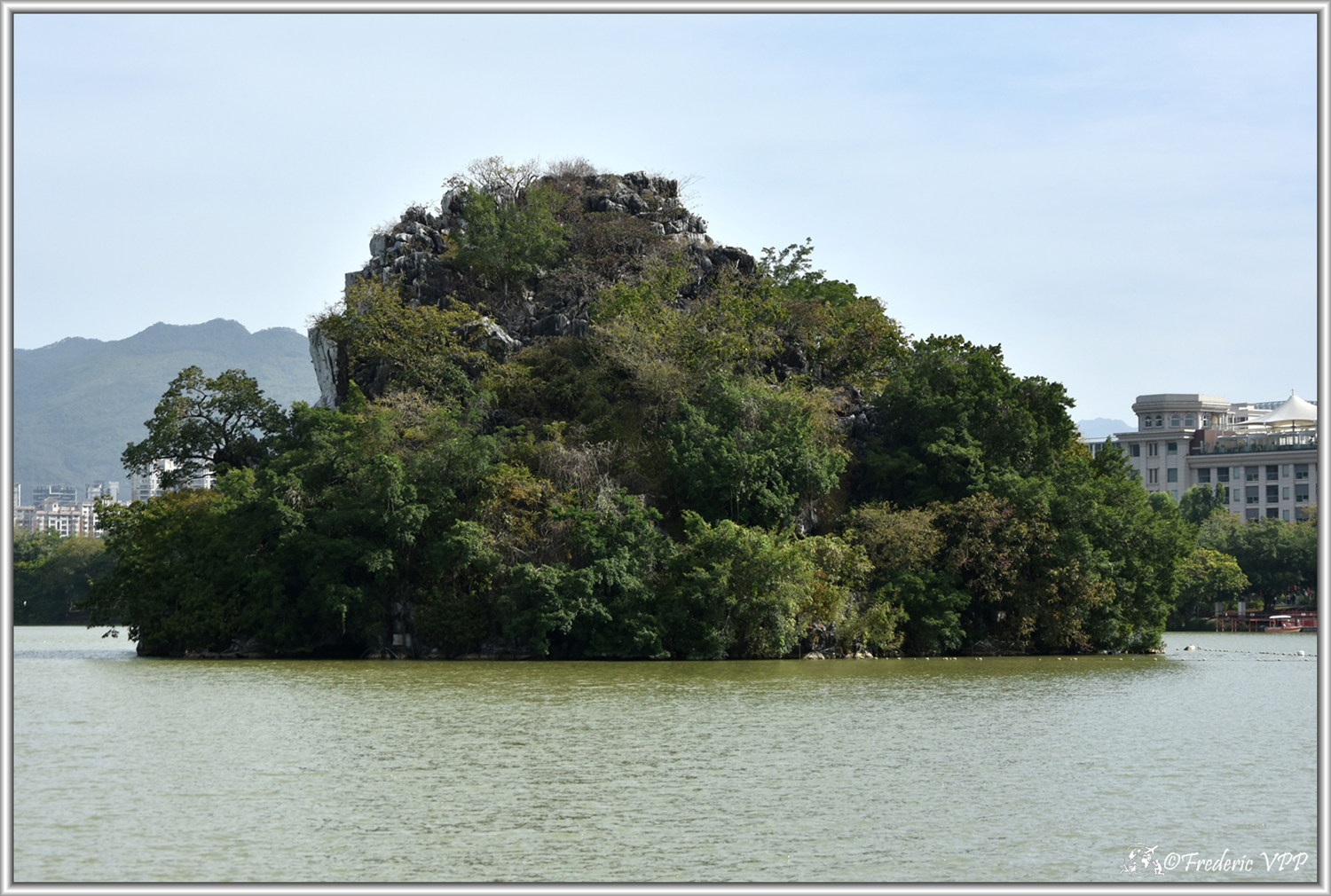
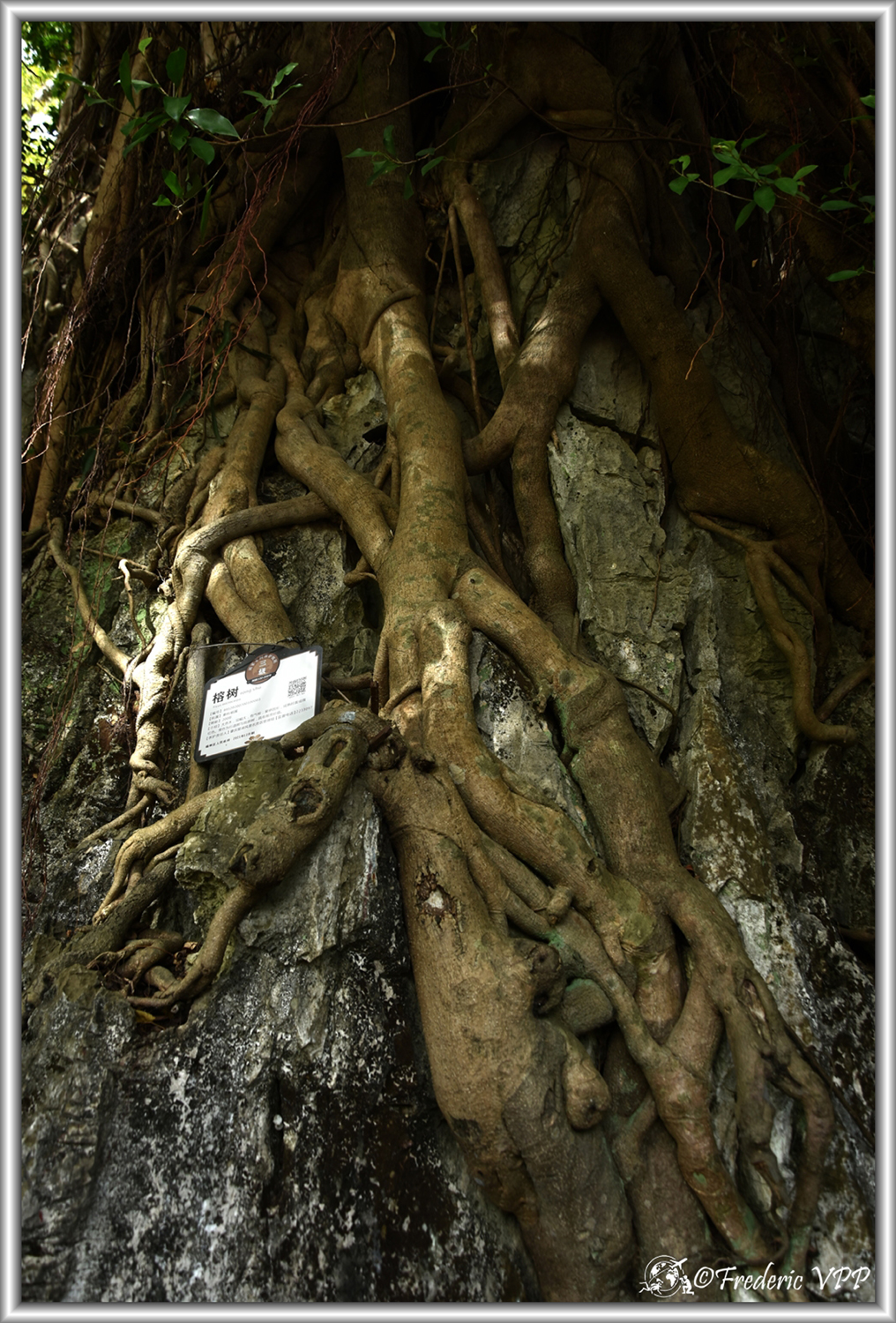
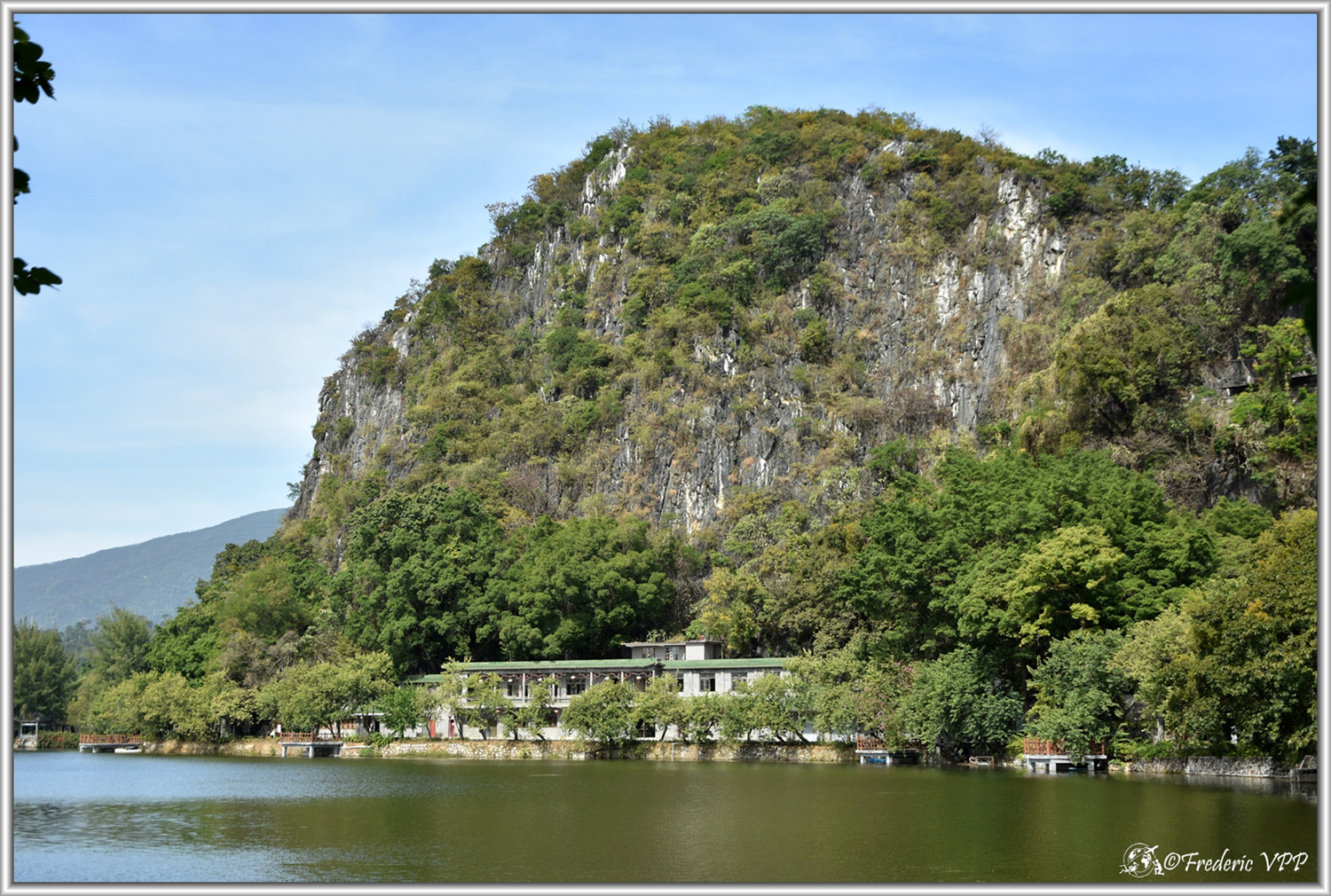
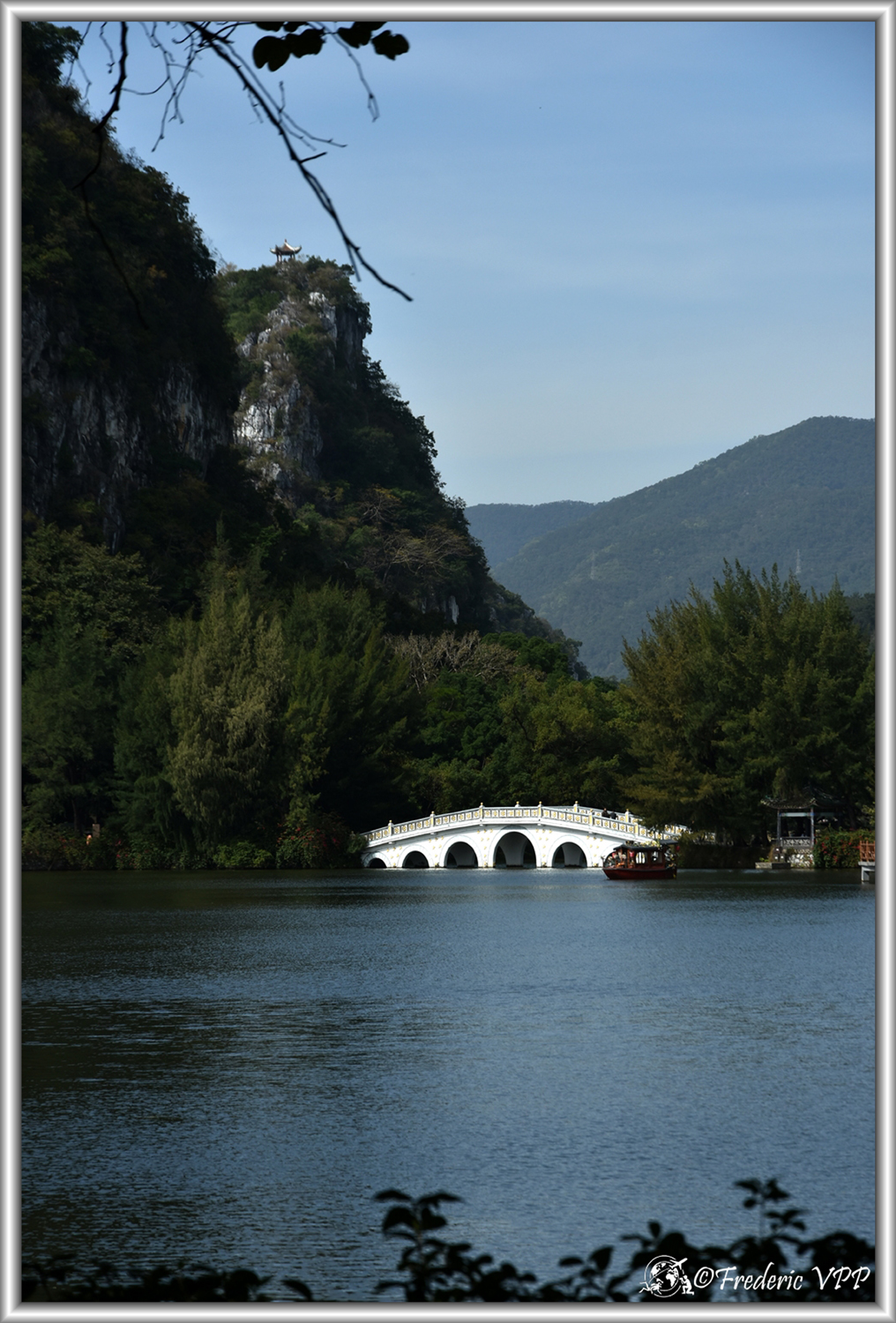
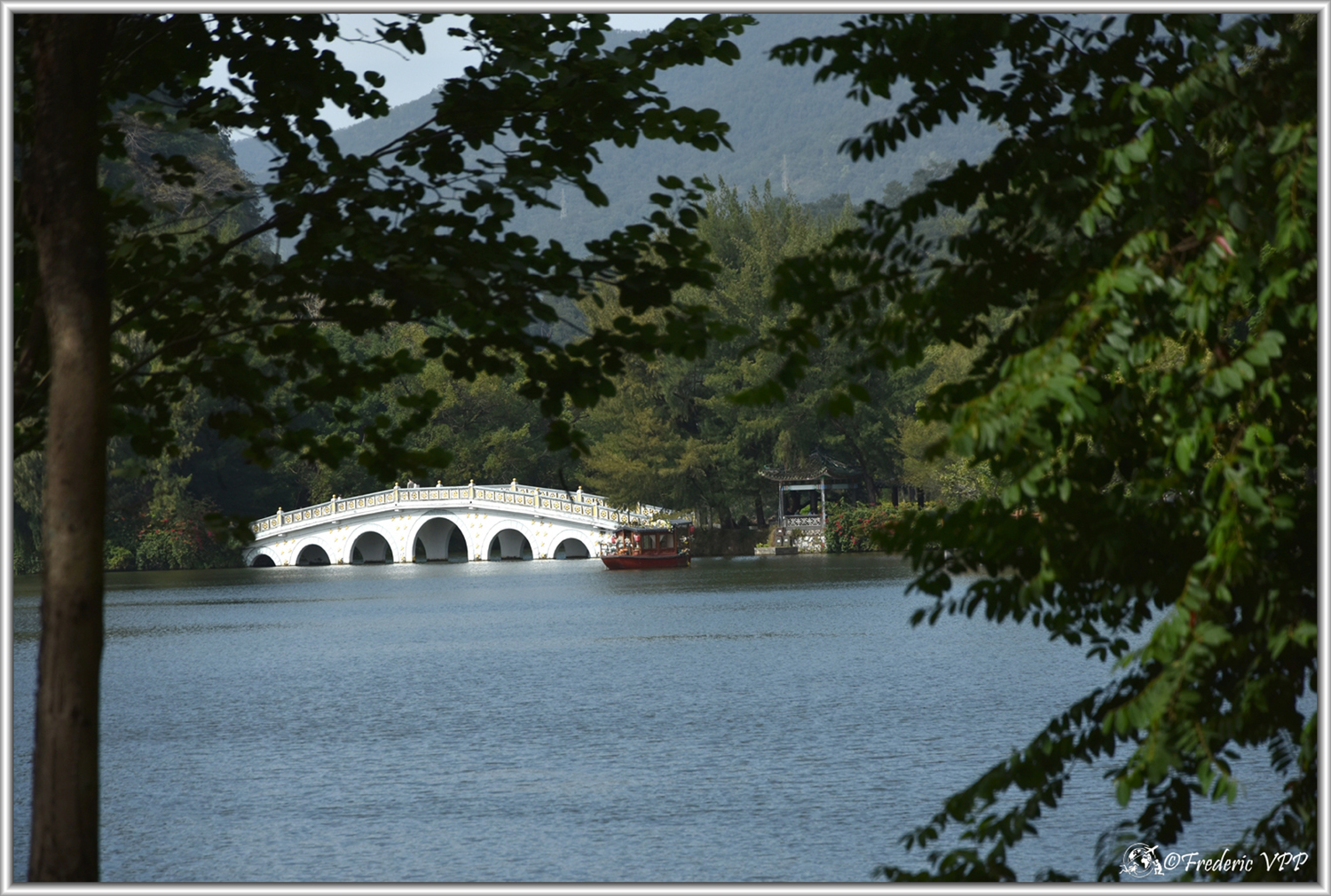
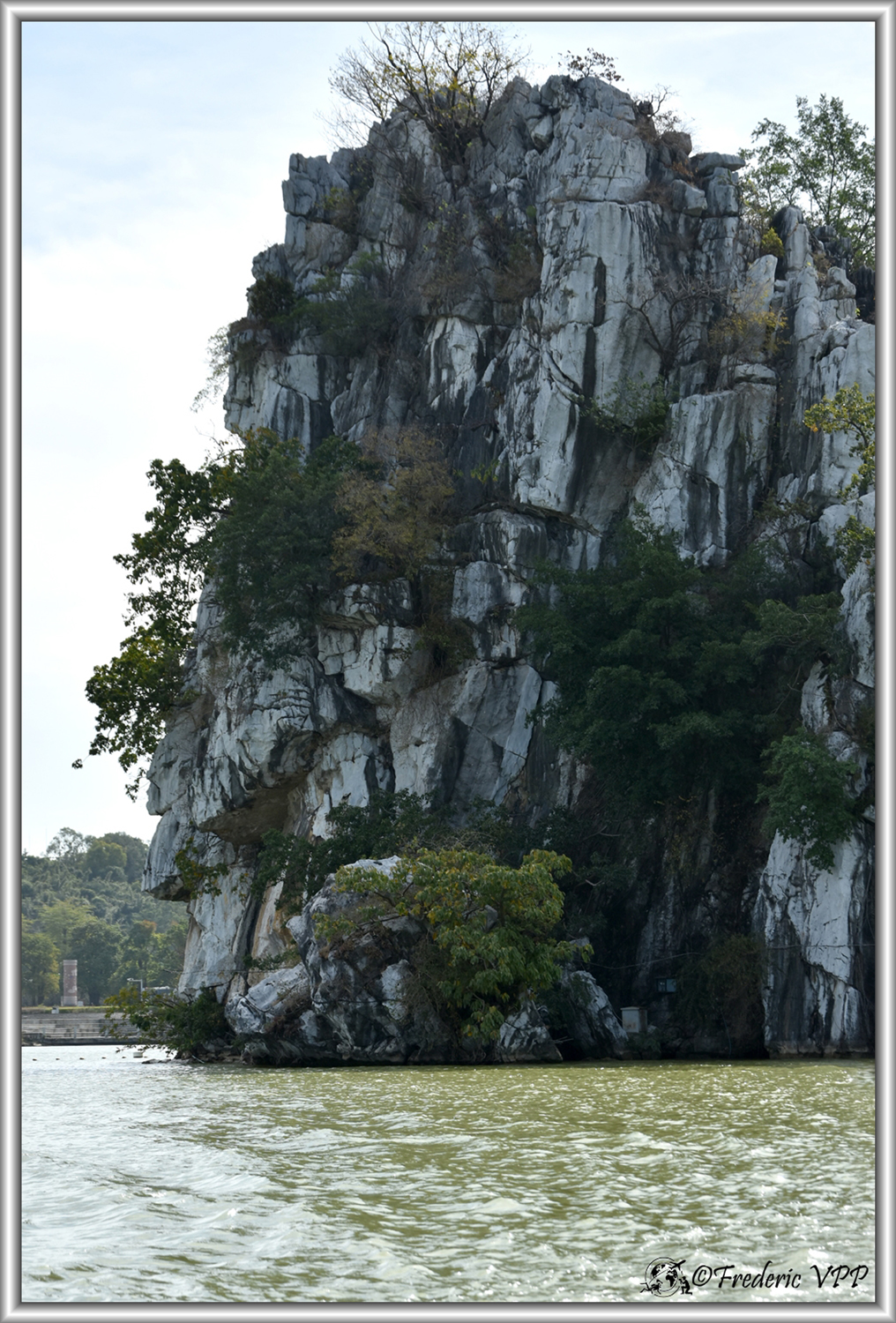
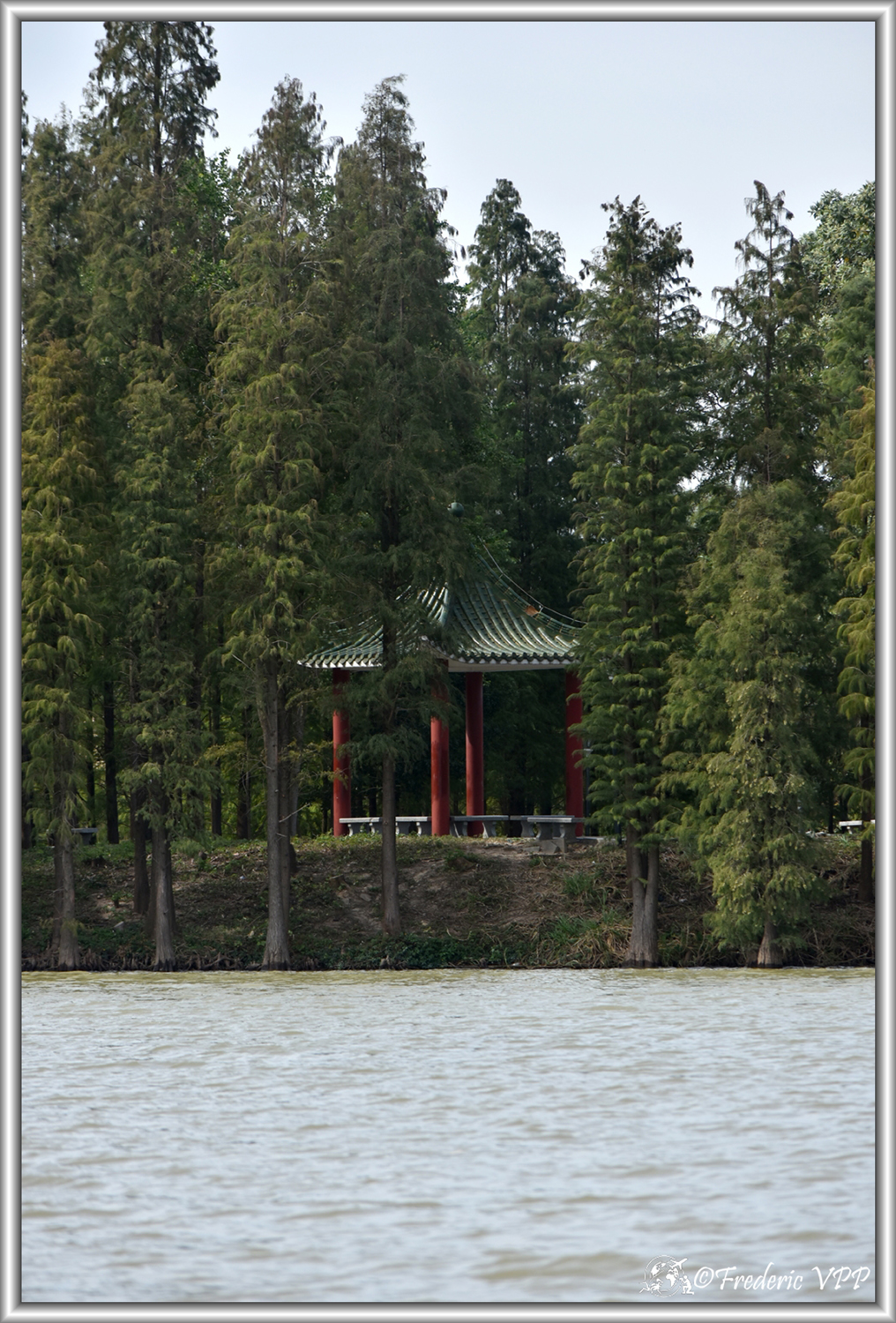
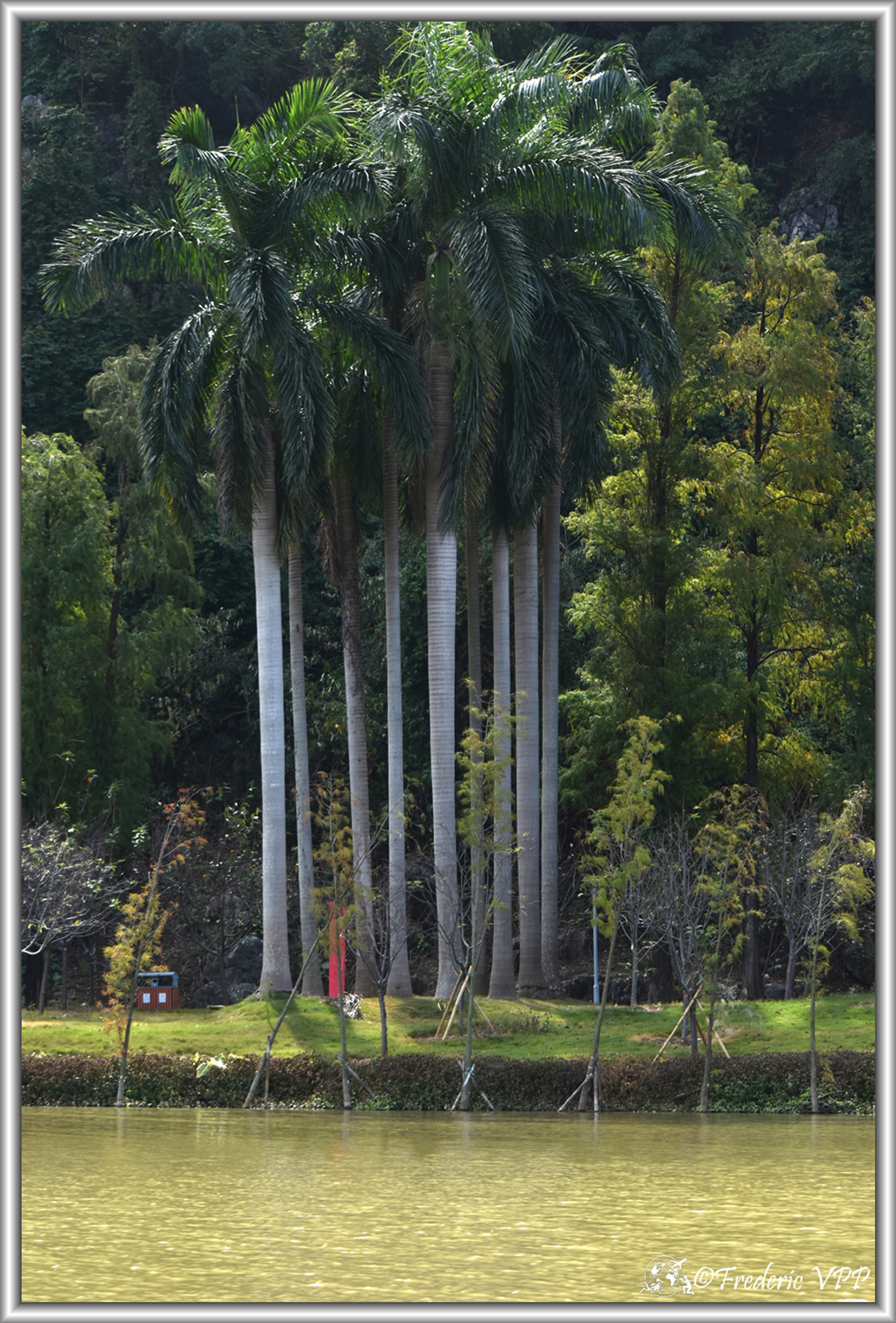
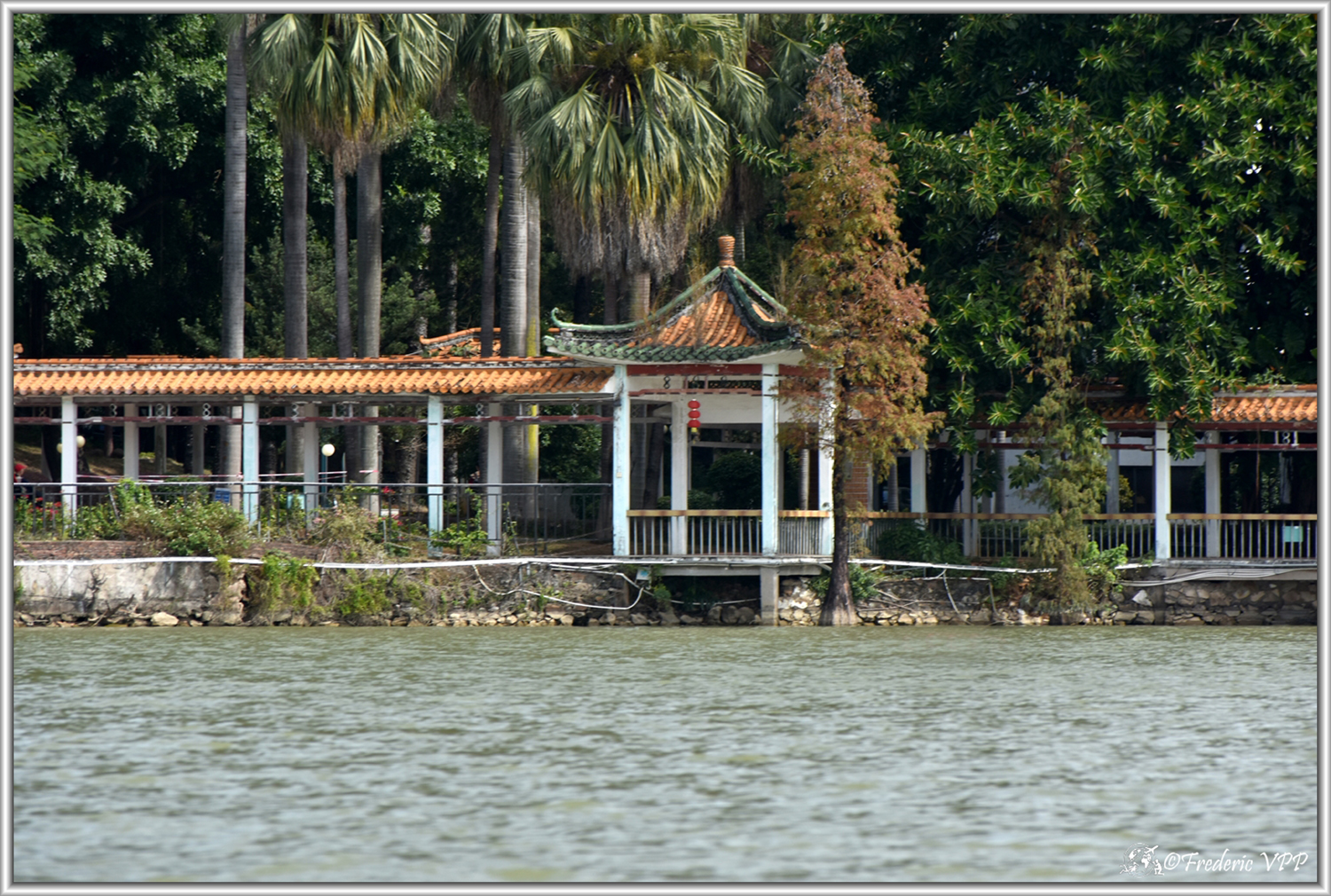
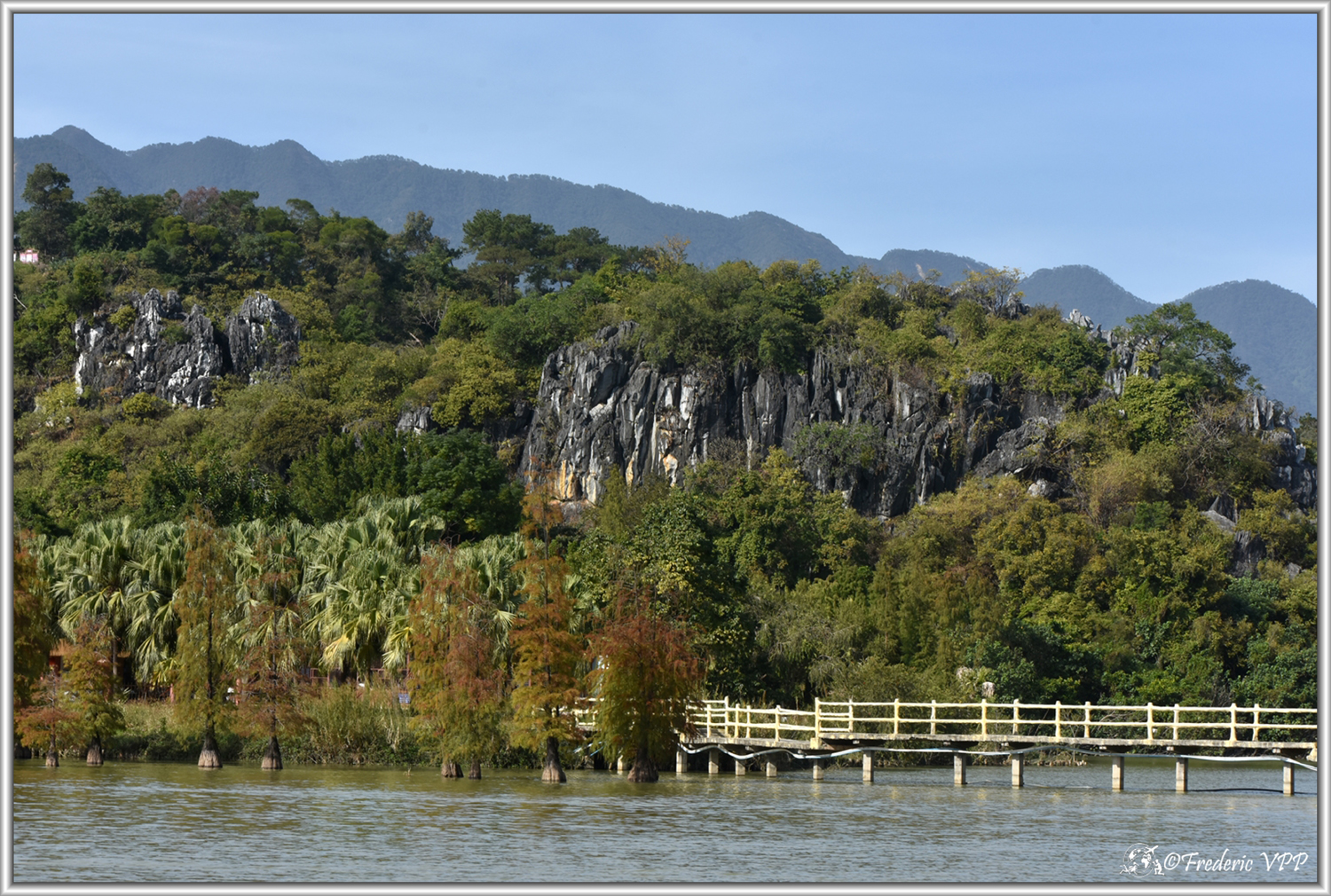
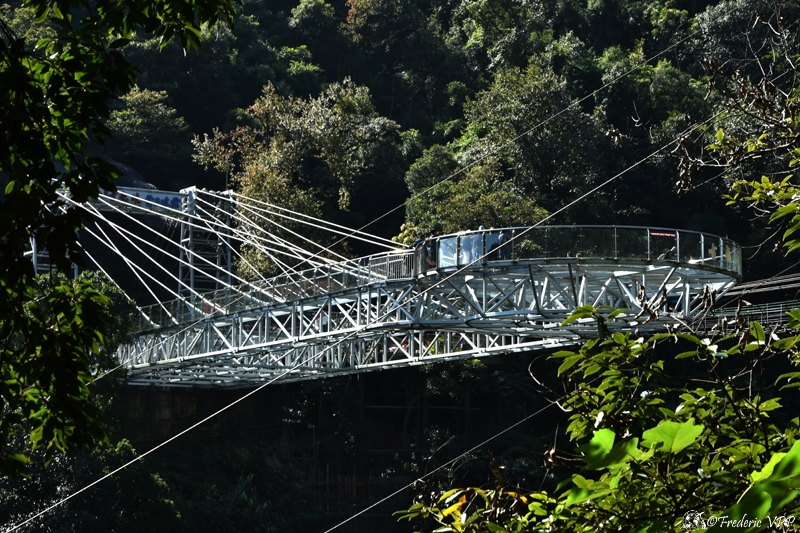
It is renowned for its spectacular natural landscapes, karst rocks, including the Seven Star Mountains and Dinghu Lake
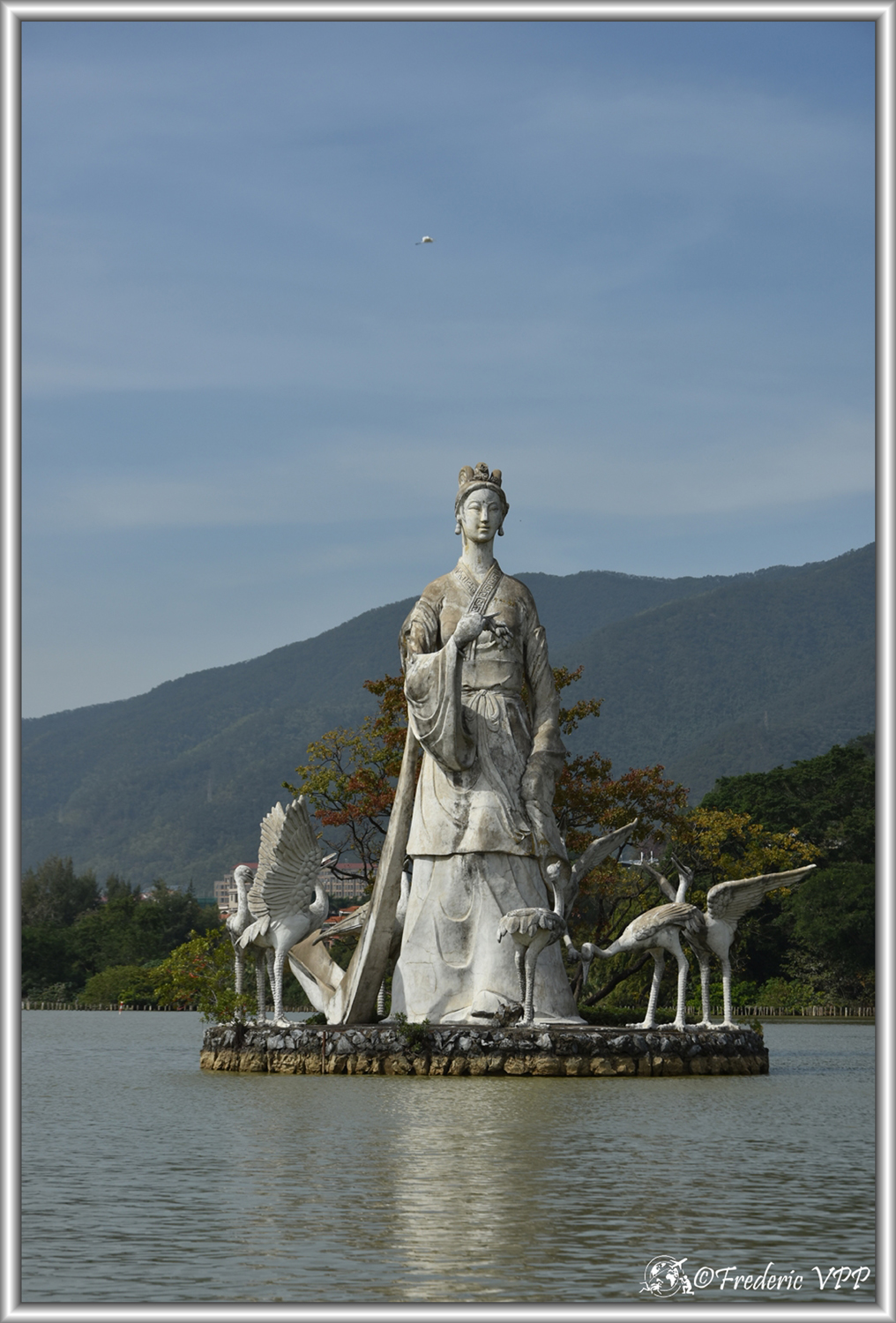
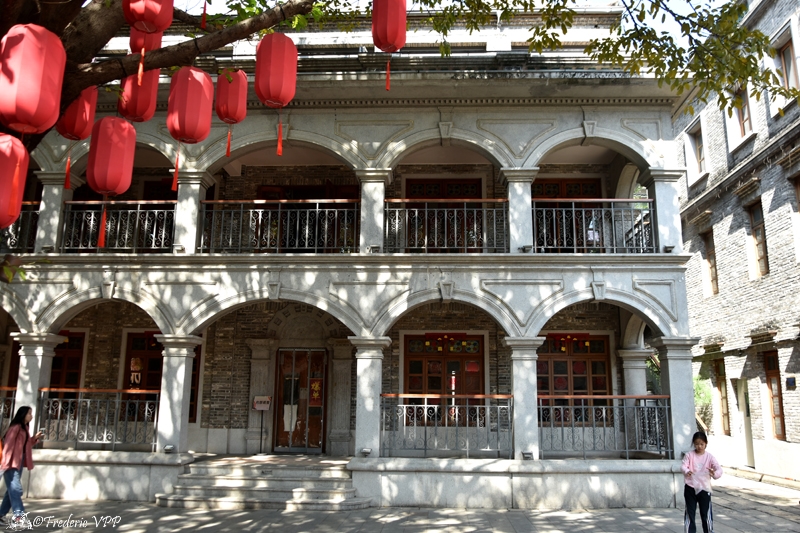
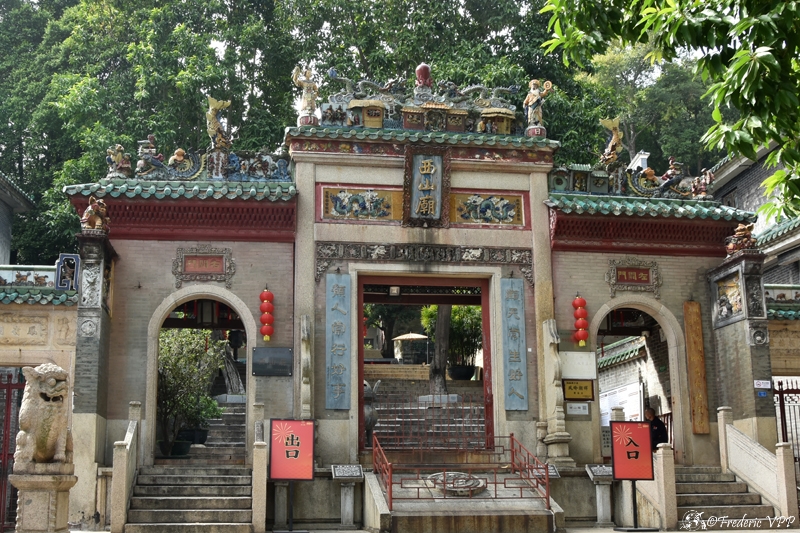
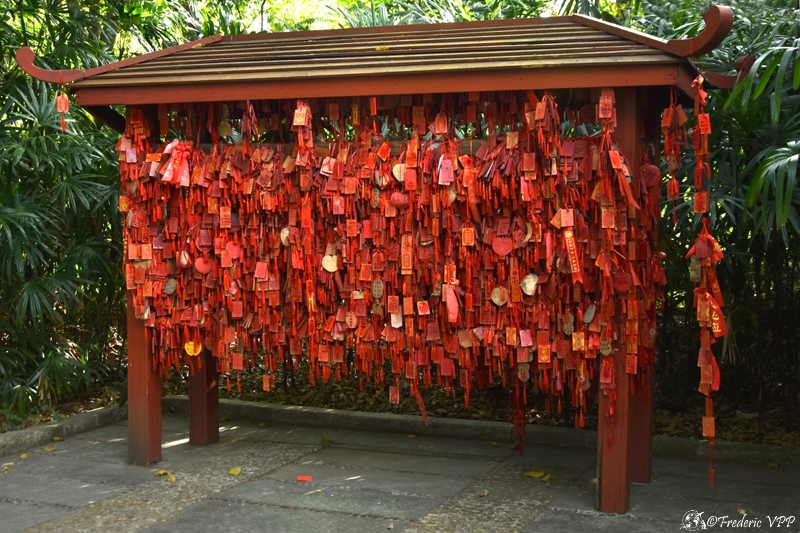
But many places are also to be seen such as Qixingyan Garden, Sharon White Mother Temple, Piyun House, Baogong temple.
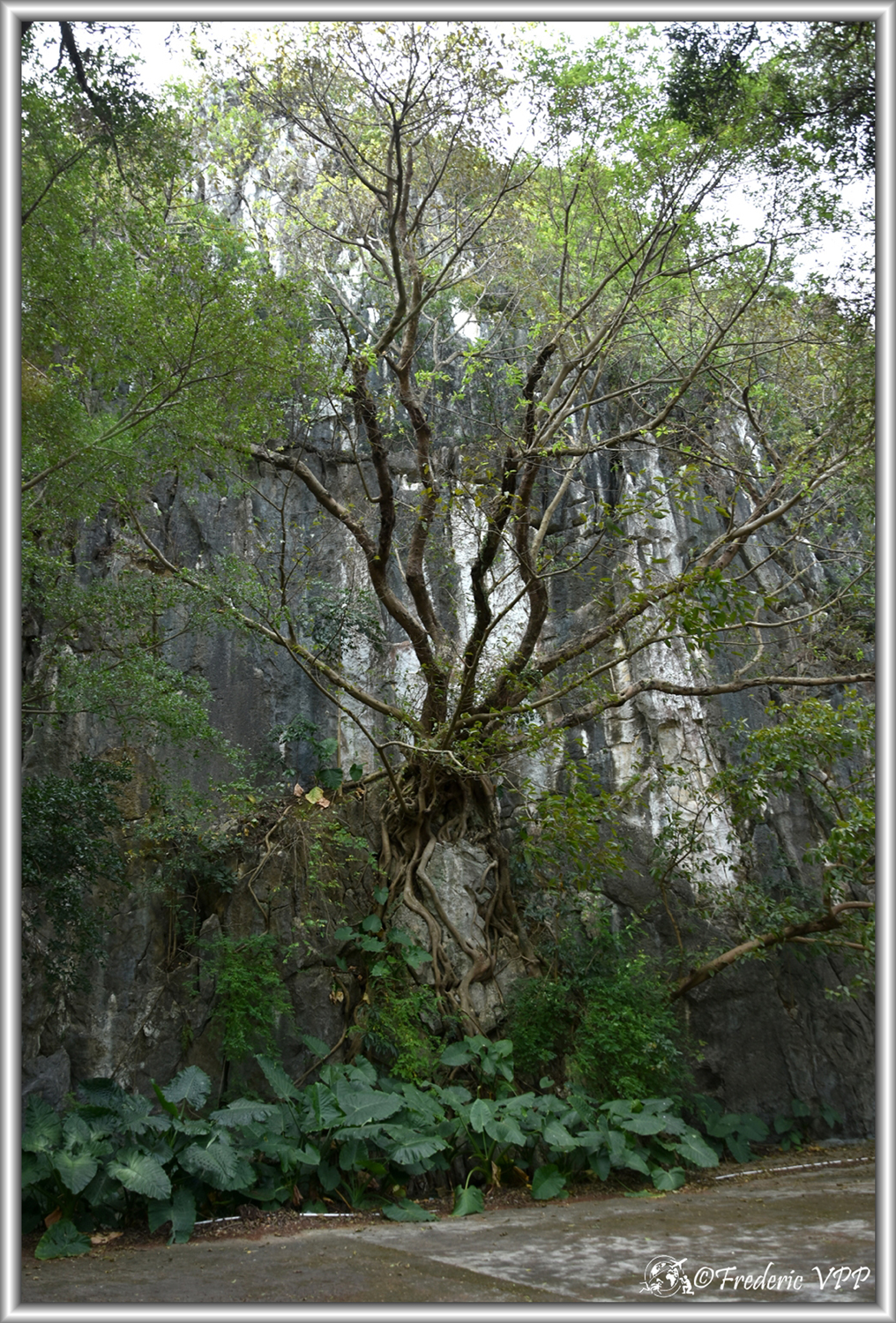
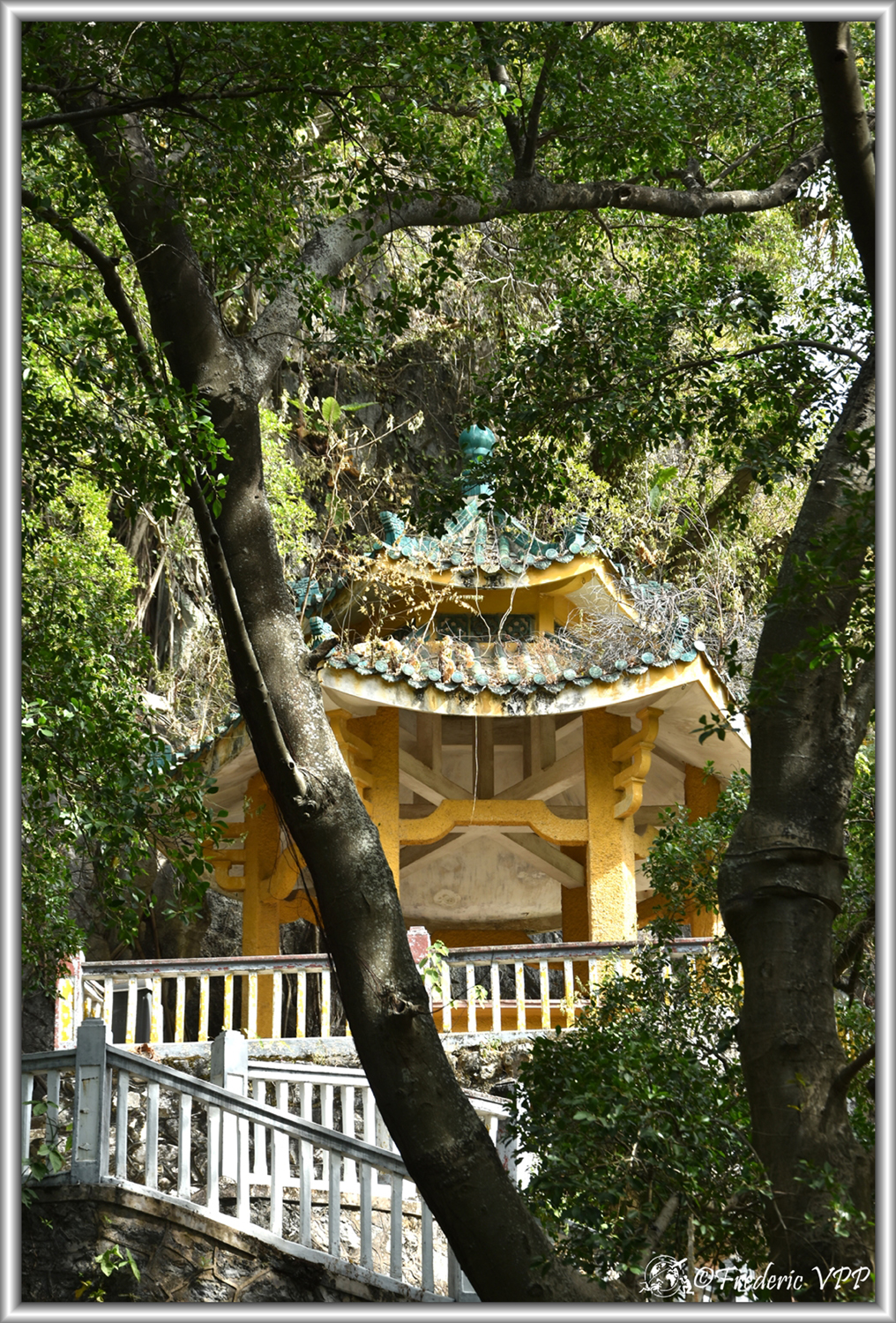
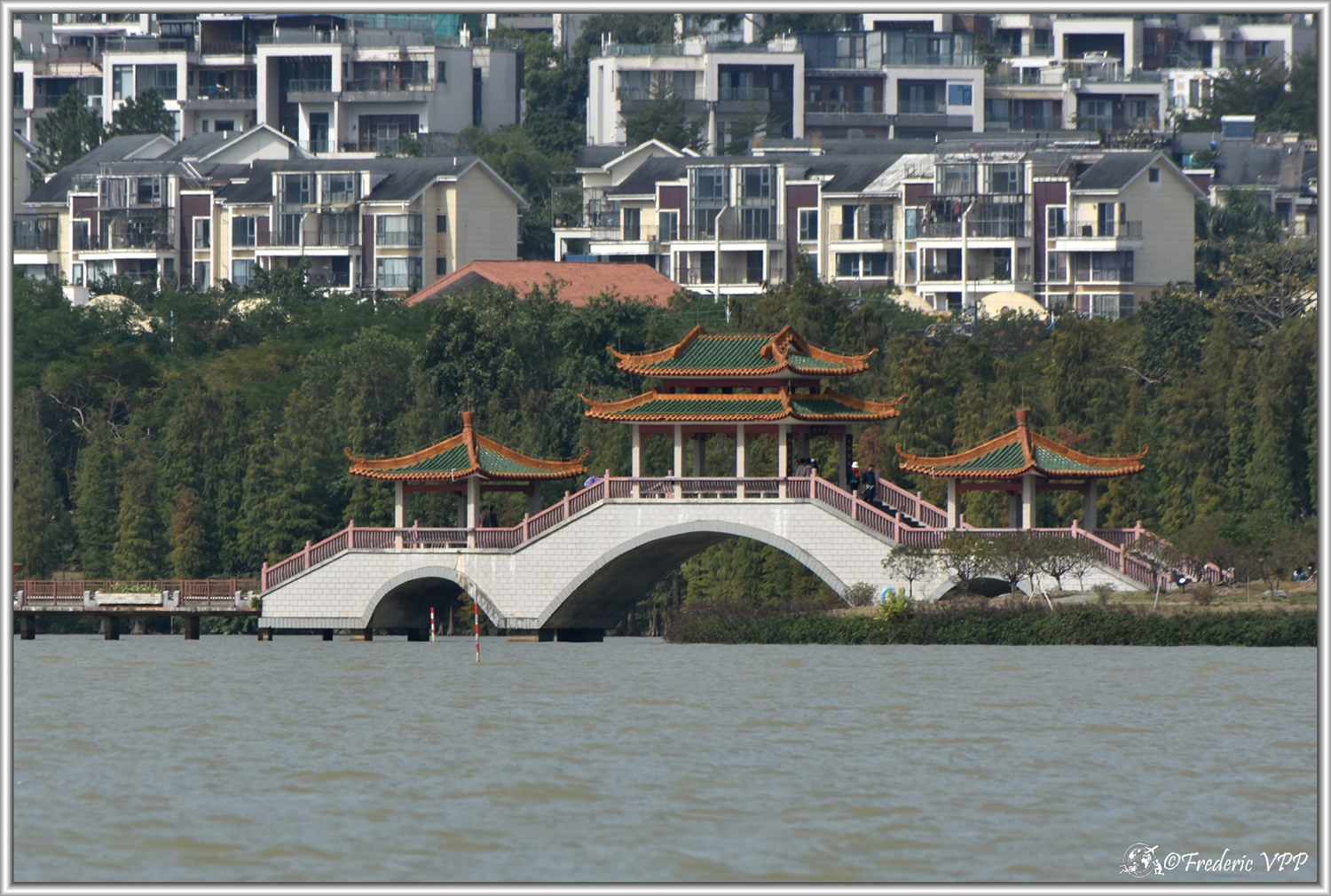
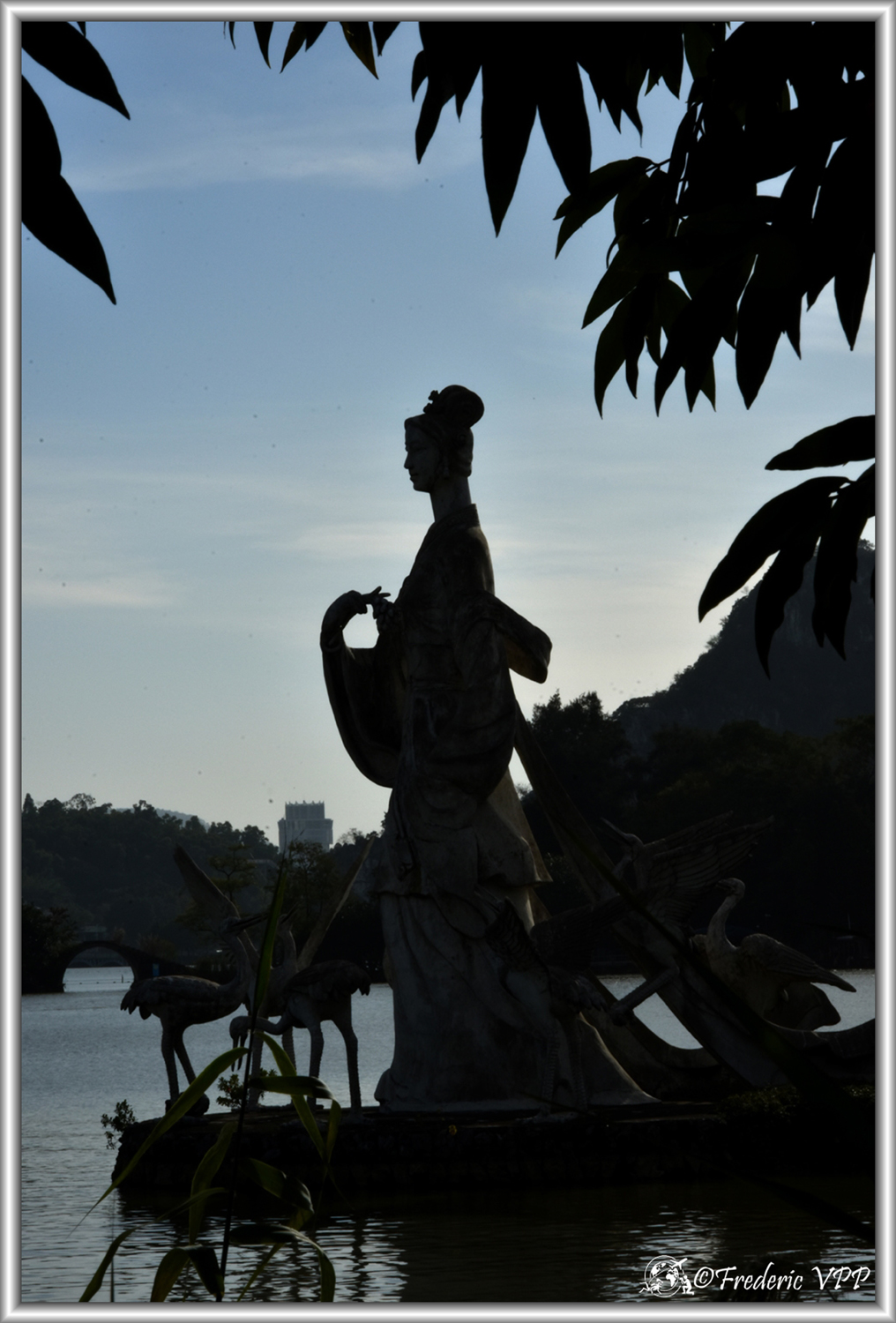
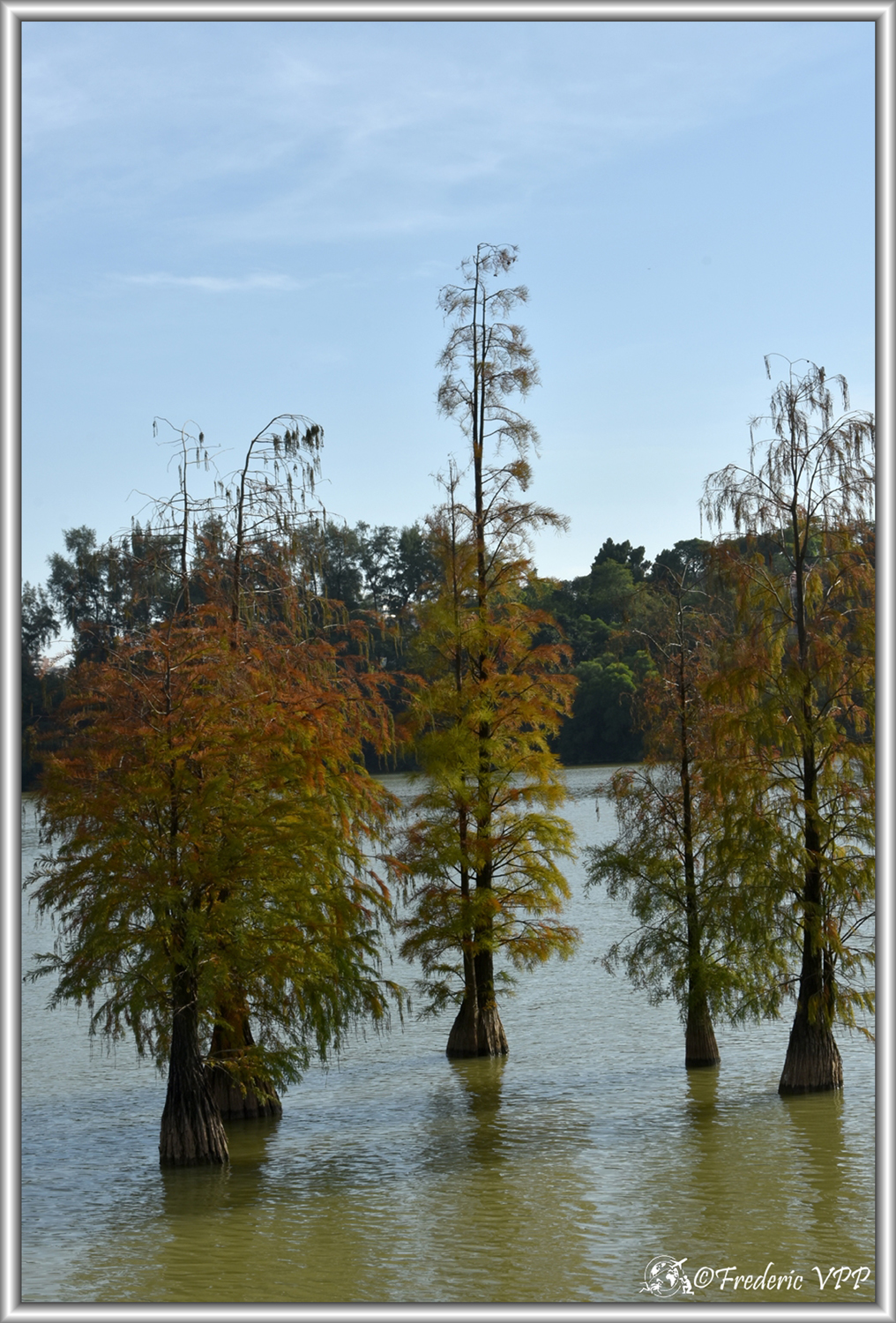
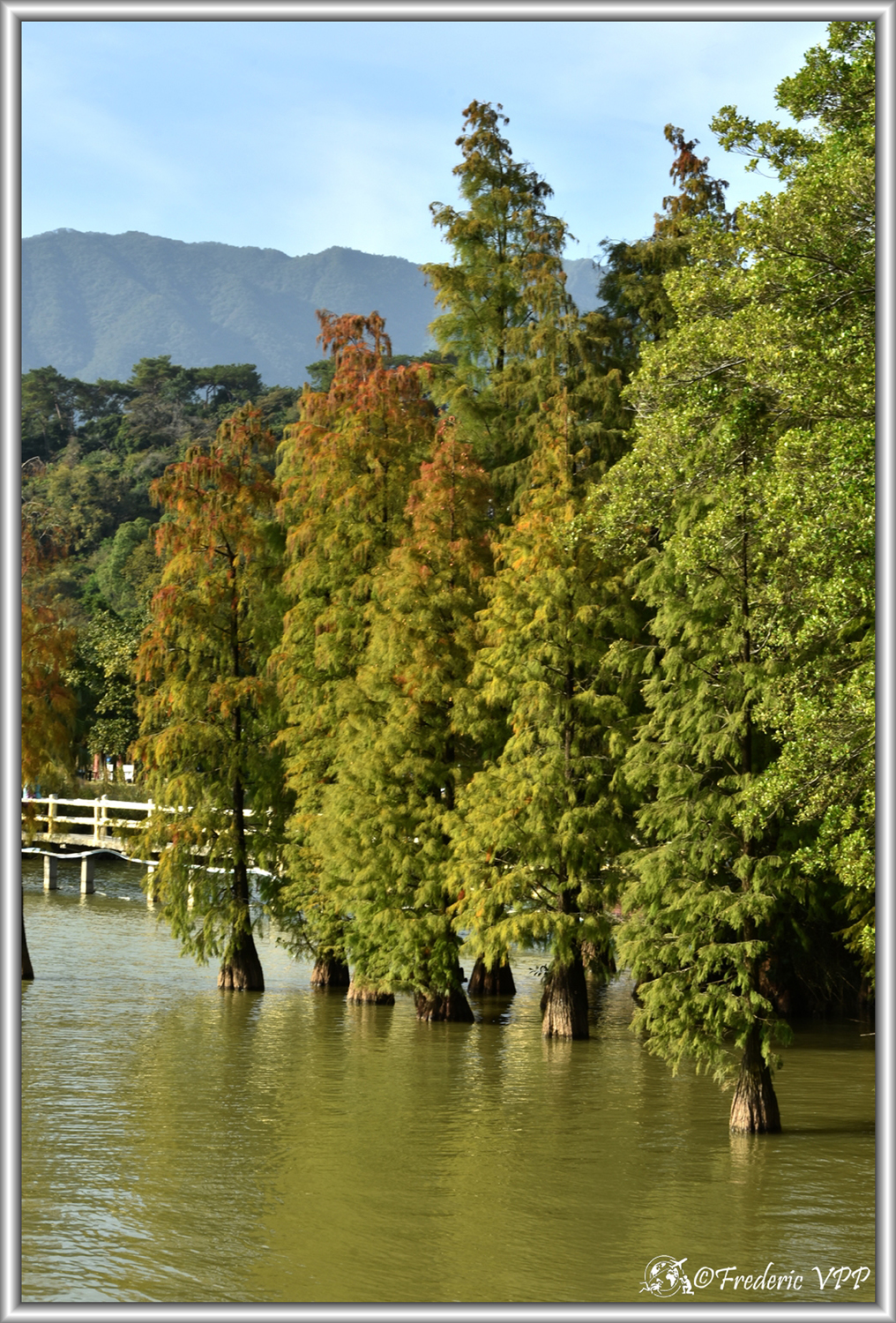
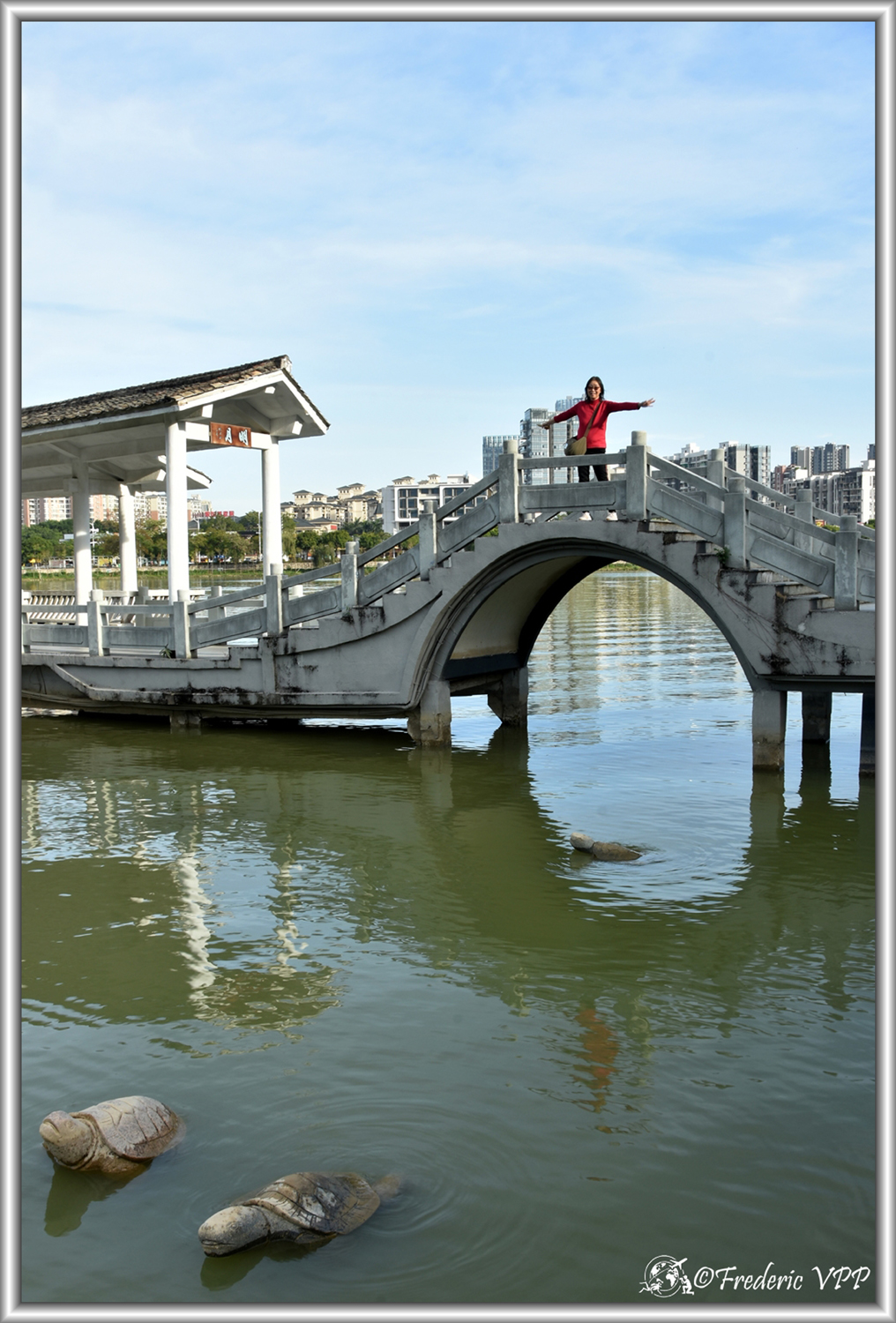
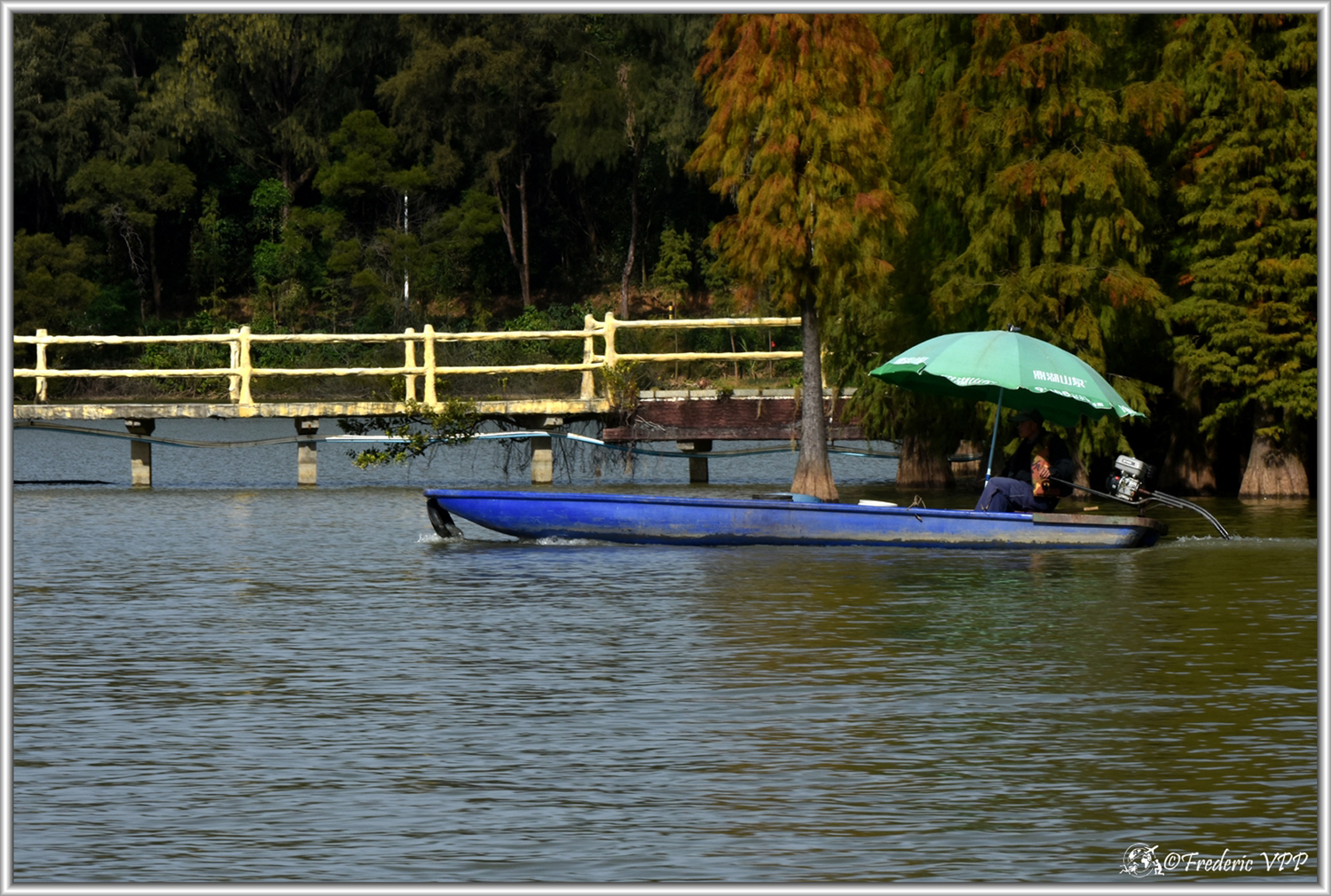
Personally, I have only been to the Lake of Seven Stars. This place is beautiful with the karst rocks
|
|
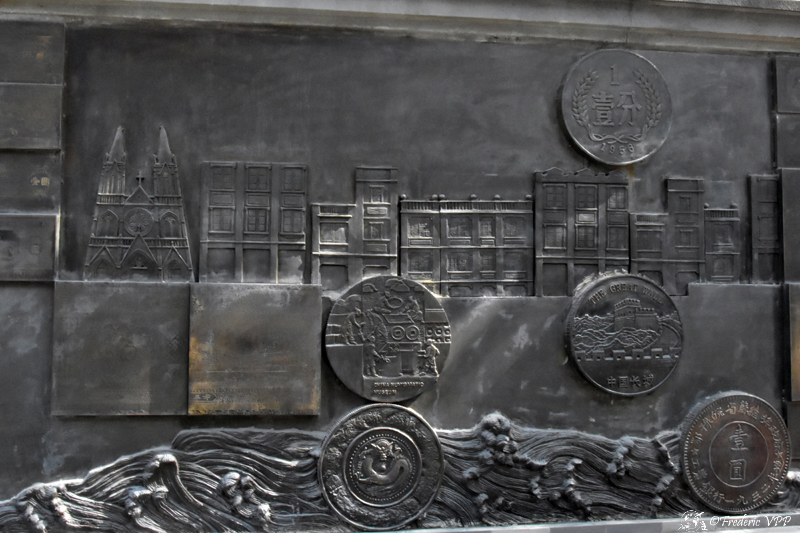
The date of its founding is uncertain, but the city is known as early as the Qin (221-206 BC) and Han (206 BC - 220) dynasties, as Gaoyao (??, gāoyāo), and then in the Sui Dynasty (581-618), as Duanzhou (端州, duānzhōu), as an important administrative region and military base.
The Jesuits were eager to expand their missionary activity from Macau to mainland China, so more visits soon followed, and in 1583, after several false starts, Michele Ruggieri and another newly arrived Jesuit, Matteo Ricci, managed to settle in the city, effectively the first Jesuit mission in China outside Macau.
Ruggieri and Ricci moved to the city, having received an invitation from the governor of Zhaoqing, Wang Pan, who had heard of Ricci's skills as a mathematician and cartographer. Ricci made the first map of the world in Chinese in 1584. In 1588, Ruggieri left China for Rome, never to return. But Ricci stayed in Zhaoqing until 1589, when the new viceroy decided to expel him from the city, for Chaozhou.
A former regional capital under several dynasties, it has long been a political and cultural center of southern China. Today, Zhaoqing retains many historical relics and local traditions, while opening up to modernity and tourism.
|
|
Karst rocks are limestone formations sculpted by water over time. The rain, slightly acidic, slowly dissolves the limestone and creates caves, cliffs, peaks and underground networks.
This slow process gives rise to highly sculpted landscapes, often pierced by underground cavities. These landscapes can be recognized by their abrupt and often spectacular shapes.
In France, they can be seen in the Causses and the Verdon gorges. In China, the most famous examples are Guilin–Yangshuo and Qixingyan in Zhaoqing.
|
|
Sorry if the links are outdated or not accessible
|
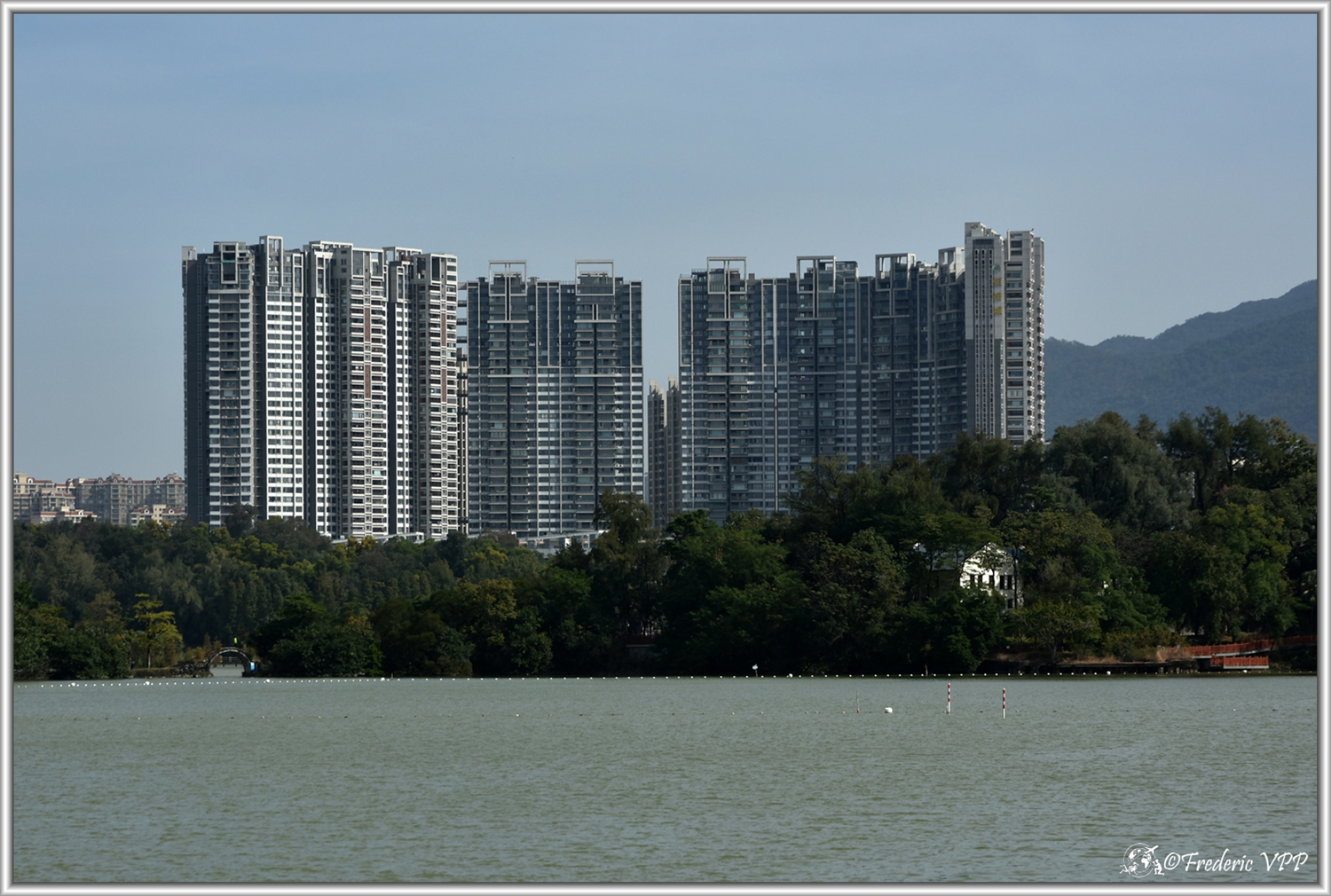
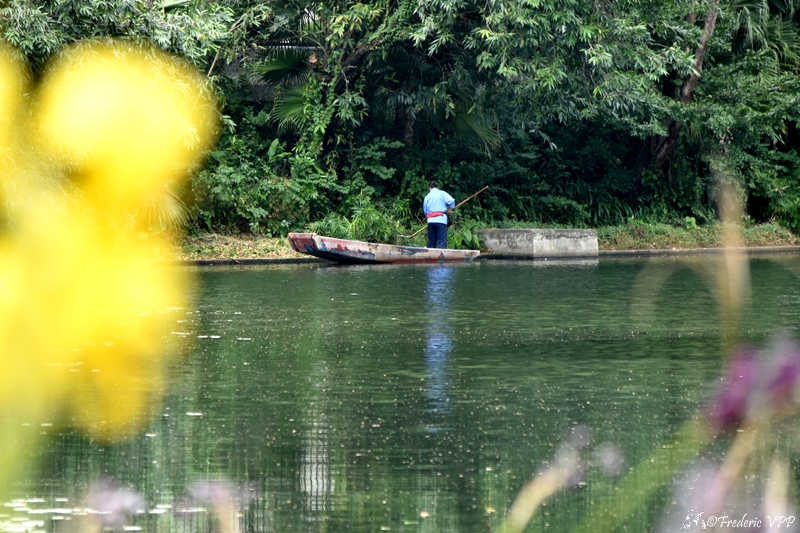
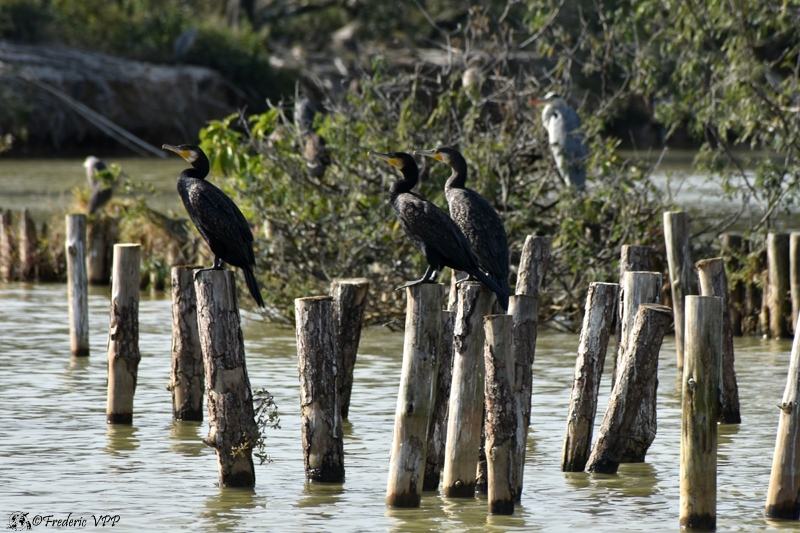
The photos are mainly taken at the Seven Star Lake