 Guangzhou
Guangzhou, China, January 2025
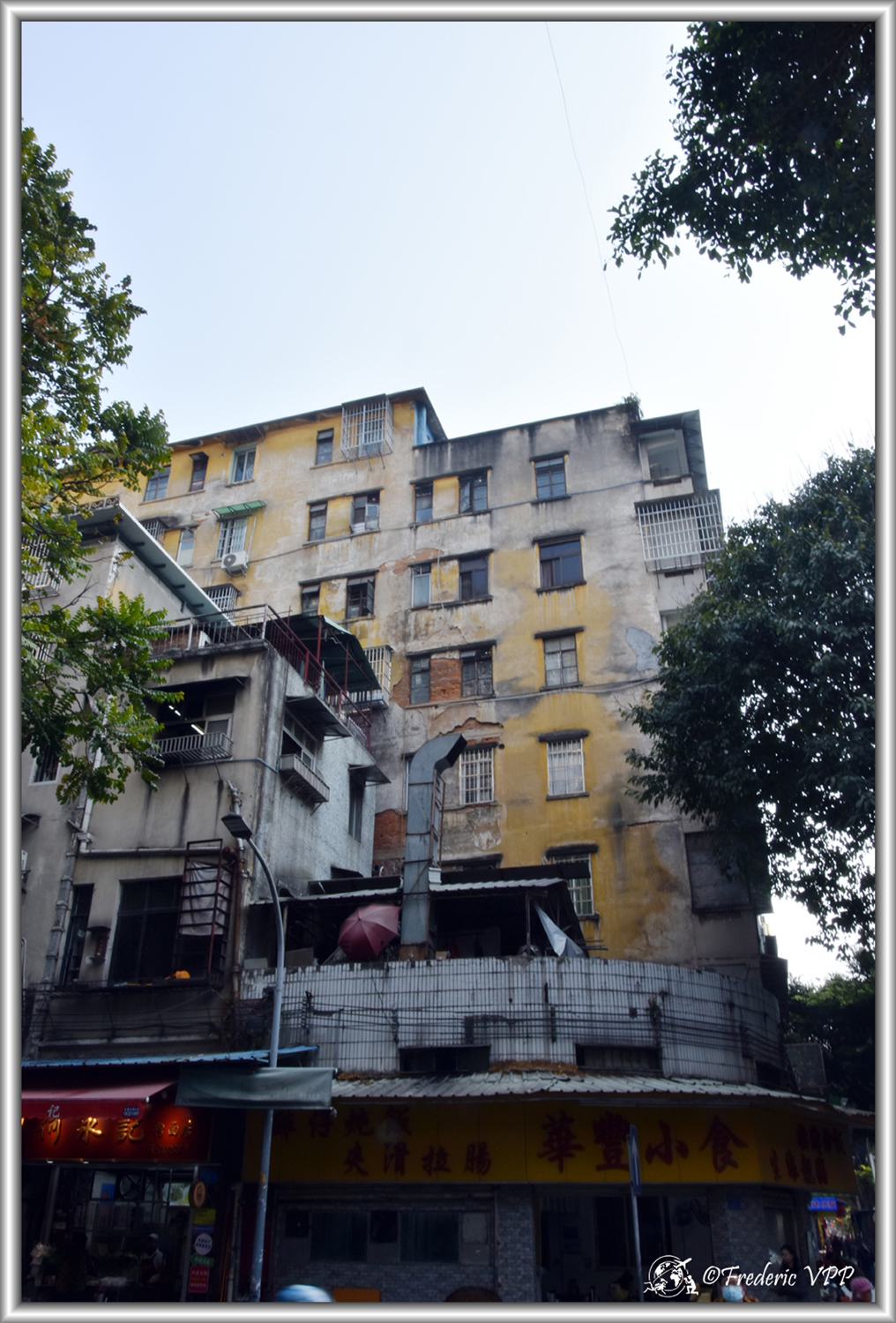
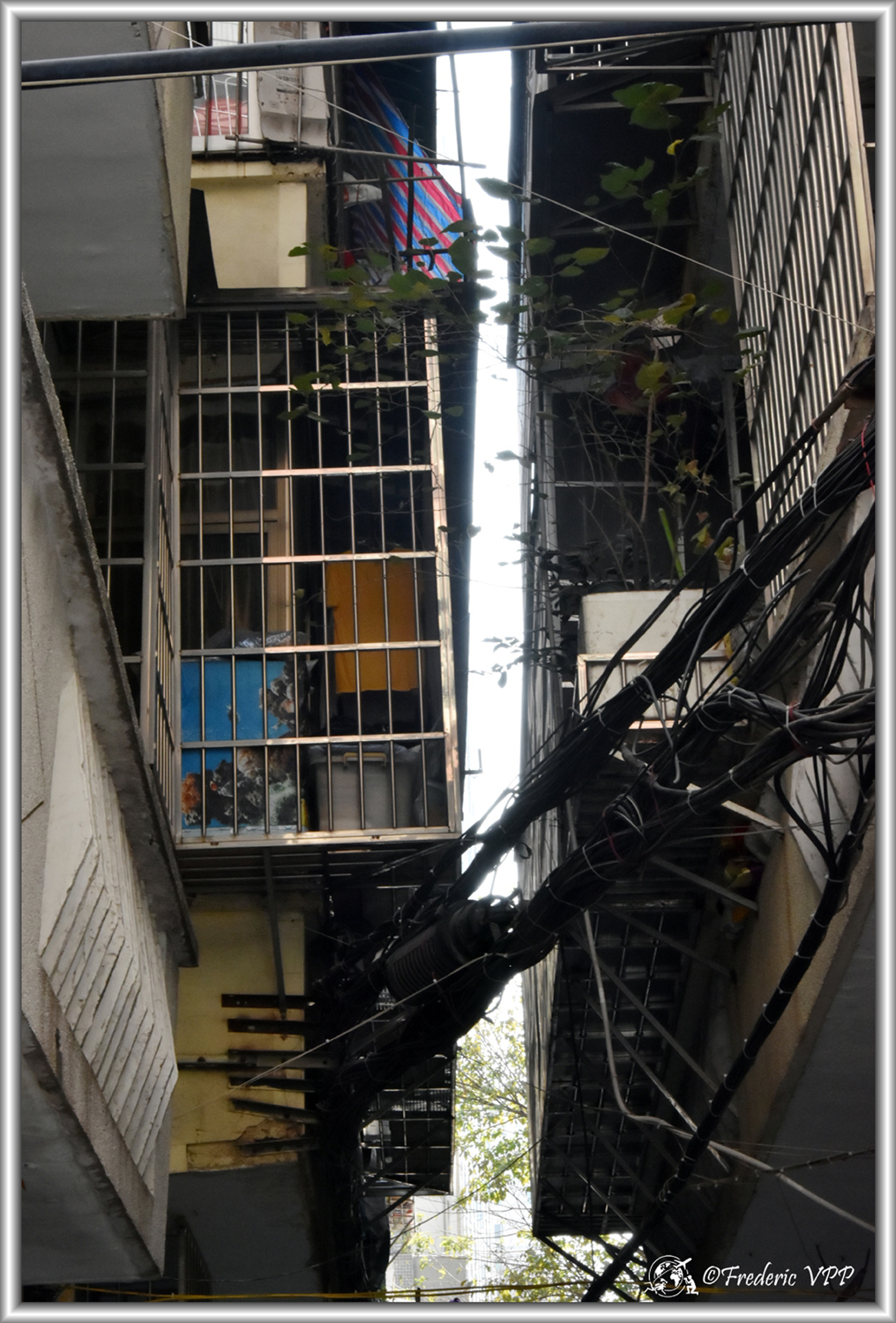
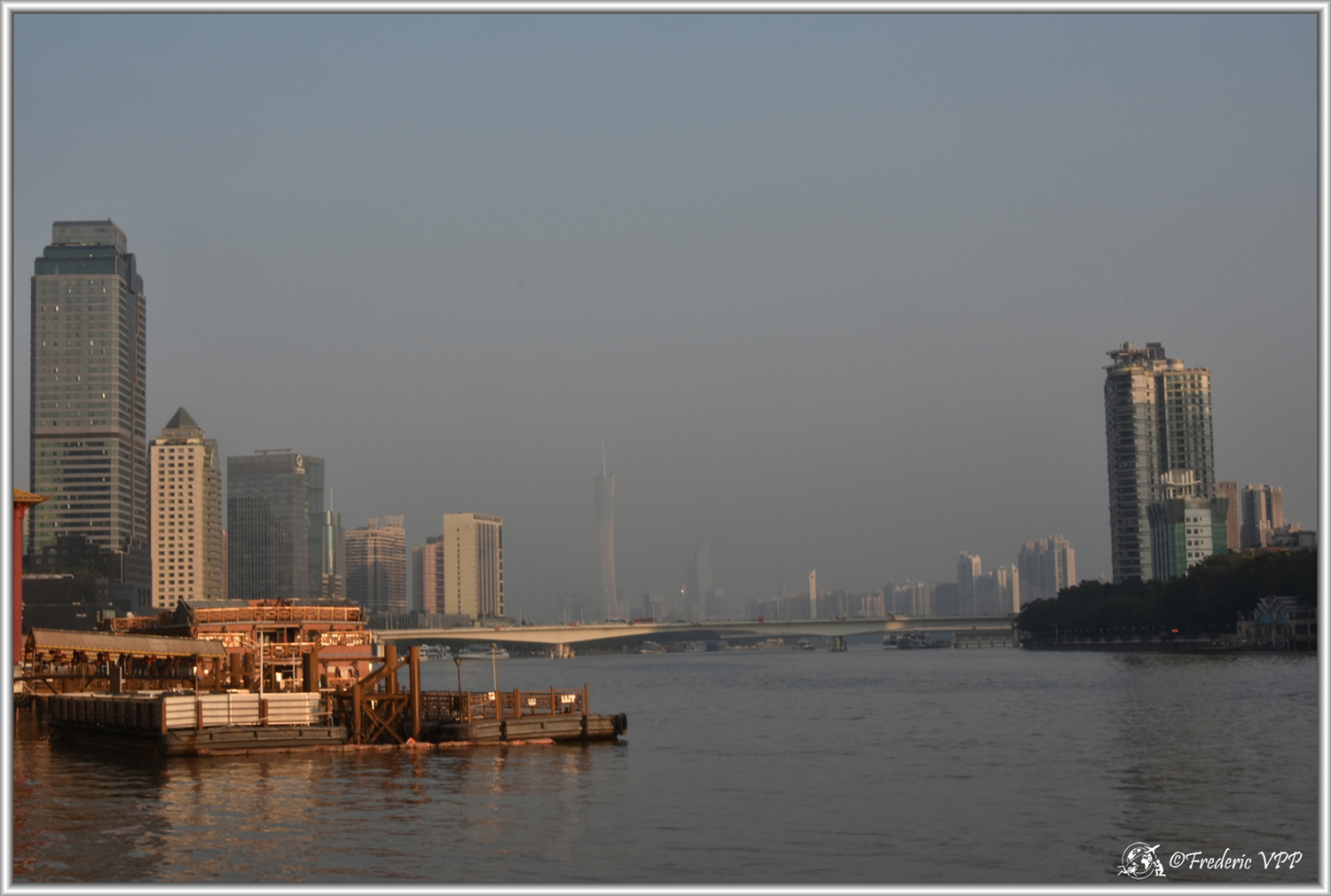
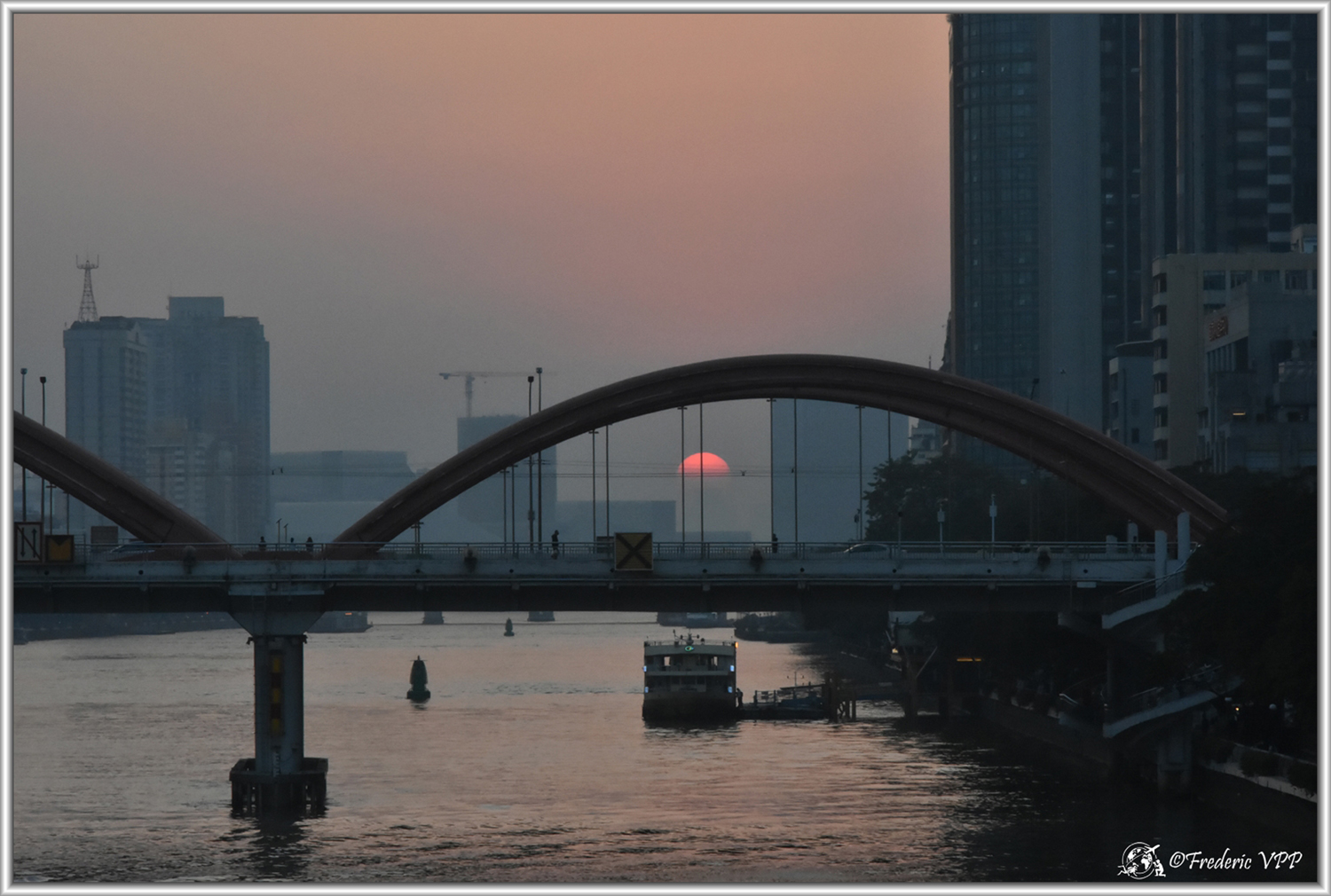
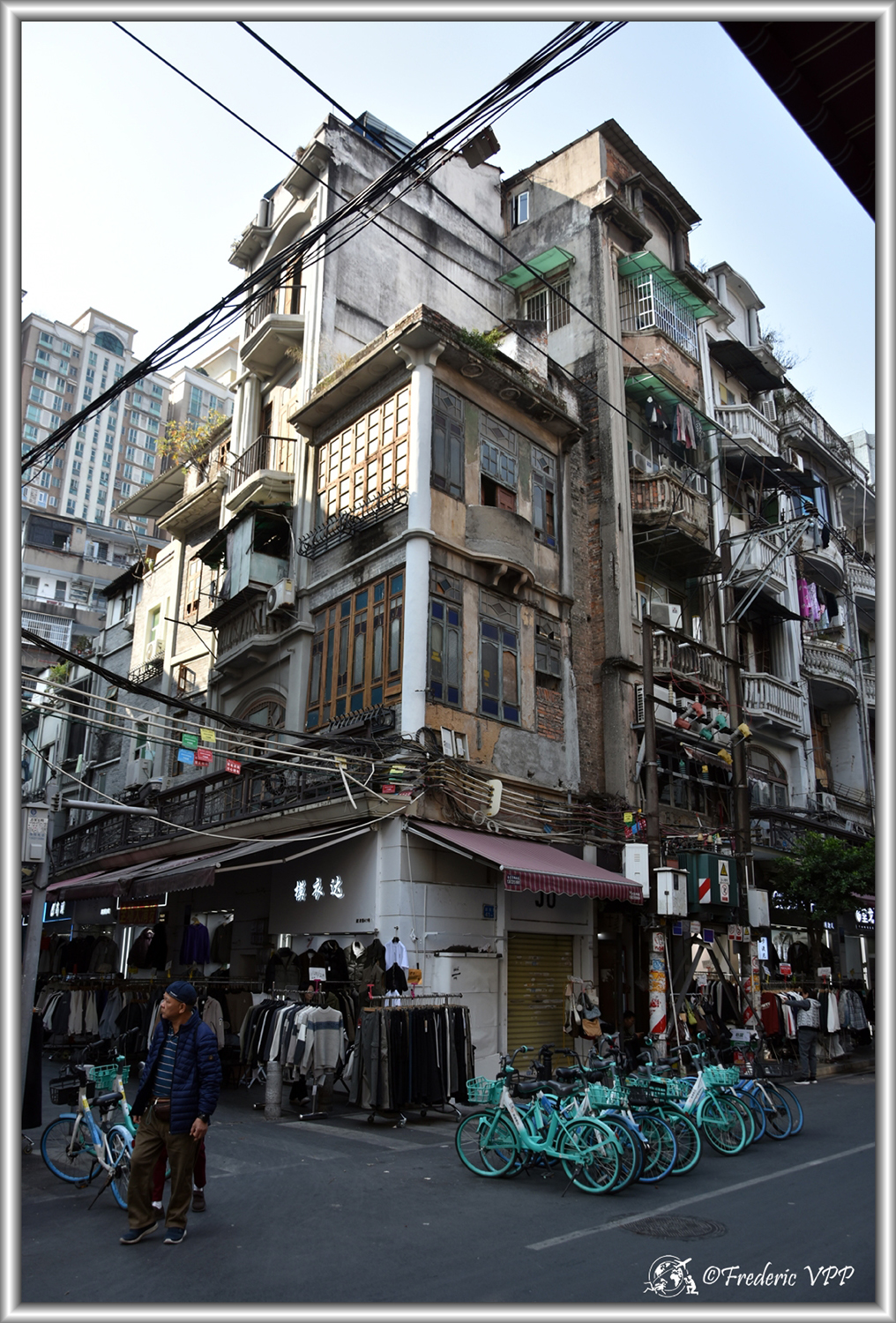
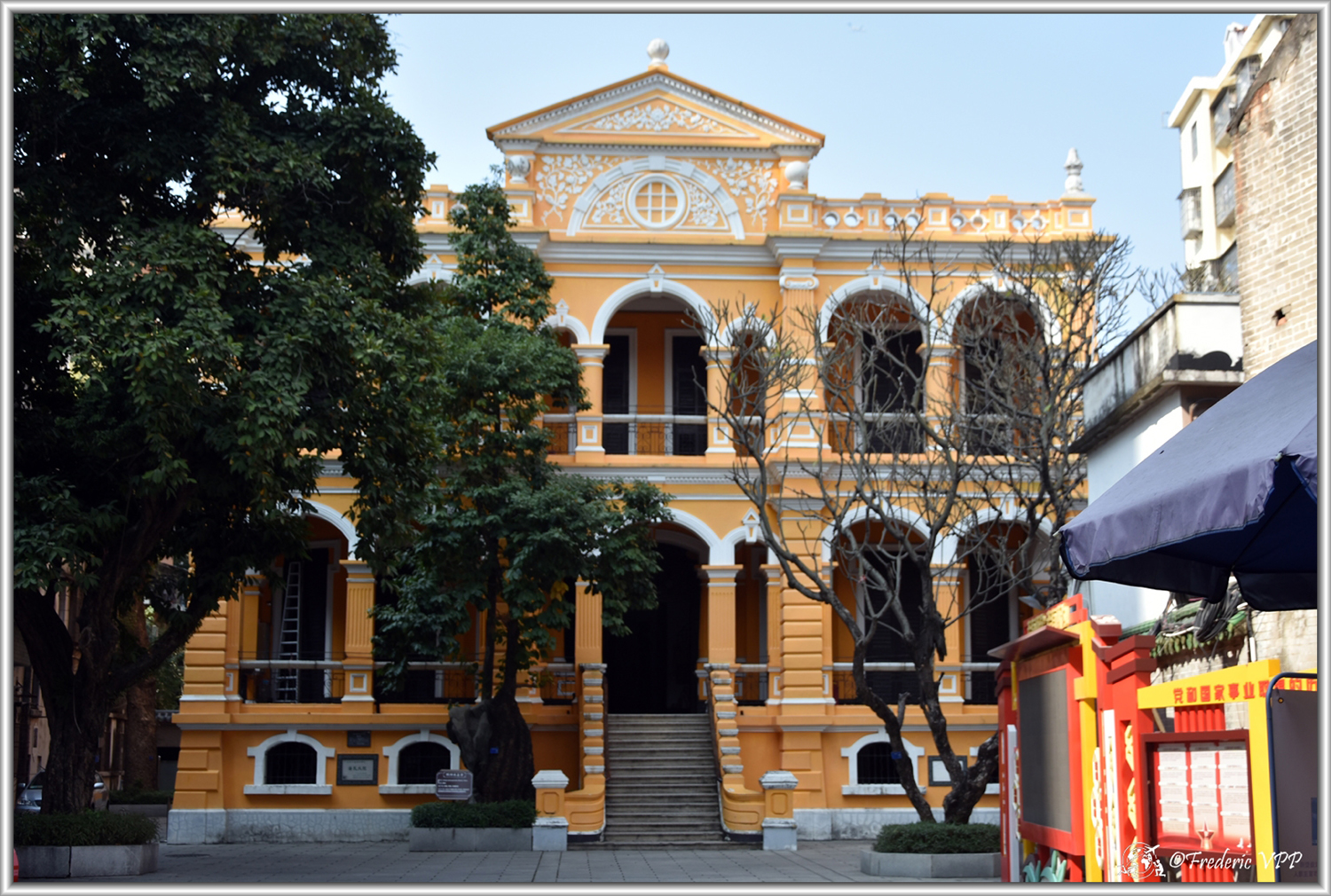
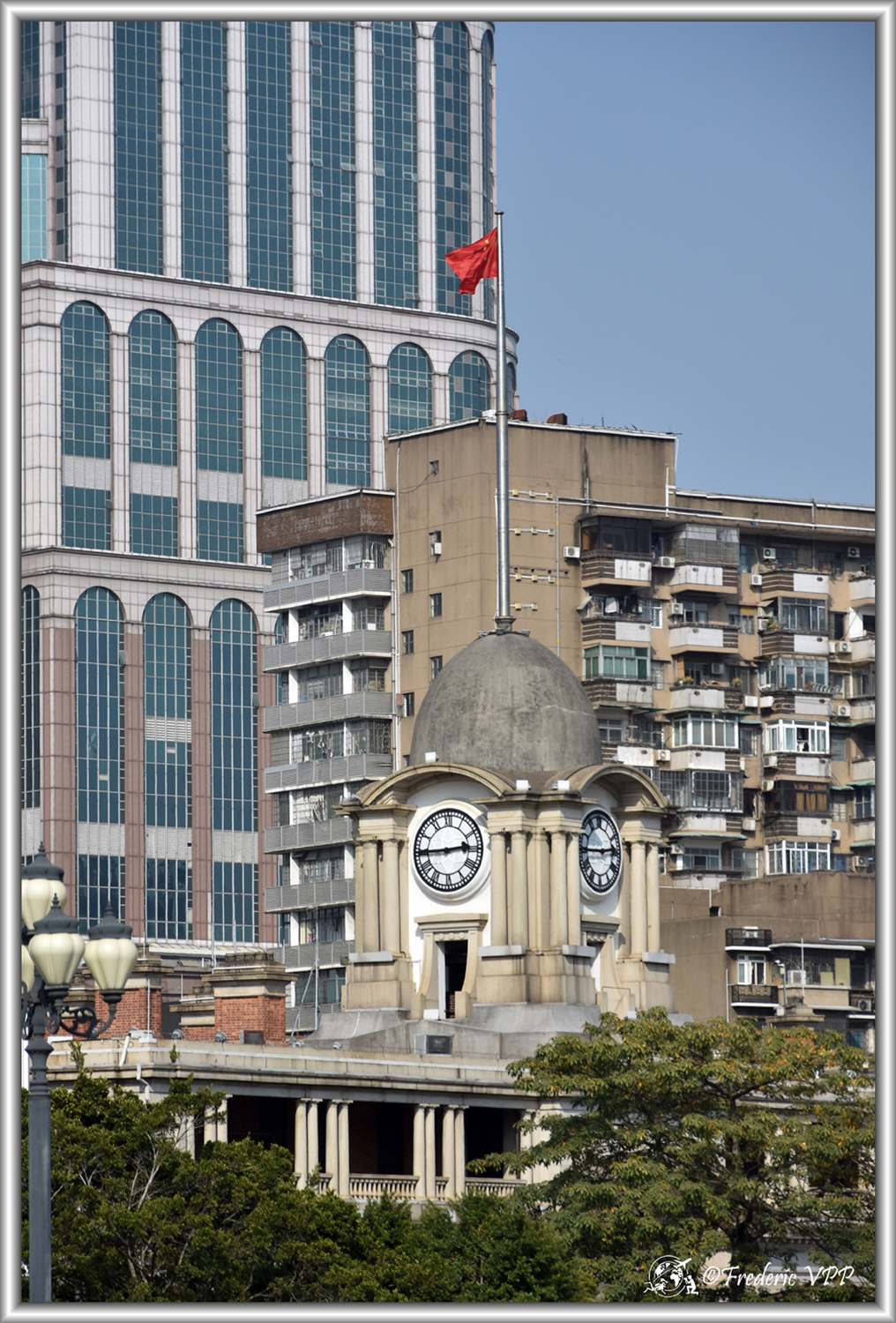
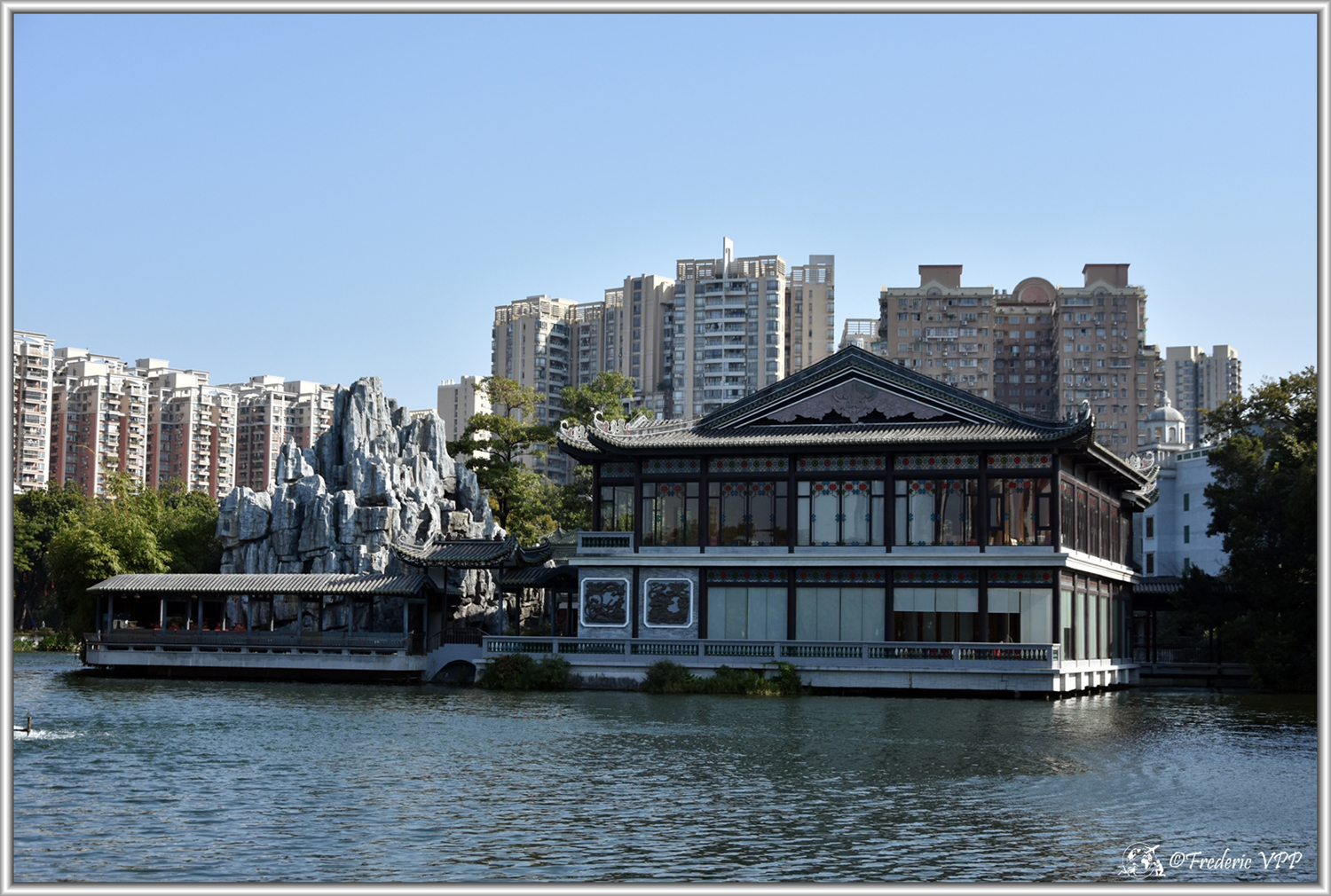
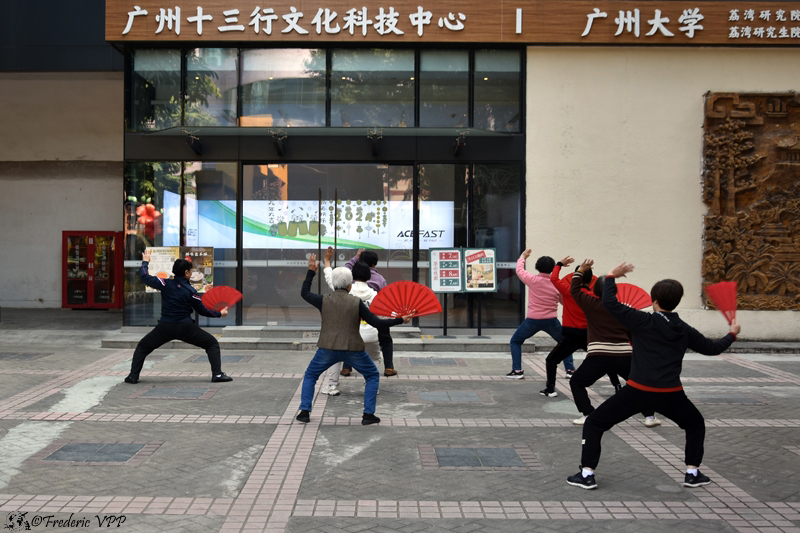
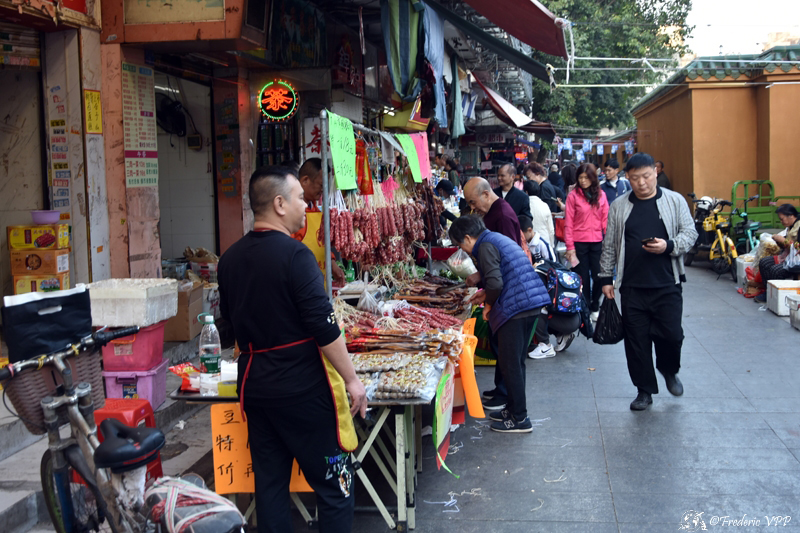
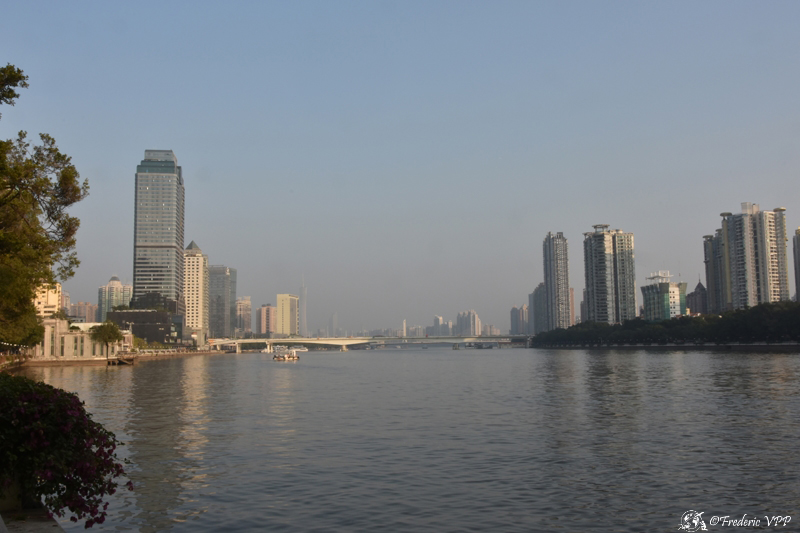
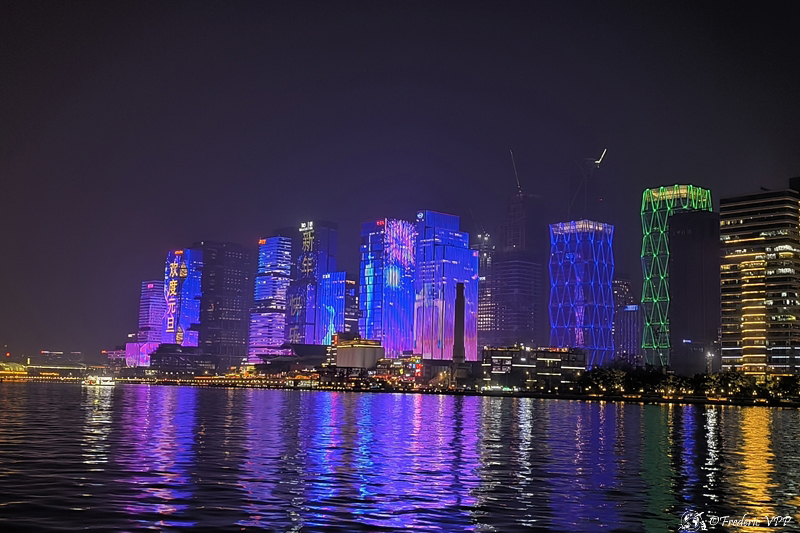
What you feel when you arrive in Guangzhou: a certain tranquillity but also an opposition between the old and the modern...
|
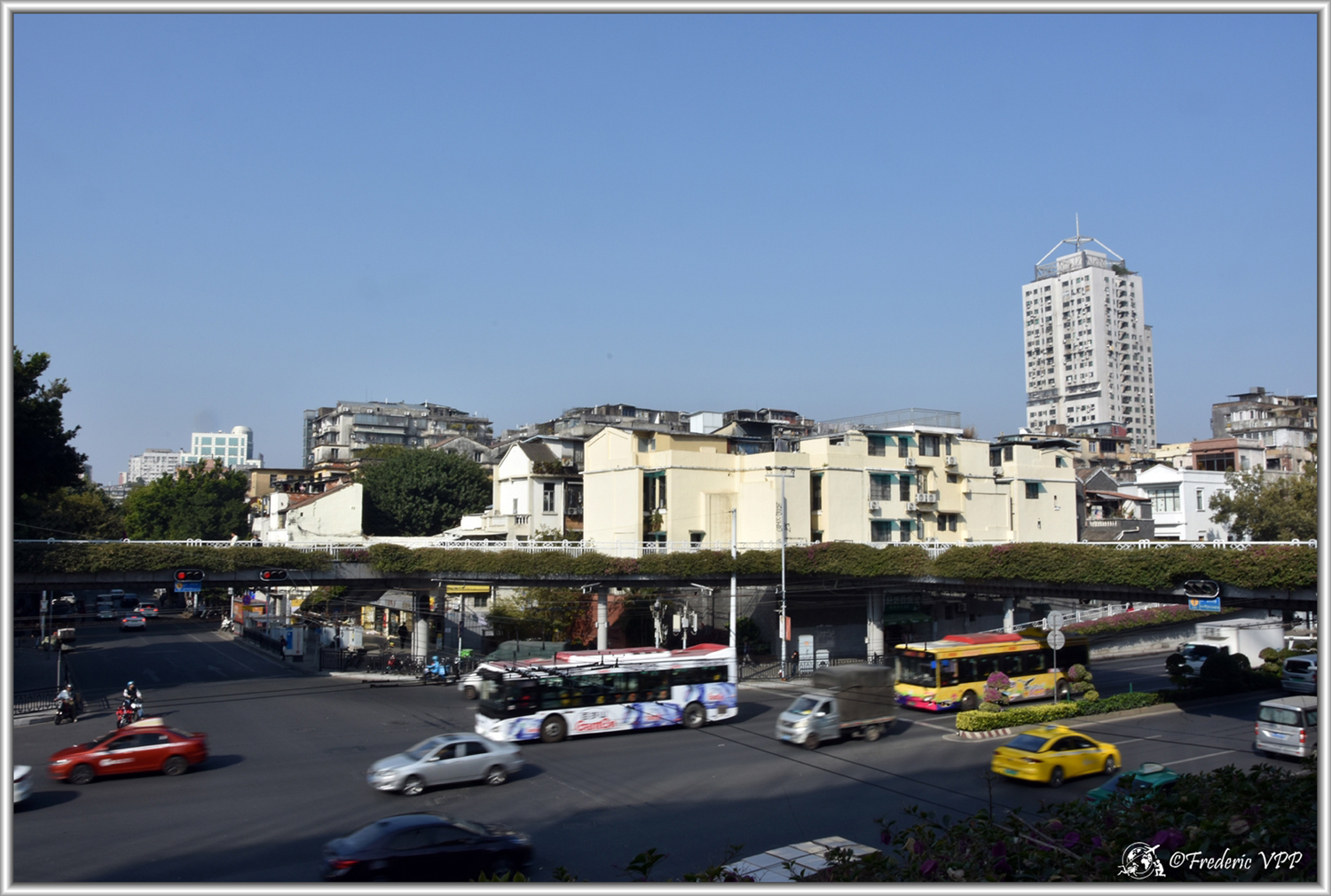
A tranquility because the city is not noisy like Paris or Marseille. This is largely because there are many electric or hybrid cars. The scooters are also all electric, which is the biggest noise pollution in the city.
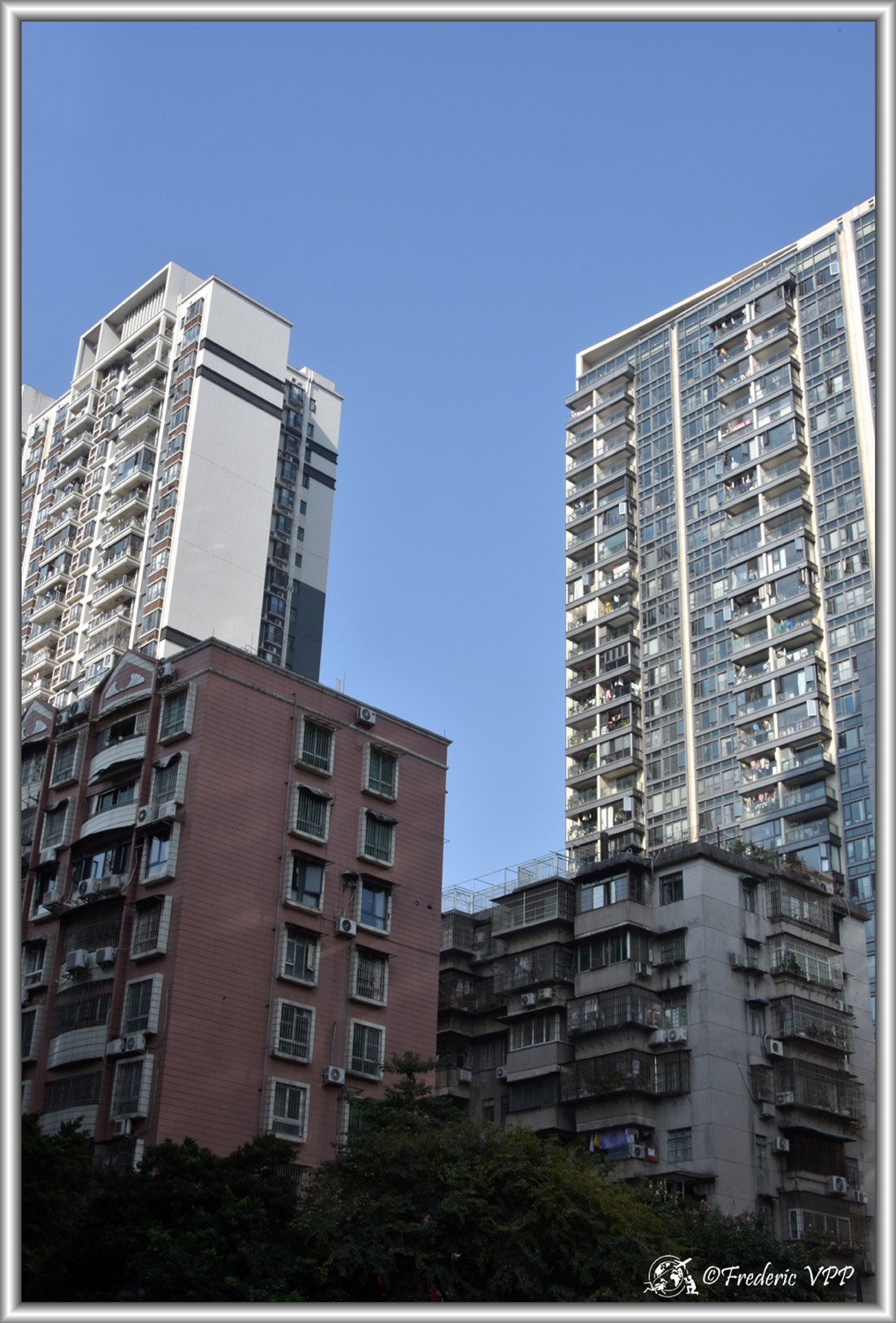
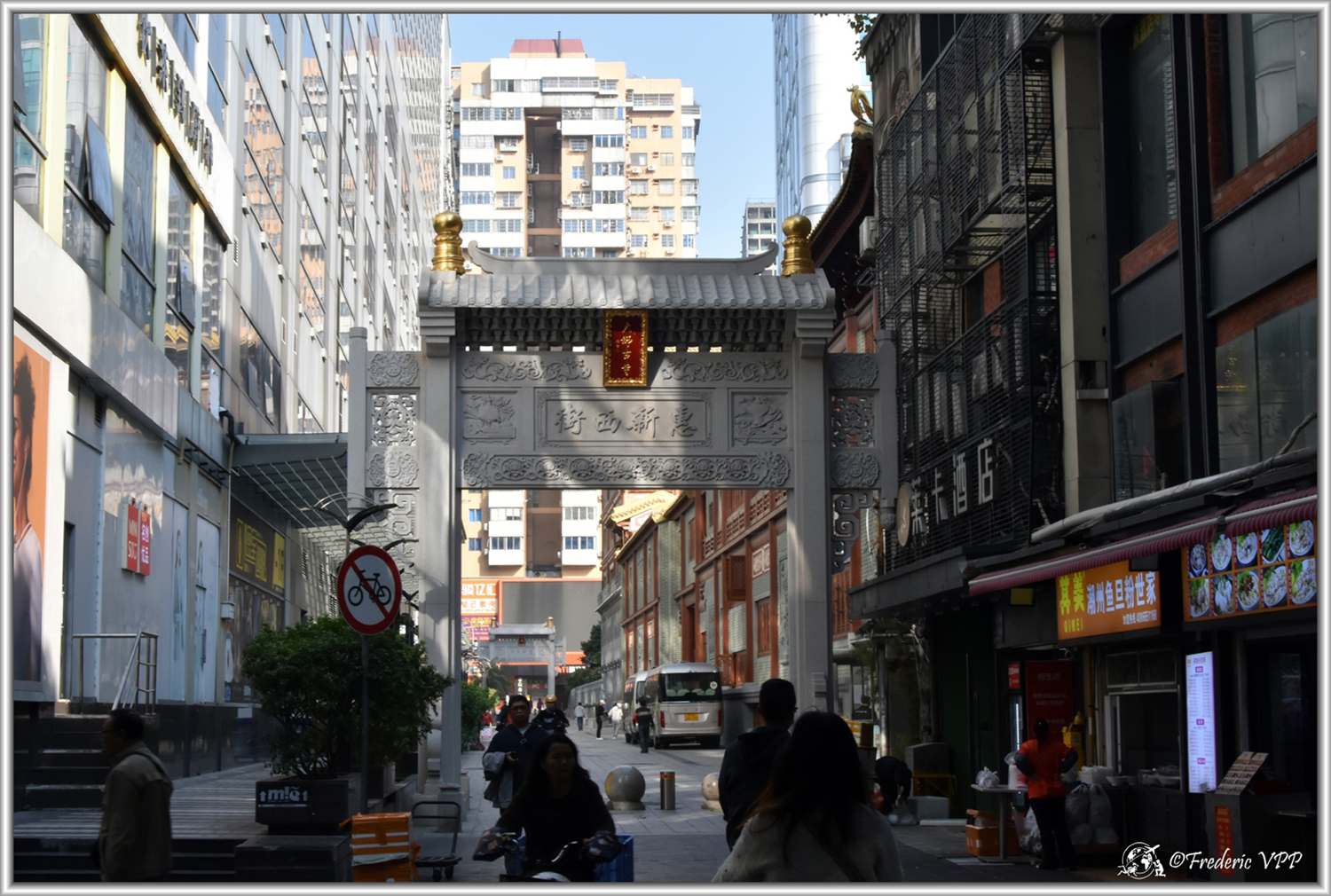
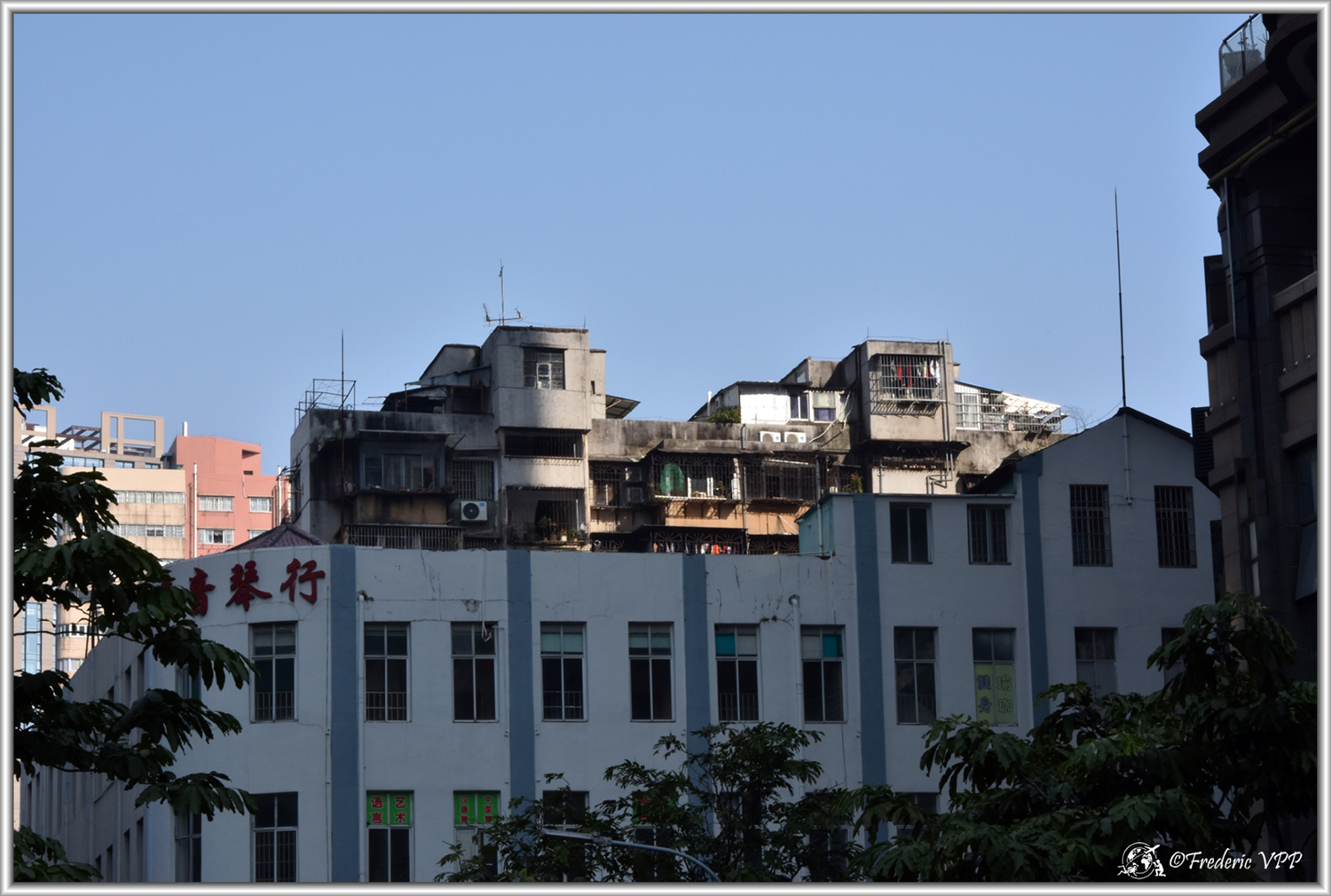
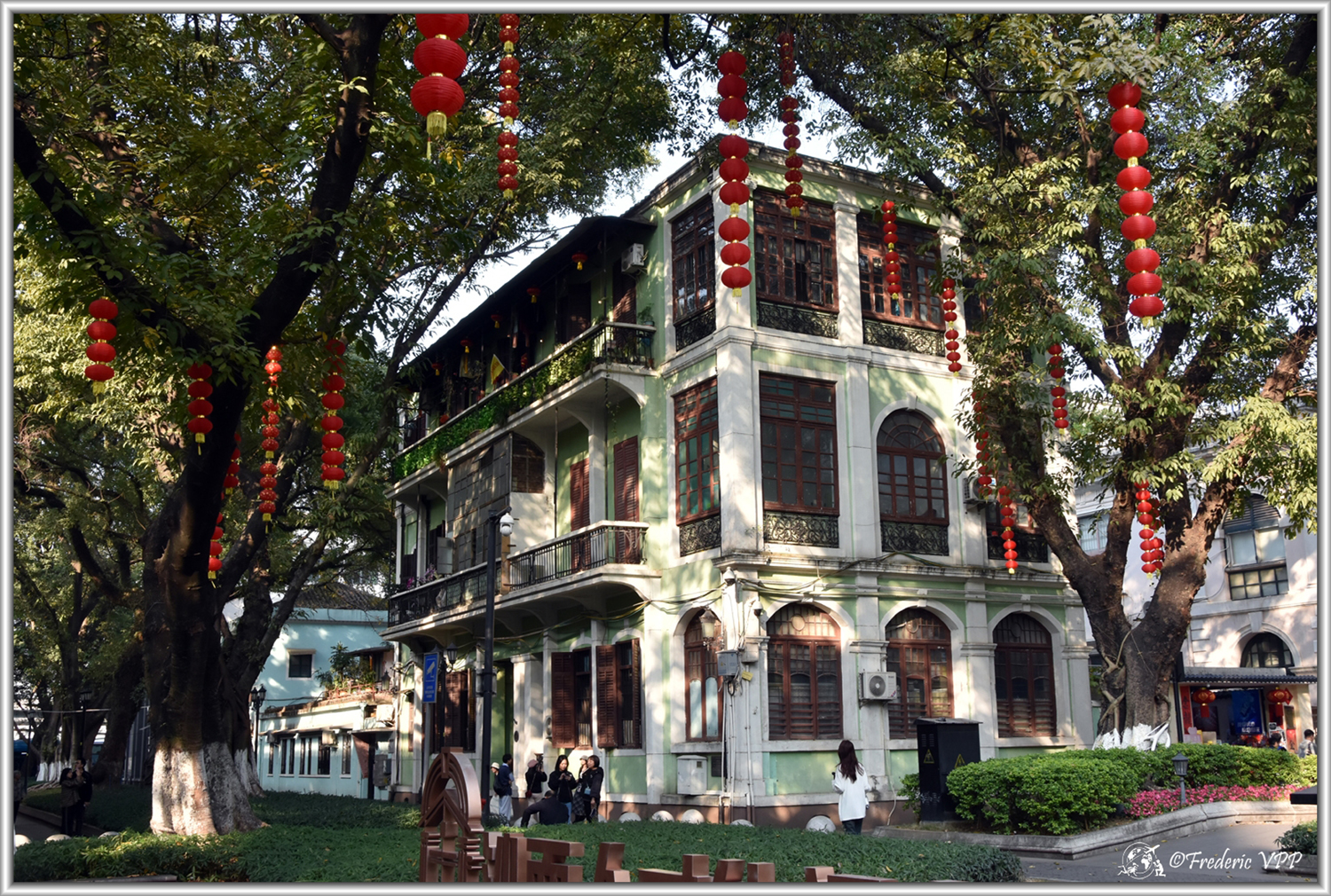
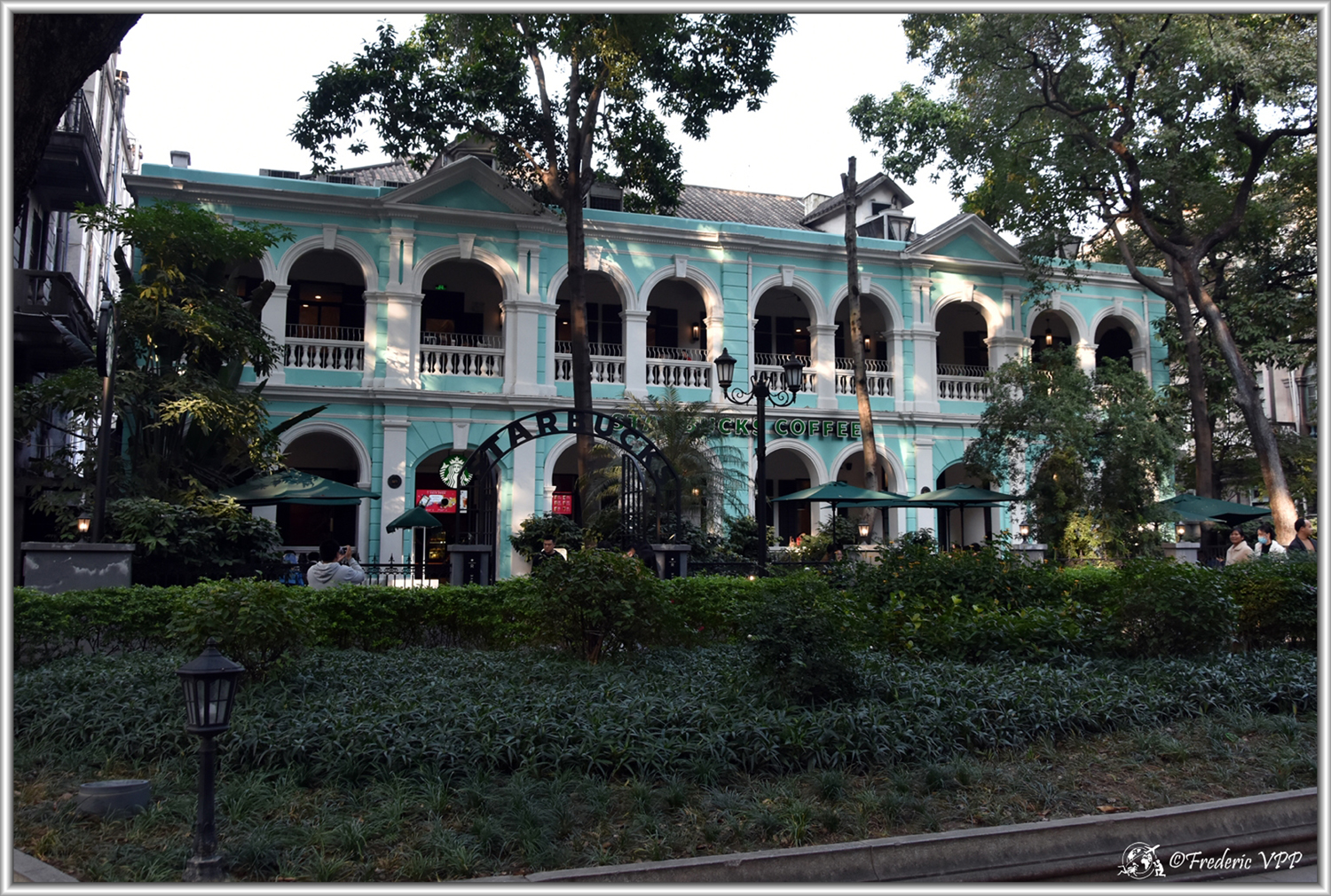
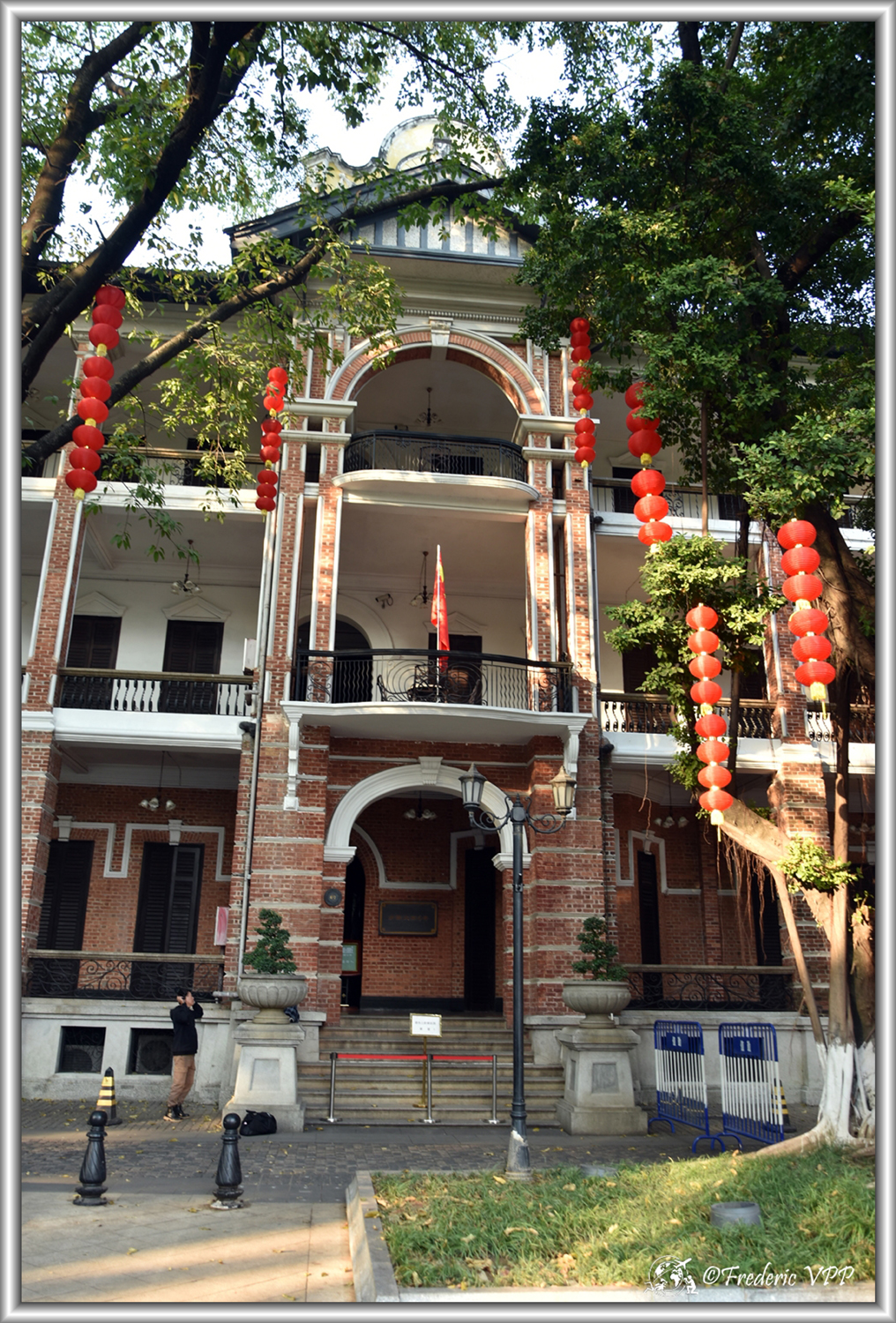
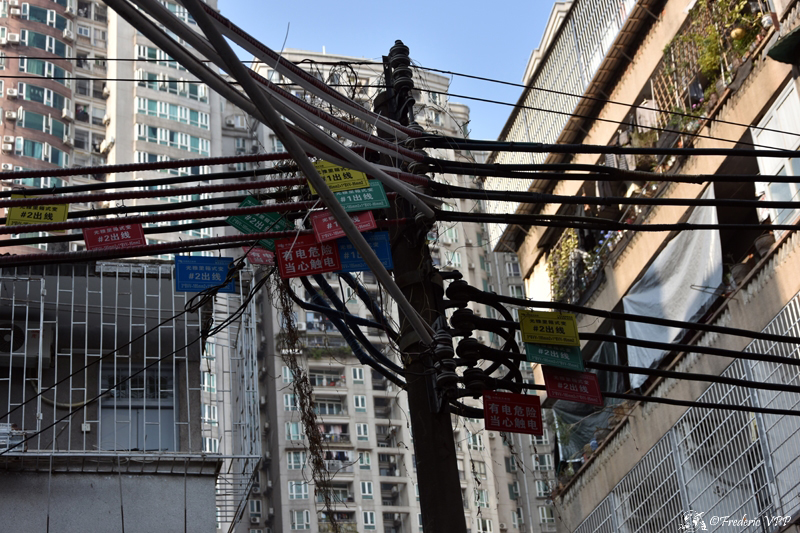
An opposition between the old and the modern when you see these old apartment buildings in the middle of more modern buildings.
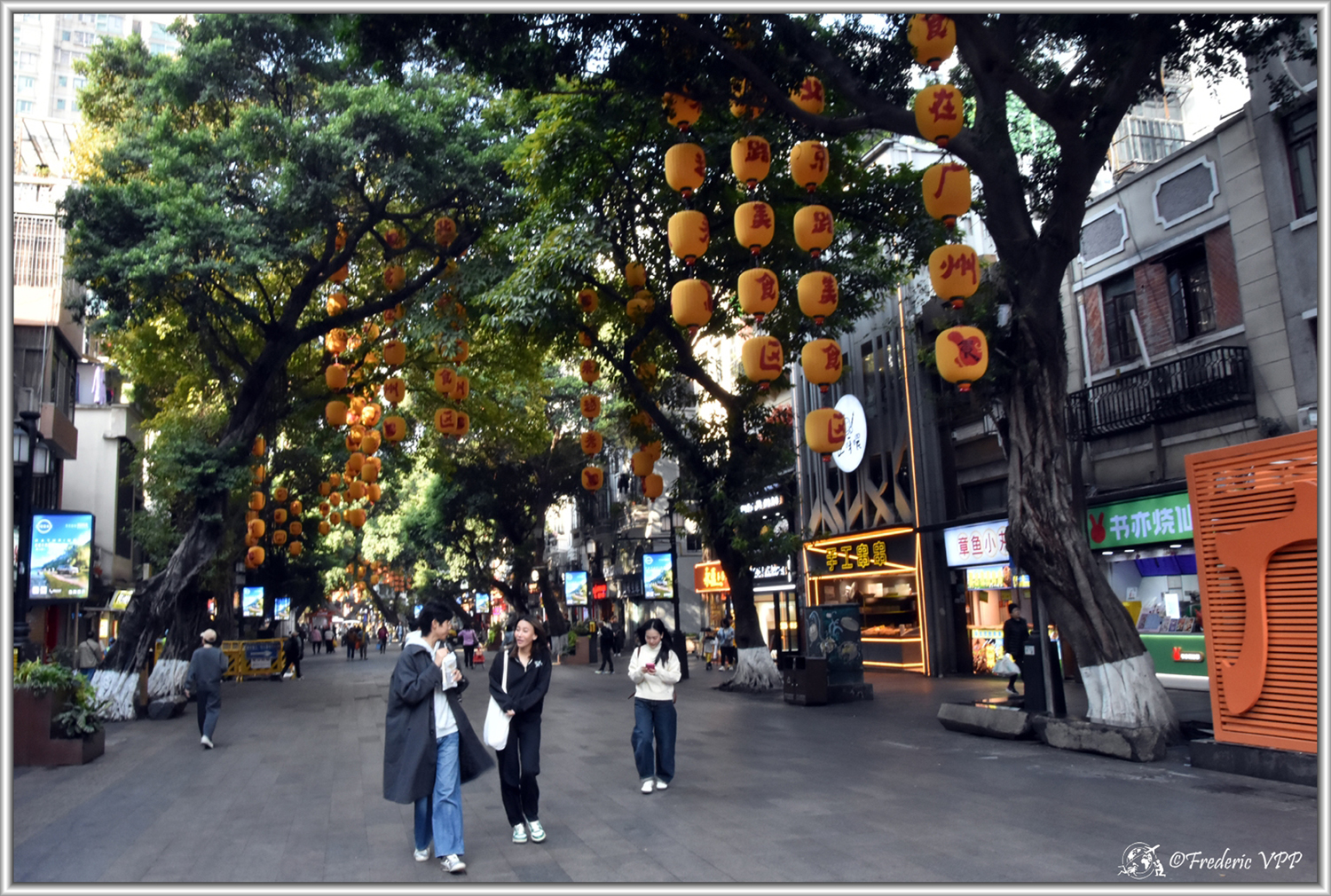
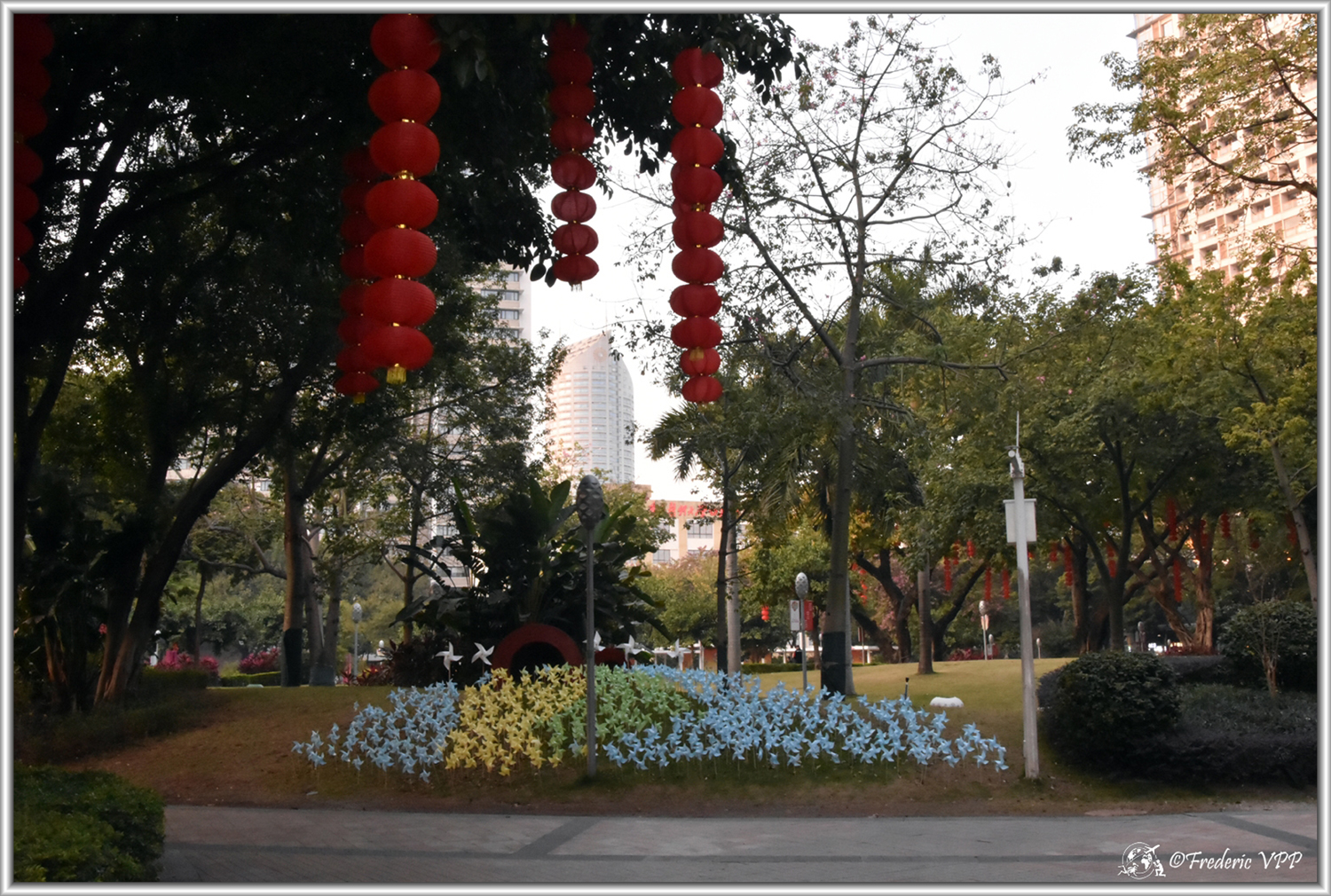
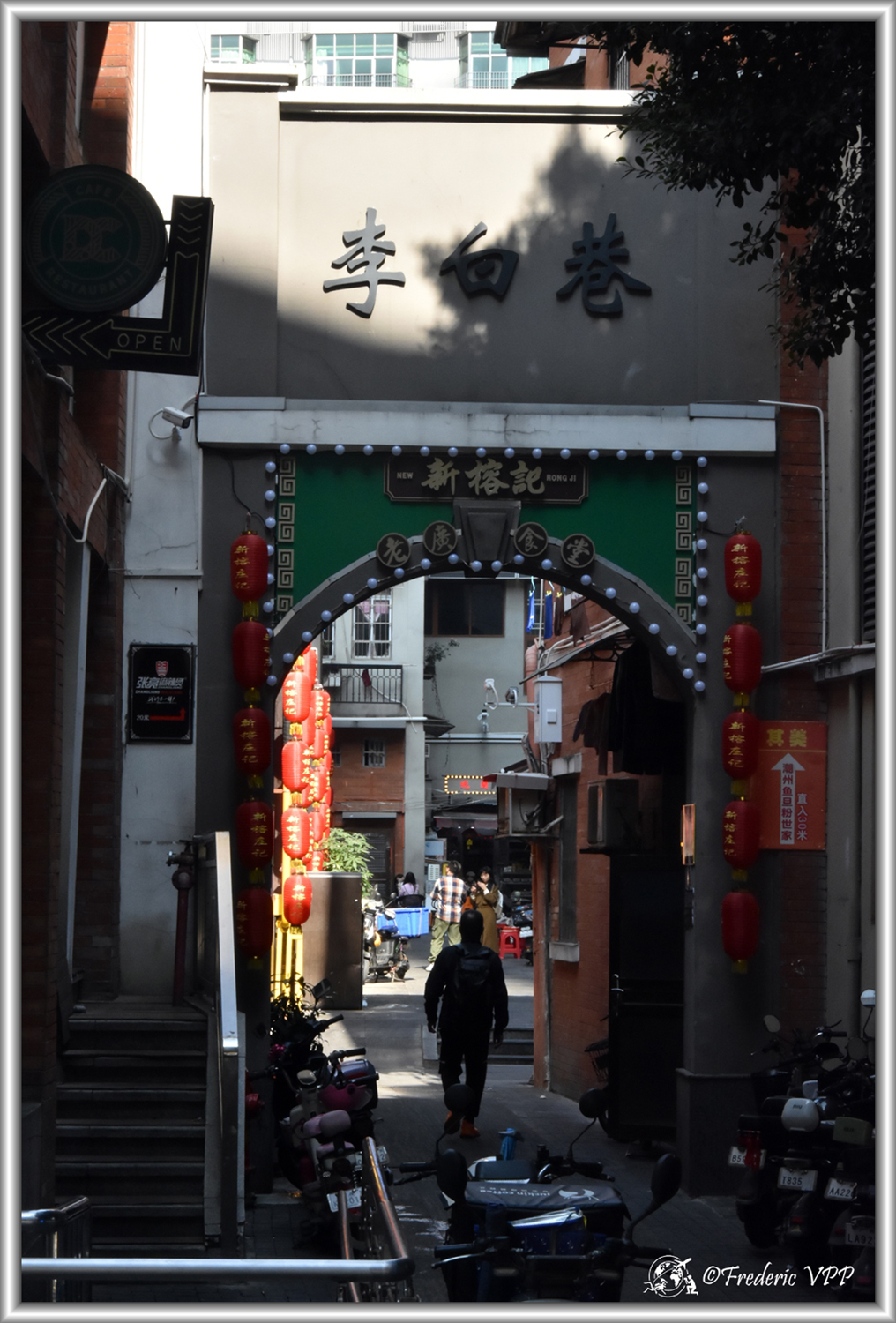
One last point, cleanliness. It's true that it's nice to walk through relatively clean streets, as well as in the metro/
|
|
According to legend, Guangzhou is the city of goats descended from the sky with Immortals, hence the Chinese periphrasis of "city of the Five Rams" to designate it, rams that are in fact goats. Guangzhou, or Guangzhou, was originally called Panyu (Chinese: 番禺; Jyutping: Pun Jyu), a name borrowed from the name of two mountains surrounding the present-day city, Pan and Yu. Its history begins with the conquest of the region during the Qin Dynasty. Panyu began its expansion when the city became the capital of the Nanyue Kingdom (南?) in 206 BC, which at the time included part of what is now Vietnam. The Han Dynasty annexed the Nanyue Kingdom in 111 BC, and Panyu became a capital of Guangdong Province. In 226 AD, Panyu became the seat of Guang Prefecture (广州 - Guangzhou). On this occasion, its name was changed to Guangzhou (廣州).
During the Tang Dynasty, Chinese society became international with the influx of foreign merchants that followed the re-establishment of Chinese control over the Silk Roads.
Arab and Persian pirates sacked Canton (known to them as Sin-Kalan) in 758, according to a local government report of October 30, 758, which corresponded to Guisi Day (癸巳) of the 9th lunar month in the 1st year of the era of Emperor Suzong Qianyuan of the Tang Dynasty. From the tenth century to the twelfth century, there was a foreigners' district in Guangzhou, sheltering in particular inhabitants from the Persian Gulf who had come from the sacking of the city in 758.
In 1514, Canton saw the Portuguese arrive by sea. They were the first Europeans to arrive in this region and established a monopoly on foreign trade in 1517 through their trading post. They settled permanently in the Pearl River Delta.
They were able to keep the use of Macau as a trading base, creating a colony there, and then a city in 1557. For a century, they kept a virtual monopoly on the region's foreign trade, until the arrival of the Dutch at the beginning of the seventeenth century, then the English in Canton (this port was the main entry point for the British opium trade), and the French from 1685, with the French East India Company. From 1715 and for 160 years, Guangzhou was the only Chinese port open to trade with the outside world, thus facilitating the control of trade with foreign authorities. China also set strict conditions for trade in Guangzhou: war ship, woman, weapons, place and period of trade.
While the British were the main active merchants during this period, the French, Dutch, Danes, Swedes, Indians and, after 1784, the Americans were also present. As the Chinese were not interested in European exports, huge quantities of silver were brought in from Mexico and South America to buy the tea, spices, silk and porcelain of interest to Europeans.
From 1925 onwards the May 30 movement broke out, a series of general strikes and demonstrations against Western imperialism and Chinese warlords (denounced as agents of the West). In Canton, "the extent of the responsibilities of the strike committee went far beyond the normal field of activities of a trade union body, it was a real workers' power that took shape during the summer of 1925 and the term government was commonly used at that time to designate it. The Committee had several thousand armed men divided into a military hierarchy"
During the Japanese invasion, the city was subjected to violent strategic bombing of civilian targets in the autumn of 1937, leading to a League of Nations censure resolution against Japan.
In 1979, as the capital of Guangdong Province, Guangzhou had a head start in attracting significant foreign investment from Hong Kong, Taiwan and Macau. There was almost 80% of total foreign investment in Guangdong concentrated in the city at that time. In fact, it was one of the first cities to open up to foreign investment in the early 1980s. The proximity of Hong Kong has favoured the emergence of the whole of Guangdong.
|
|
Guangzhou is called the "City of Sheep" because of an ancient myth and legend. Legend has it that during the Zhou Dynasty, five immortals arrived in Guangzhou on five-colored sheep, each carrying an ear of rice in their mouths and wishing that there would never be famine in the area. The immortals offered the ears of rice to the people, then flew away, and the five immortal sheep were turned into stones. In order to commemorate these immortals, the Temple of the Five Immortals was built in Guangzhou, which gradually became the "City of Sheep".
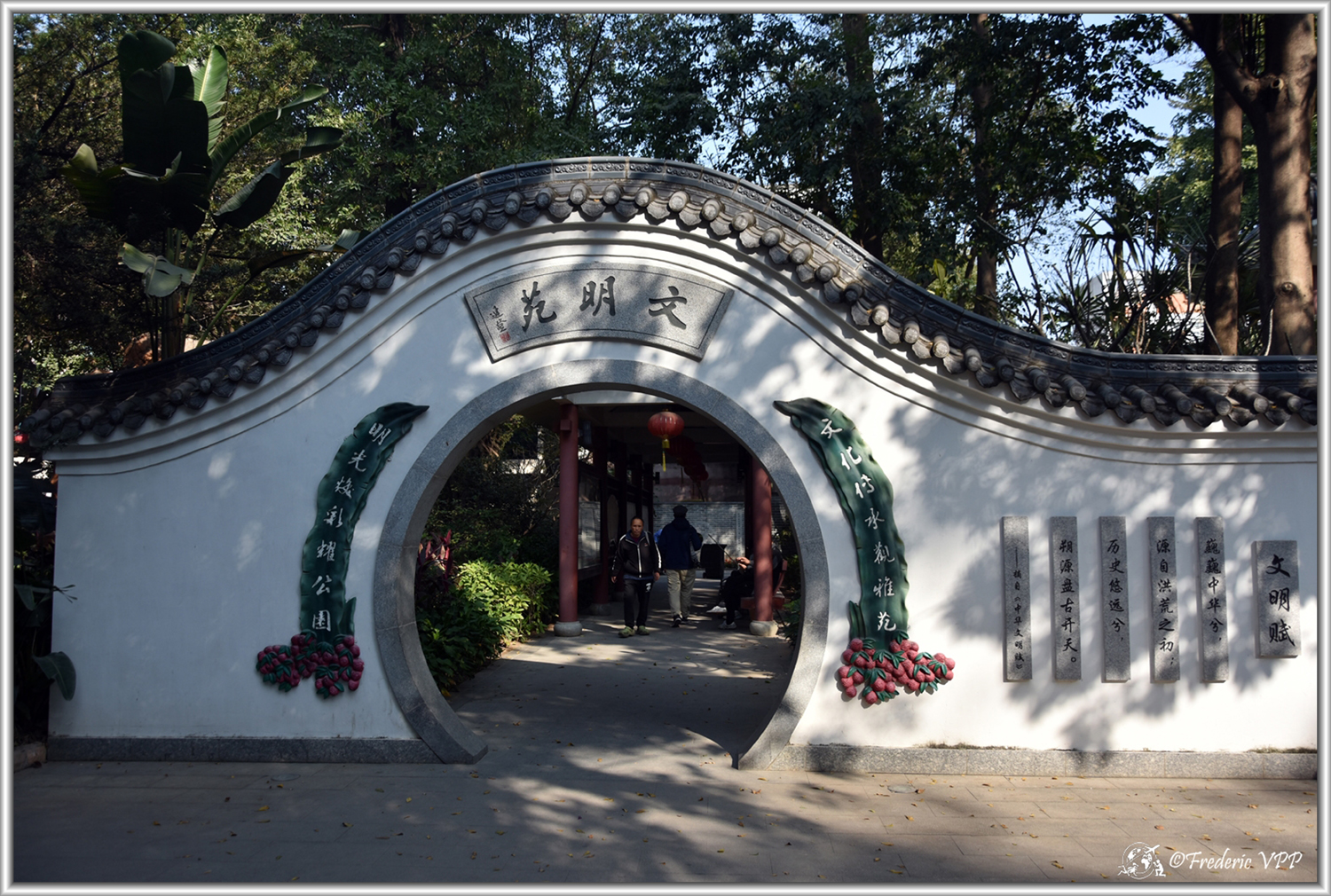
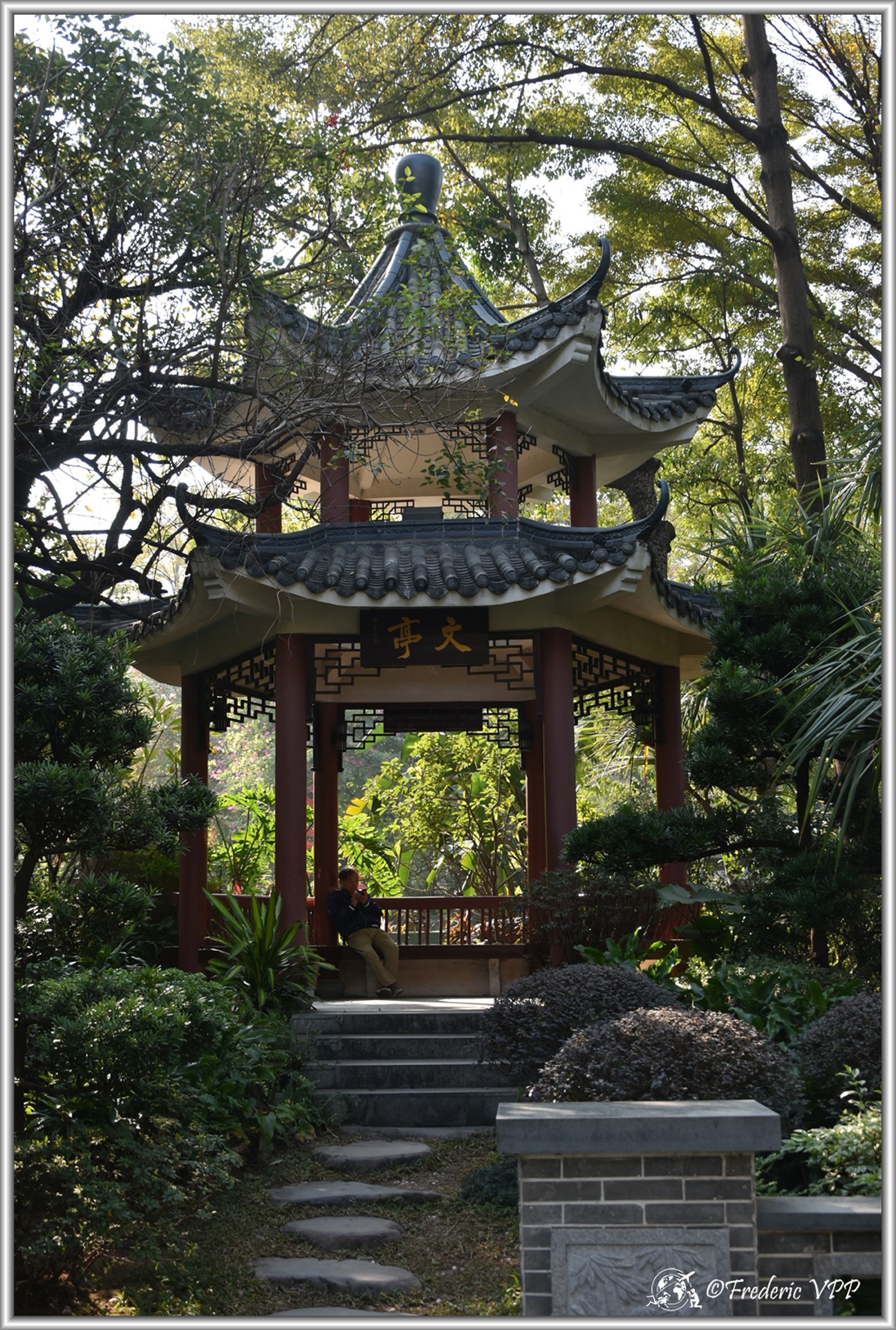
Guangzhou is known as the "City of Flowers", which is closely related to its geographical location and climatic conditions. Guangzhou is located on the coast of South China and enjoys a subtropical monsoon climate, which is hot and humid throughout the year, abundant light and a long frost-free period, which is very conducive to flower growth. Guangzhou has a wide variety of flowers, which bloom continuously in all seasons, which has earned it the reputation of the "City of Flowers".
|
|
Sorry if the links are outdated or not accessible
|
Hard to choose the best photos for Guangzhou