 Kiev
KievKiev, Ukraine, October 2021
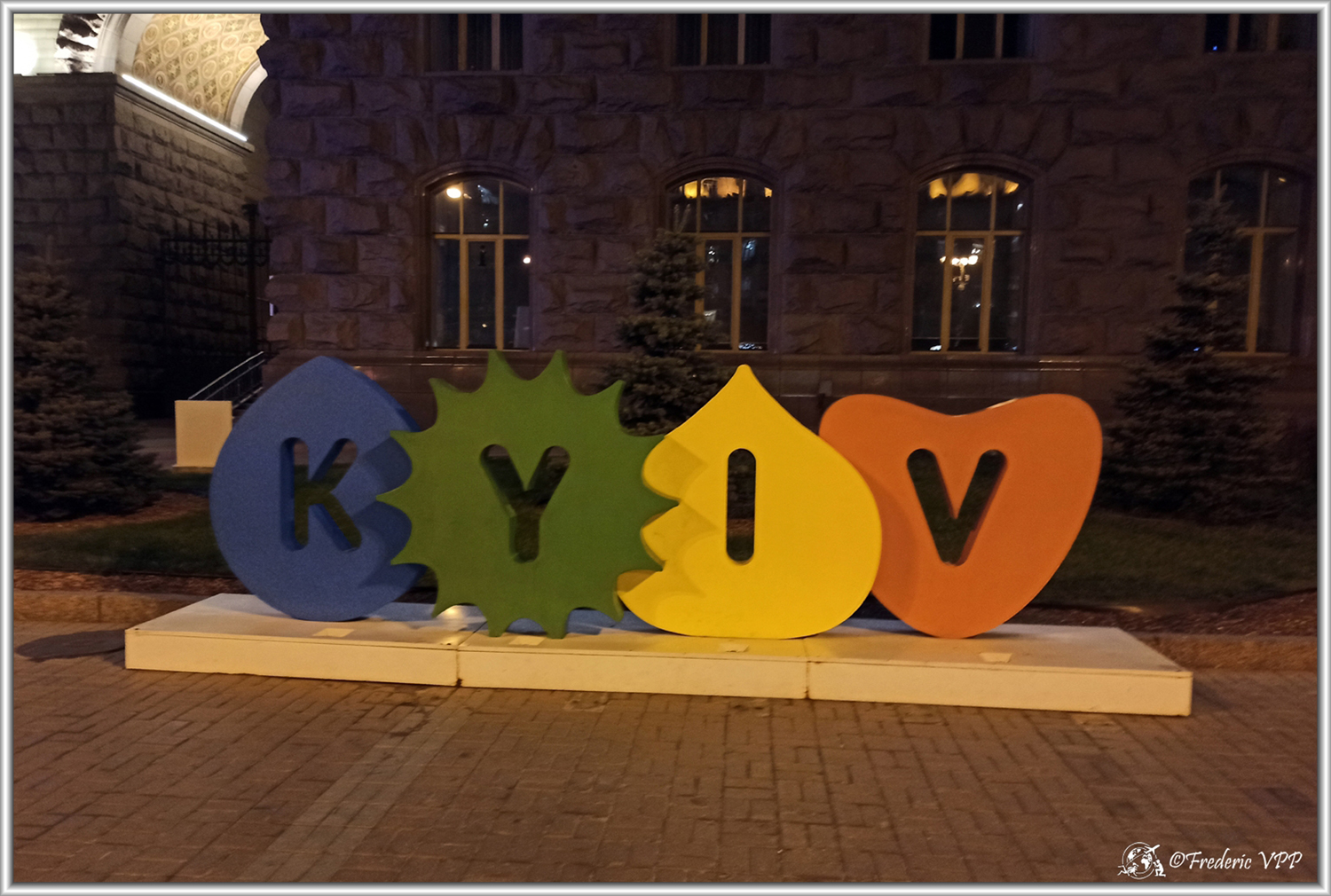
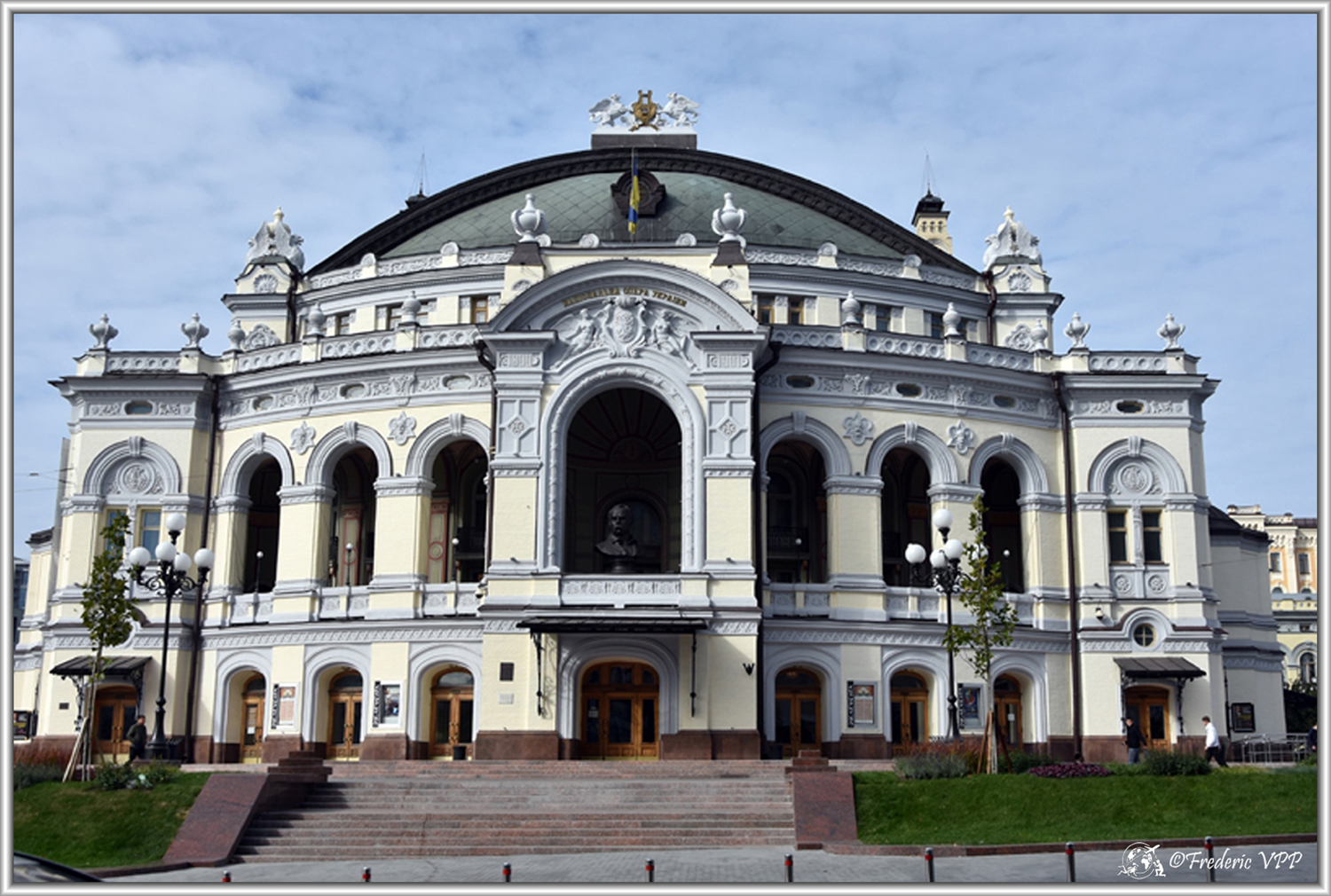
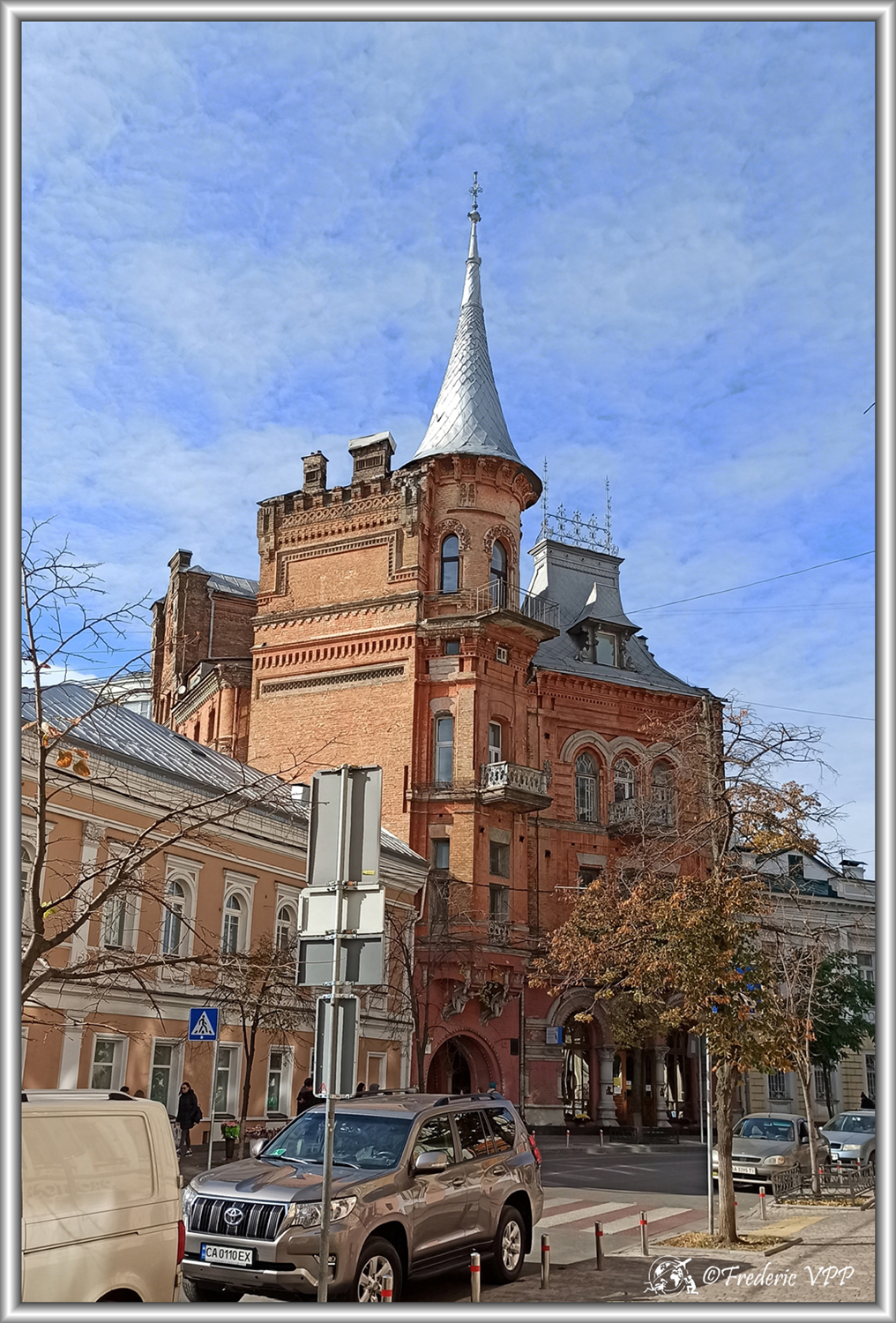
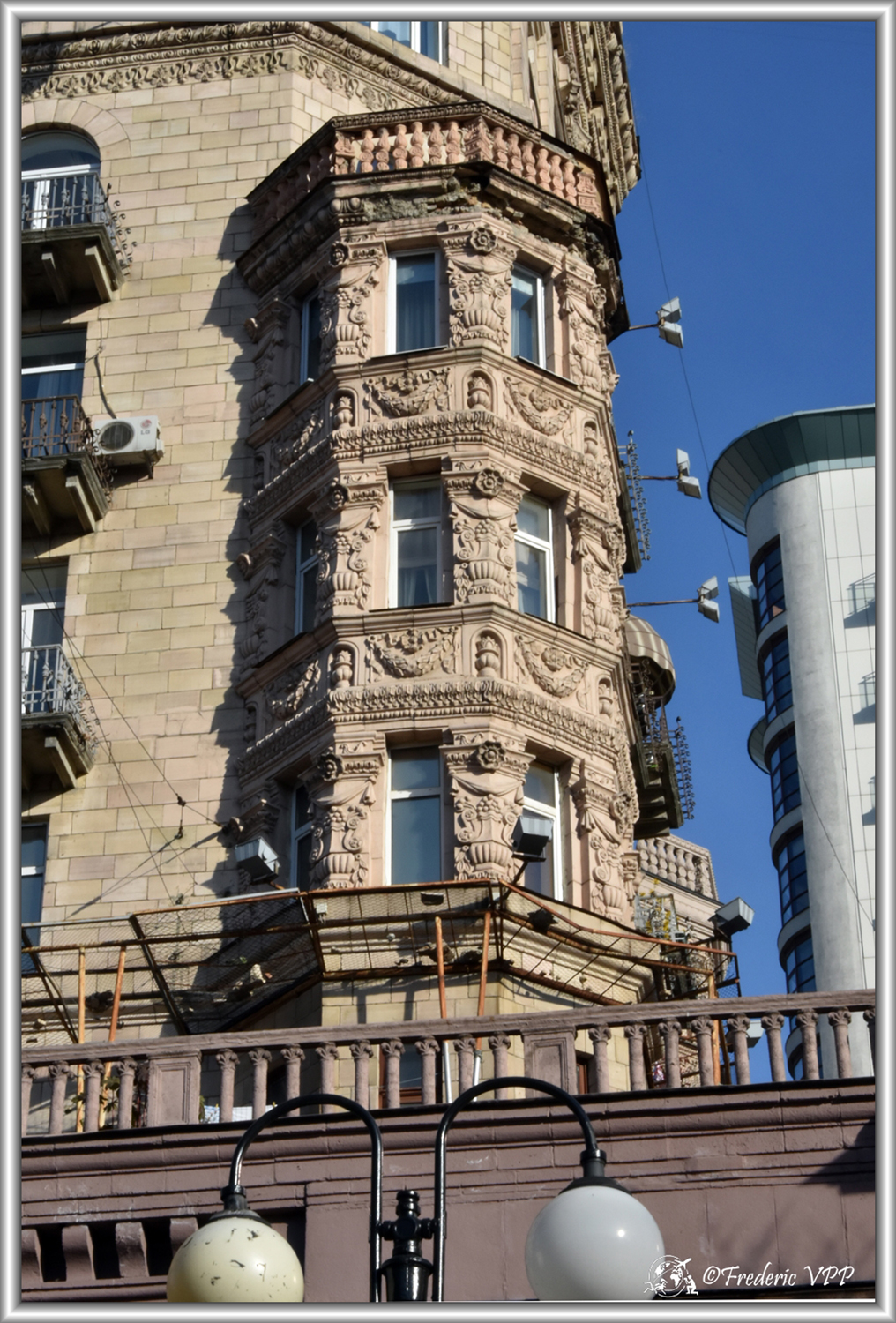
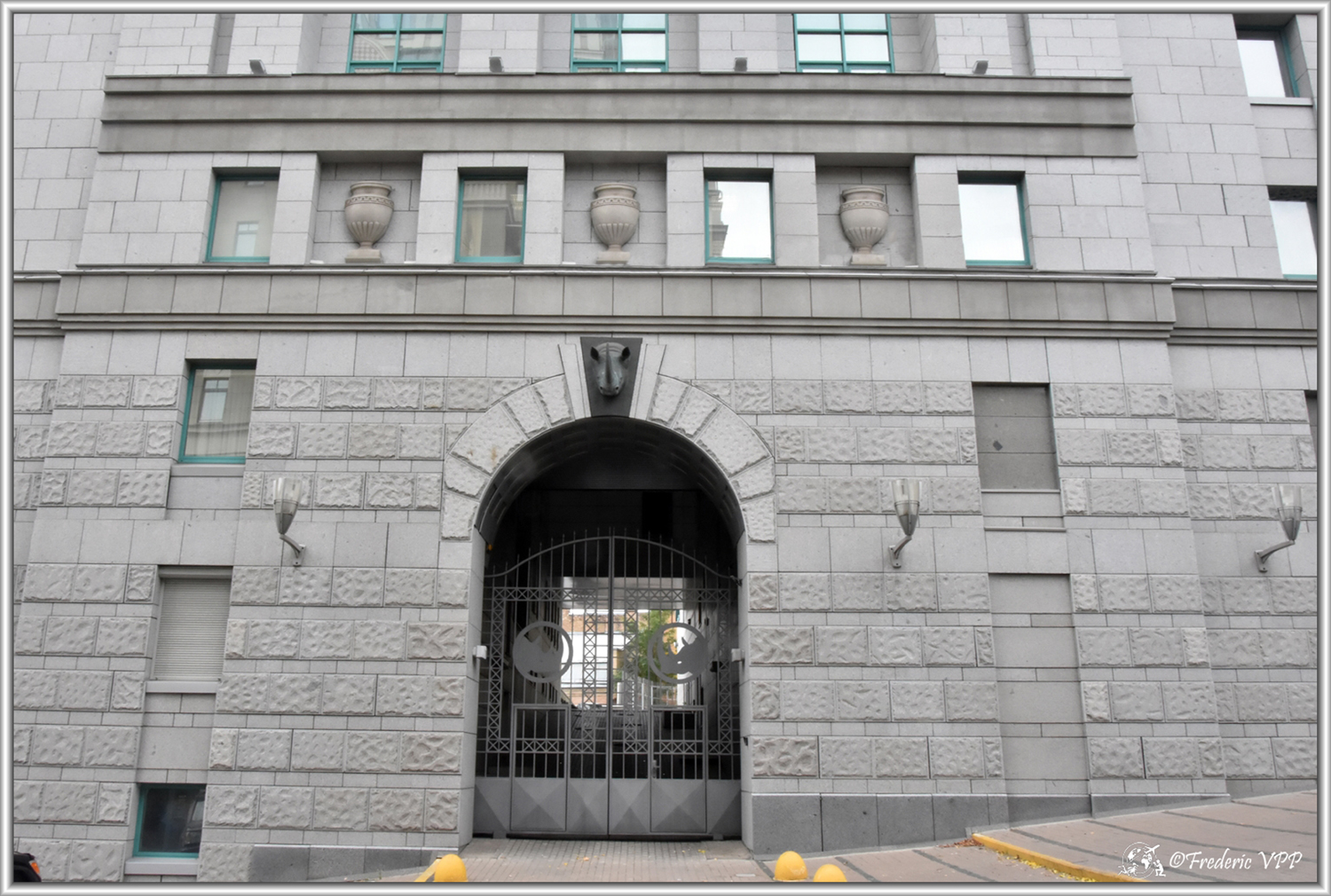
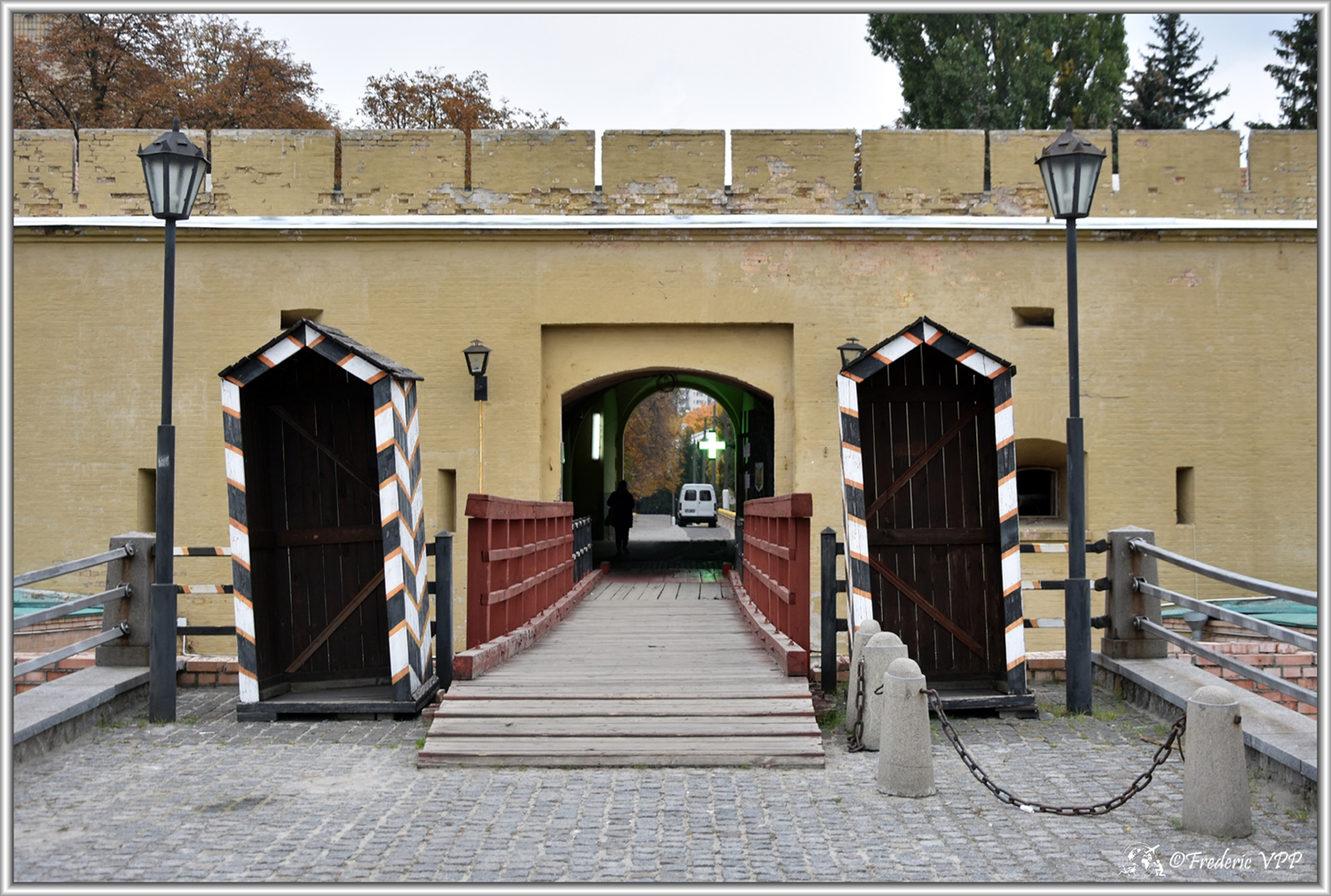
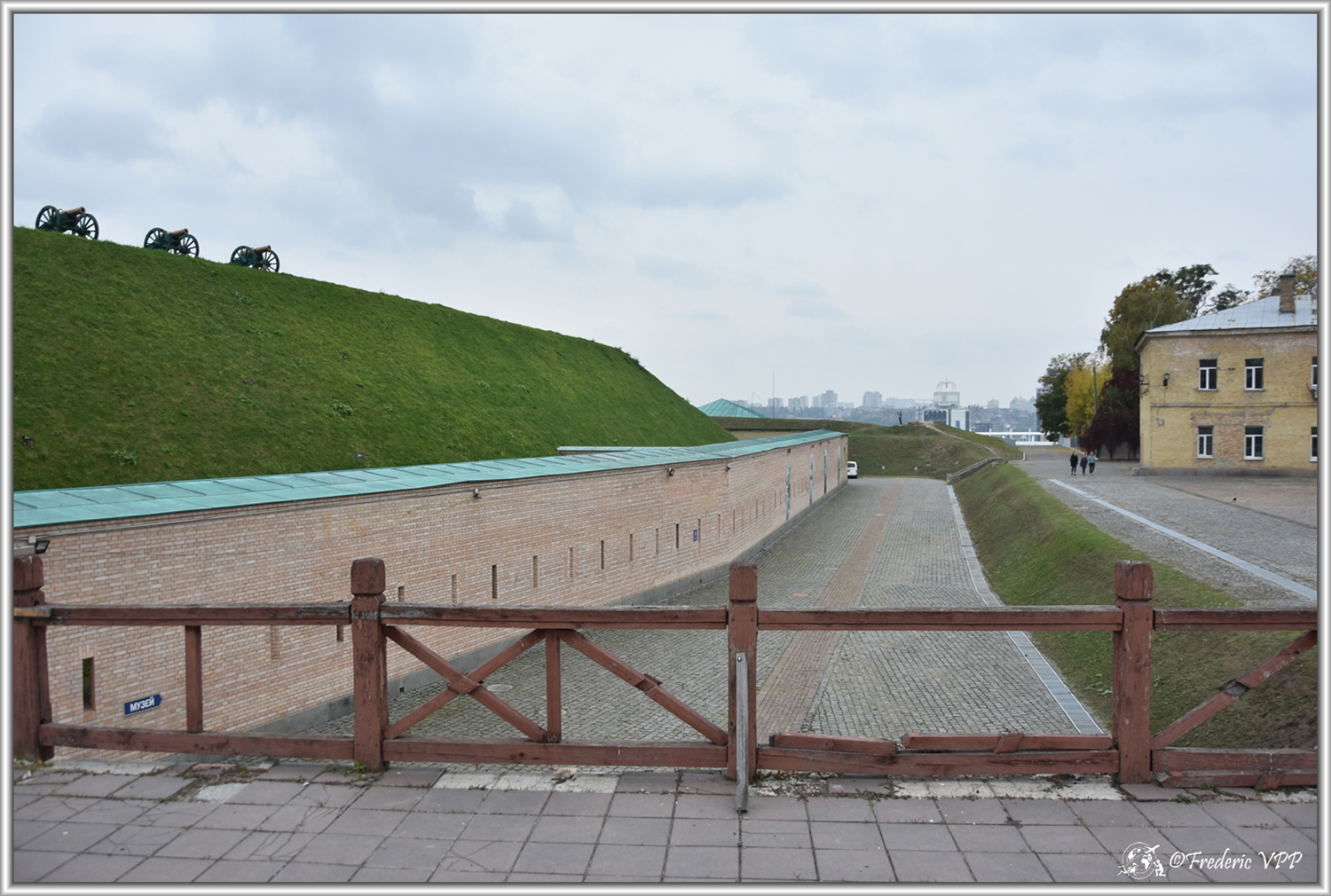
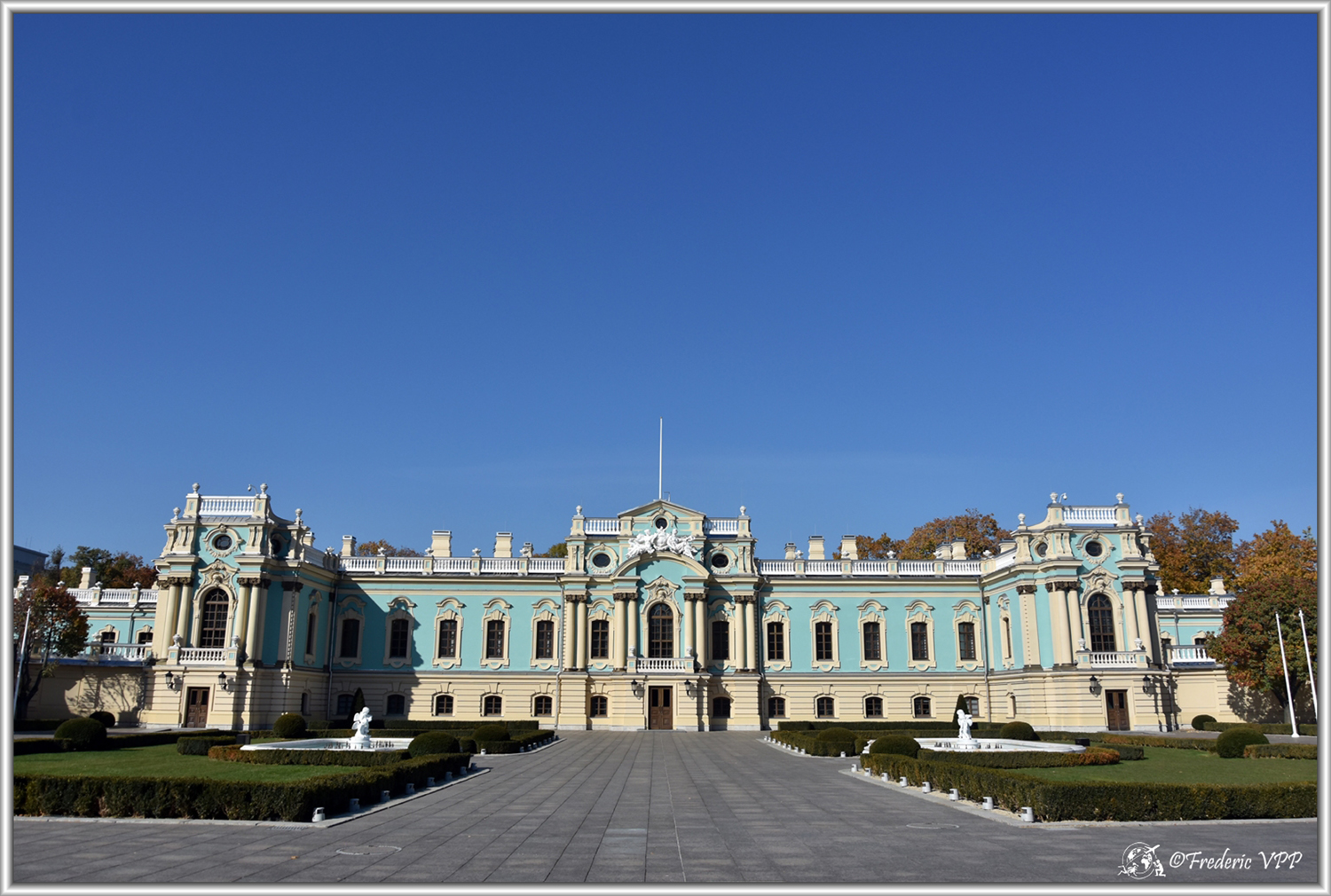
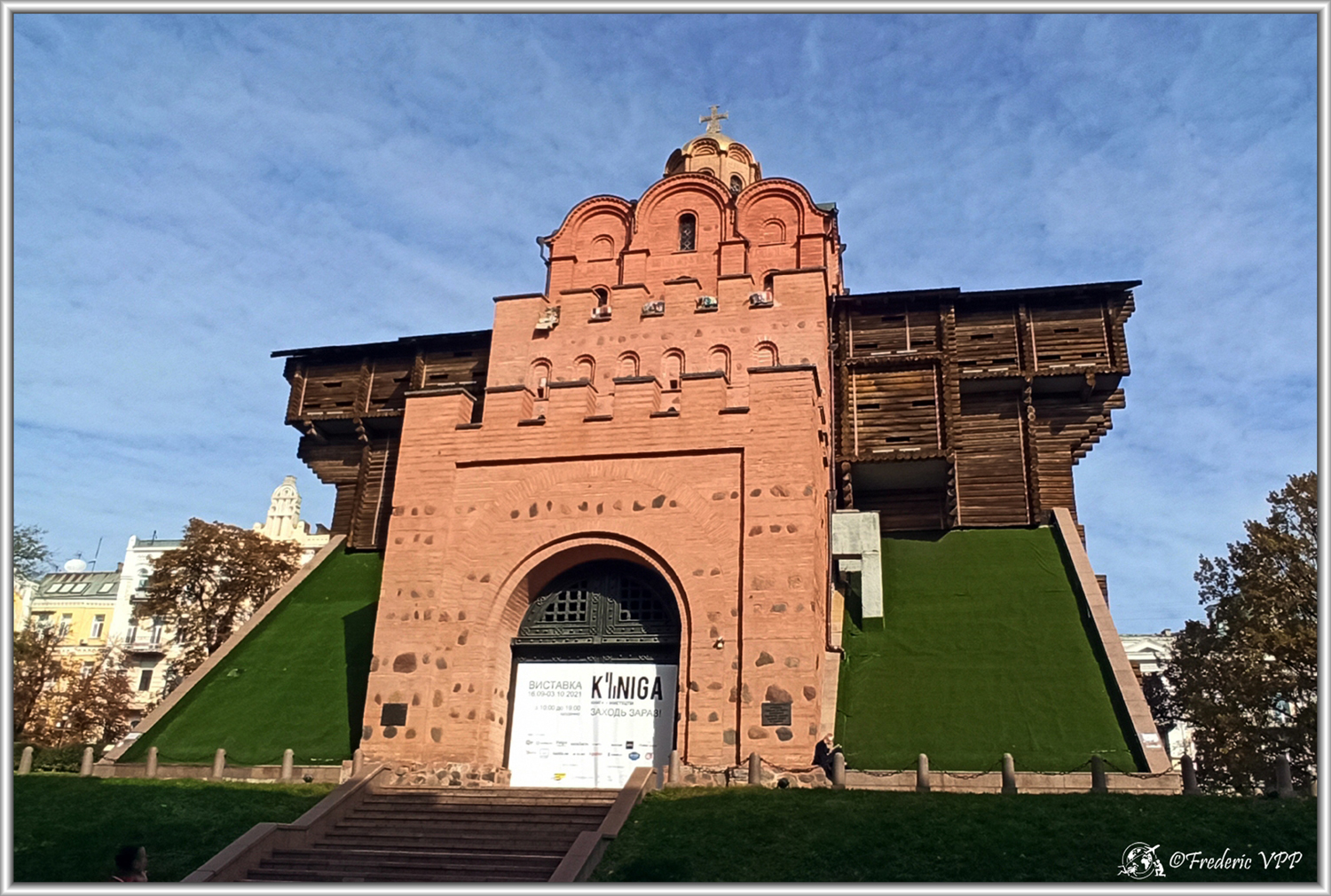
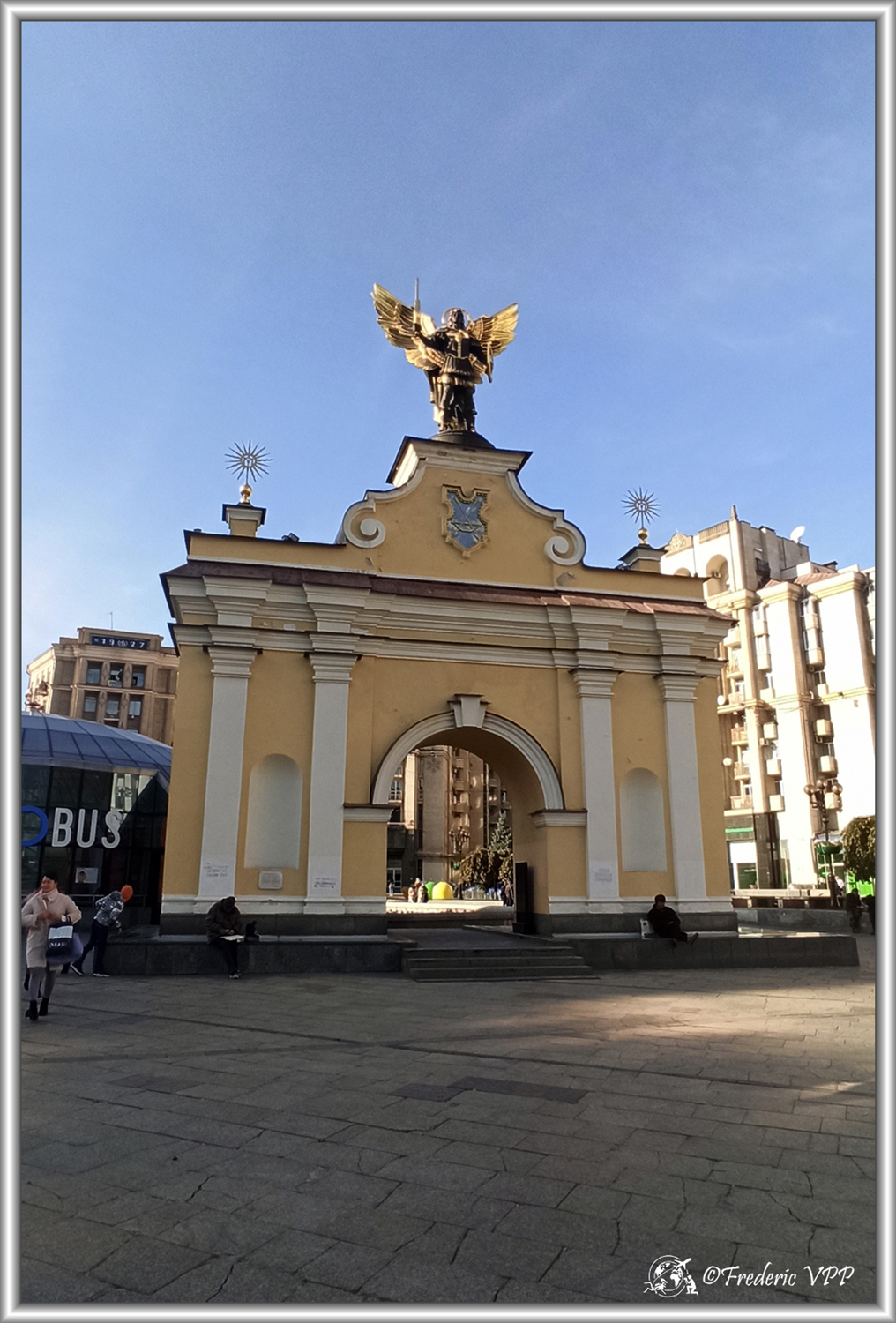
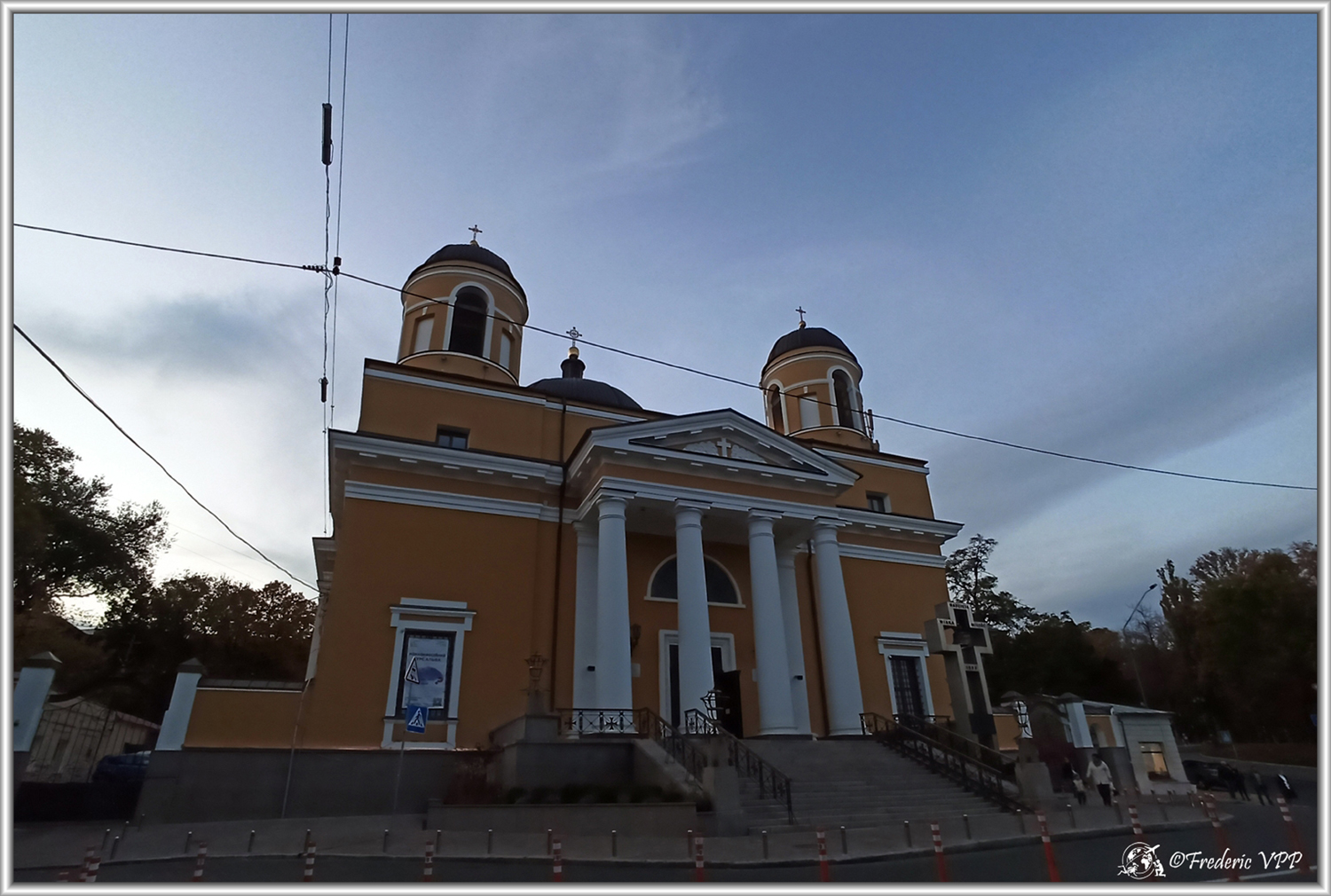
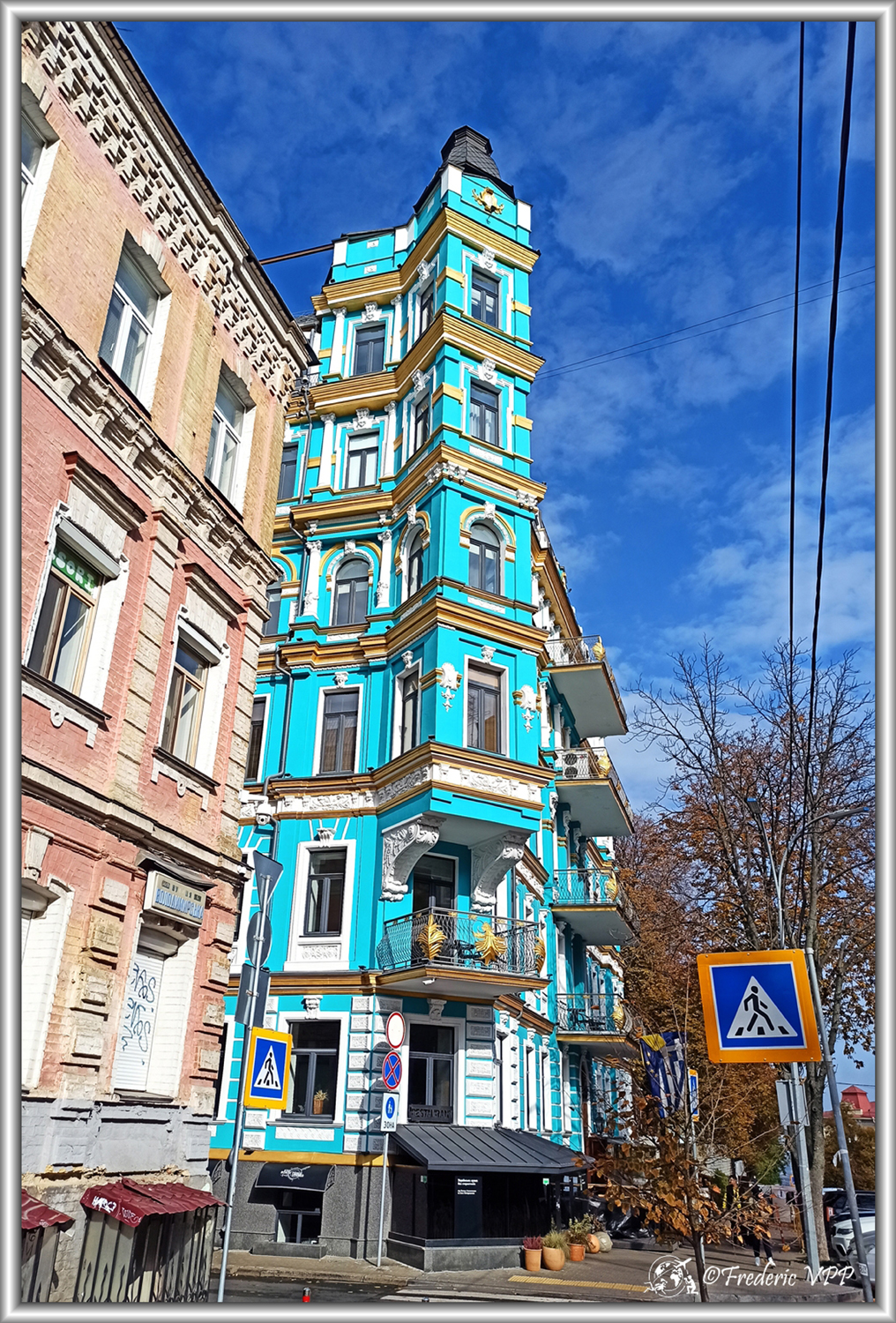
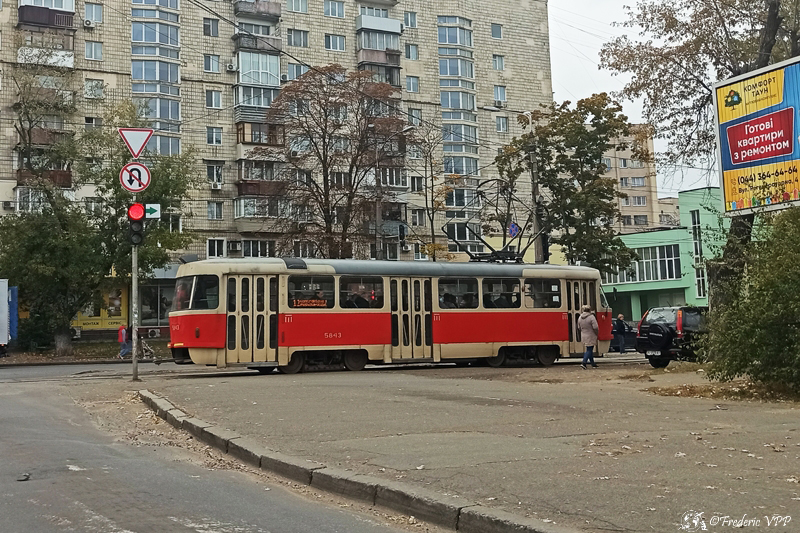
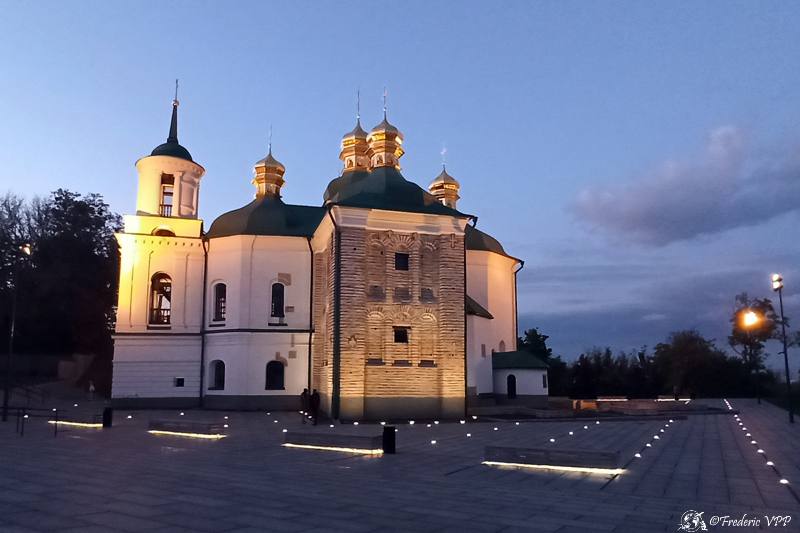
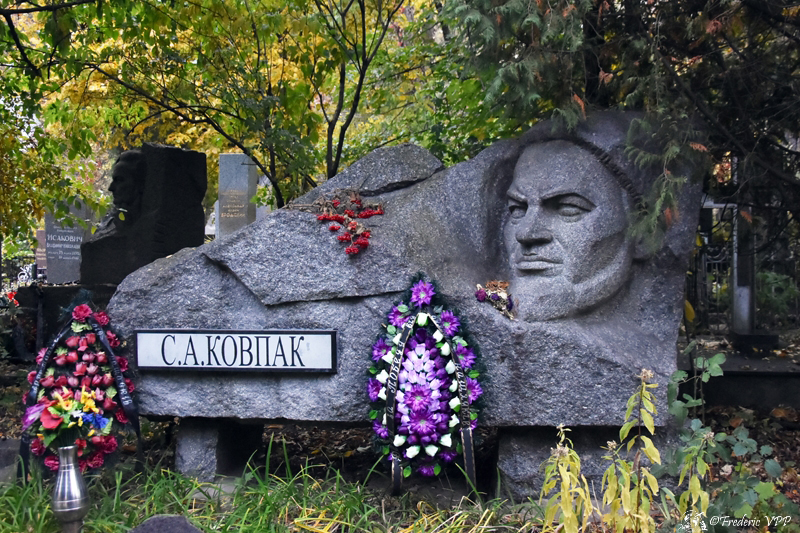
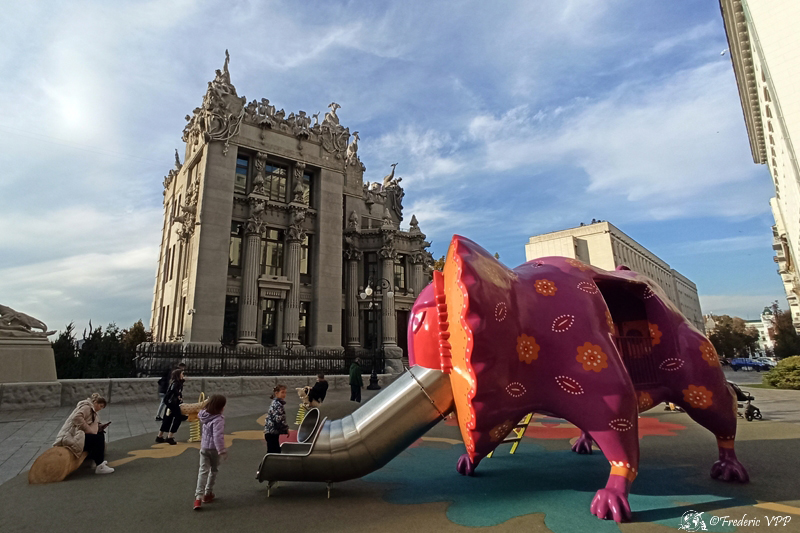
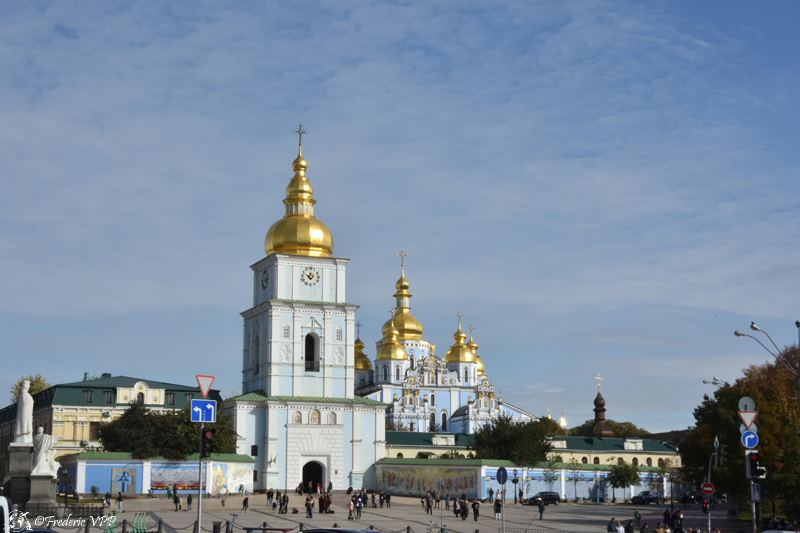
Normally, I only allow 4 days to visit a city. Kyiv deserved more, given the list of places to see. It was a discovery of a modern city but whose monuments remain very Soviet. I was also lucky to have an ideal temperature, 12°C (53.6°F) to discover this great city. I only had 2 hours of rain, during the visit to the Baikove cemetery...
|
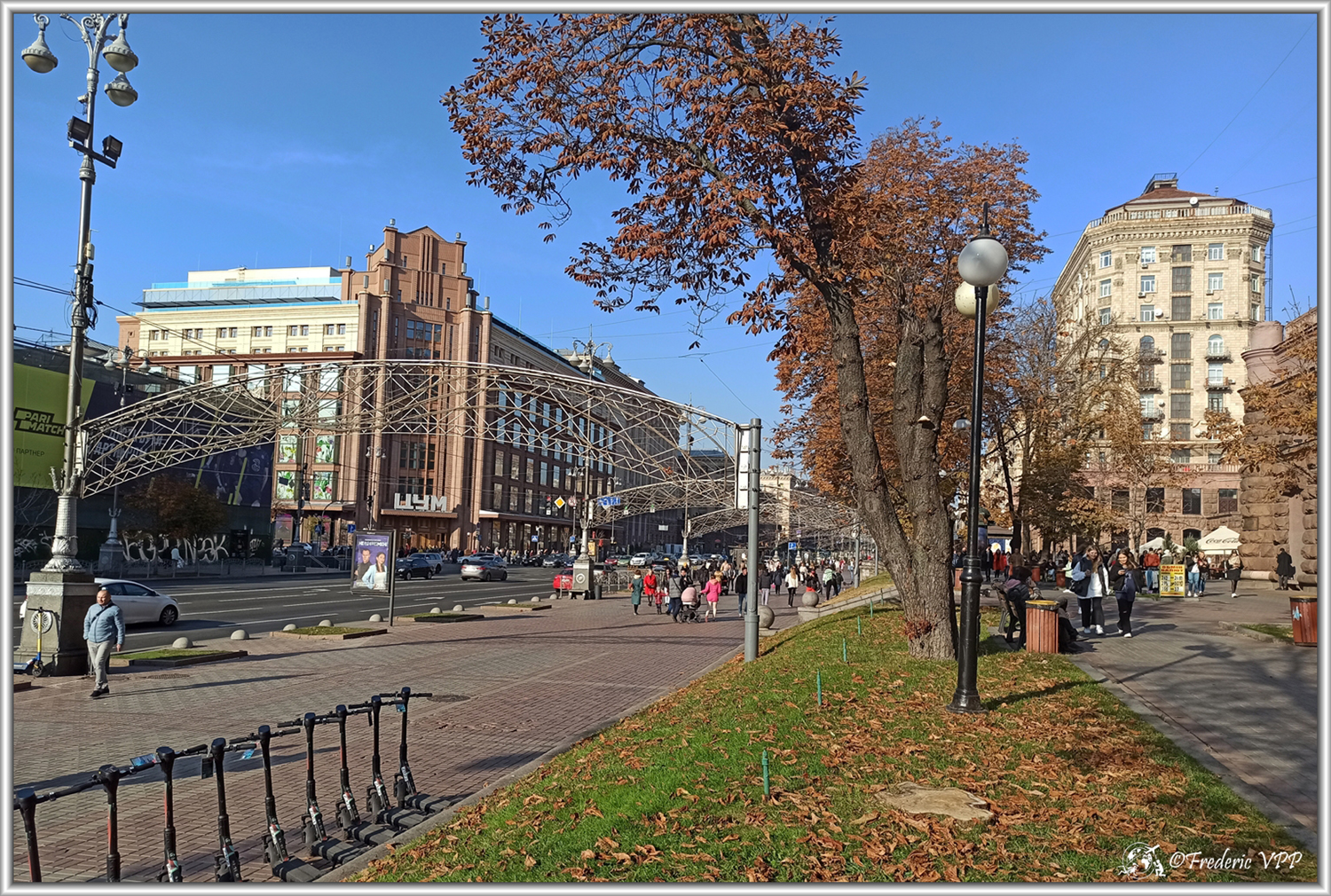
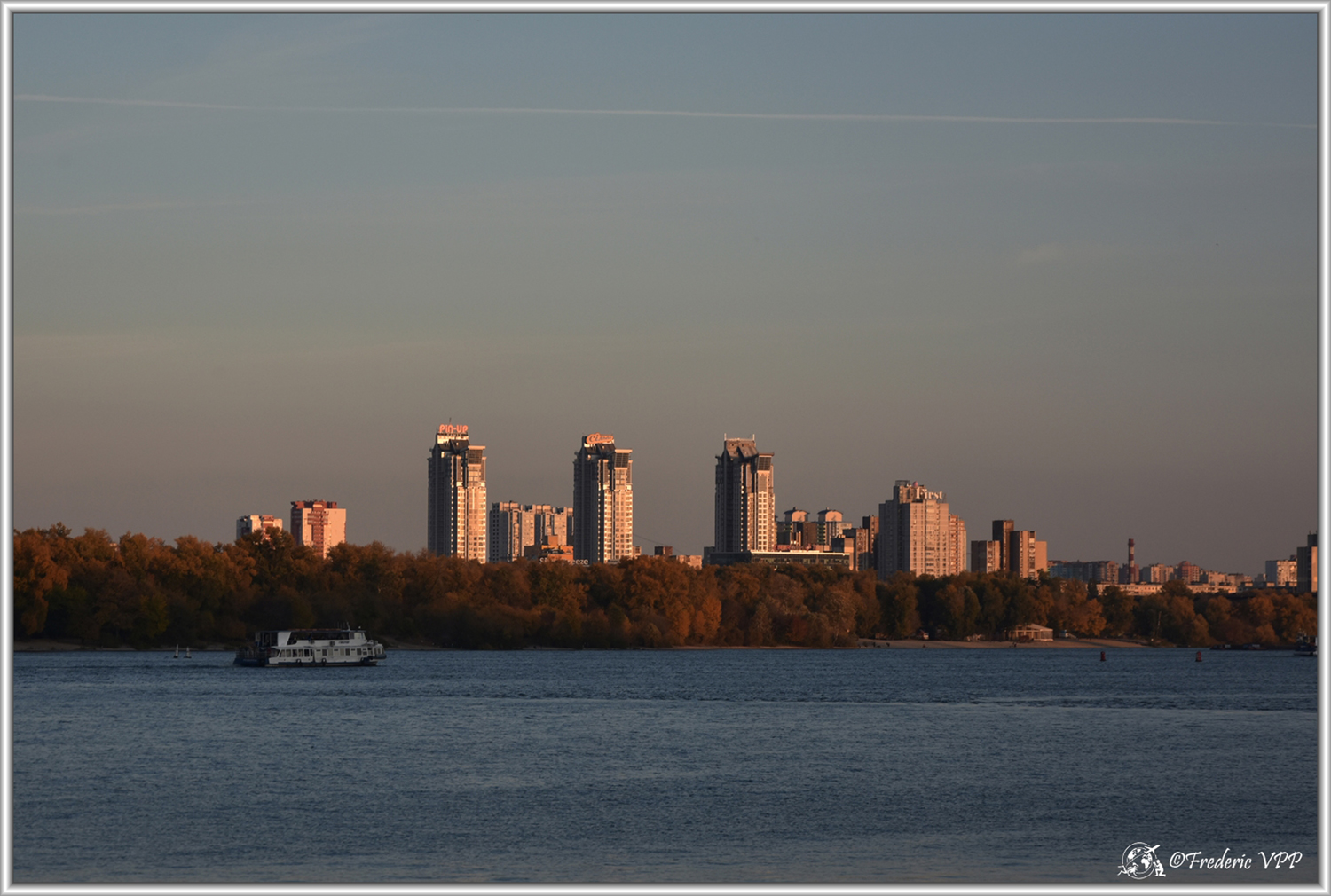
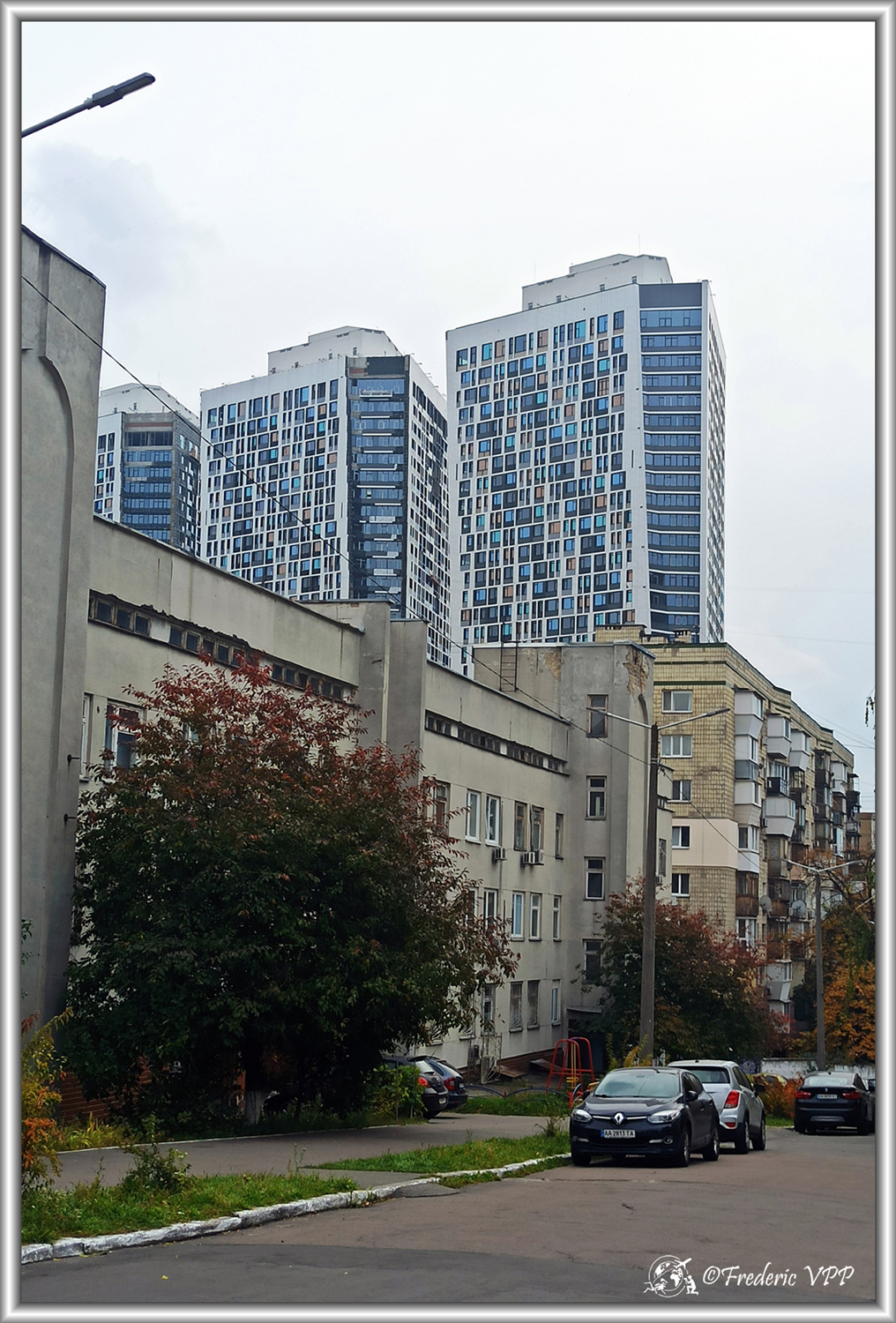
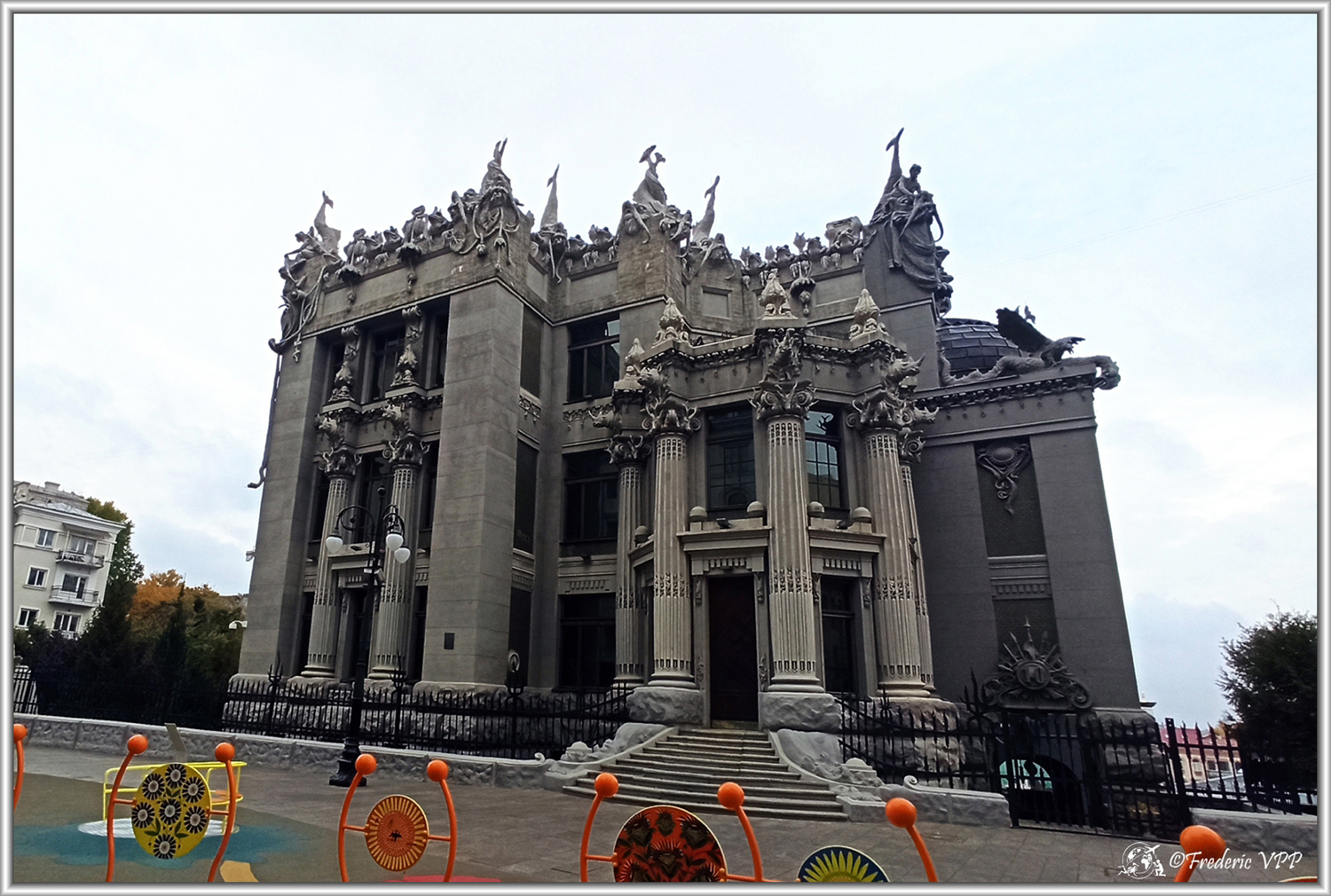
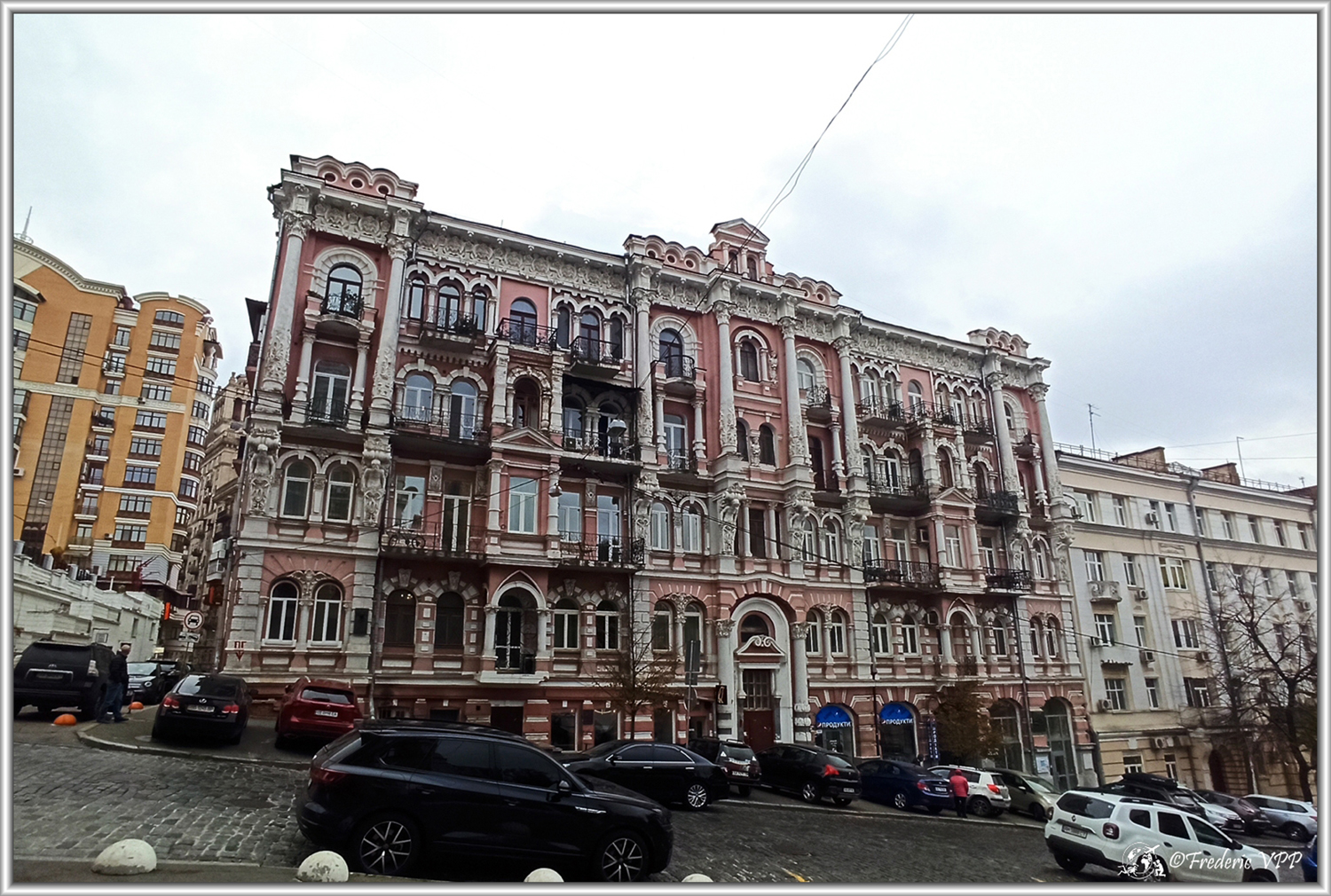
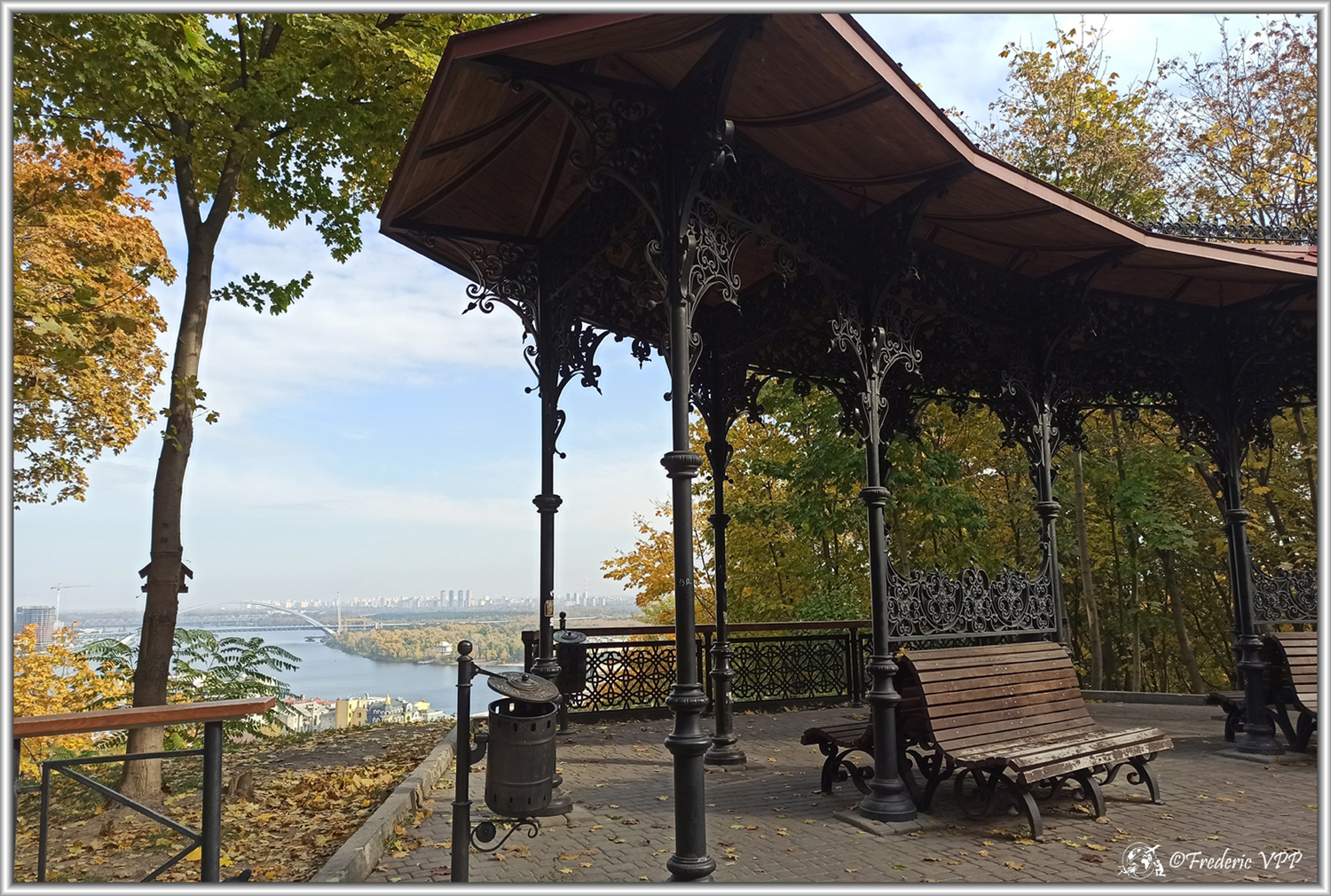
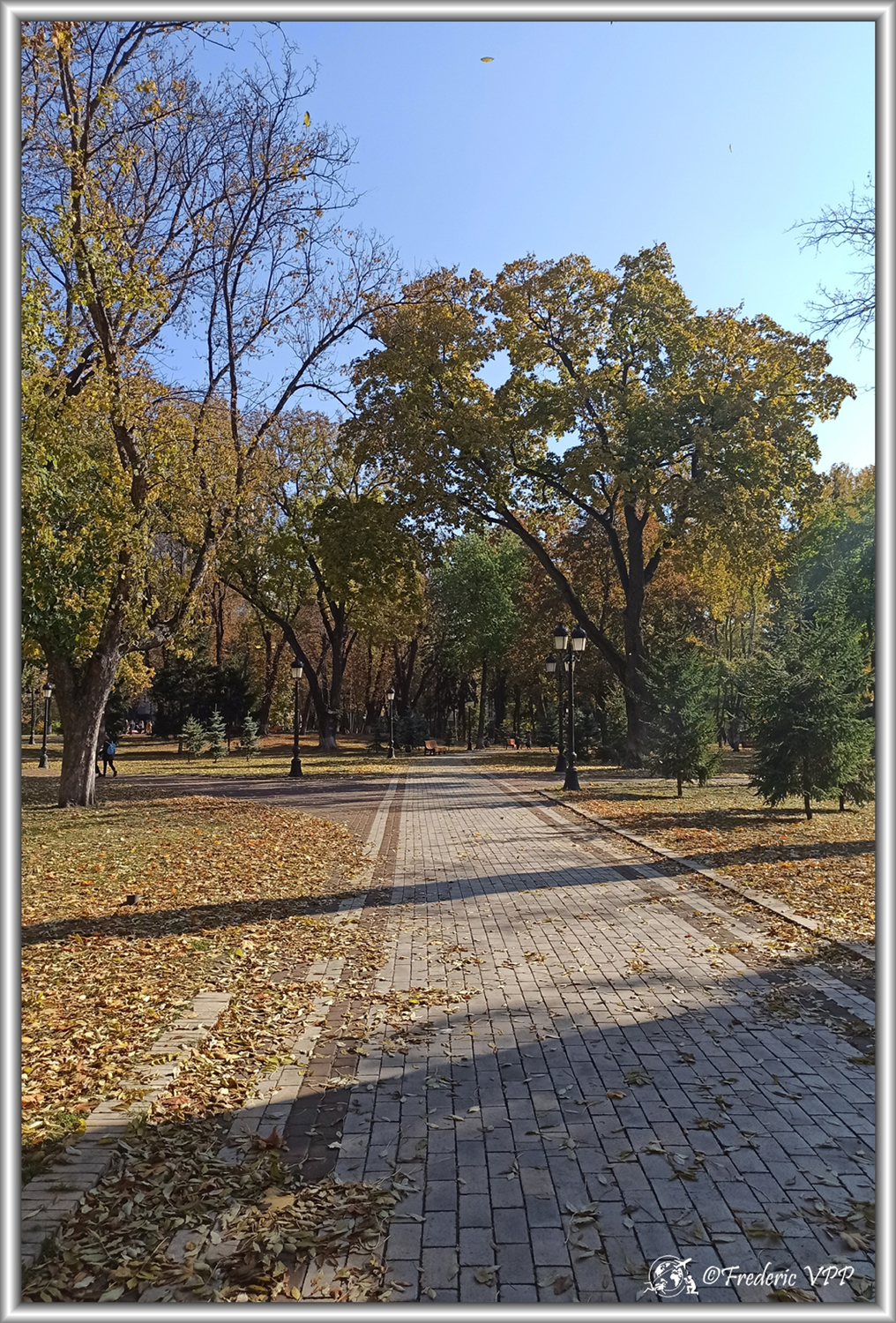
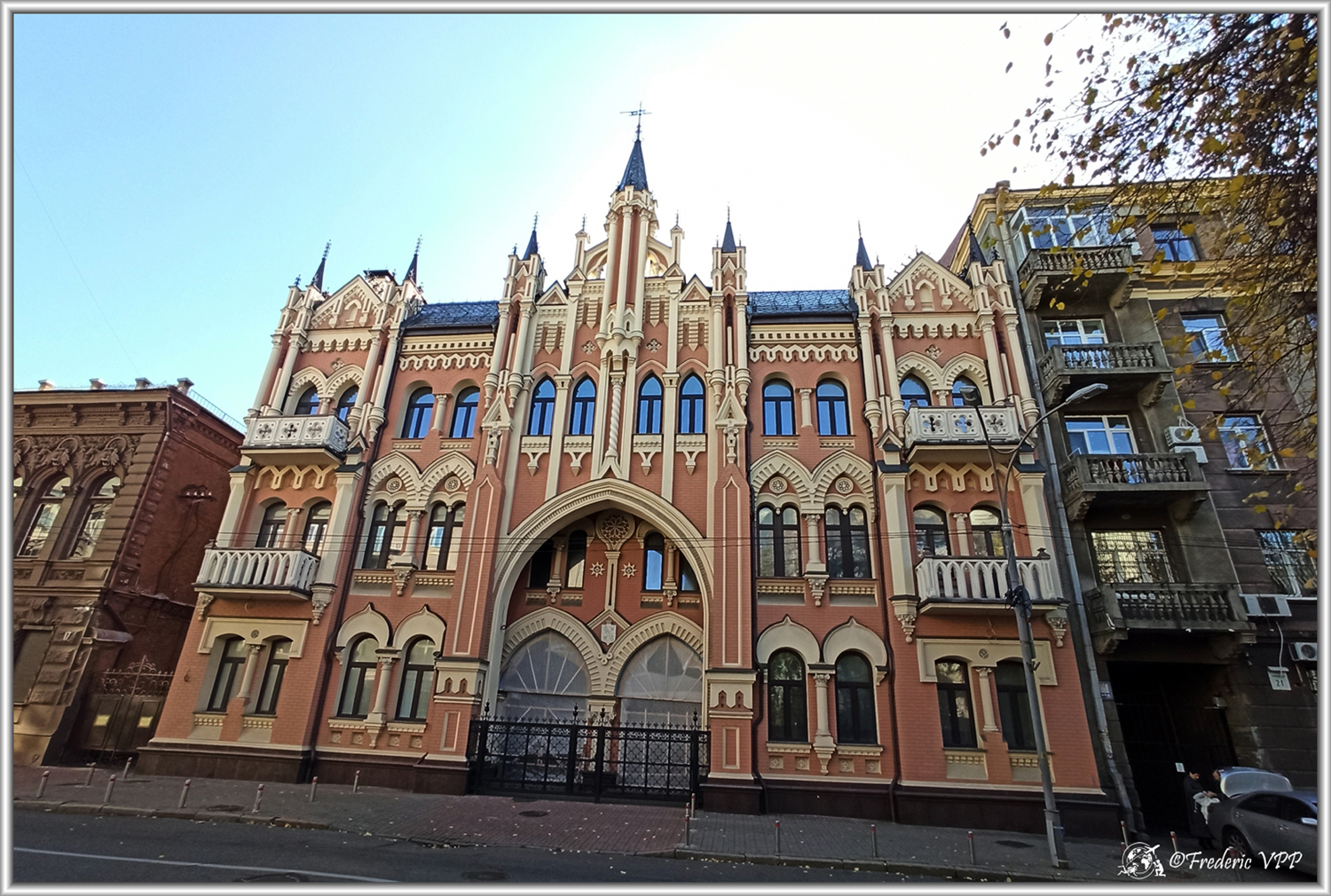
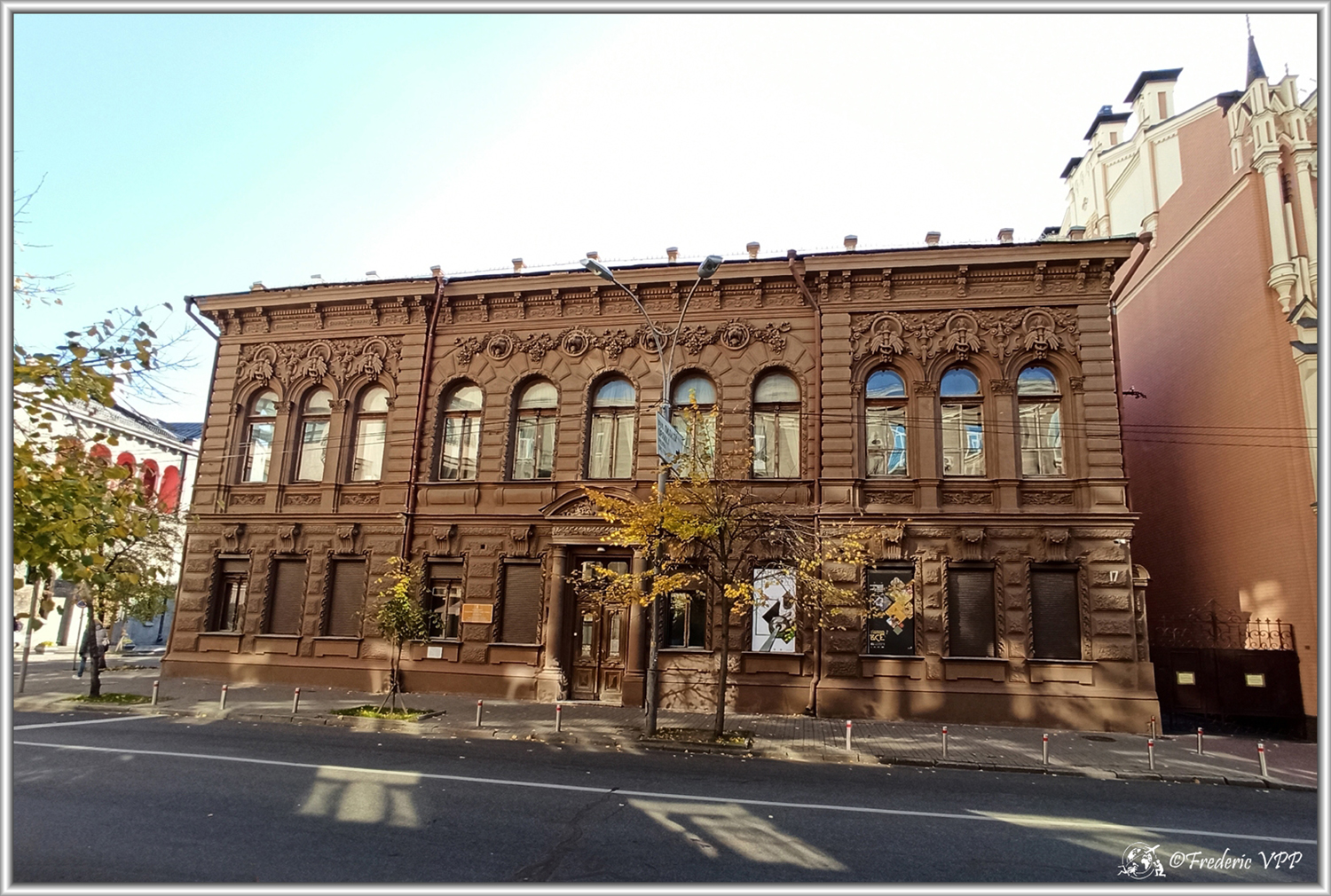
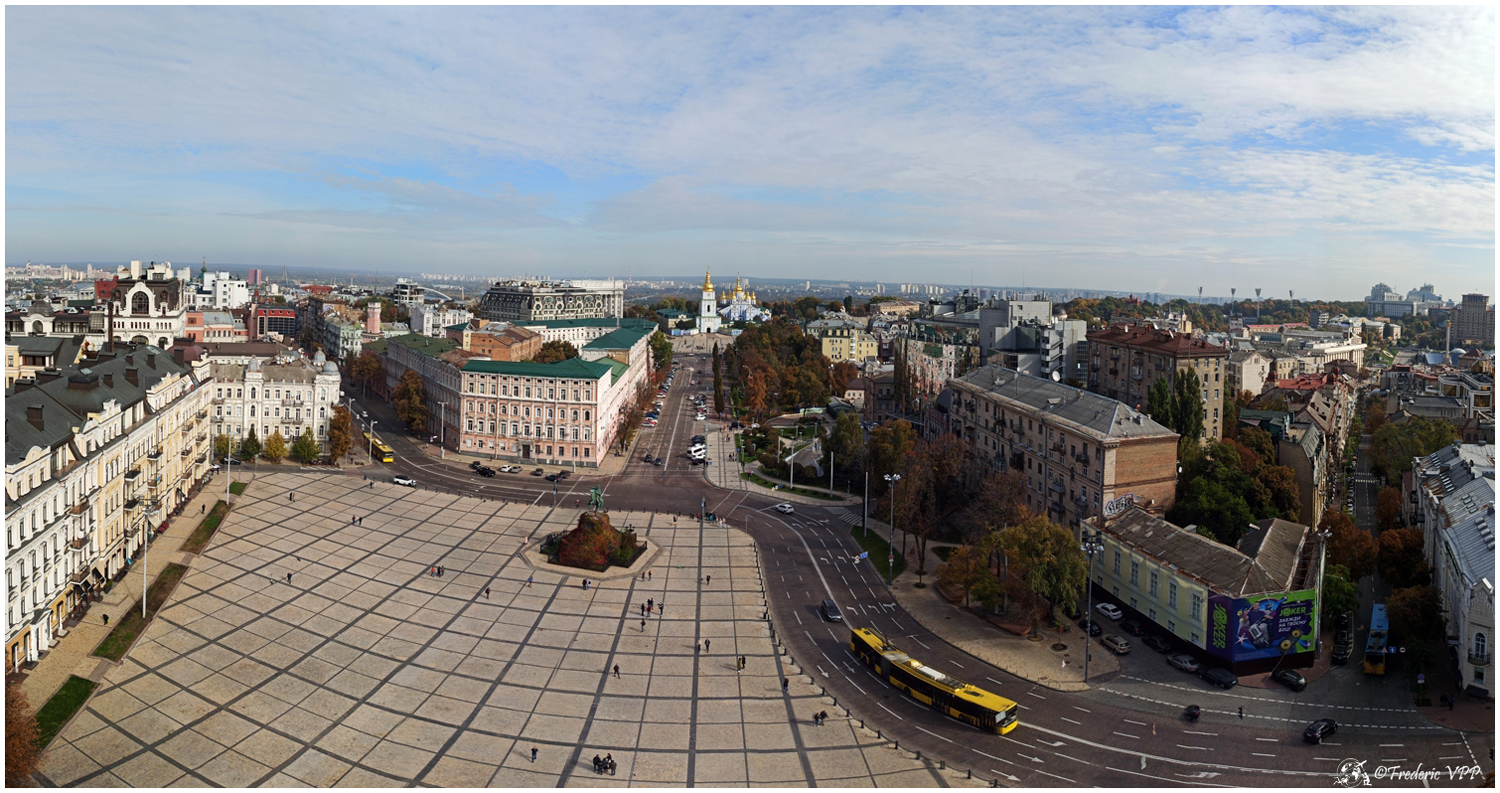
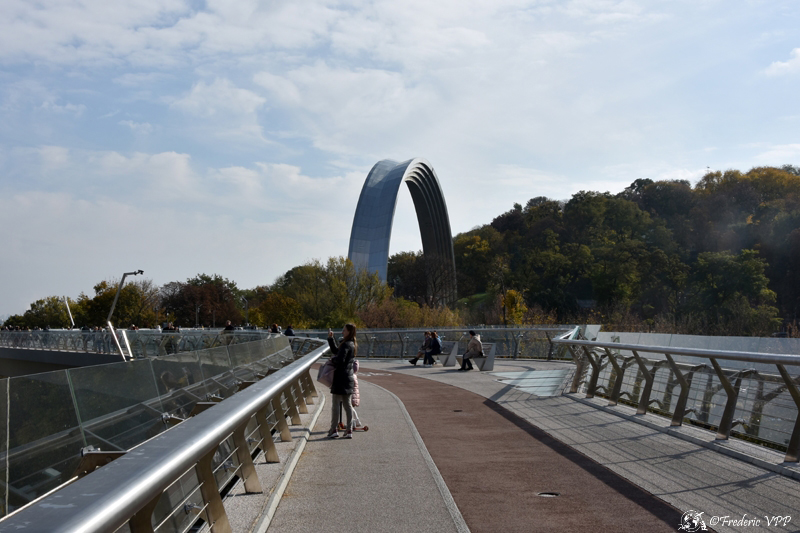
This mild temperature allowed me to travel 103km (64mi) during my 7 full days of presence. Kiev is really a magnificent city in its historical part. Its modern part concentrates mainly large apartment buildings as well as offices. Kiev is also a very green city, with many parks dotted with statues. I also appreciated the security aspect of crossing the streets. The city is full of small tunnels, even very large tunnels that concentrate shops. I thus traveled 400m (0.24mi) underground. I thus traveled 400m (0.24mi) underground. But I advise you to identify the exit point you want to cross a street, because it is easy to get lost.
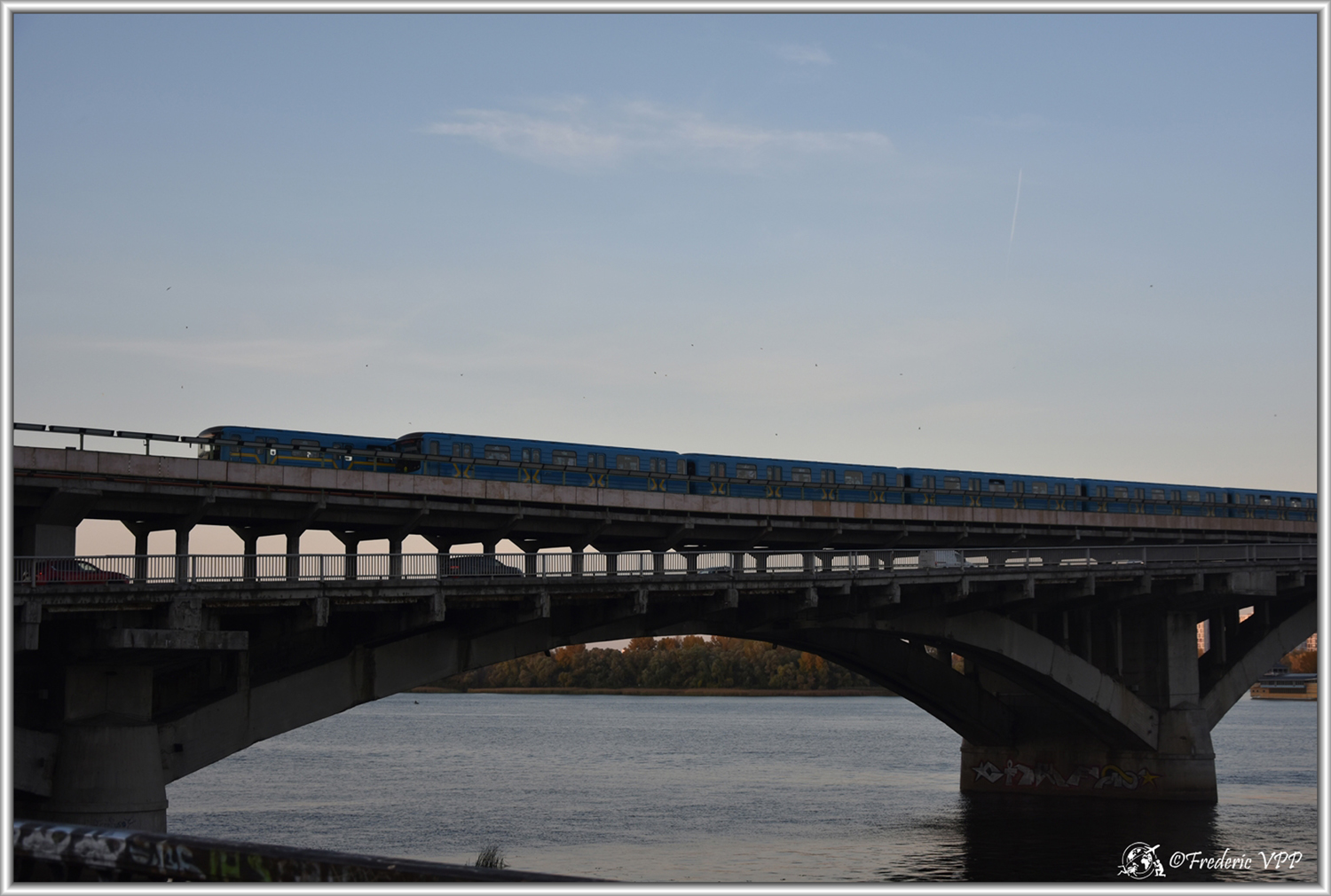
I also had the opportunity to get out of Kiev by going to an old vacation center, small houses, on the edge of a river. This center is being rehabilitated for charitable purposes to house people in difficulty. I also used the metro, which was magnificent, as well as the buses. |
|
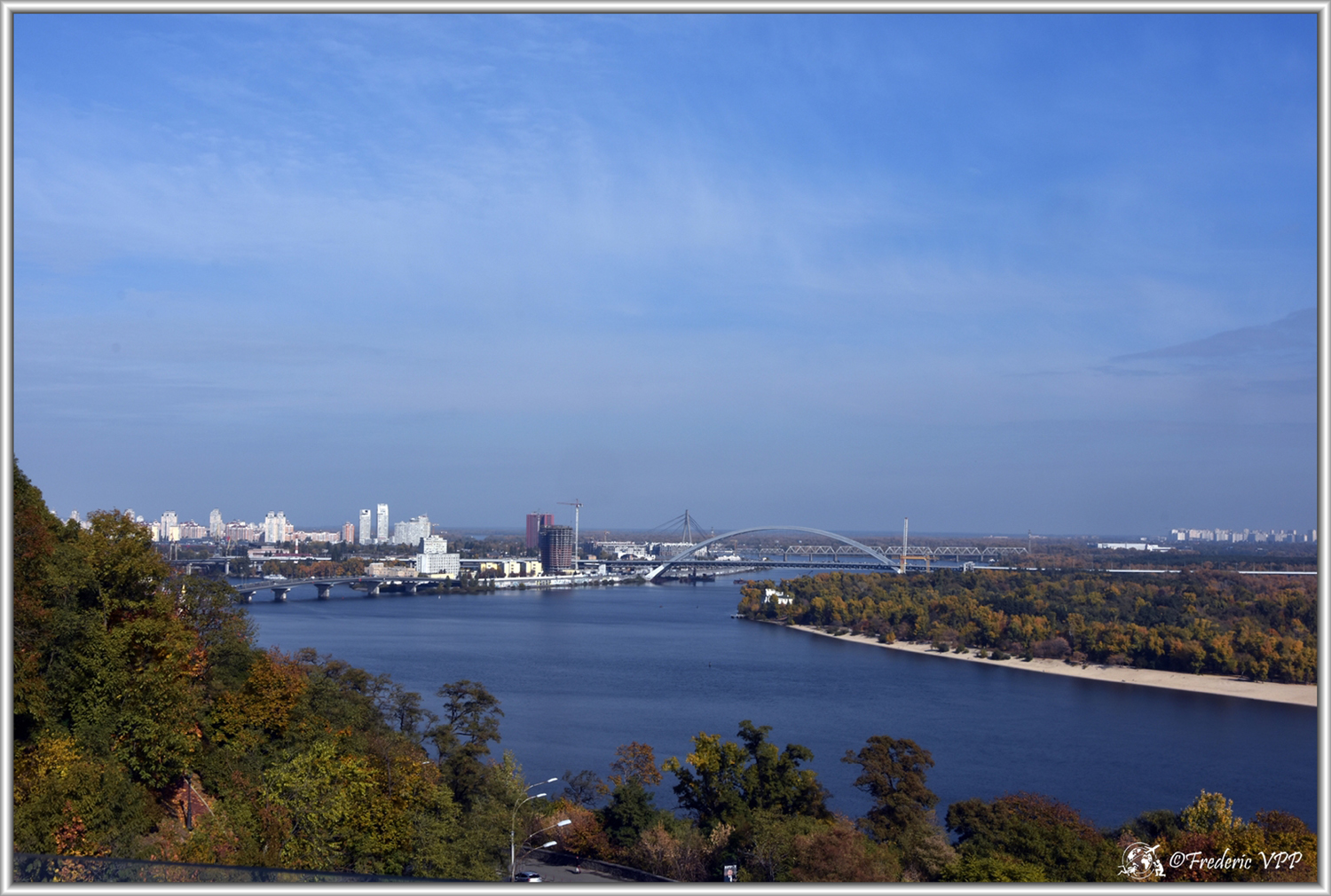
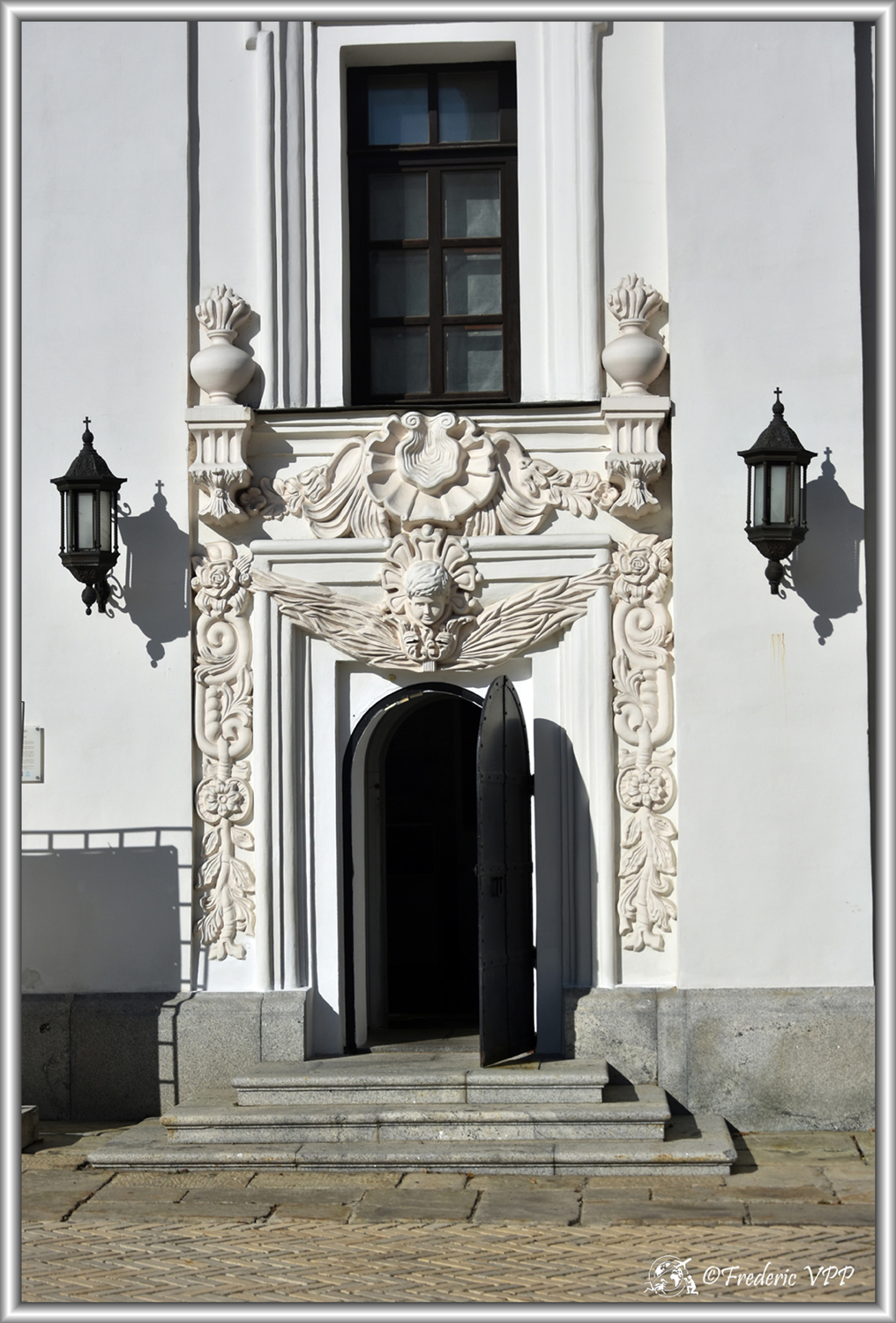
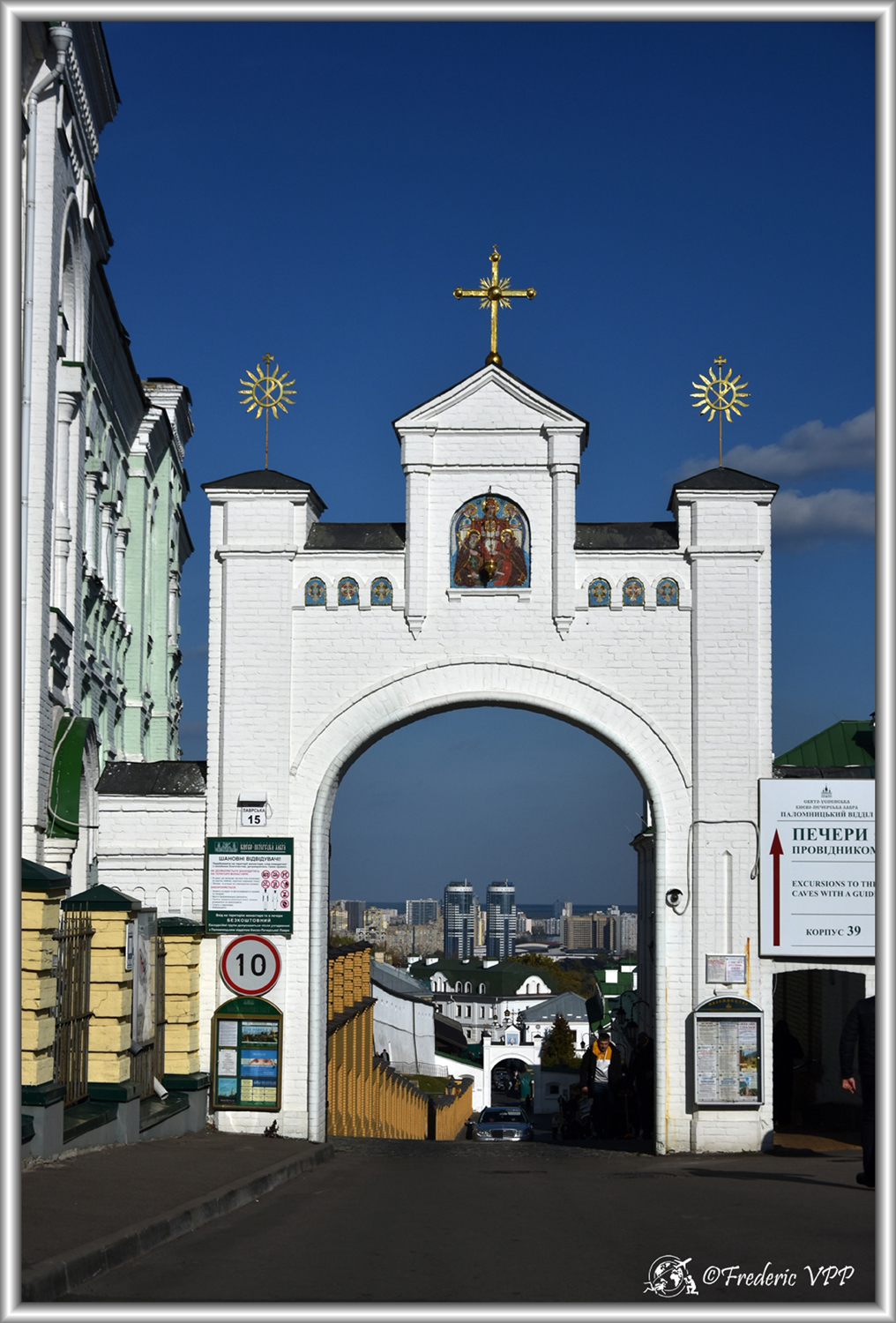
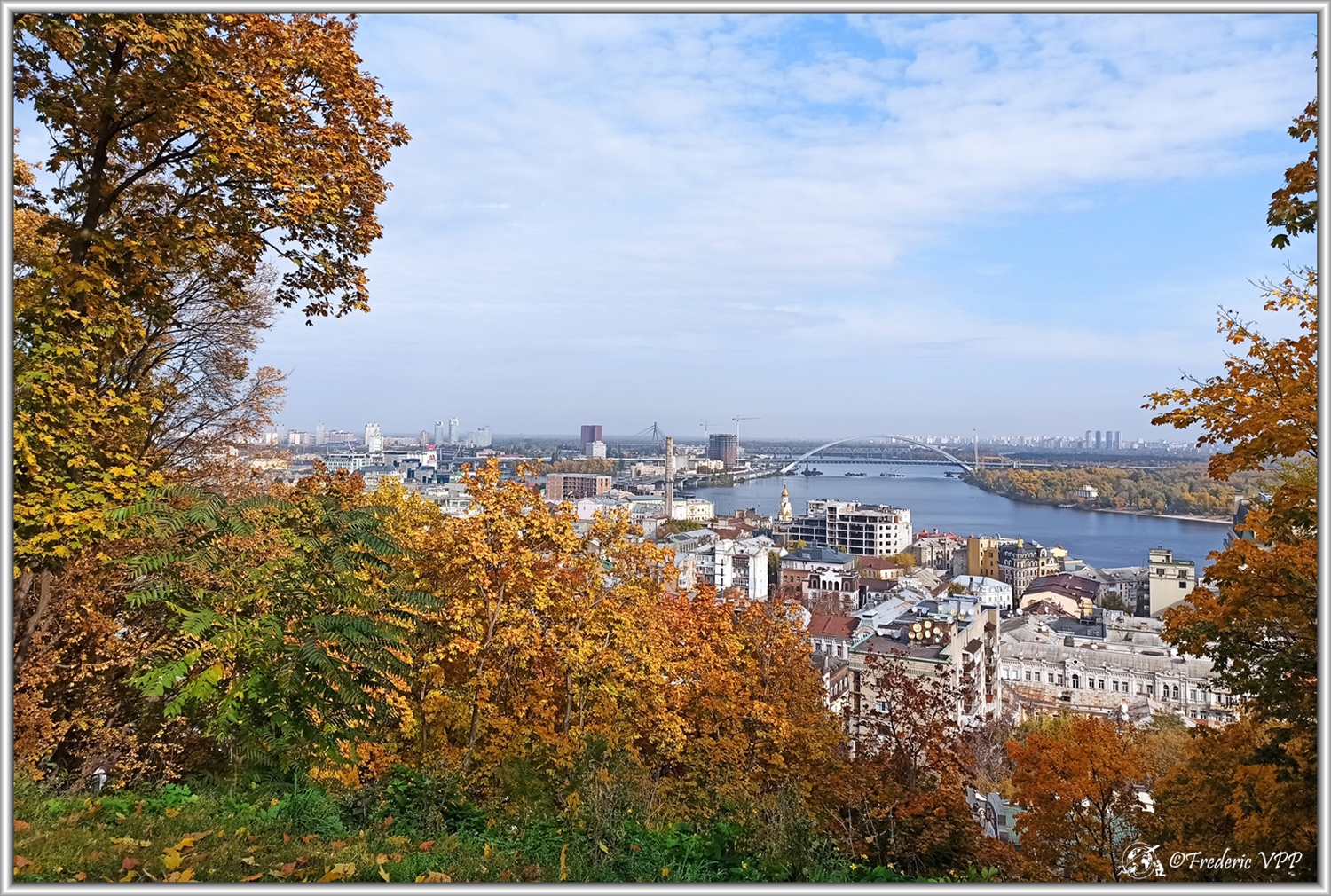
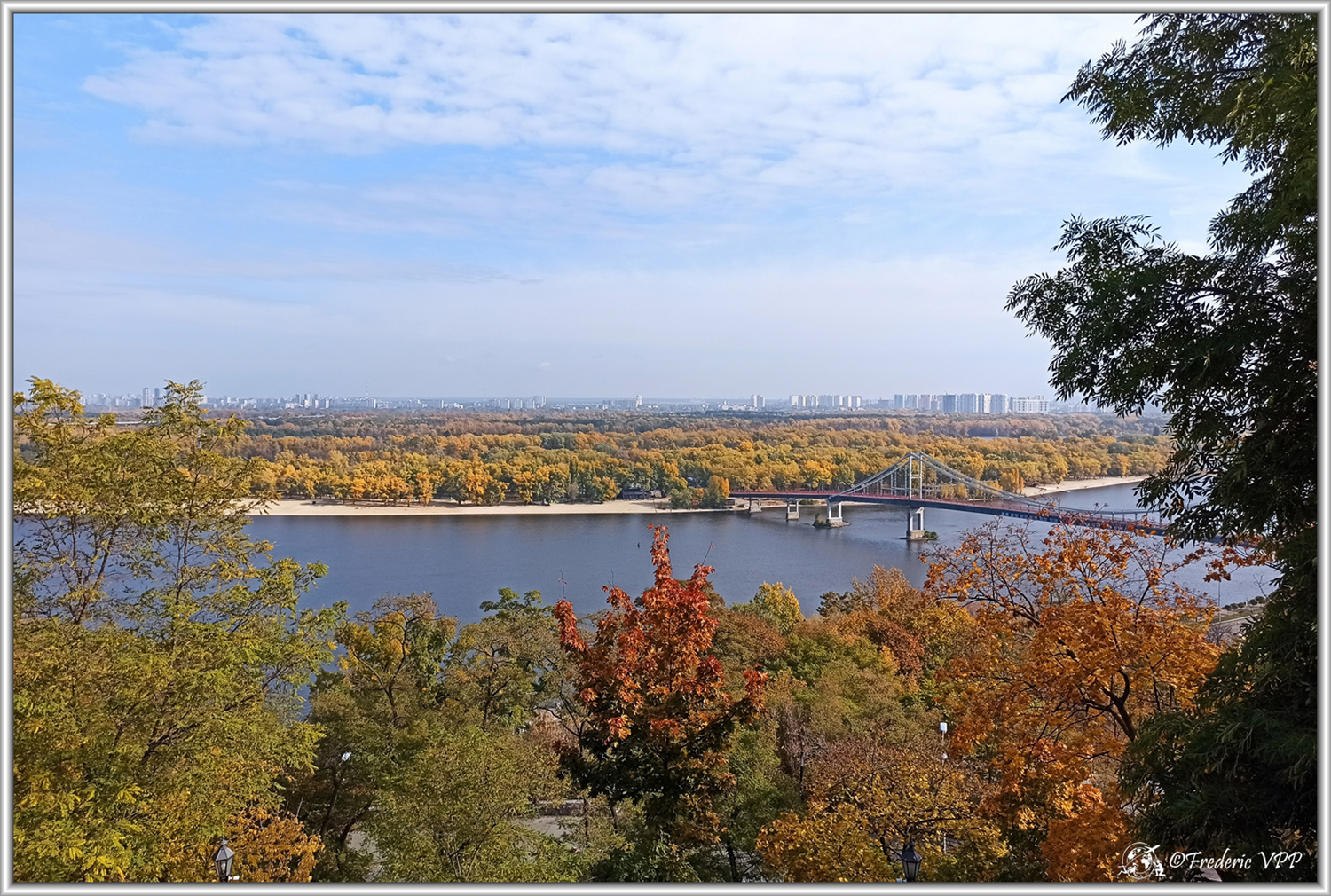
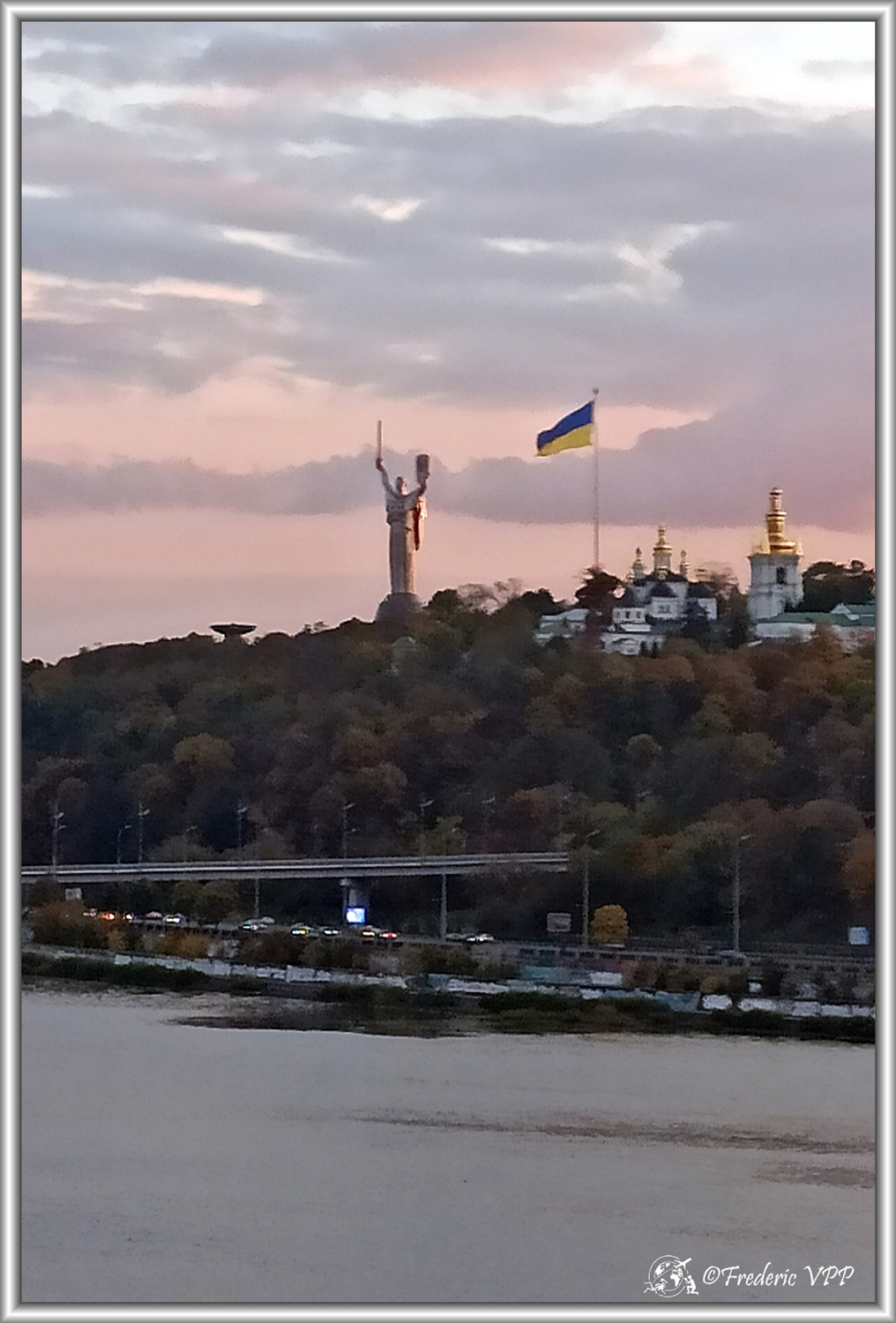
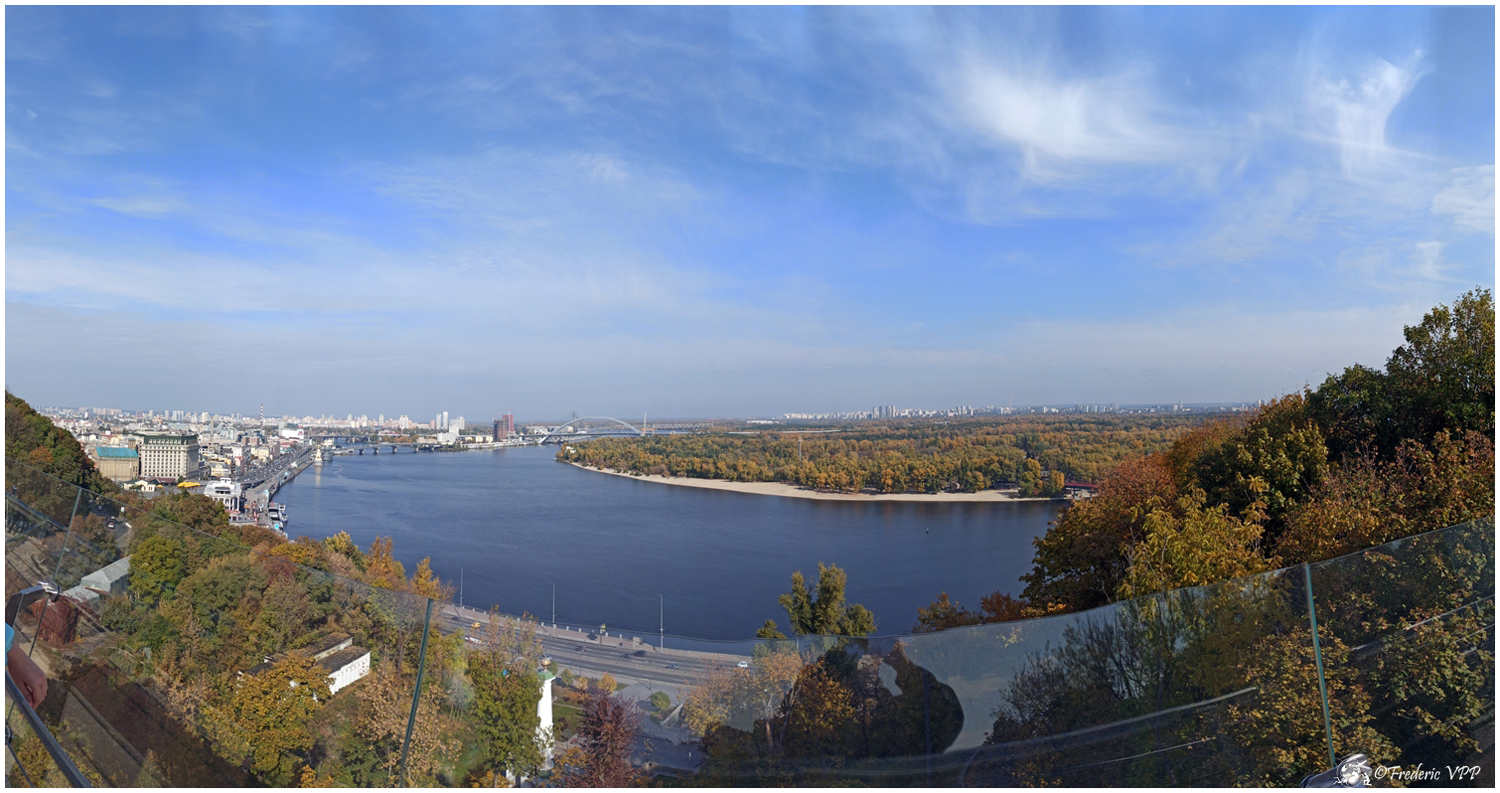
Kiev sits on the Dnieper River in the northwest of the country. The exact date of the foundation remains unknown. Archaeological excavations give reason to believe that Kiev became a city at the end of the 9th century. Kyiv has been the capital of Ruthenia, the Principality of Kyiv, the Grand Duchy of Ruthenia, the Ukrainian People's Republic, the Ukrainian State and the Ukrainian Soviet Socialist Republic. The city is one of the oldest centers of Eastern Europe and Christianity. St. Sophia's Cathedral and the Kyiv Caves Lavra are on the World Heritage List.
The great city of Kyiv paid homage to the Khazars; the name of Kiev comes from the first name of one of the founding Slavic princes of the city: Kyi, the eldest of the four founders of the city with Shchek, Khoryv and their sister Lybid. During its history, Kiev, one of the oldest cities in Eastern Europe, passed through several stages, from greatness to relative obscurity. Kiev was part of the Russian Empire then followed, the Soviet period (1920-1991). In 1991, after the breakup of the USSR, Kiev became the capital of independent Ukraine. The city then opened up to the market economy, its appearance was rapidly modernized and took on the appearance of a great European capital. Nowadays Kiev concentrates the attractiveness and the resources of the economic, financial and cultural center of Ukraine. |
|
Sorry if the links are outdated or not accessible
|