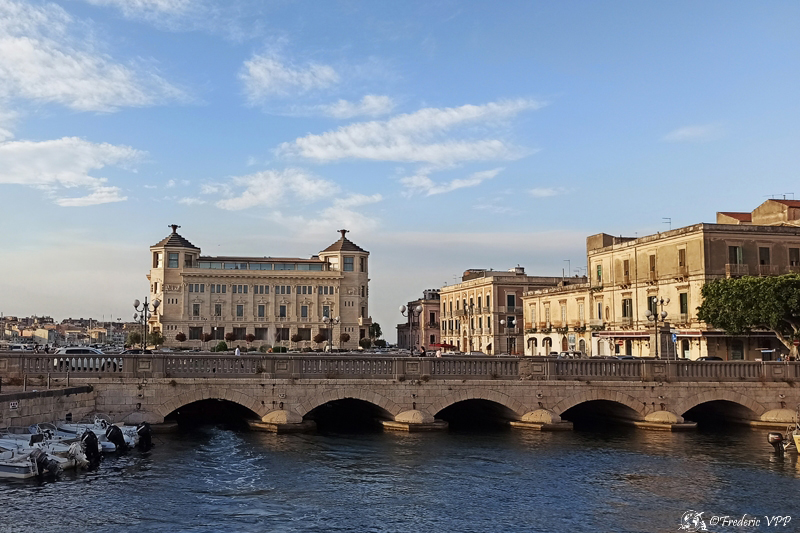
 Syracuse
Syracuse and Sicily, Italy, July 2021
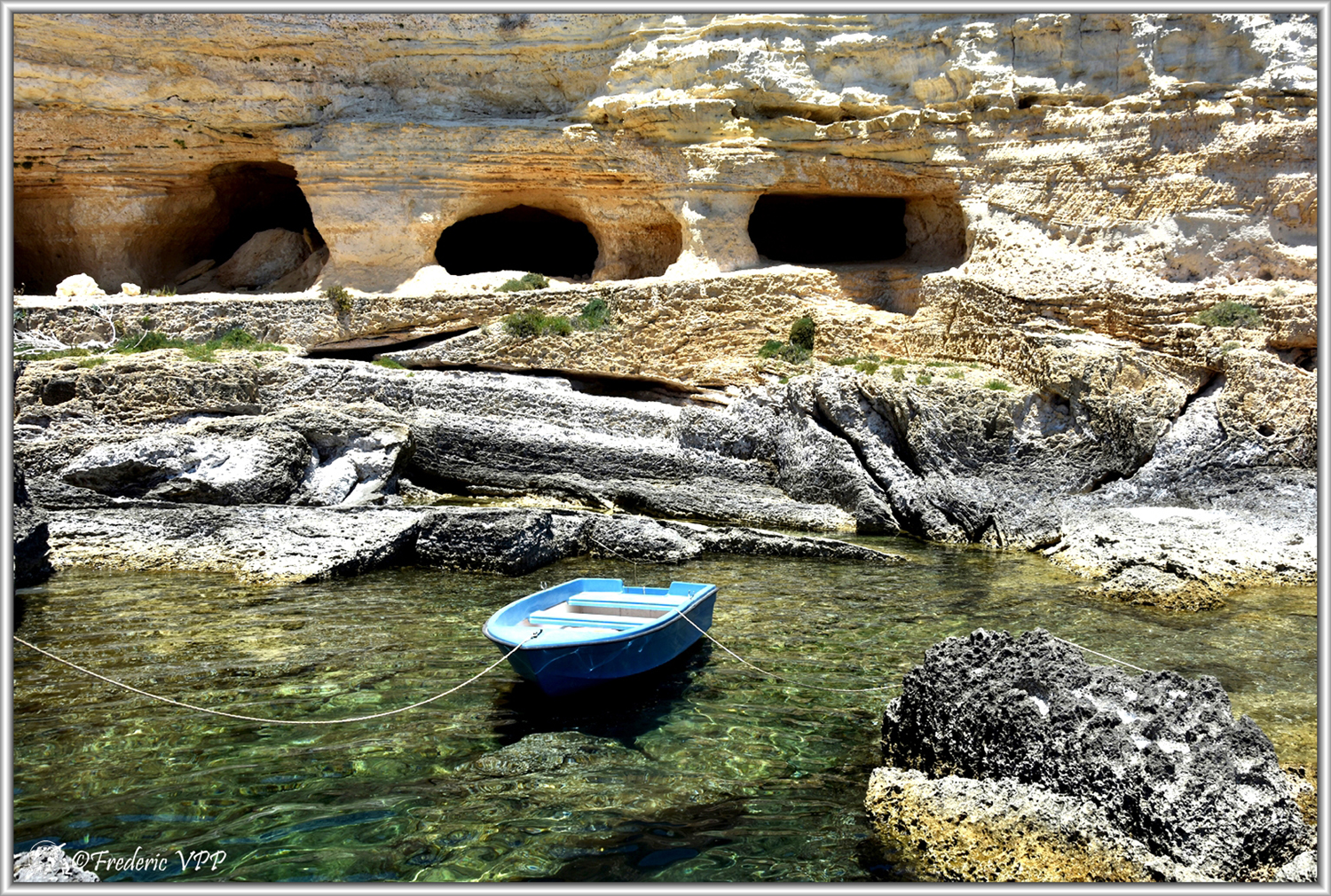
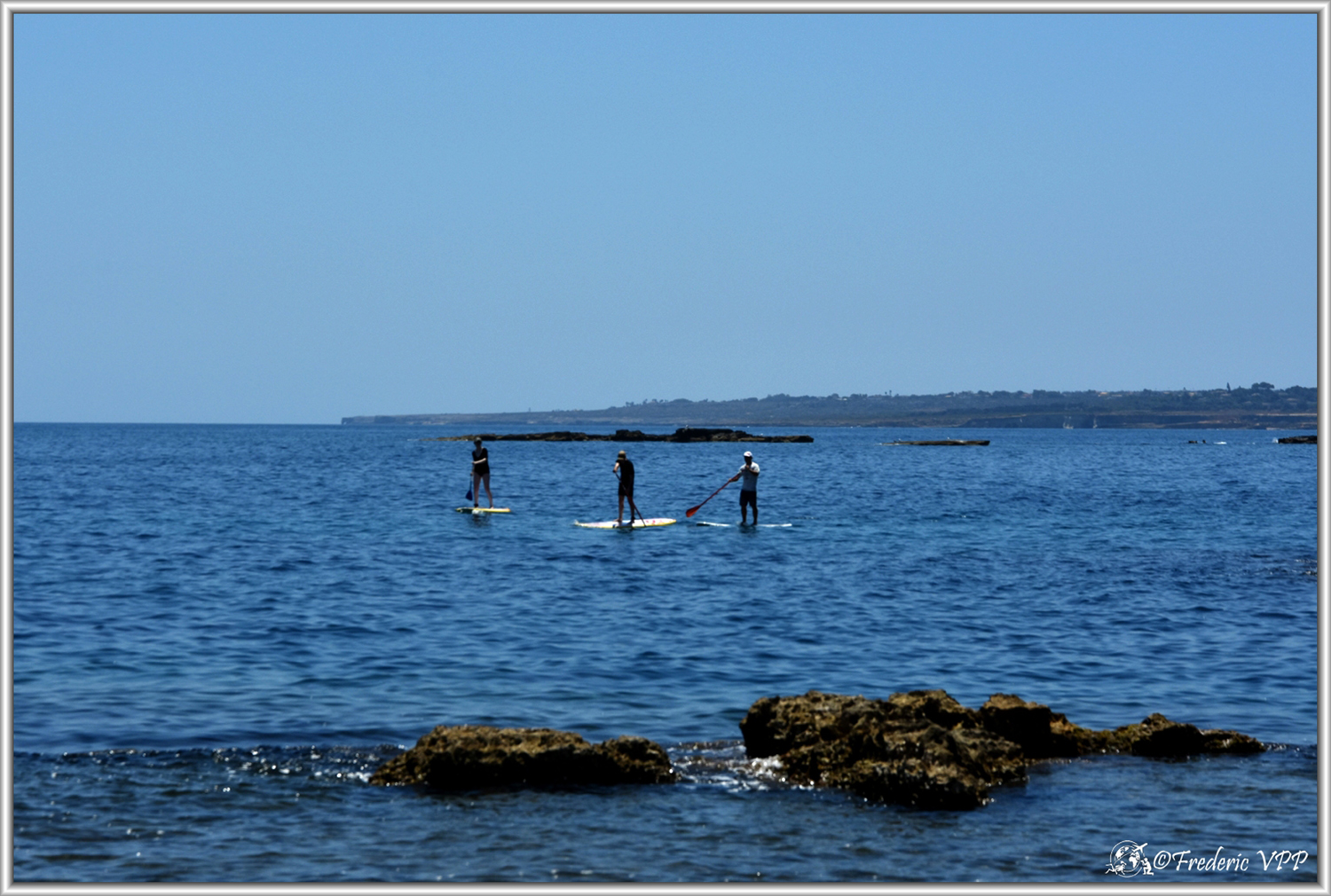
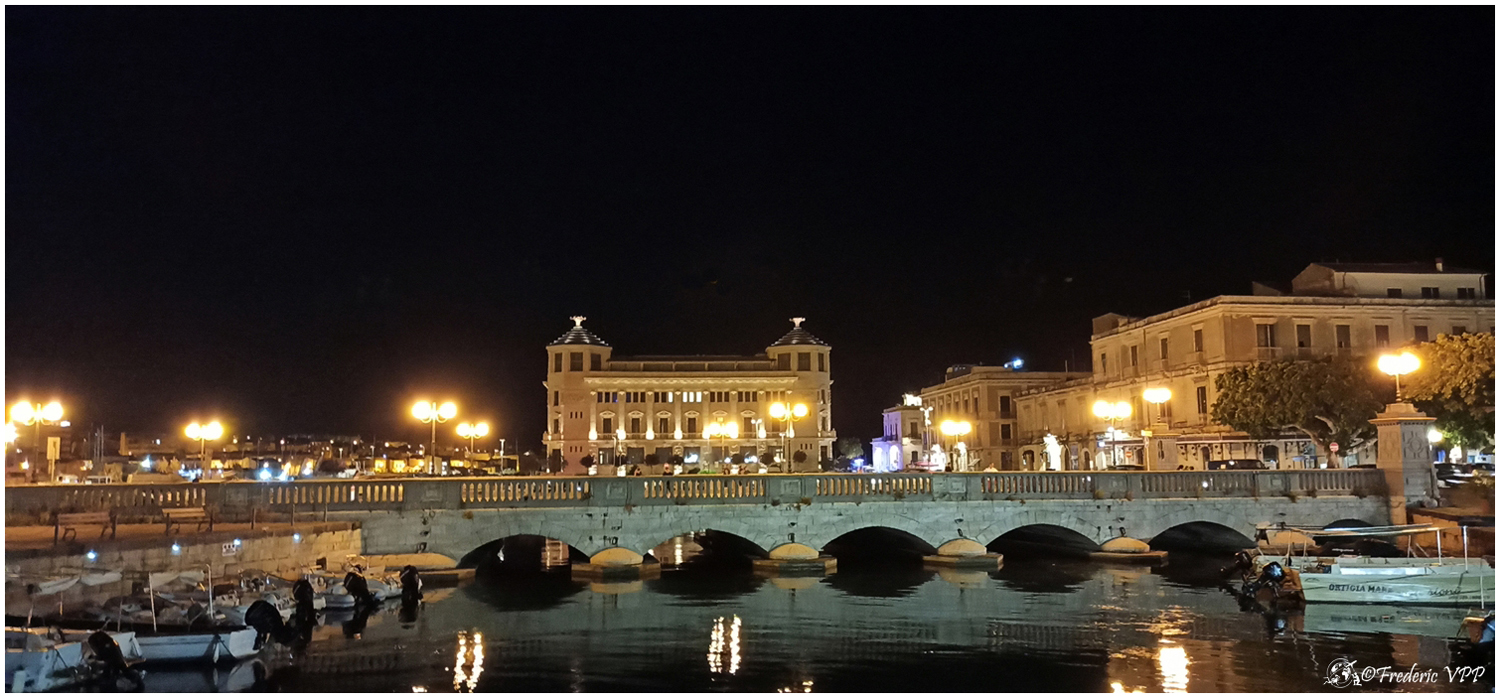
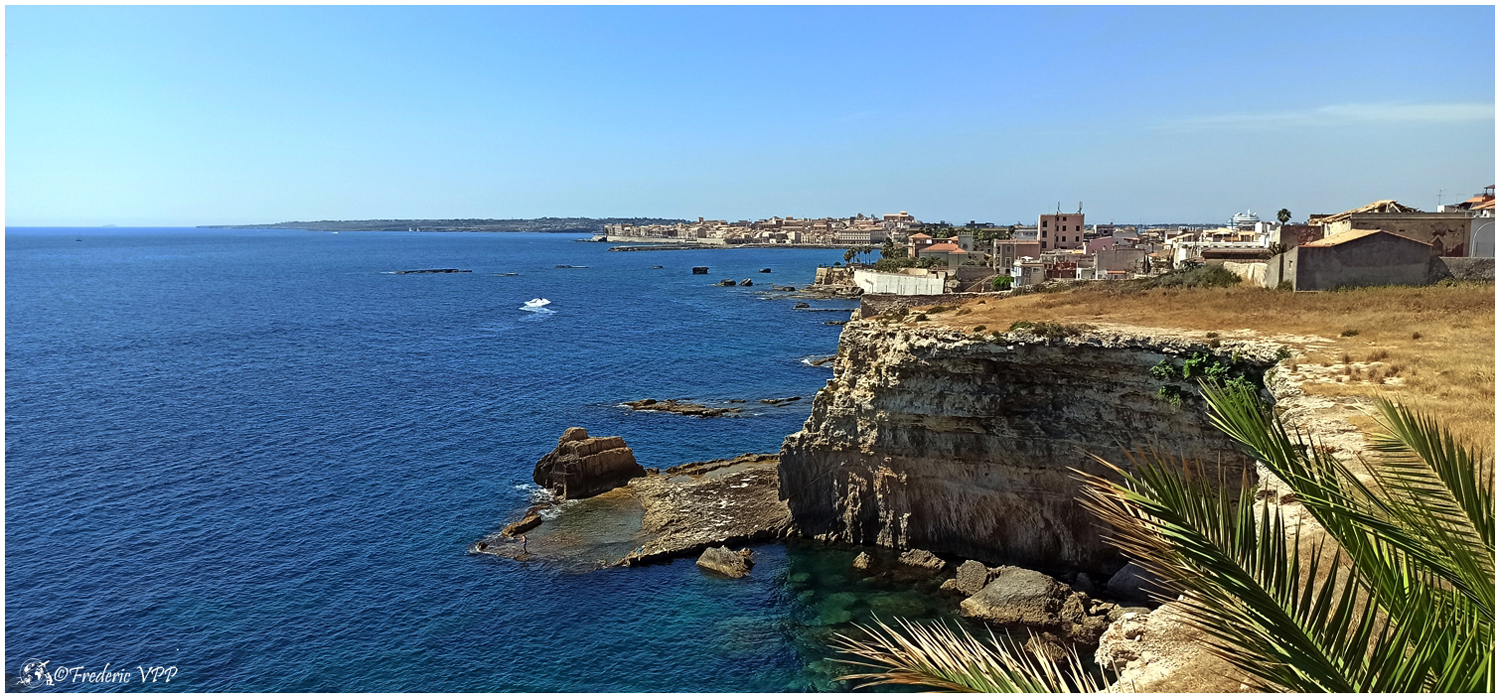
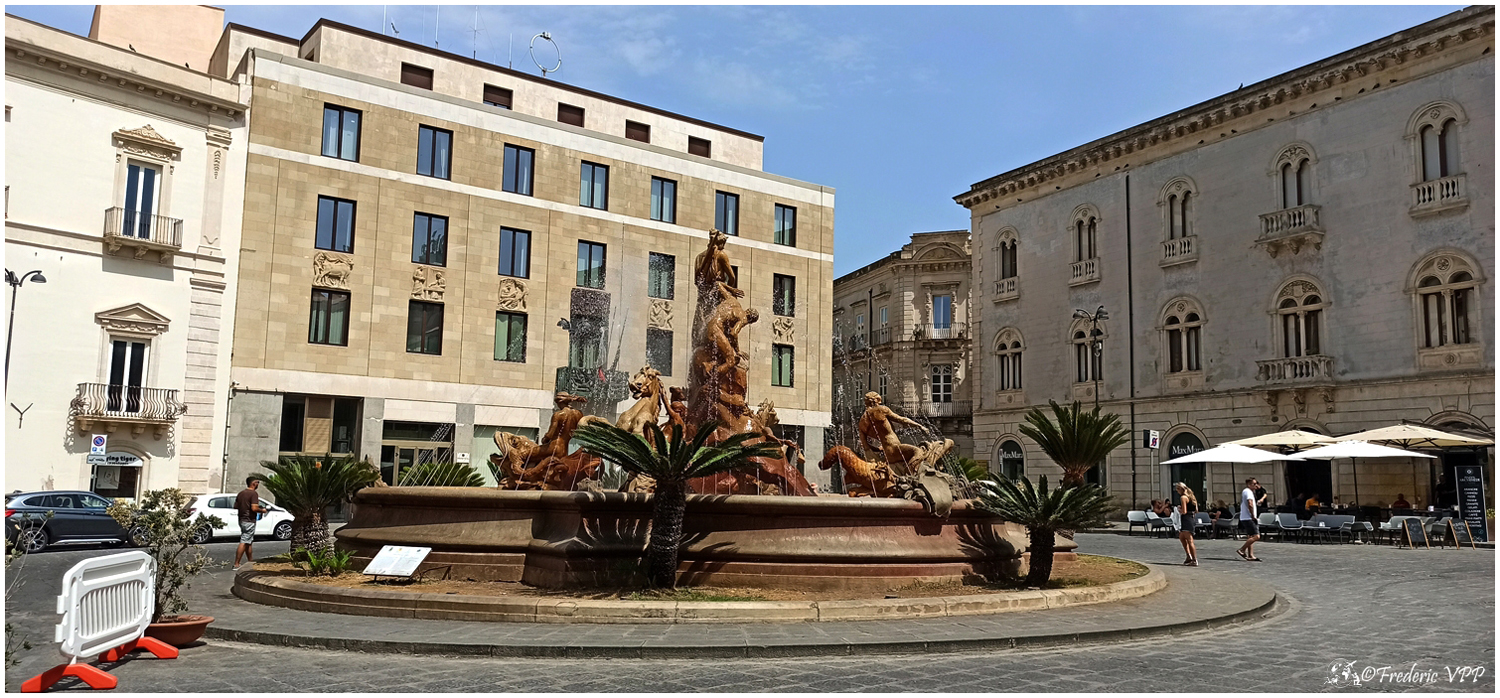
Syracuse is a peaceful little town. Beautiful churches, few beaches but I discovered a pleasant restaurant, the "Zen & Jonico", with a terrace and the possibility of swimming. You have to pay to access the terrace but it's worth the detour, far from the busy beaches...
|
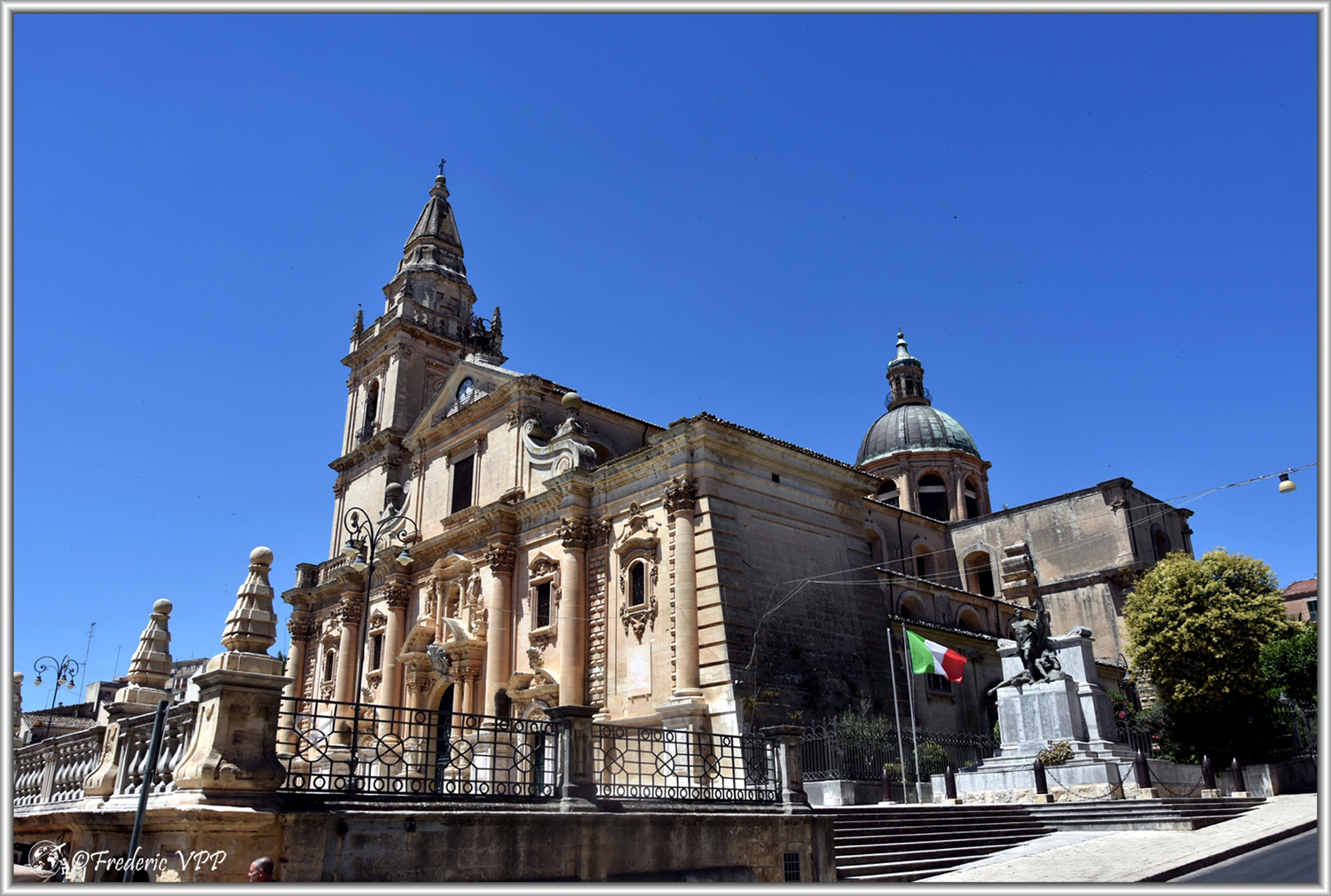
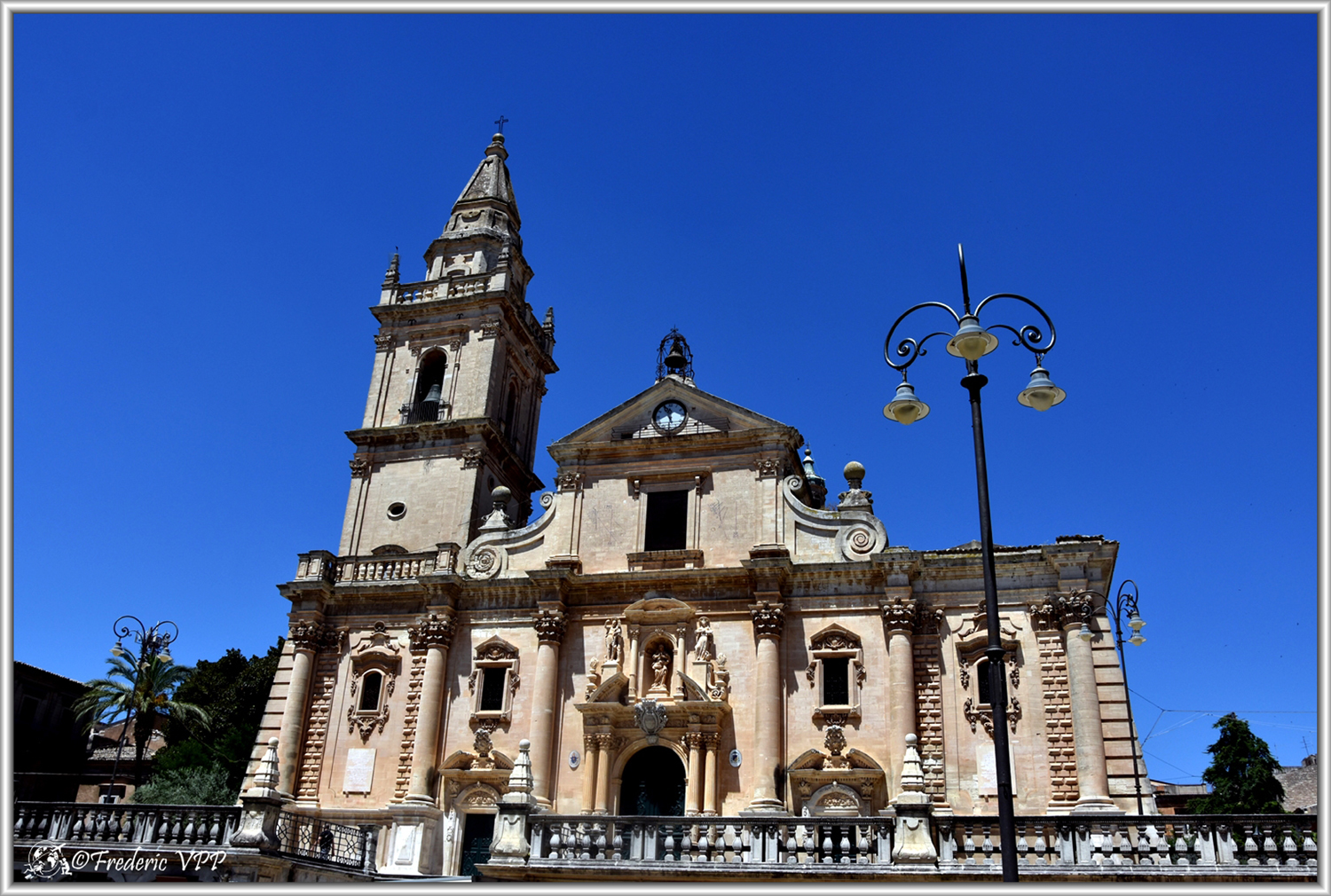
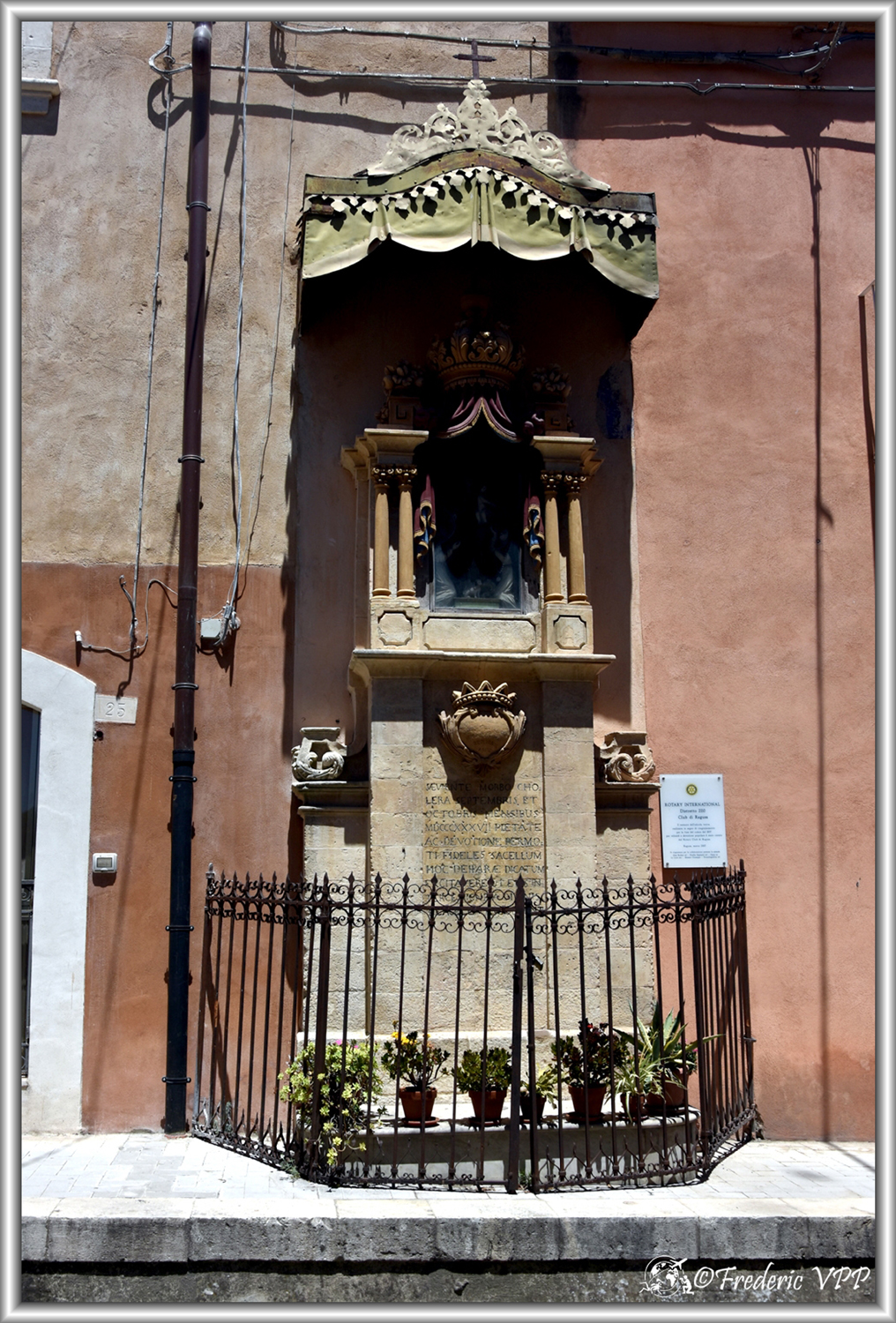
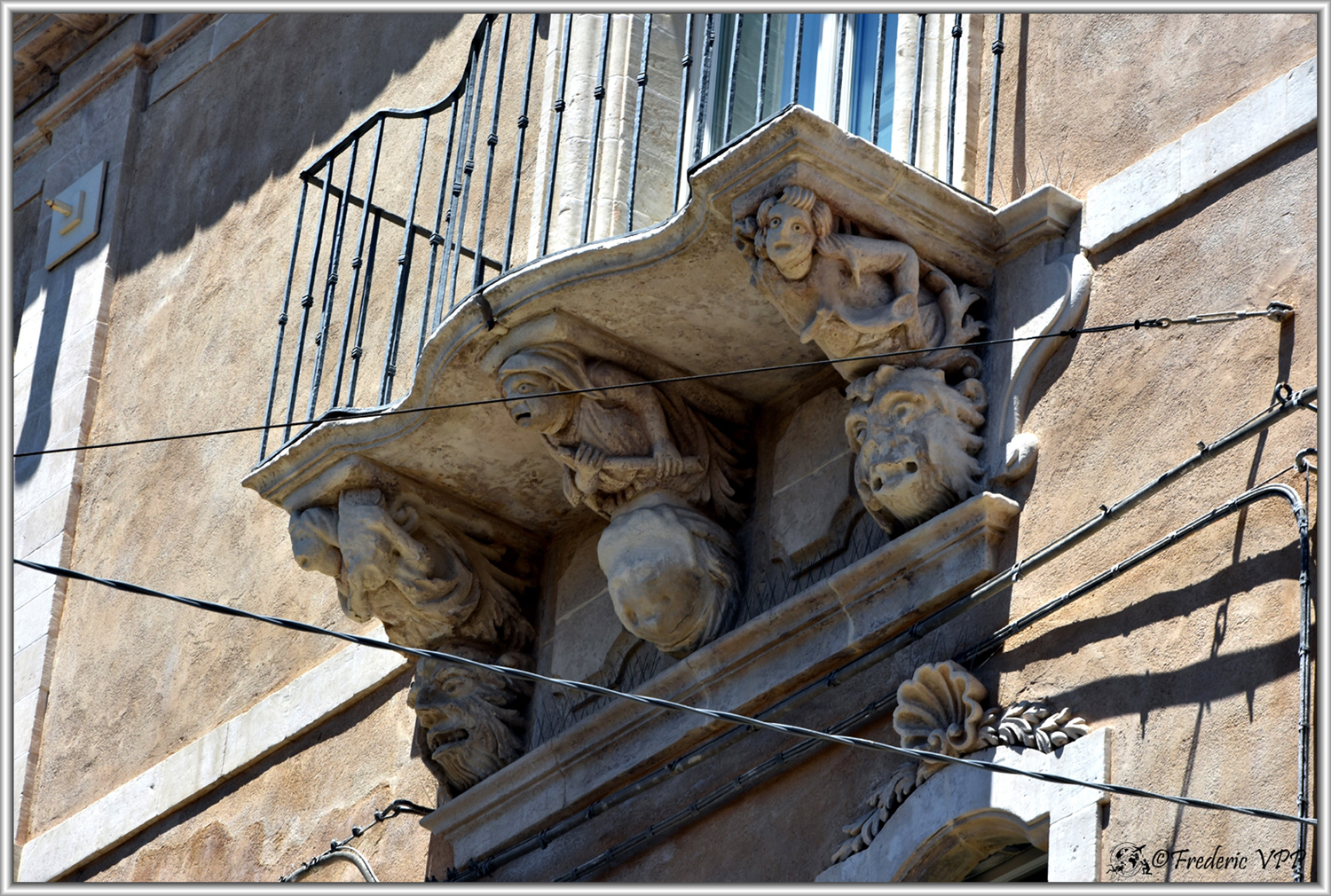
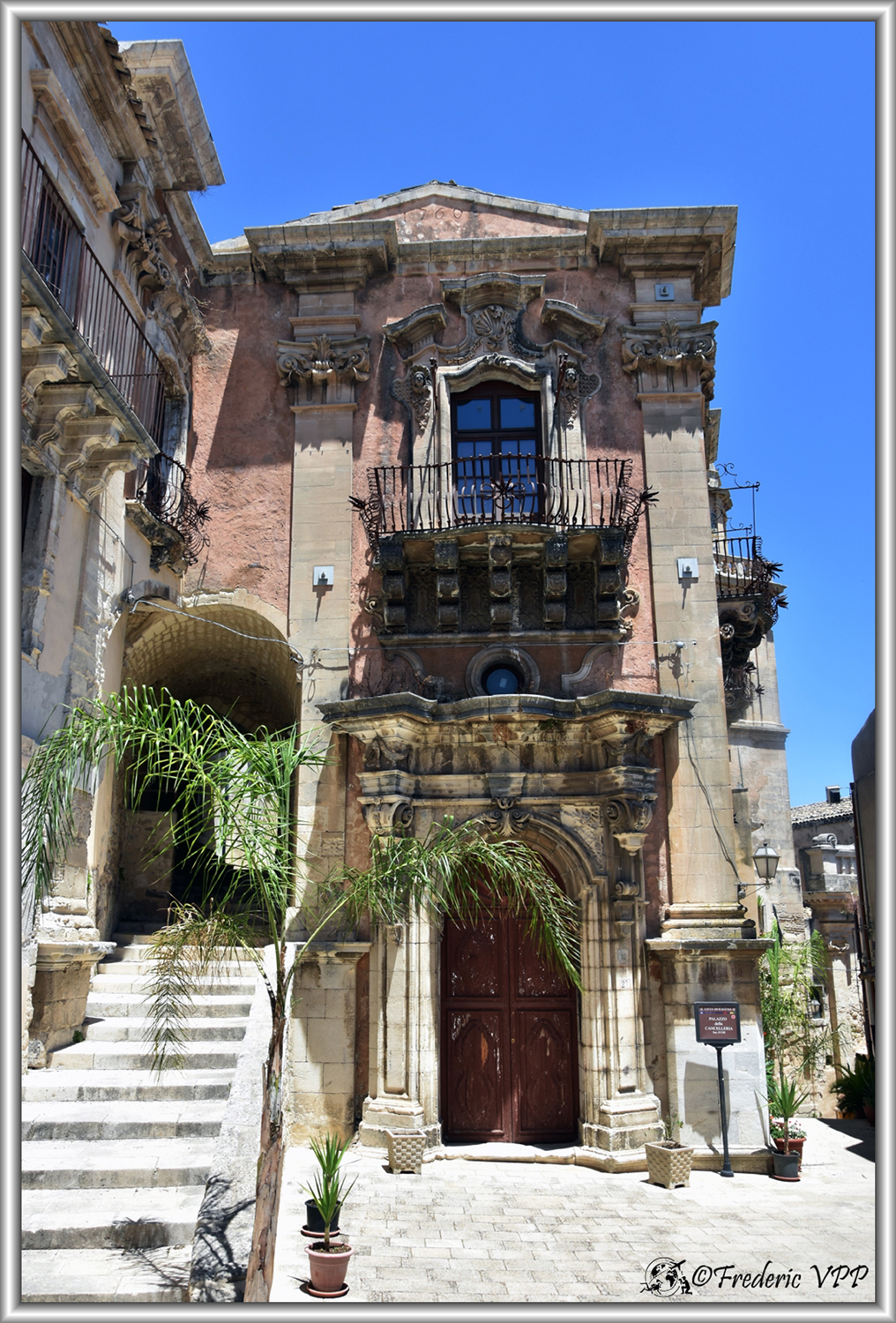
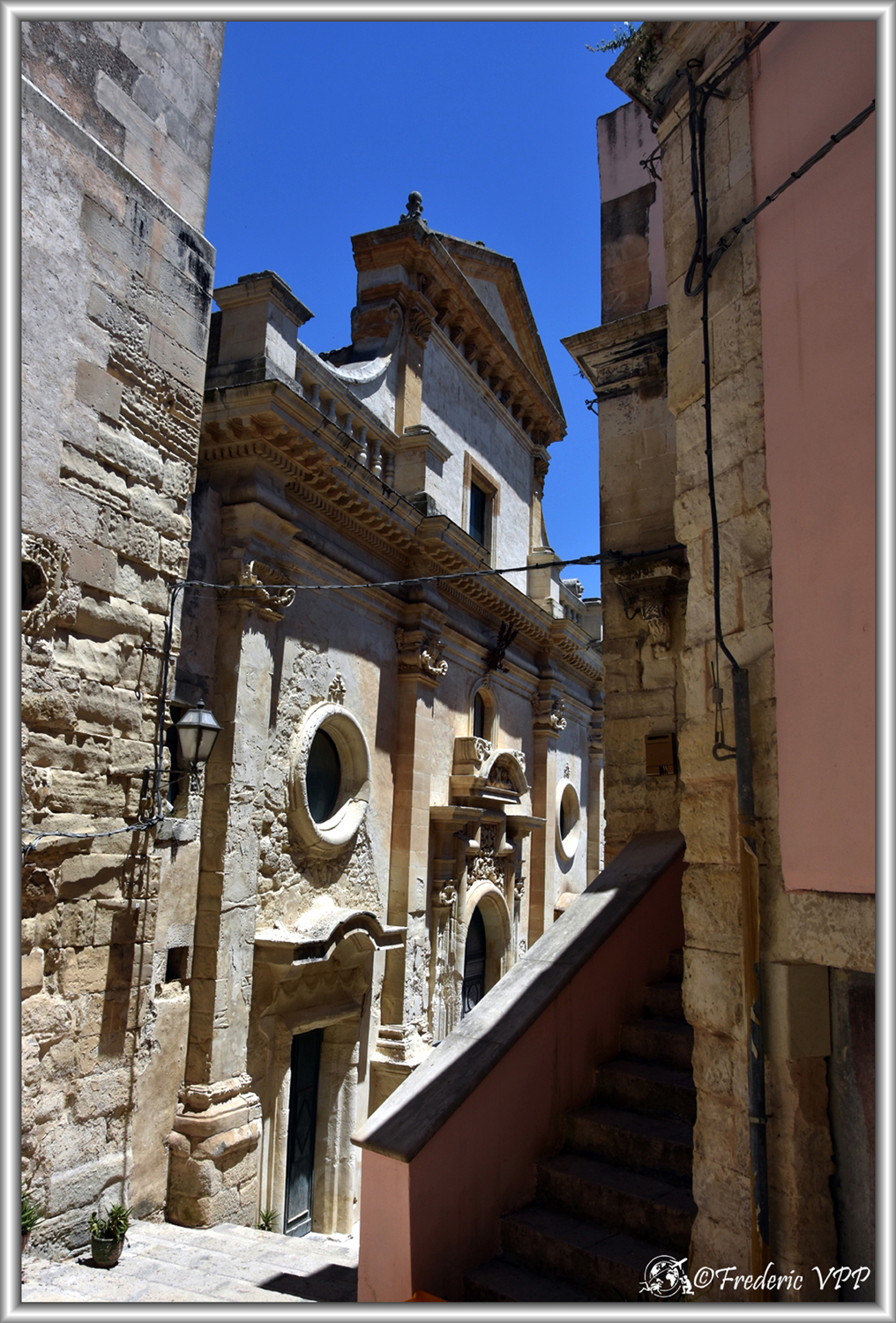
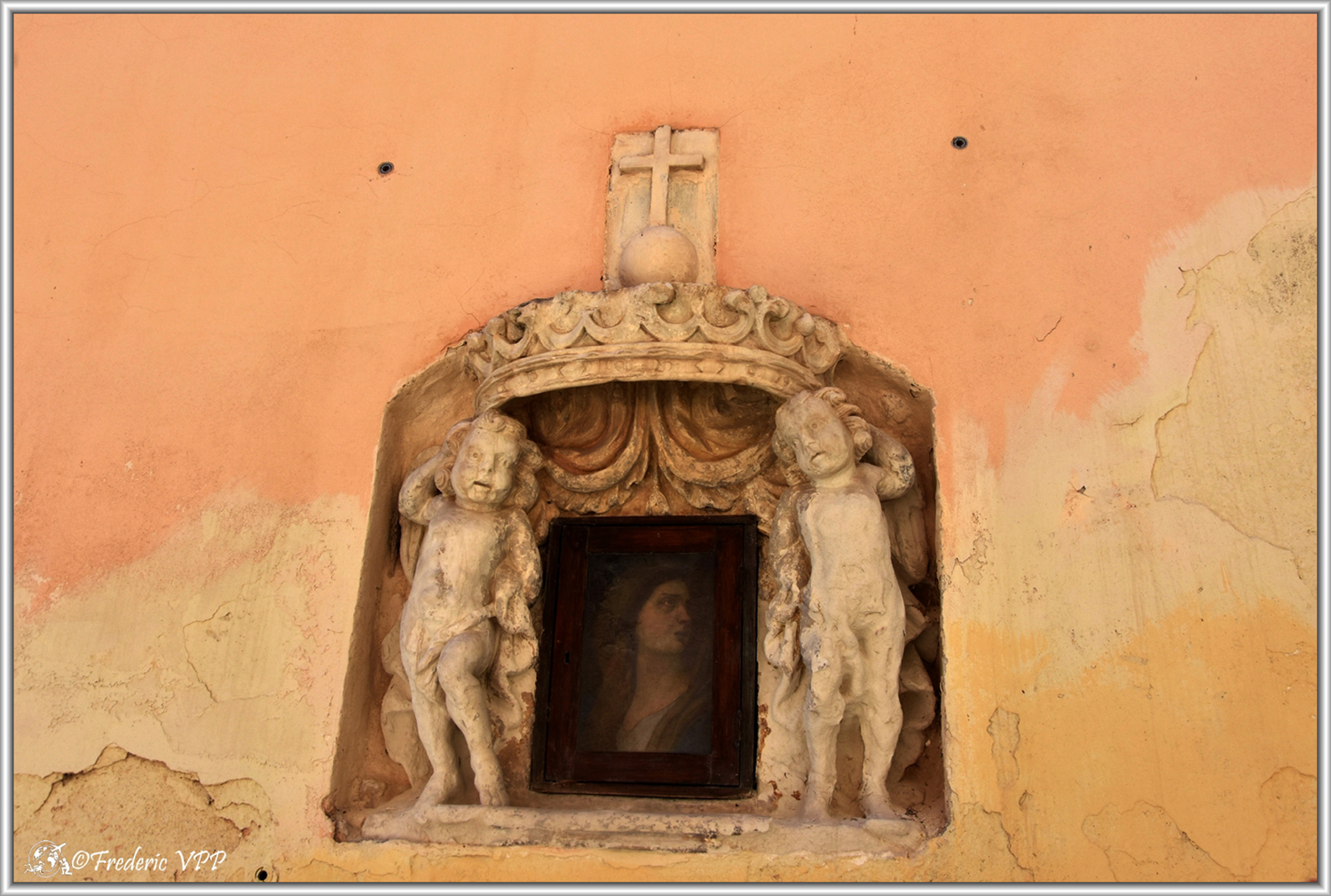
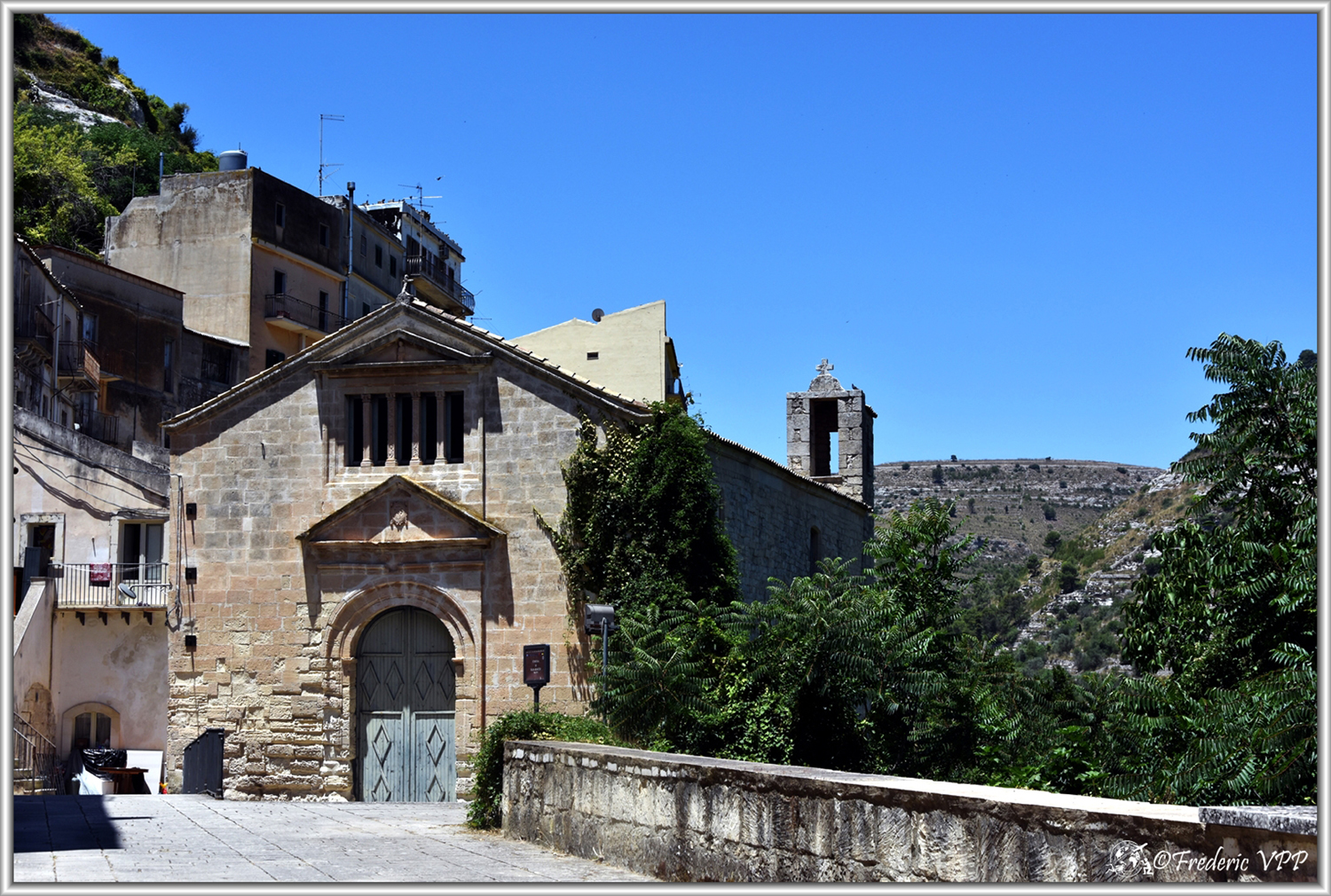
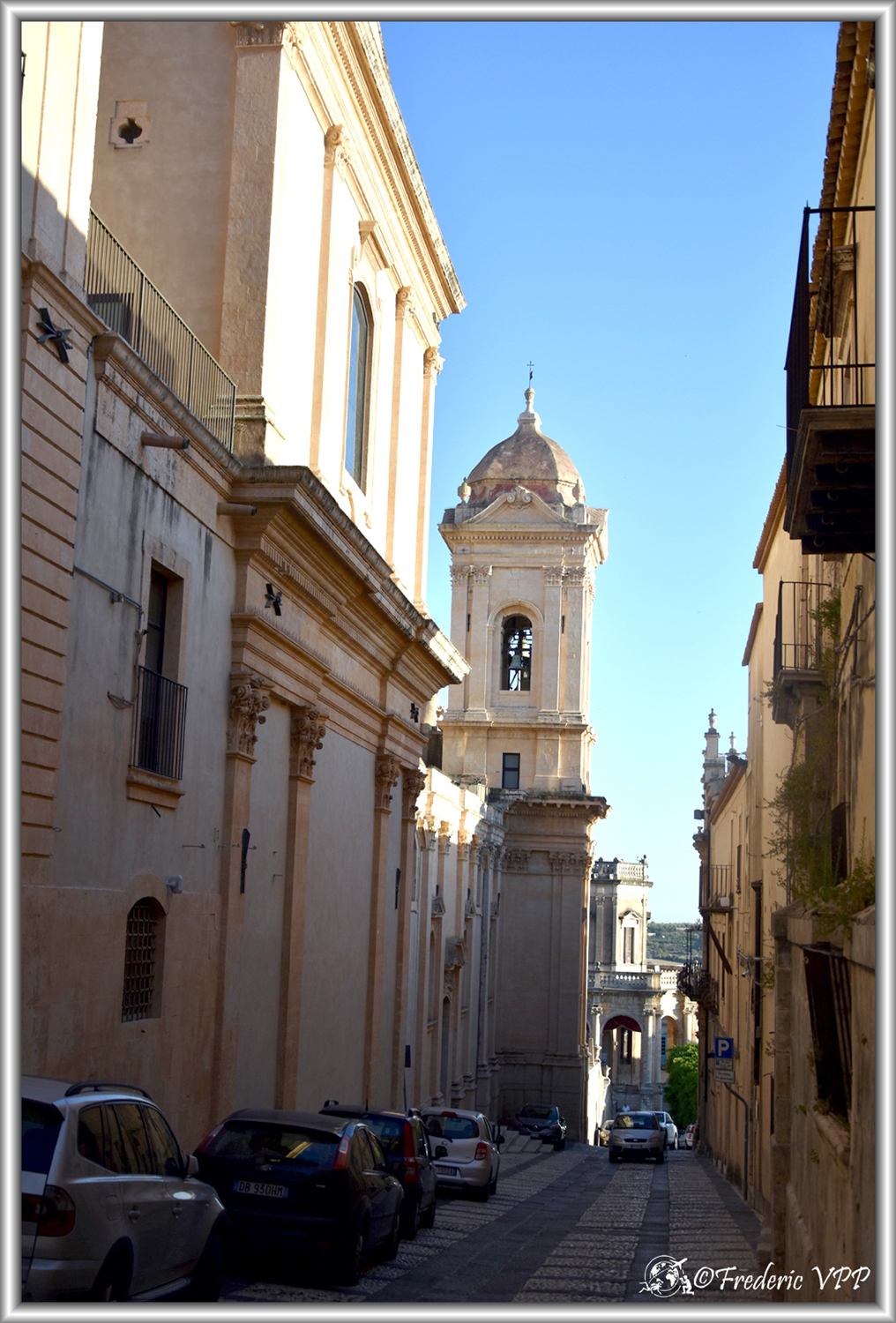
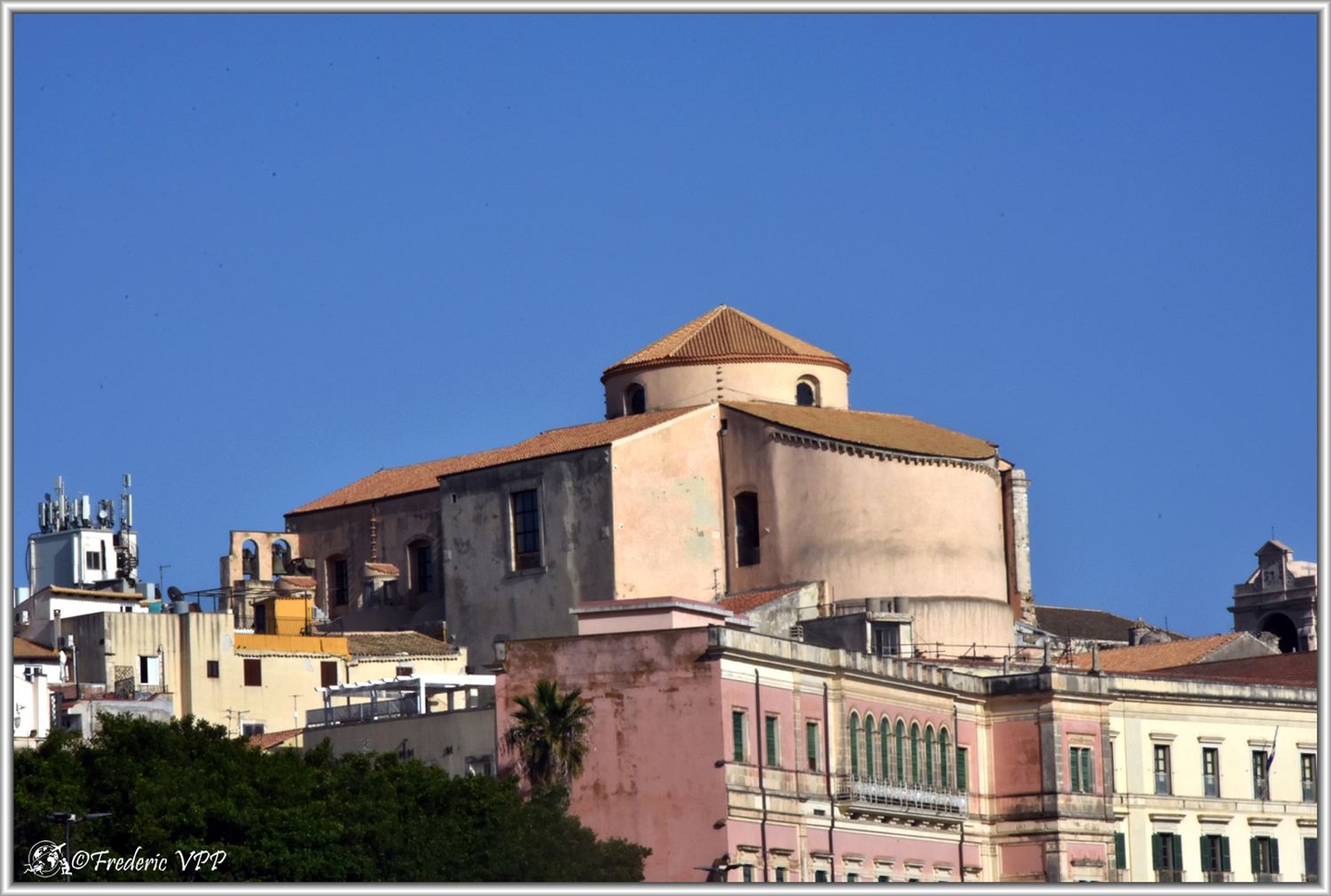
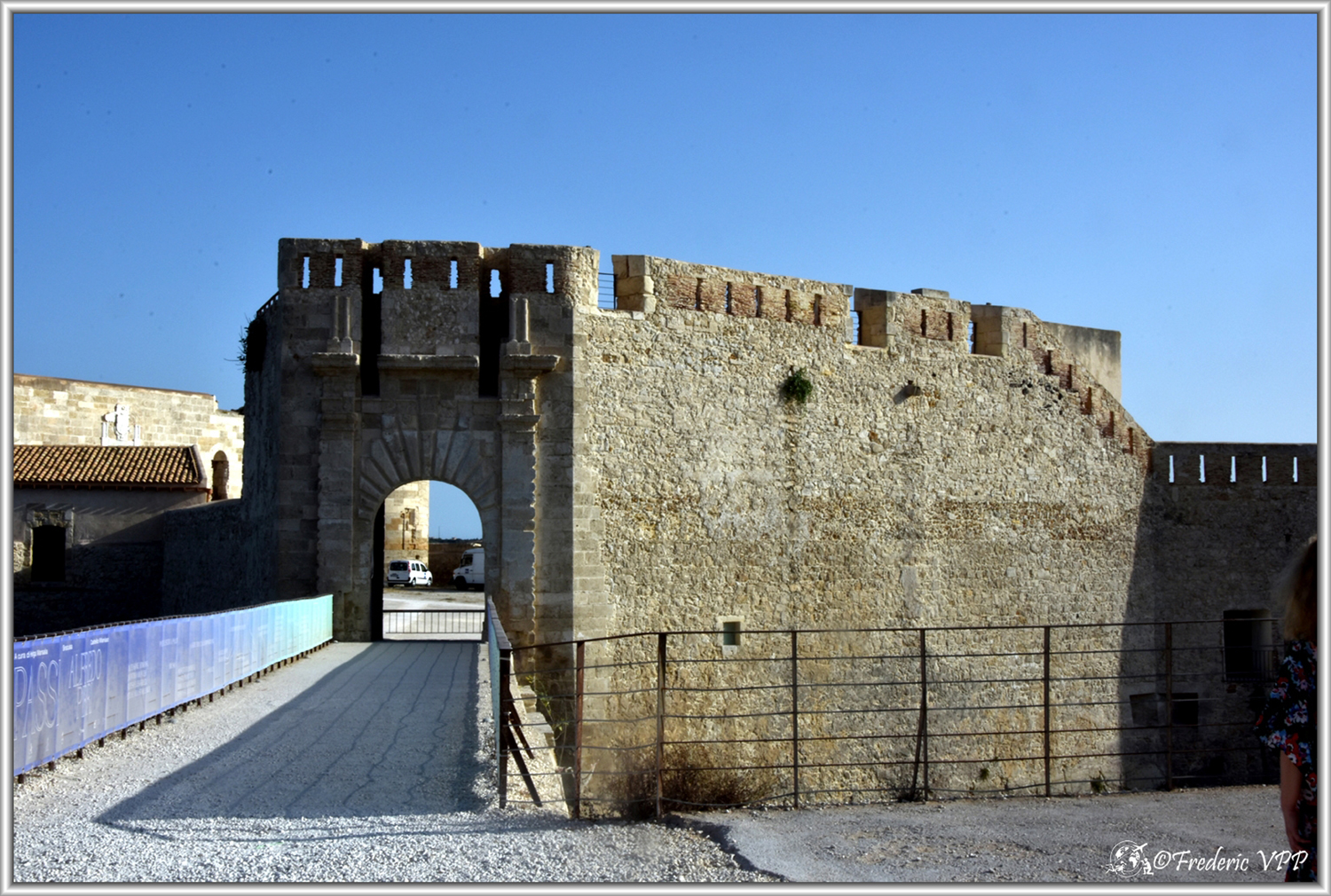
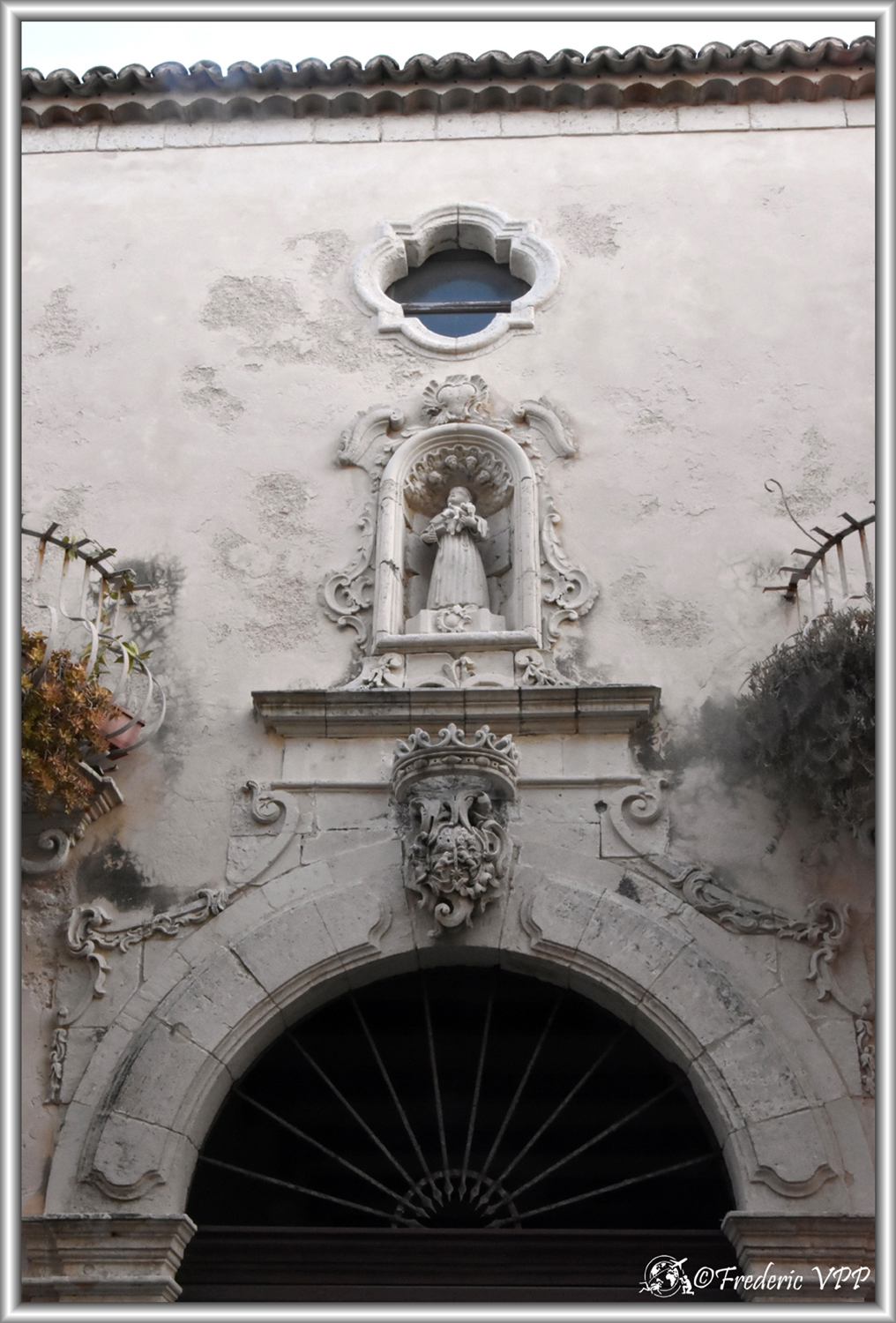
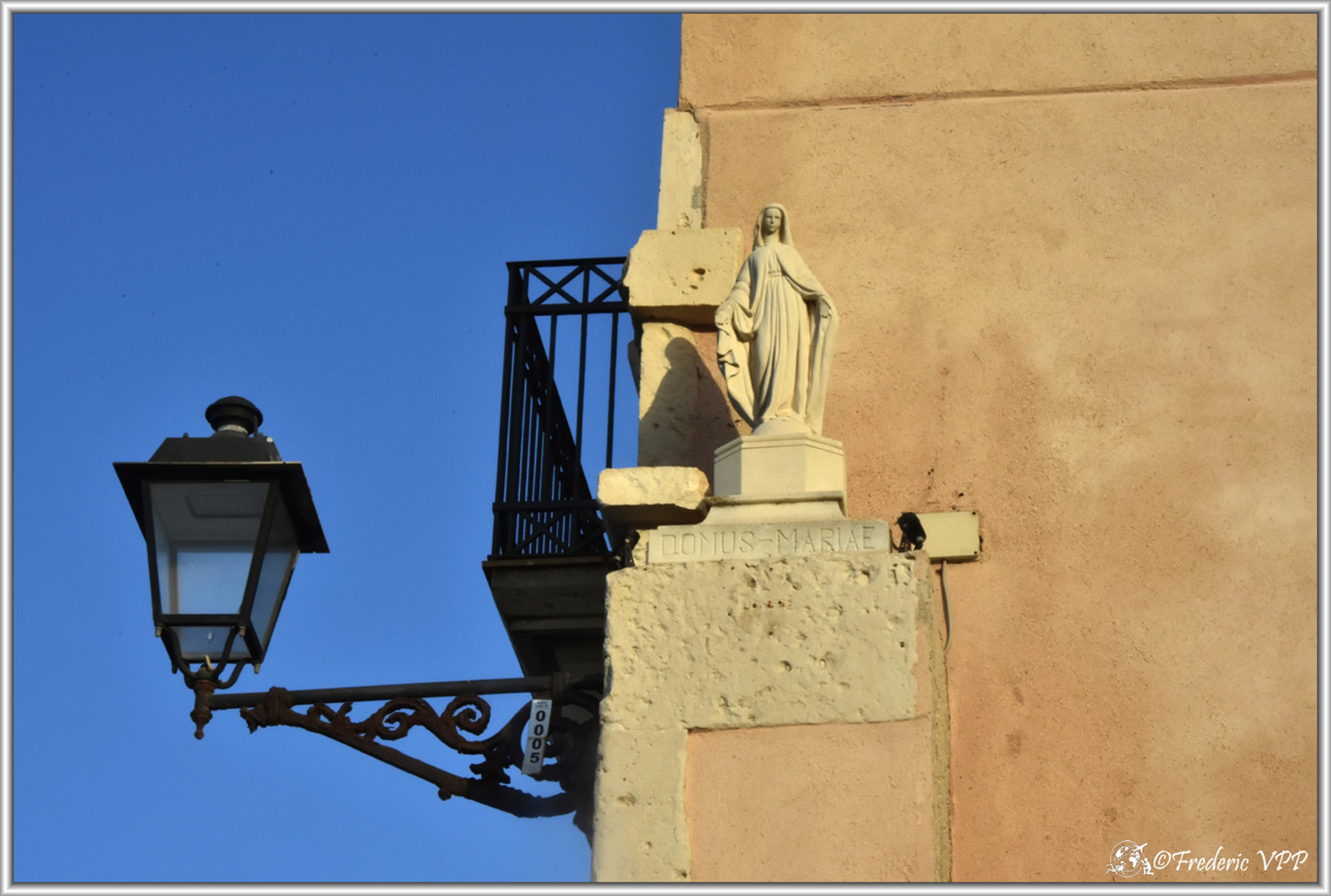
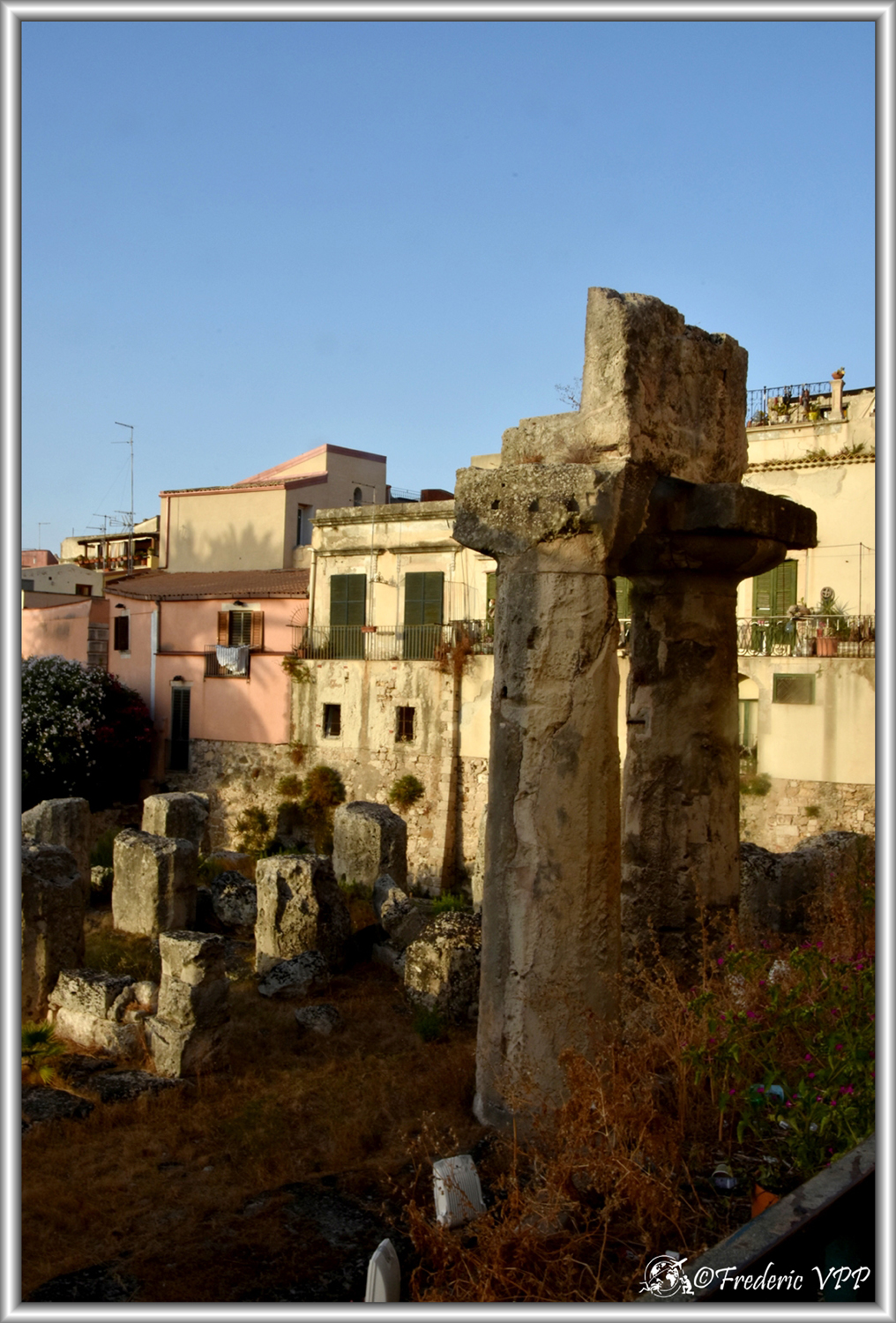
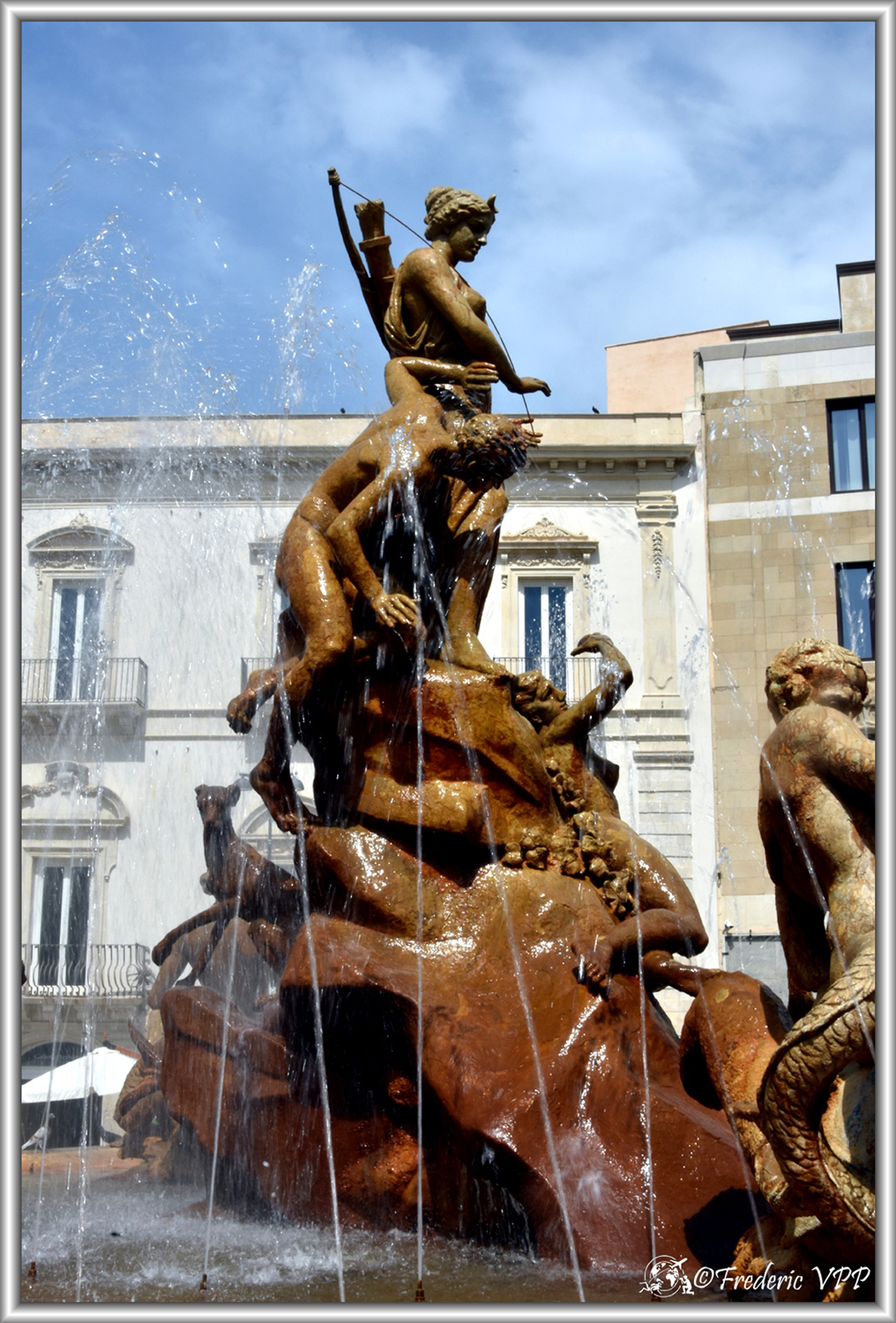
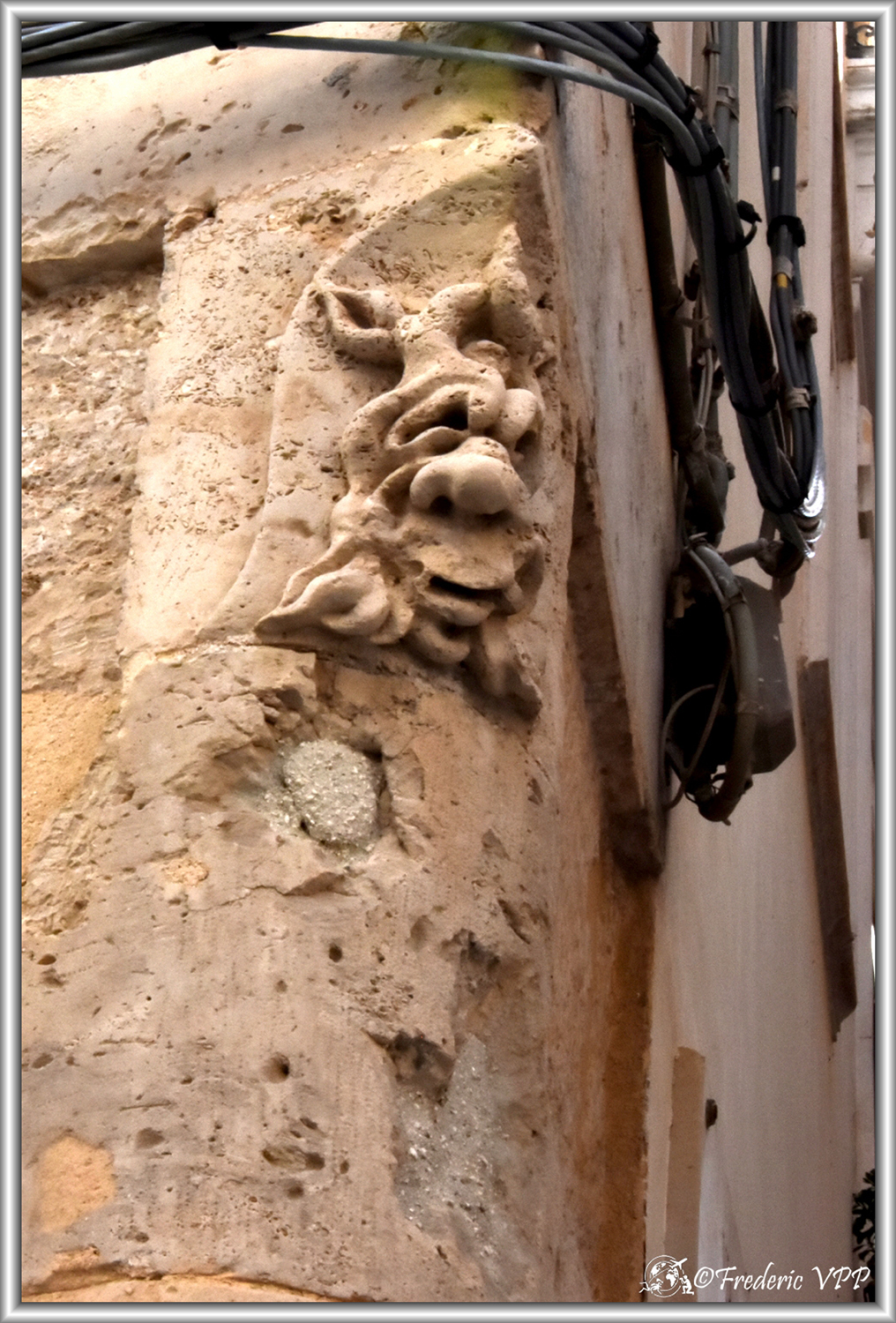
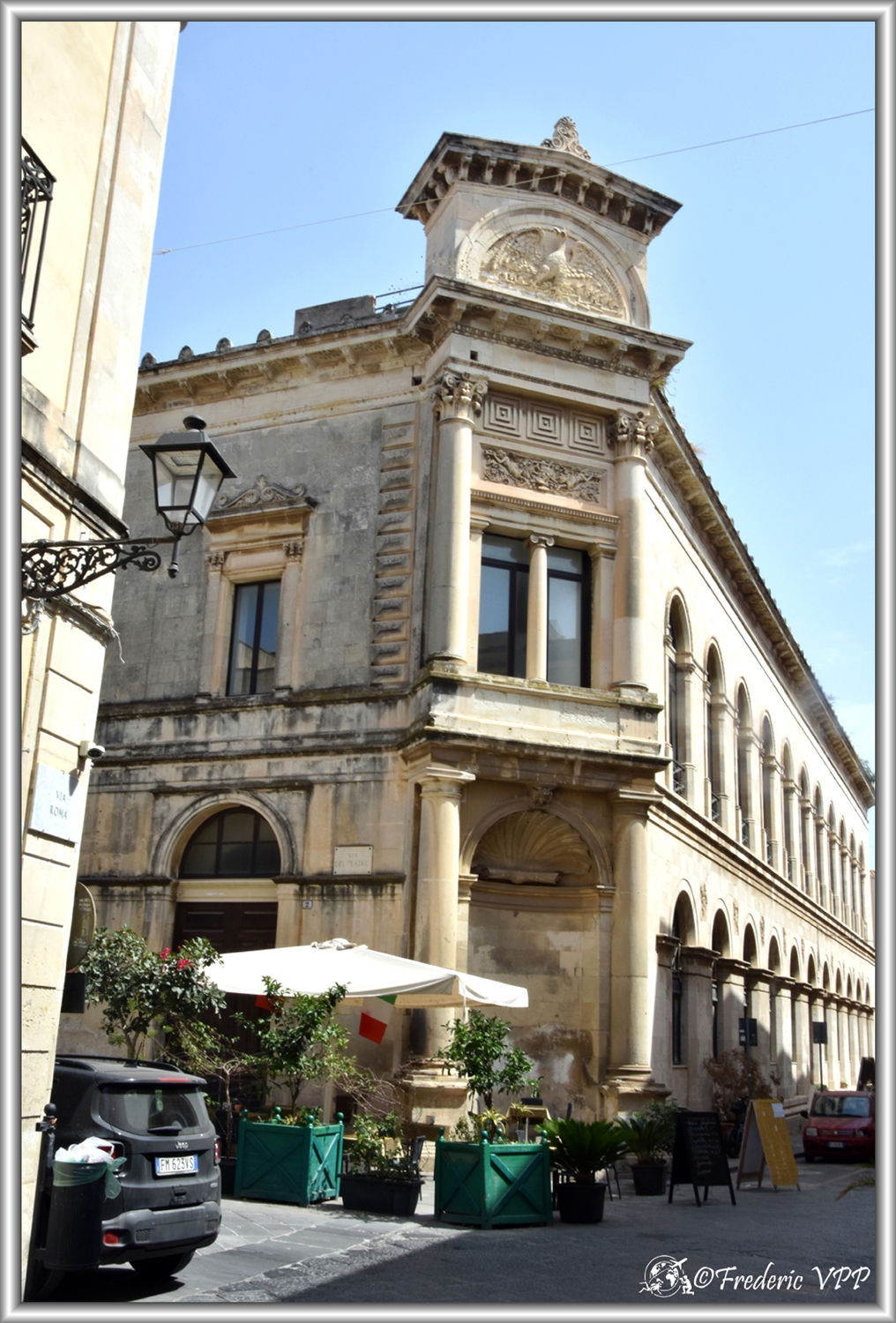
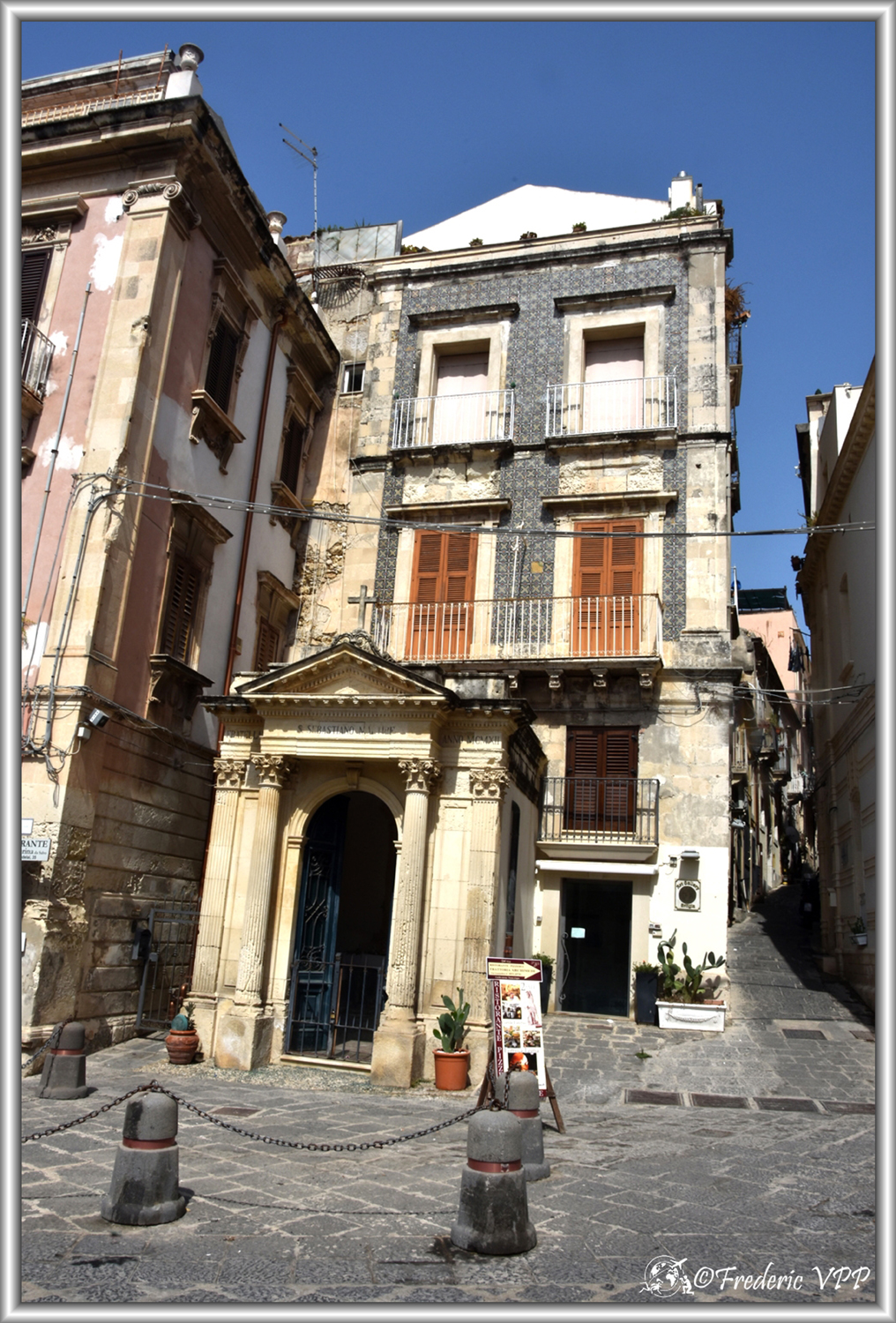
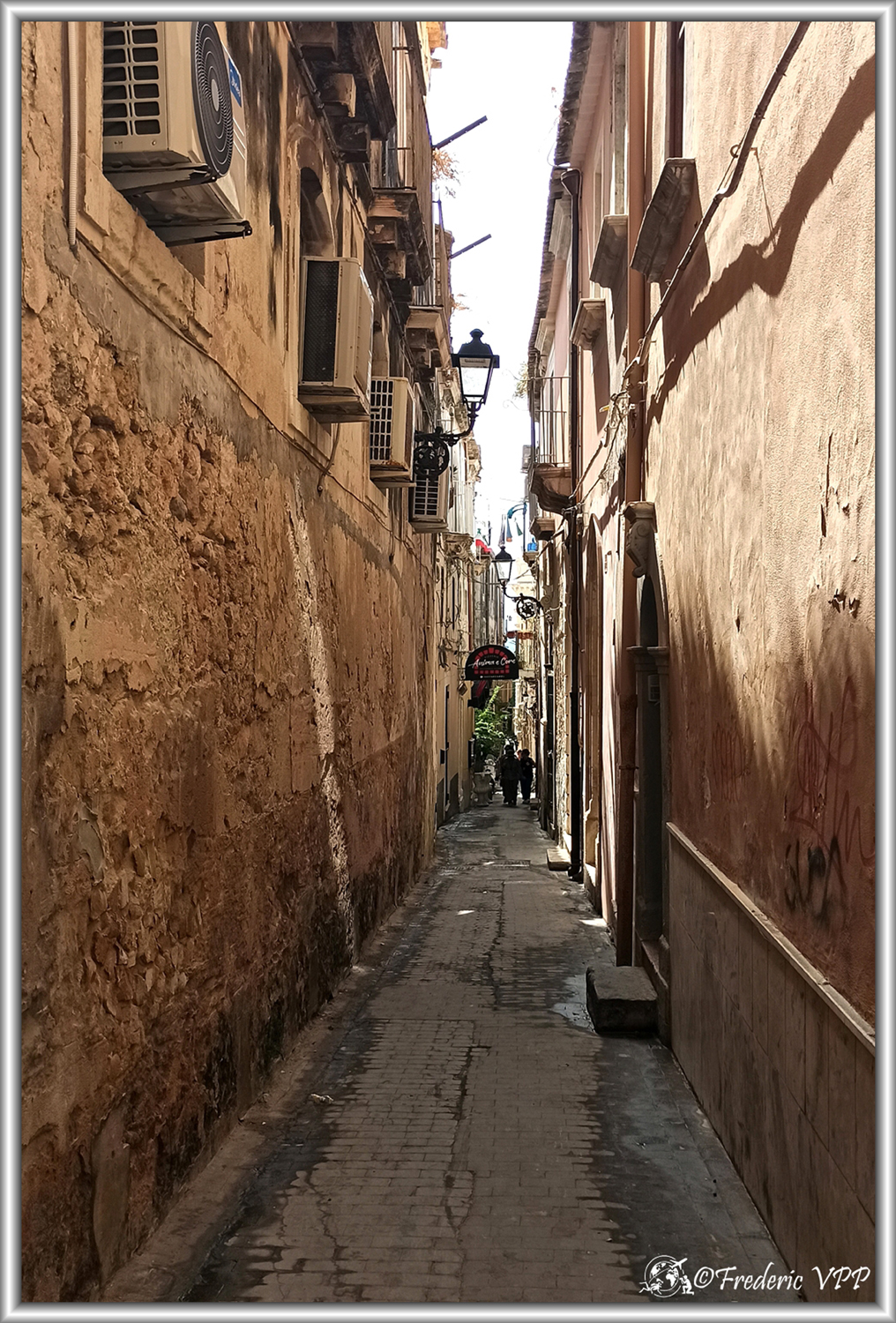
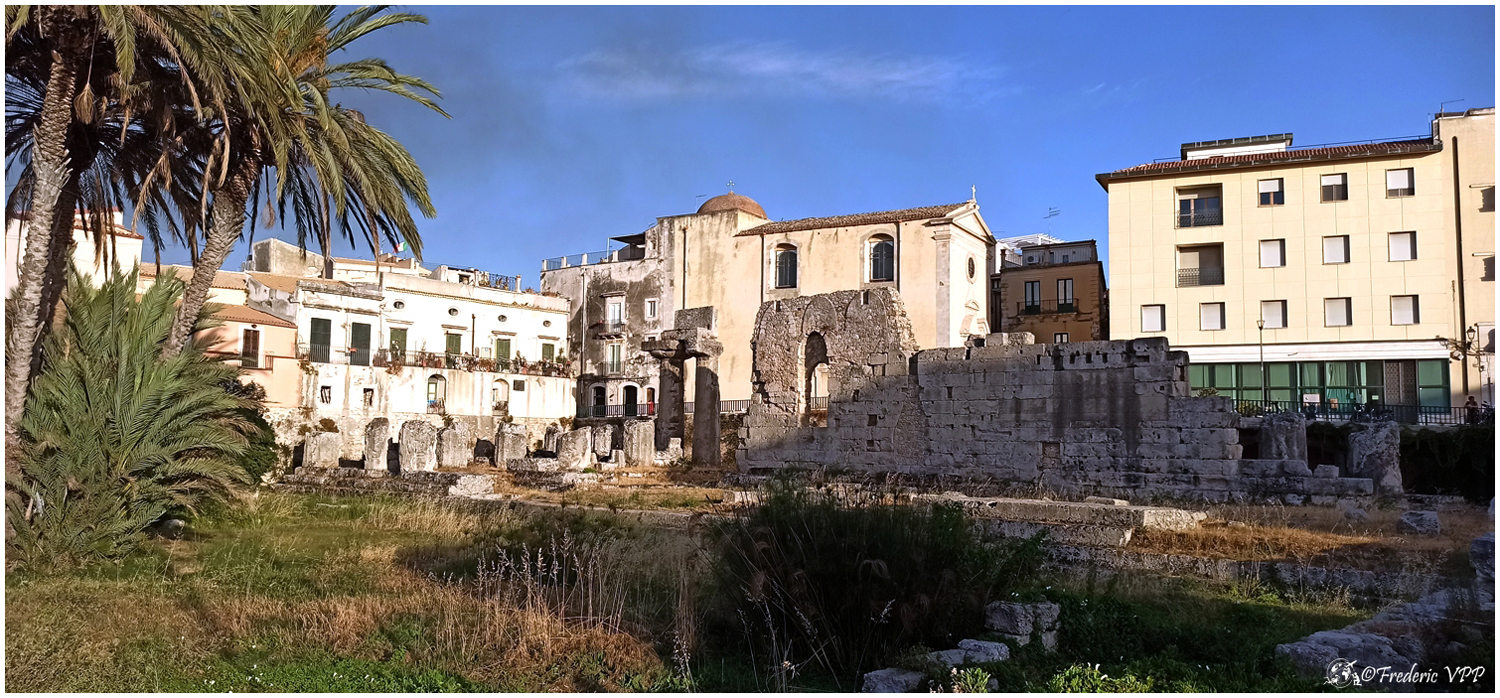
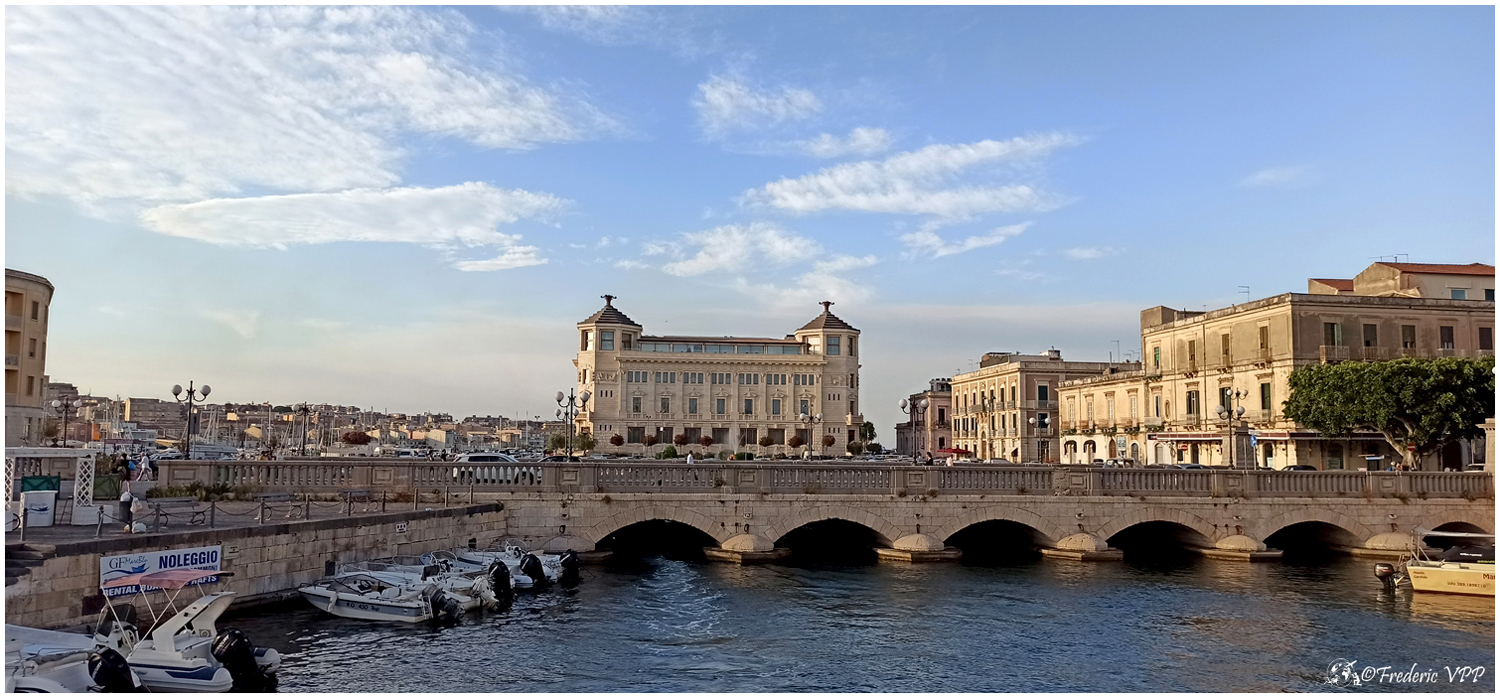
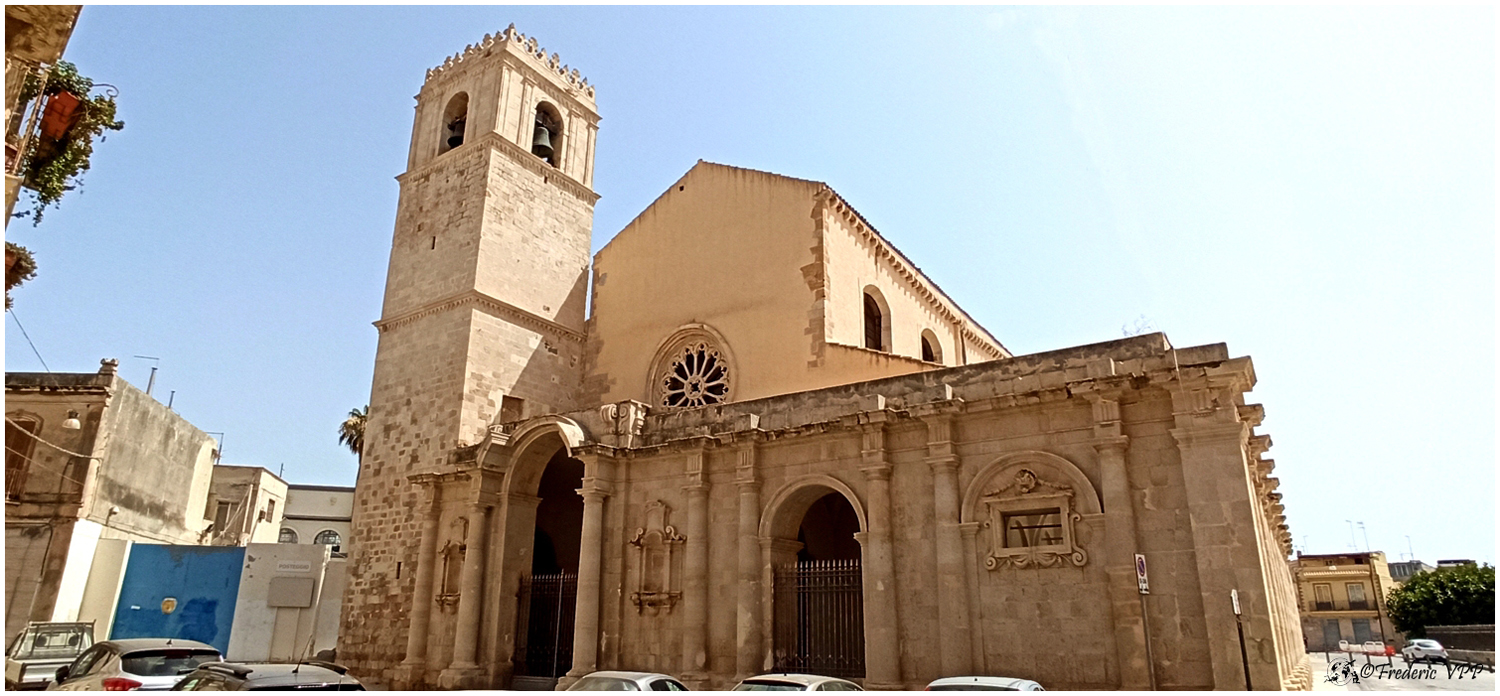
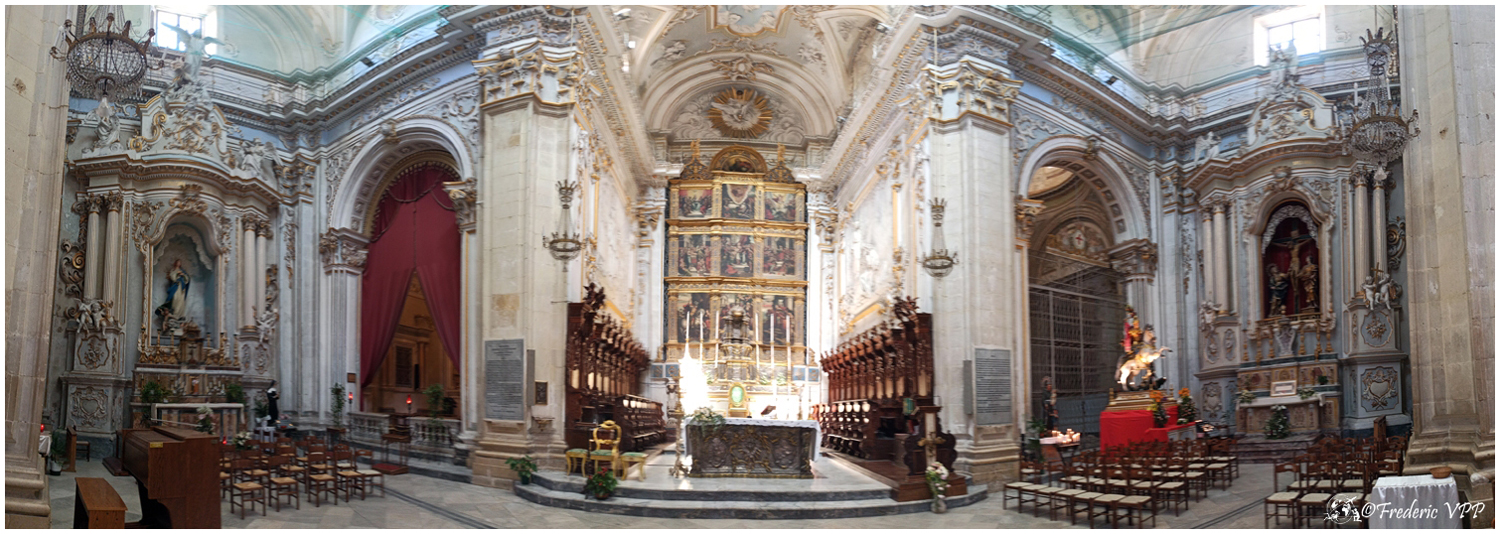
The island of Ortigia has many monuments and churches. Strolling through its narrow and old streets is a marvel of discovery, not only for its churches but also for the atmosphere that reigns there.
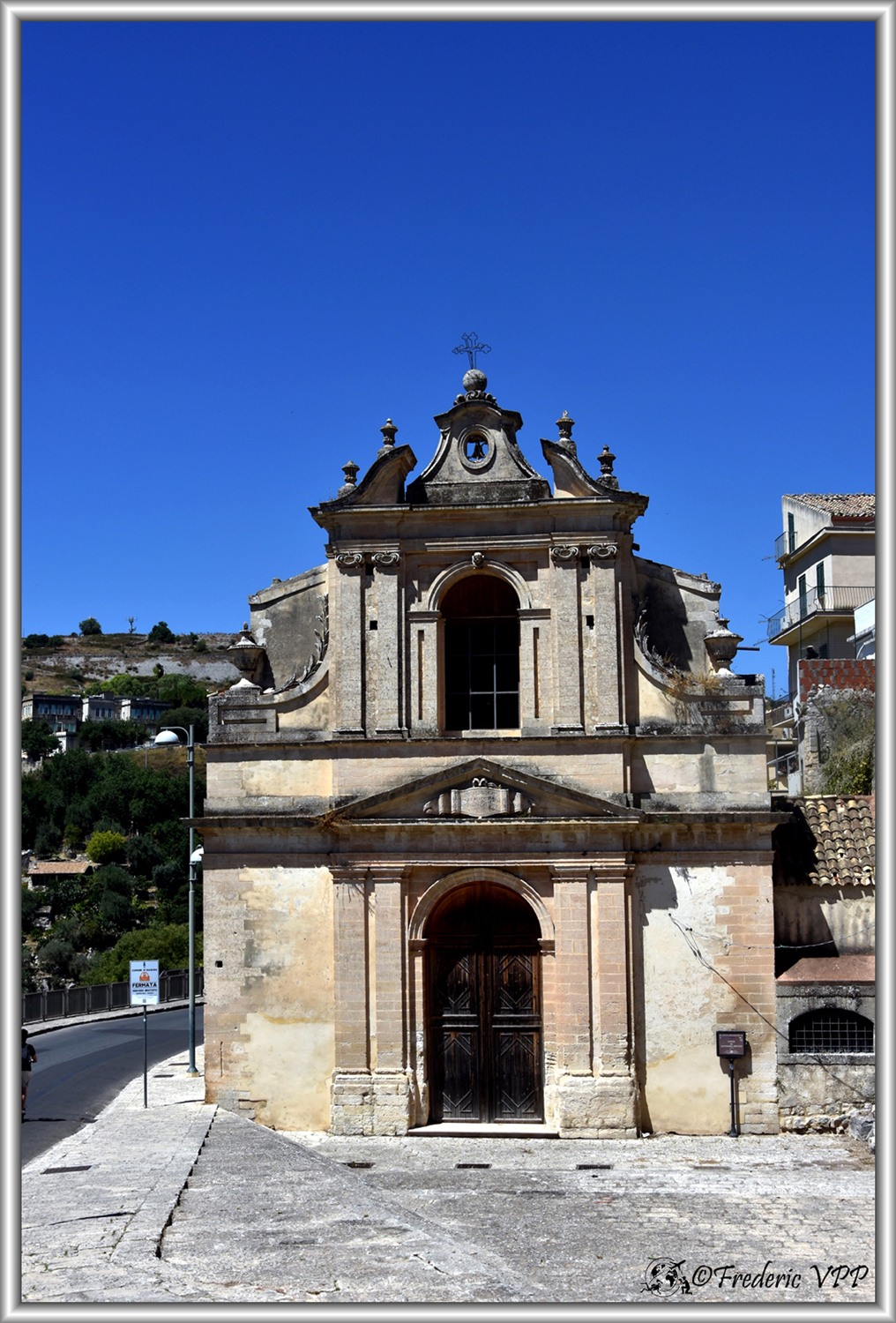
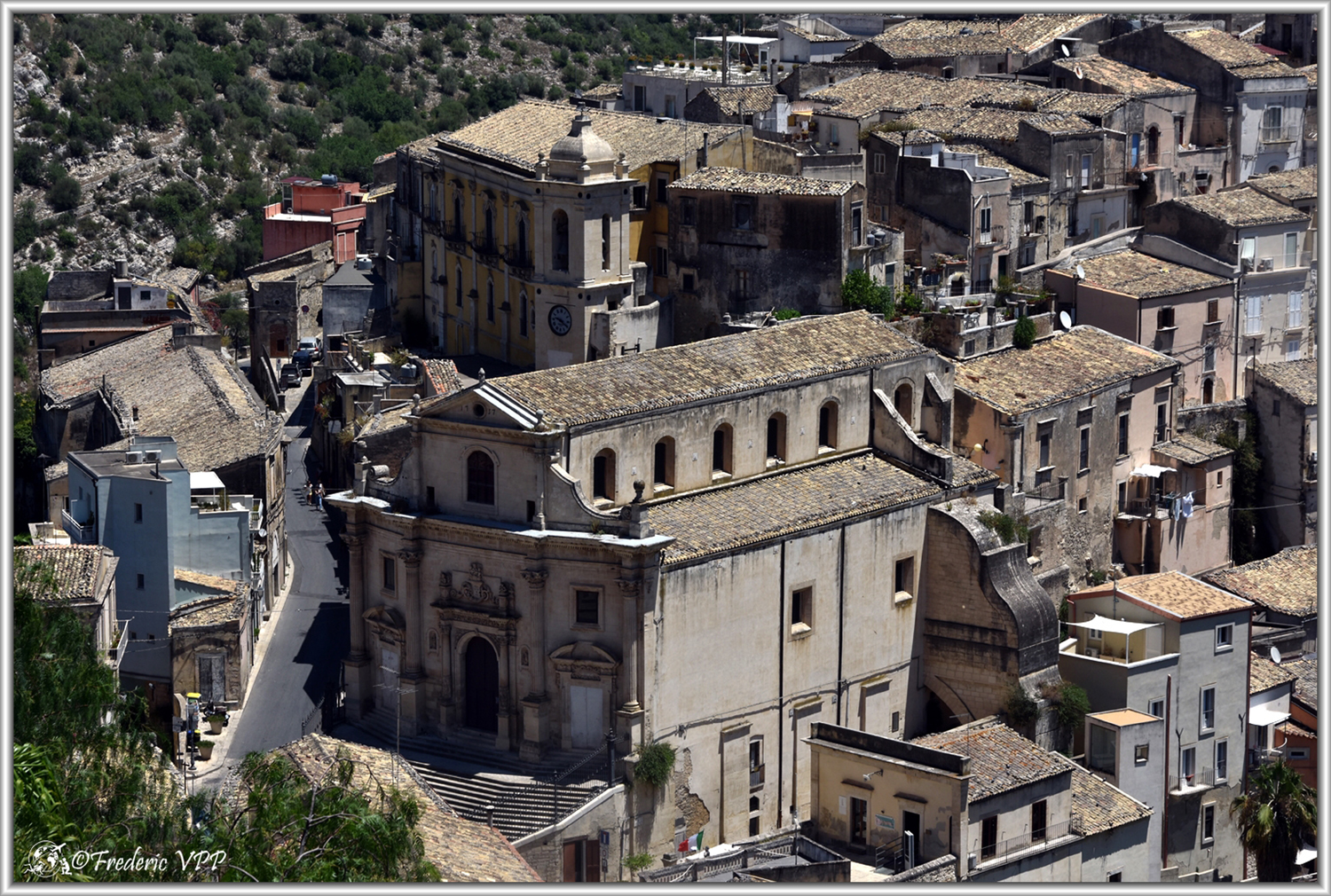
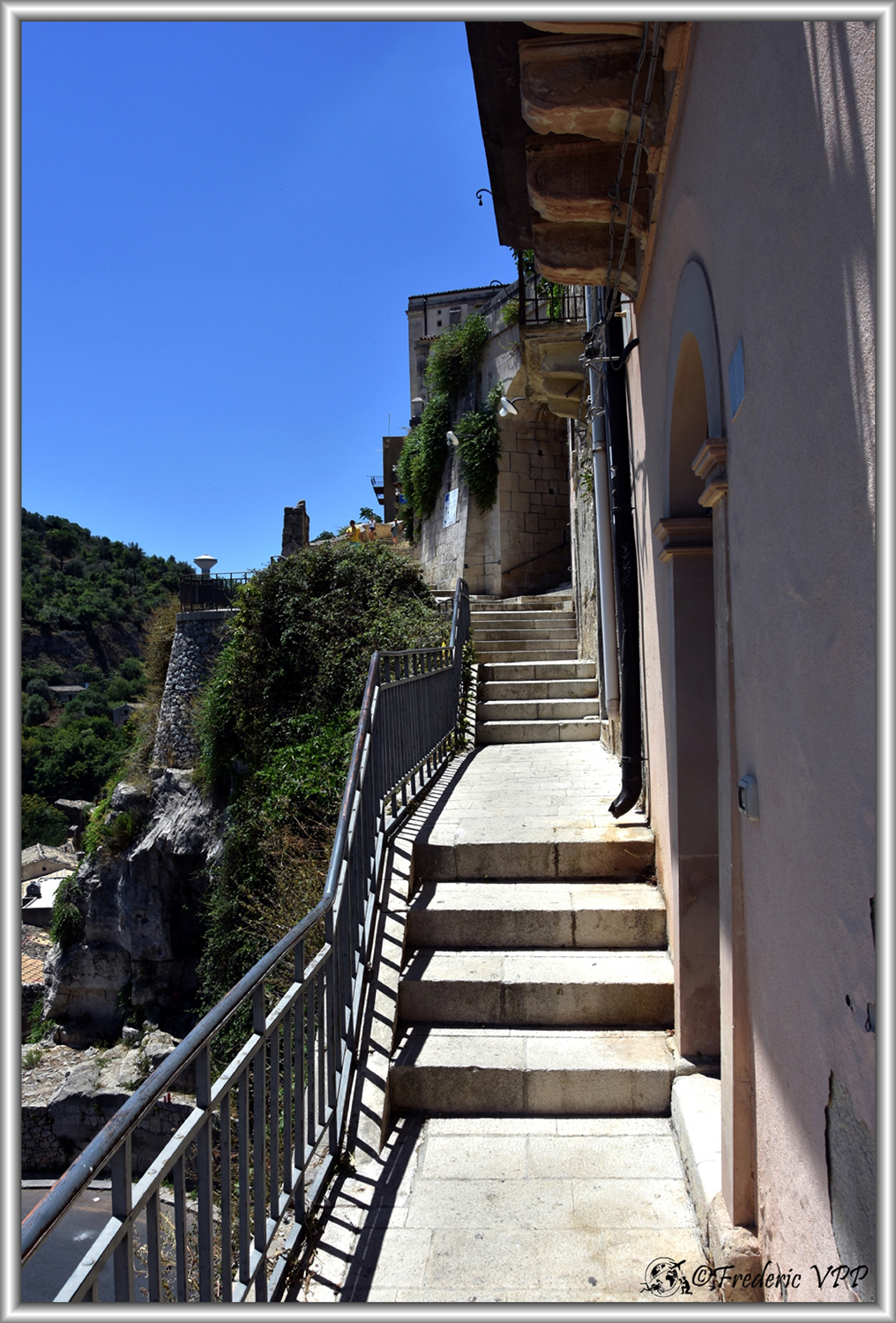
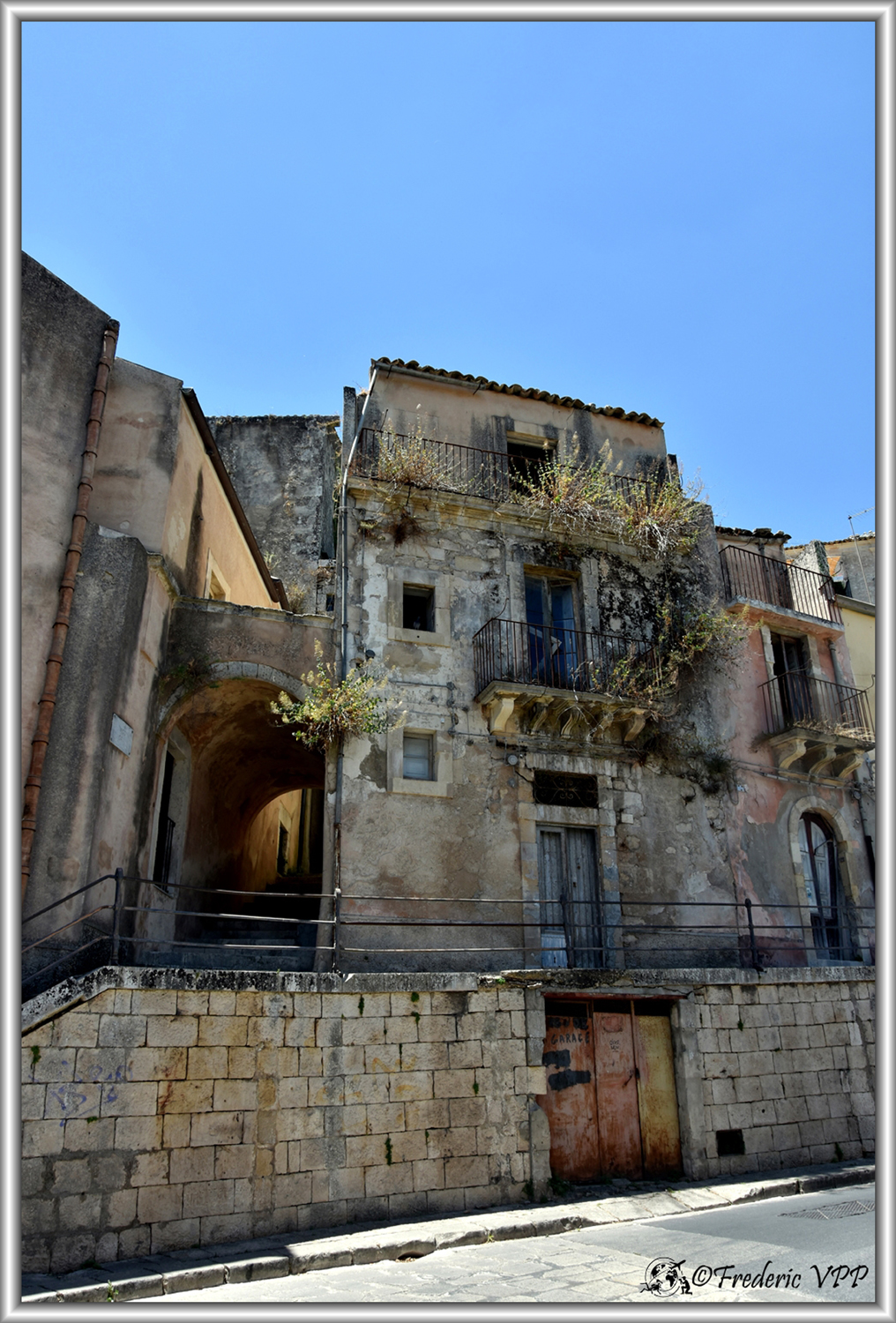
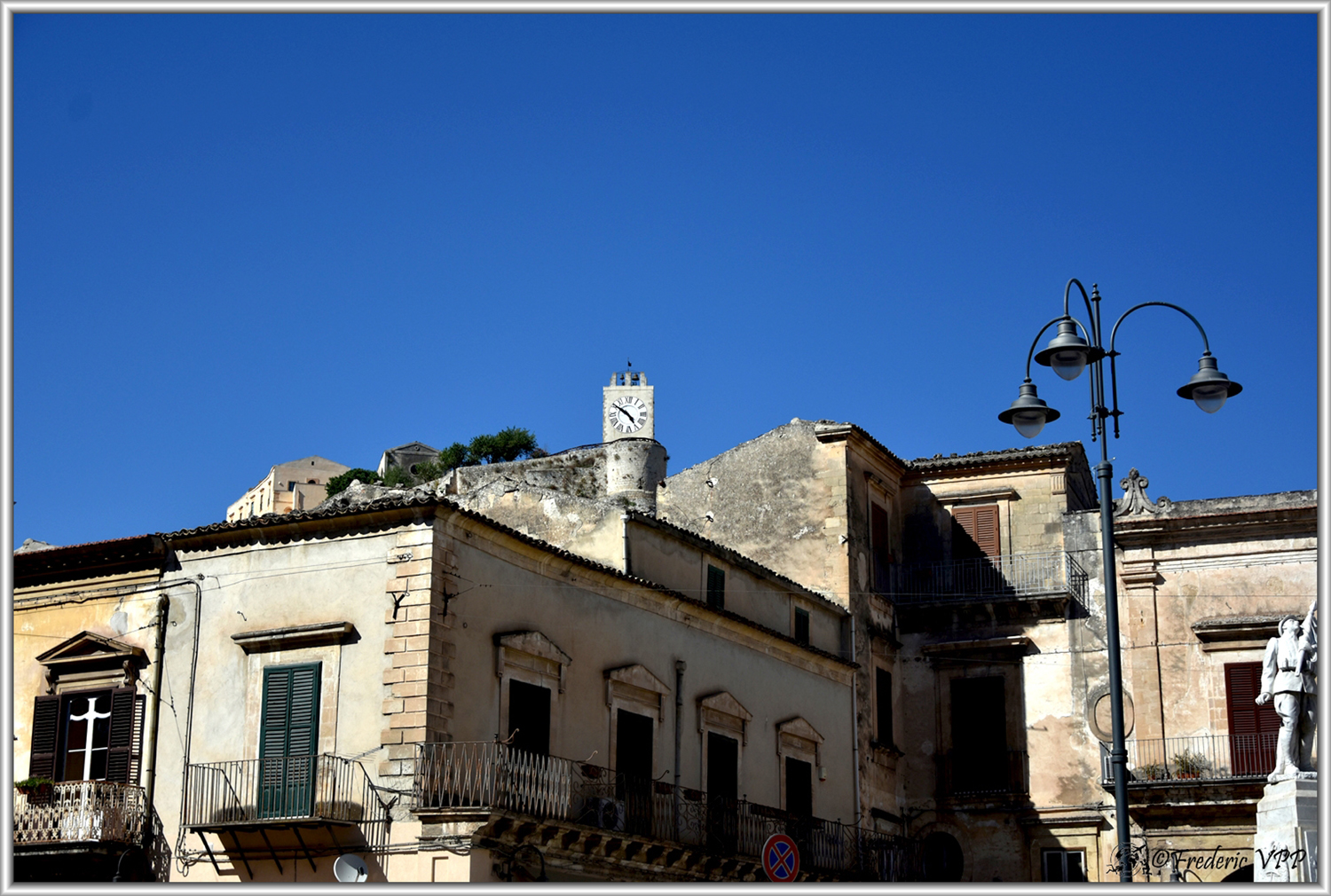
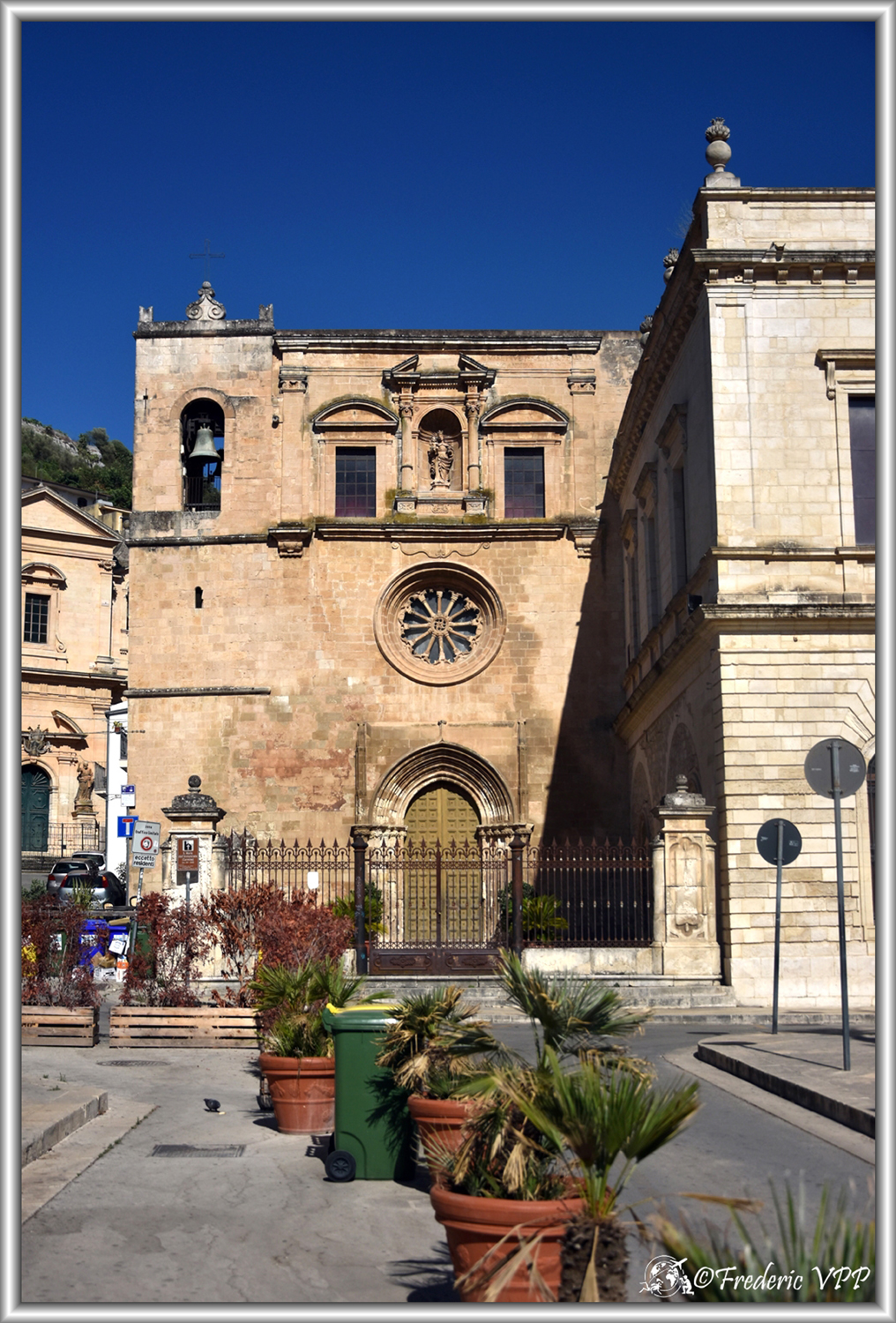
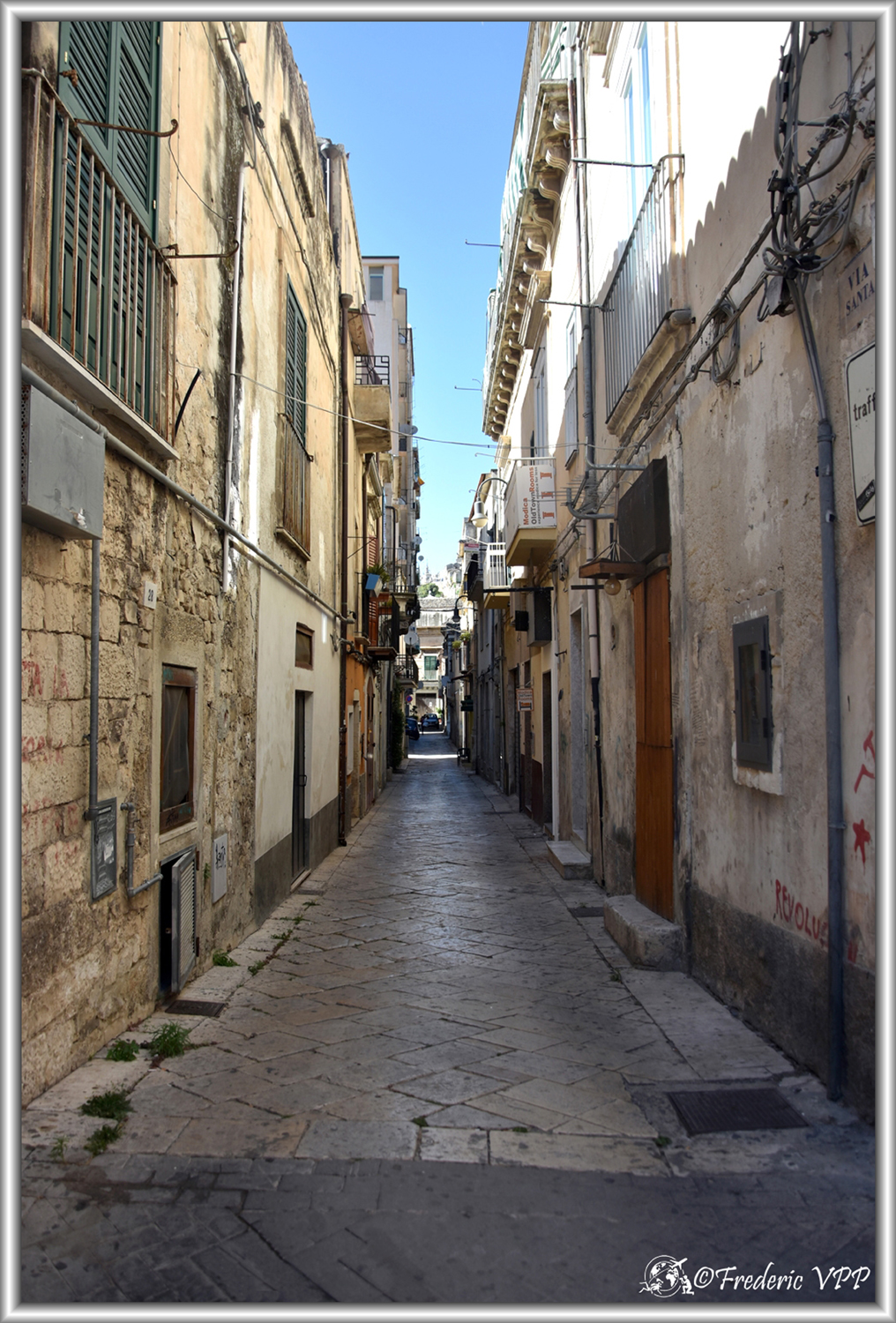
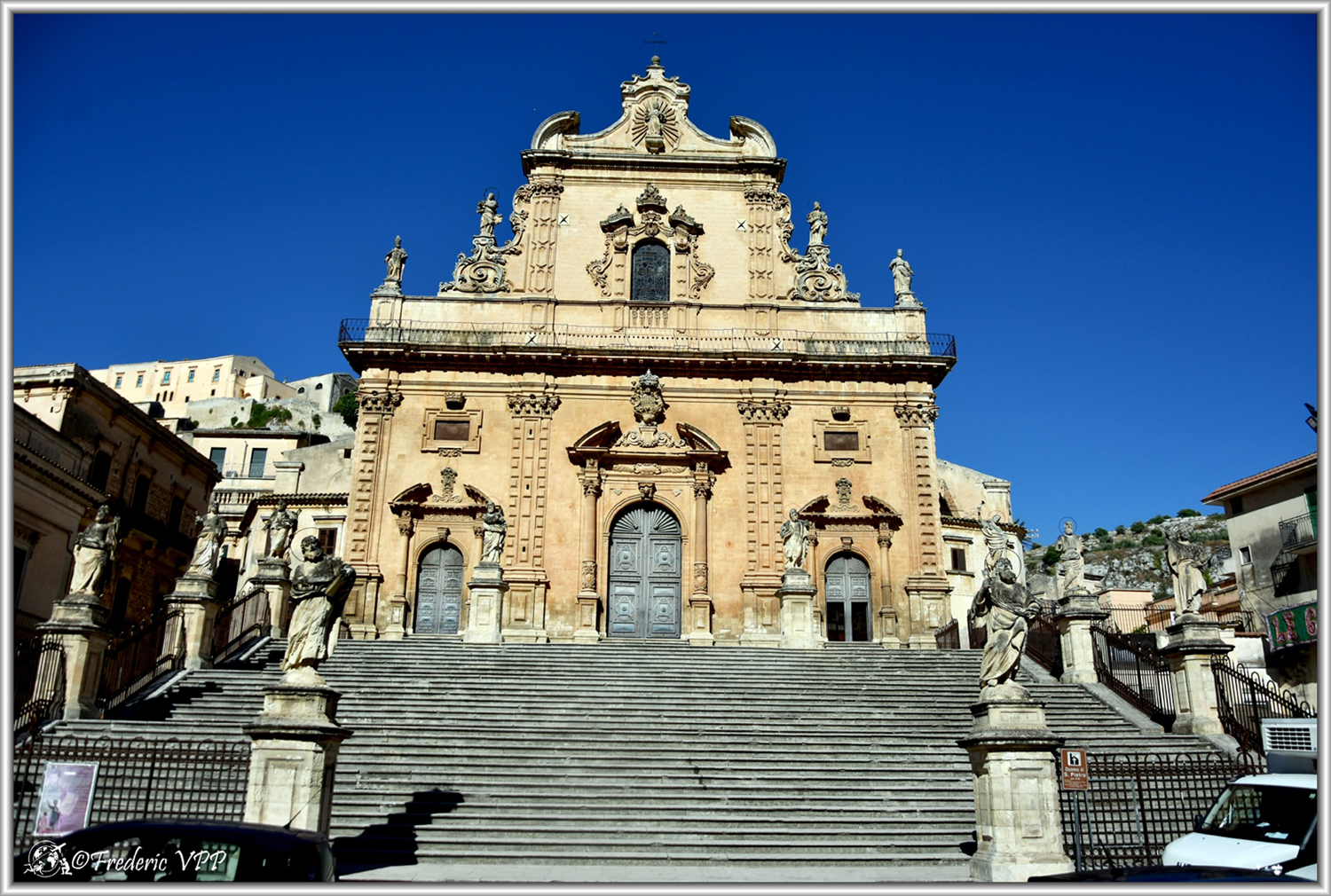
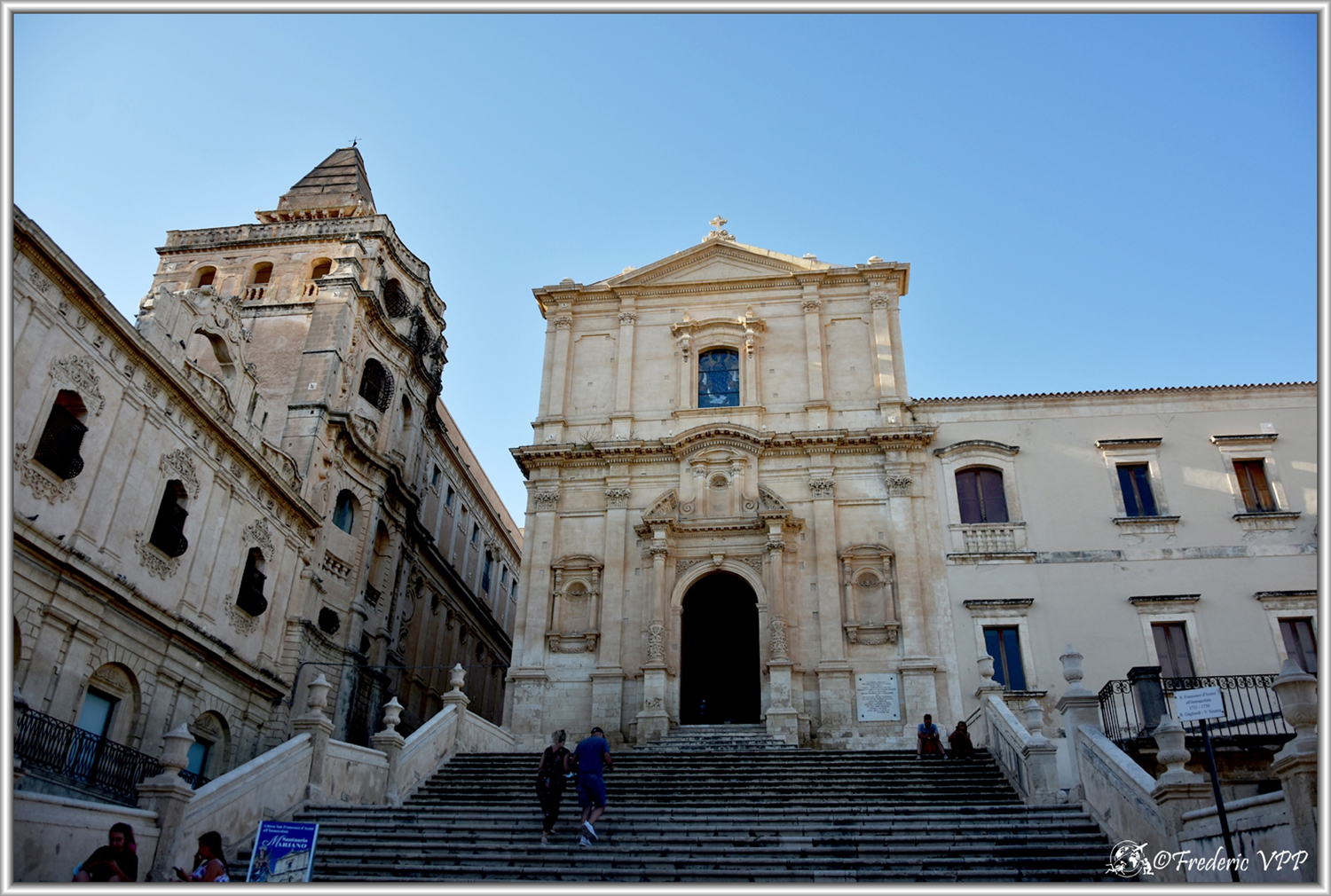
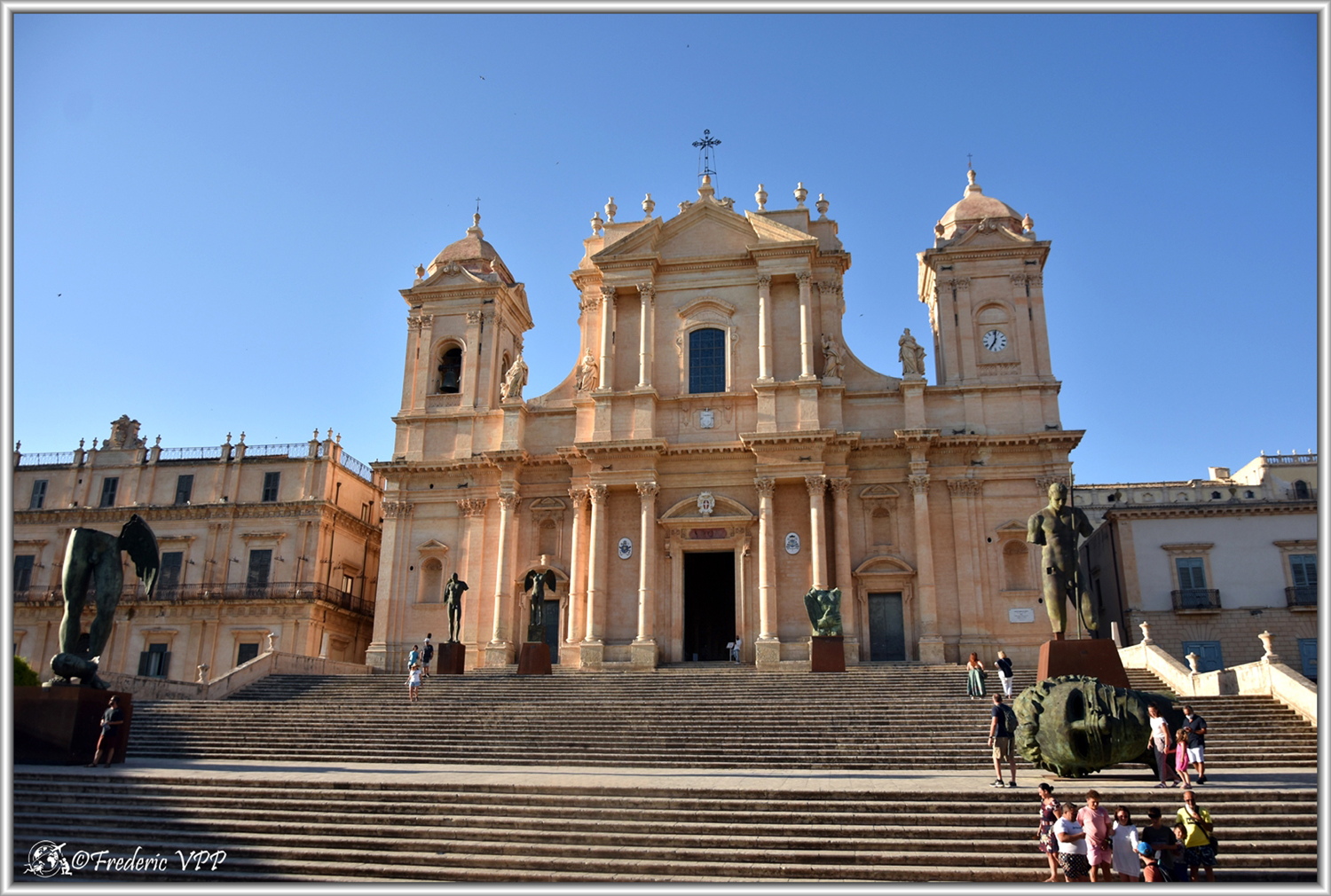
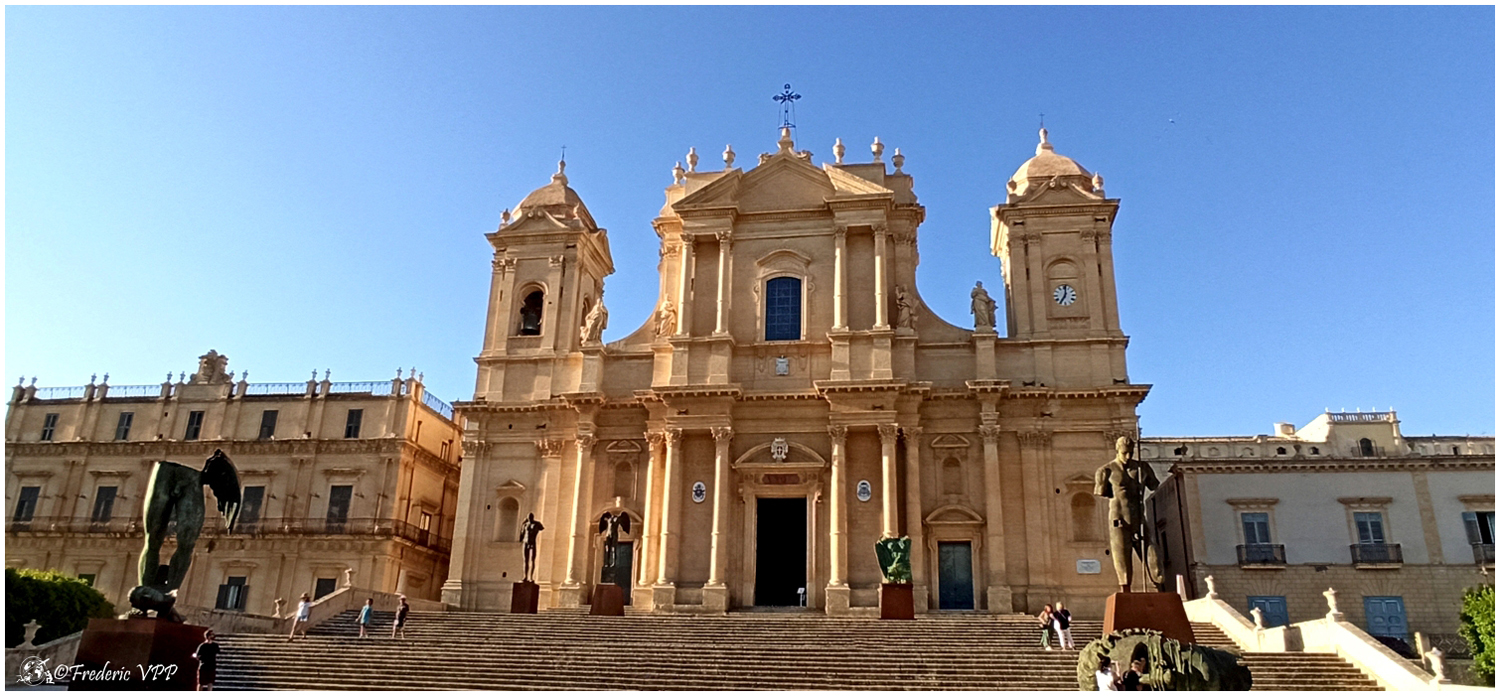
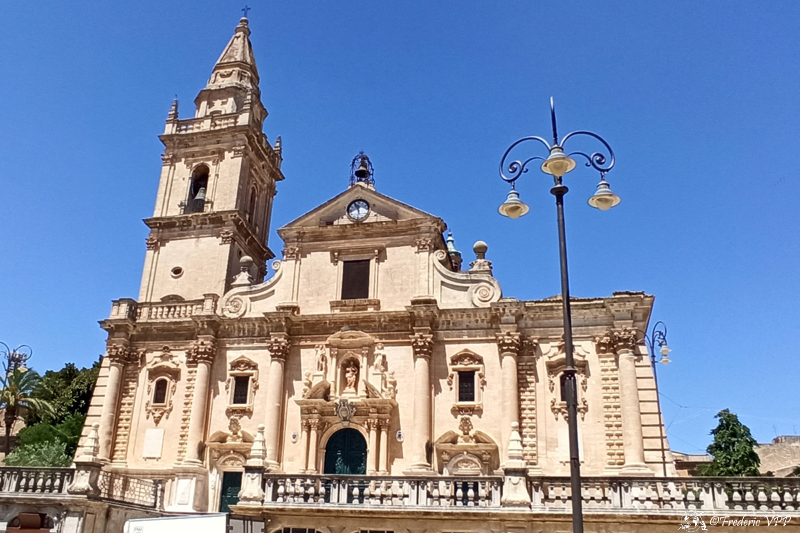
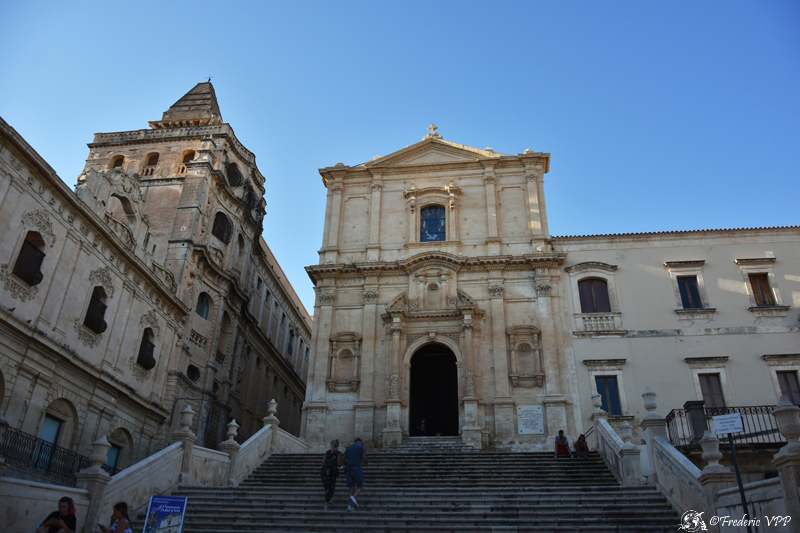
Ragusa, Modica and Notto are also worth a visit, especially Ragusa. A very beautiful city that requires a full day to visit, unfortunately, I only had a few hours. You also need good shoes and a big bottle of water, under the Sicilian sun because it goes up and down... Modica is also perched on a hill like Ragusa but the monuments are more accessible. I would also say not to hesitate to stroll through the small alleys. Noto is also a very beautiful city, but even less steep for the visit of the main cathedrals and churches, they are almost all in the same area.
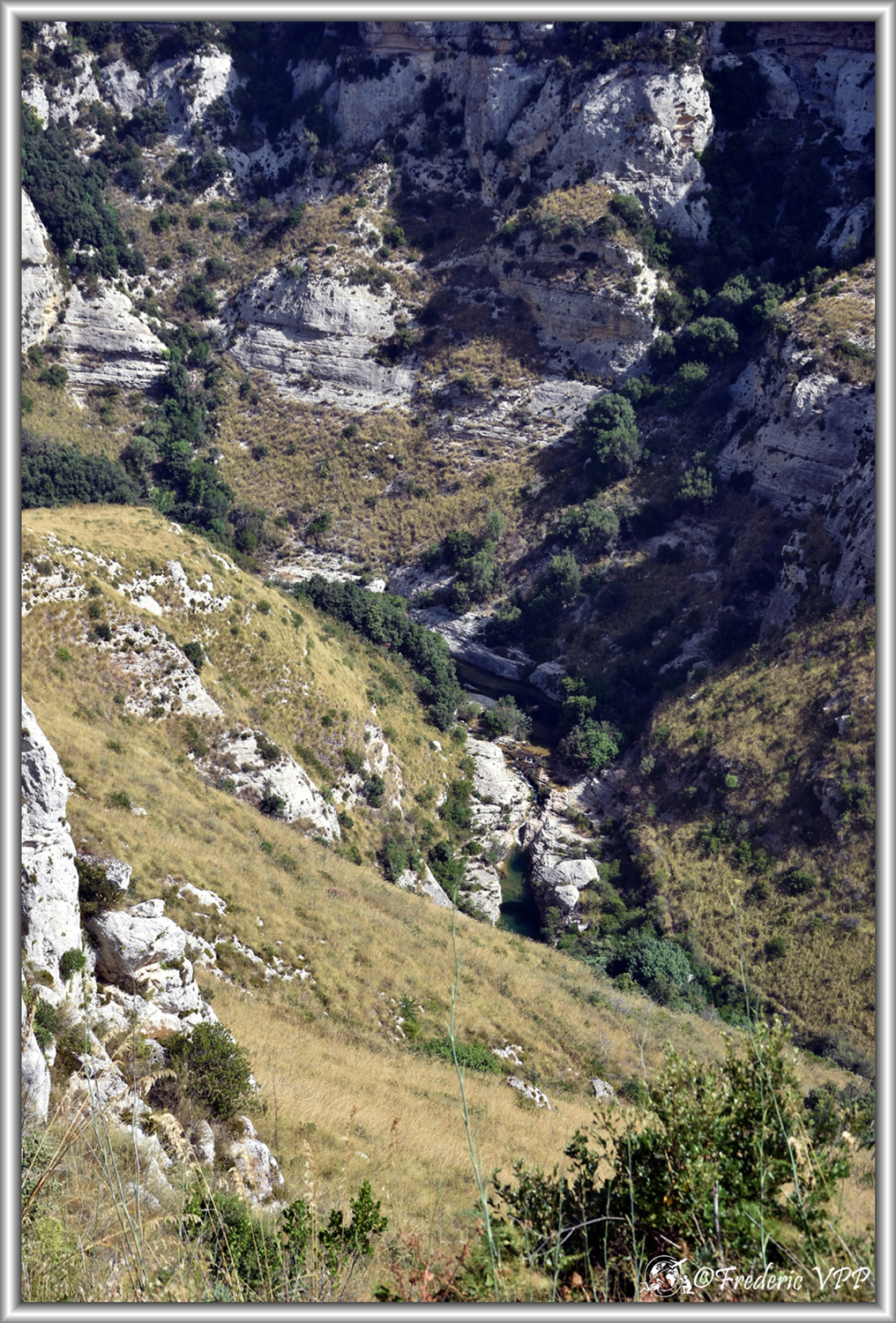
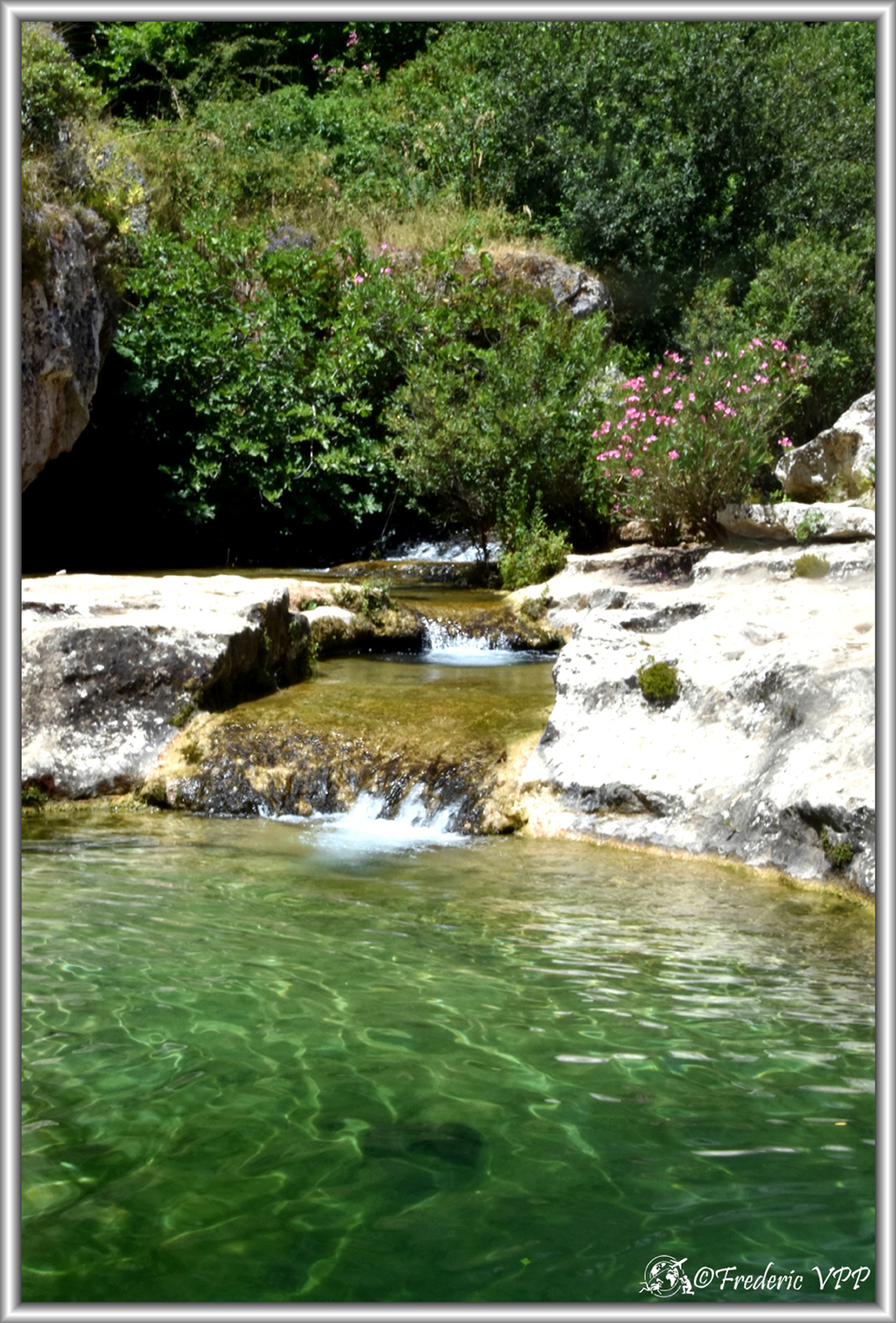
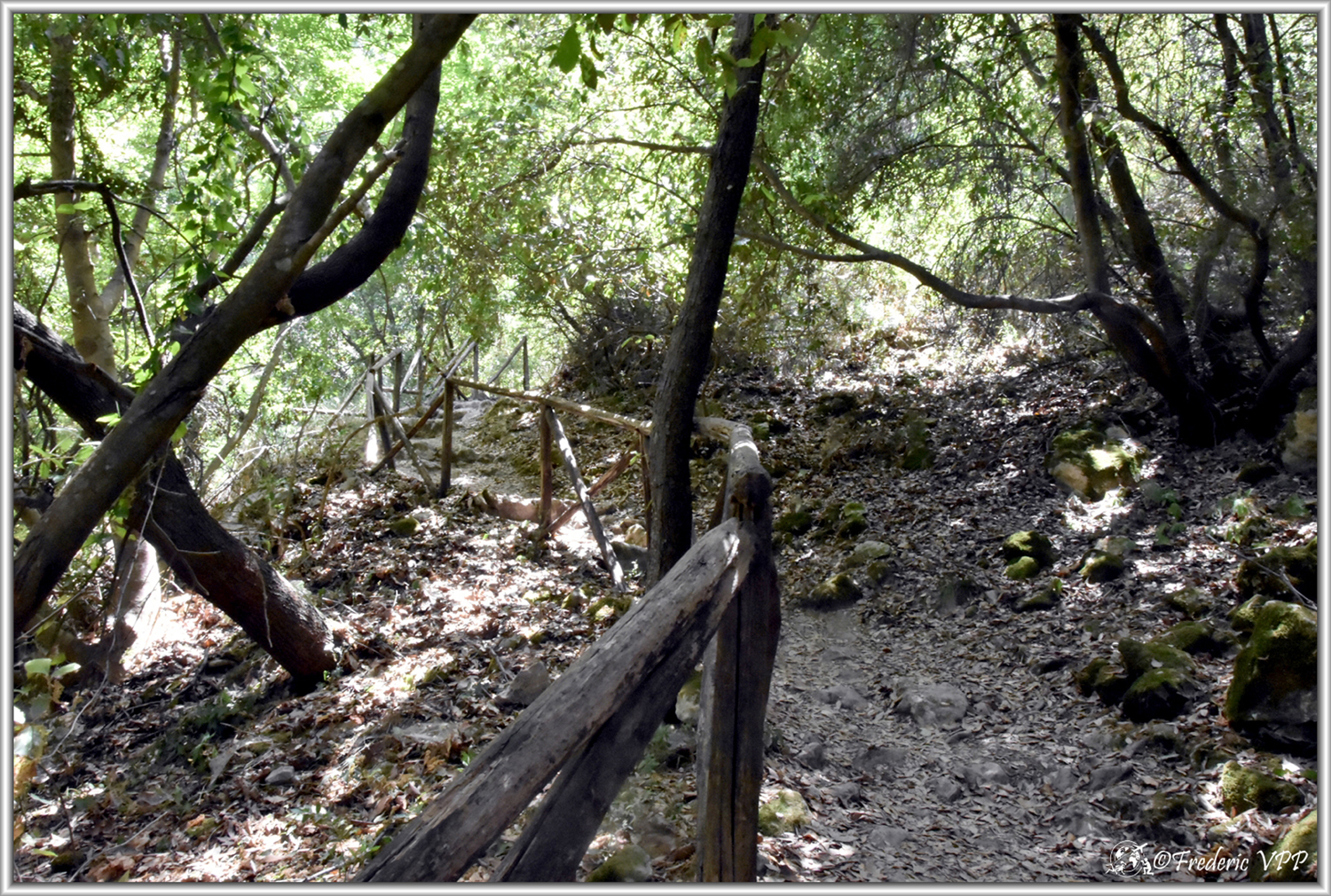
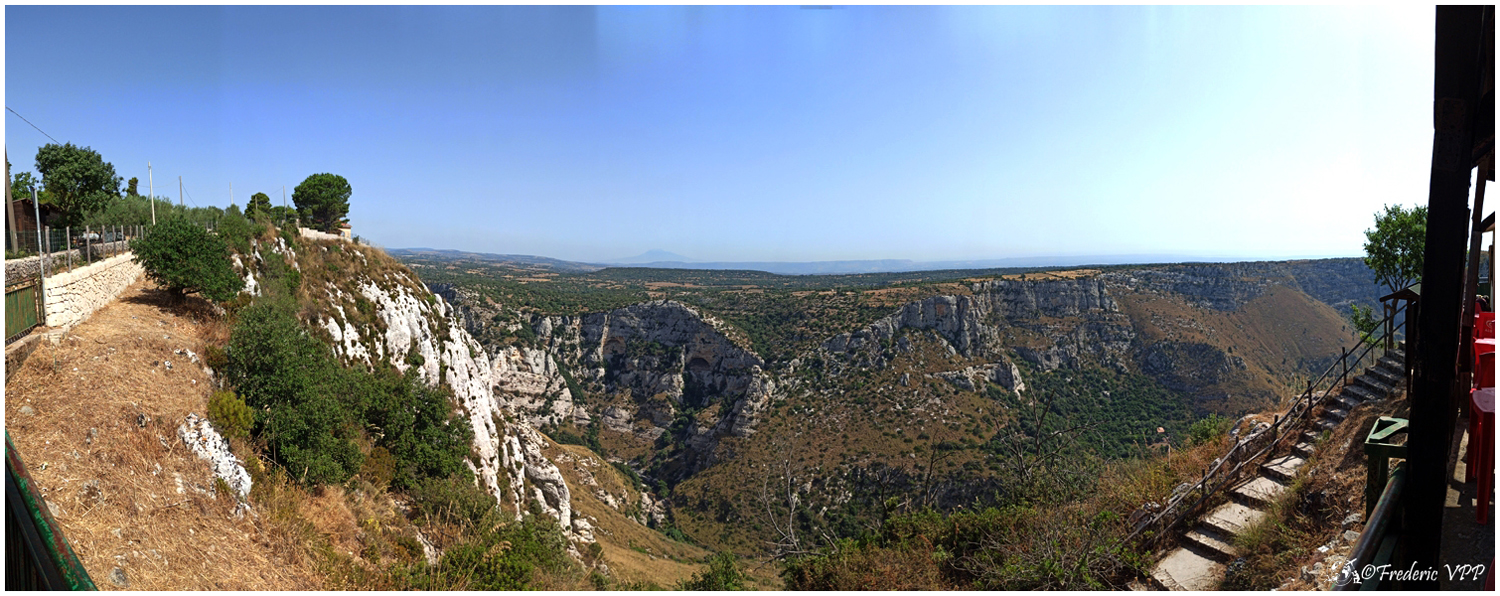
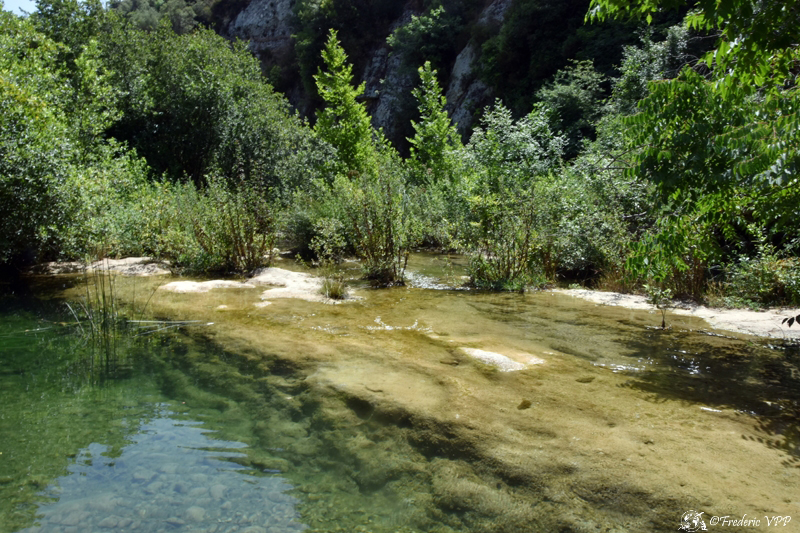
The Cava Grande de Cassibile Nature Reserve is truly a marvel. I felt like I was in the Gorges du Verdon, not for the river but for the atmosphere. The descent seems smooth at first but with the heat, 38°C (100°F), it becomes more and more difficult. Despite these difficulties, it is worth the trip.
|
|
Syracuse was founded in 734 by Greek settlers from Corinth on the island of Ortygia, where they found a watering place named Arethusa. The expedition is led by Archias of the Bacchiades family. This family seeks to post itself along the routes that cross the Mediterranean Sea (moreover, at the same time, another Bacchias, Chersicrates, founds Corcyra on the sea route from the Illyrian coast to the eastern coast of Sicily).
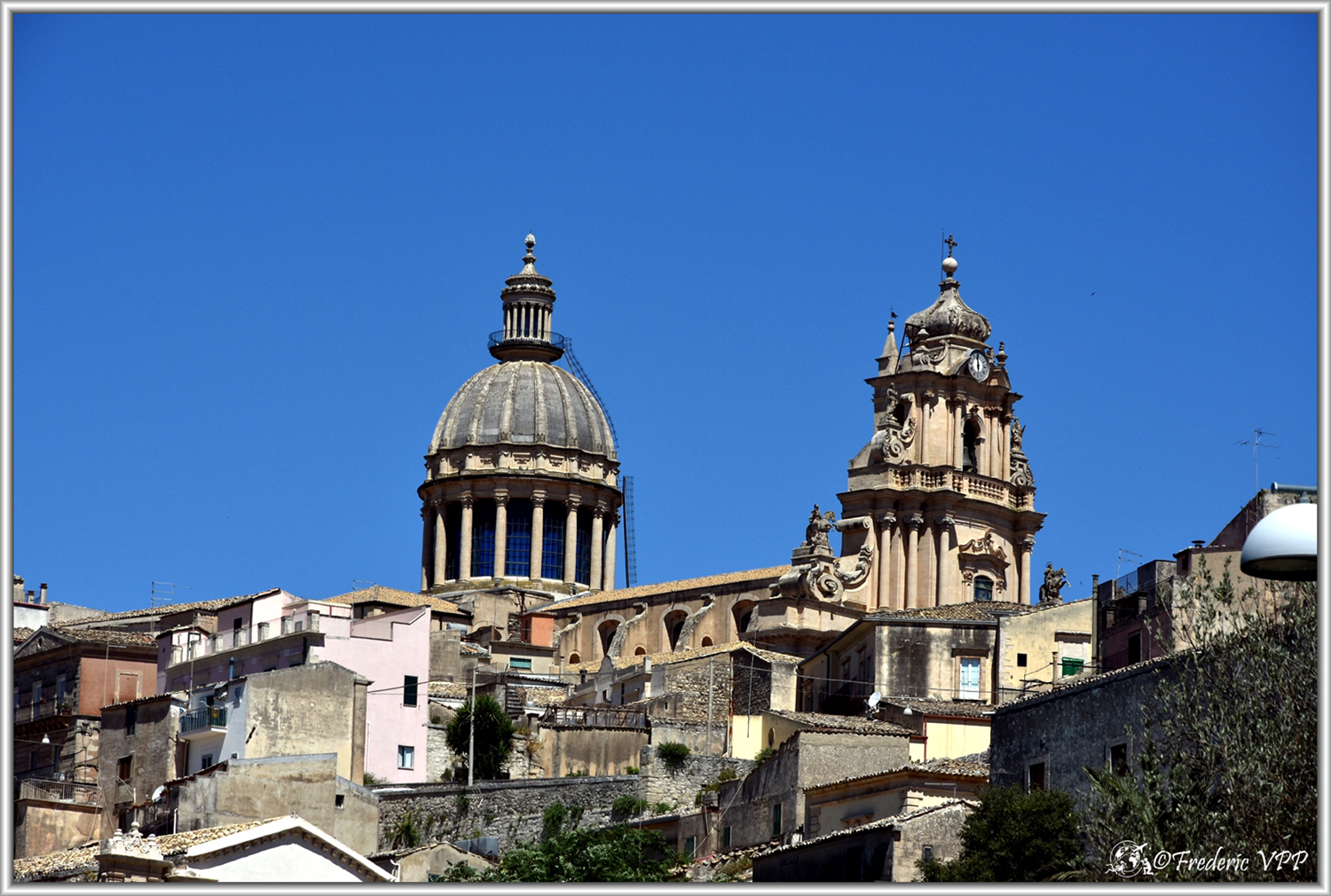
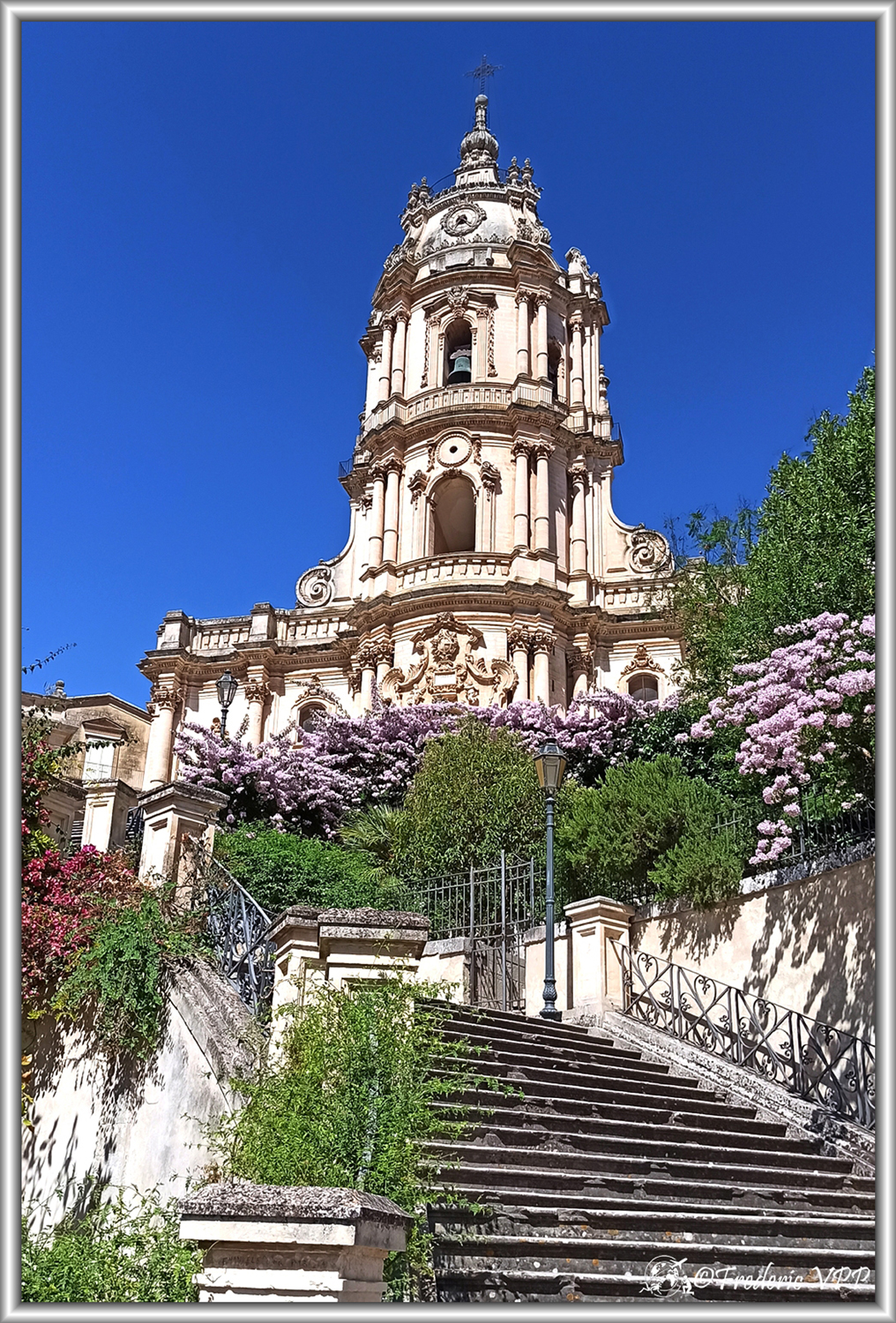
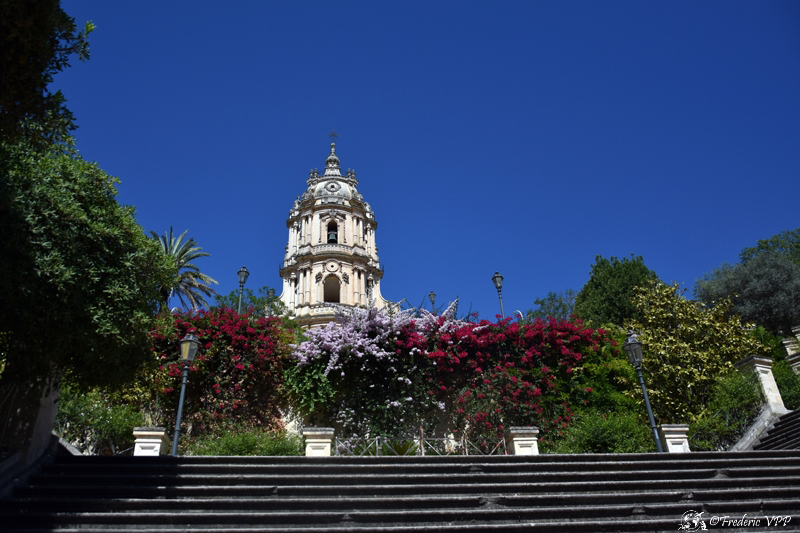
Ragusa: The site of Ragusa has been occupied since antiquity. This ancient habitat, then medieval, corresponds to the current district of Ibla (name of the ancient city). In 1693, a terrible earthquake struck the city and largely destroyed it. During the reconstruction after the earthquake, two clans clashed: the bourgeois who wanted to rebuild elsewhere, and the nobles, who preferred to stay where they were. The reconstruction will take place on the medieval bases in Ibla, and a new city is born above the old quarters. Ragusa-Nuova ("New Ragusa") therefore contrasts with its wide, straight streets and its majestic Baroque buildings. Ibla retains its medieval character, dominated by the Saint George's dome (Duomo San Giorgio), with its winding streets and its many Baroque houses and churches. Since 2002, the whole of the old town has been listed as a UNESCO World Heritage Site5 alongside 7 other emblematic late Baroque towns in the Noto Valley.
Modica: The city was the scene, in 1474, of an anti-Jewish pogrom called "Strage dell'Assunta" (the massacre of the Assumption). 360 Jews were massacred in the Jewish quarter of the city (the Giudecca), under the encouragement of Catholic preachers. Partially affected by the 1693 earthquake, the town was rebuilt with Baroque buildings which earned it a UNESCO World Heritage listing along with seven other towns in the Val di Noto. When the Treaty of Utrecht in 1713 passed the crown of Sicily from the King of Spain to the Duke of Savoy, the County of Modica remained an Iberian possession, fiscally and politically autonomous from the rest of the island. In 1804, Secretary of State John Acton received the Duchy of Modica as compensation for his withdrawal from public affairs at the request of the French.
Noto: Occupied for a long time by the Muslims, Noto surrendered to the Norman conquerors commanded by Count Roger de Hauteville in 1091, thus ending the Norman conquest of the Sicily (1061-1091). This date marks the beginning of the reign of the Hauteville family over the whole island and its history is now linked to the Kingdom of Sicily. An earthquake devastated the town of Neai (Noto Antica) in 1693. Its inhabitants then decided to rebuild it about eight kilometers further south. On the hill of the Meti settles the people (High Noto); along the slopes, on the other hand, were built the main churches, the most important convents, and the prestigious aristocratic residences (Noto basse). The buildings are constructed with yellow limestone.
|
|
Sorry if the links are outdated or not accessible
|