 Porto
PortoPorto, Portugal, March 2019
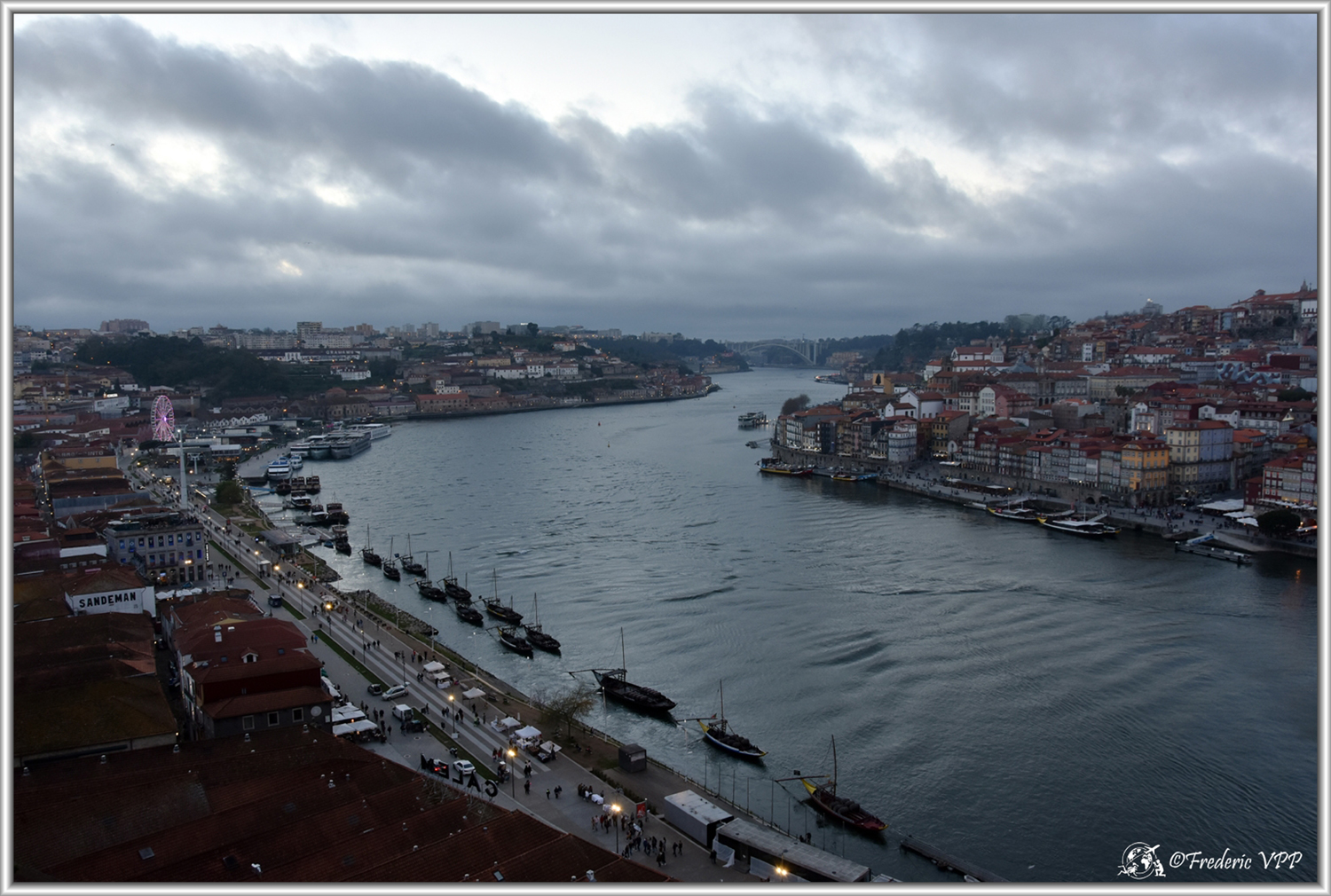
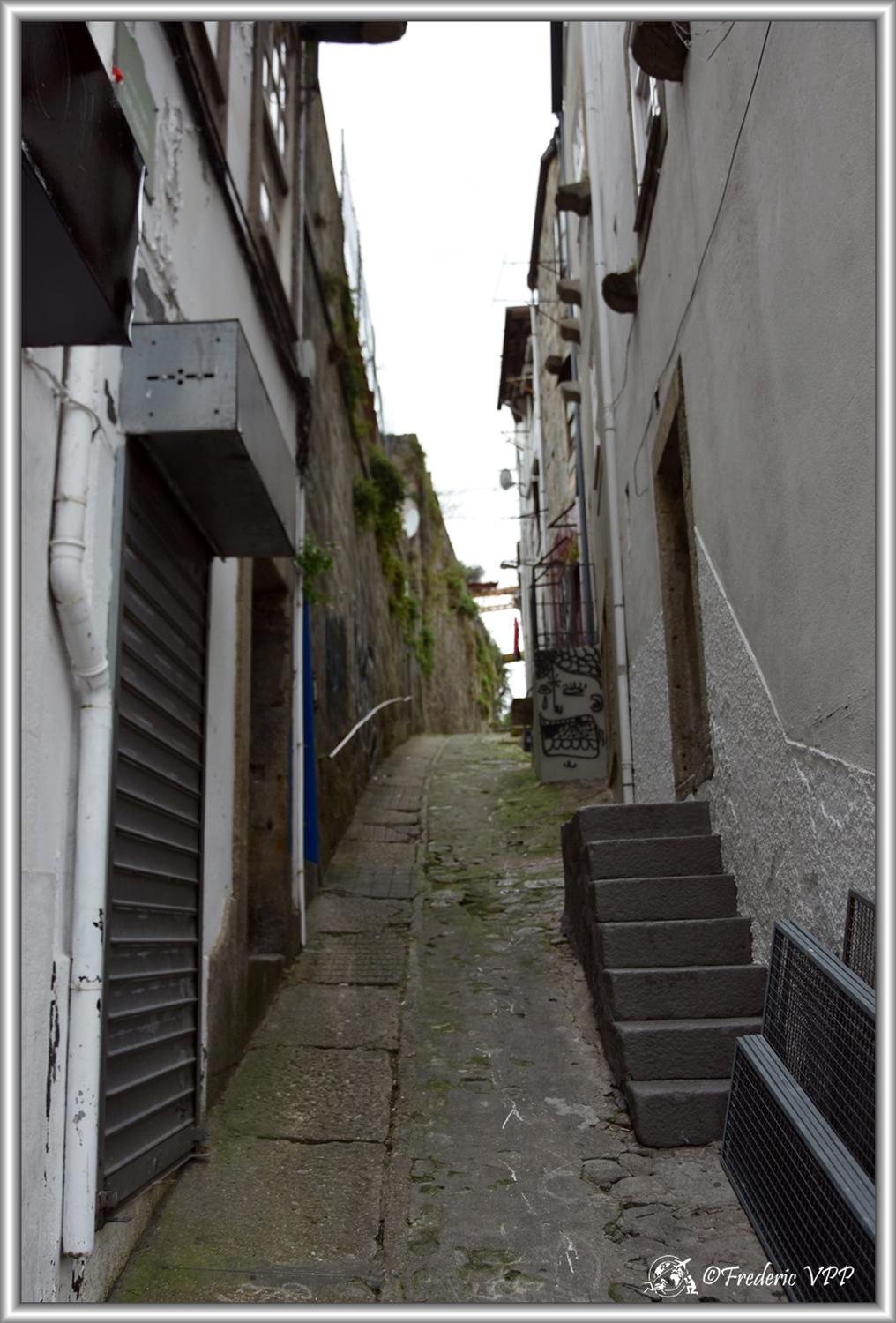
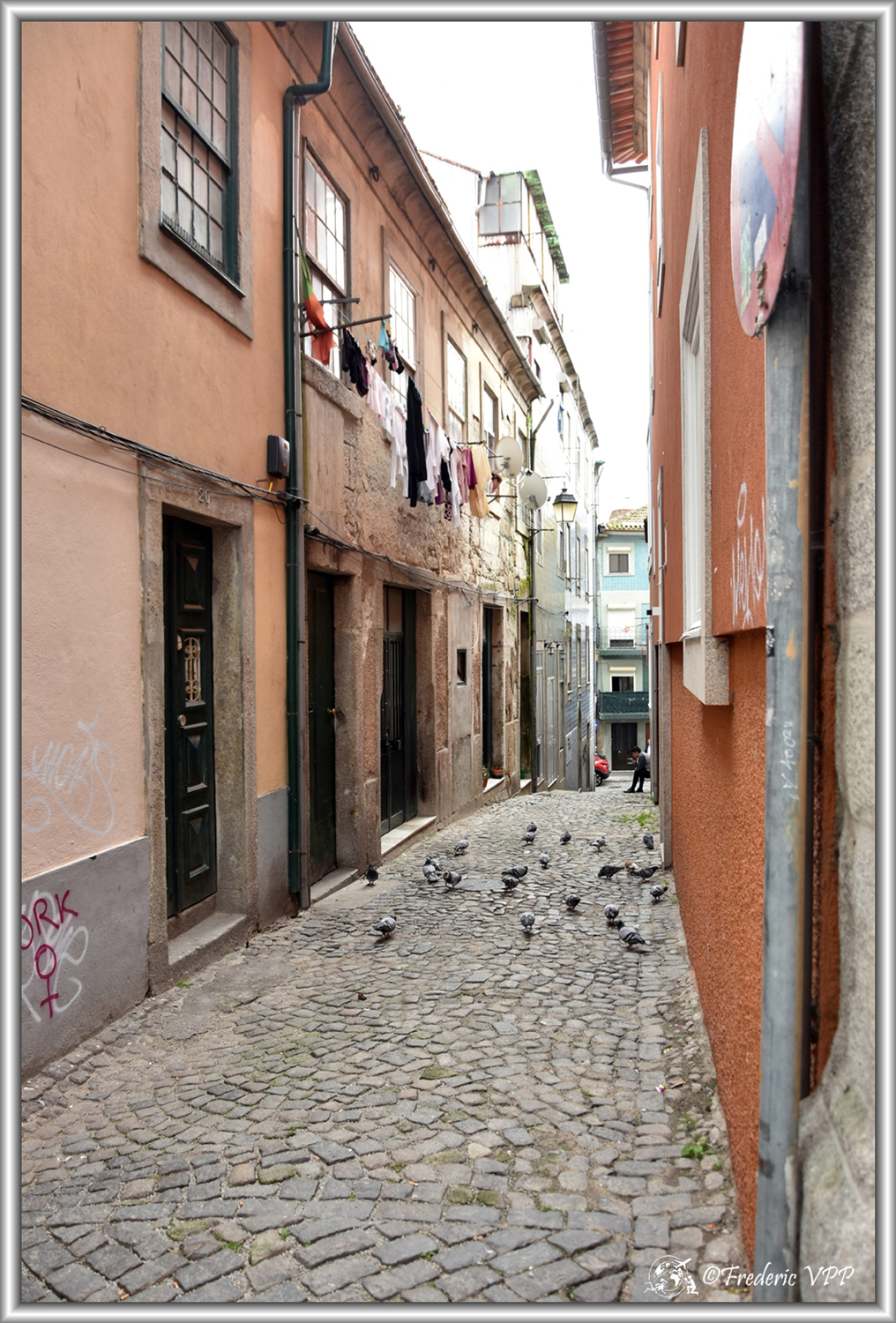
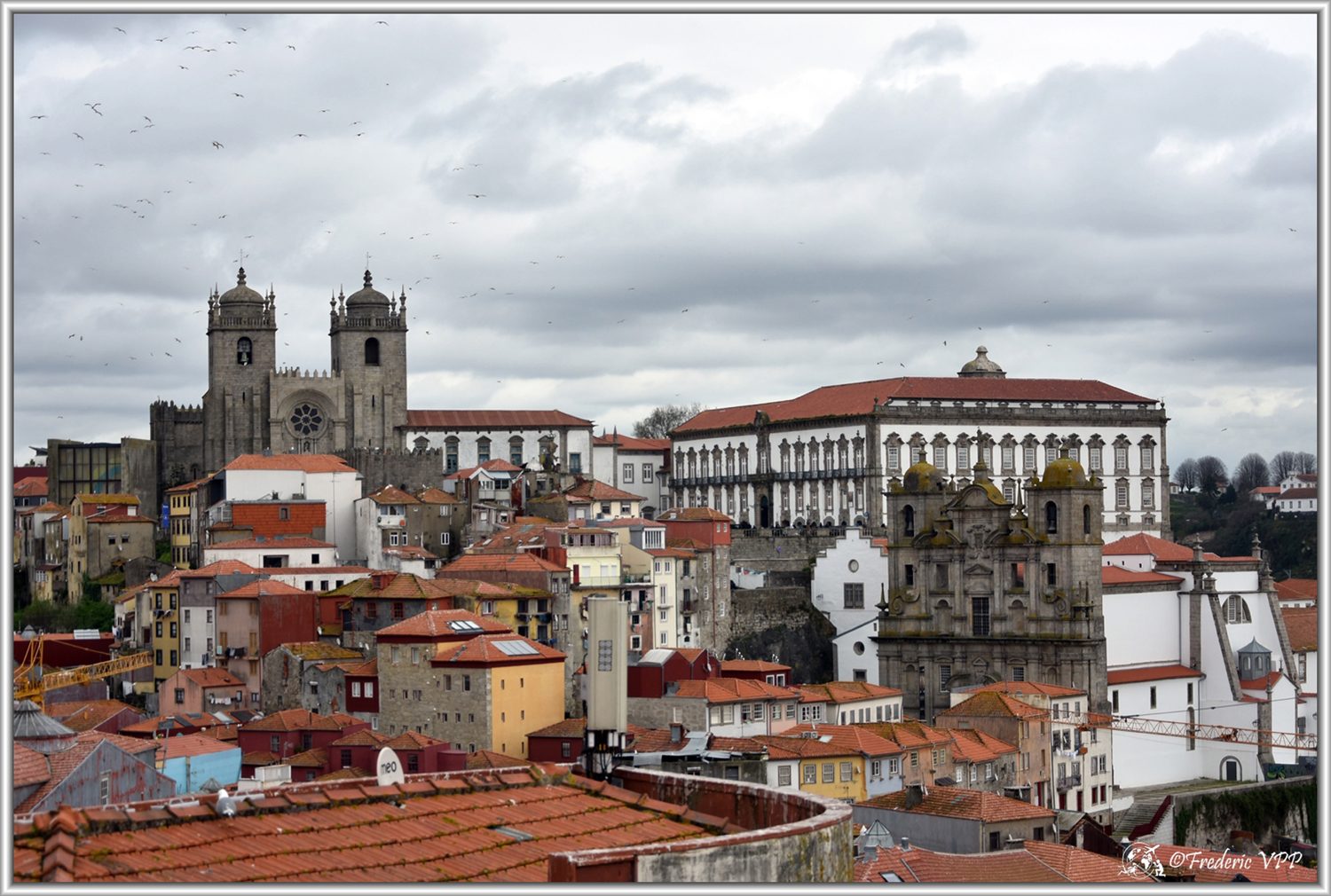
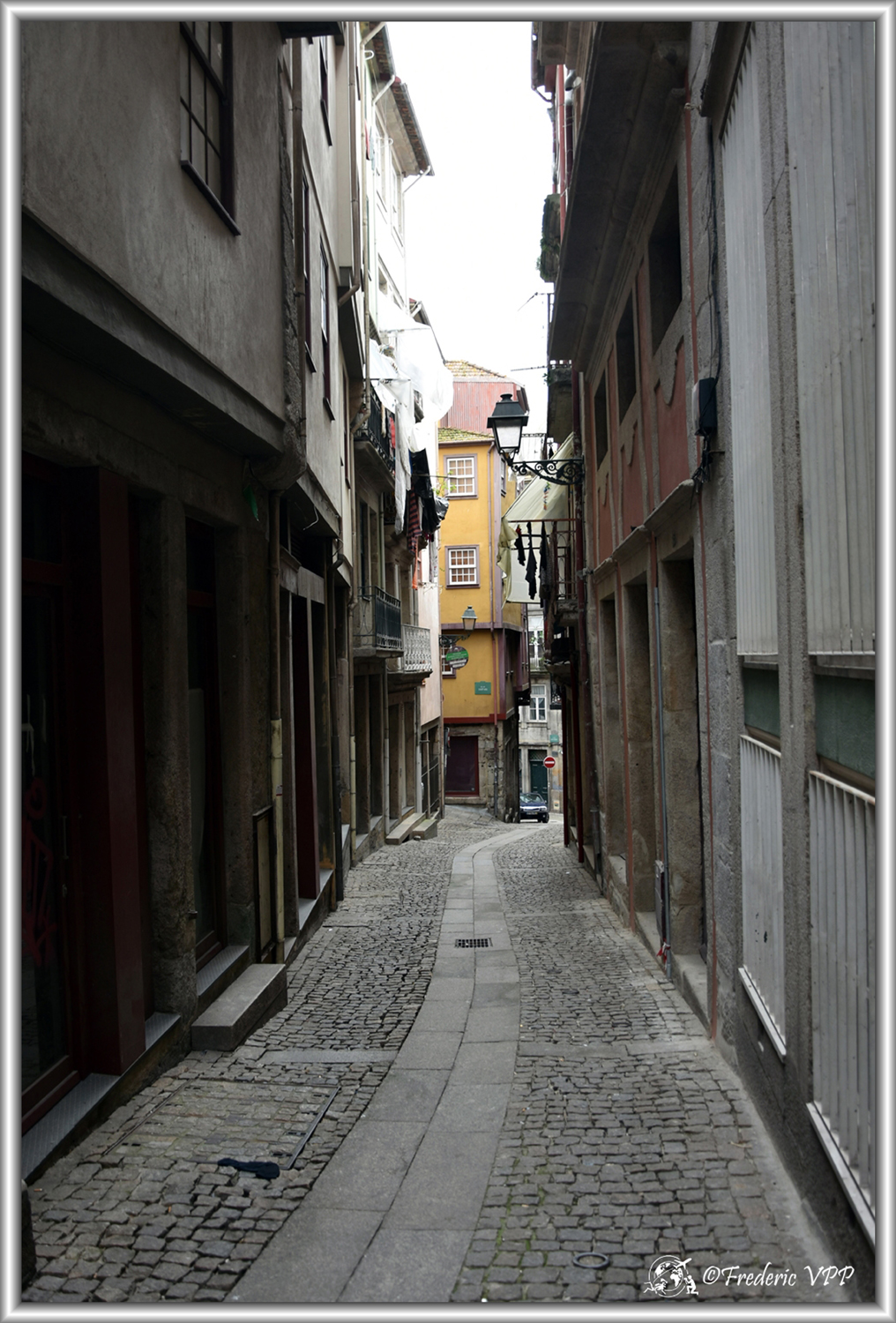
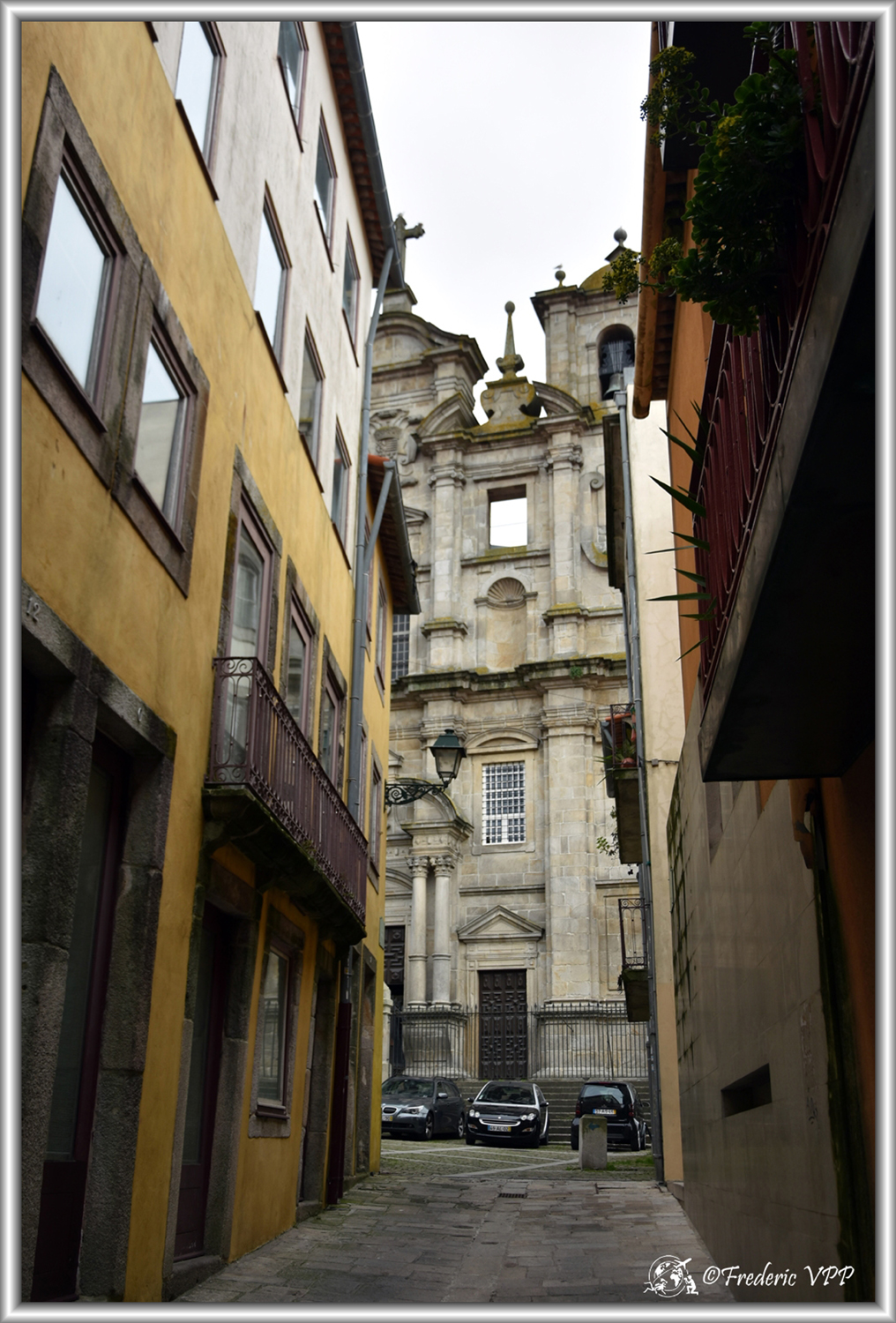
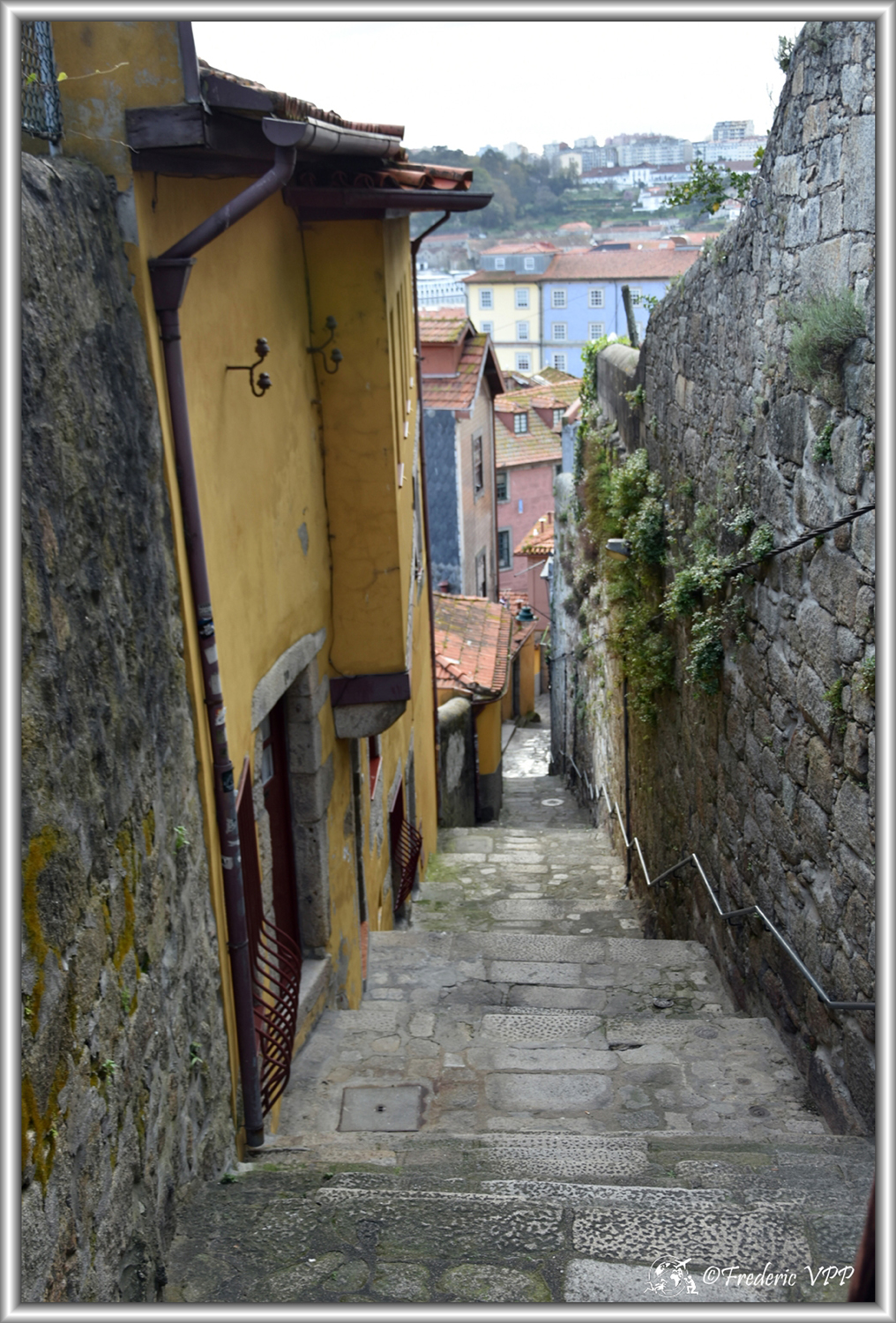
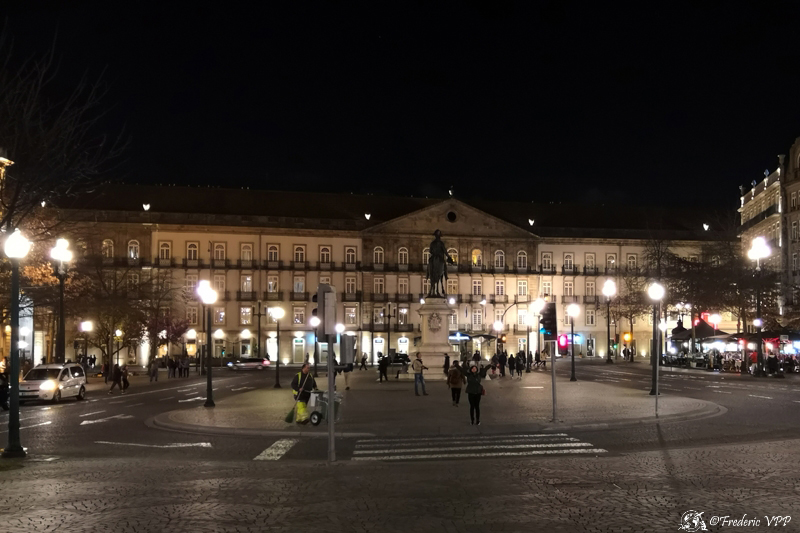
Porto is a wonderful city where strolling through the small alleys is a real pleasure: the small streets, the restaurants in Fado for the specialties, the small bars on the banks of the Douro to finish the evening in front of the Douro with a small glass of port...
|
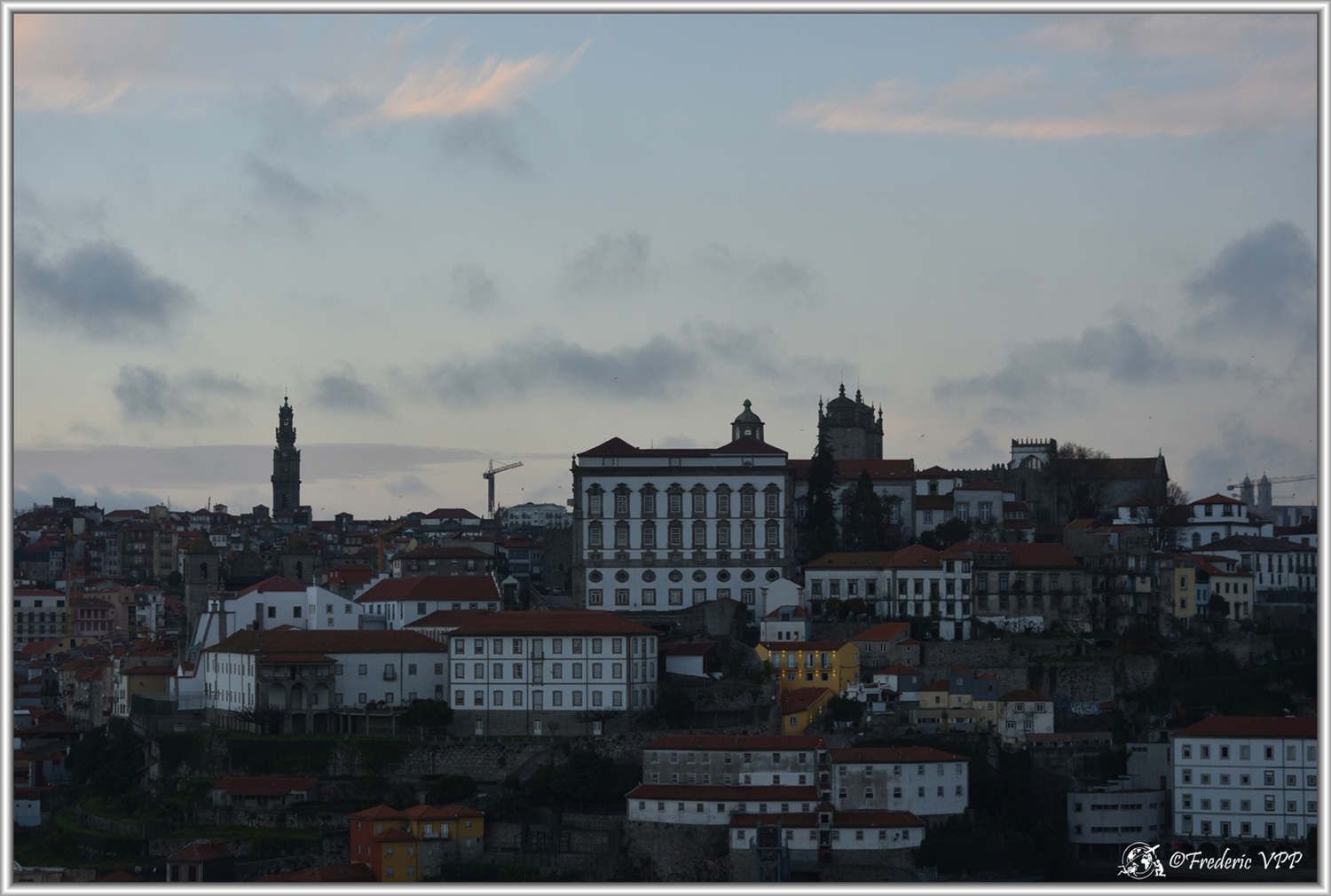
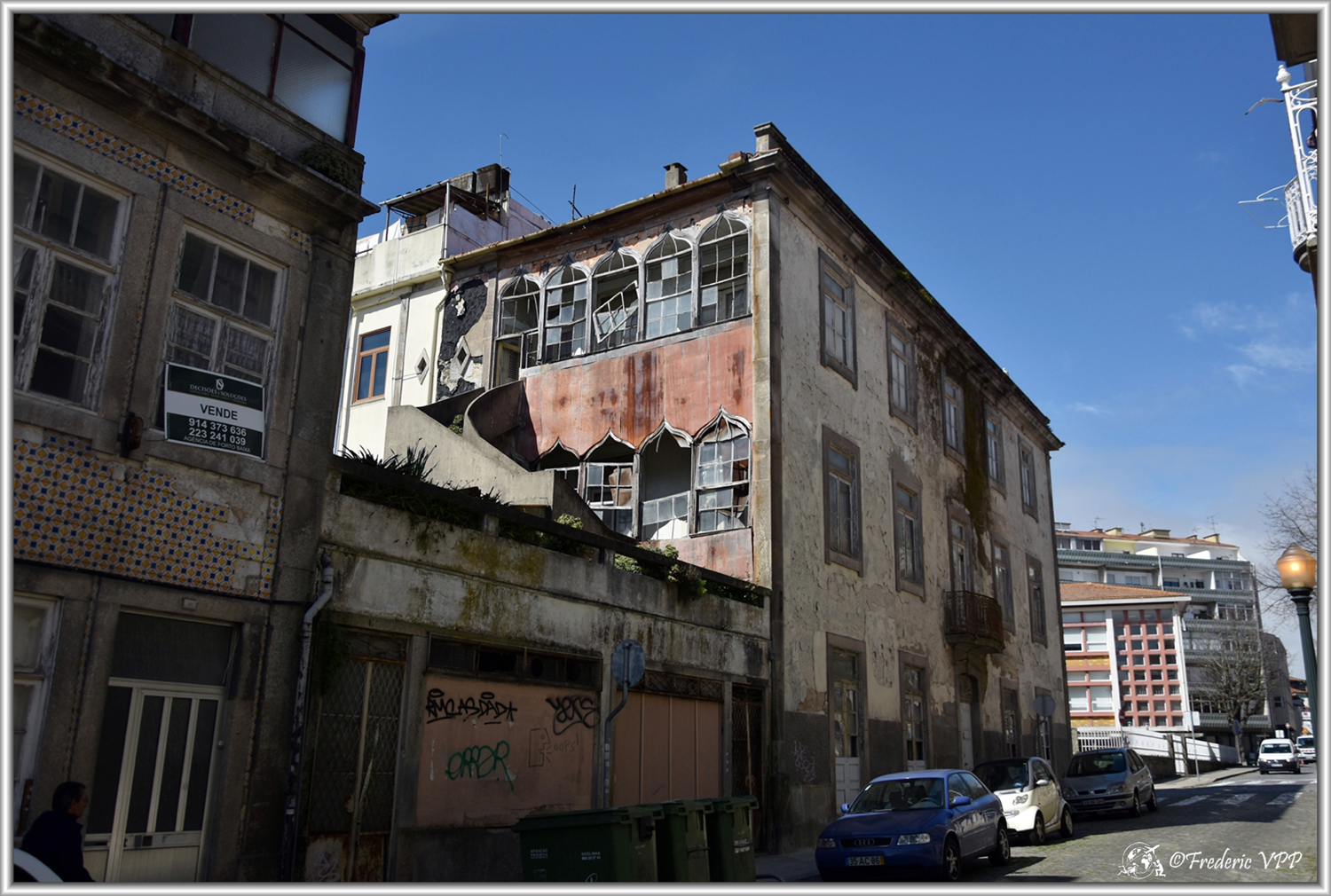
You will find the "Portuenses" (the inhabitants of Porto) who meet there, young and old. The only problem, but it is provisional, are the number of visible cranes. The city is in full reconstruction. Many old houses, abandoned and in poor condition, are being rehabilitated to transform them into hotel residences.
I therefore invite you and above all, to contact Ricardo, a brilliant guide, who will pass on to you his passion for this city, and his knowledge of its history. He knows his city, its little corners and especially the good little addresses to taste a wine, to have lunch and to taste the local specialties. Thank you Ricardo for this long time spent together, it was a real pleasure.
|
|
The Romans first baptized the place Portus, the "port", in the 1st century BC. J.-C.. Porto has the nicknames Cidade Invicta ("the undefeated city") and Capital do Norte (capital of the North). She gave her name to Portugal. Porto (Portuguese: Porto [pronounced portu]) is known for the commercialization of Port wine, its monuments and its bridges over the Douro River. Porto, through its history of wine trading with the United Kingdom, seems to have been influenced by this country and by an important commercial activity. An adage evokes the character of the various Portuguese cities: "While Lisbon is beautiful, Coimbra is studying, Braga is praying and Porto is working". The people of Porto are called Portuenses (in French, we say "Portuan") and, after the local specialty, Porto-style tripe, "Tripeiros".
In the Middle Ages, the county of Portugal goes from Minho to Douro, these are the inscriptions on the ceiling of the city's train station. The 14th century saw the city surrounded by massive stone walls that protected the medieval city, on the one hand, and the port area, on the other. The historic center is thus protected by the so-called "Fernandine" walls, named after Dom Fernando under whose reign they were completed in 1376. In 1415, under the aegis of Henry the Navigator, one of the city's illustrious sons , an important expedition was set up to capture Ceuta. The city of Porto, in charge of supplying the royal fleet, was then heavily taxed and had to strip most of its supplies. After the departure of the soldiers, the inhabitants had to make do with the leftover food, namely tripe and offal, which were difficult to preserve during military campaigns. This is how the term "tripeiros" (tripe eaters) was subsequently used to designate the inhabitants of Porto.
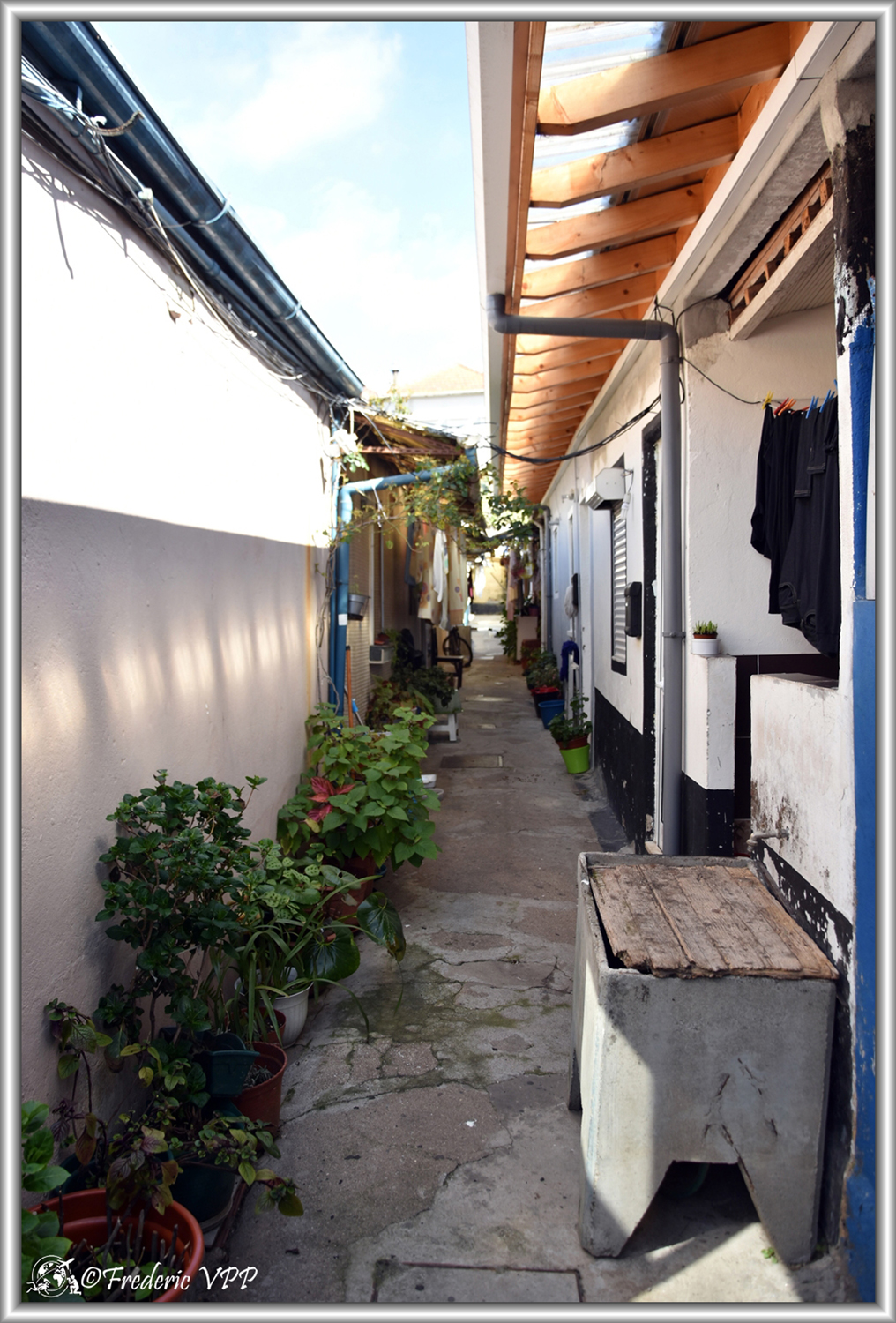
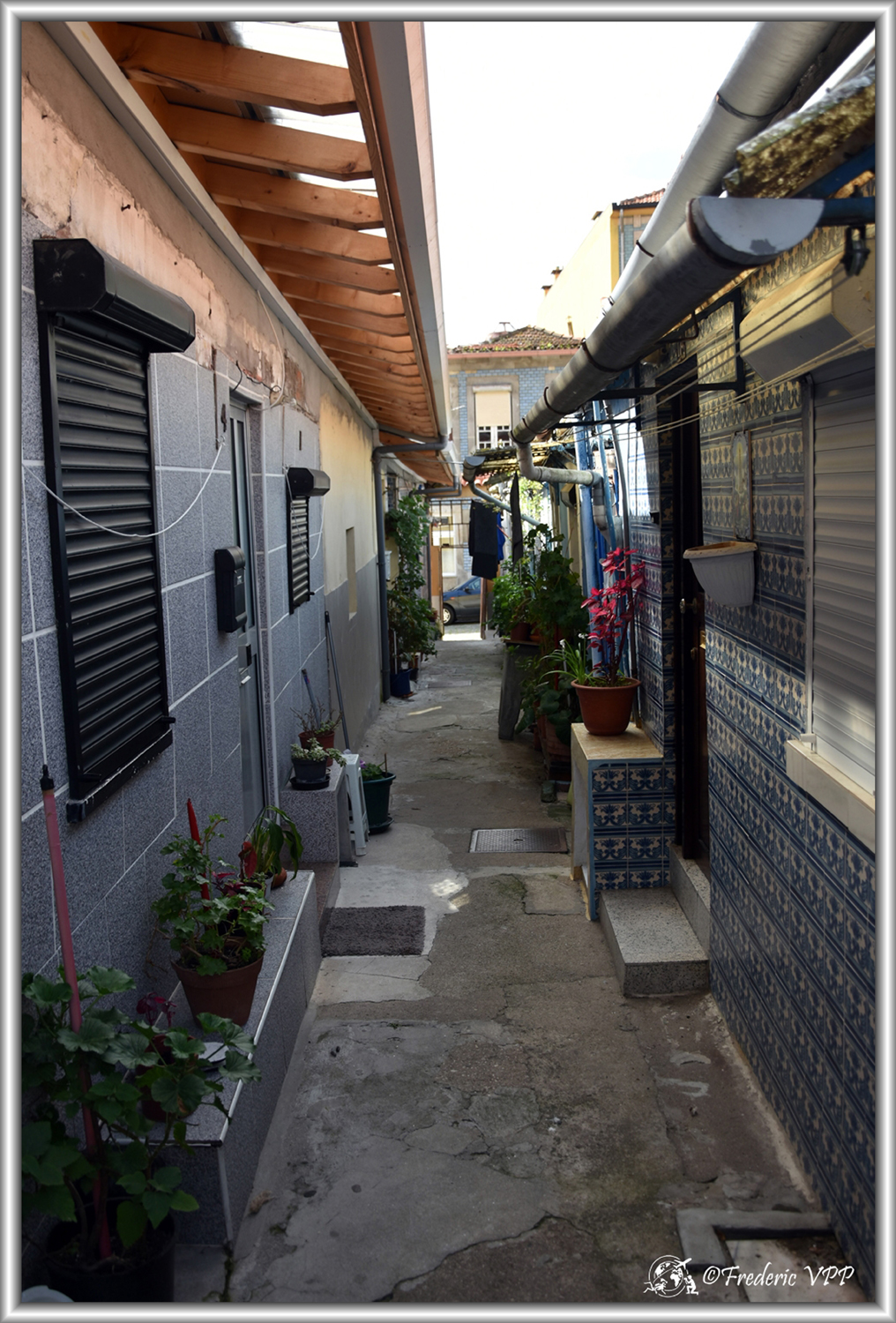
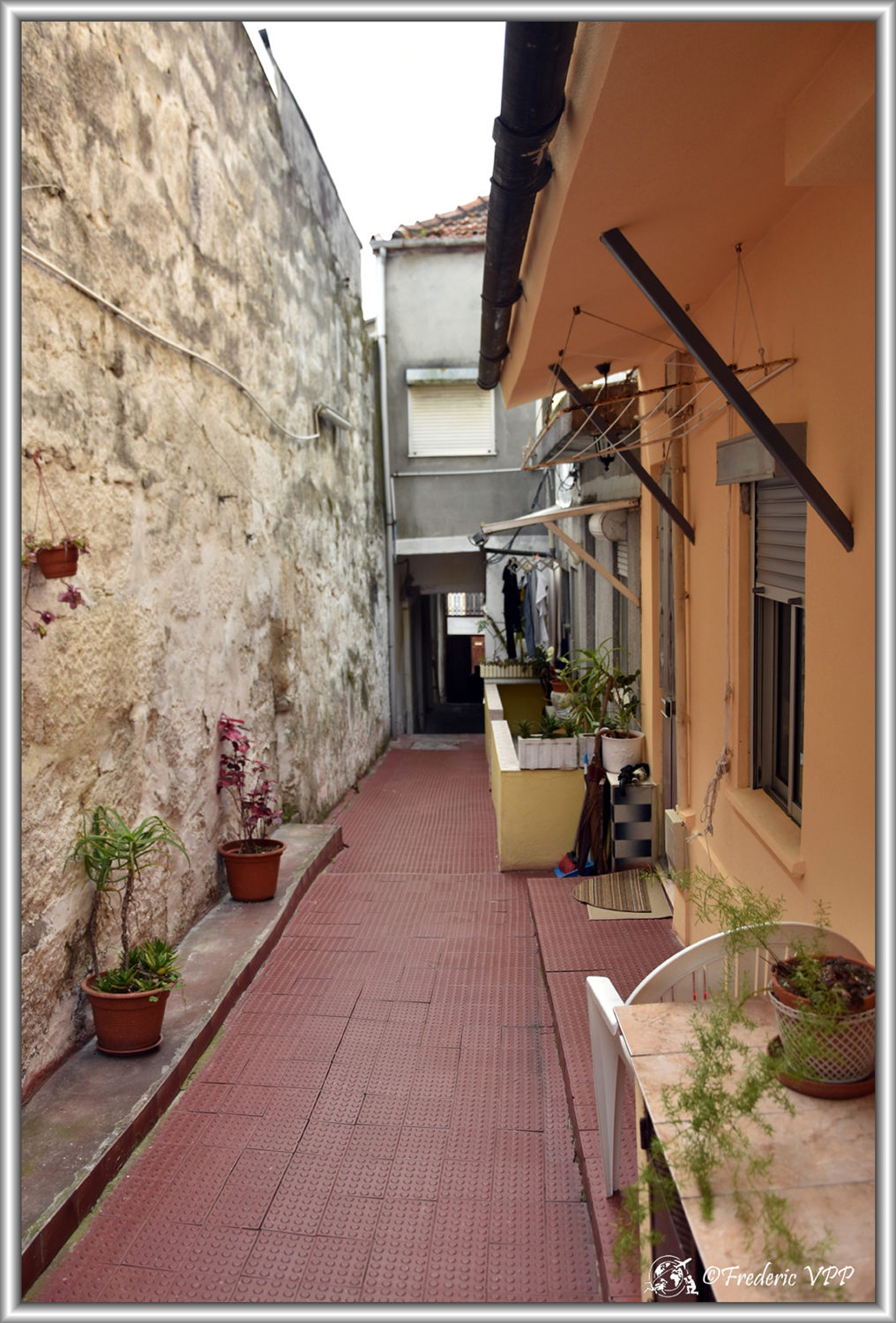
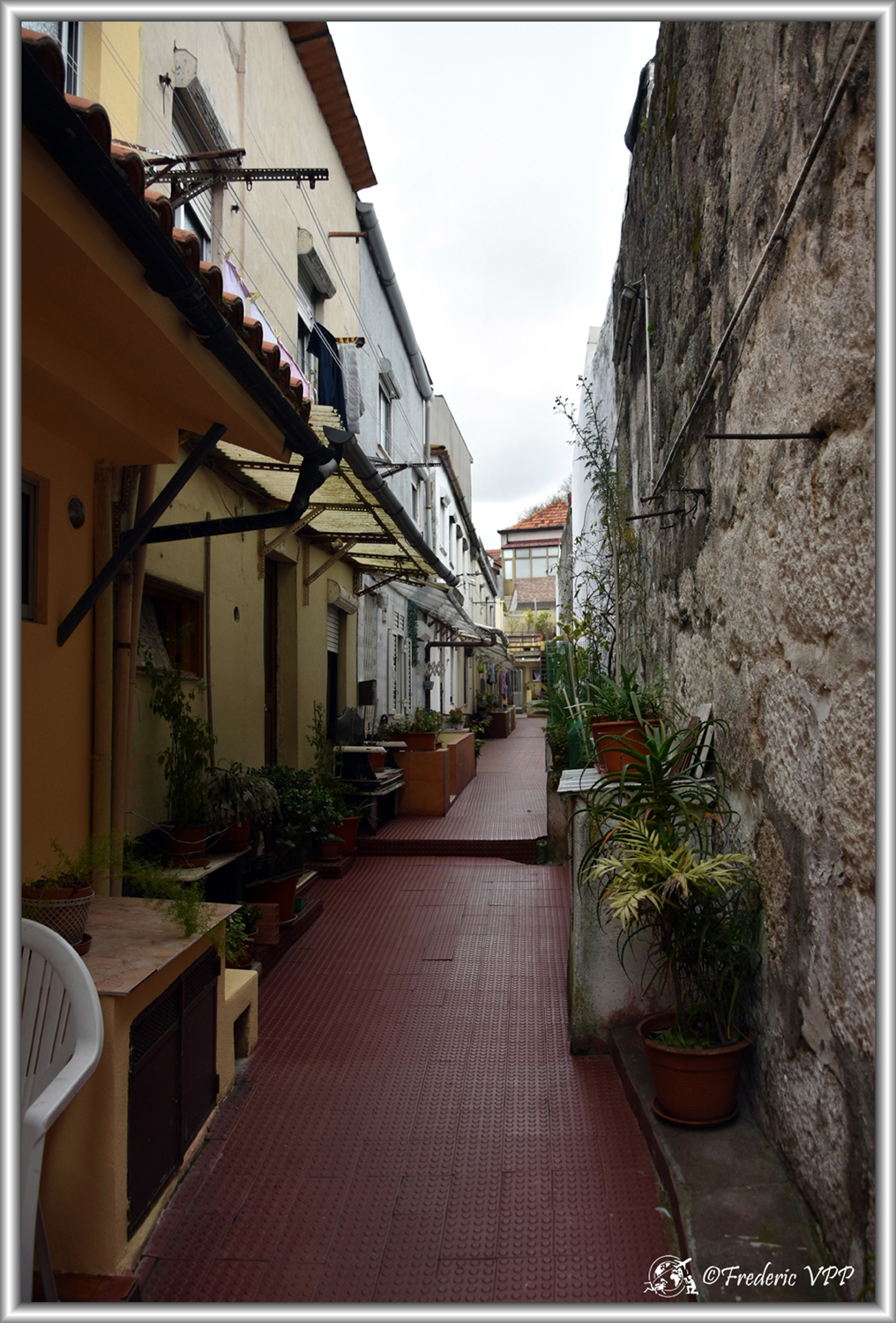
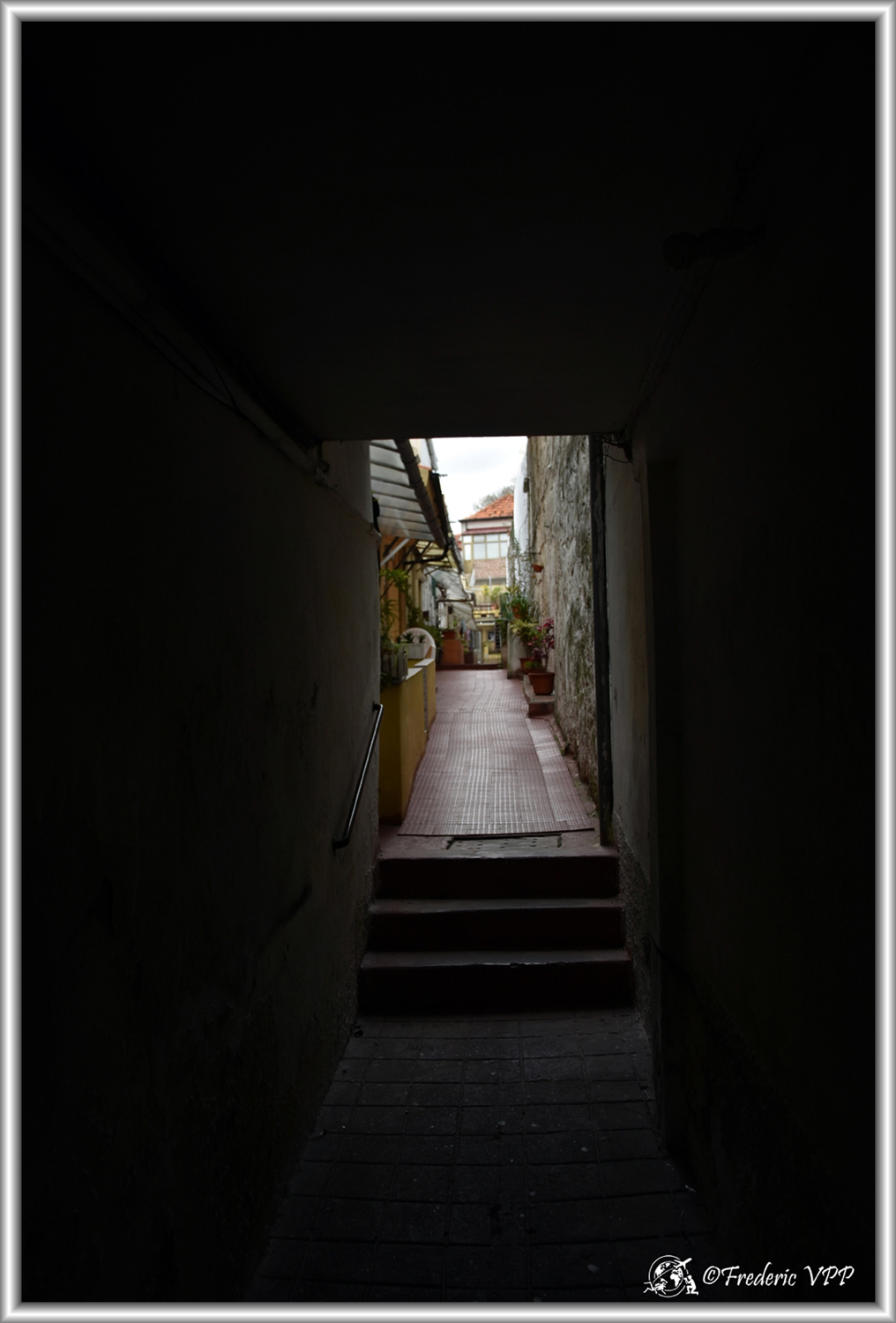
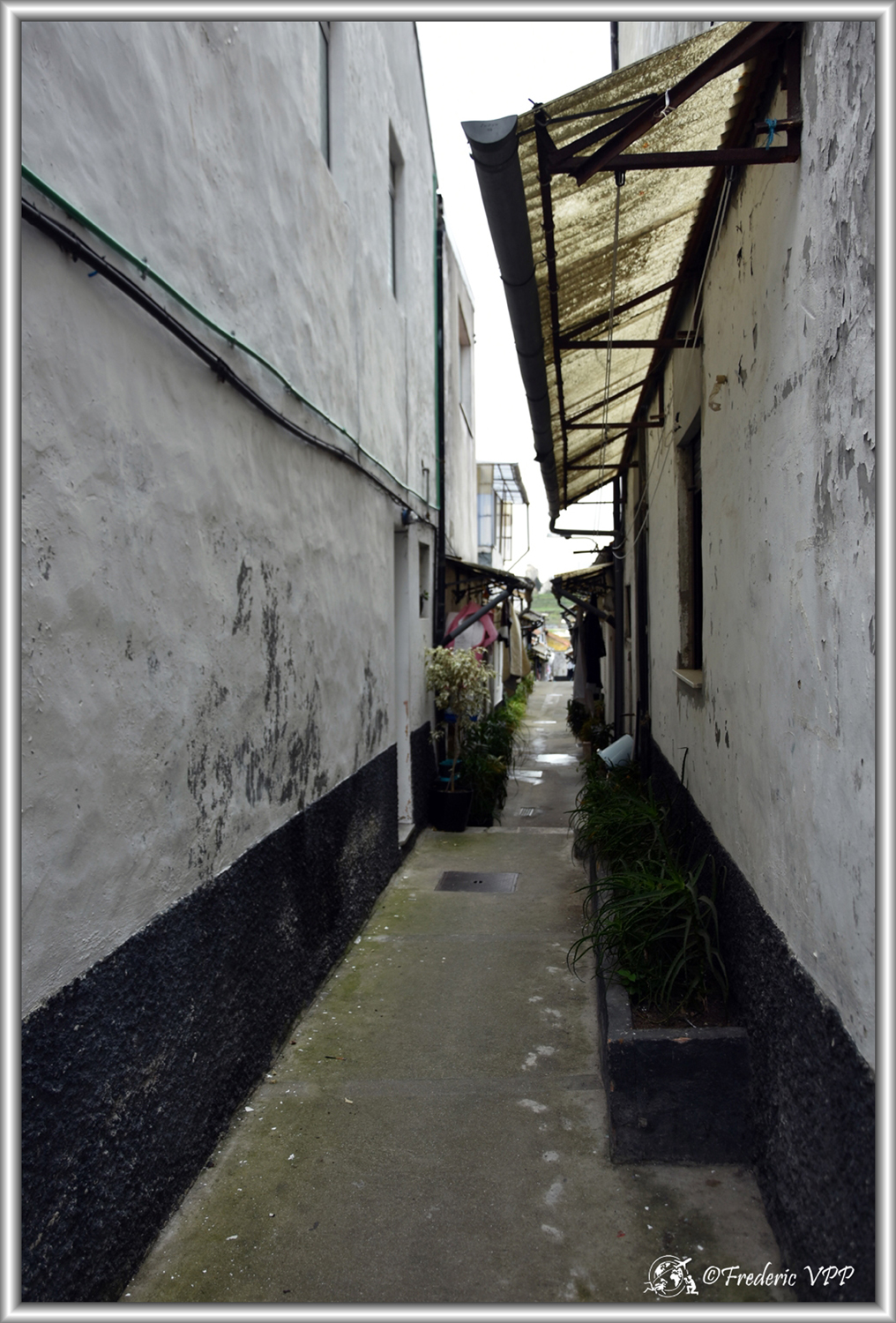
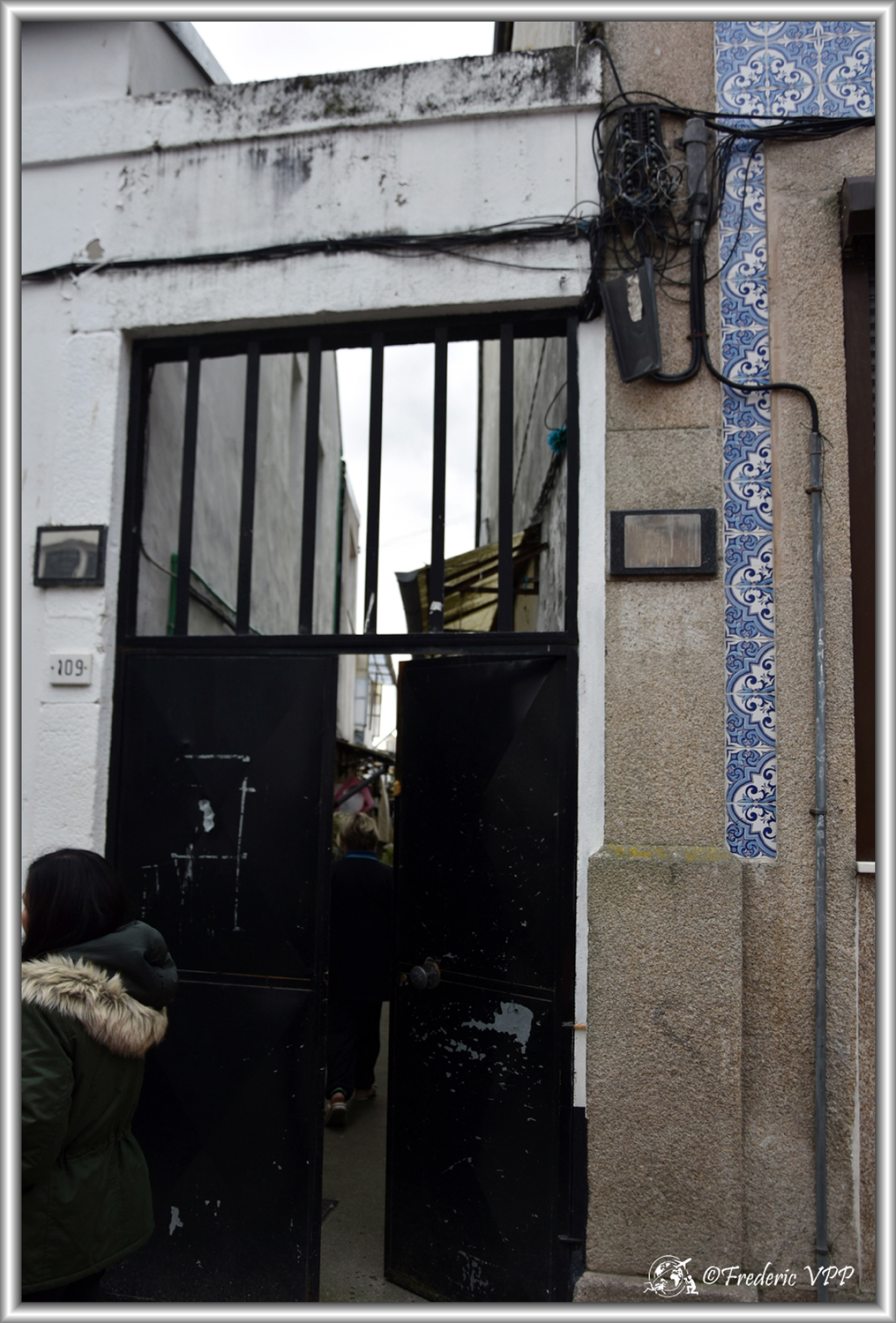
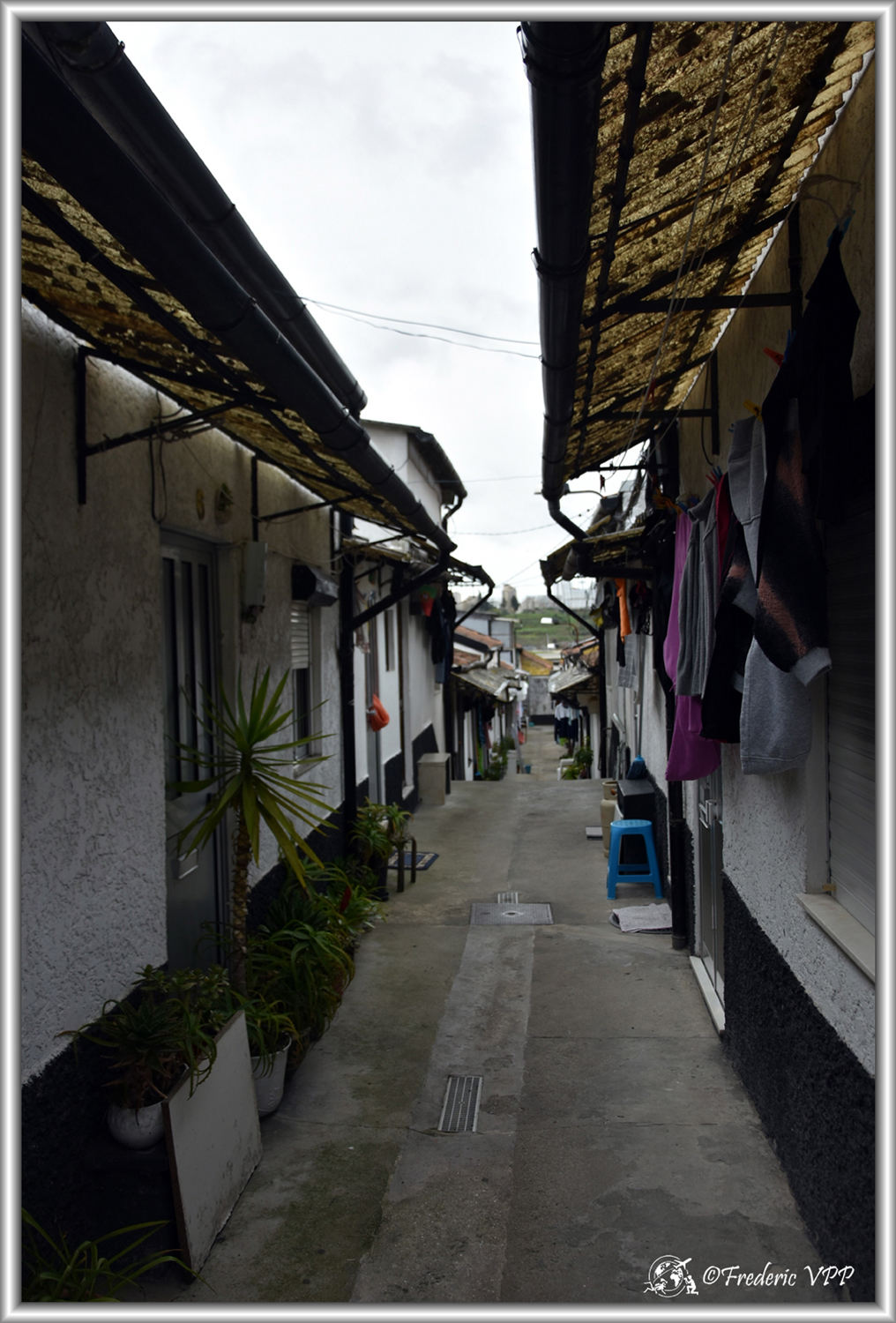
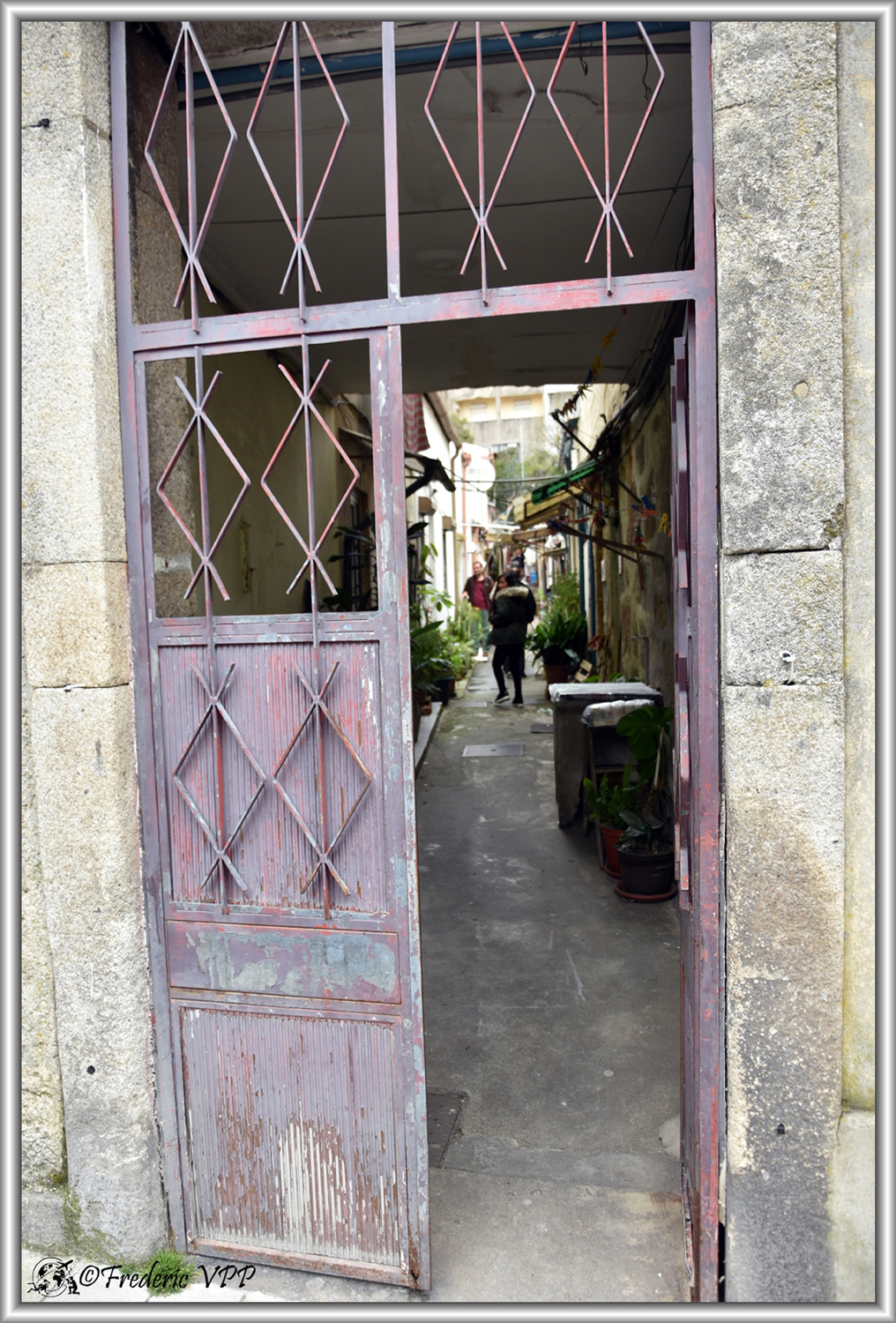
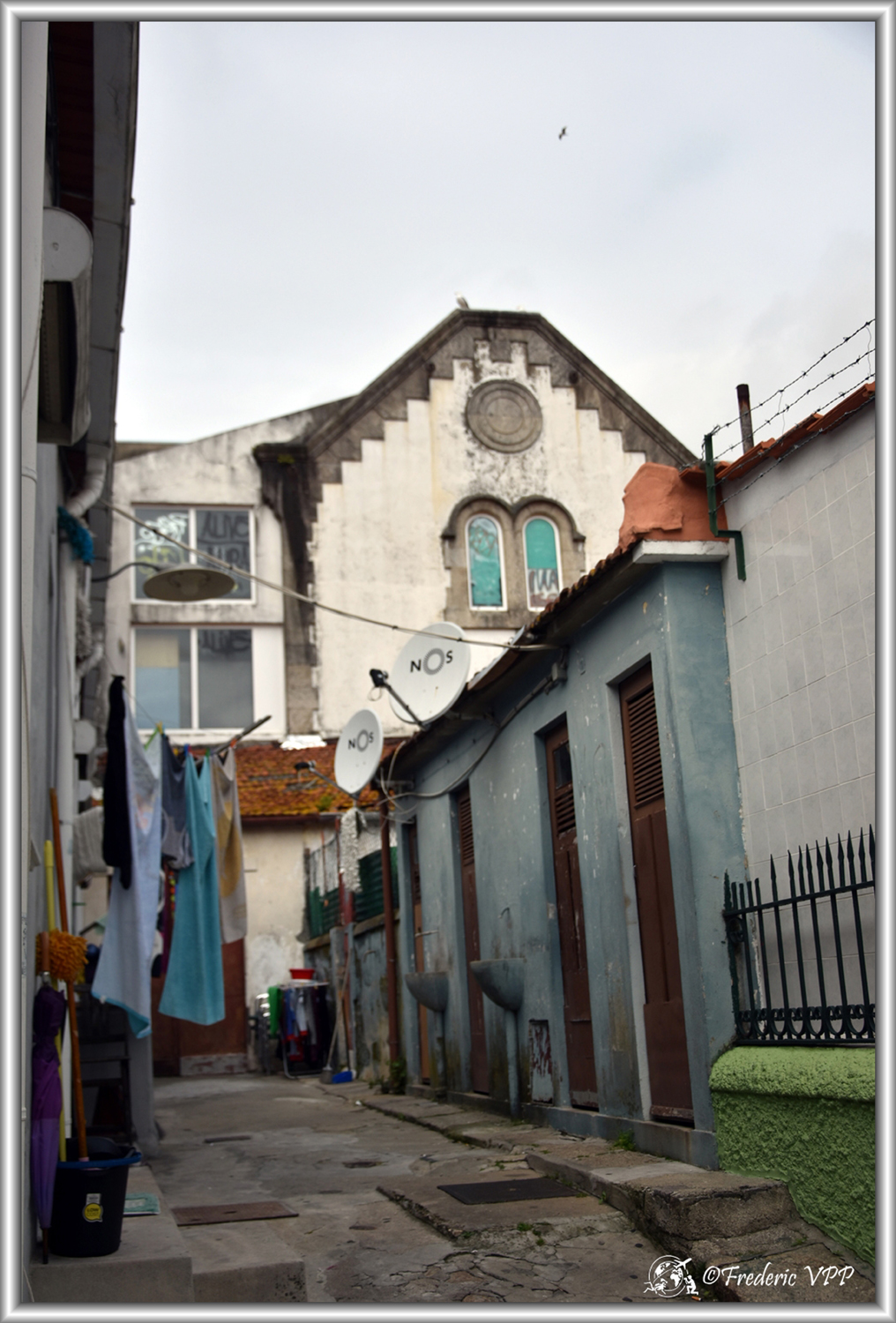
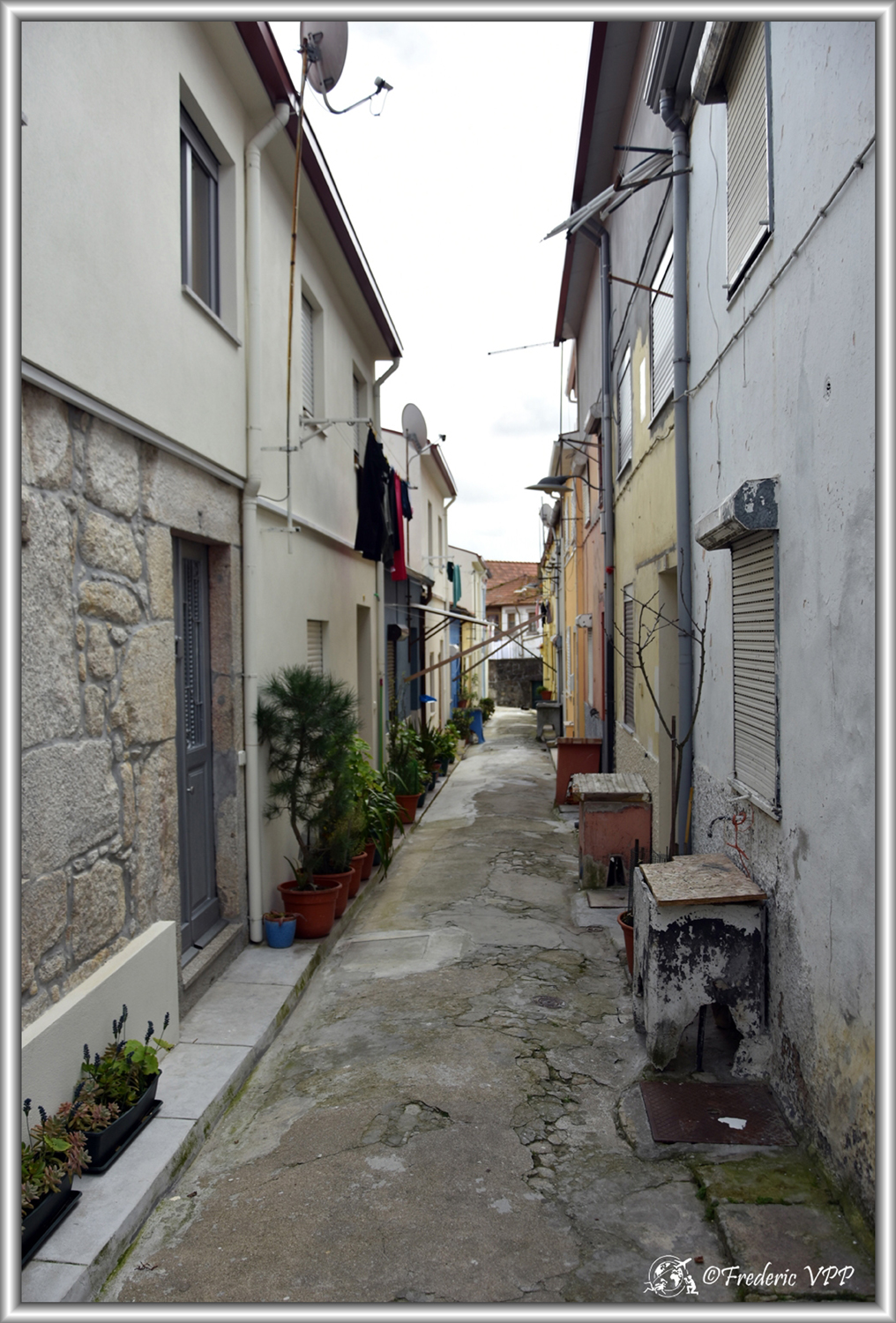
The islands (Ilhas) of Porto are a type of working house very different from other industrial cities, such as Lisbon, where there are patios, or European industrial cities. They first appeared in the eastern part of the city, but soon spread to the center and neighboring counties. The appearance of the islands is believed to have contributed to the great English influence in the city. The island scheme is often associated with early Leeds townhouses, both in terms of morphology, developers and construction. The origin of the islands is unknown, since in the 18th century the houses were already known as islands. In the investigations of D. Afonso IV there is also reference to housing complexes with a single exit to the street. However, it was at the end of the 19th century, with the industrial development of the city and the arrival of many migrants from the northern regions of the country, that this type of housing became widespread. It must be said that the demand for cheap accommodation then made these clusters of buildings covered with a single entrance an attractive business, mainly operated by small landowners who, having little capital, saw on the islands the guarantee a rapid recovery of the capital invested and in the long term, significant profits.
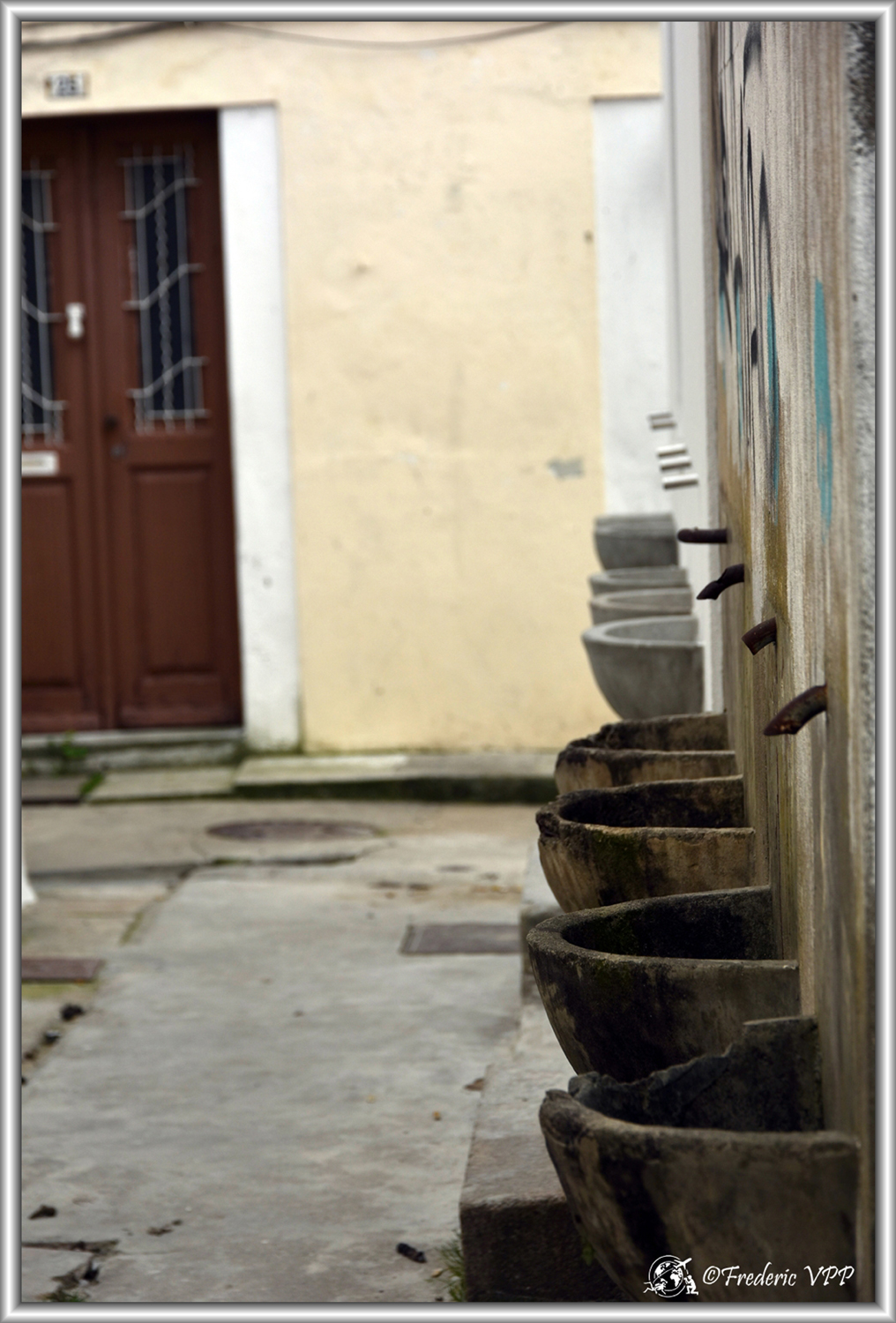
Large houses often had a garden. The owner opened a link under the house in a corridor at the back of the courtyard, 1 to 2 meters wide, and built on each side small precarious dwellings. They were then small dwellings with an area not exceeding 16m²/172sqft (some only 9m²/97sqft), built in rows (sometimes also back to back), in the backyard of the bourgeois houses overlooking the street. The facades of these dwellings generally measured about 4 meters, they had a door and a window (which overlooked the central hall). The first division, which occupied almost the entire house, was the room. In the background there was a room and a kitchen. Sometimes a small room in the attic was improvised. The toilets were shared, with an average of 1 toilet for 5 houses.
The interior of these houses, inhabited by entire families, which could easily accommodate 10 or more people, were made of wood, without sewers, water and ventilation and small poorly lit windows. Adding to these conditions the current use of certain equipment, the coexistence with animals (in a survey they indicate 709 pigs out of 1124 houses visited).
Between 1878 and 1890, 5,100 dwellings were built on the islands (half of those that existed in 1900), according to Ricardo Jorge, who in 1899 inhabited a third of the population of the town! According to a survey carried out by the Porto City Council in 1939, the city then had 1,152 islands with 45,291 inhabitants, or 17% of the total population! Following an attempt to sanitize the city, in order to prevent the epidemic, from the 1940s, the municipal authorities undertook to gradually demolish the islands of Porto and to rehouse families in large social neighborhoods , far from the center. Fifty years later, the islands of Porto and Grand Port have not yet been completely eradicated. Many are holding on tightly to "stone and lime" and trying to renew themselves from a perspective of fighting against the cold and impersonal spirit that increasingly defines life in social neighborhoods. Recent data indicates the persistence of 1,130 islands in the city of Porto.
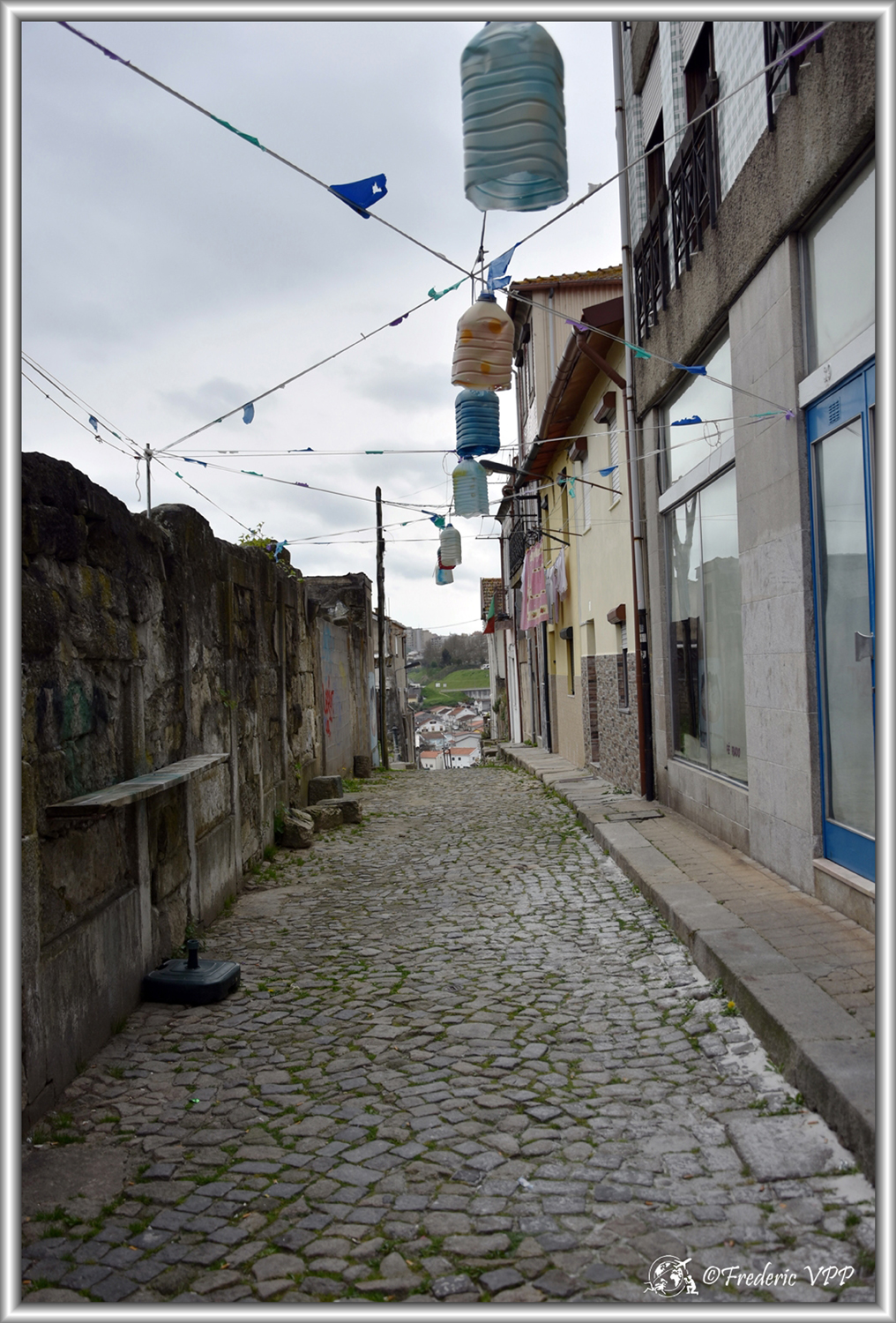
The rentals are transmitted from parents to children, without a real rent update. On the other hand, in the event of recovery by another person, the rent is updated. So, for example, a new tenant pays 250EUR ($285) per month right in front of an old lady, who has lived there since childhood, and who only pays 27EUR ($32) in rent. Of course, today the houses have a bathroom and a toilet and some even have a floor. Life on the islands resembles a small village, mutual aid is constant there. During Saint-Jean or Christmas, each island is decorated and a contest is organized between all the islands. Unfortunately, some houses are now transformed into hotel accommodation, AirBnb style. The spirit of these islands is in danger of being lost.
|
|
Sorry if the links are outdated or not accessible
|