 Douro Valley
The Douro Valley, Porto, Portugal, November 2018
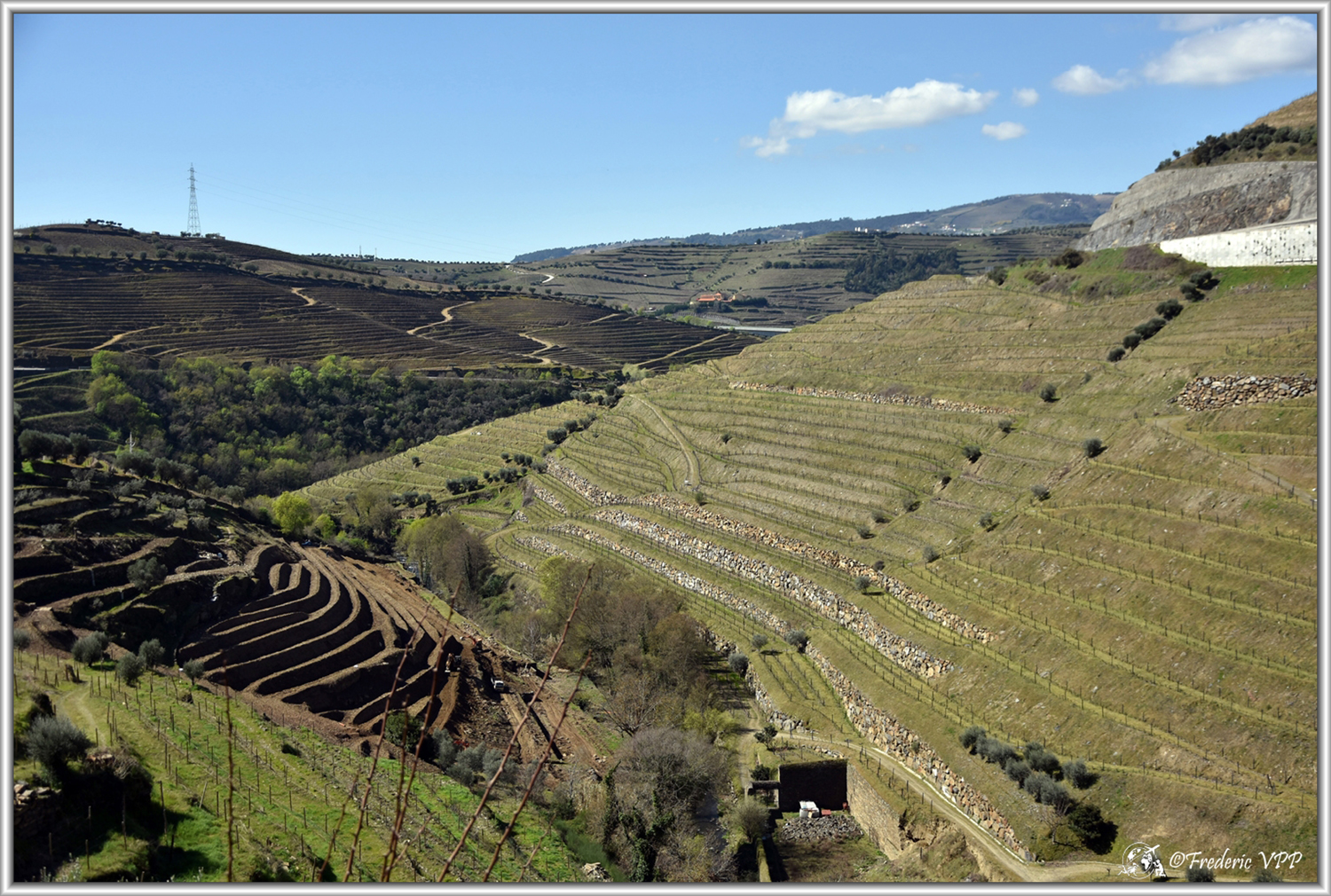
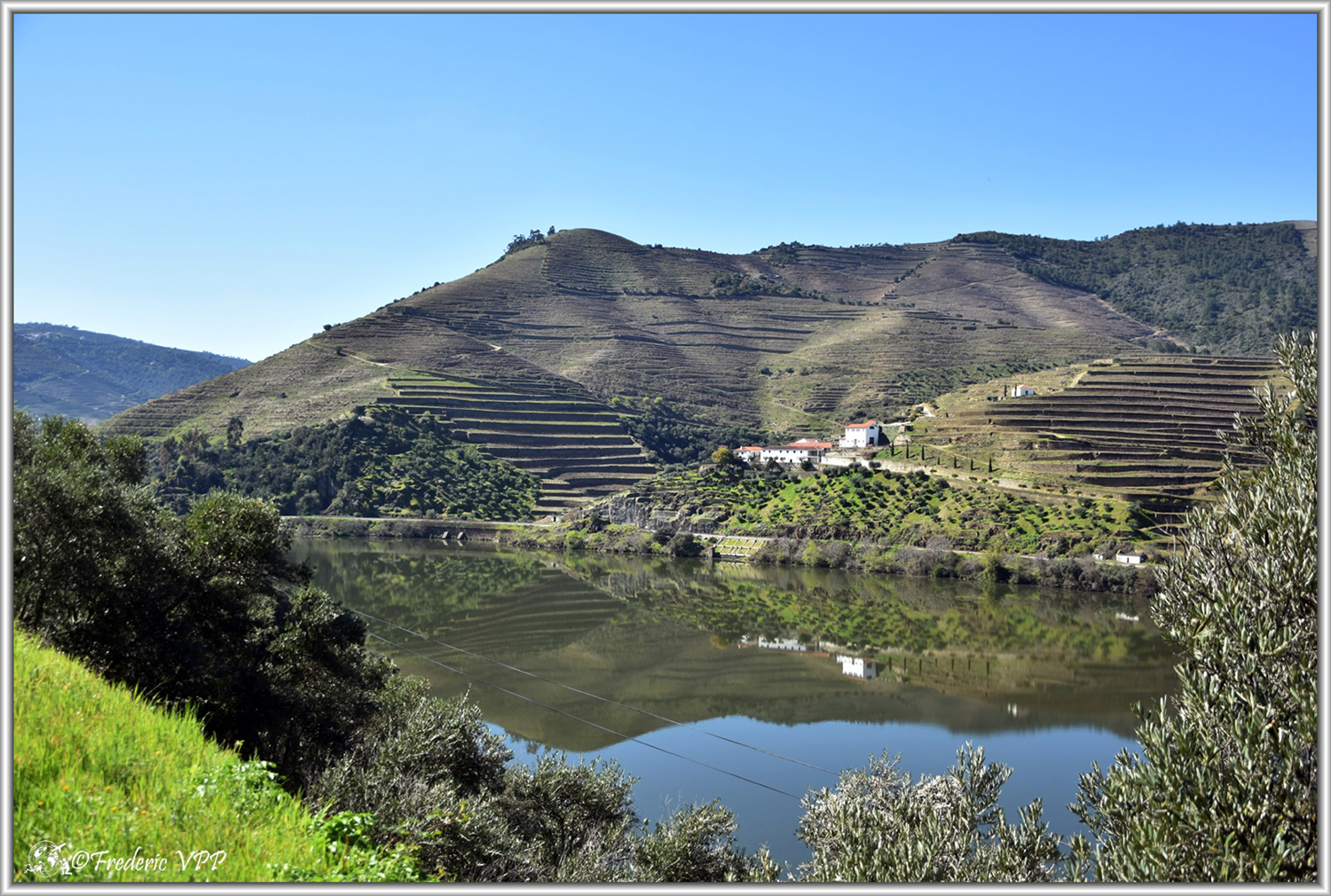
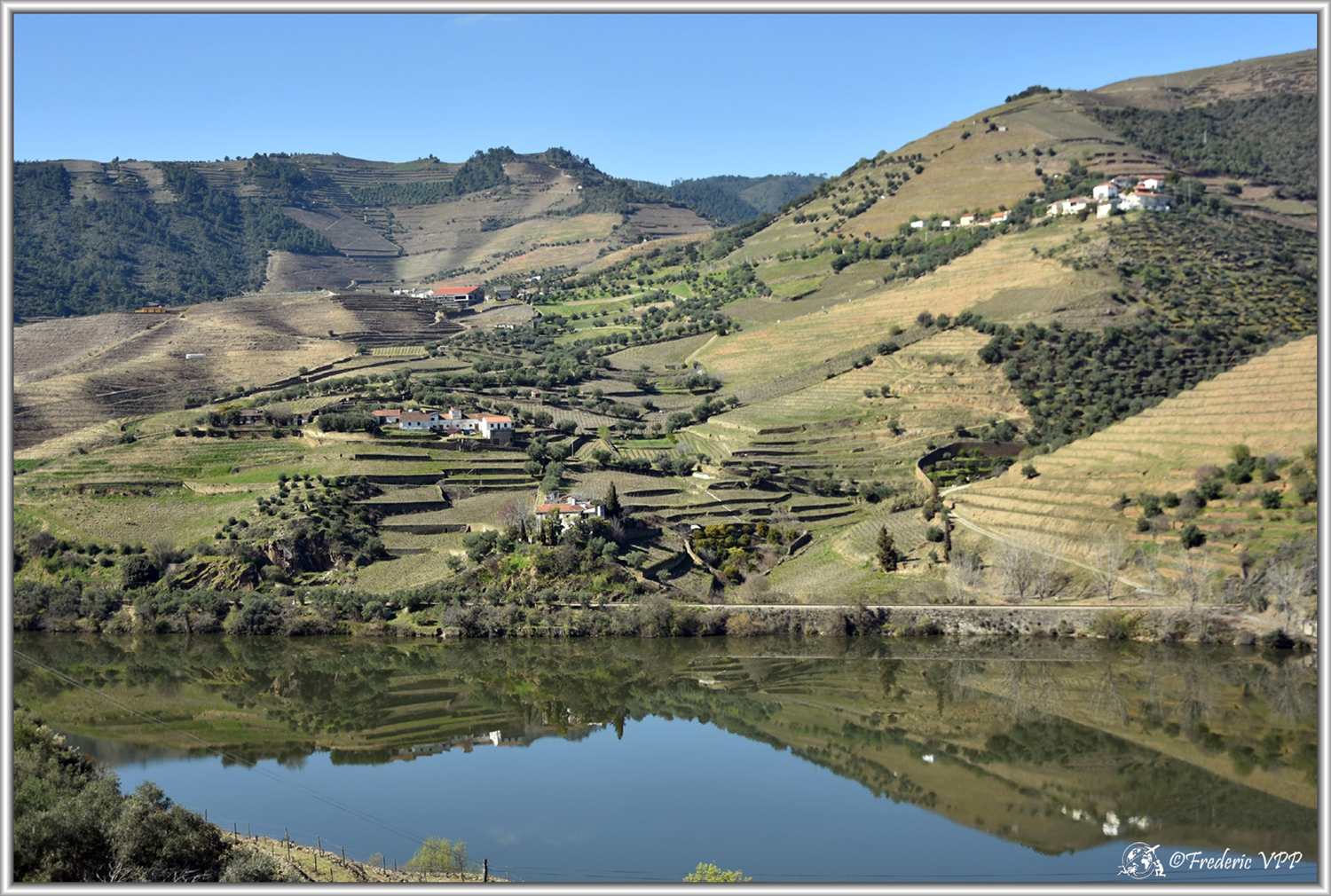
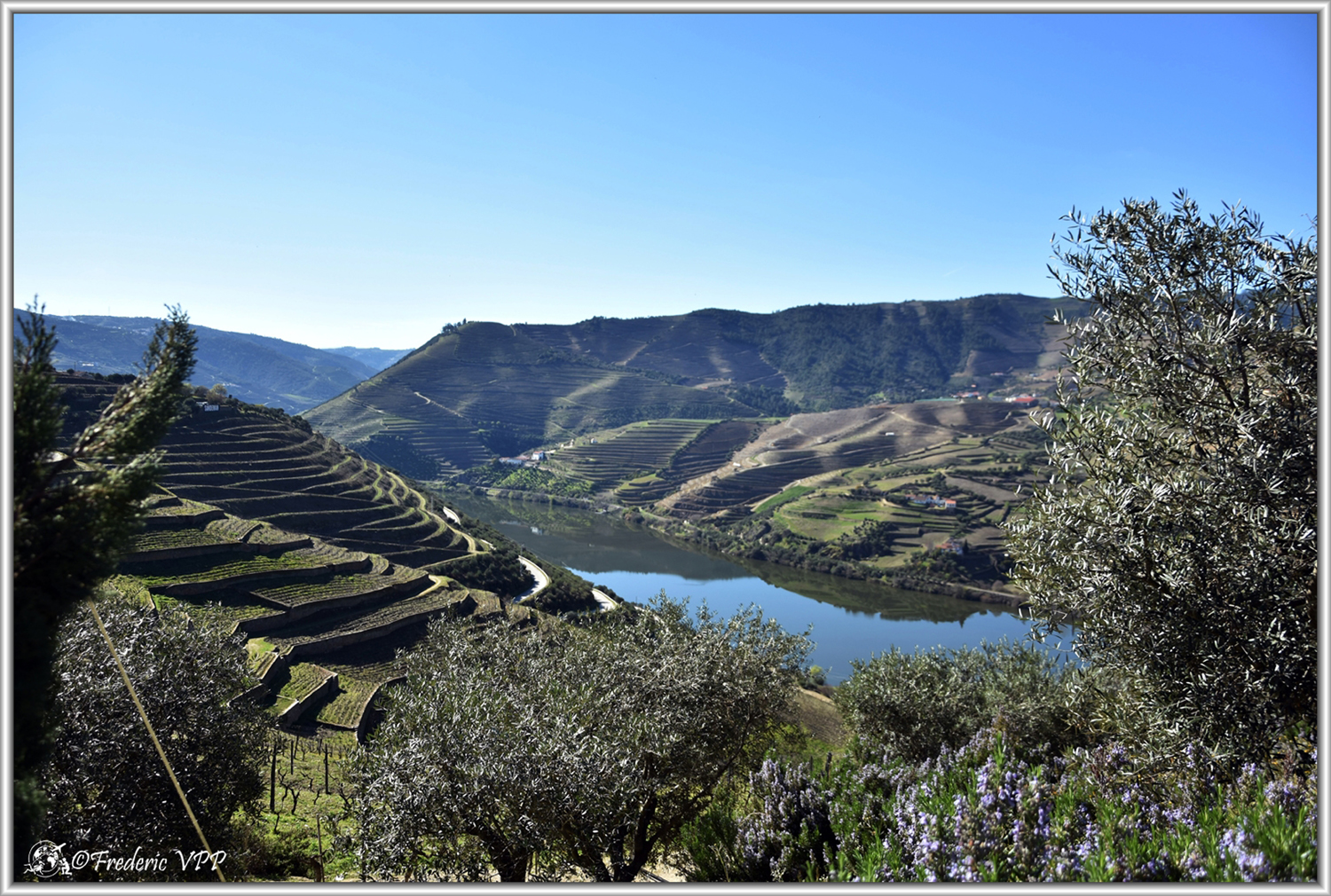
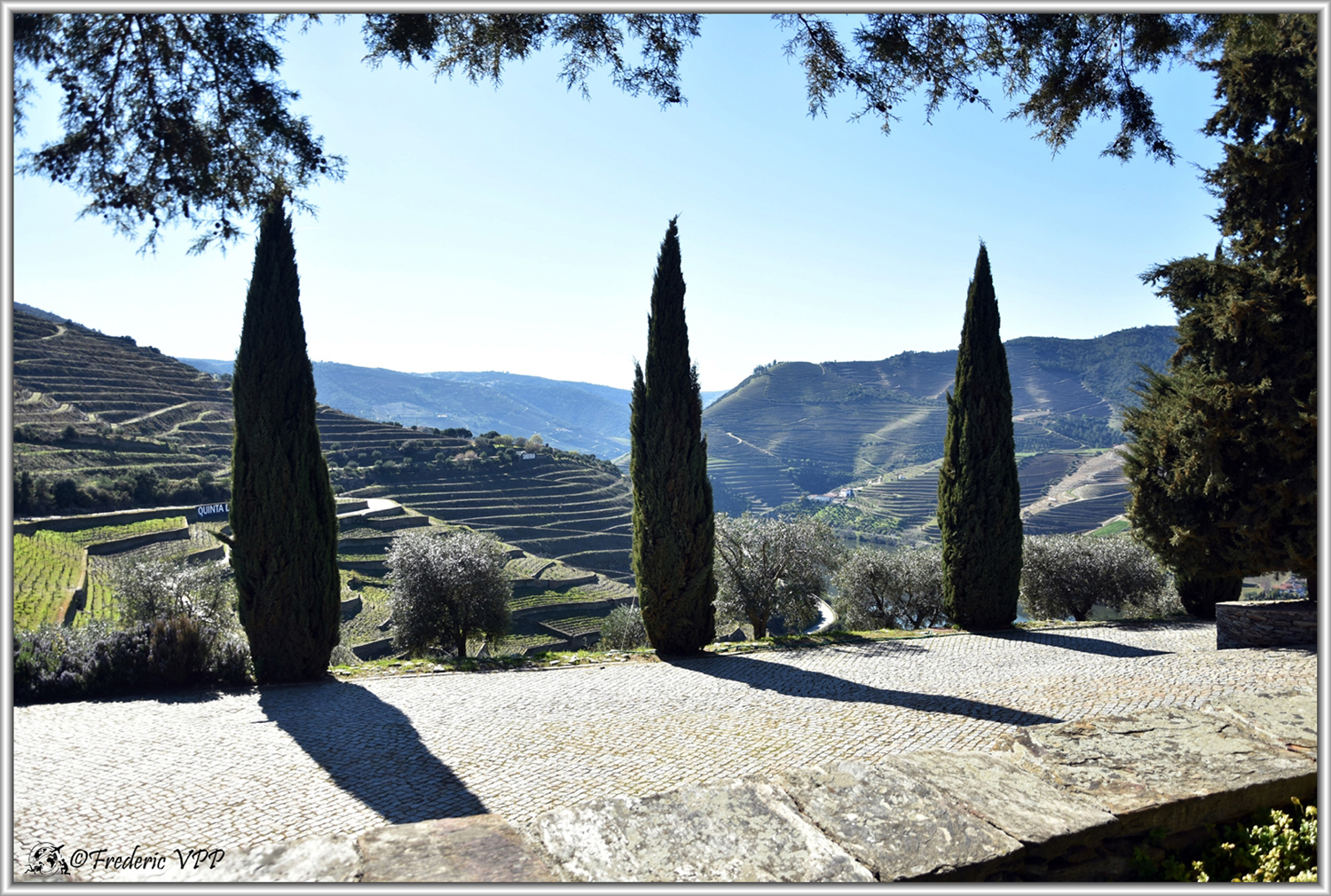
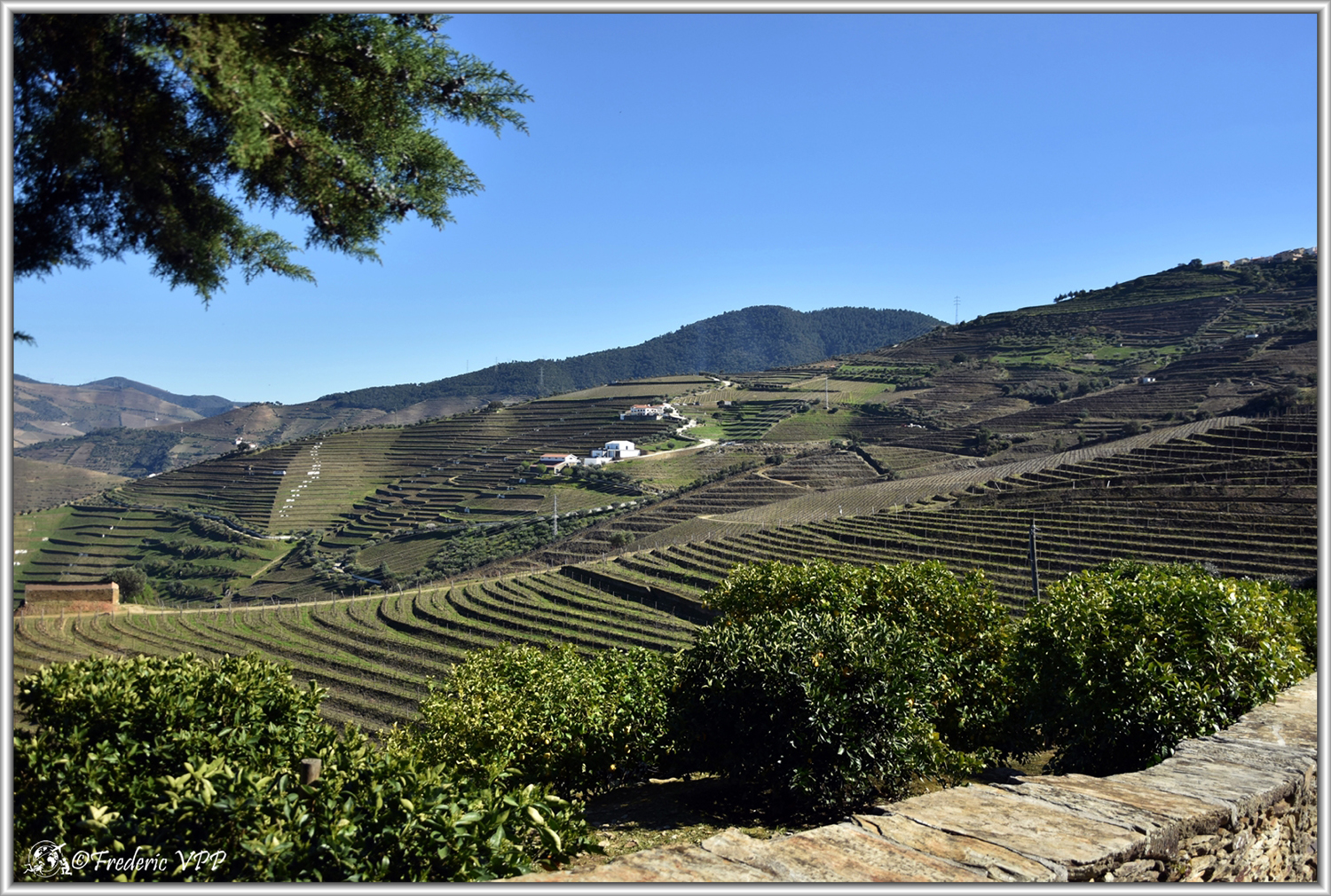
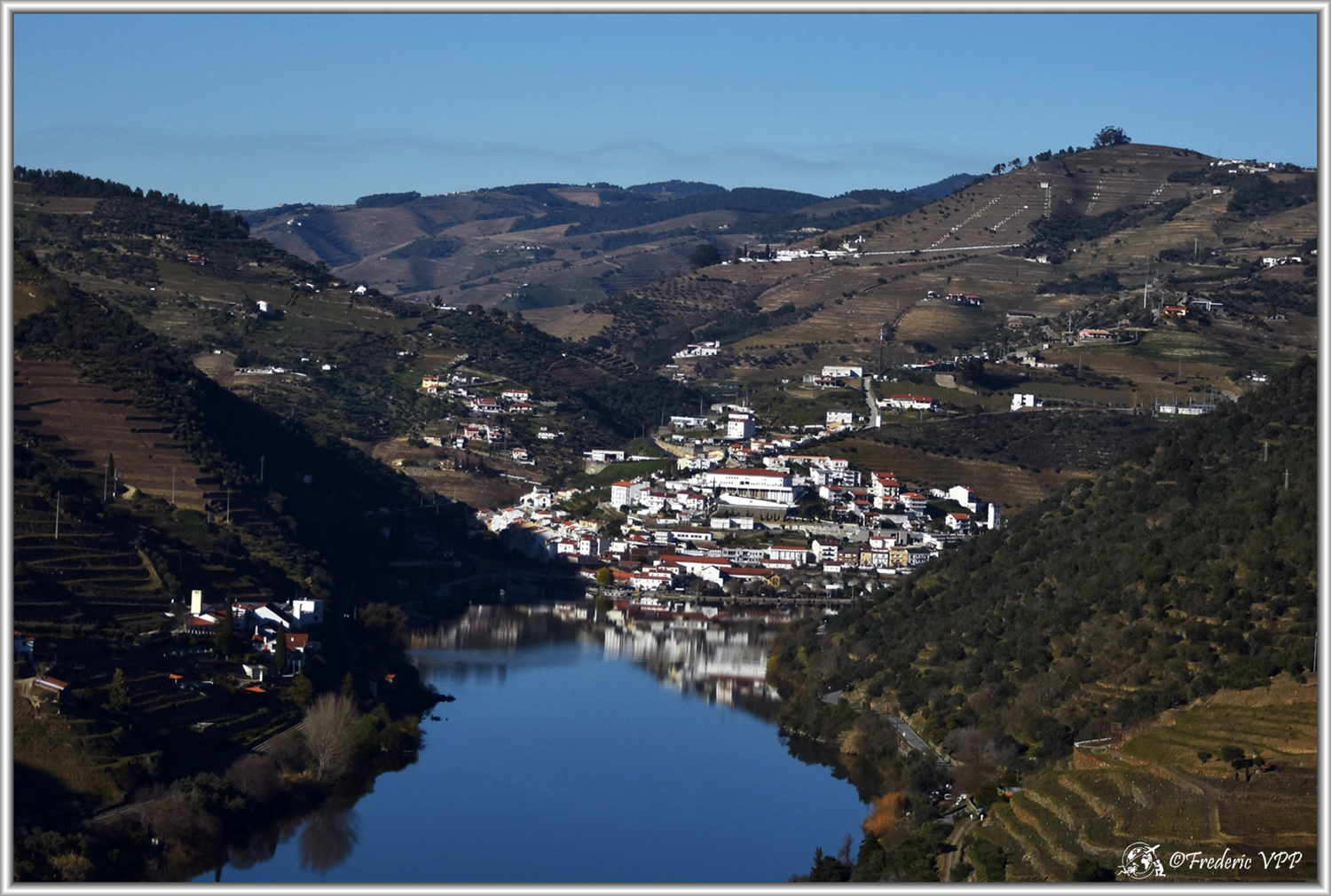
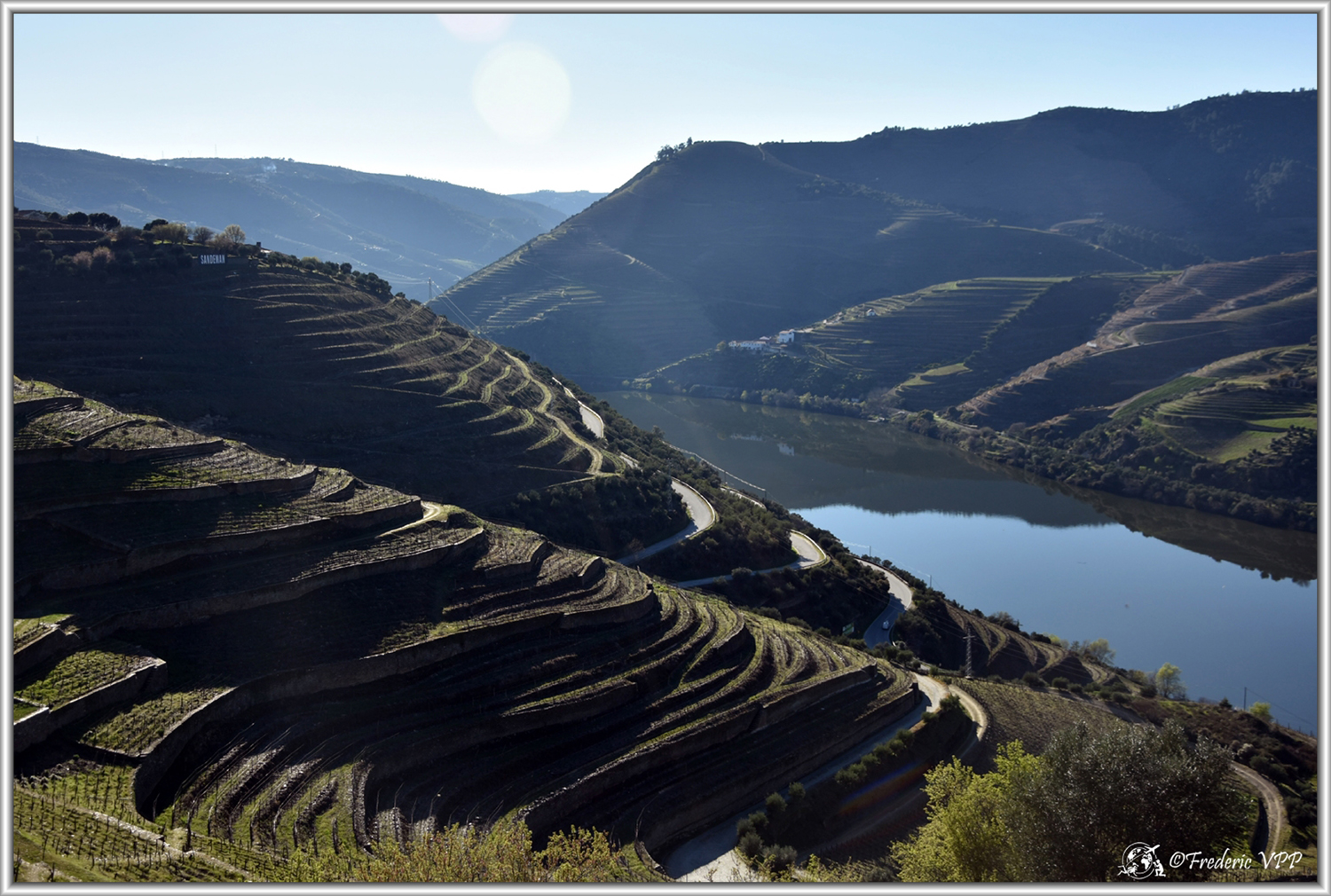
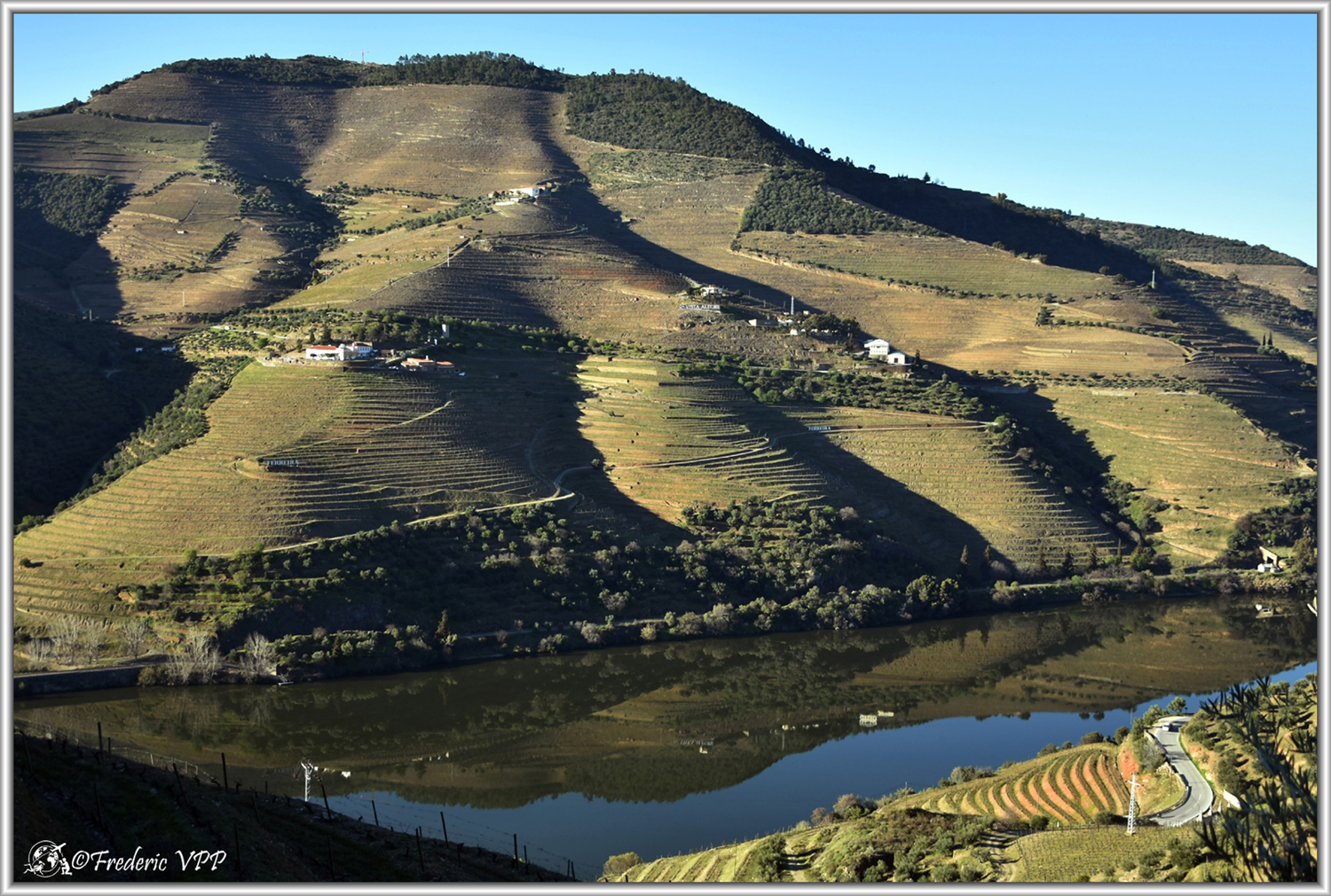
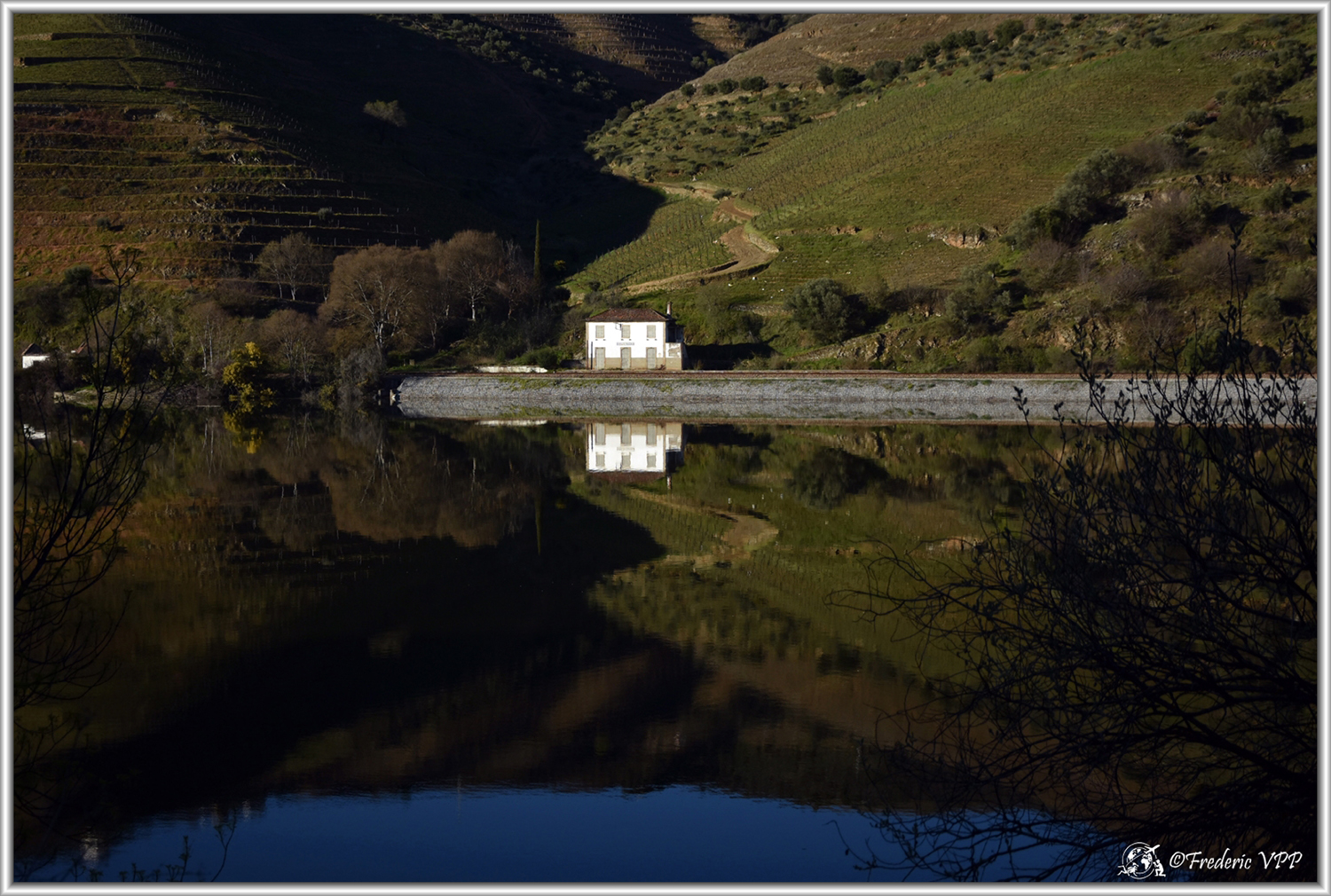
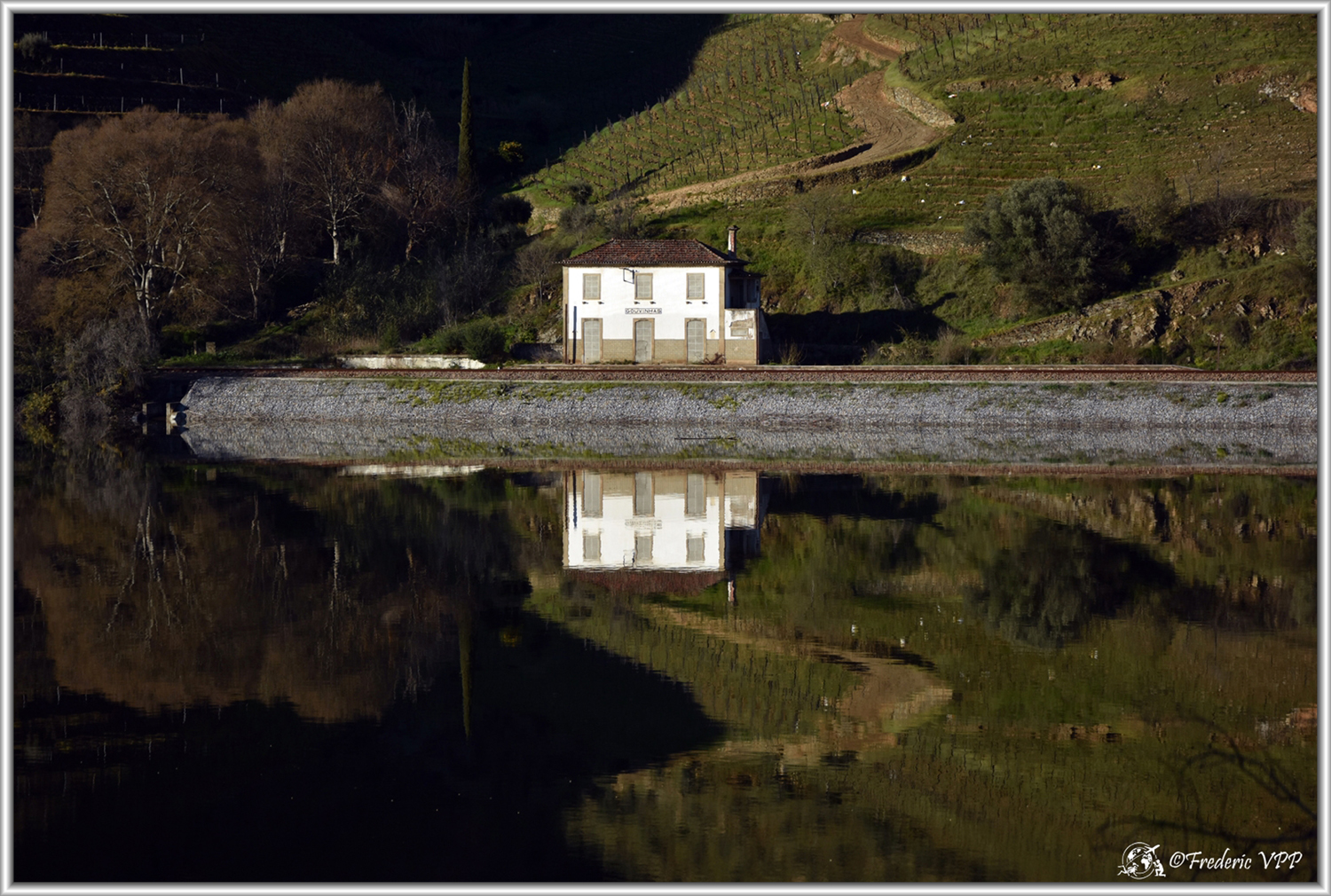
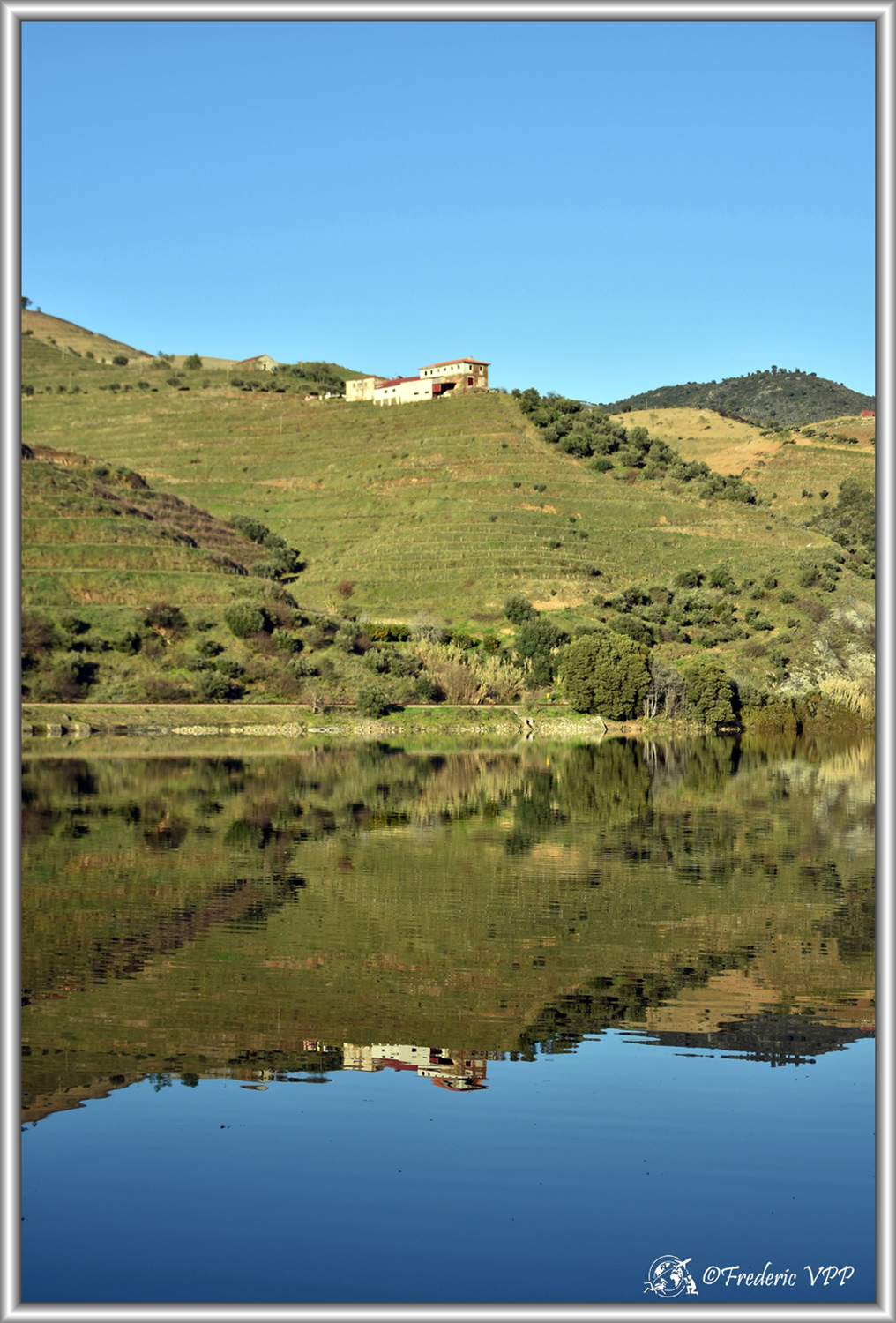
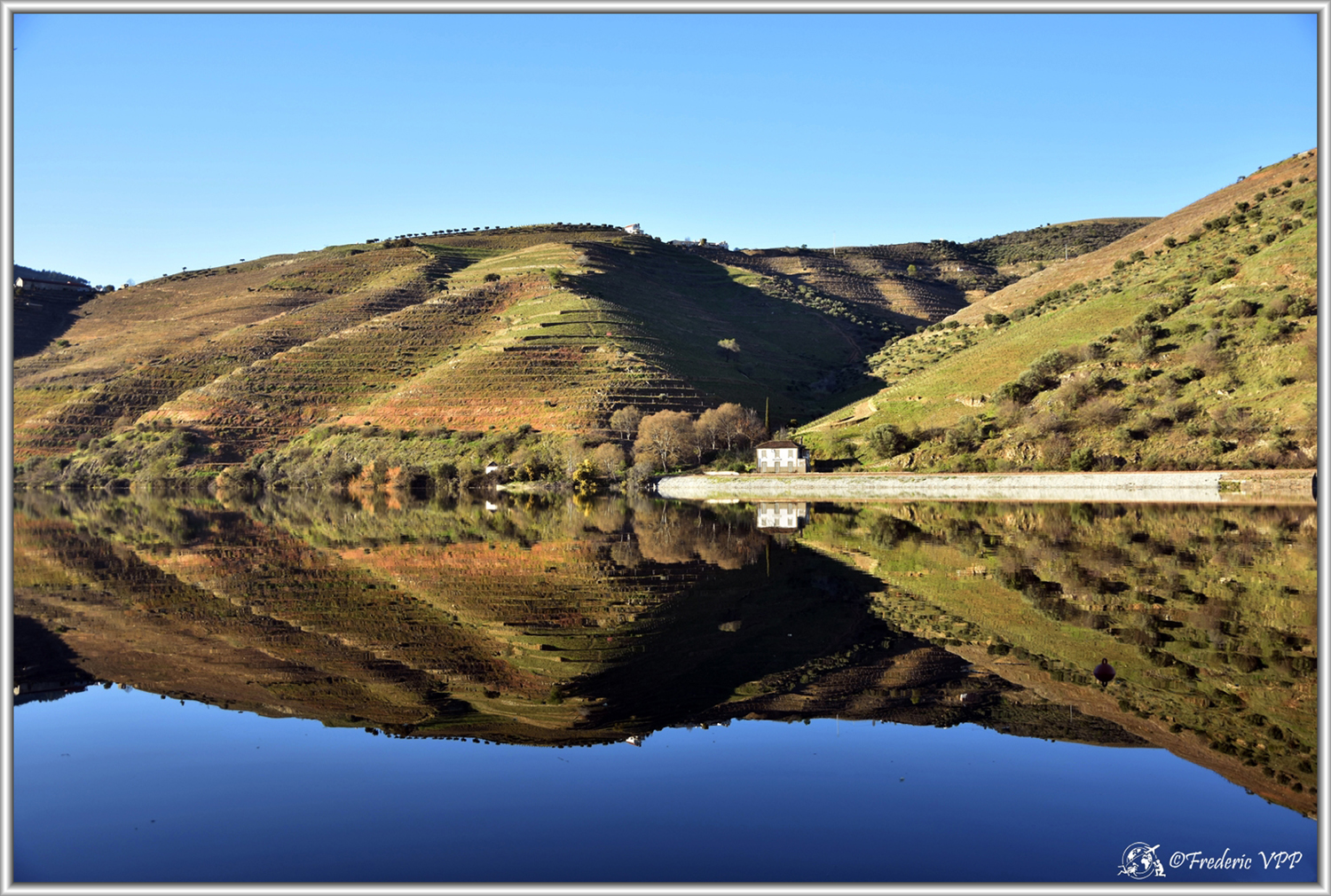
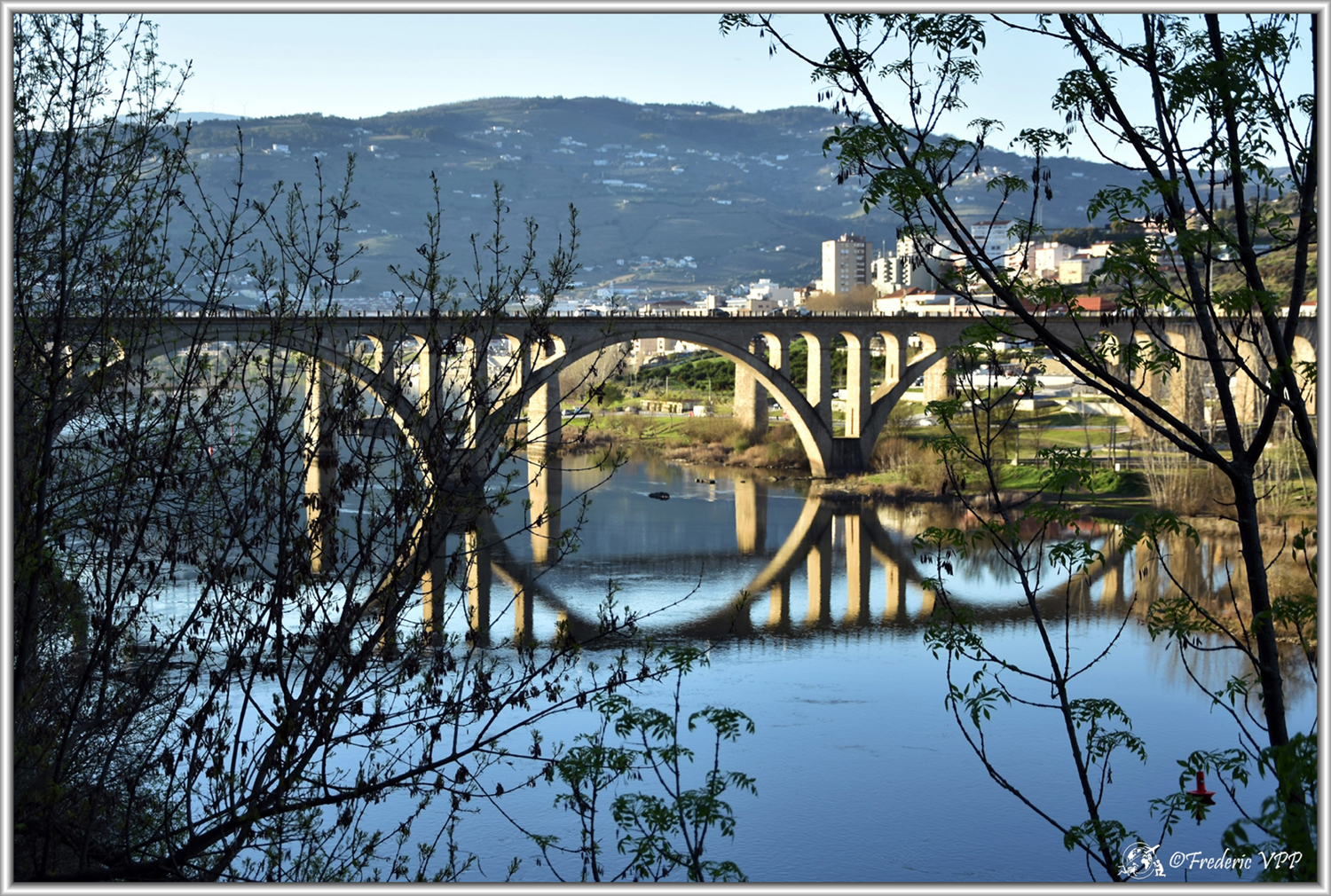
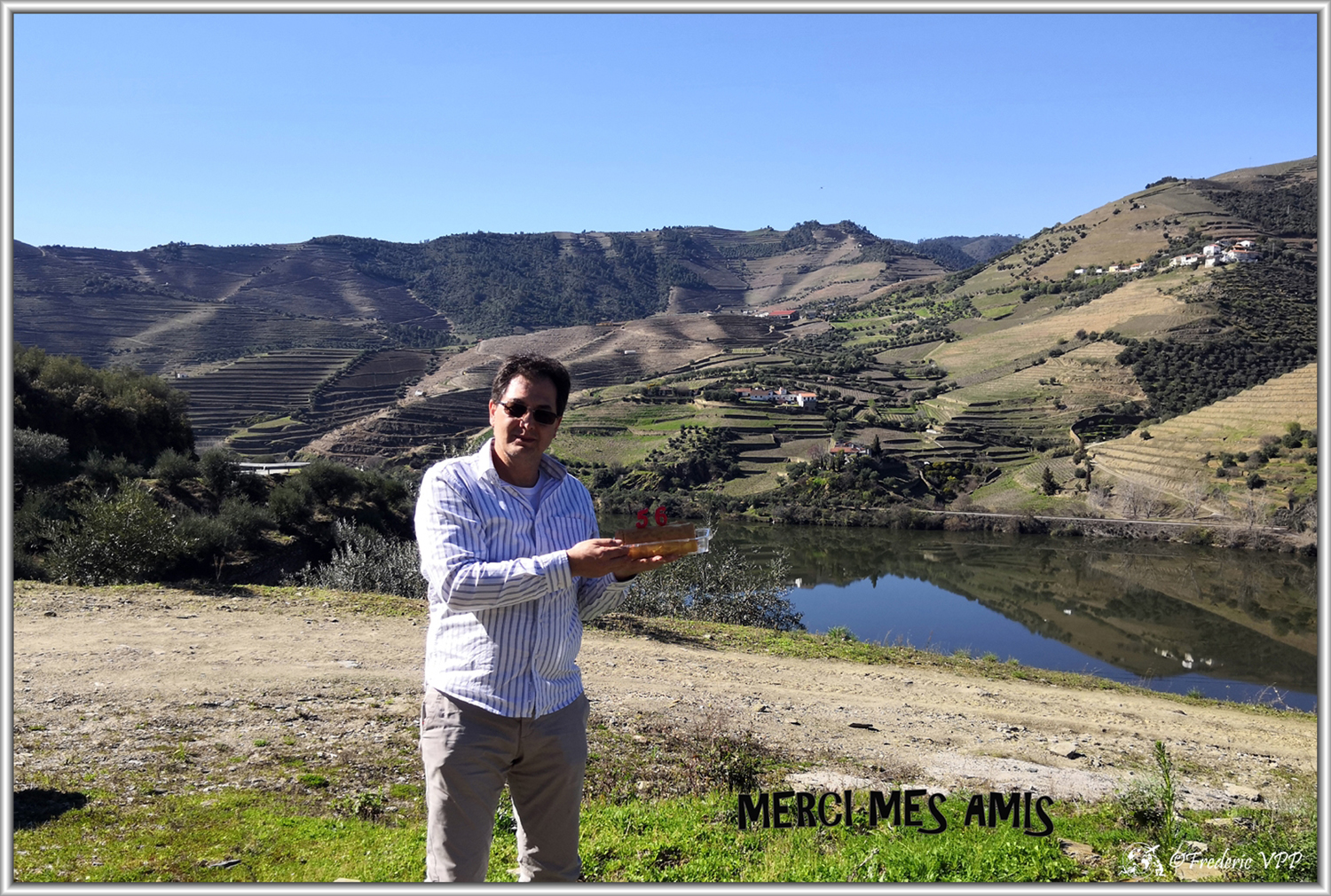
A magnificent journey in the Douro Valley. We were lucky since the sun was out. We followed the route of Virée-Malin which gives us a good overview of the valley. We didn't take a boat trip or take the little train, another time, surely...
|
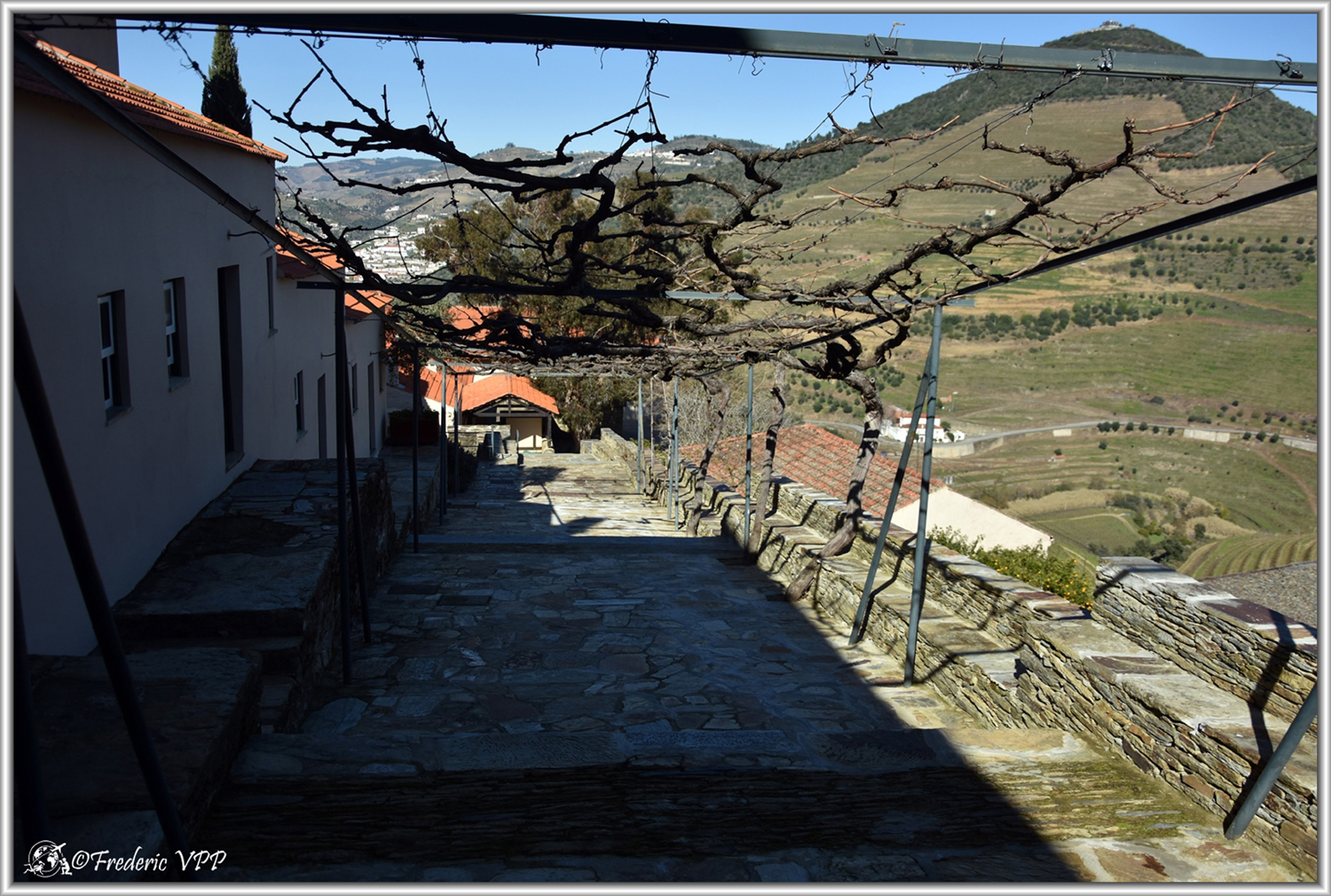
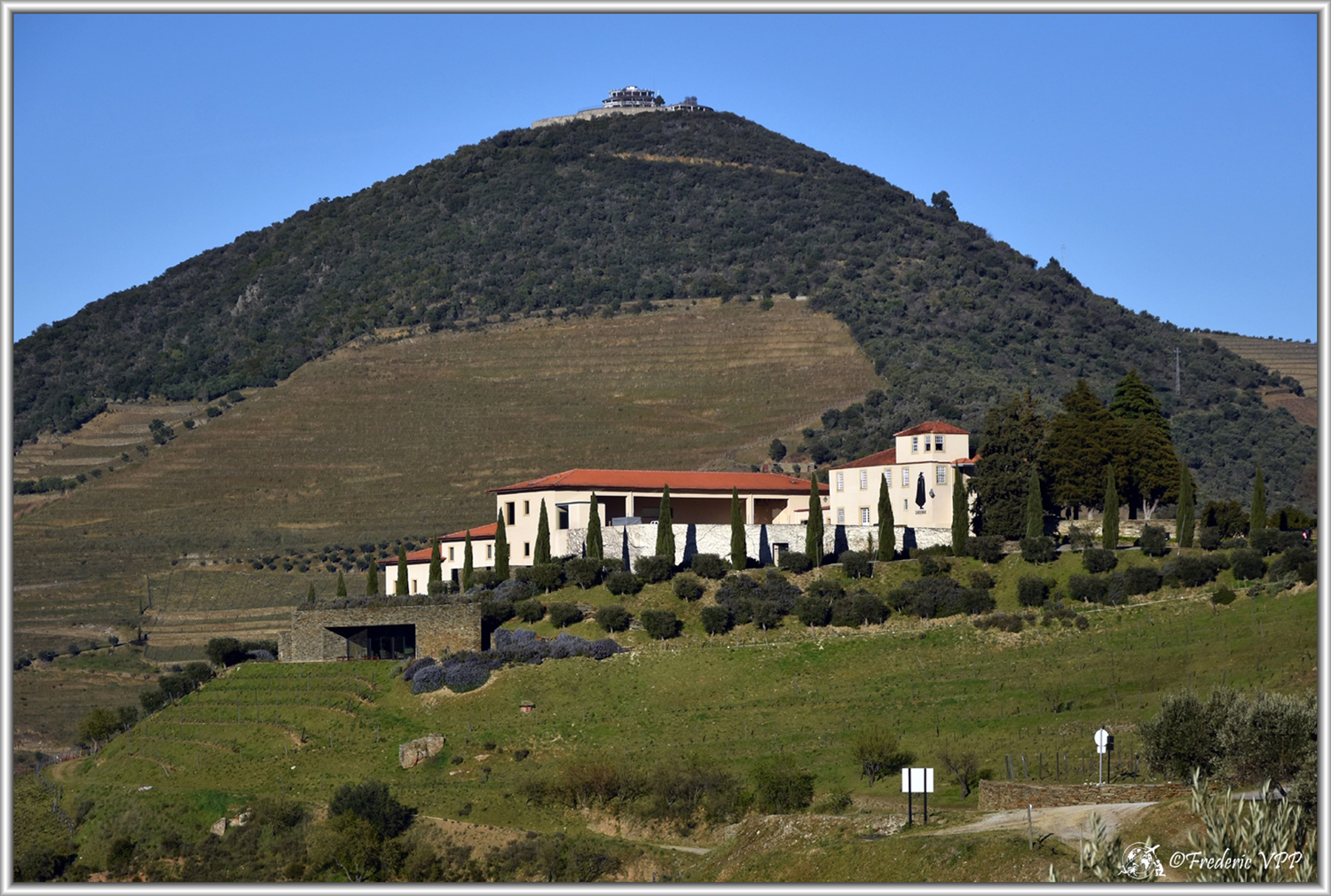
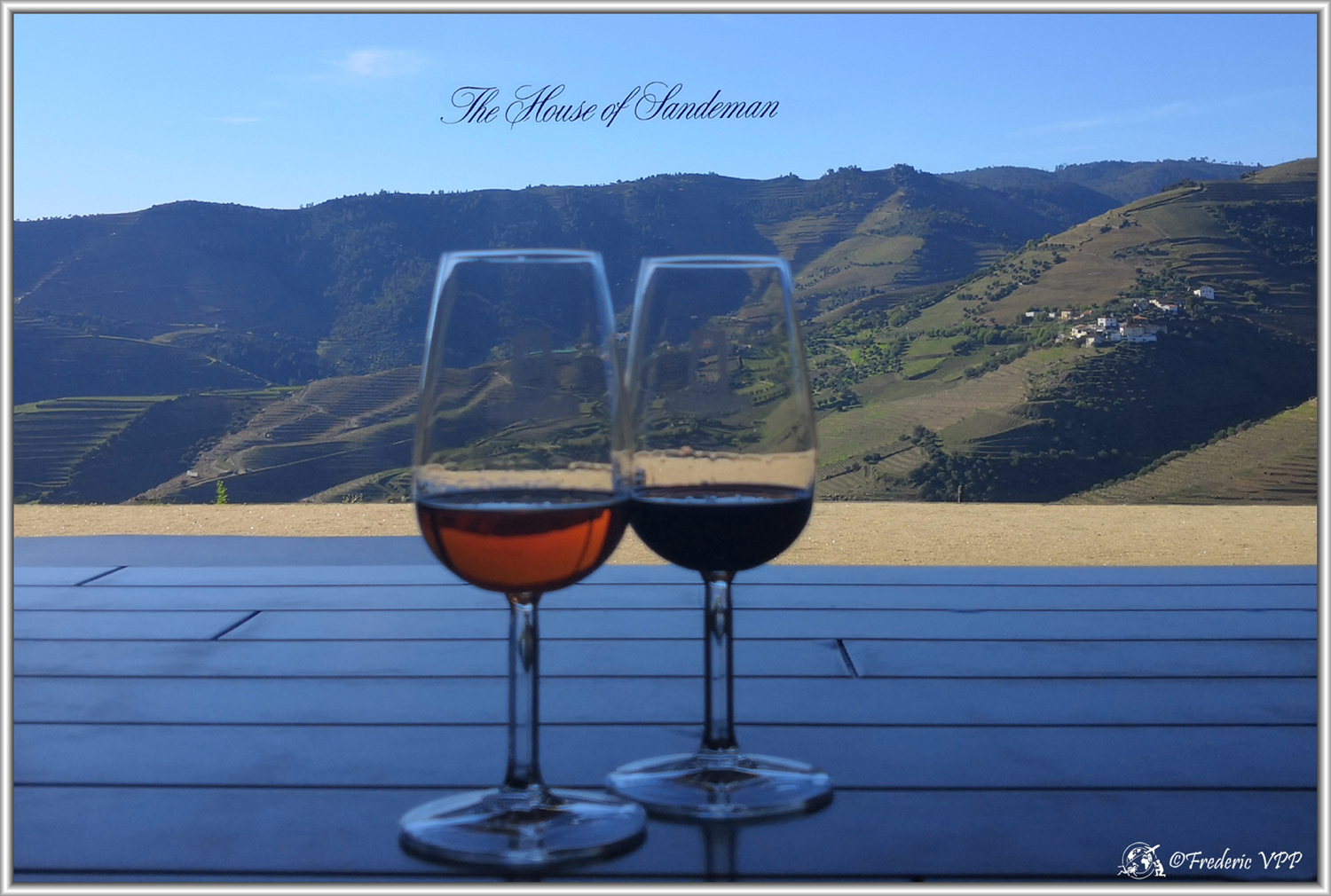
A little picnic high up in the Douro Valley, near the Sandeman port farm that we visited just after. Of course, a tasting was essential at the end of the visit.
That day was also my birthday and my friends surprised me with a cake that we ate with great pleasure, especially with the enchanting view we had. Blowing out the candles was not easy...
|
|
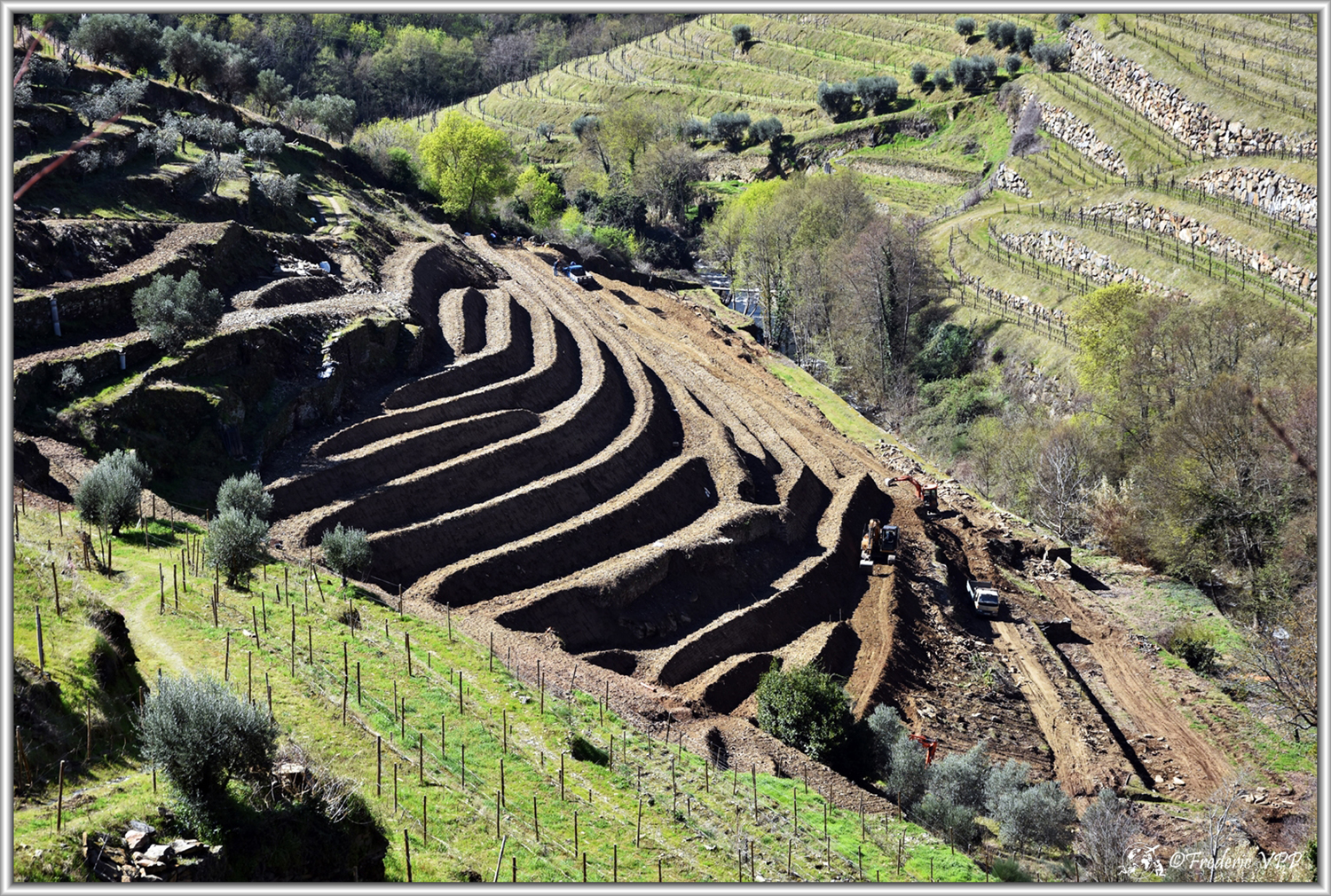
Douro wine benefits from the oldest controlled appellation in the world, awarded in 1756. The vineyards of the Upper Douro Valley were declared World Heritage in 2001. The soils are schistose and, to a lesser extent, granite. The Mediterranean climate is characterized by a hot and dry summer, and often violent fall and winter rainfall. Cultivation is done on steep vineyards, laid out in terraces. The breaking up of the shale rock is done up to 1.30 meters deep to allow the infiltration of water and the development of the root system. The oldest vines can have roots of 15m (49ft).
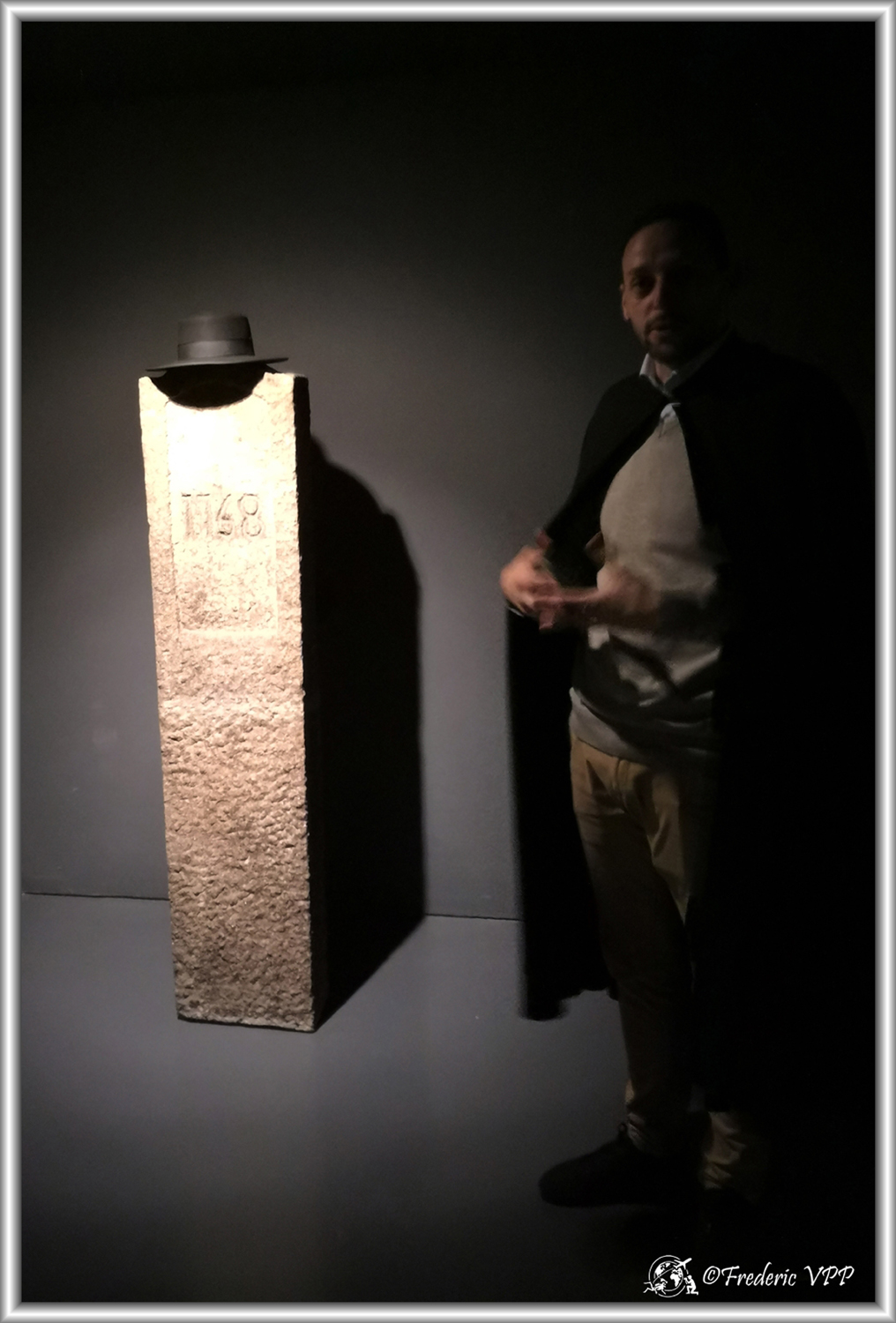
Wine has been produced in the Douro Valley since Antiquity, but it was not until the 17th century that the appellation "Port wine" appeared, a wine that enjoyed great popularity. success in England. Following a French embargo which deprived them of the claret" of Bordeaux, they found a similar wine in port. Unable to support travel, Jean Beardsley, an English merchant, decided to add wine eau-de-vie to it. pure to increase its degree of alcohol. Port was born. In 1756, a committee met to guarantee quality criteria, a precursor of protected designations of origin in a way. Port barrels had to be transported by boat, (the rabelos) to Vila Nova de Gaia, where the main port wine companies were located.These boats are no longer in use today but can still be seen on the course of the river.
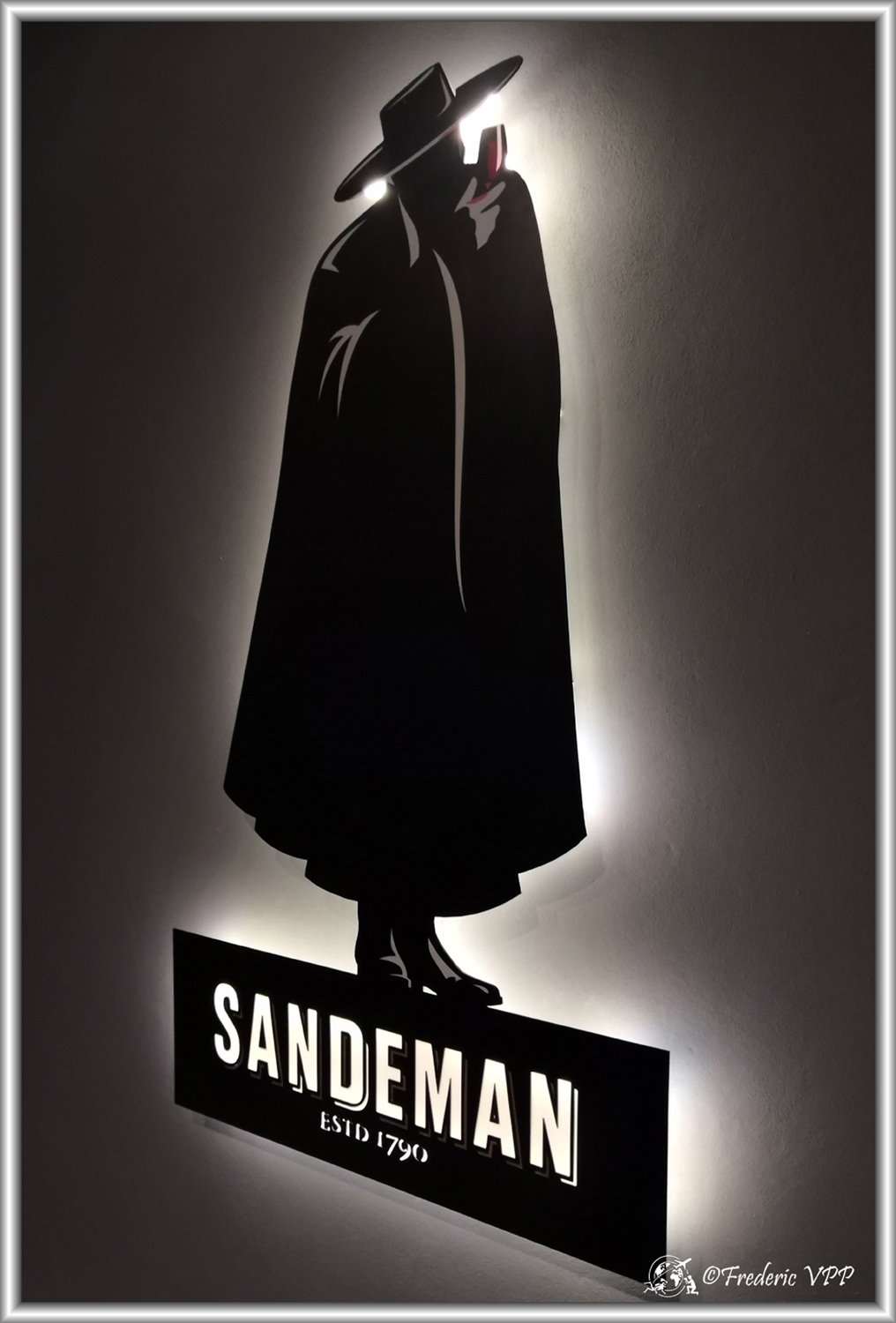
Sandeman is a Port and Sherry wine brand founded in 1790. Its well-known logo depicts a capped man named Don, wearing a Portuguese student's cape and a large Spanish hat. Besides Port and Sherry wines, it also produces brandy and Madeira wine.
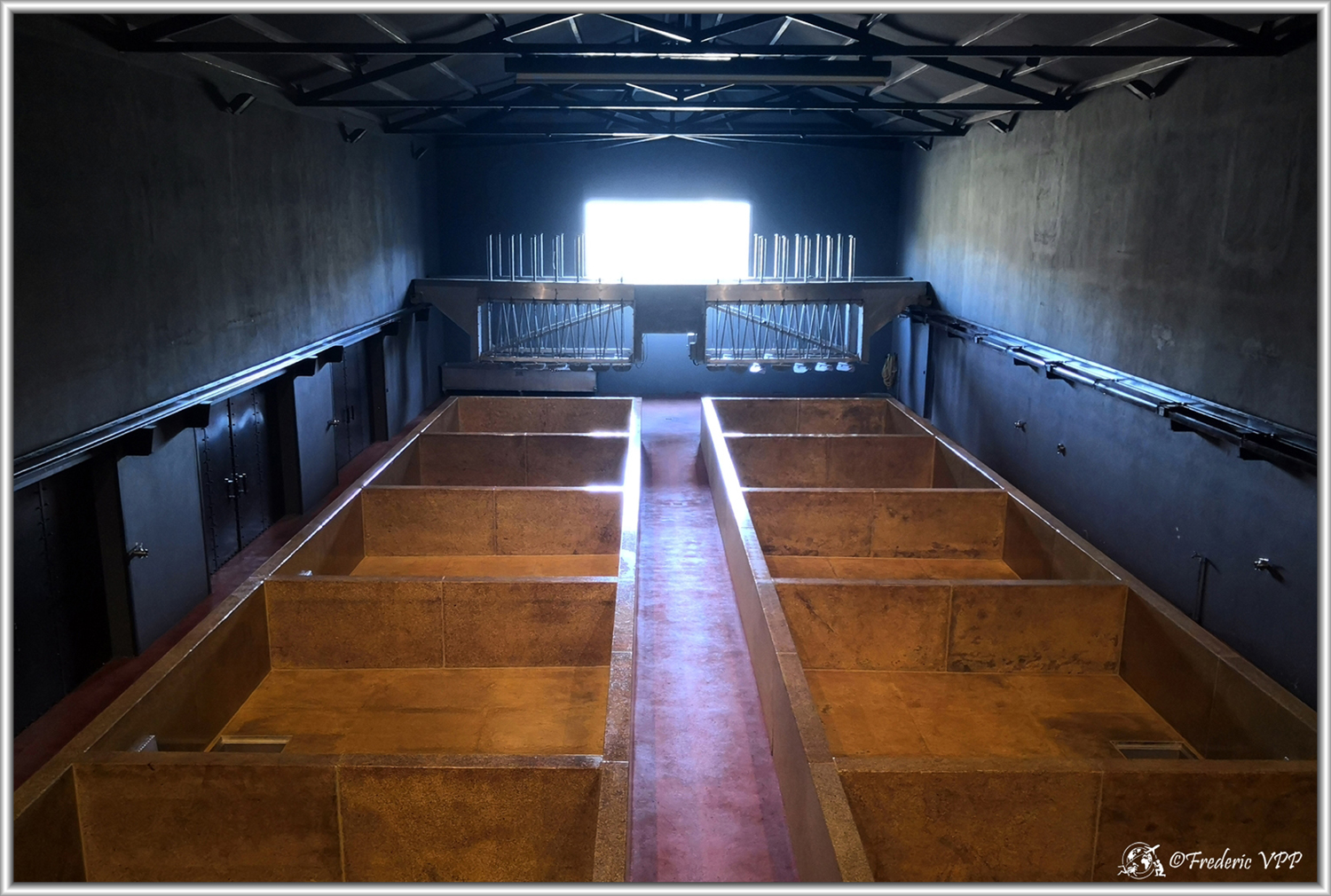
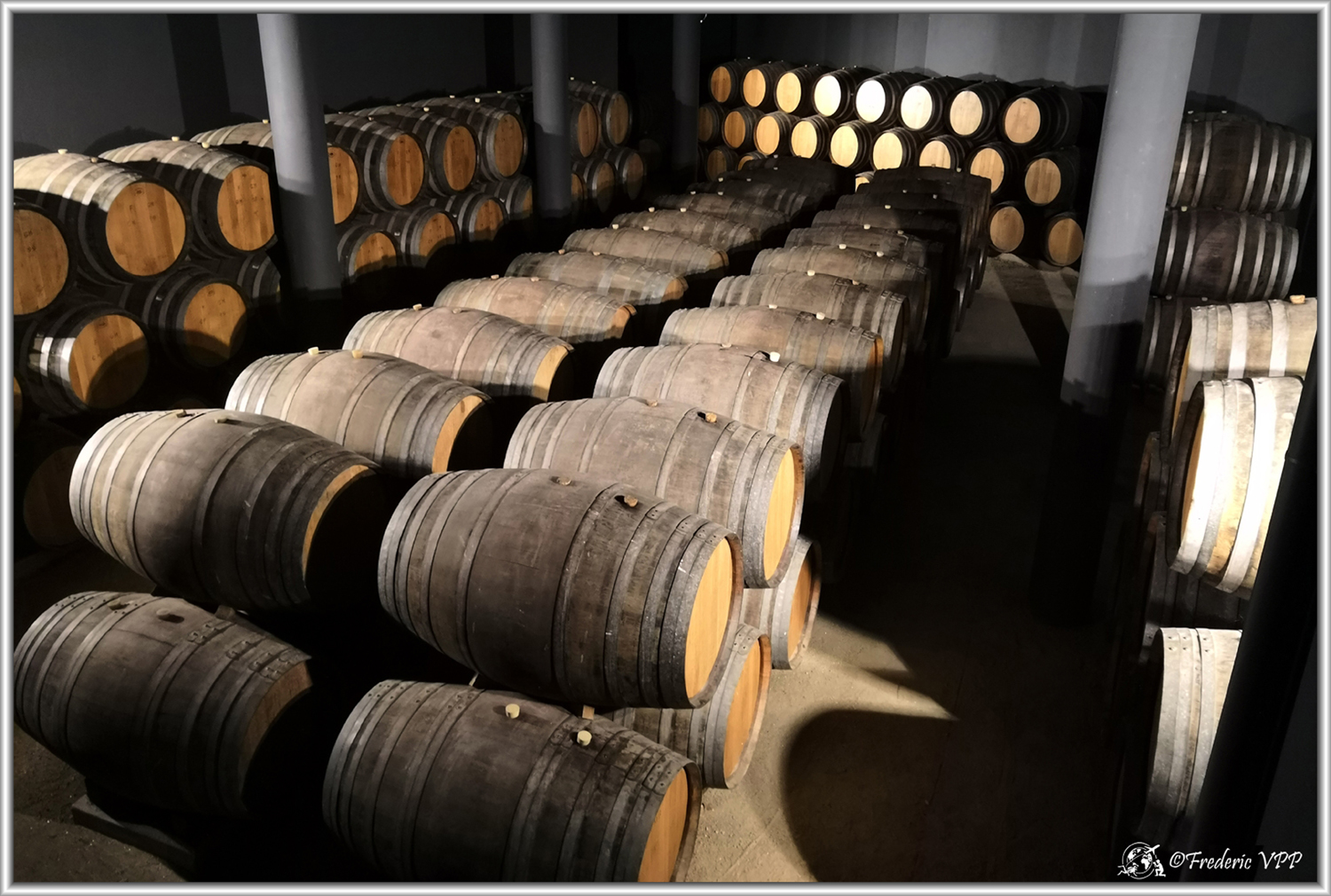
For many years, treading was done by pickers. Now machines do it, simulating human footsteps but without breaking the pits that can add a dose of acidity to the wine. The wine is stored in barrels to age and macerate. To cut off this maceration, wine water is added. At this stage, the port wine can now be stored.
|
|
Sorry if the links are outdated or not accessible
|