 Forbidden City, Beijing
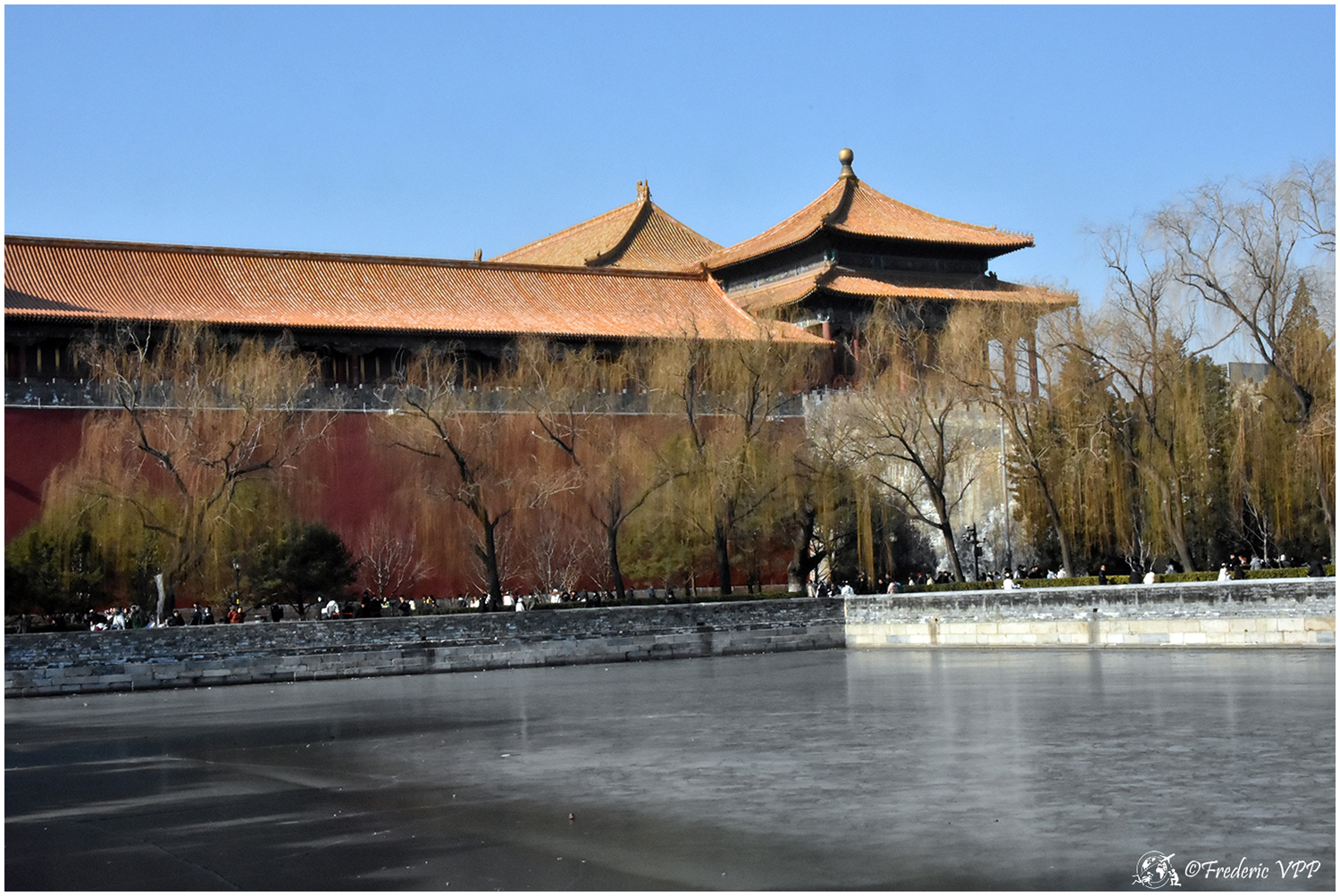
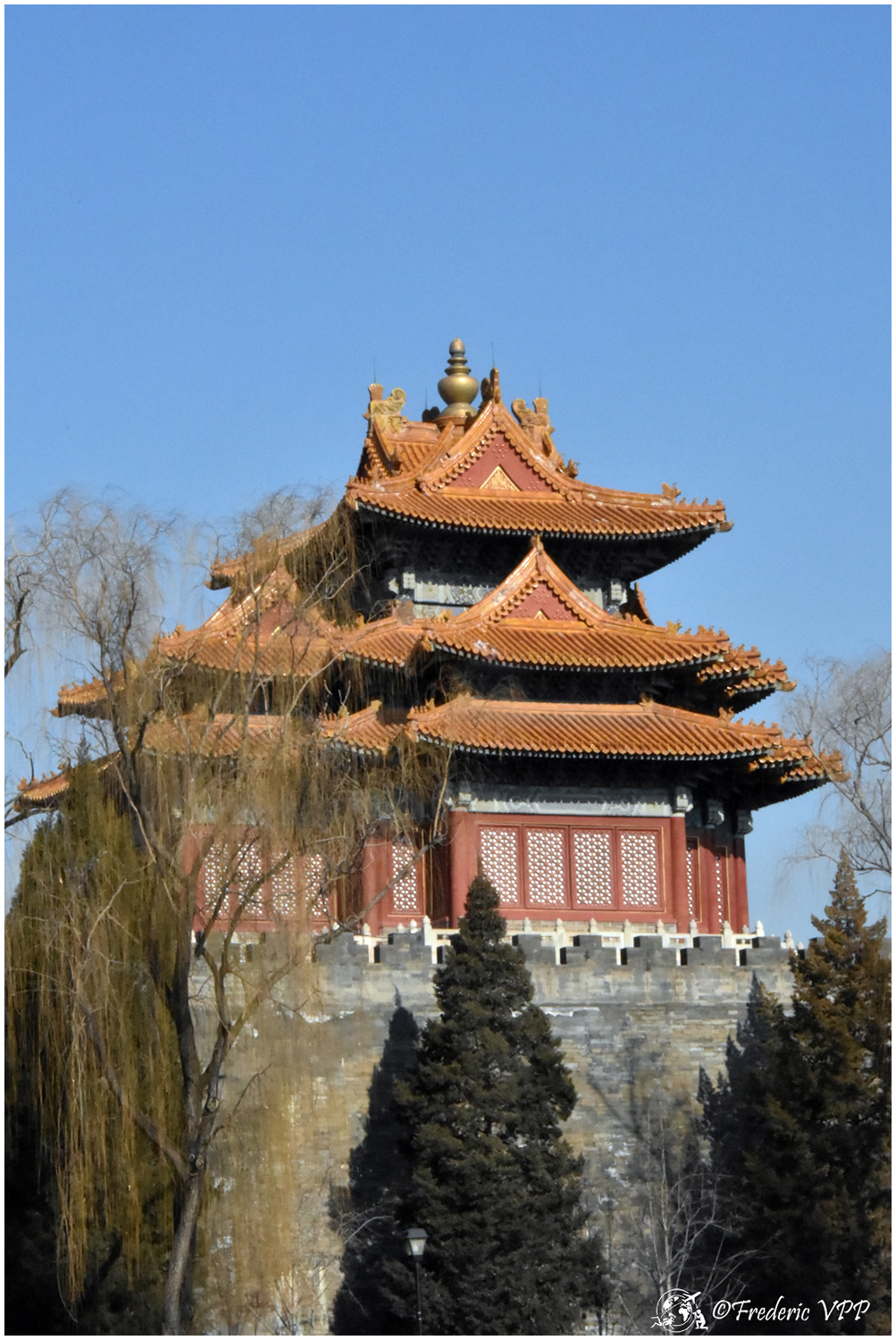
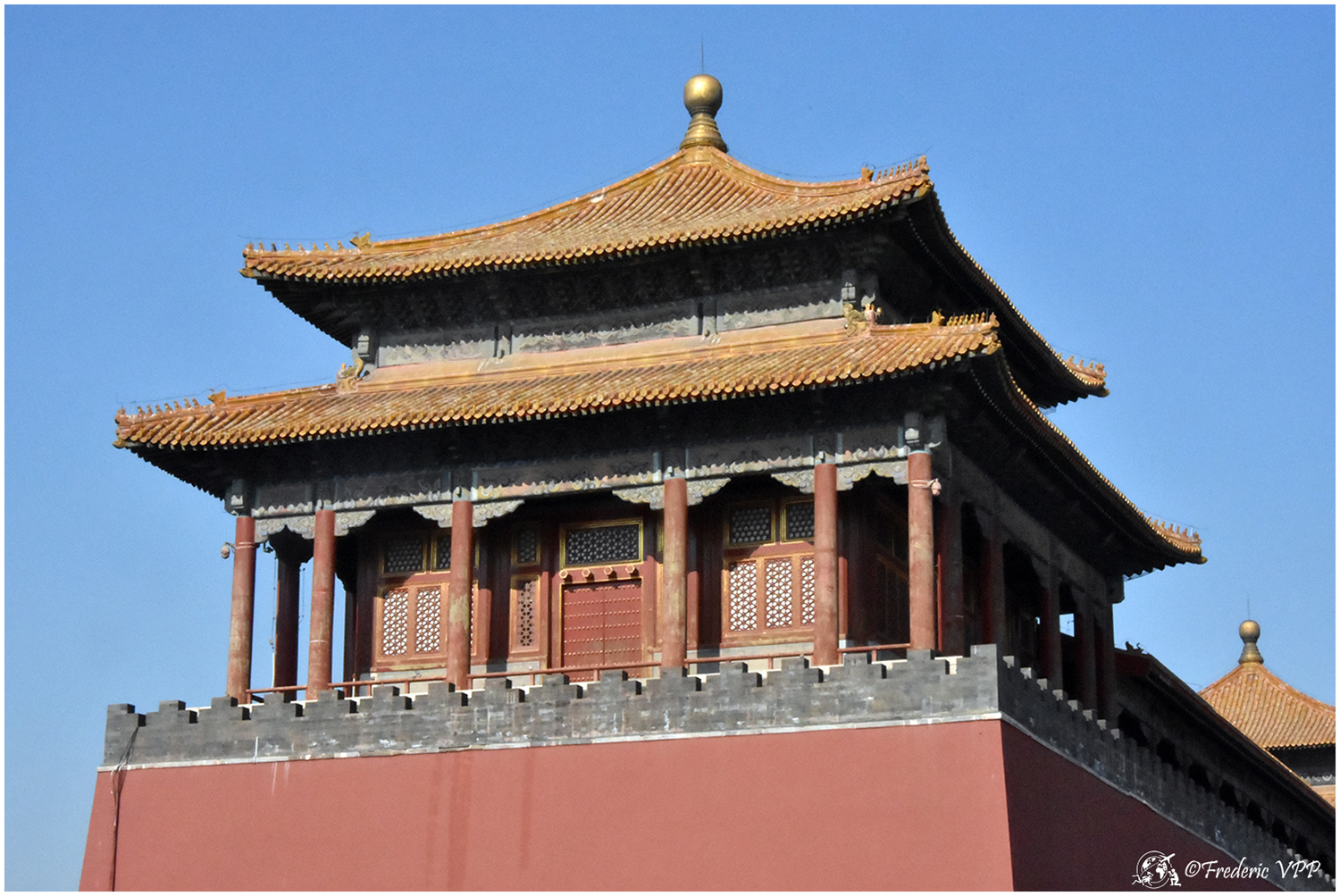
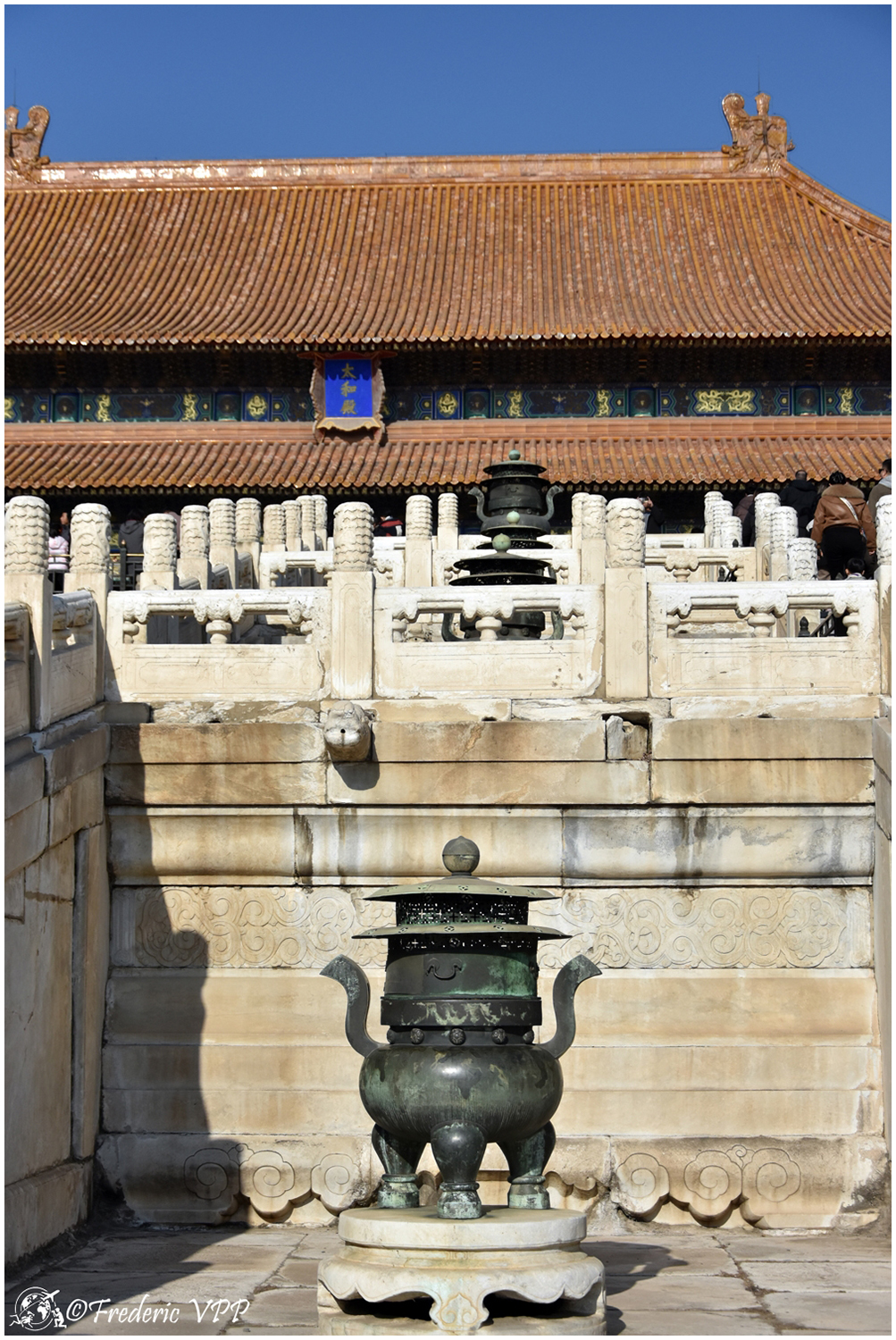
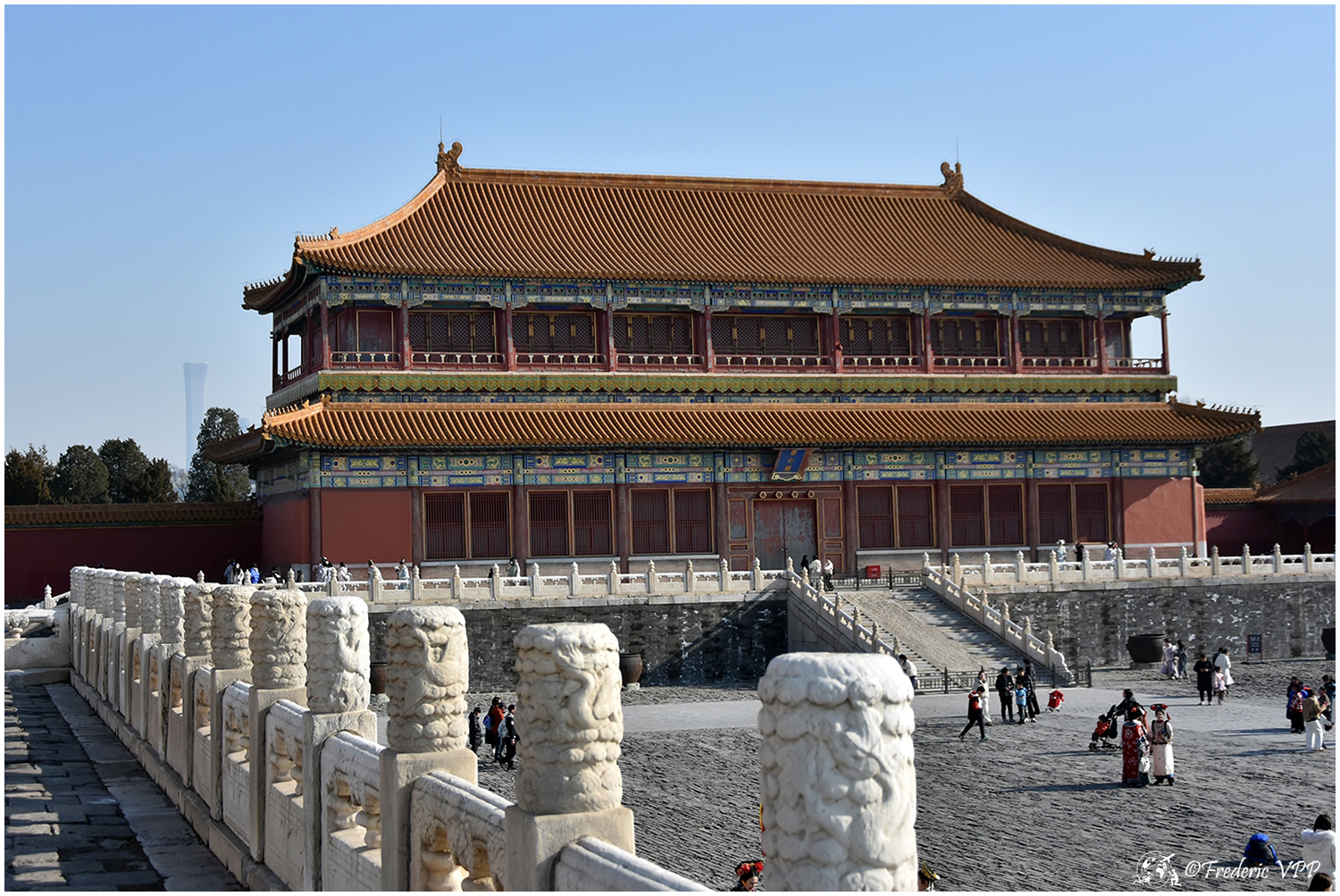
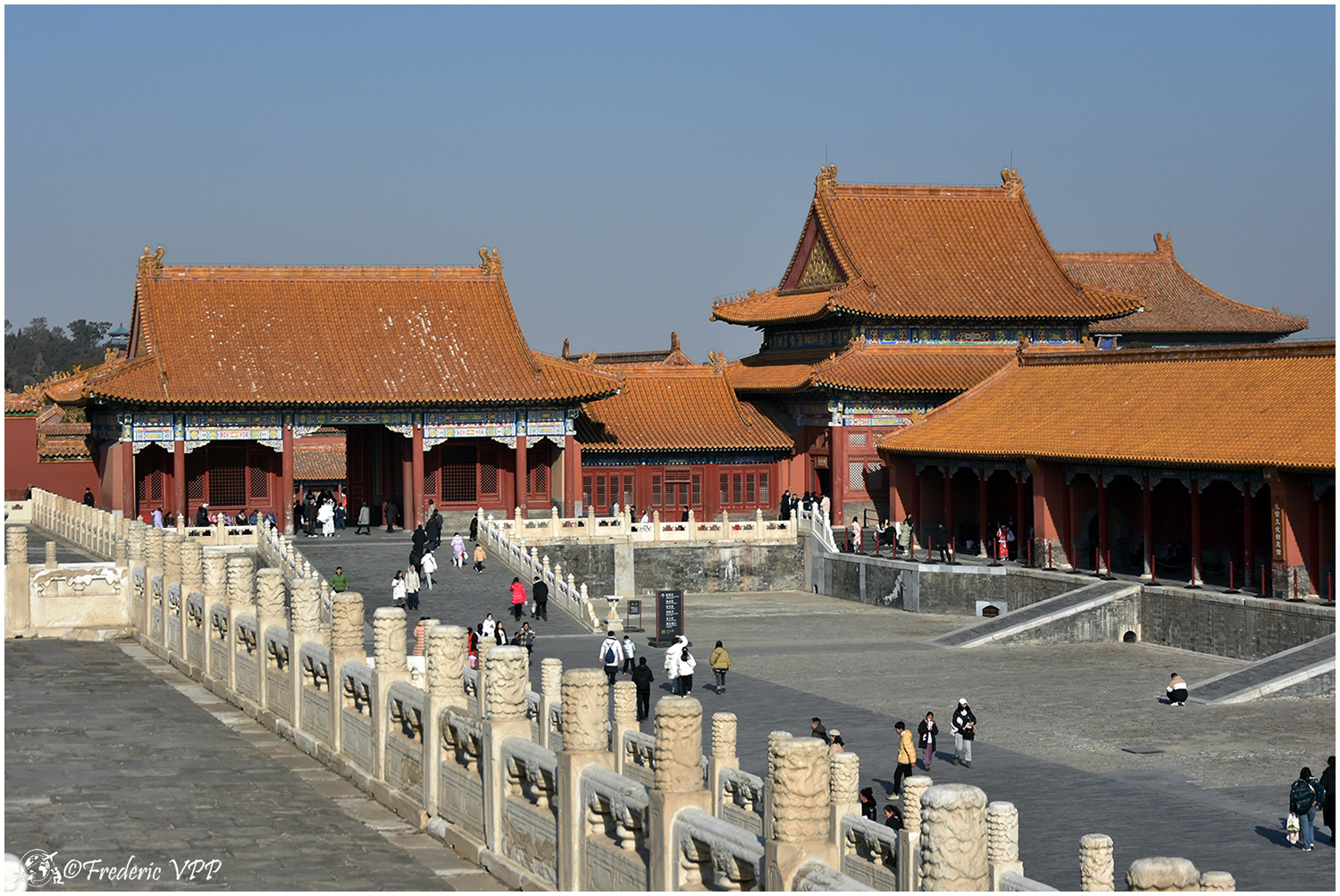
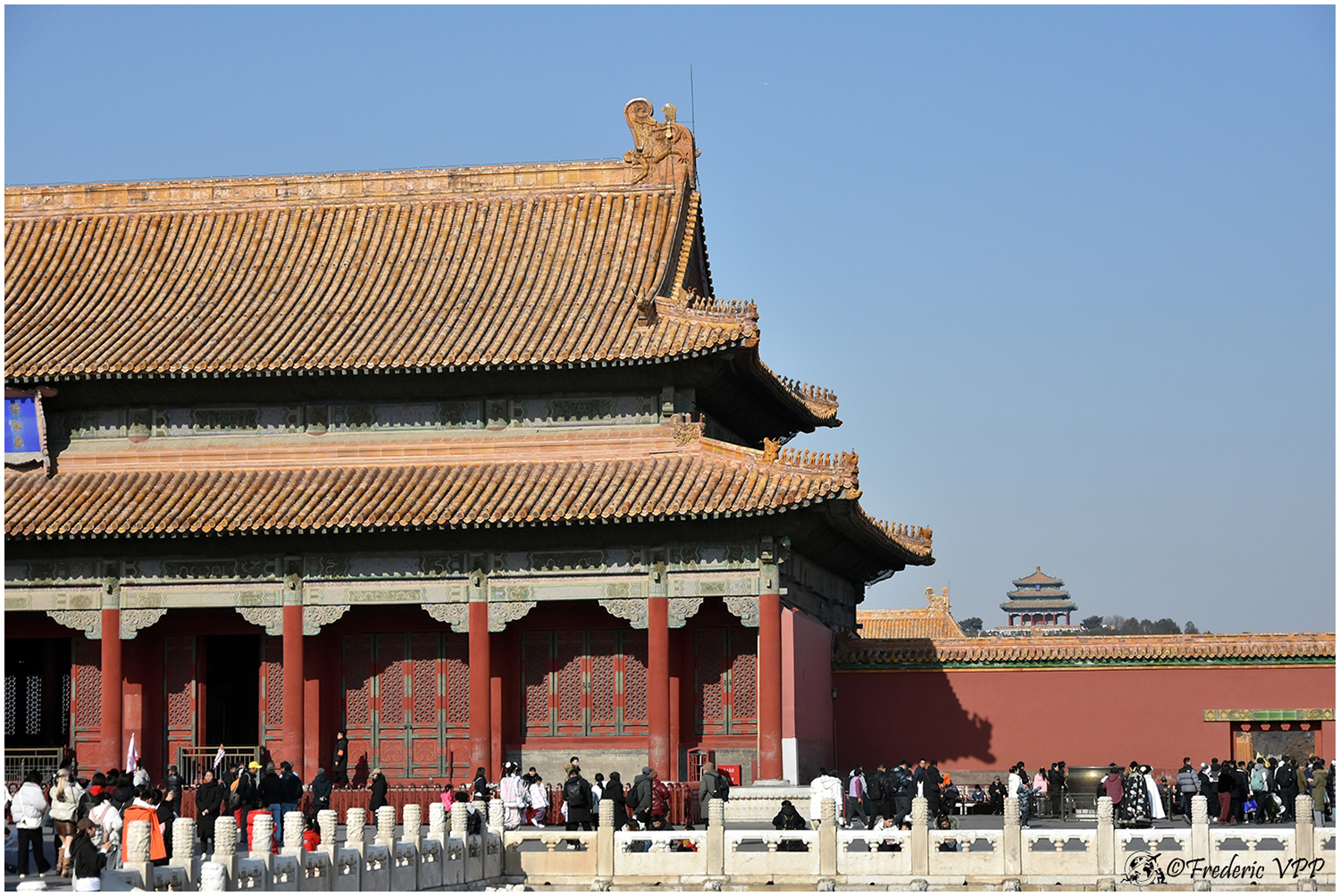
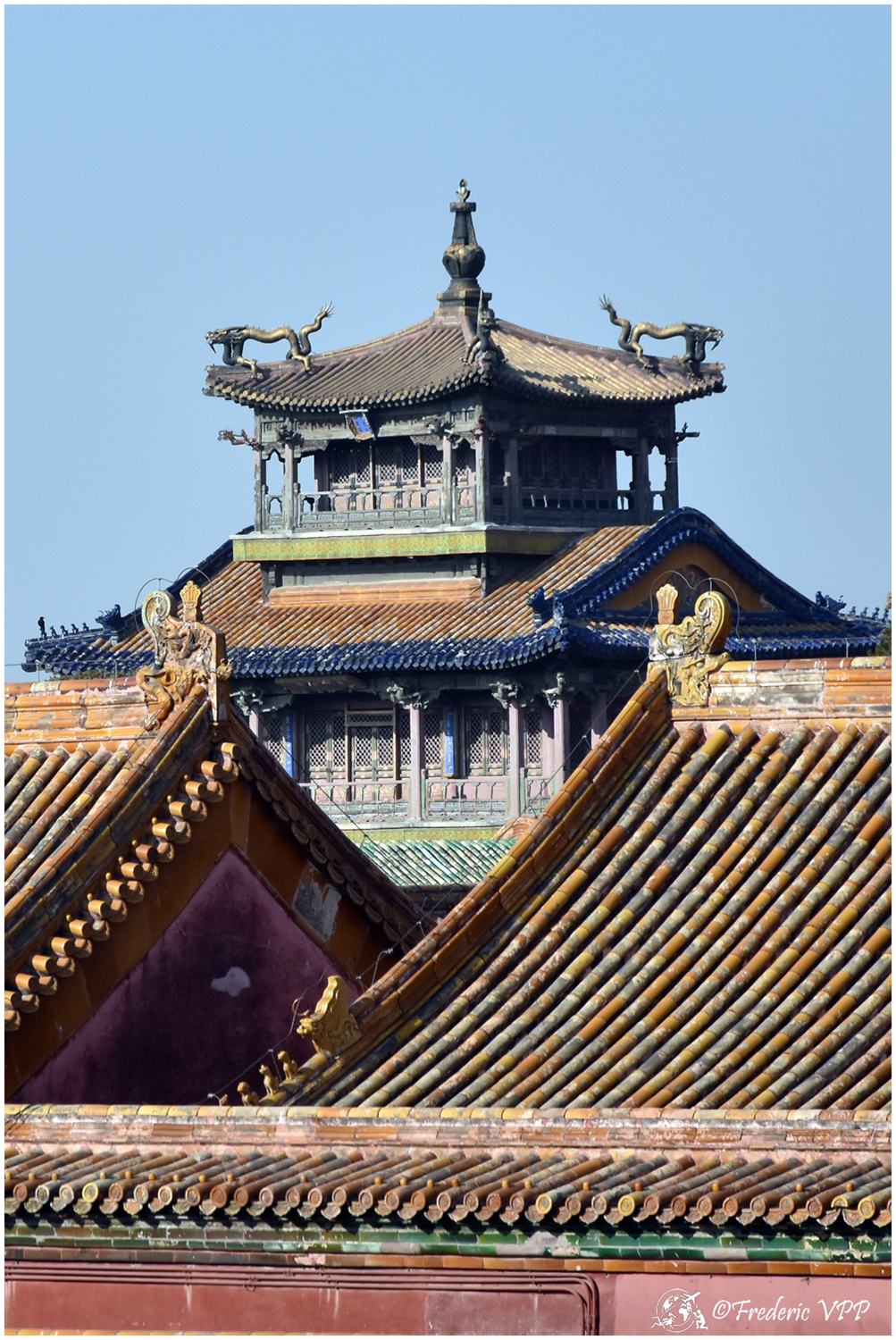
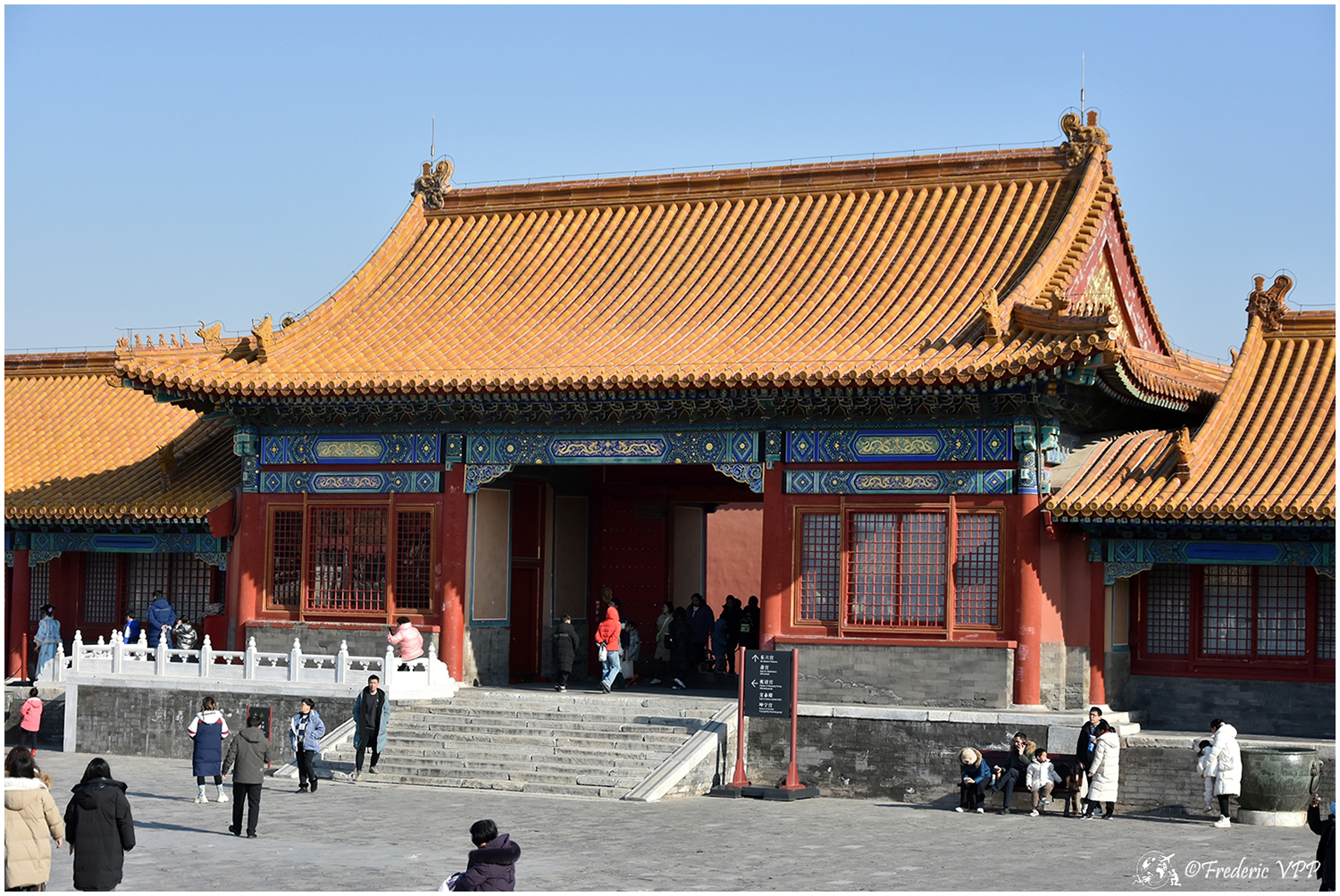
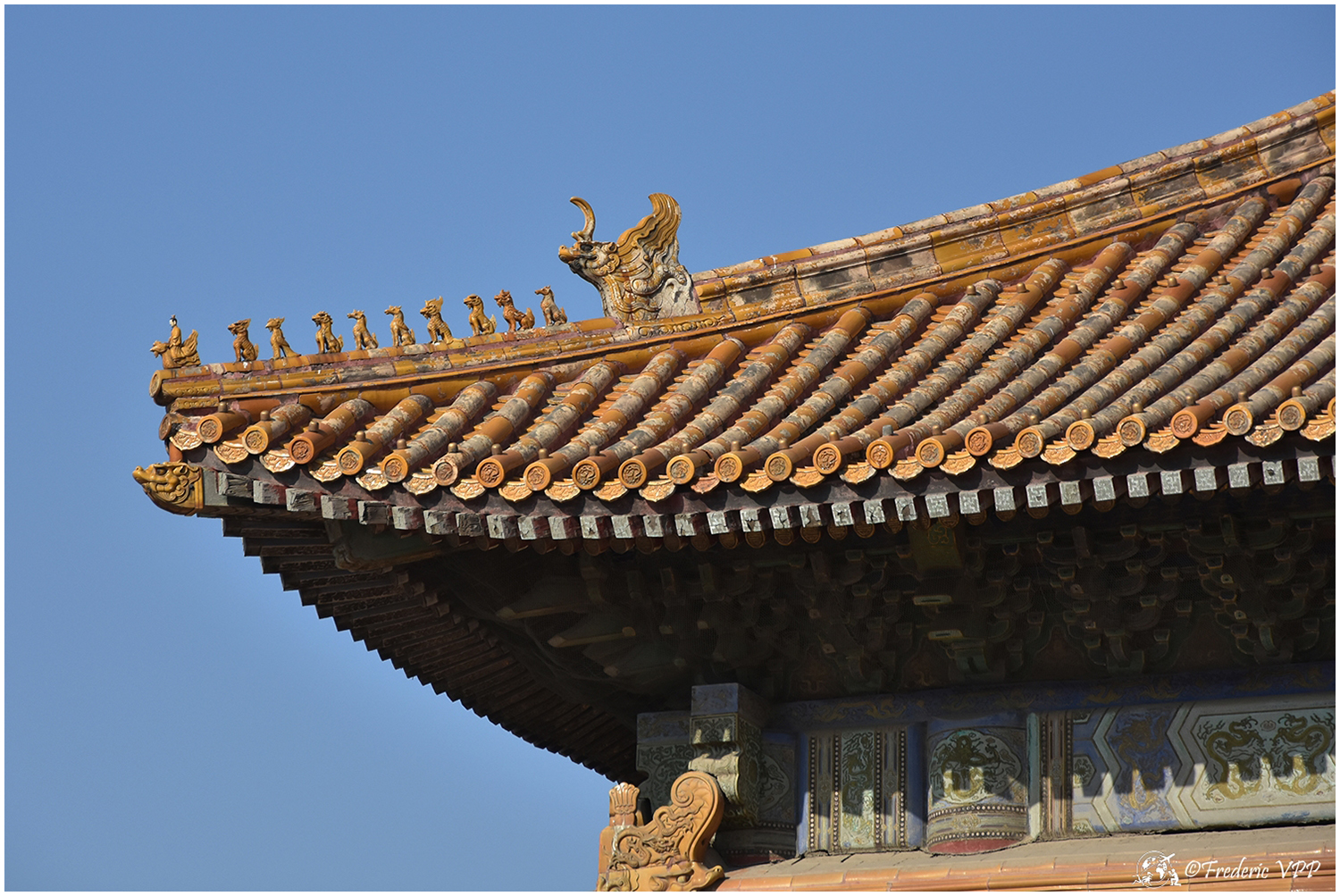
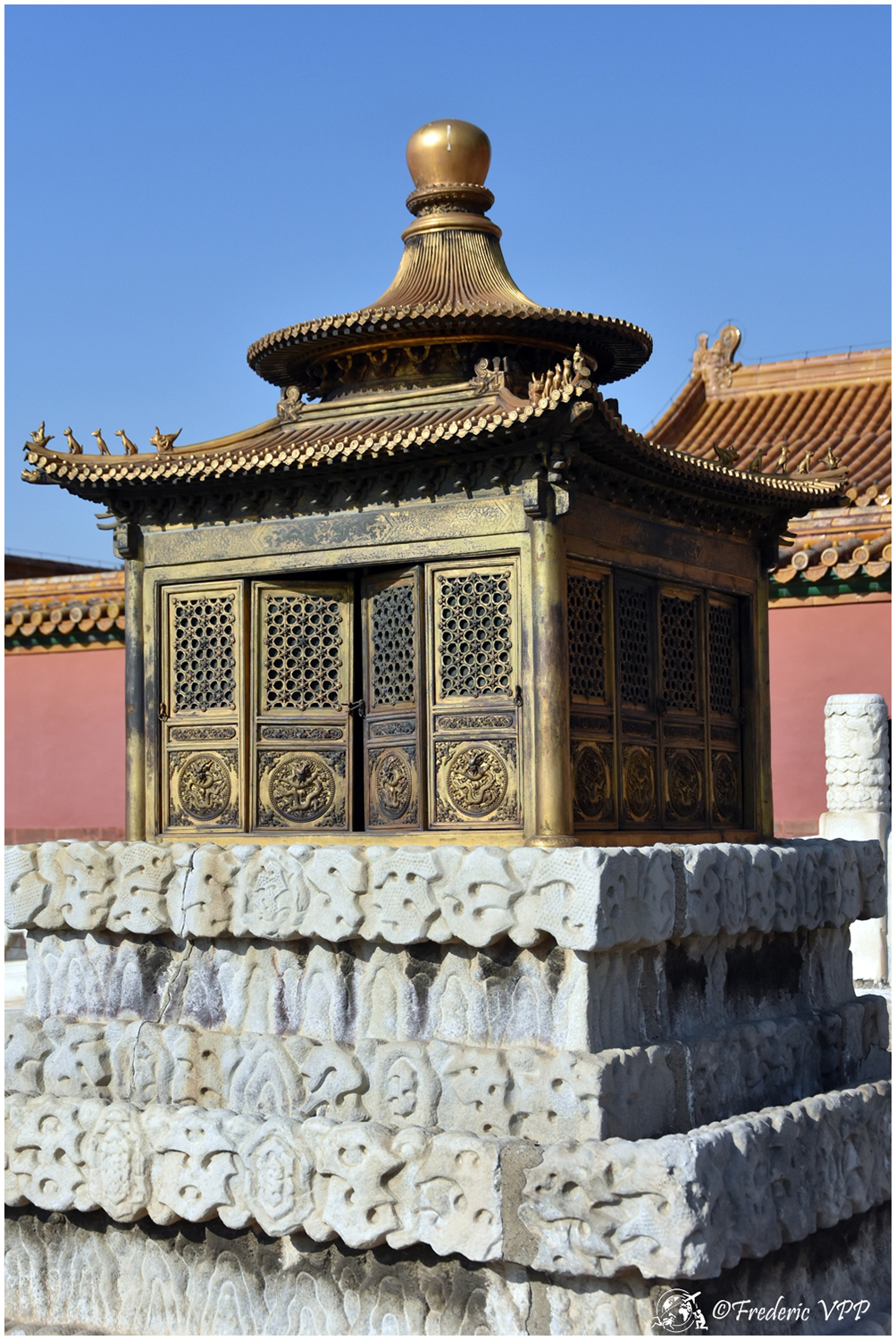
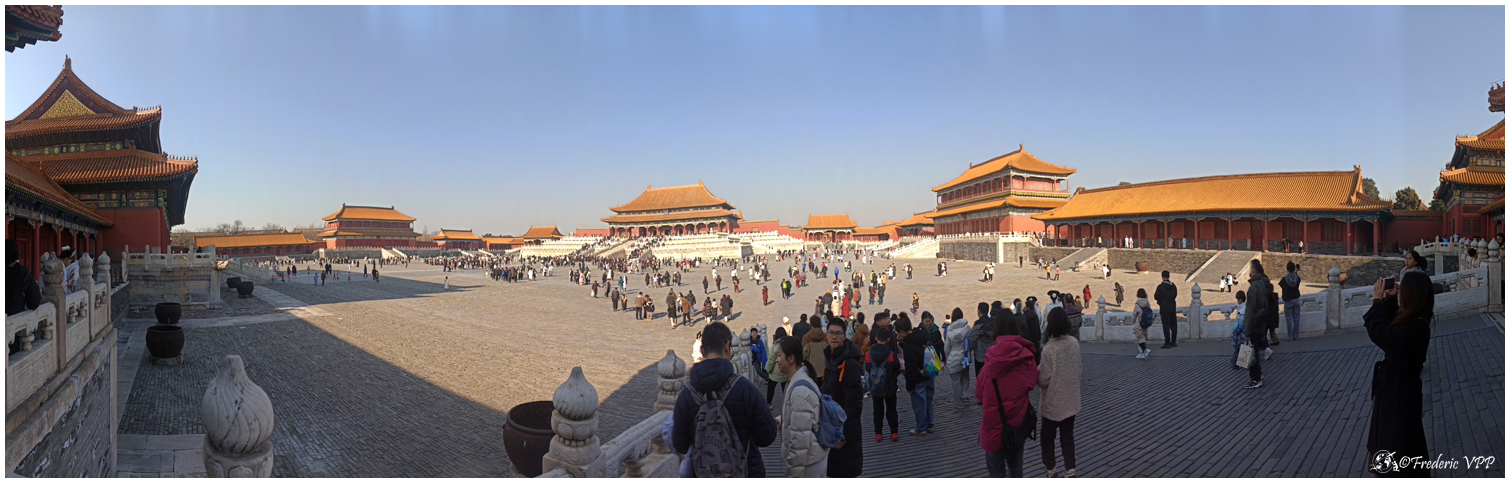
Forbidden City, Beijing, China, January 2025
I didn't think I would be able to get to the Forbidden City. I went for a walk in Tiananmen Square, but a queue of more than 3 hours was waiting for me...
|
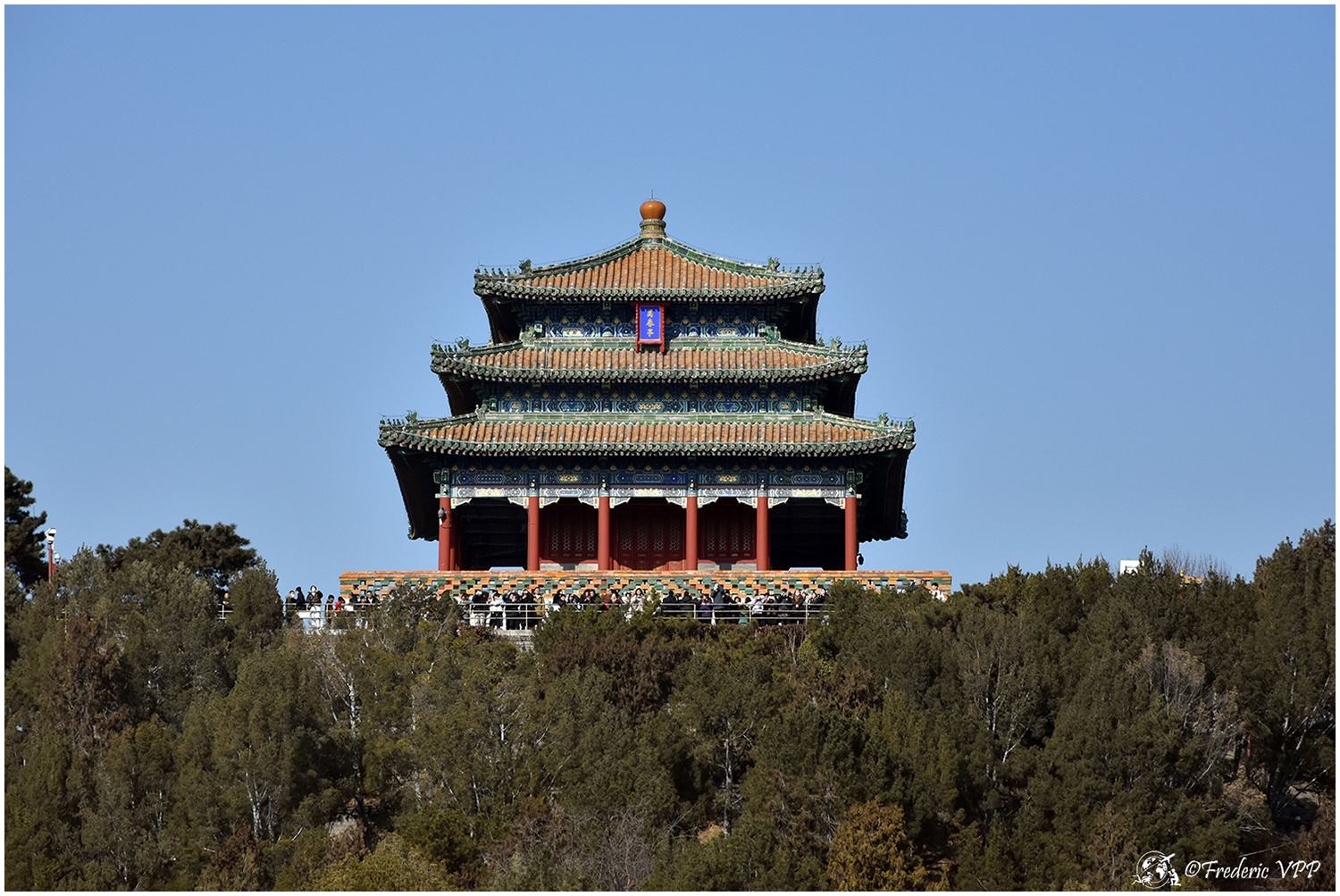
So I left for the Forbidden City, next to this huge square. I went back to visit a park. And at the exit of this park, I realized that I was at the entrance of the Forbidden City. I thought I would have to make a reservation on the Internet but I managed to get a ticket directly at the counter.
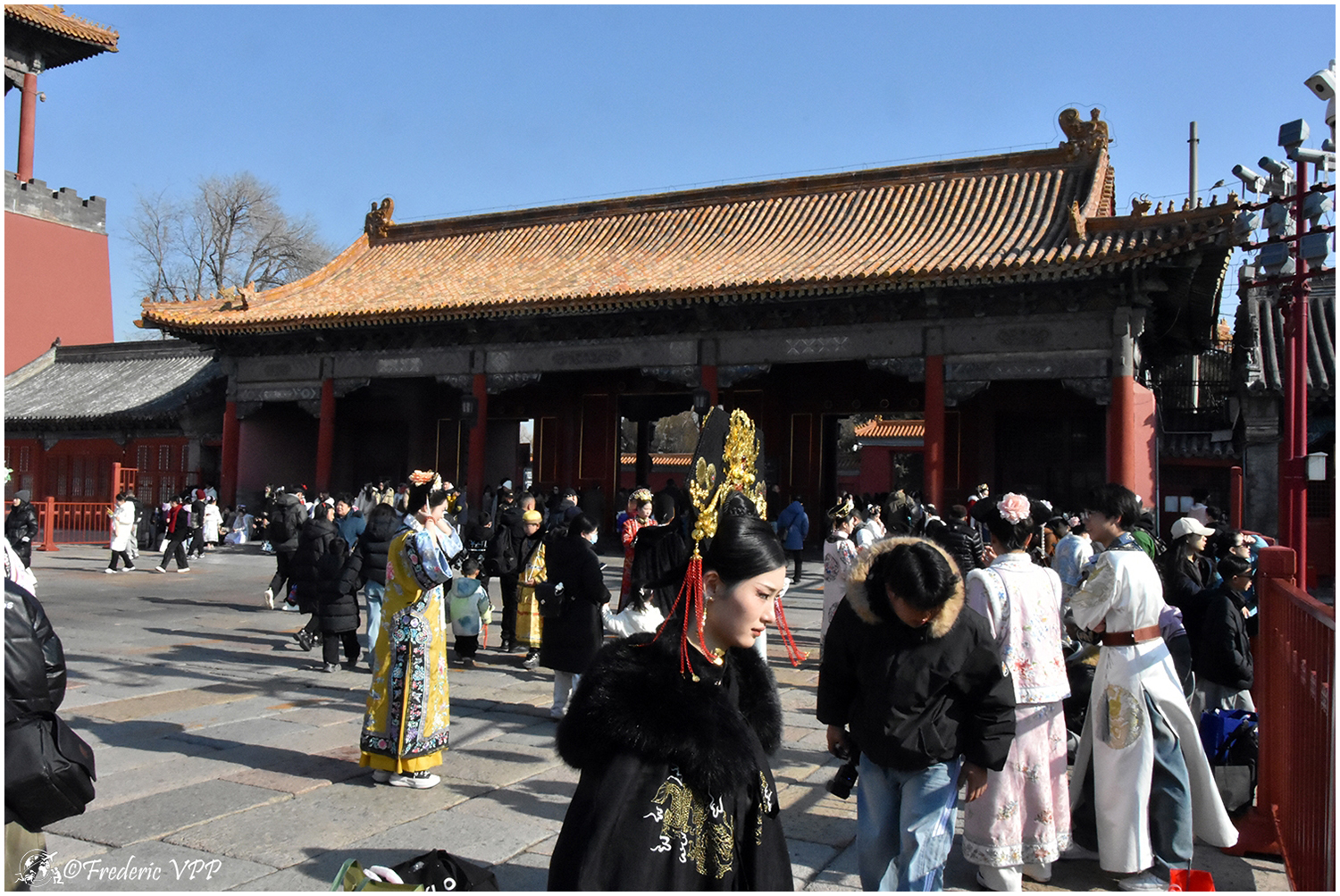
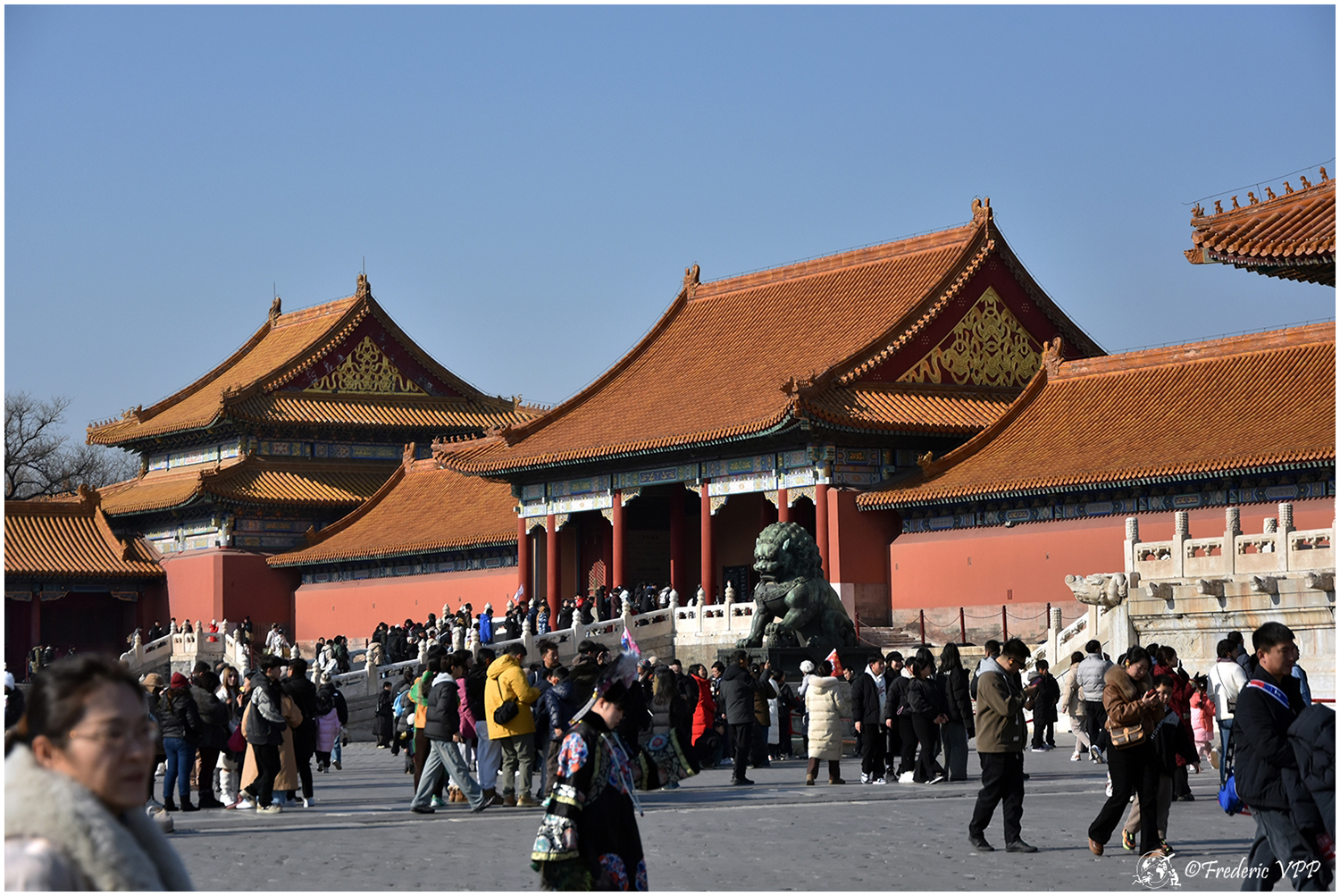
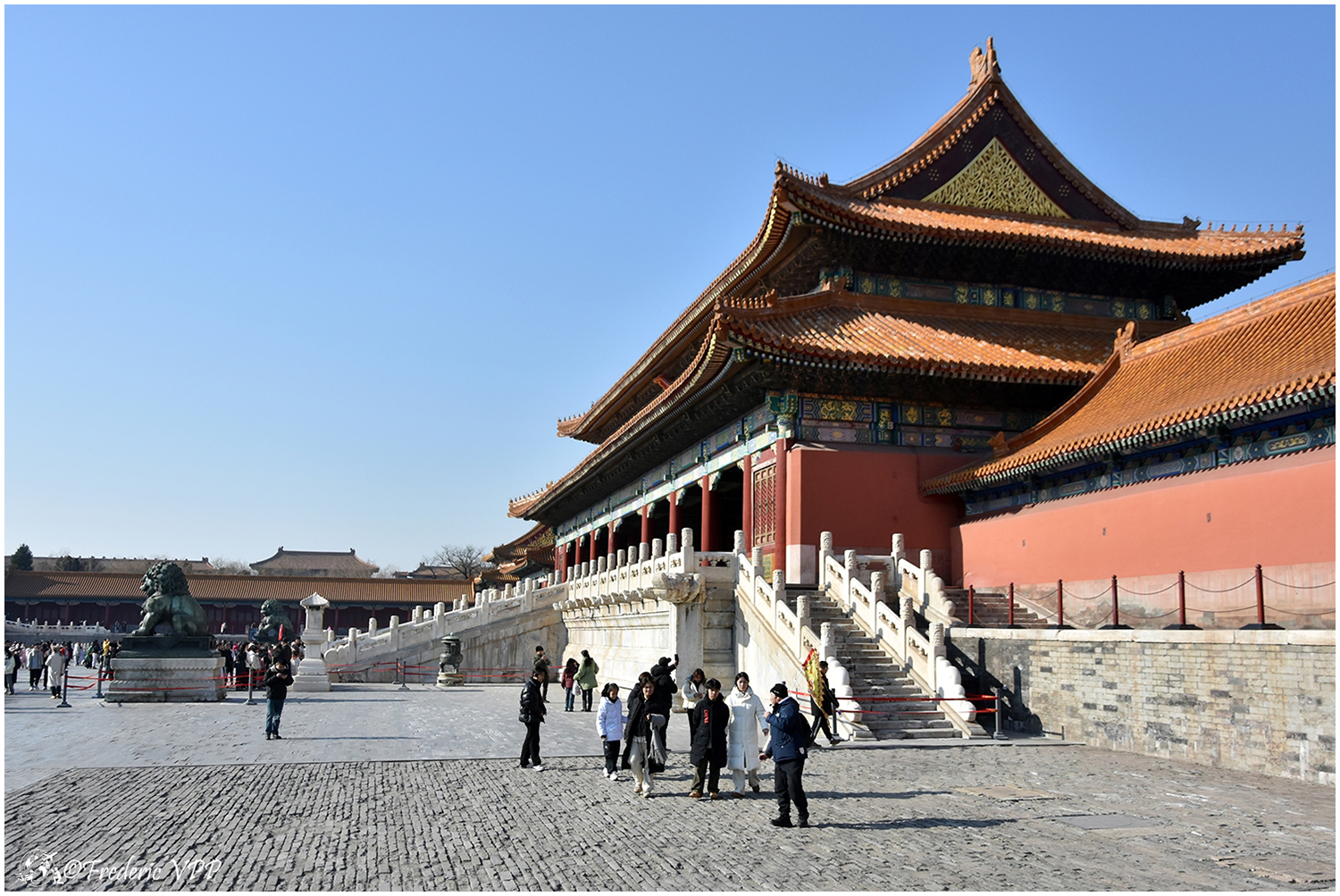
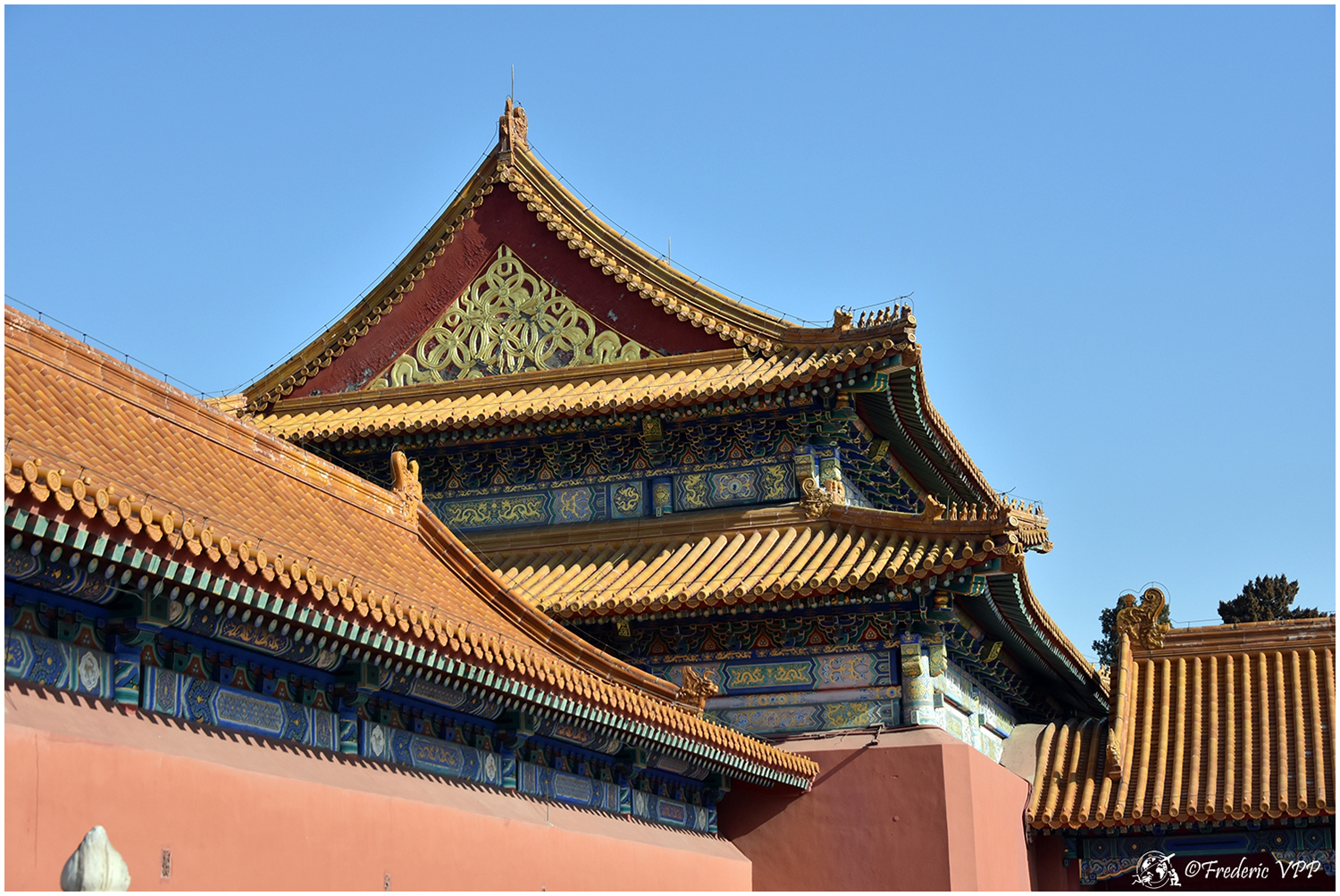
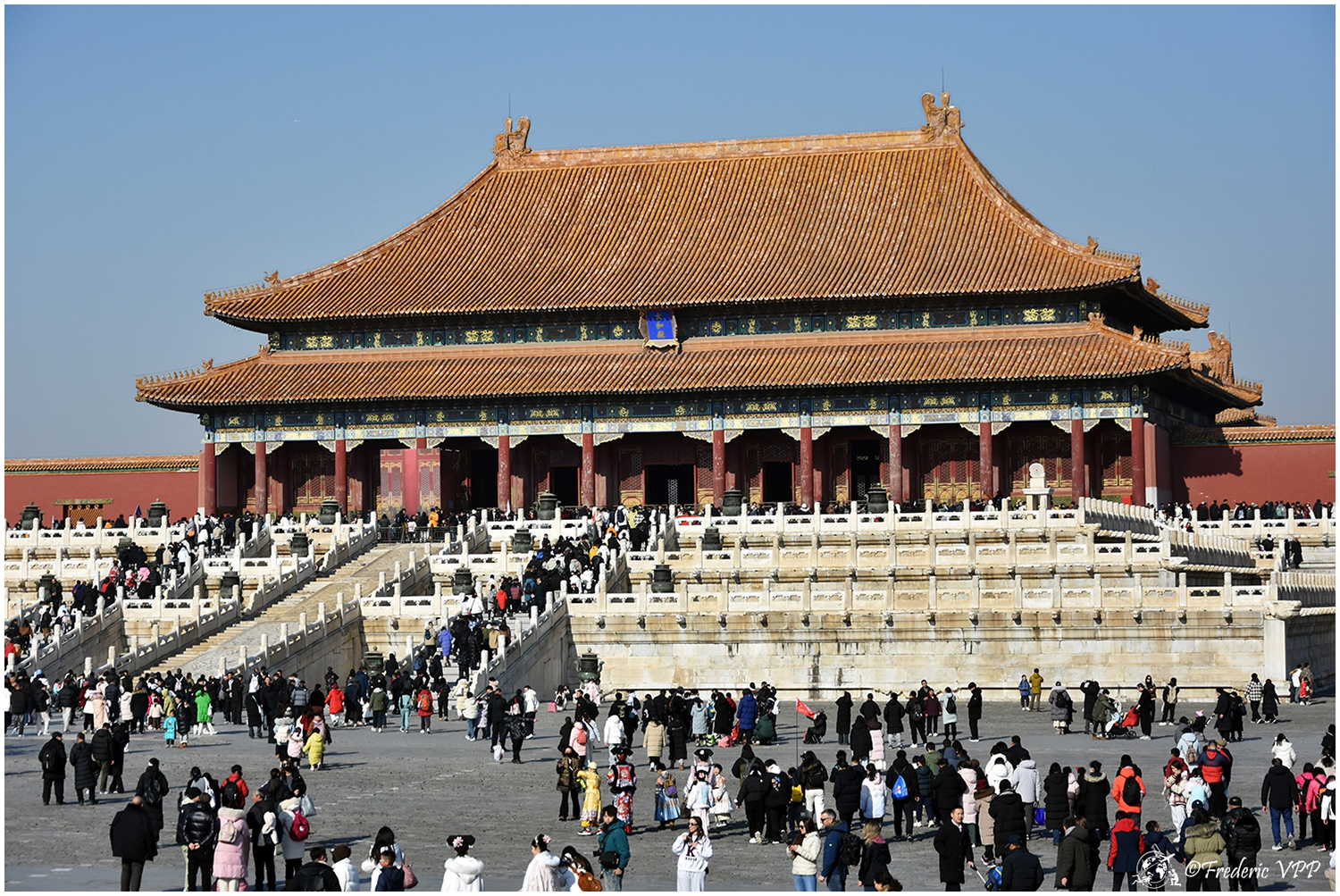
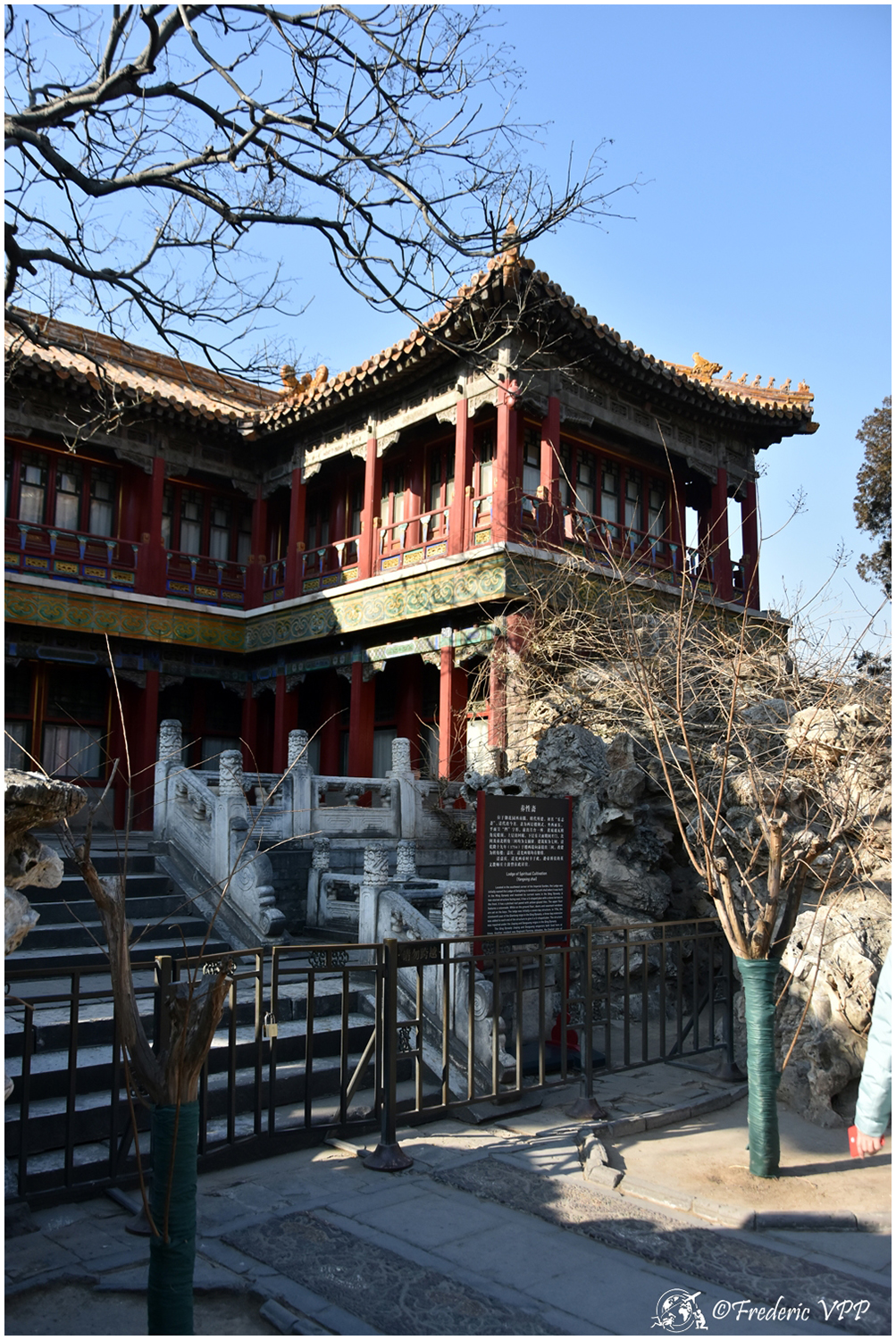
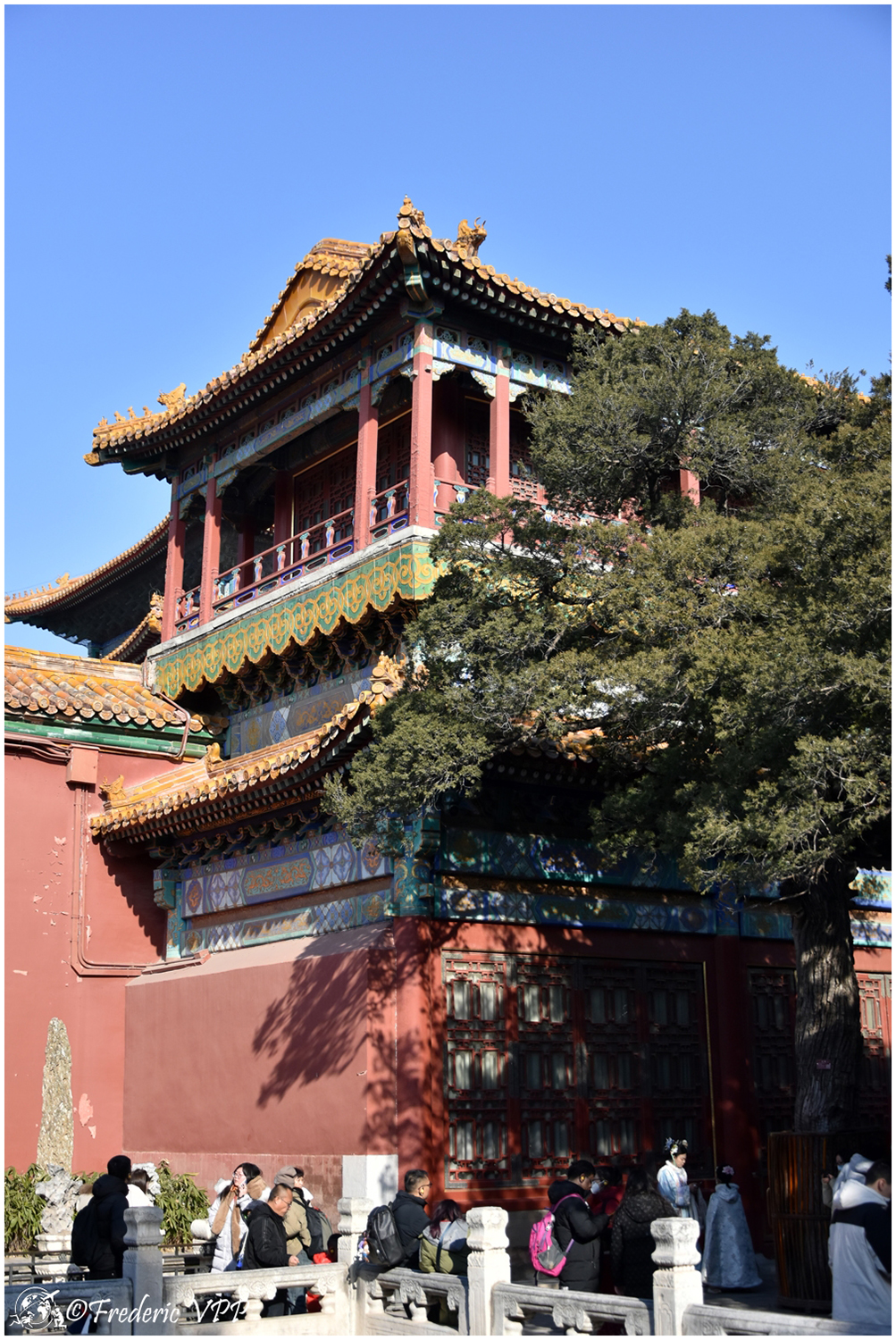
This place is really beautiful. And, with all these people dressed in traditional costume, it makes this visit even more grandiose.
|
|
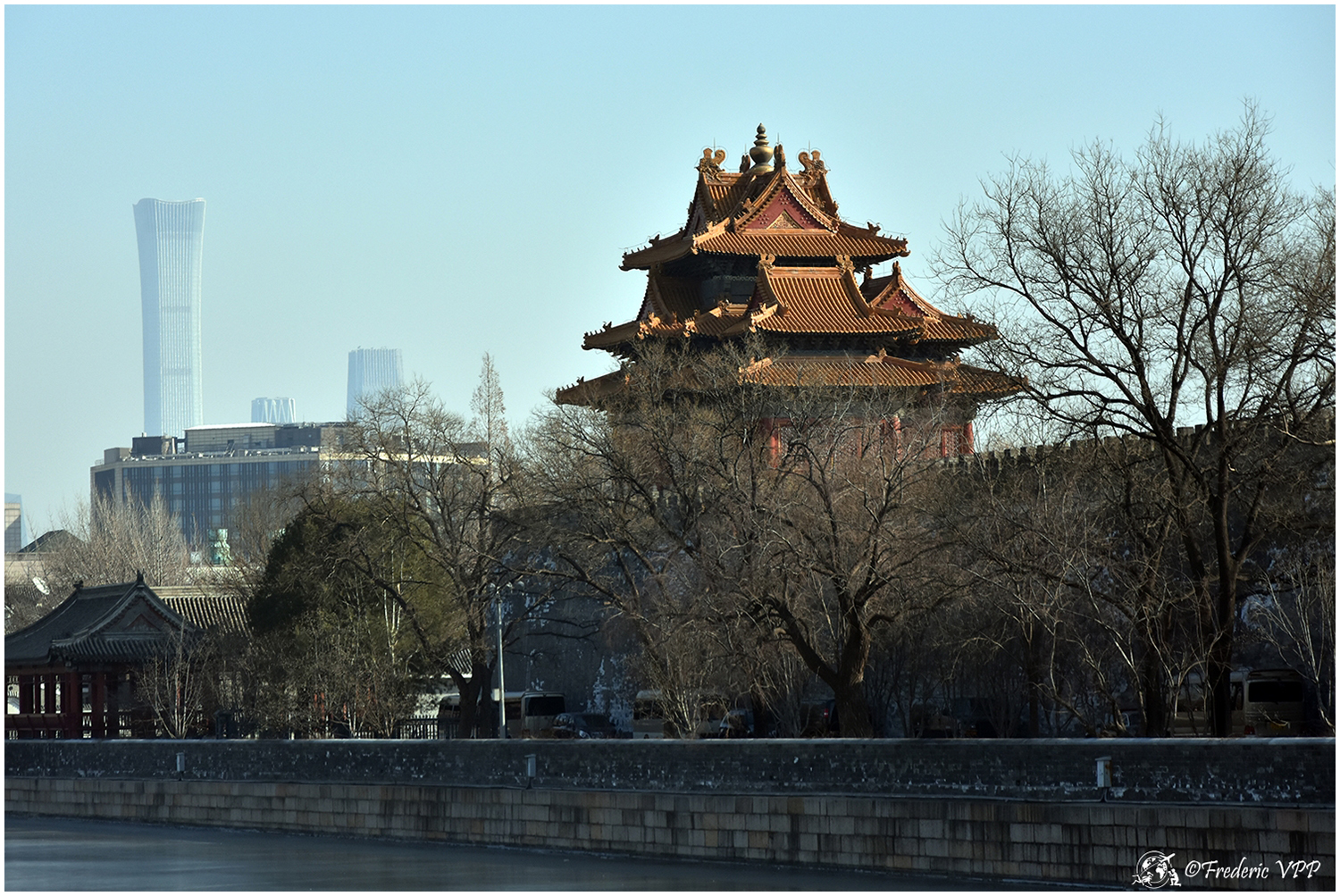
The Forbidden City (Chinese: 紫禁城; pinyin: Zǐjìnchéng), commonly referred to by the Chinese as the Ancient Palace (故宫, gùgōng), also known as the Palace Museum (故宫博物?, gùgōng bówùyuàn) is the imperial palace within the Imperial City of Beijing, ordered by Yongle, the third emperor of the Ming Dynasty, and carried out between 1406 and 1420.
This huge palace (72 ha/0.28 mi2) is among the oldest and best-preserved palaces in China. The construction of the Forbidden City took 14 years and more than a million workers are said to have worked there.
According to legend, the city has 9,999 rooms (in reality, 8,704, according to a study conducted in 1973). The figure of 9,999 is explained by the fact that, according to tradition, only their deities had the right to build a palace with 10,000 rooms. Men, therefore, tried to get as close as possible to their ideal of perfection. In Chinese culture, the number 9 is a symbol of longevity, and the number 10,000 symbolically represents "countable infinity".
|
|
Sorry if the links are outdated or not accessible
|

|
|


