 Guangzhou, China
Guangzhou, China, January 2025
Guangzhou, has a long history of more than 2,200 years. It is nicknamed "City of Flowers" or "City of Sheep"...
|
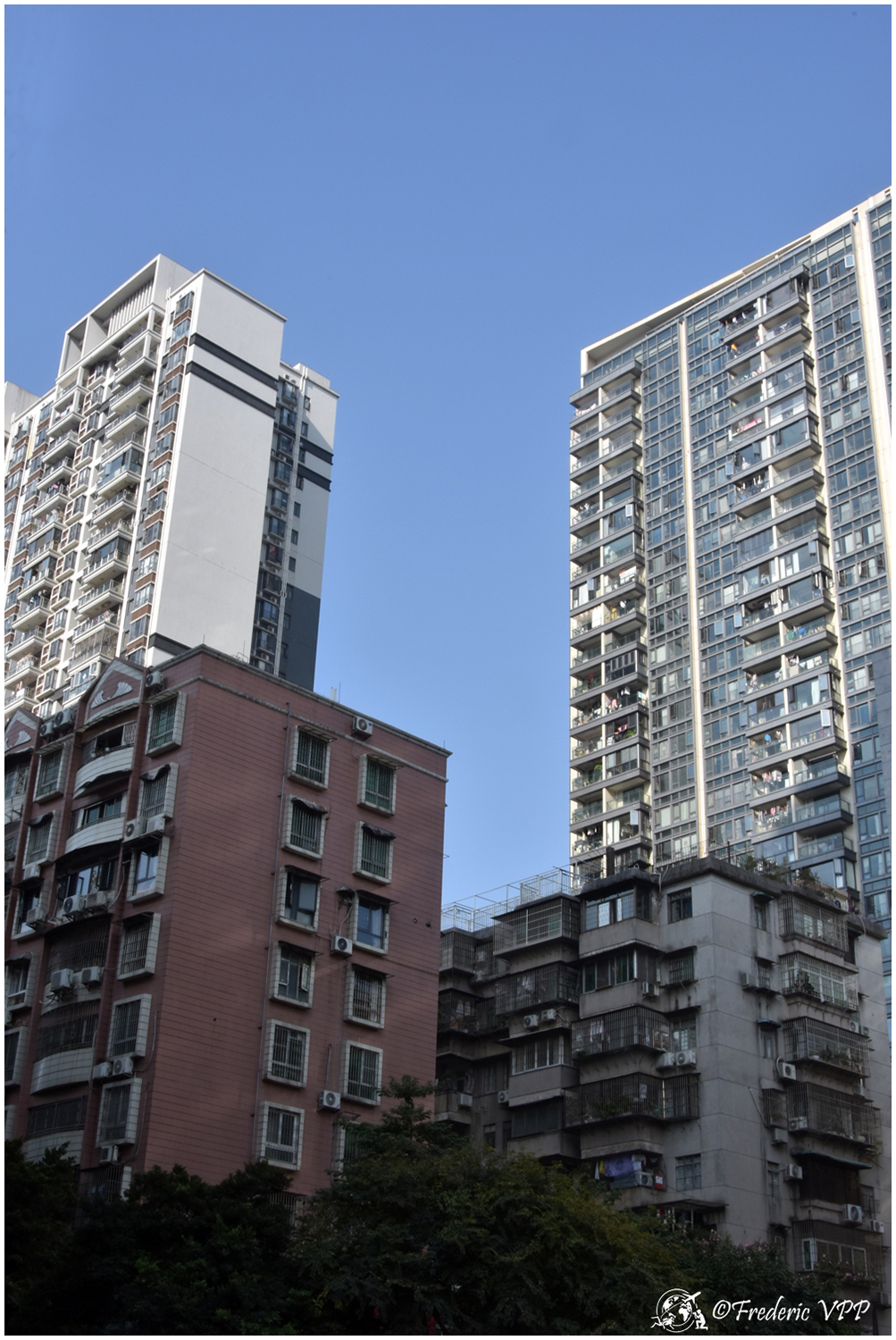
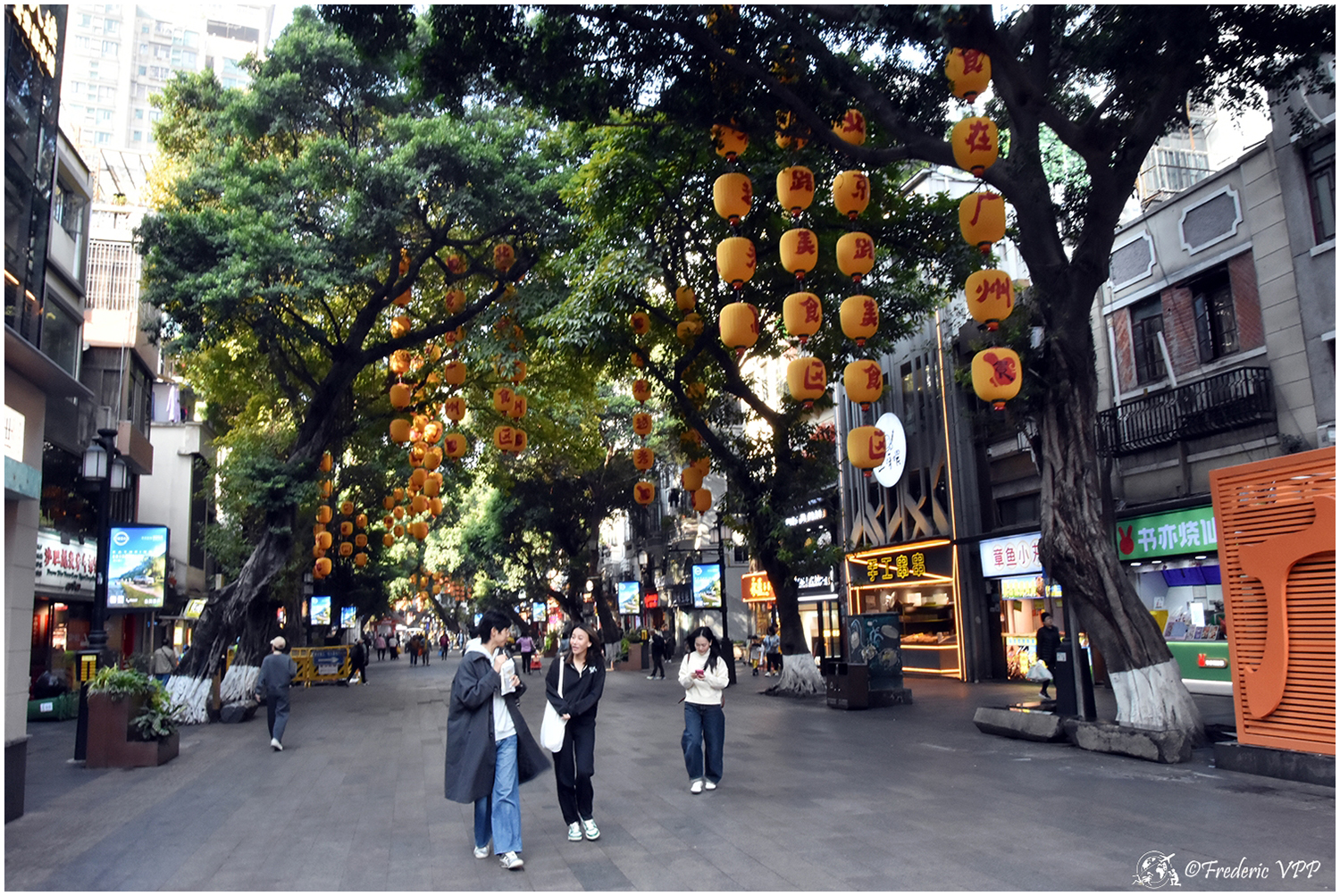
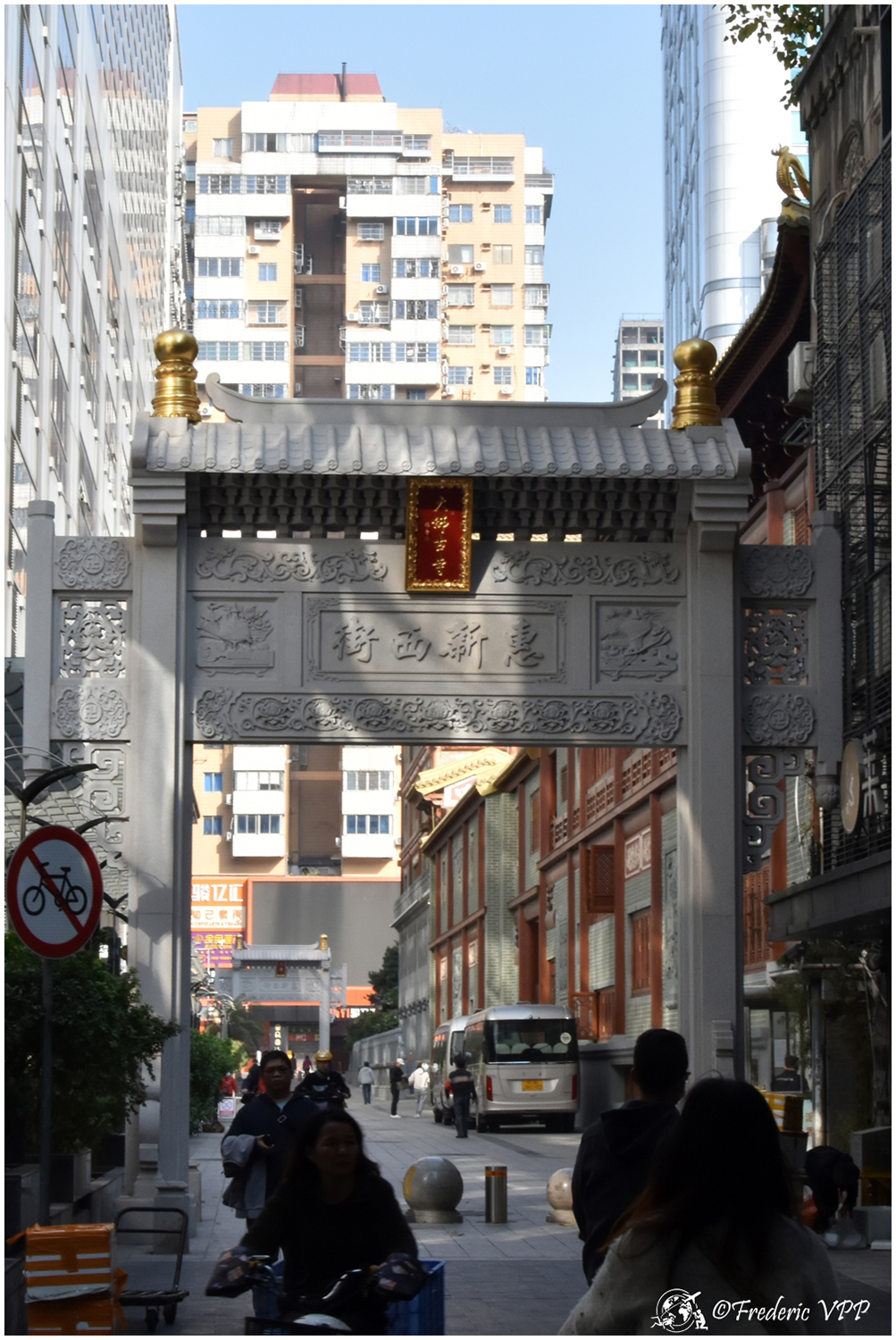
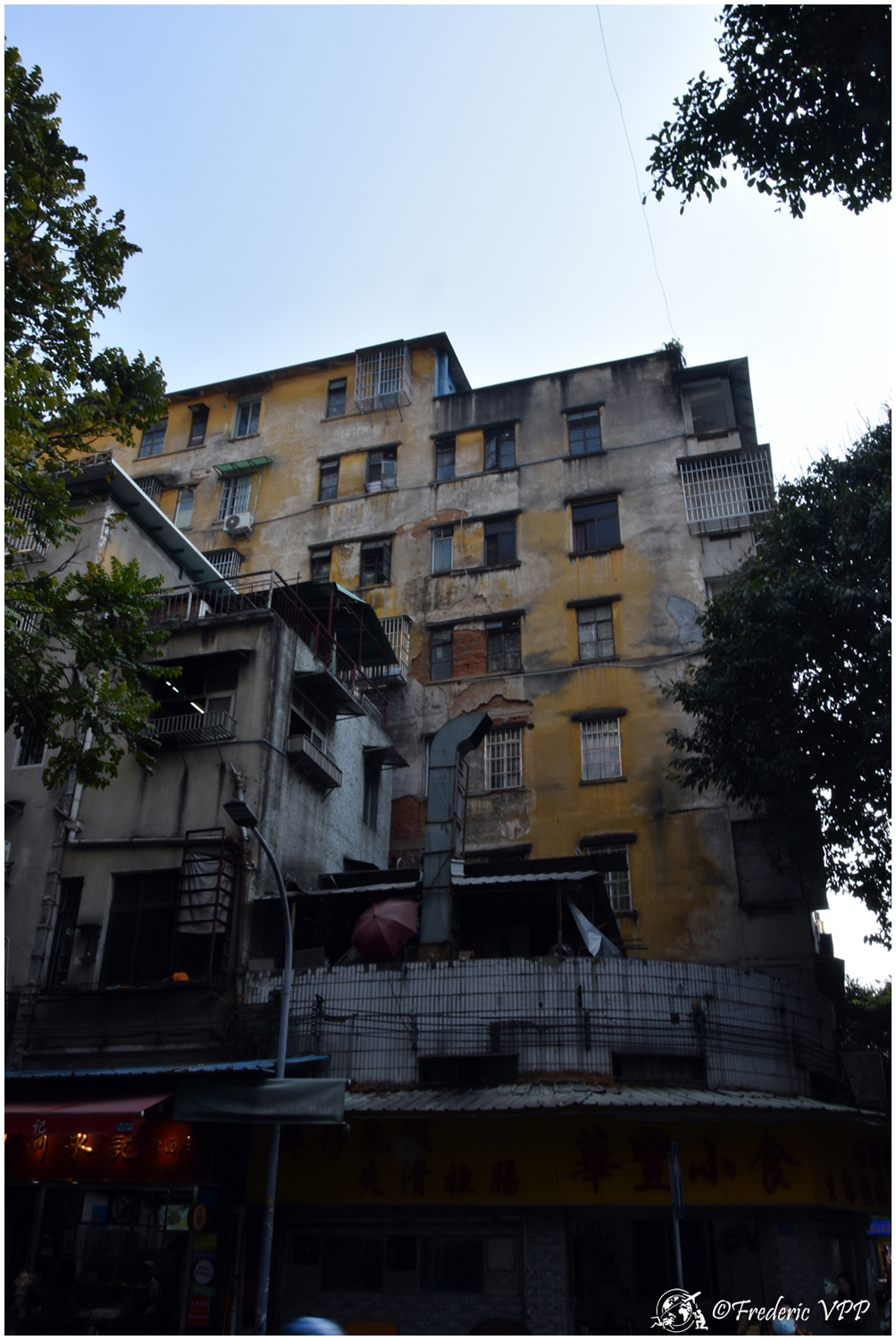
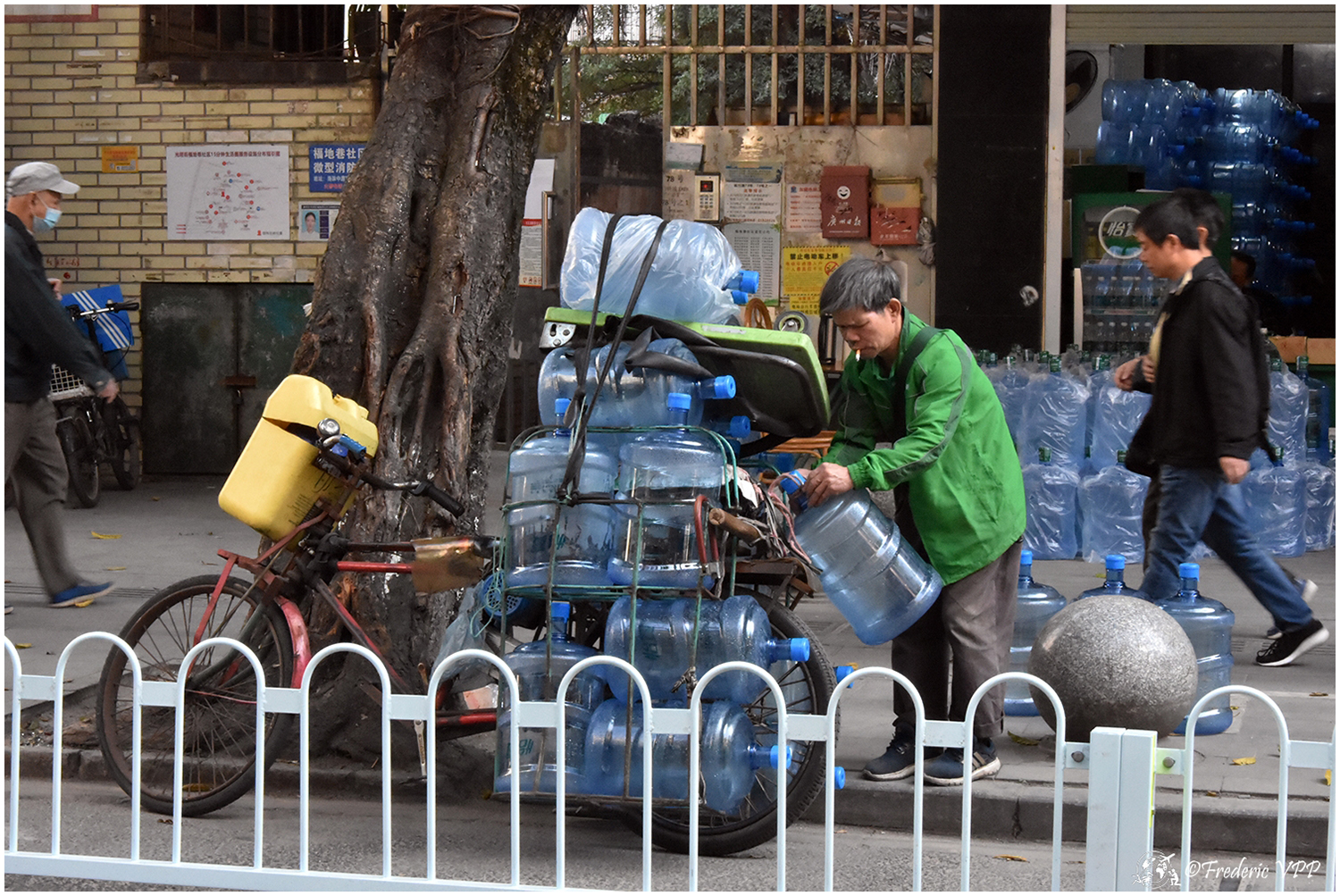
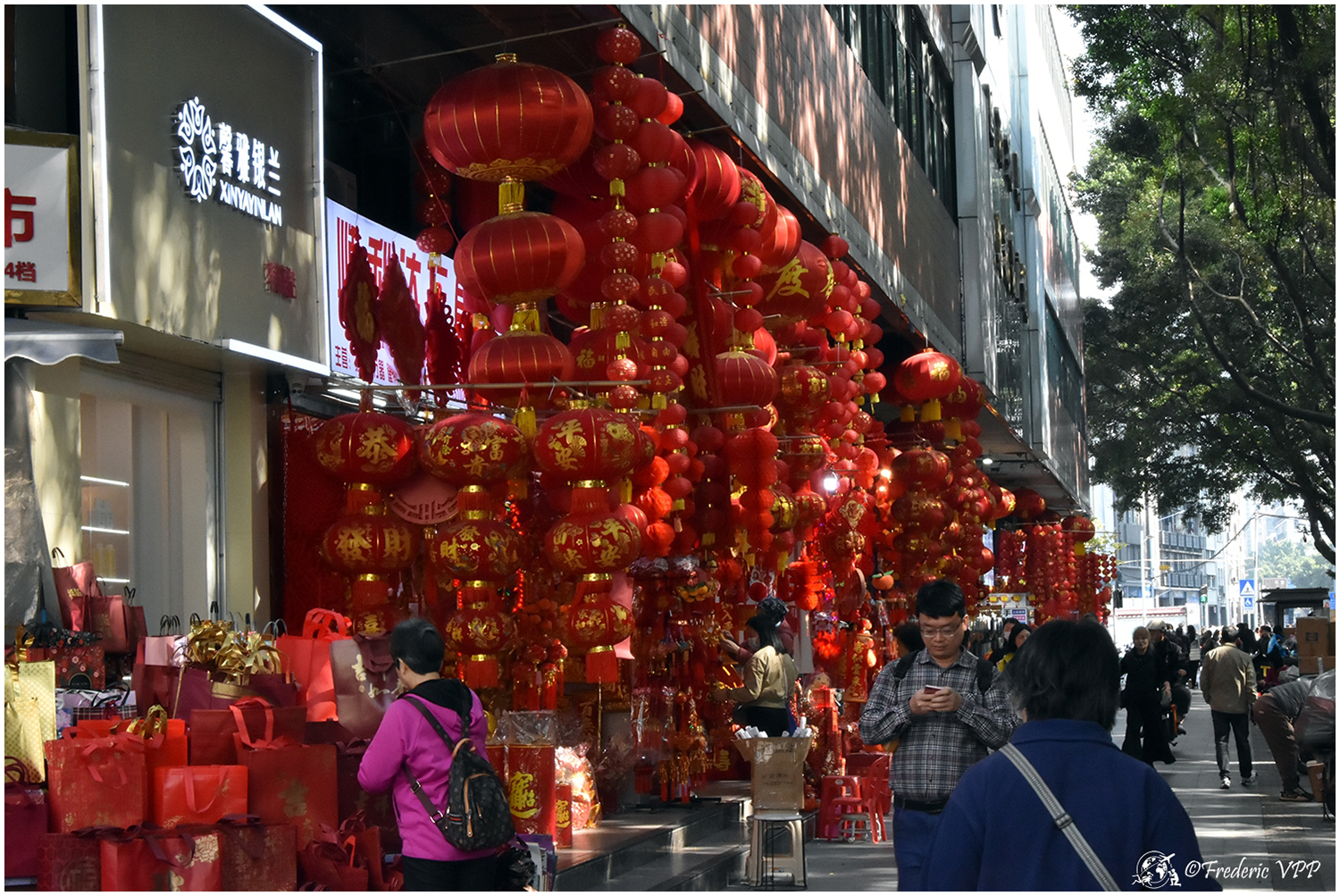
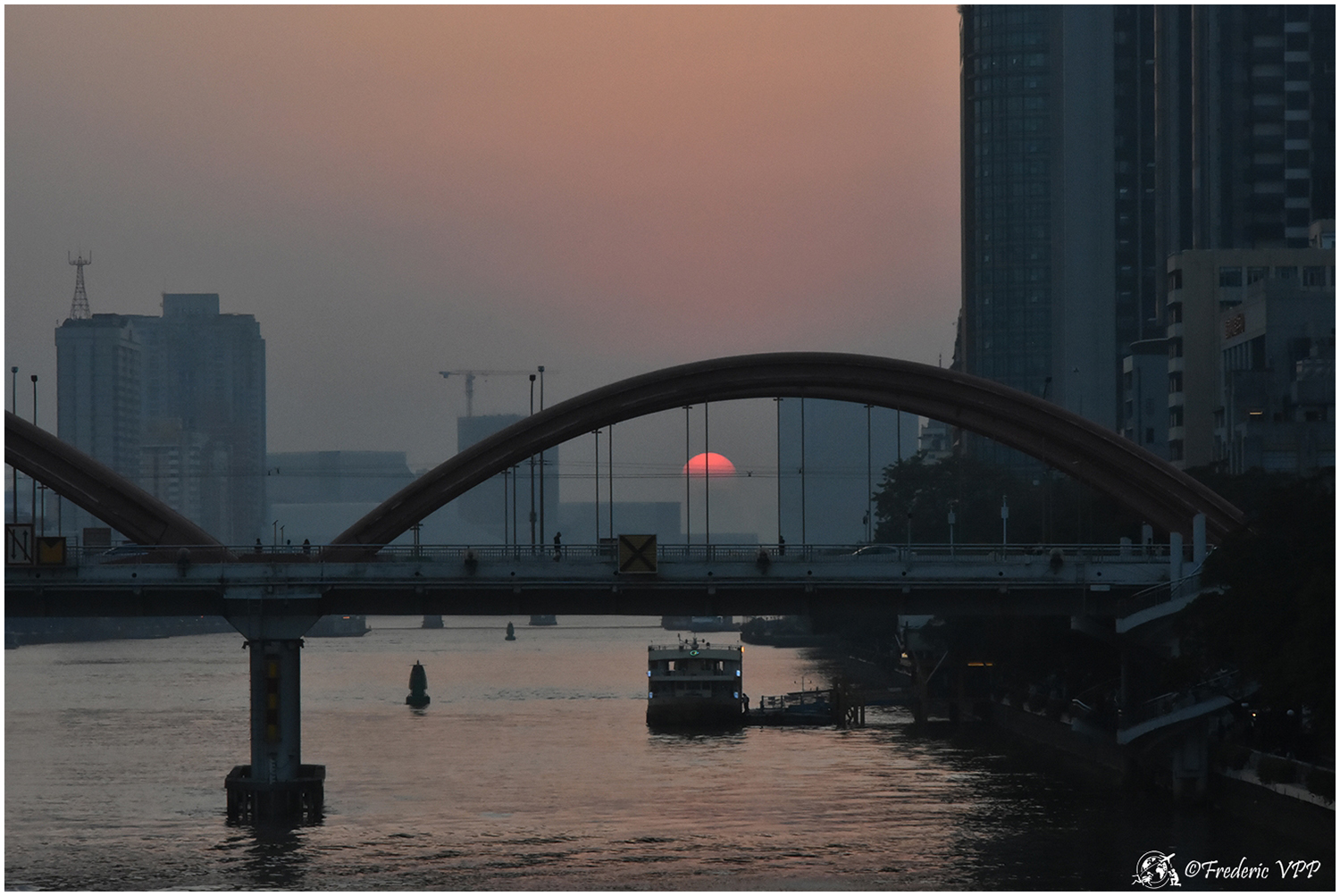
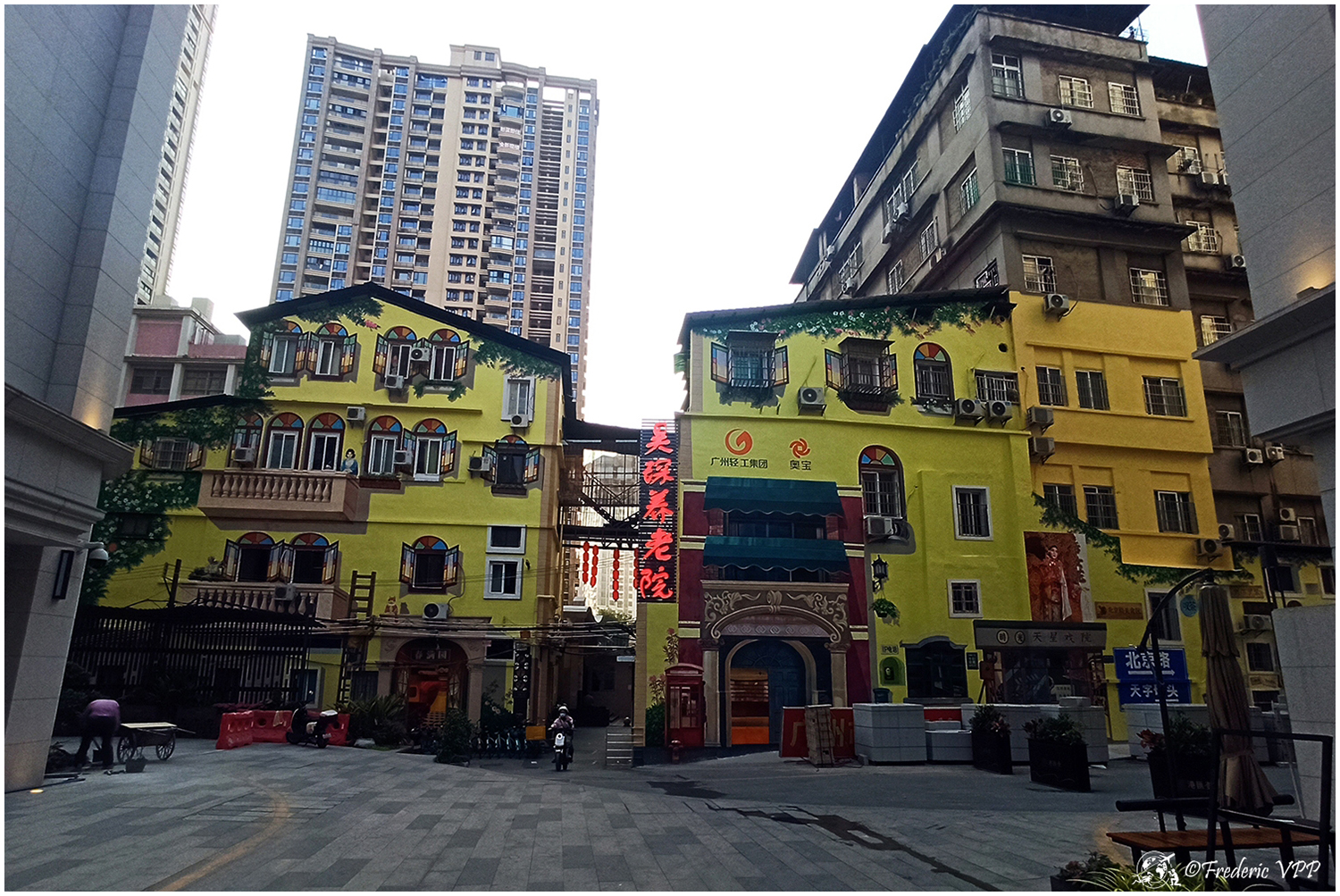
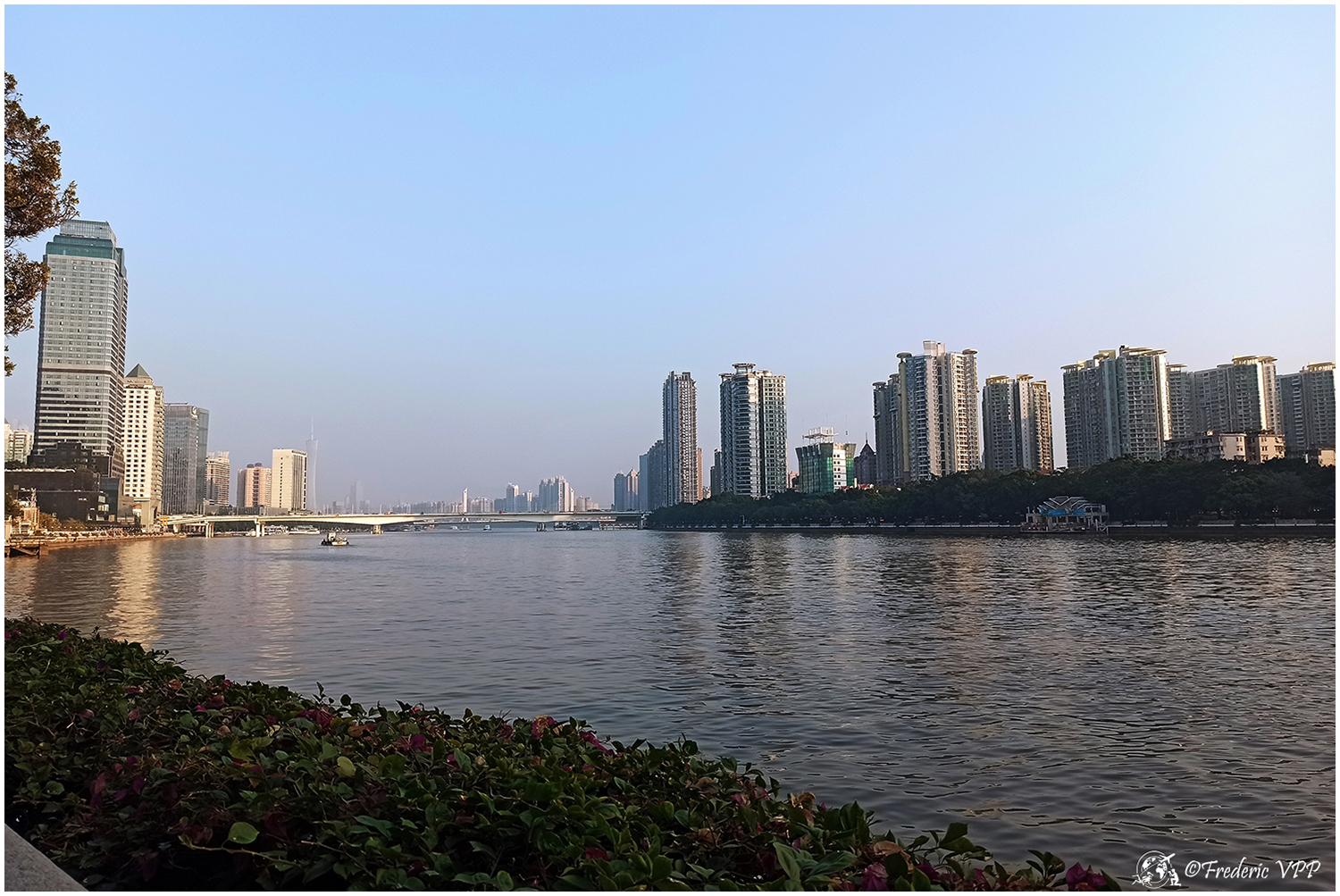
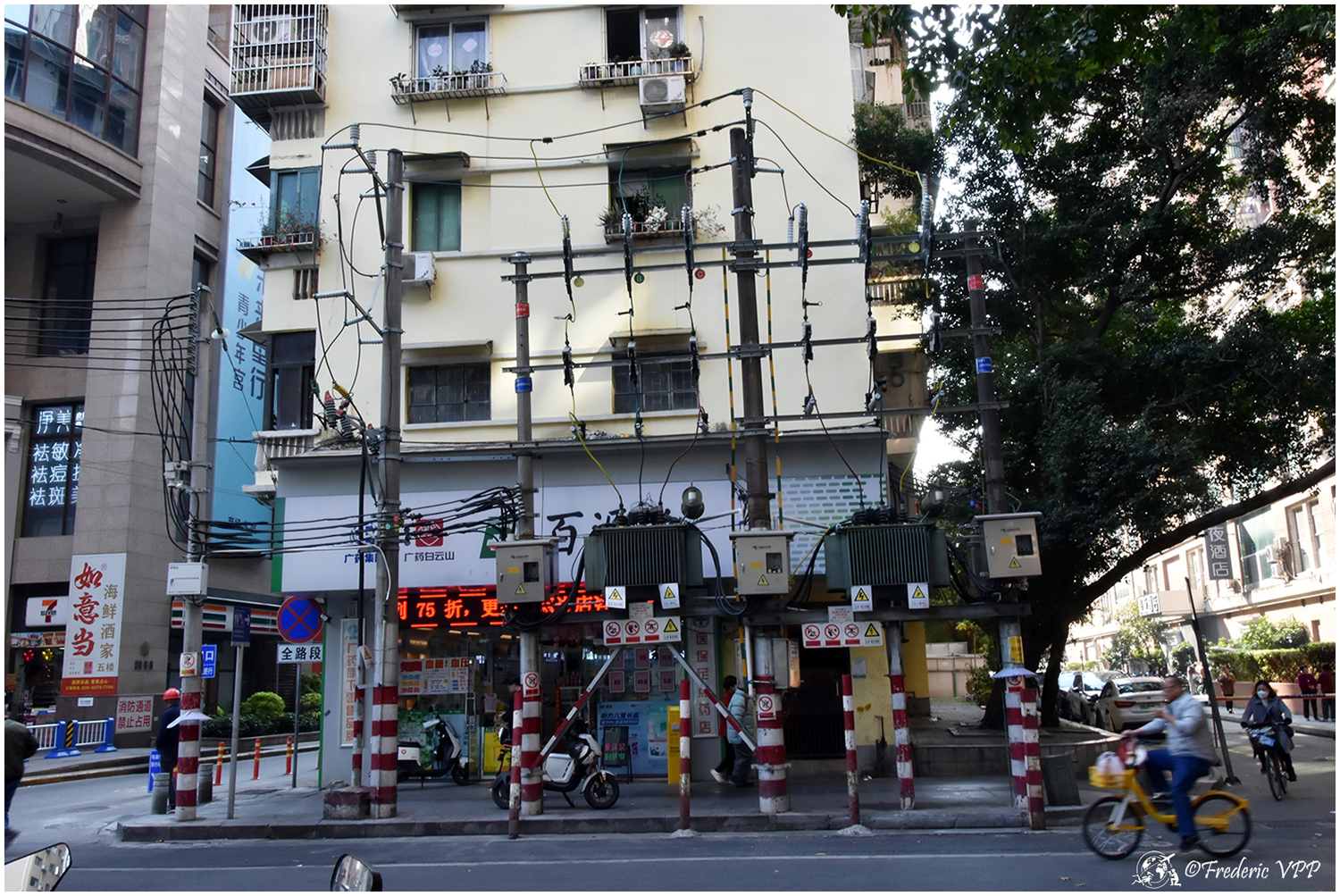
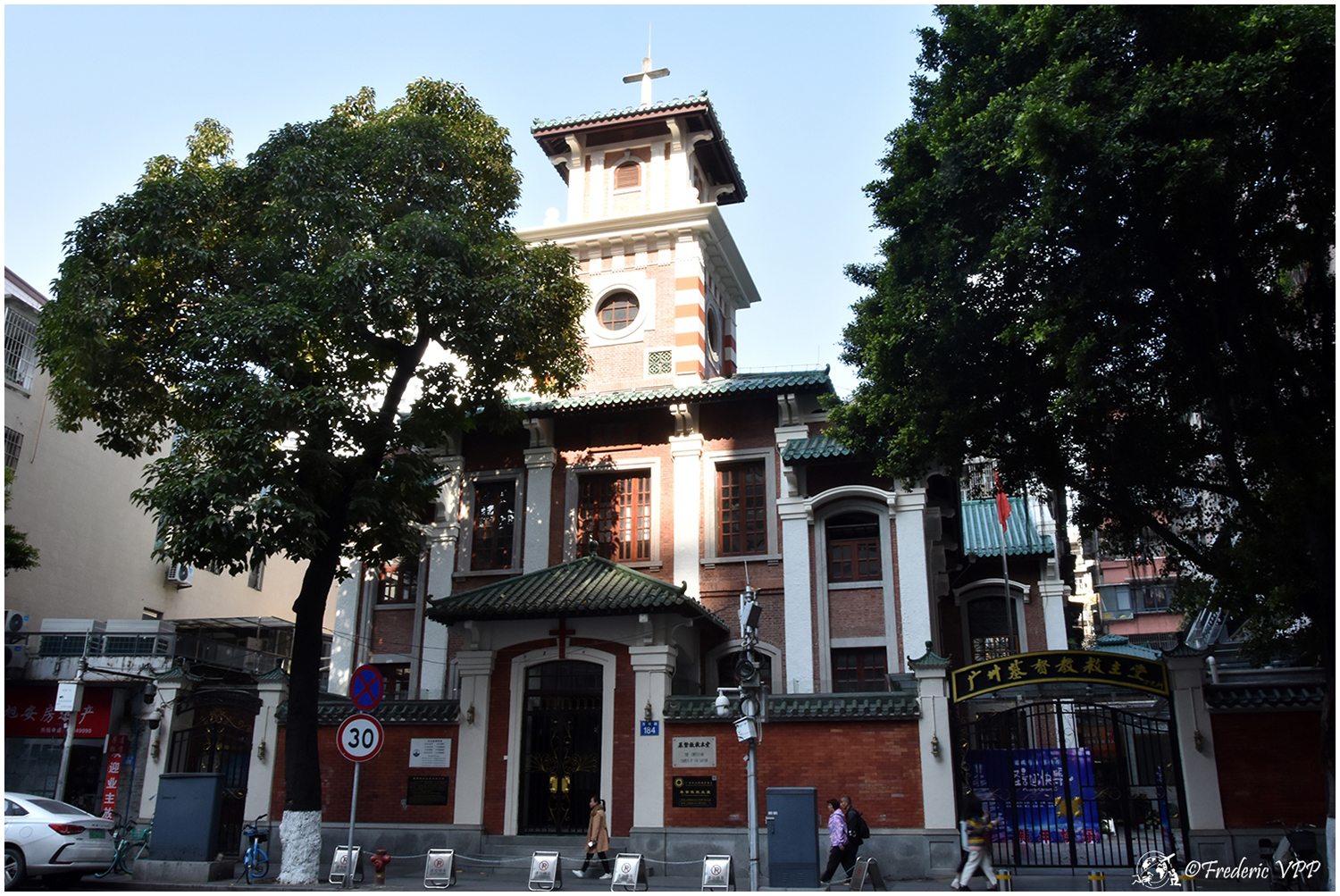
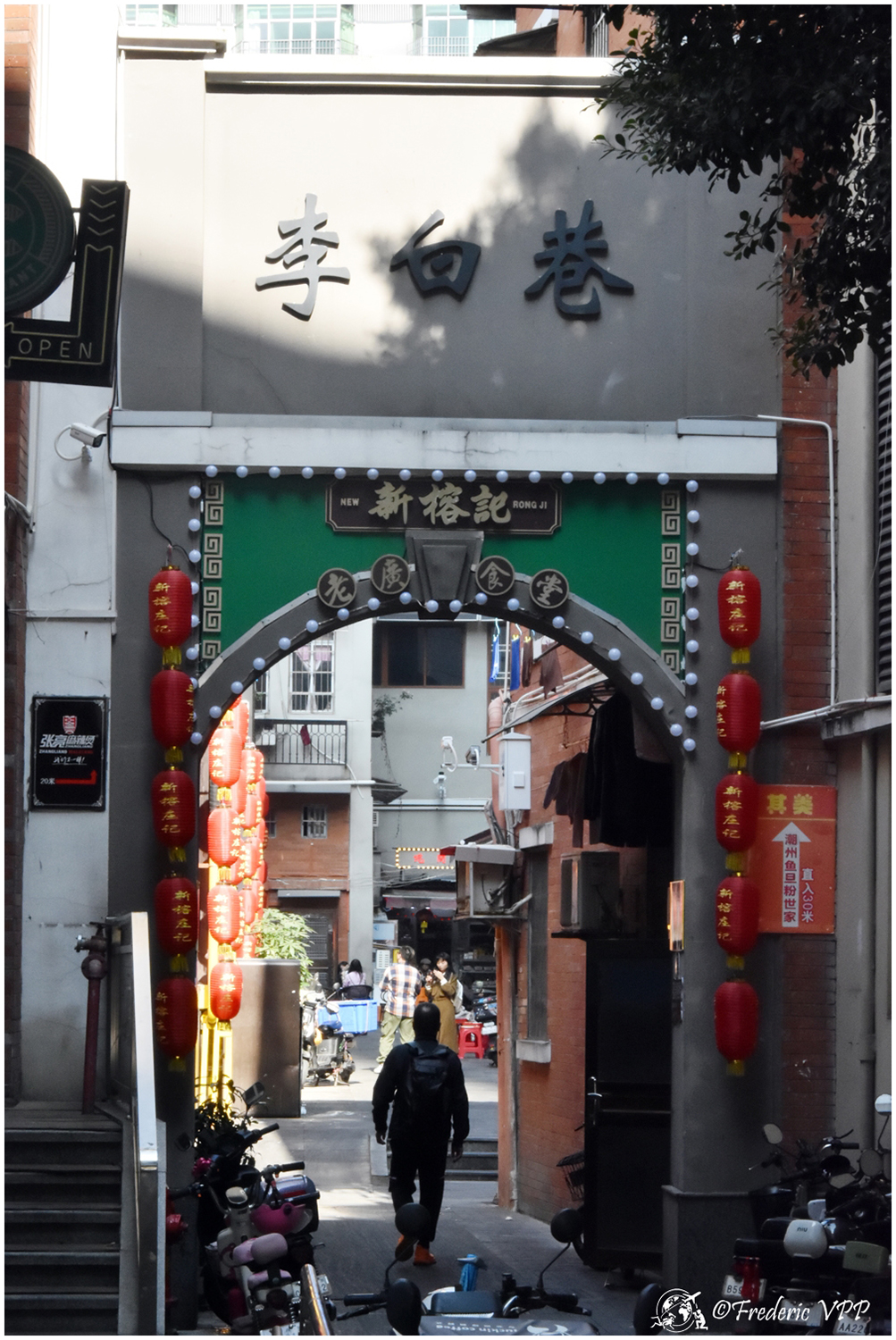
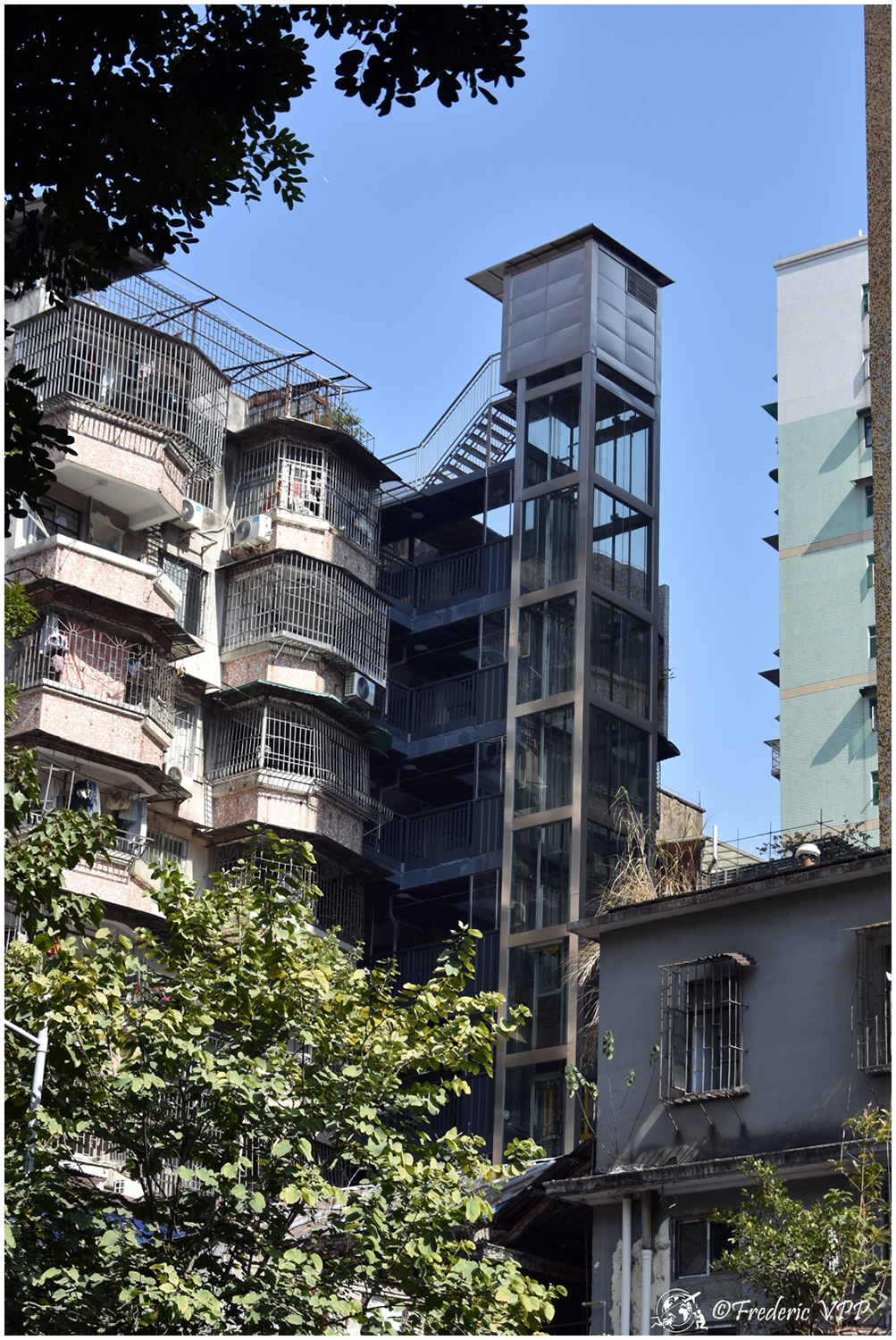
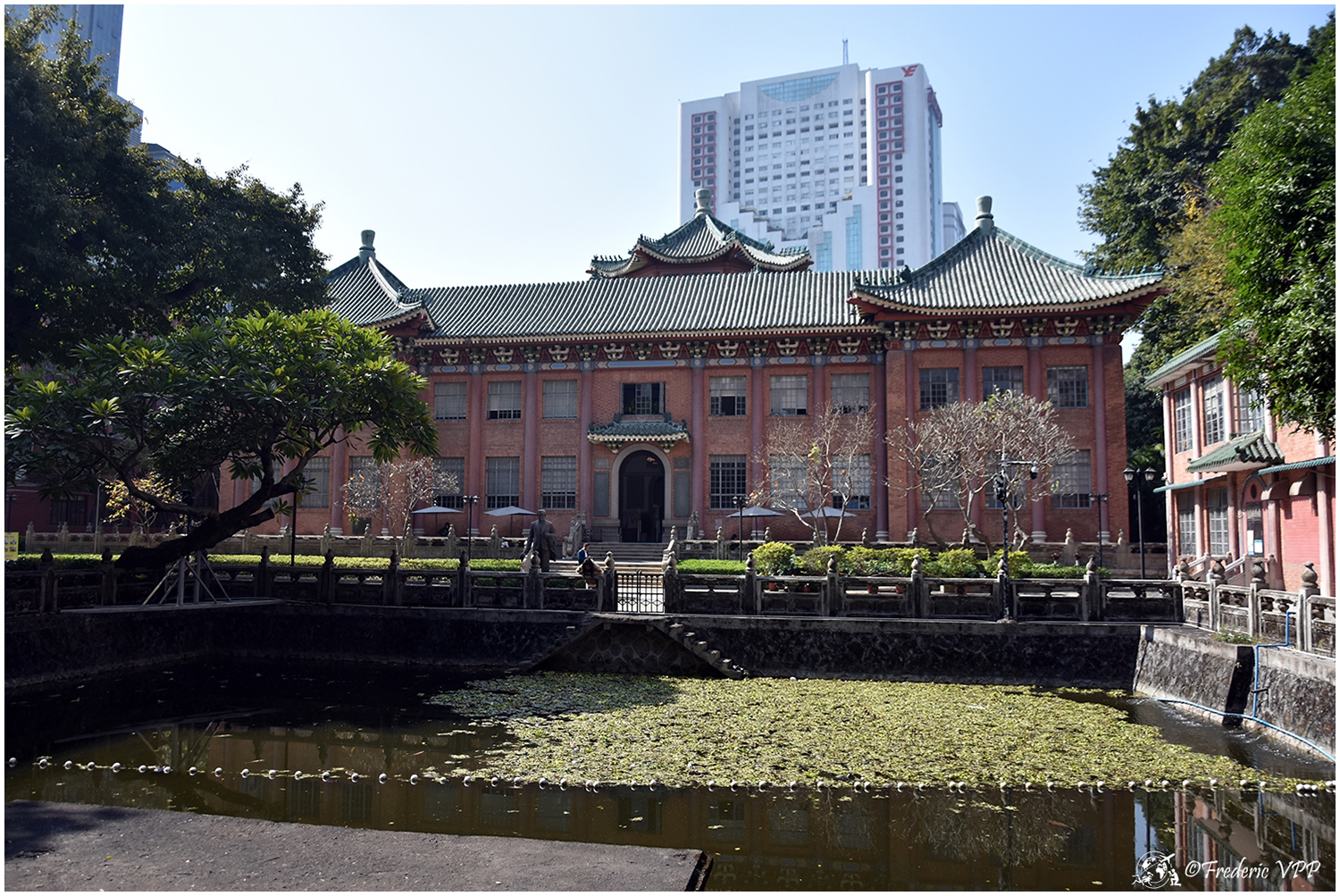
This city has two faces. The 1st is the old Canton with its old buildings, its small alleys and the modern version for the 2nd face. It reminds me a bit of Mumbai, India.
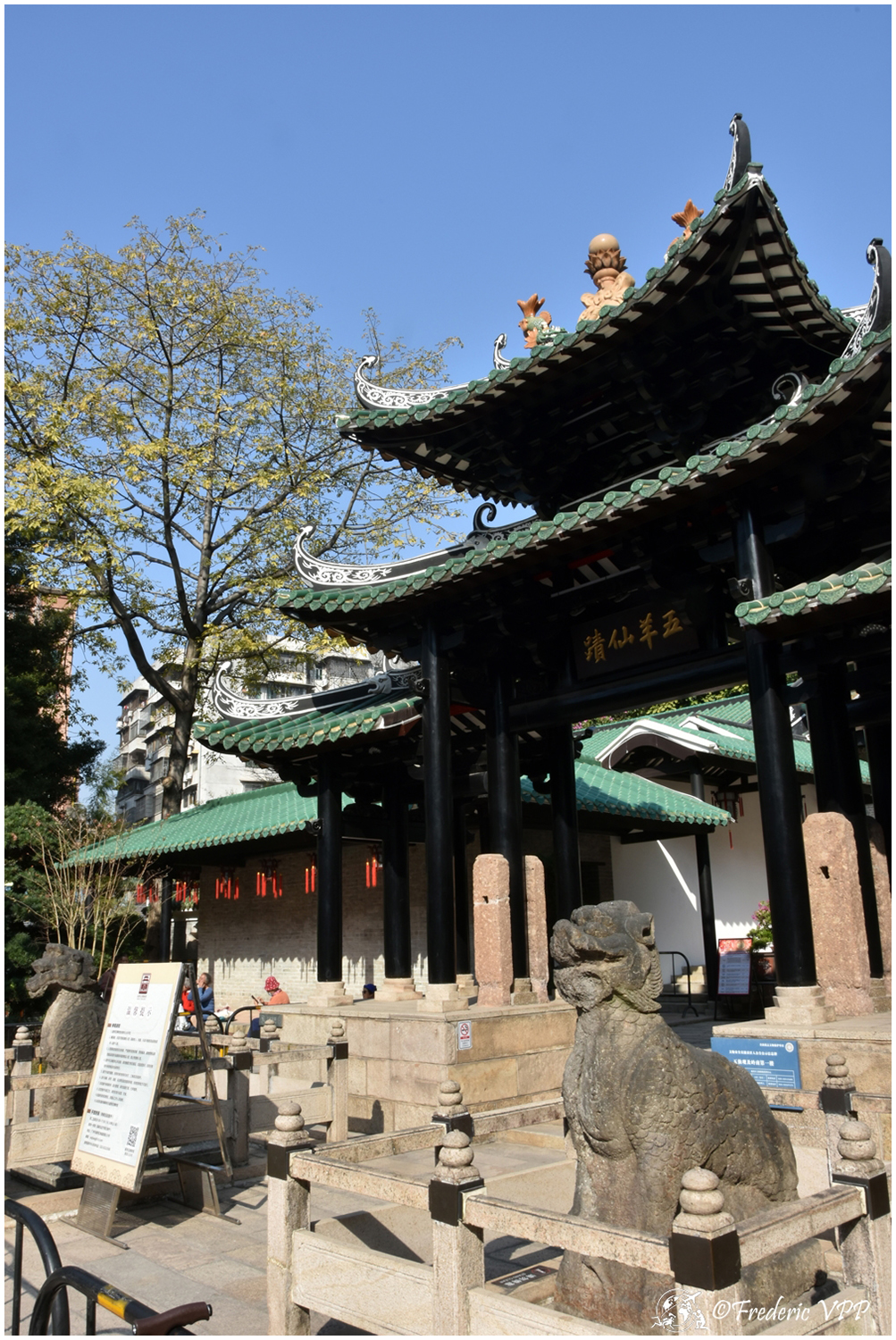
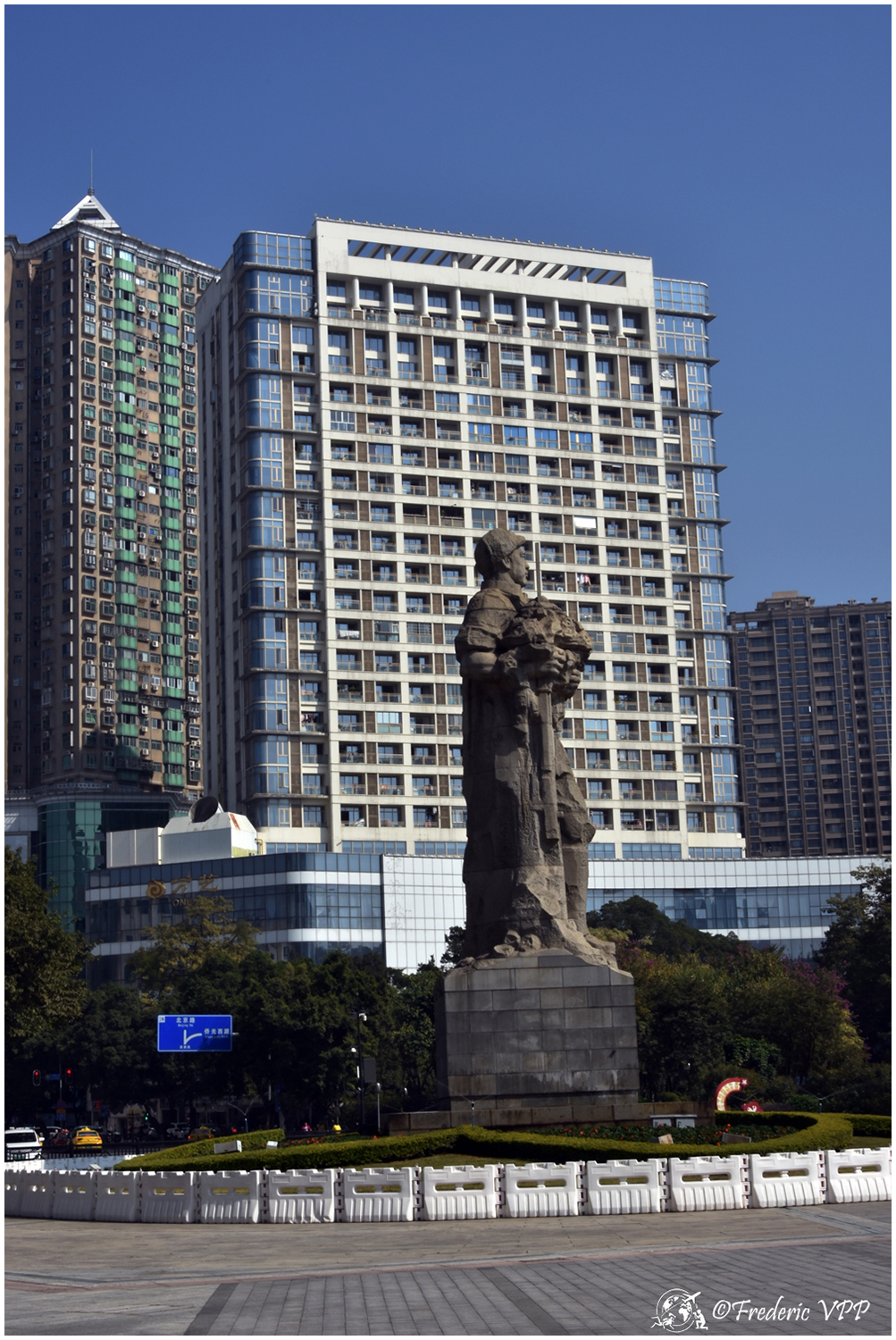
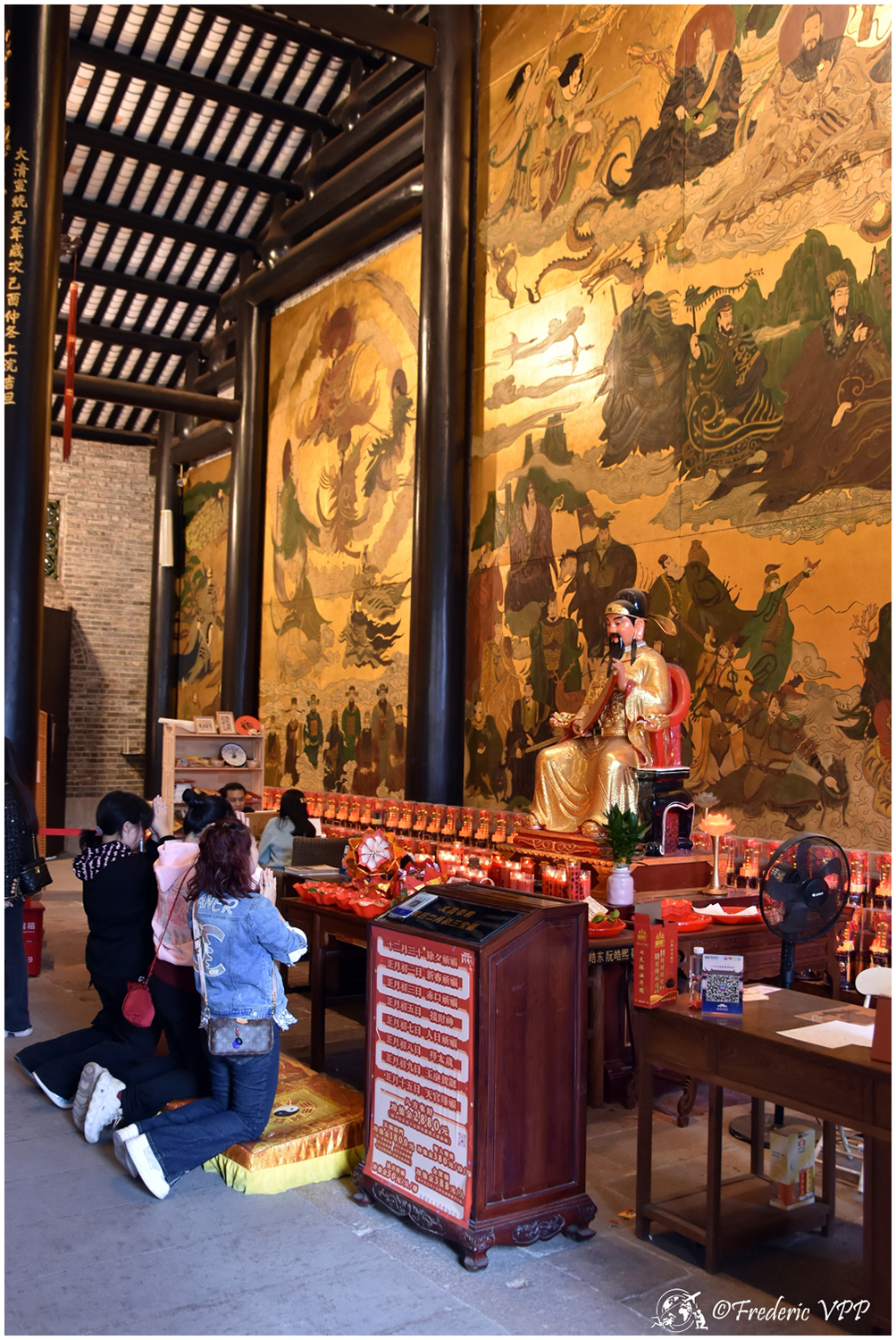
This city remains magnificent for the many parks and statues, as well as for its temples.
|
|
The city of Guangzhou in southern China has had many different names throughout its history. It is known as Panyu, Guangzhou, or Guangzhou.
The city has played the role of a major urban center for global trade and economic development during the more than two thousand years of imperial China's history.
The walls of Guangzhou are home to the stories of Mongol invasions, Islamic travelers, Portuguese exploration, and British imperialism
|
|
Guangzhou is called the "City of Sheep" because of an ancient myth and legend. Legend has it that during the Zhou Dynasty, five immortals arrived in Guangzhou on five-colored sheep, each carrying an ear of rice in their mouths and wishing that there would never be famine in the area. The immortals offered the ears of rice to the people, then flew away, and the five immortal sheep were turned into stones. In order to commemorate these immortals, the Temple of the Five Immortals was built in Guangzhou, which gradually became the "City of Sheep".
Guangzhou is known, also, as the "City of Flowers", which is closely related to its geographical location and climatic conditions. Guangzhou is located on the coast of South China and enjoys a subtropical monsoon climate, which is hot and humid throughout the year, abundant light and a long frost-free period, which is very conducive to flower growth. Guangzhou has a wide variety of flowers, which bloom continuously in all seasons, which has earned it the reputation of the "City of Flowers".
|
|
Sorry if the links are outdated or not accessible
|
|
|


