 Old Jewish Cemetery
Old Jewish Cemetery, Prague, Czech Republic, June 2023
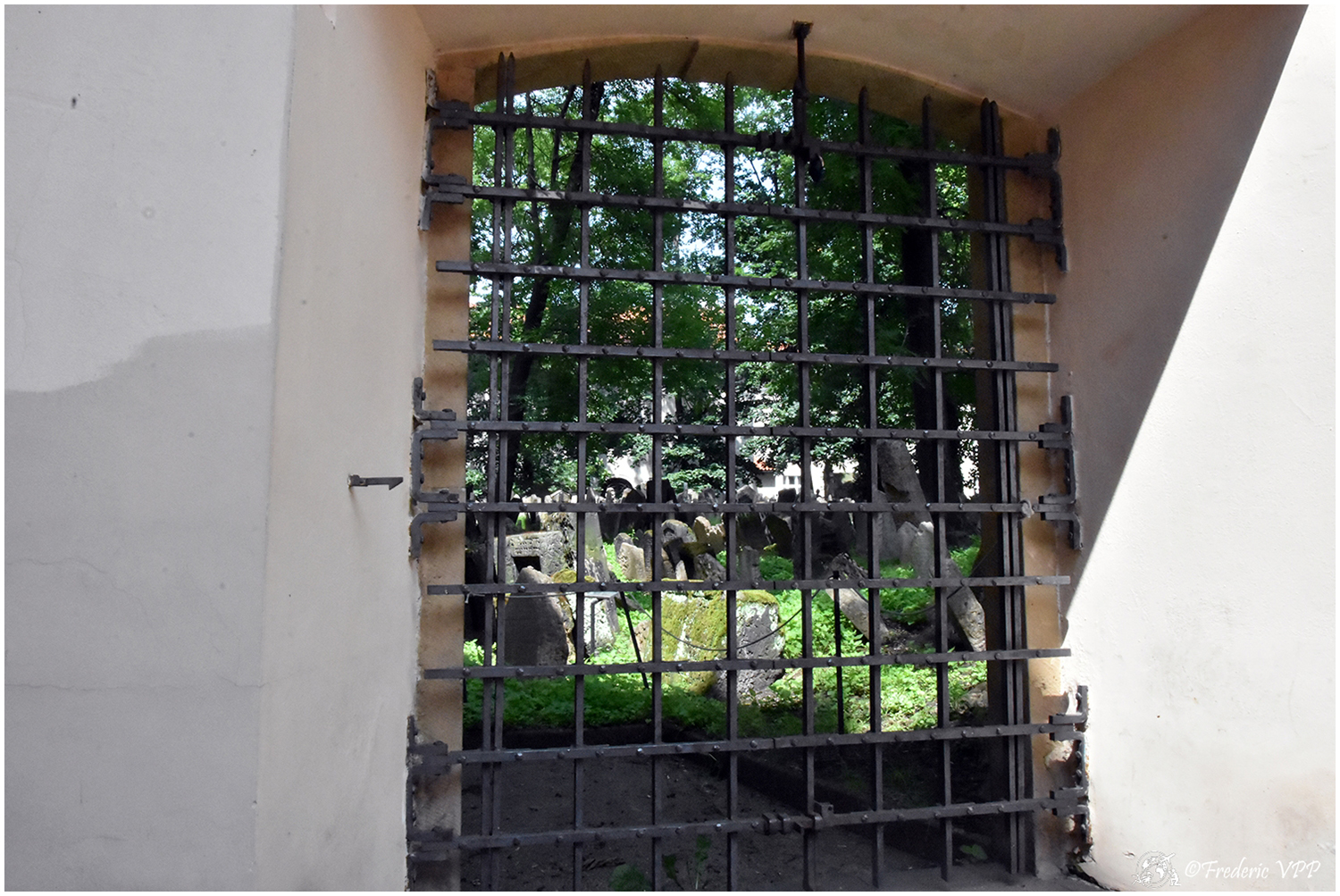
You'll think I'm taking a liking to visiting cemeteries. In a way, that's true, but it's still the old Jewish cemetery. Discovering a country also involves understanding the relationship with the dead in different cultures.
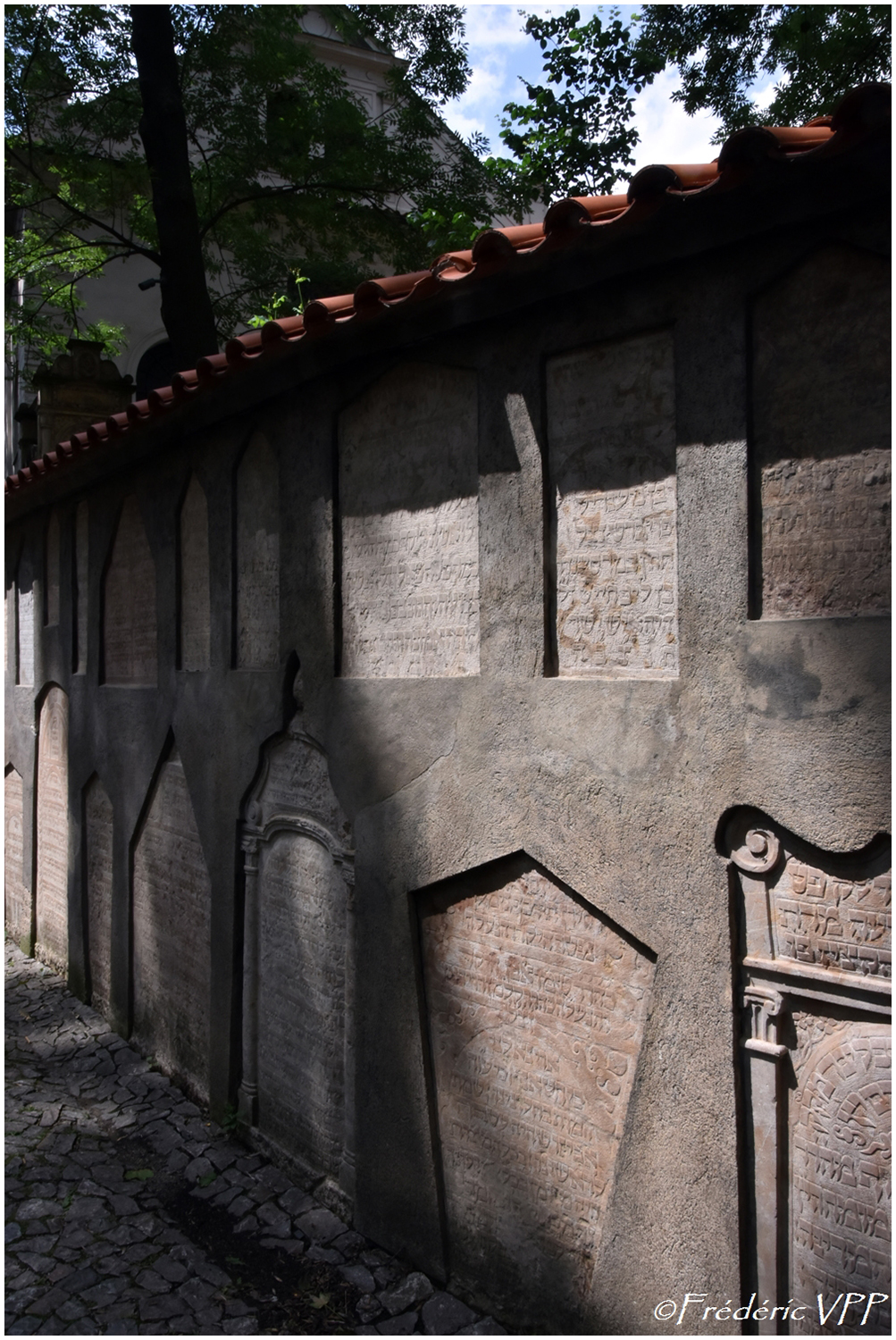
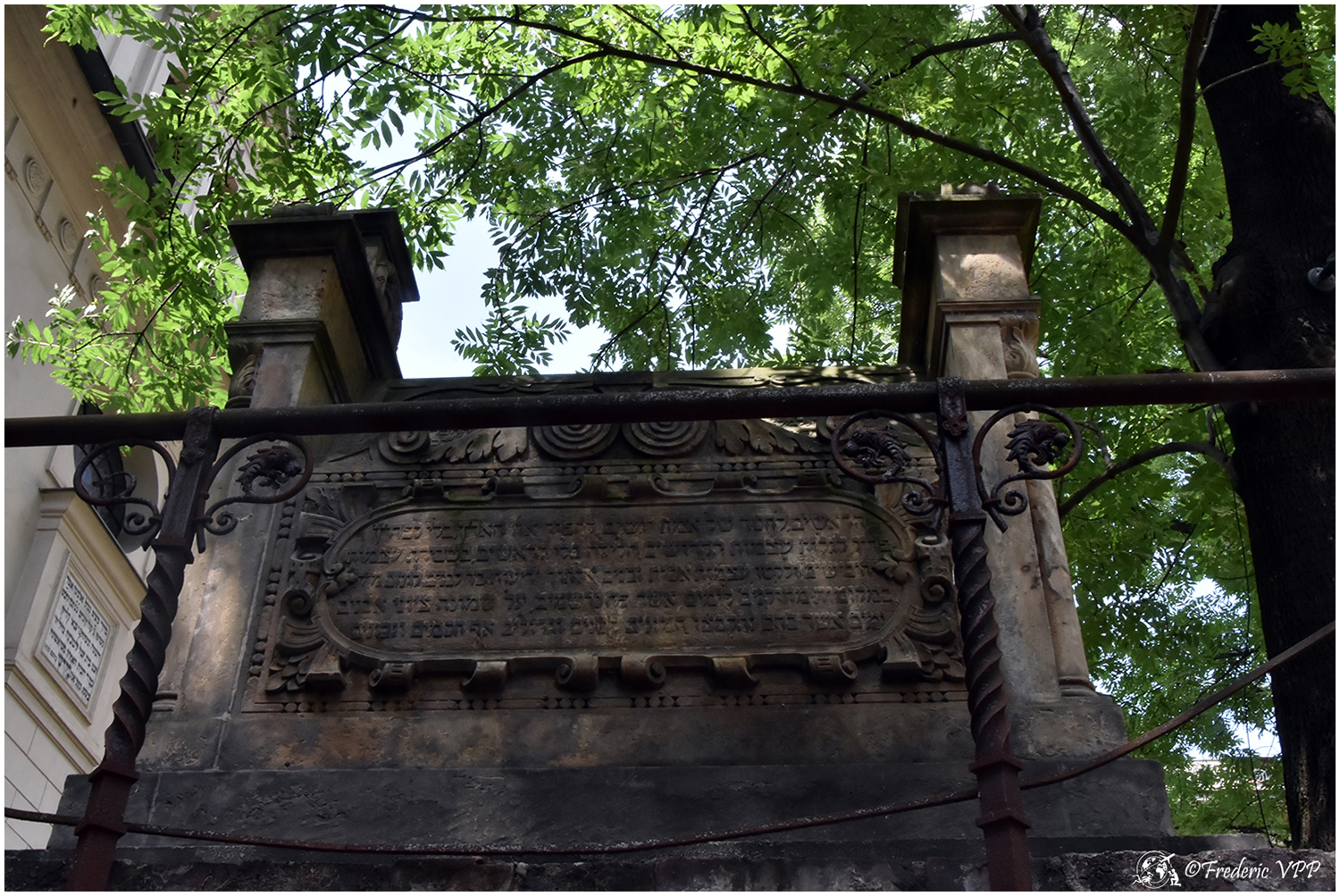
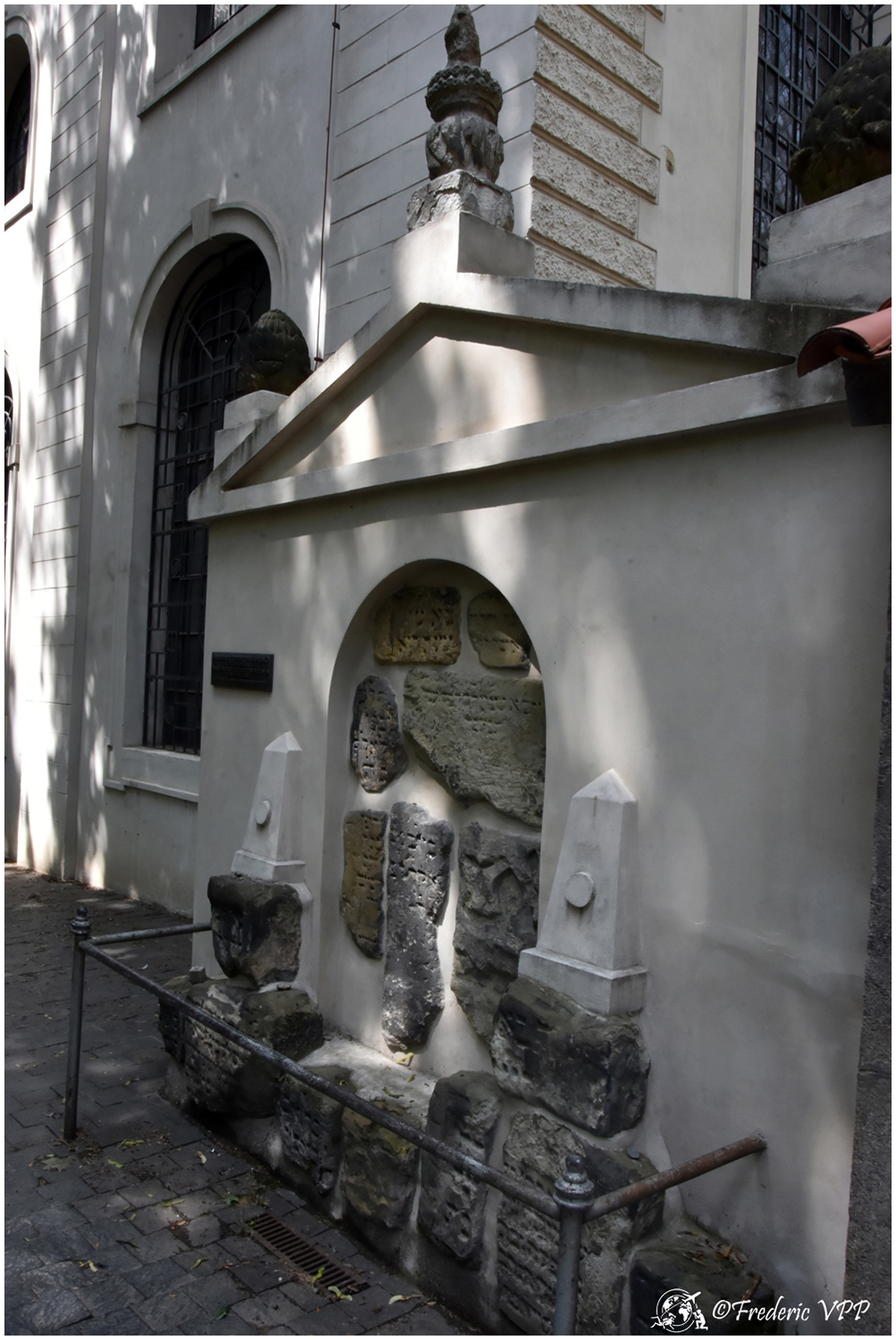
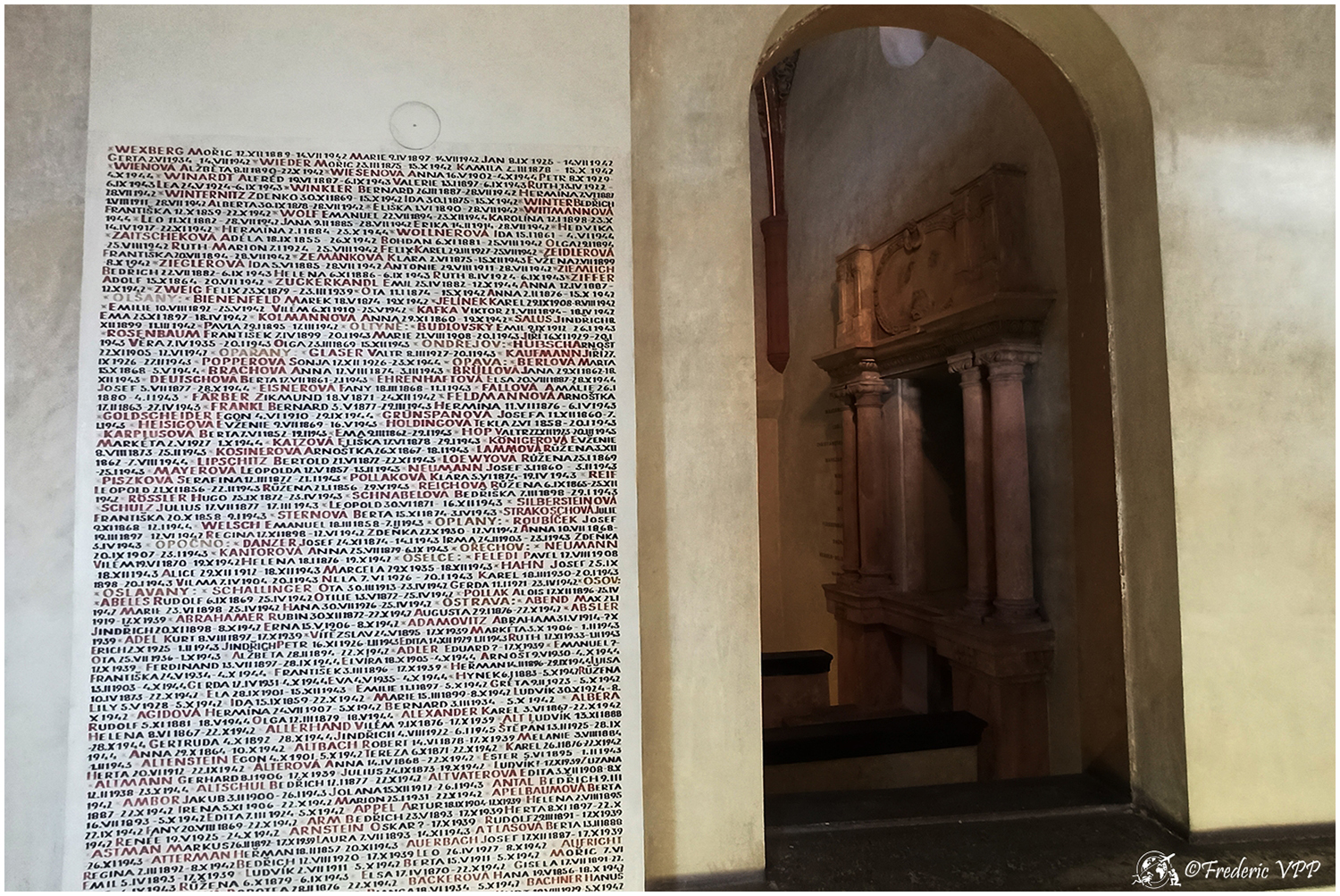
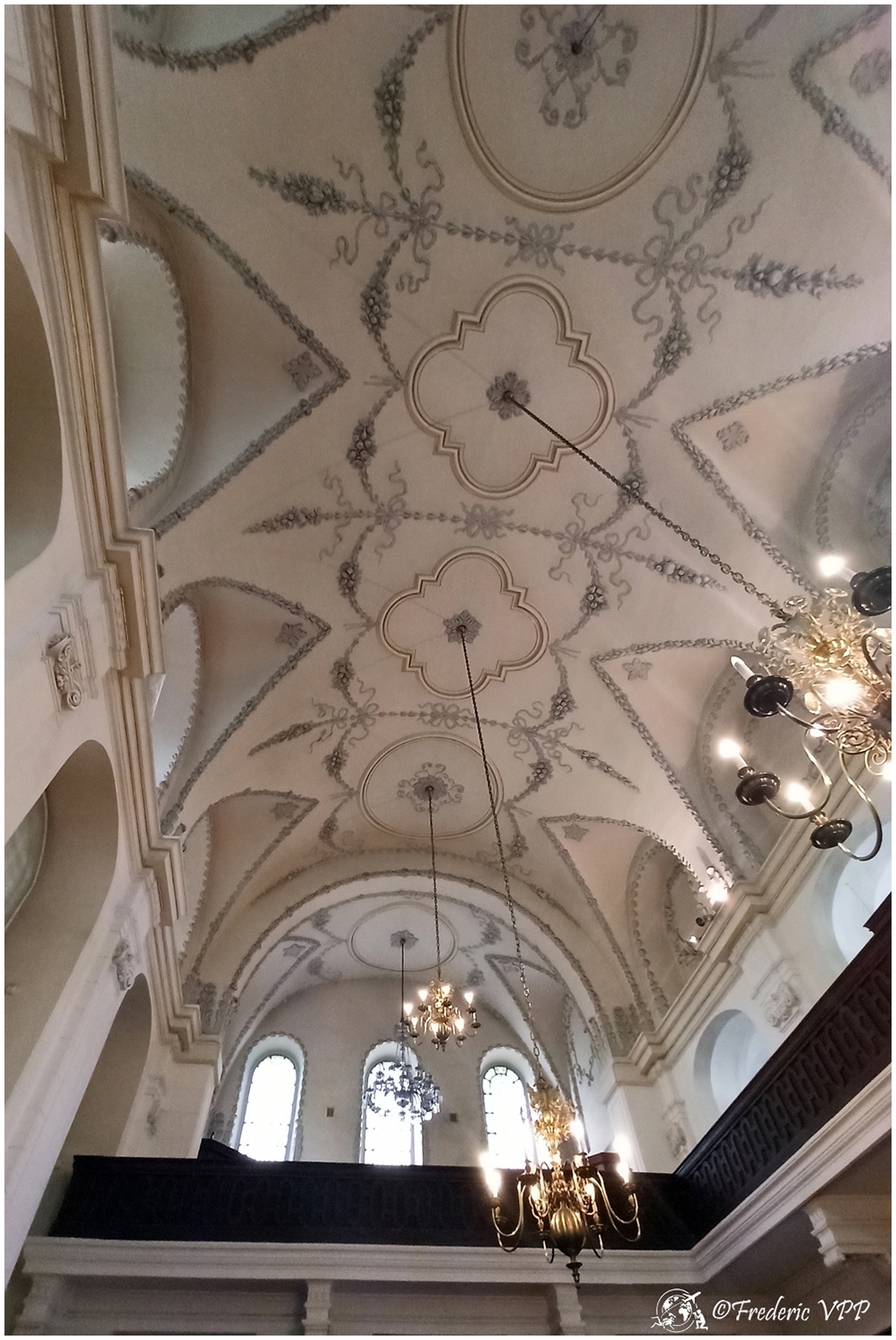
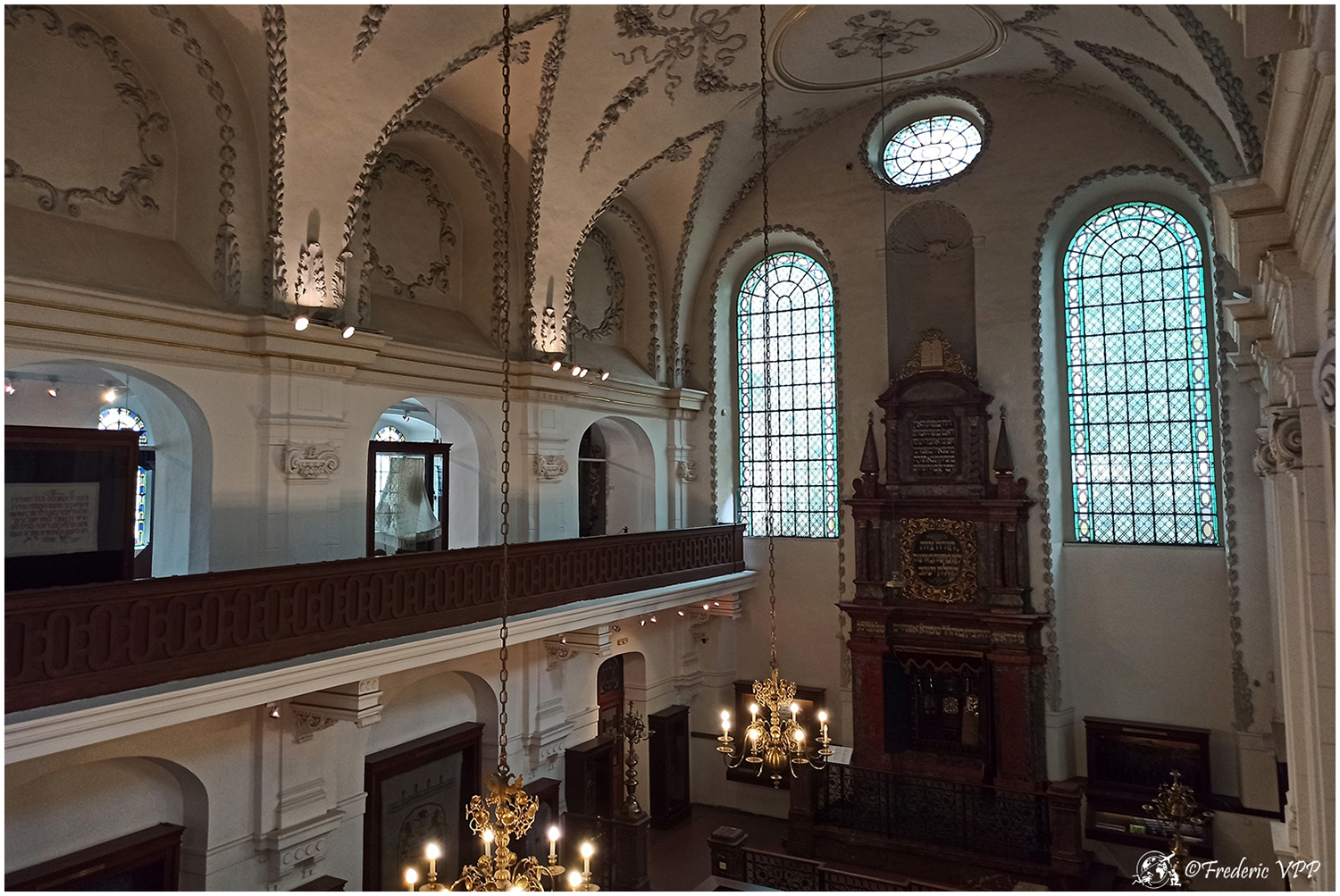
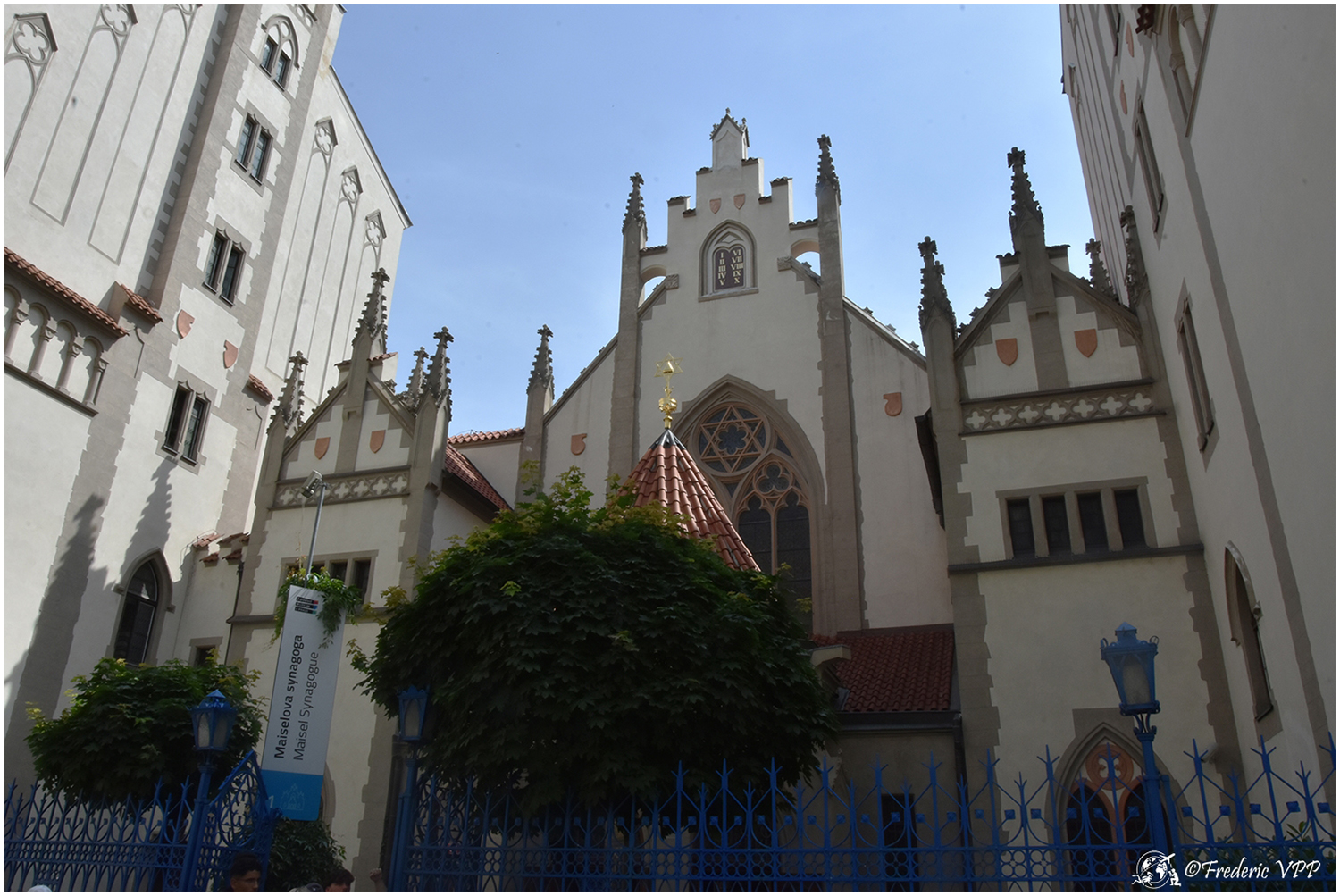
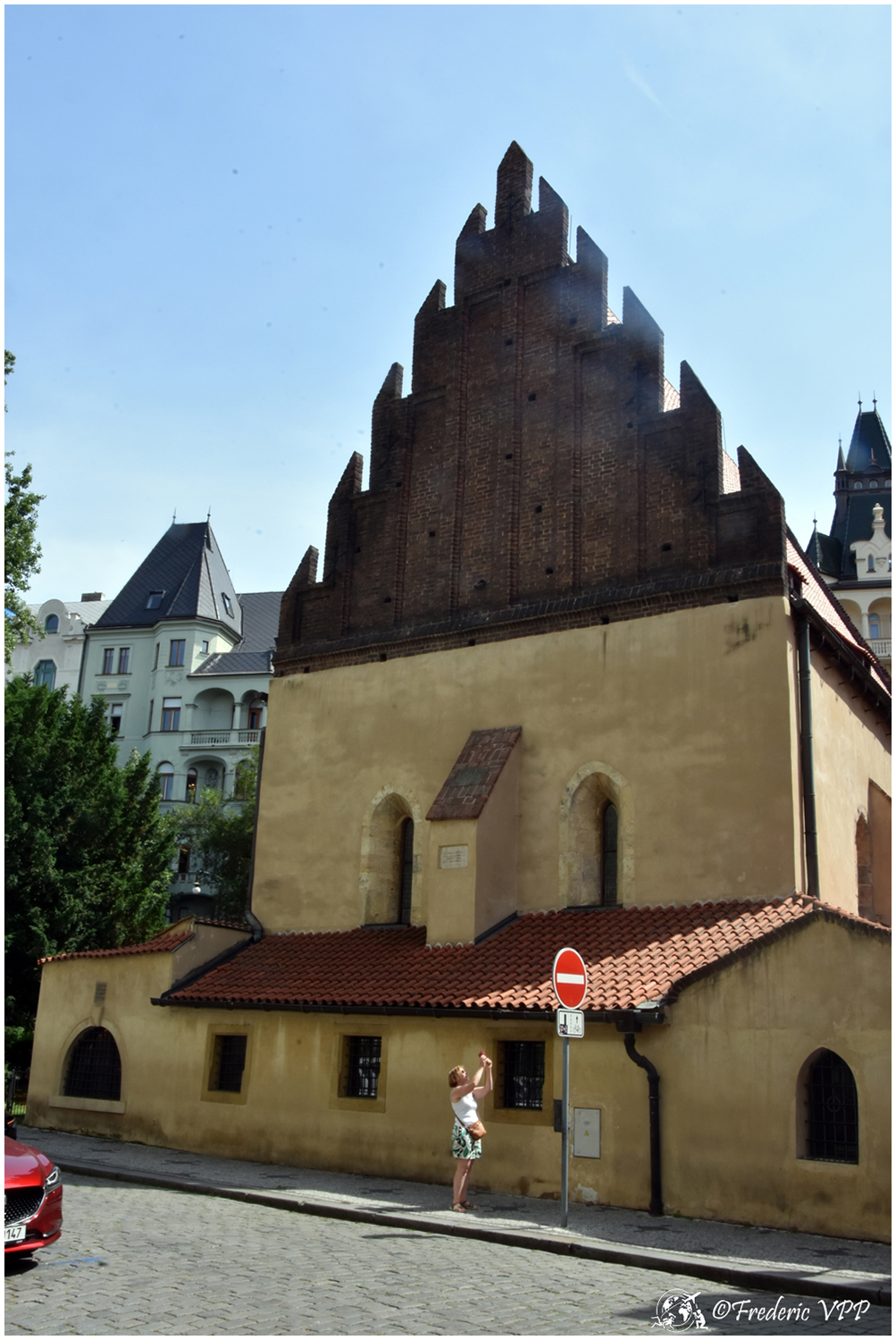
I also did the tour of the synagogues, since to visit the cemetery, you have to pay a fixed price of 5 synagogues. In the 1st, you have the list of the names of the victims of the Holocaust.
|
Among the largest in Europe, it is one of the most important Jewish historical monuments in Prague. Renowned personalities from the local Jewish community were buried there, including Rabbi Juda Loew ben Bezale, businessman Mordechai Maisel, historian David Gans, and Rabbi David Oppenheimer. Today this cemetery is administered by the Jewish Museum in Prague.
It was in function from 1478 to 1786, succeeding the cemetery called "Jewish garden" which was discovered during archaeological excavations under Vladislavova Street. The latter was closed by order of King Vladislas IV of Bohemia in 1478 following complaints from residents of Prague. He later disappeared under the streets of the New Town. The history of the old cemetery probably goes back further but the exact date of its creation is unknown.
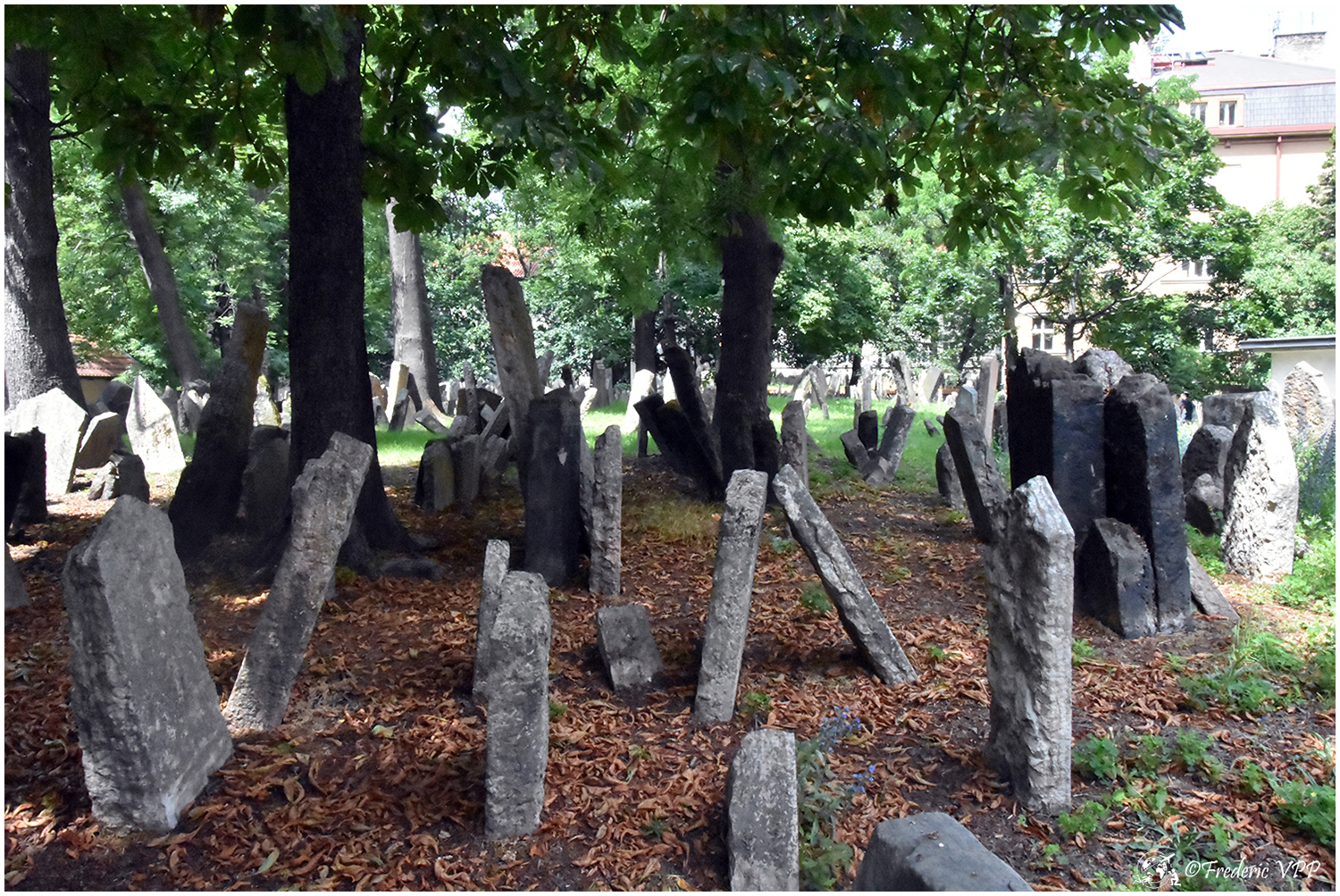
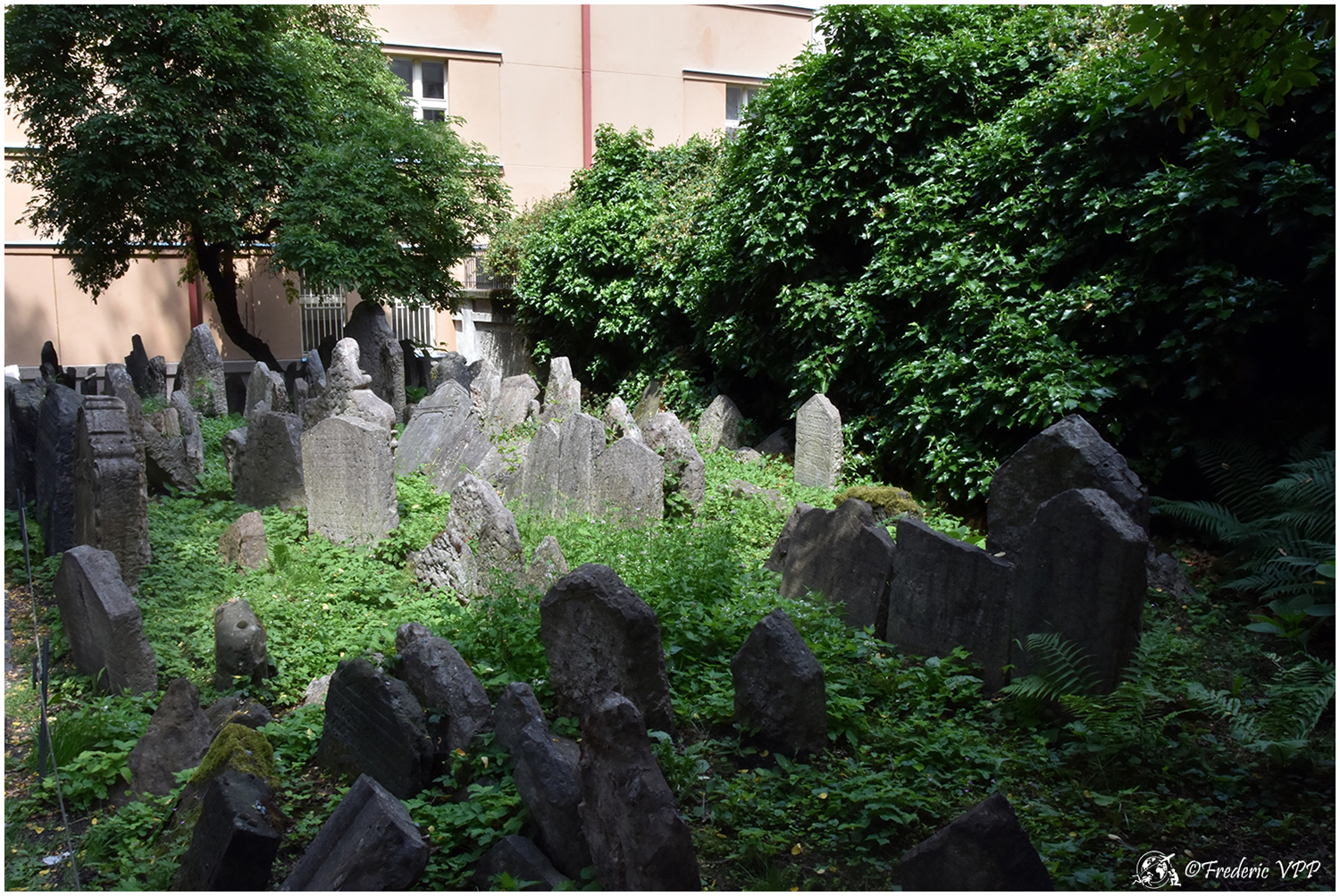
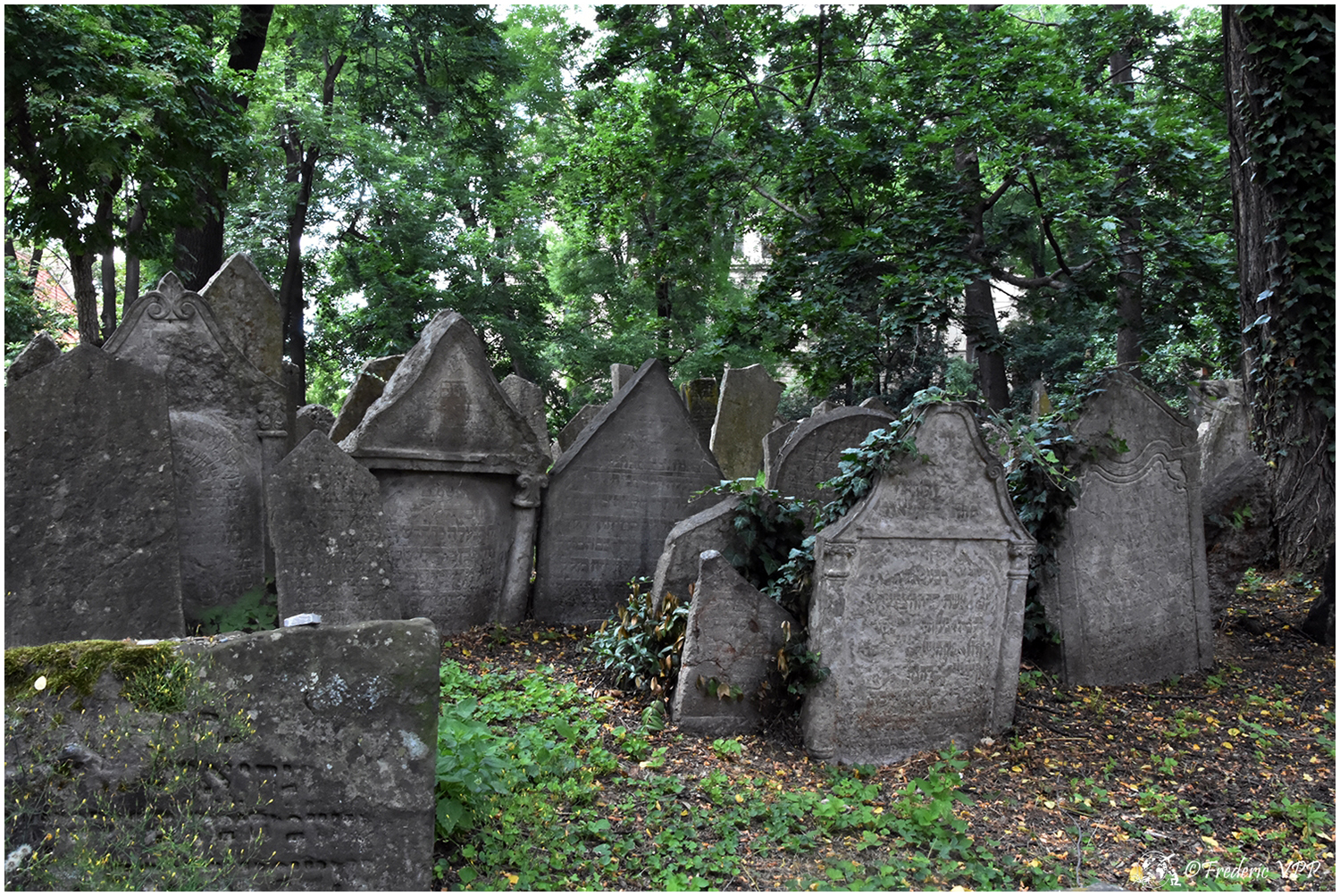
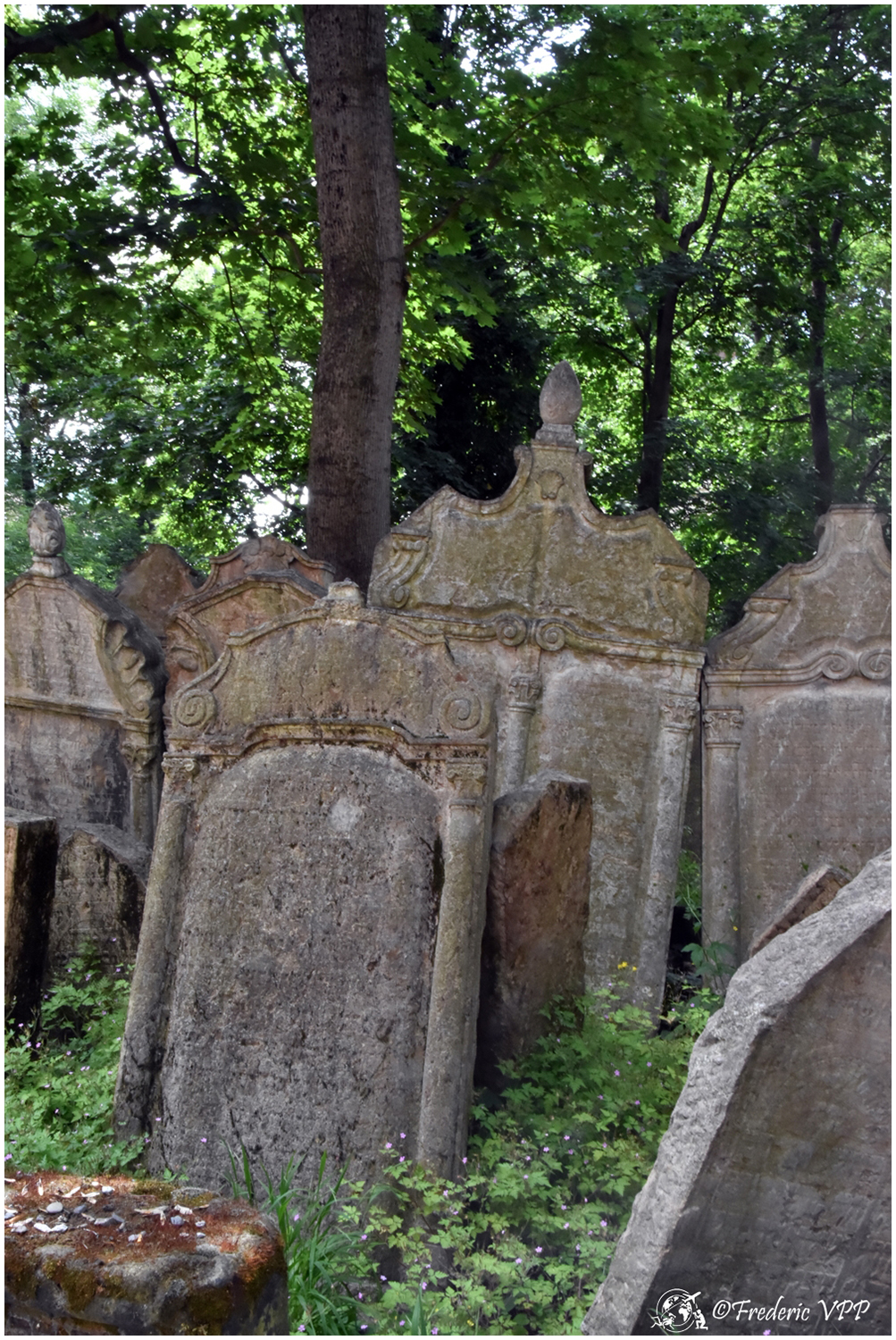
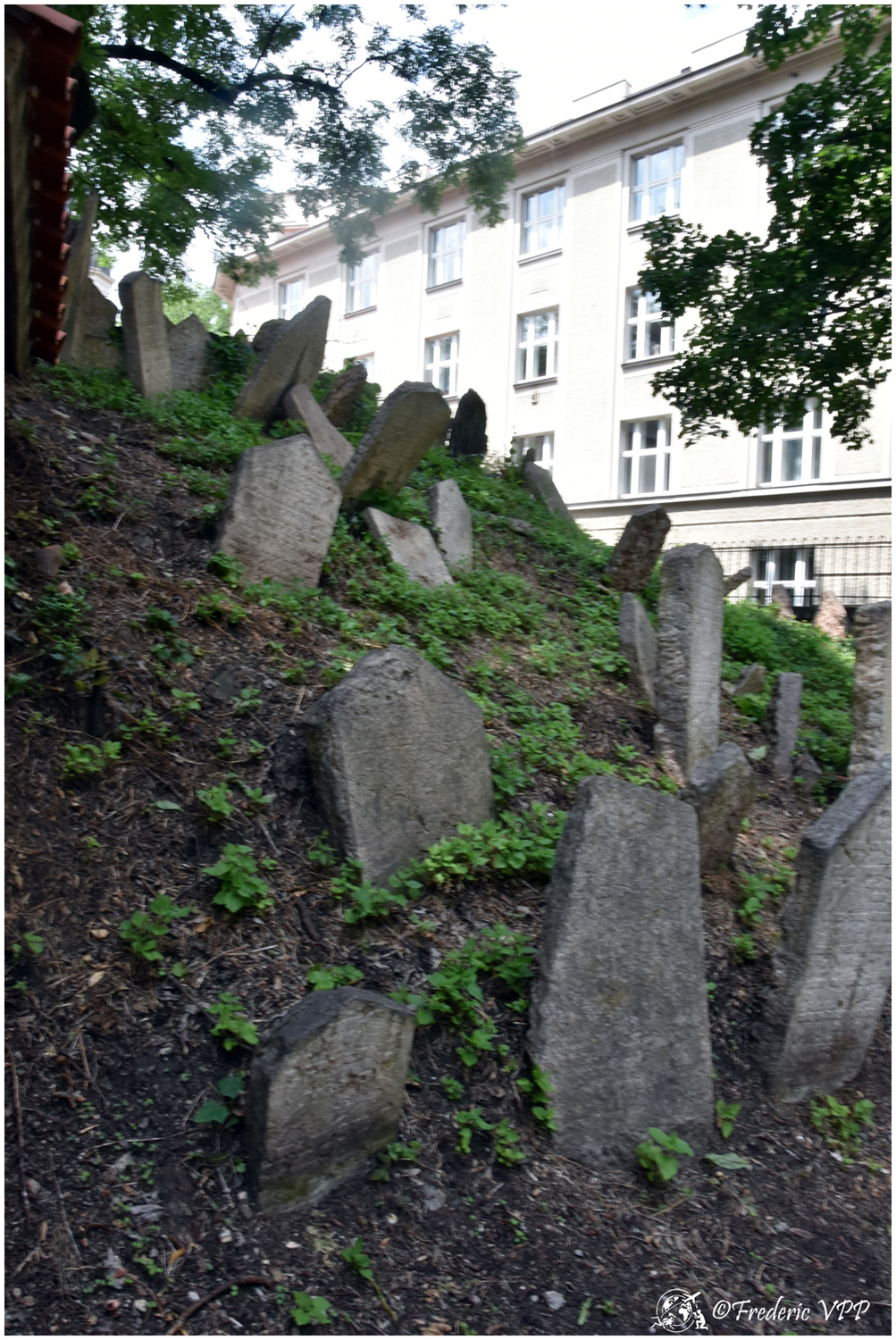
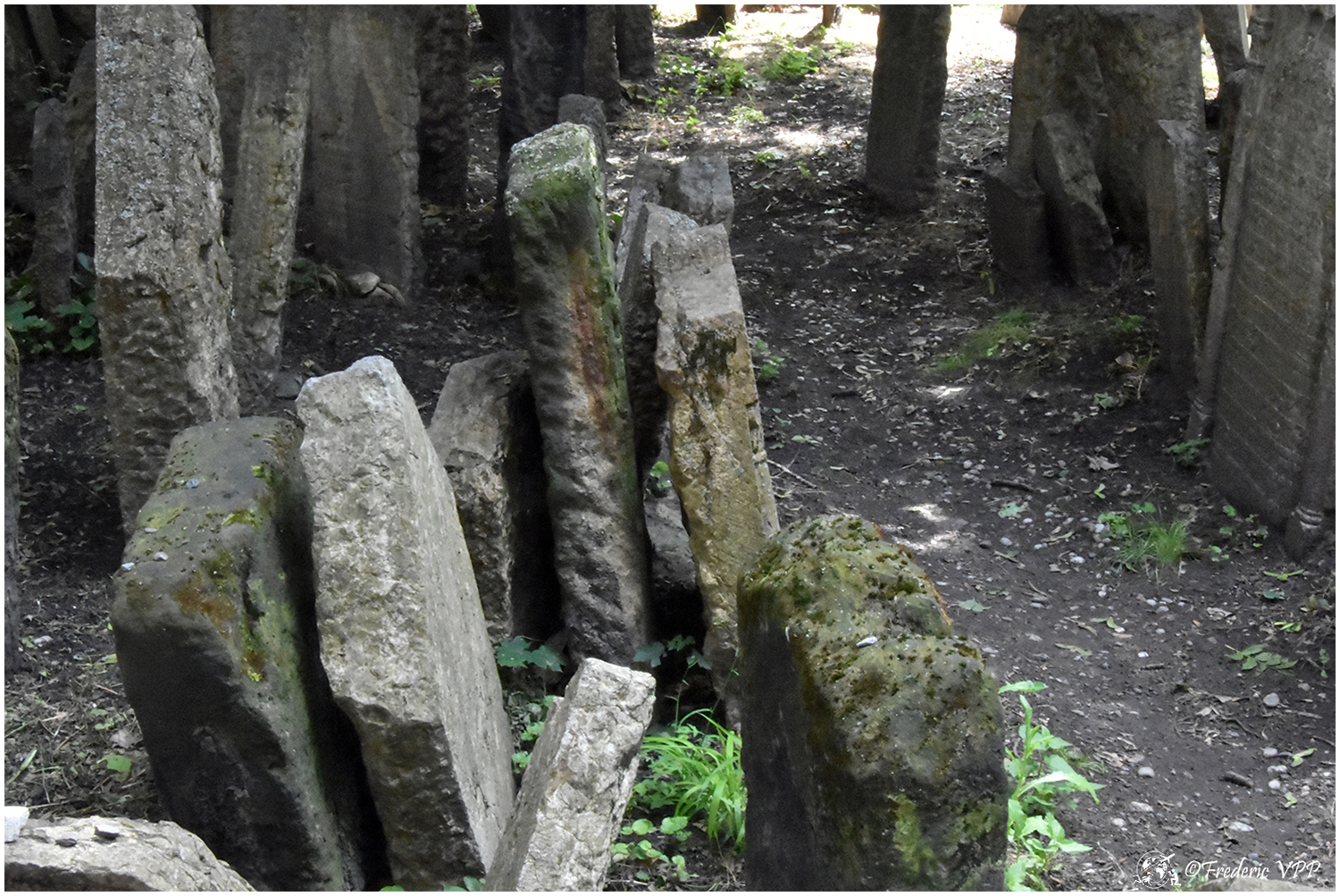
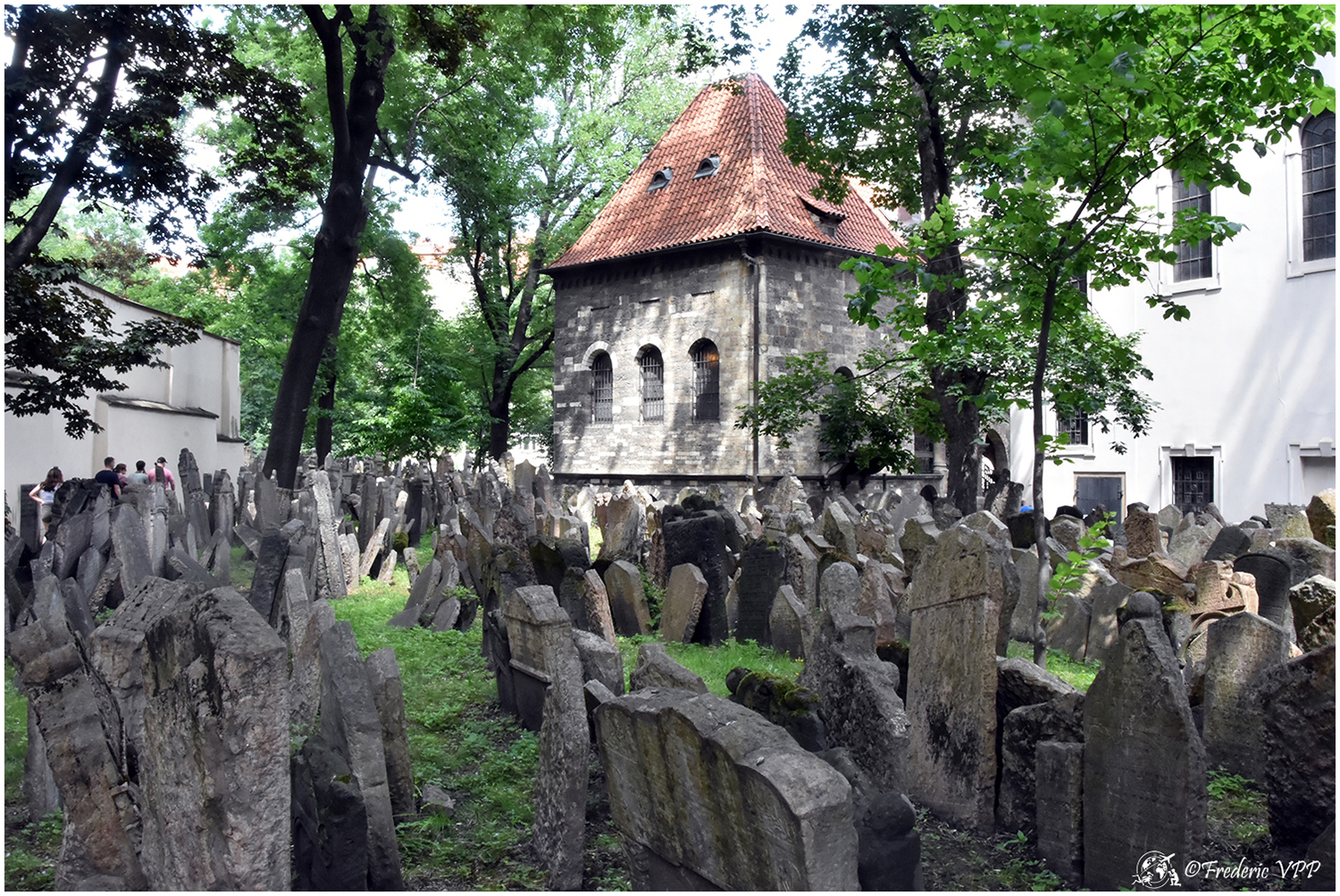
During the more than three centuries of active use of this cemetery, the question of space was a permanent problem. Piety and respect due to deceased ancestors do not allow Jews to remove an existing grave. Only occasionally was the Jewish community allowed to buy land to extend the cemetery and were often forced to add layers of earth on top of the existing ground, so that in places there are up to twelve successive layers. This made it possible to preserve the oldest tombs. However, when adding new layers one had to either cover the old tombstones or raise them to the new surface, which explains the high density of tombstones that can be seen today. The exact number of tombstones and buried dead is imprecise due to the successive layers, but it is estimated at twelve thousand graves.
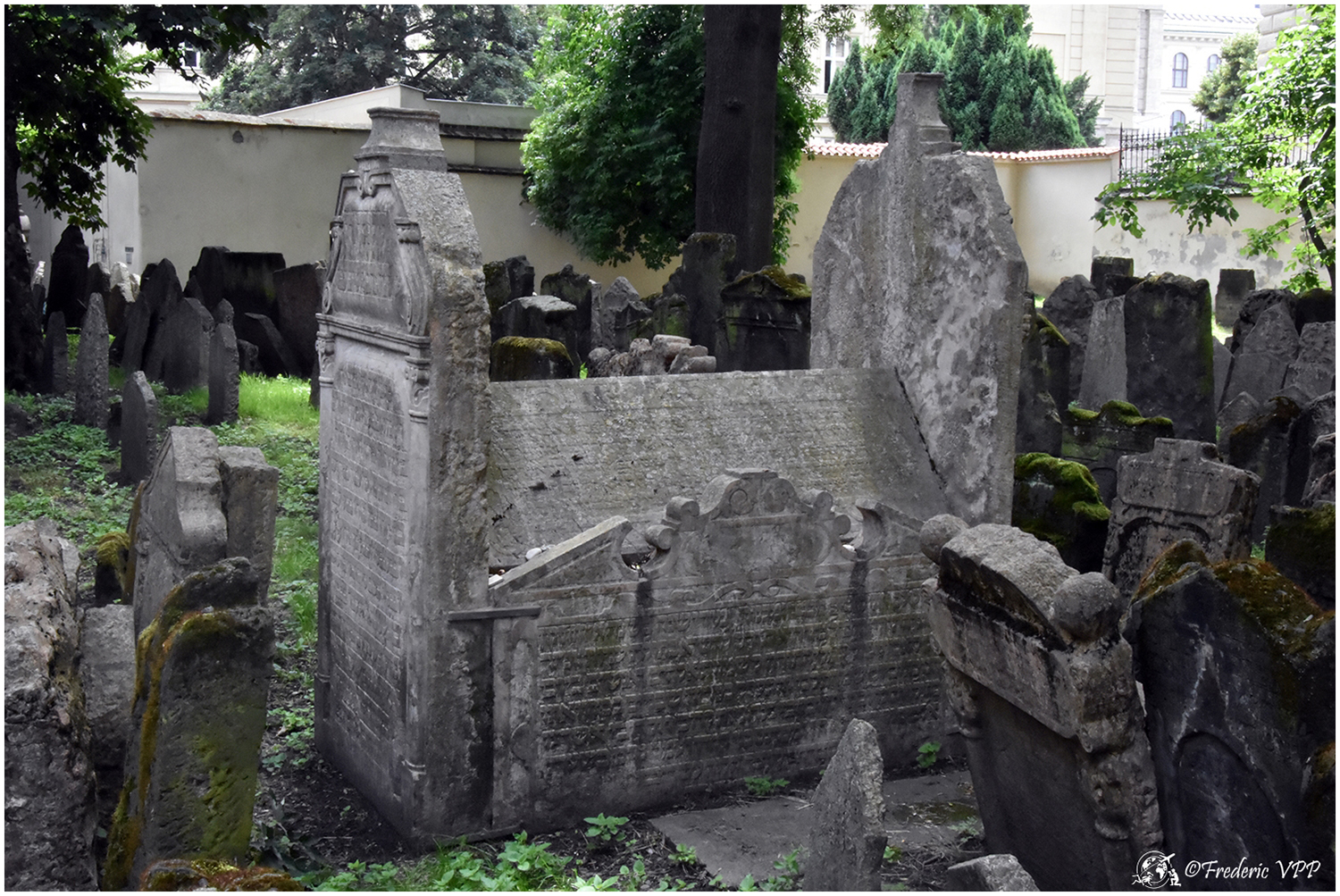
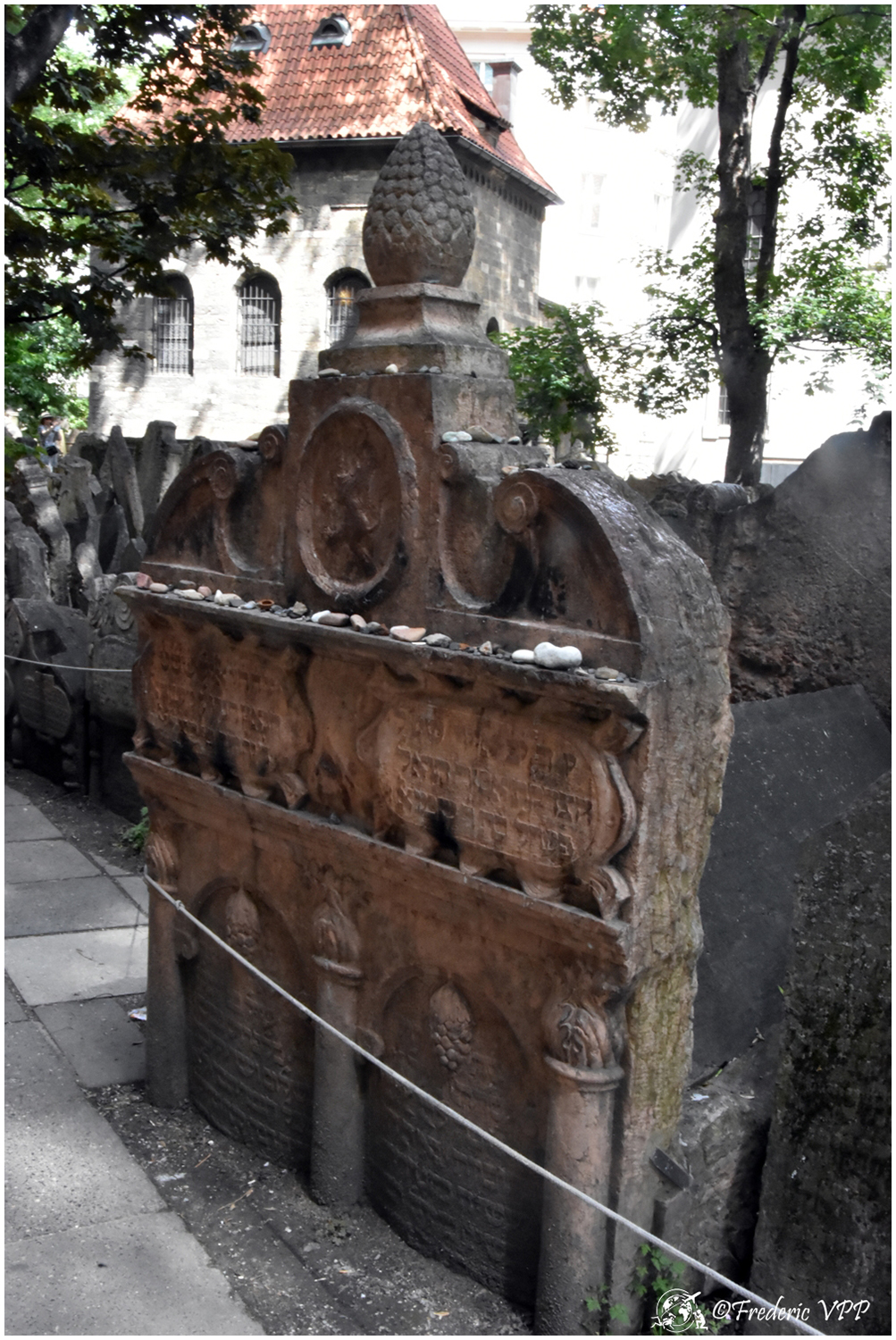
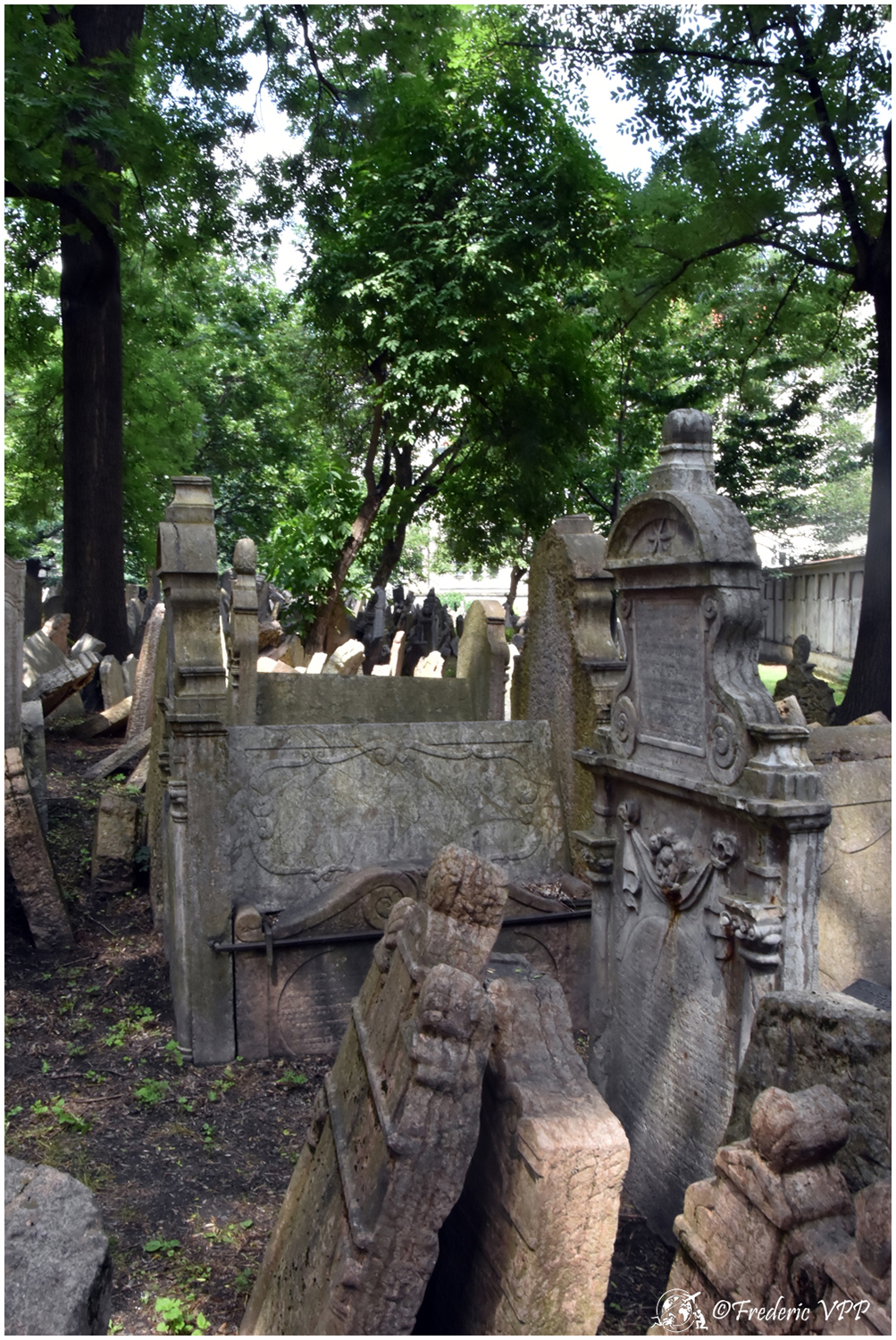
There are two types of funerary monuments in the Jewish tradition (matzevot in Hebrew). The oldest is a rectangular slab of wood or stone, but the top of which has various shapes. The ohel appears later in the Baroque period and is reserved for illustrious figures of the Jewish community such as Mordechai Maisel or the Maharal. The ohel does not contain the remains of the deceased which lie deeper in the ground.
|
|
Sorry if the links are outdated or not accessible
|


|
|


