 Wein
WeinWein, Austria, January 2023
A slightly cool temperature, around 6°, bearable if there was not a little wind from time to time...
|
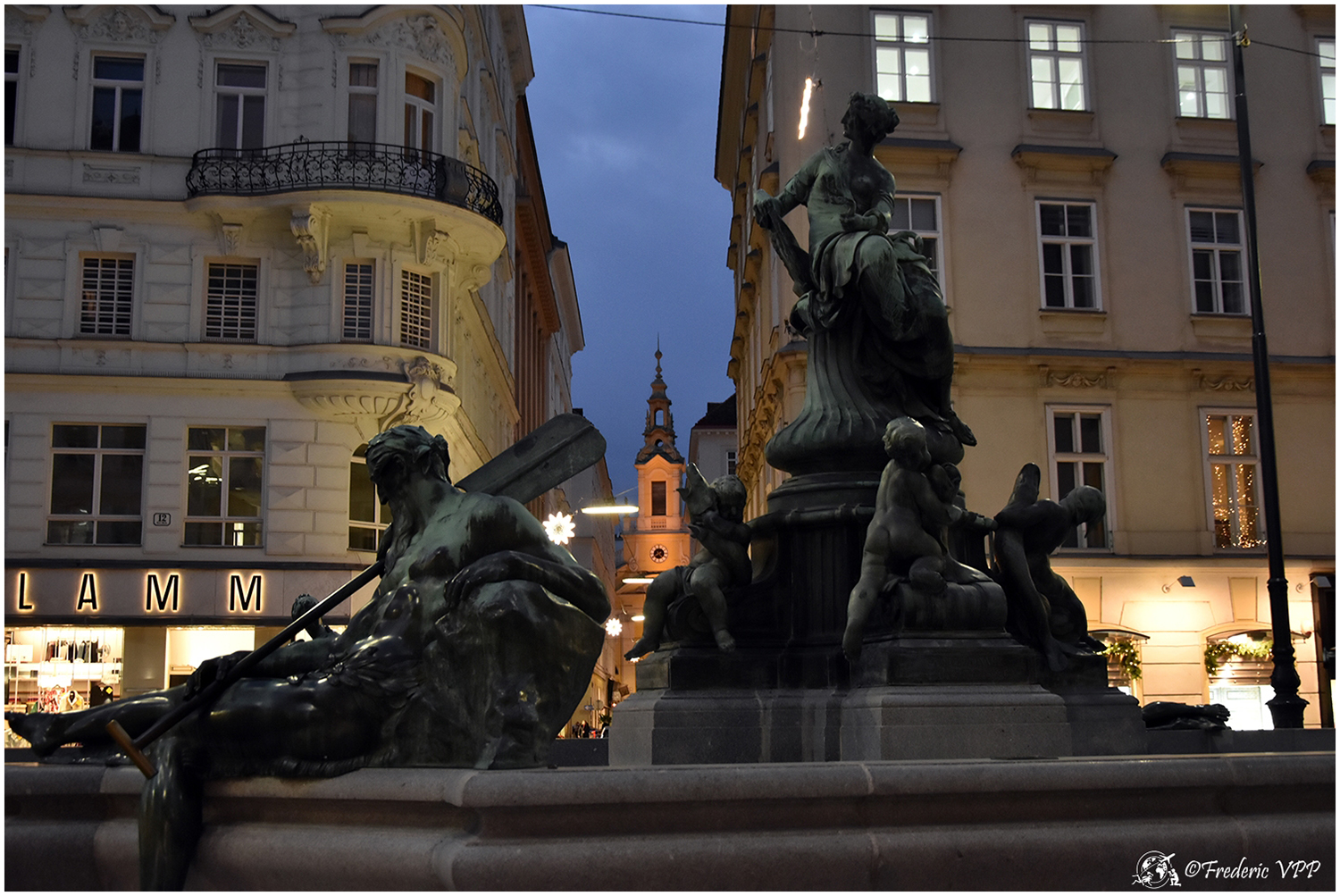
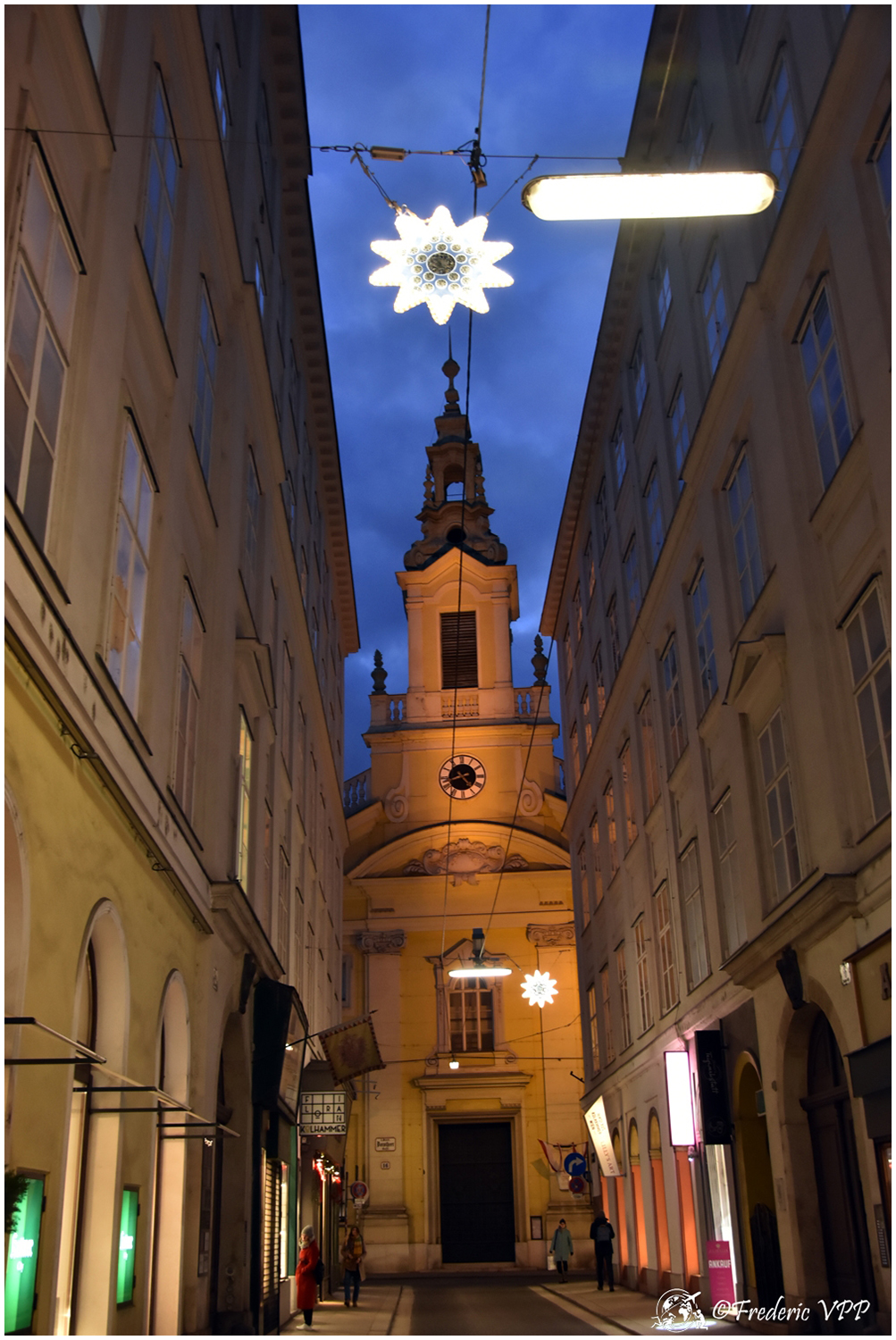
My hotel is inside the old historic center. I will be able to walk in these small alleys.
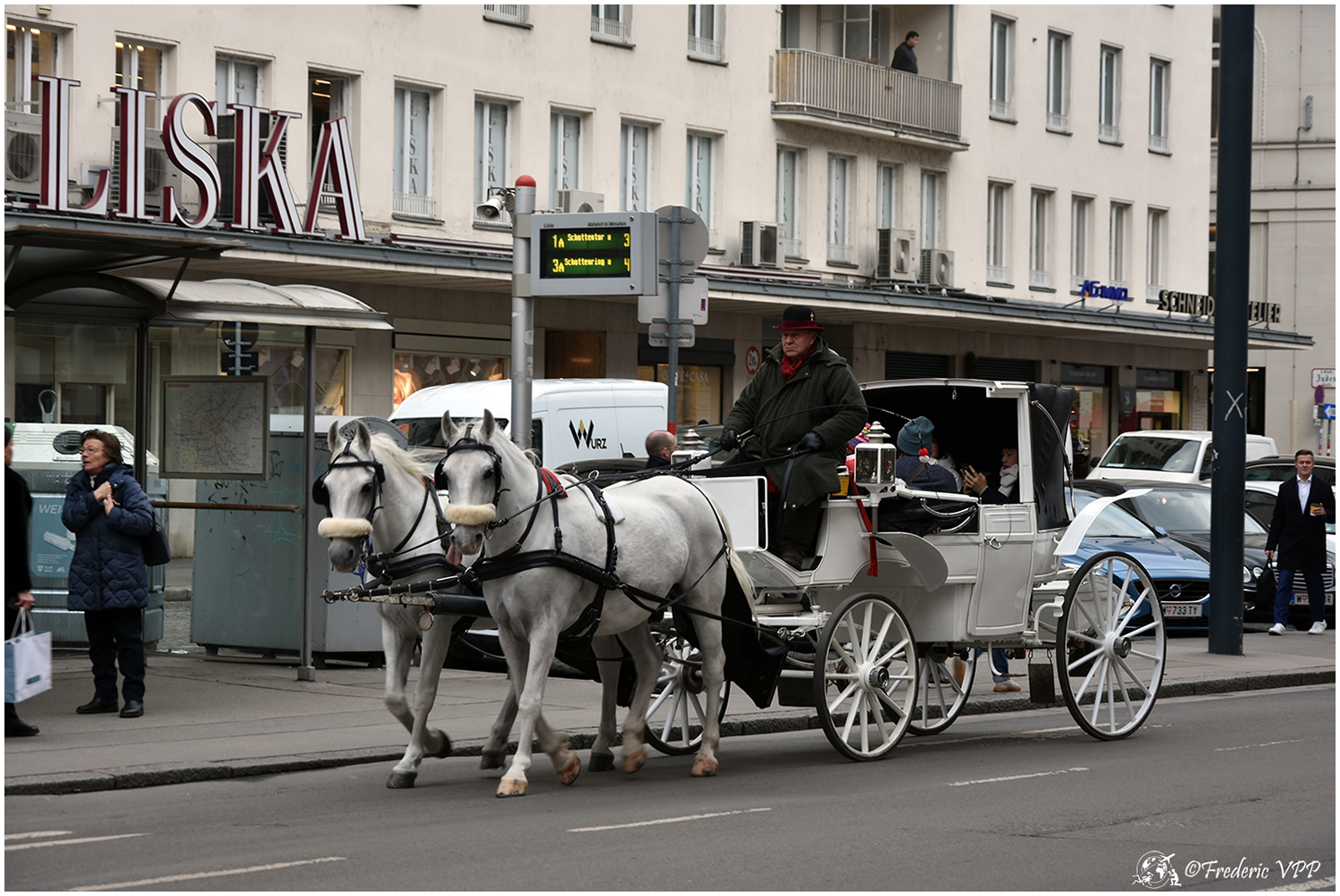
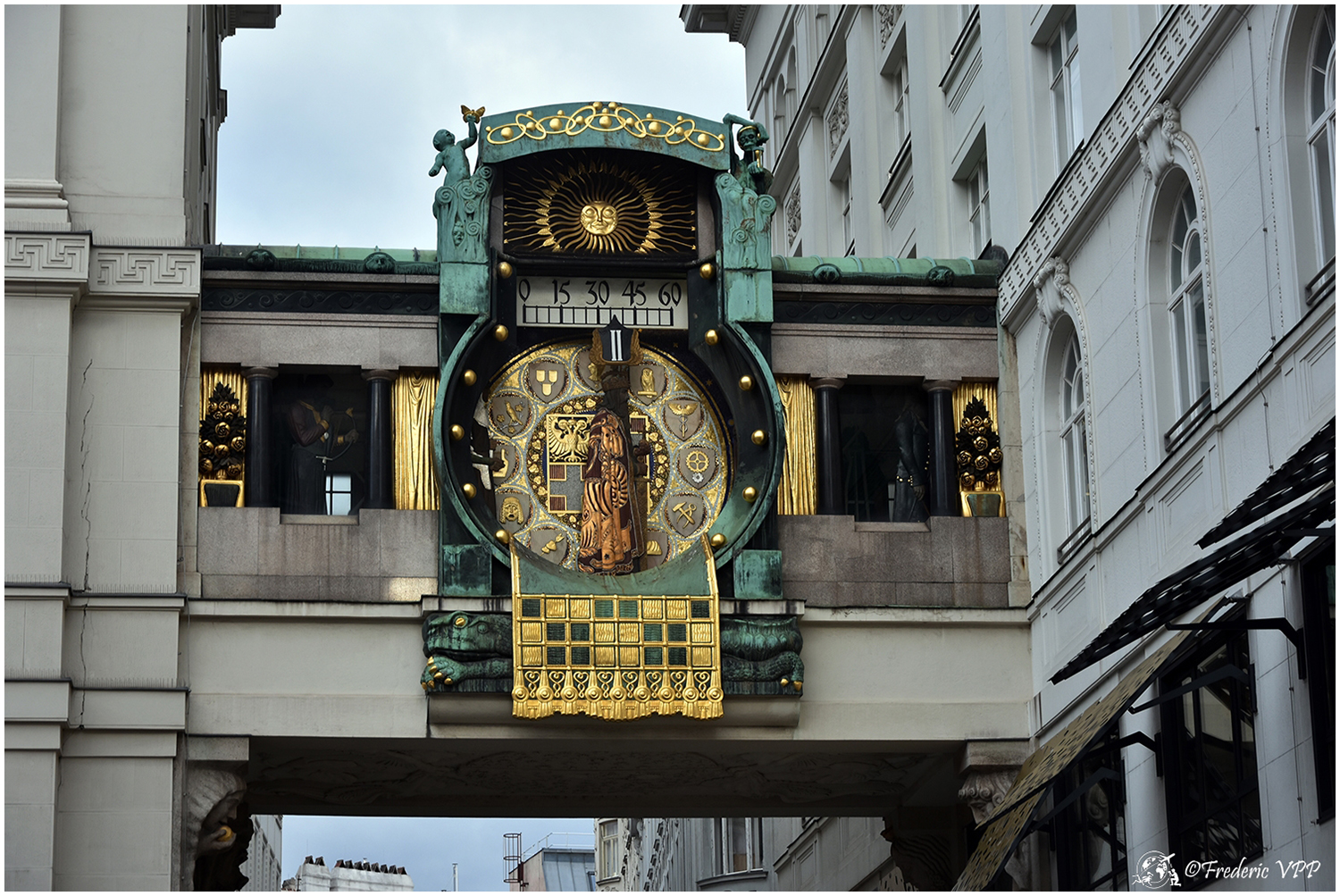
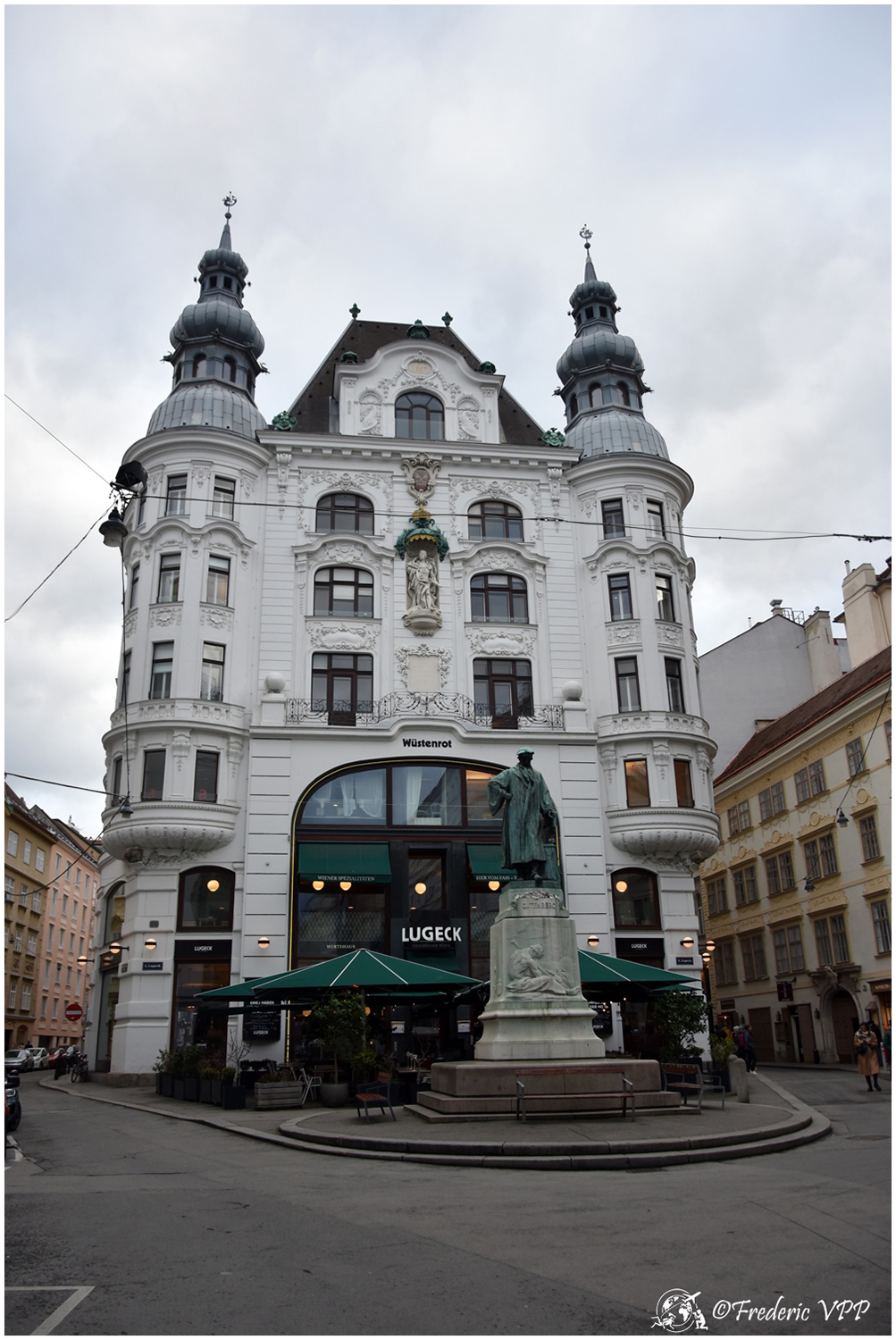
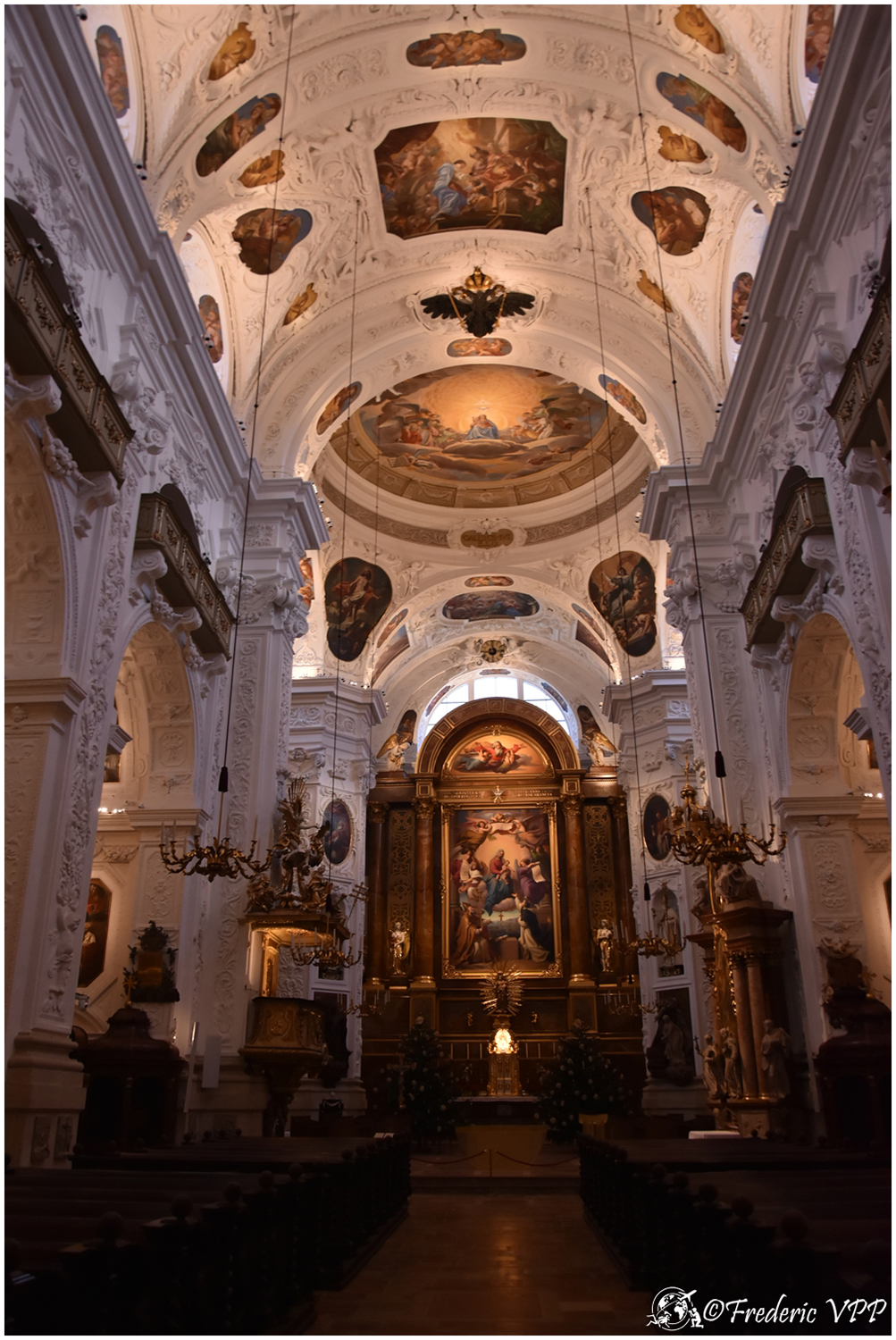
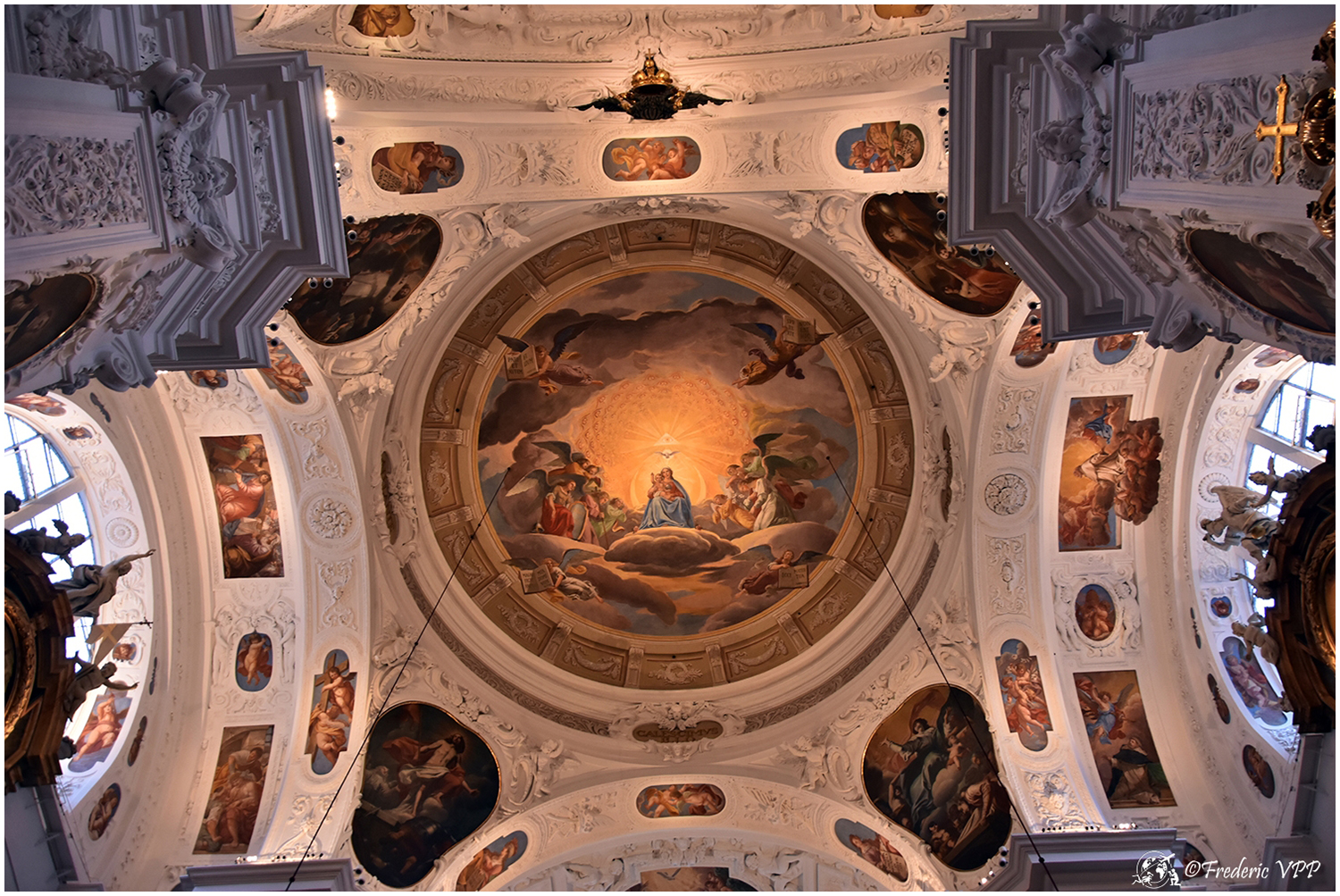
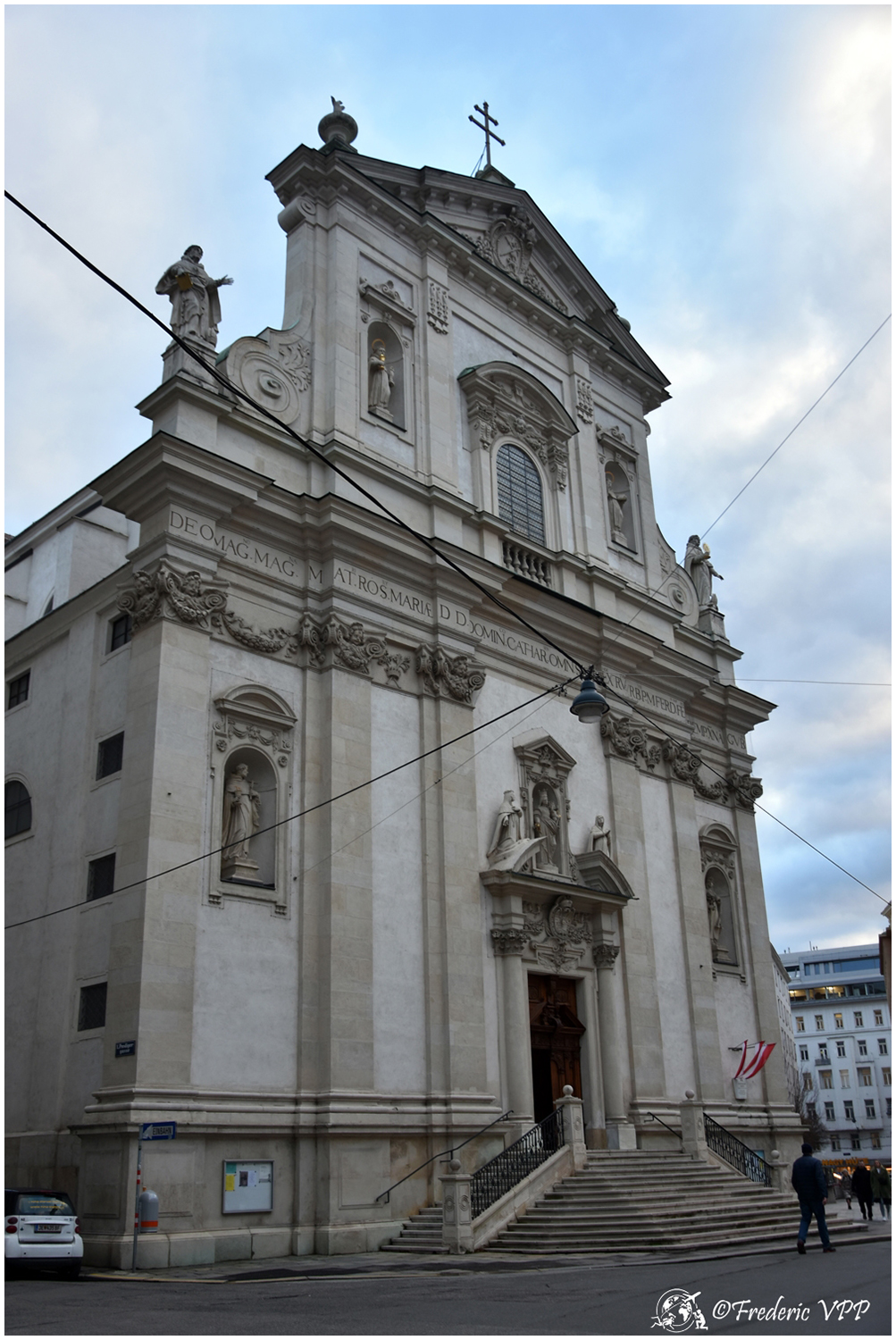
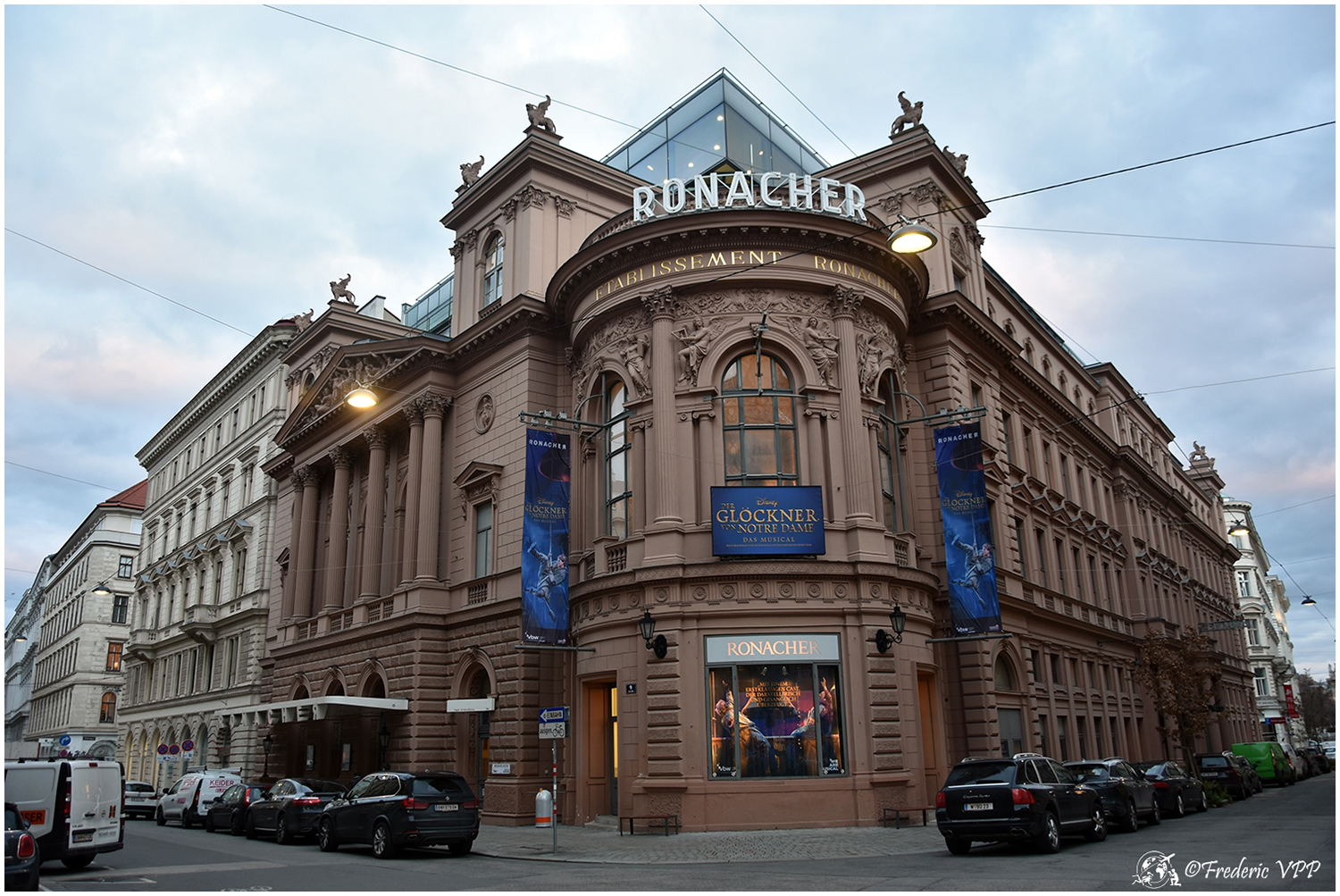
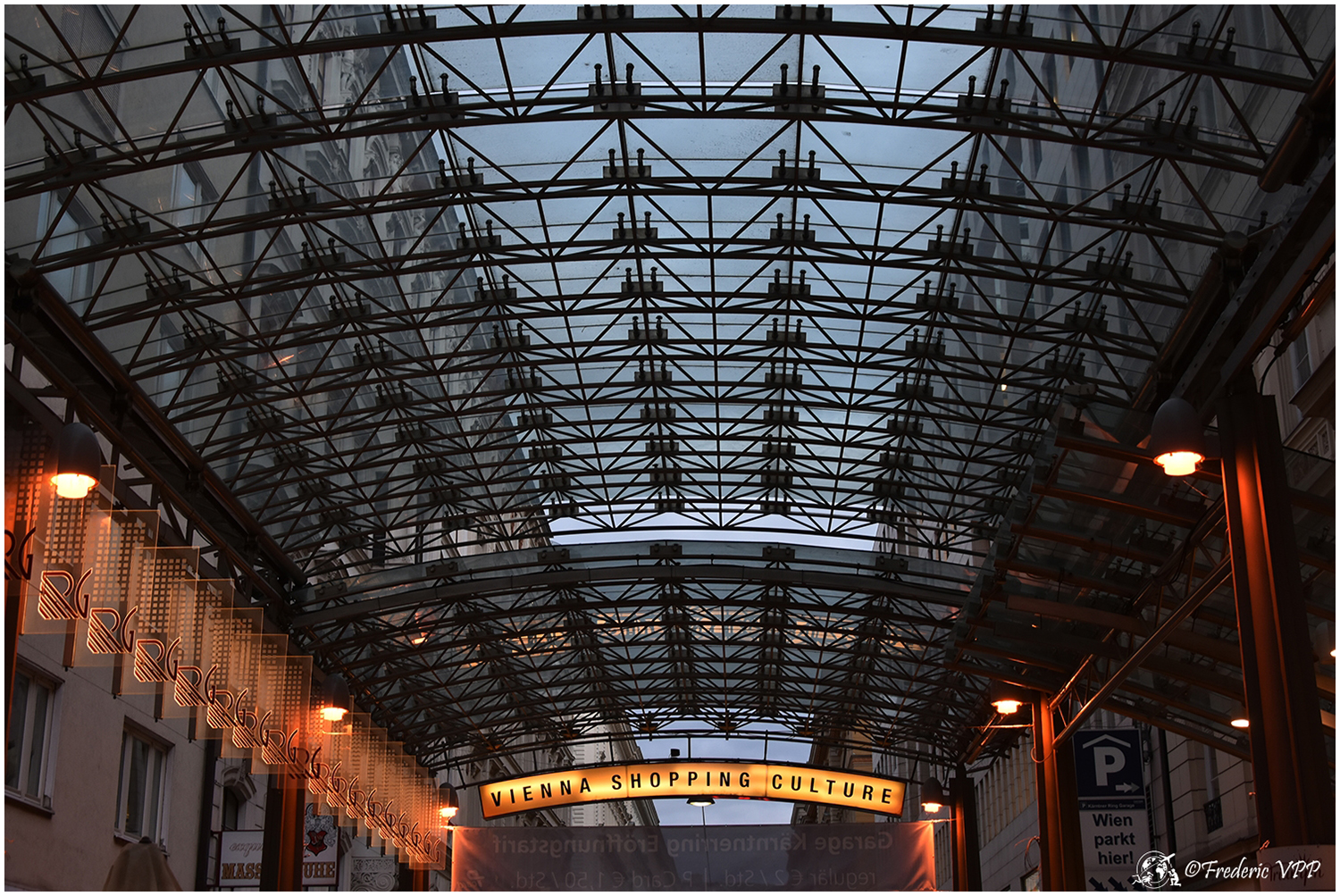
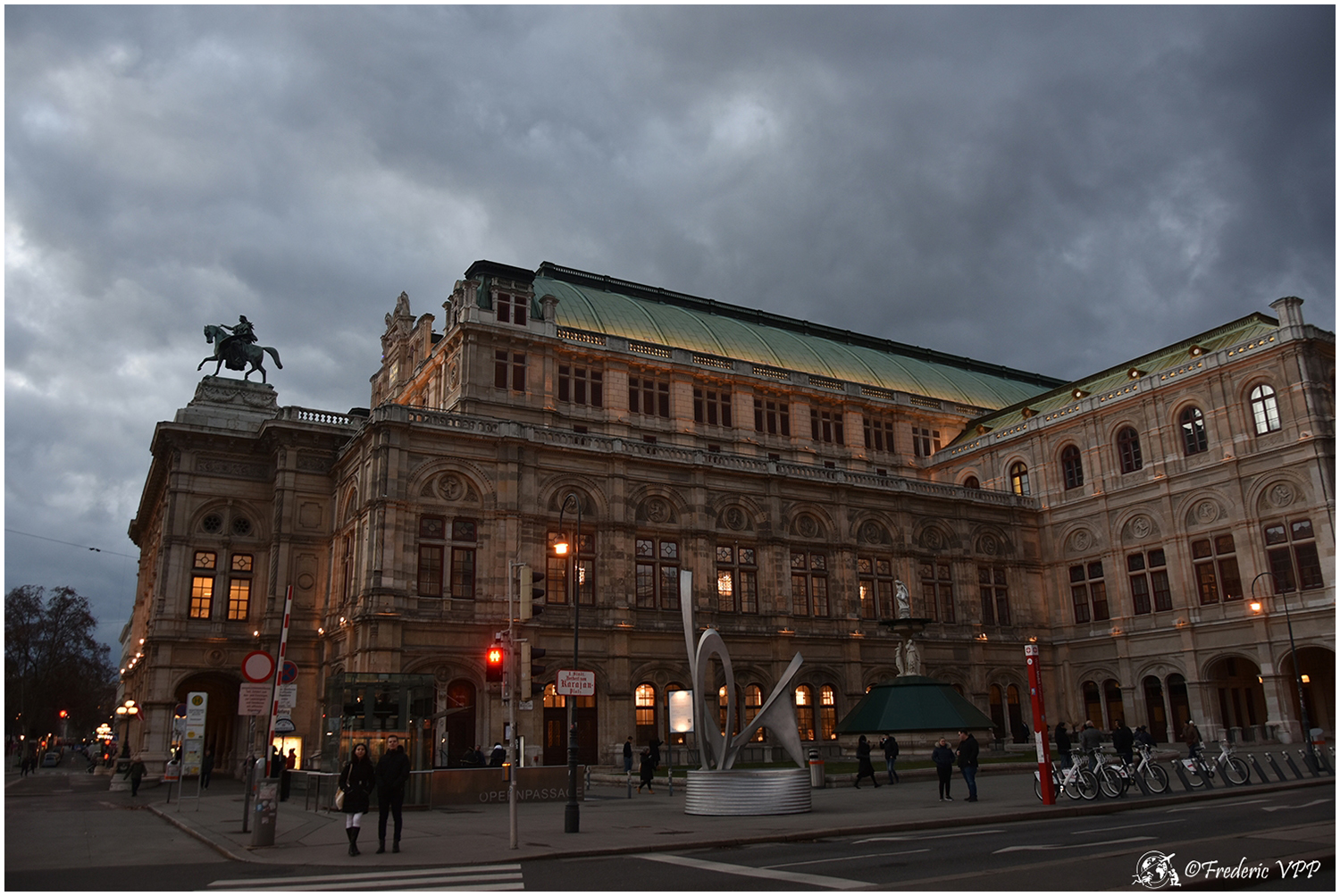
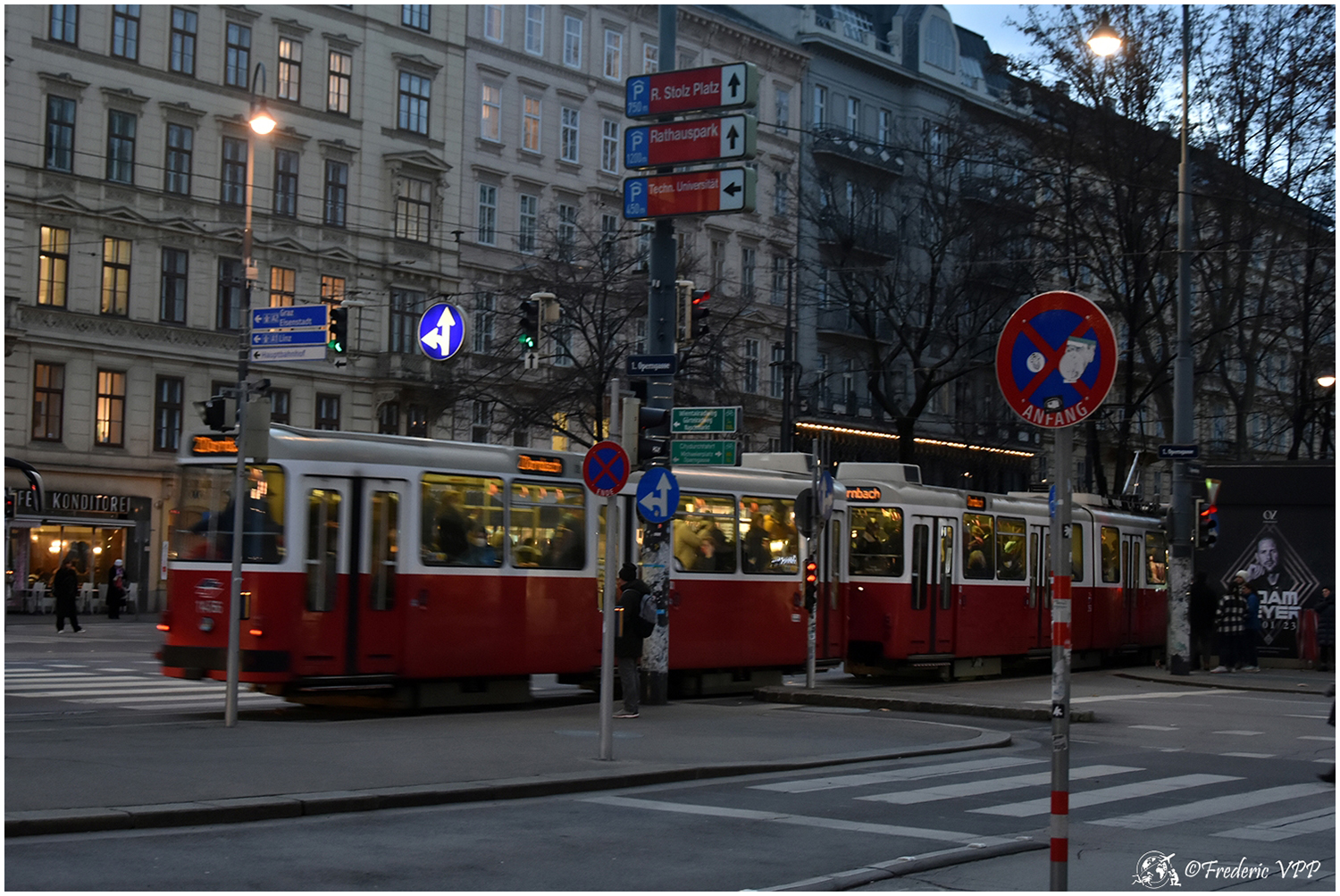
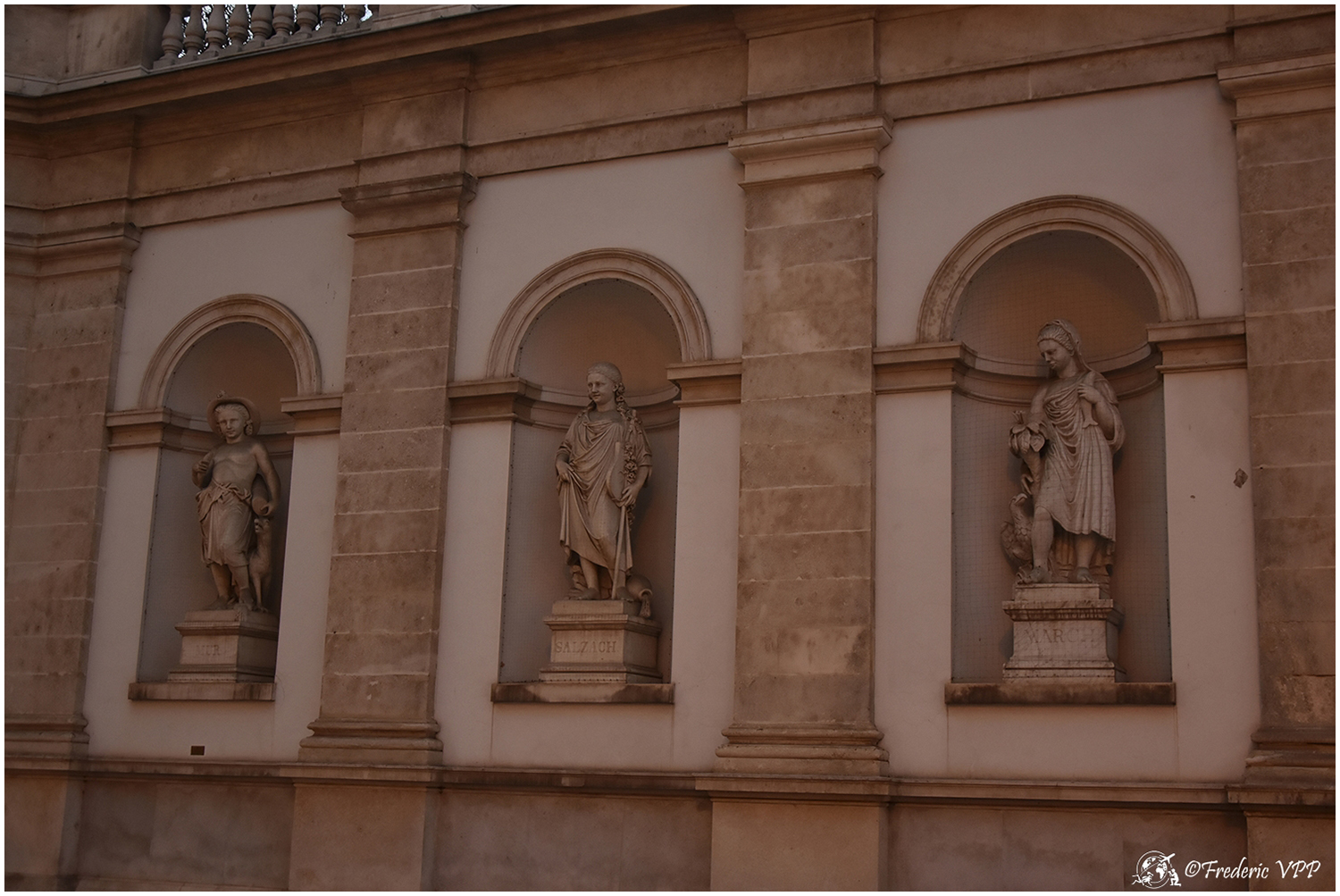
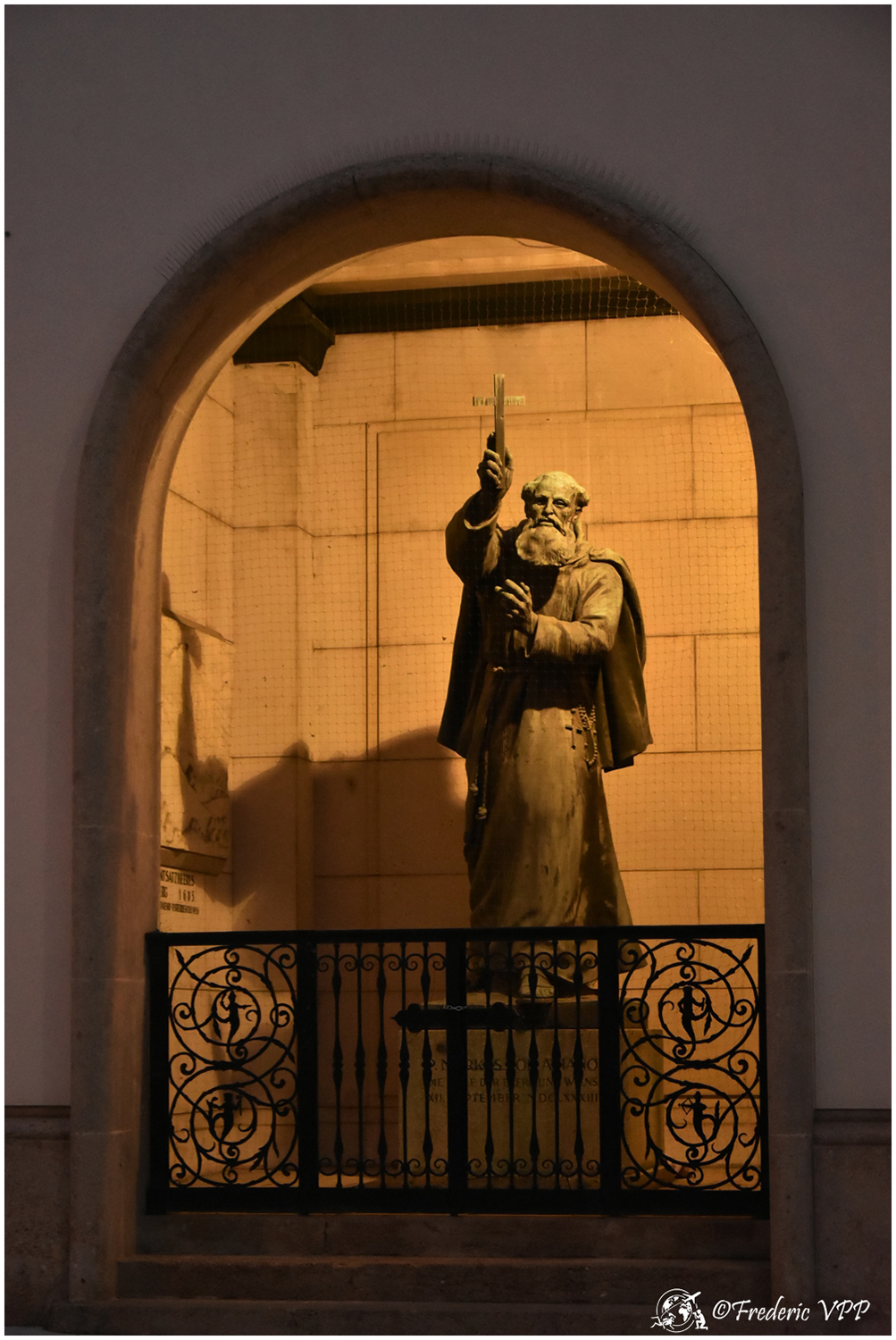
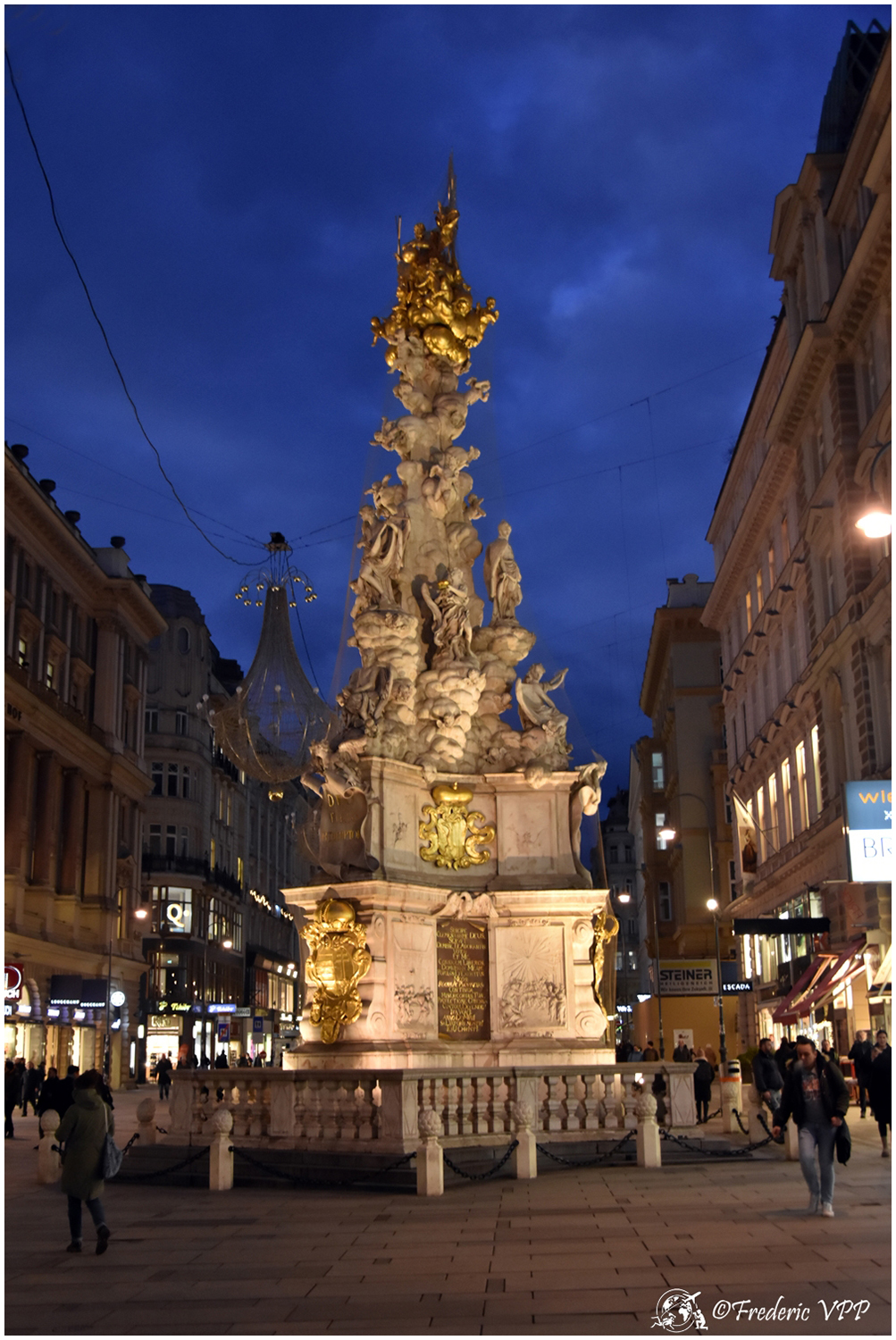
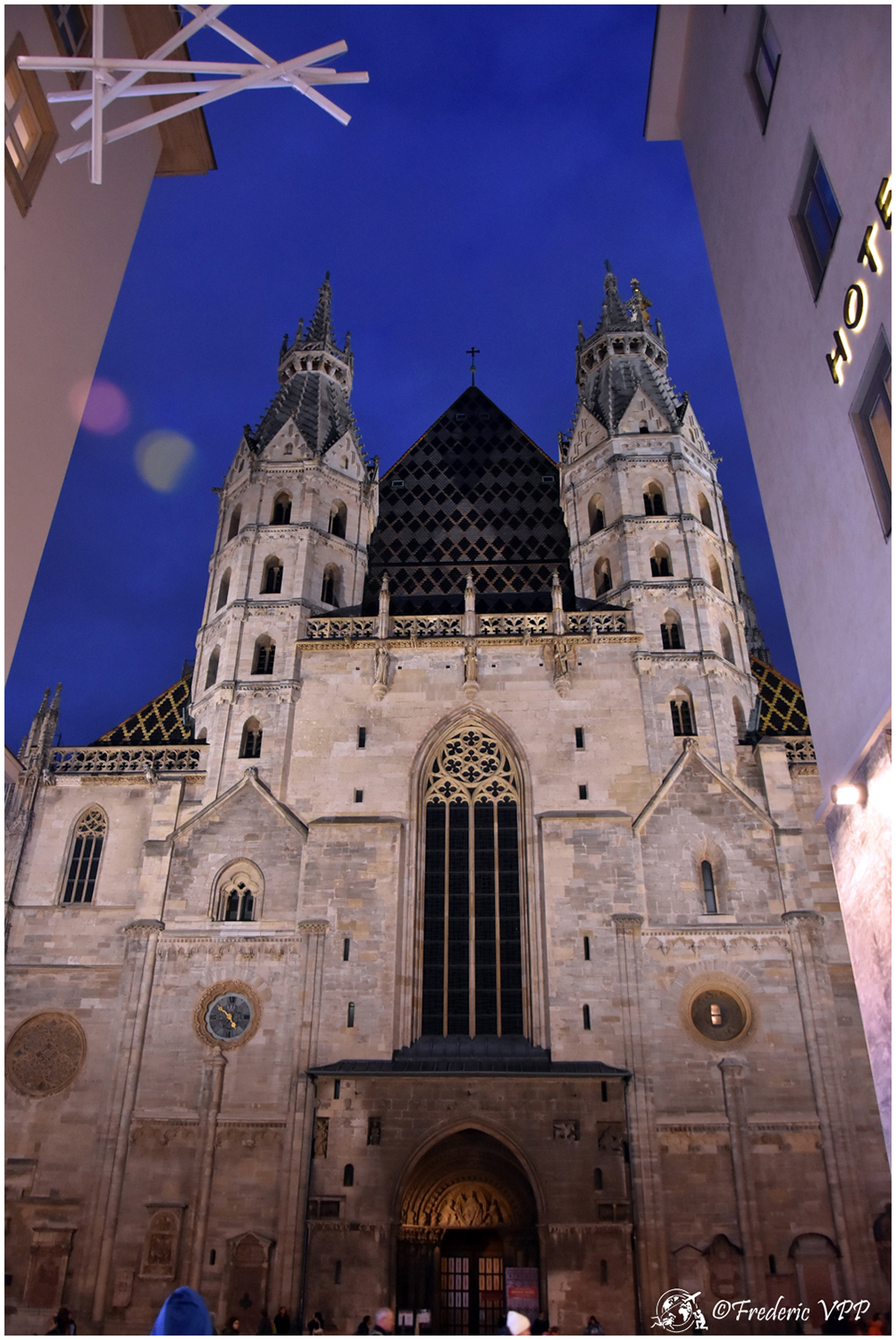
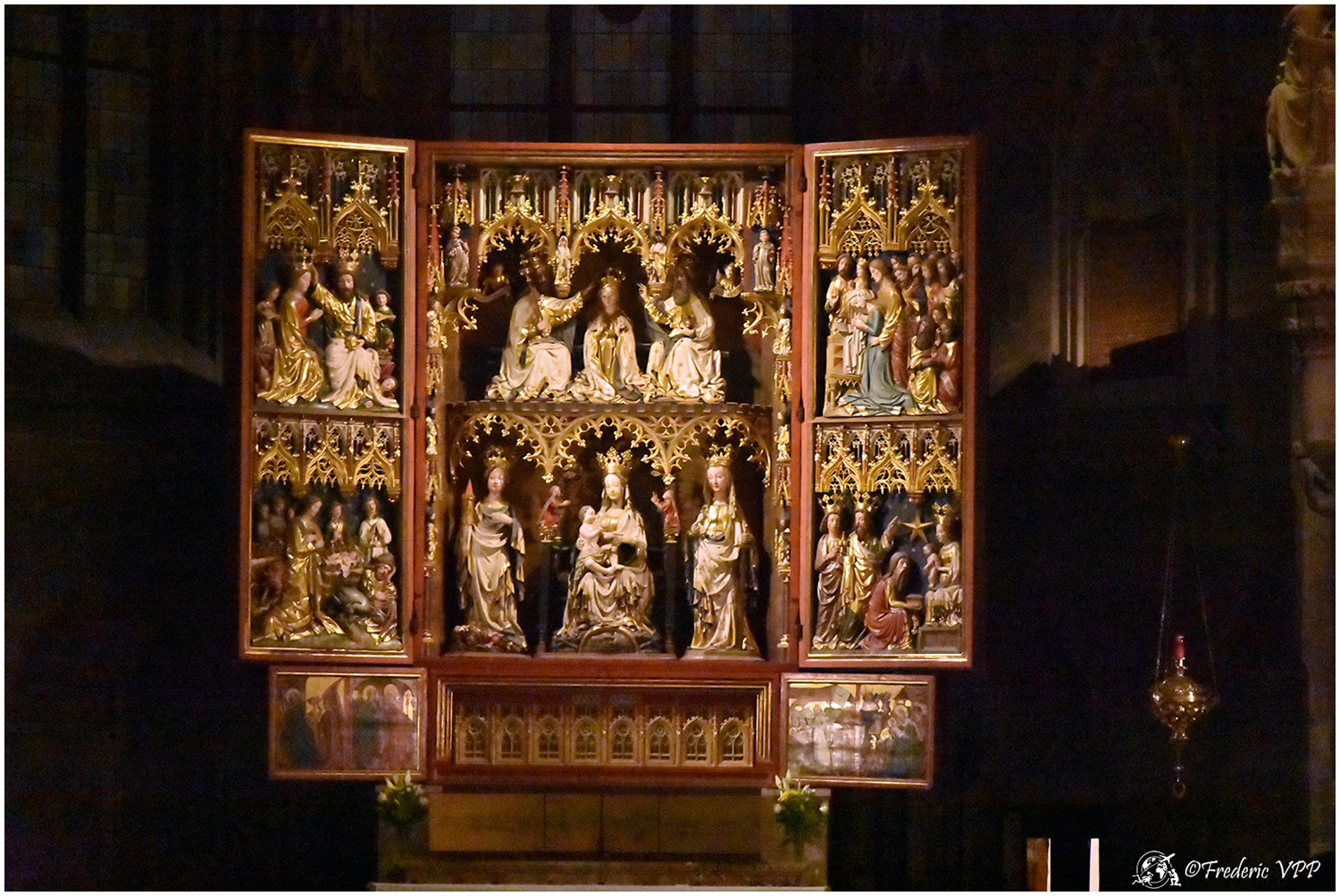
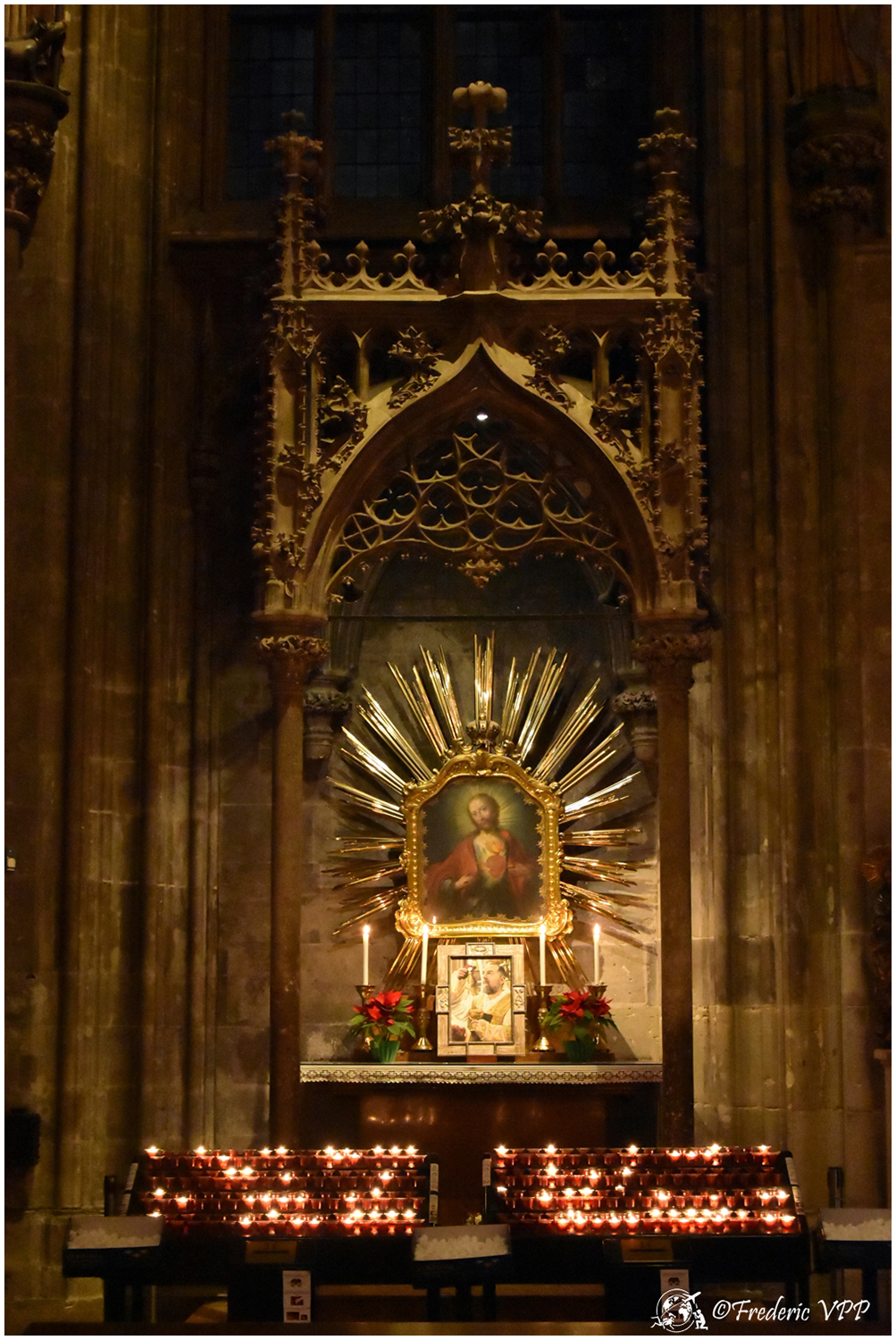
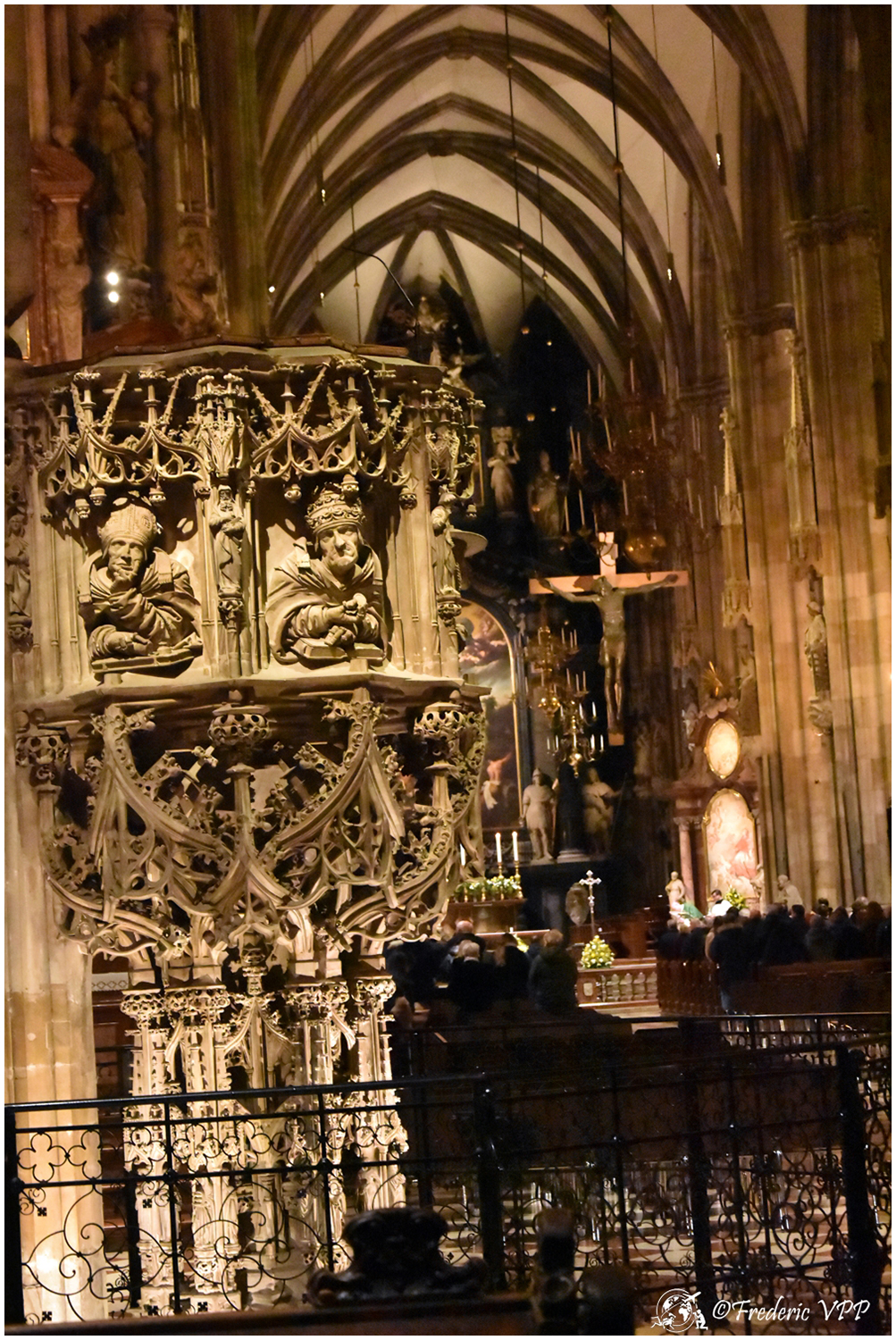
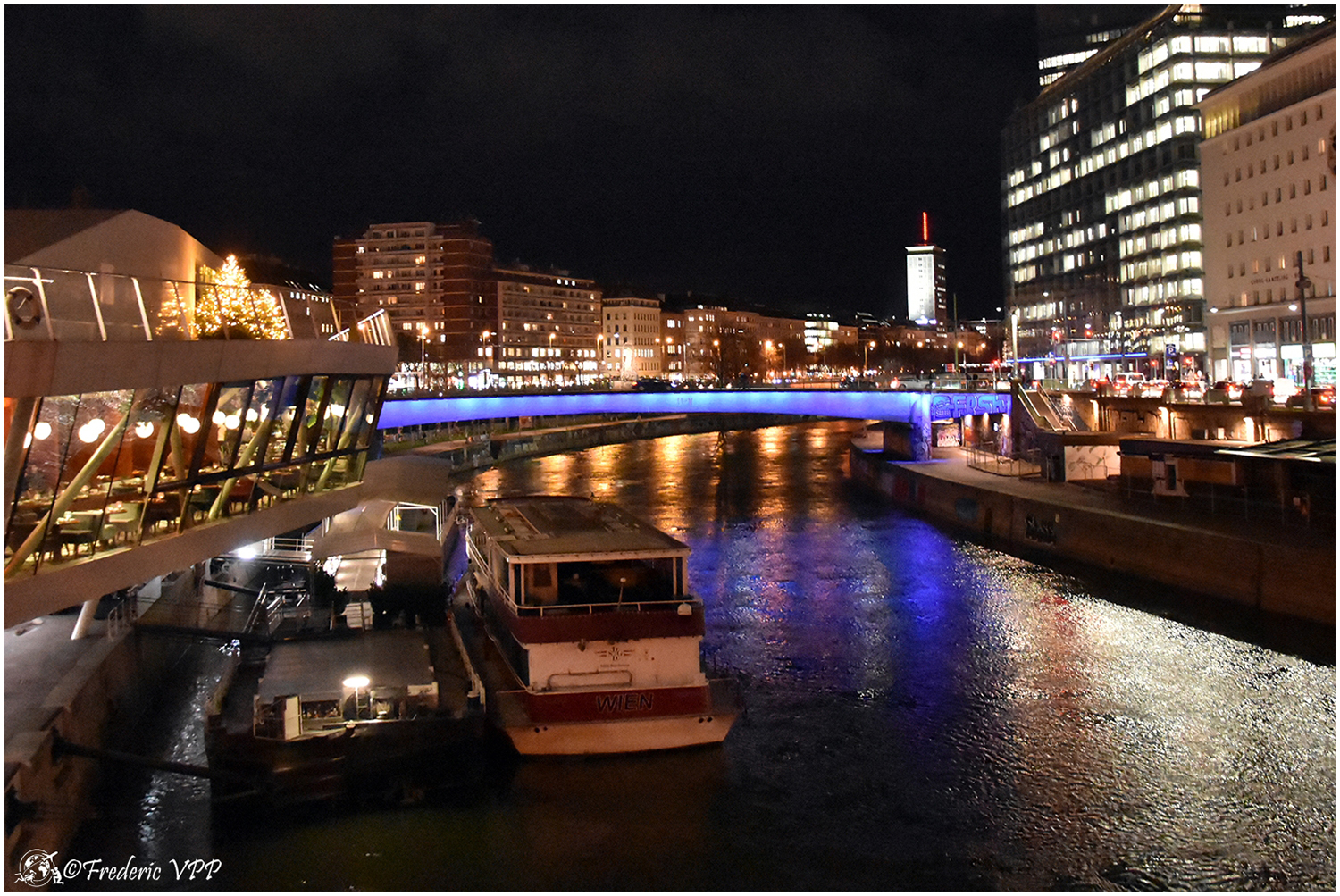
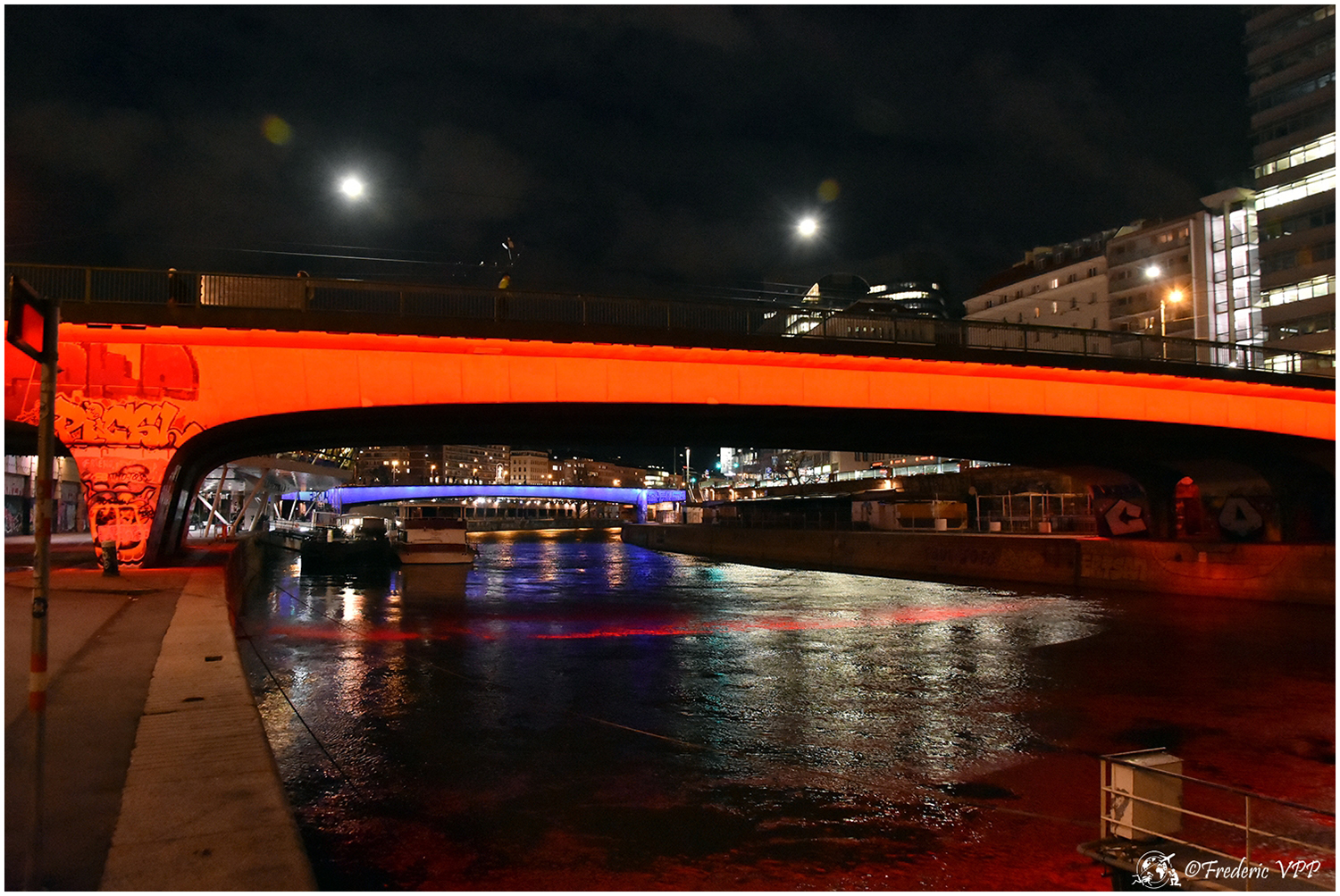
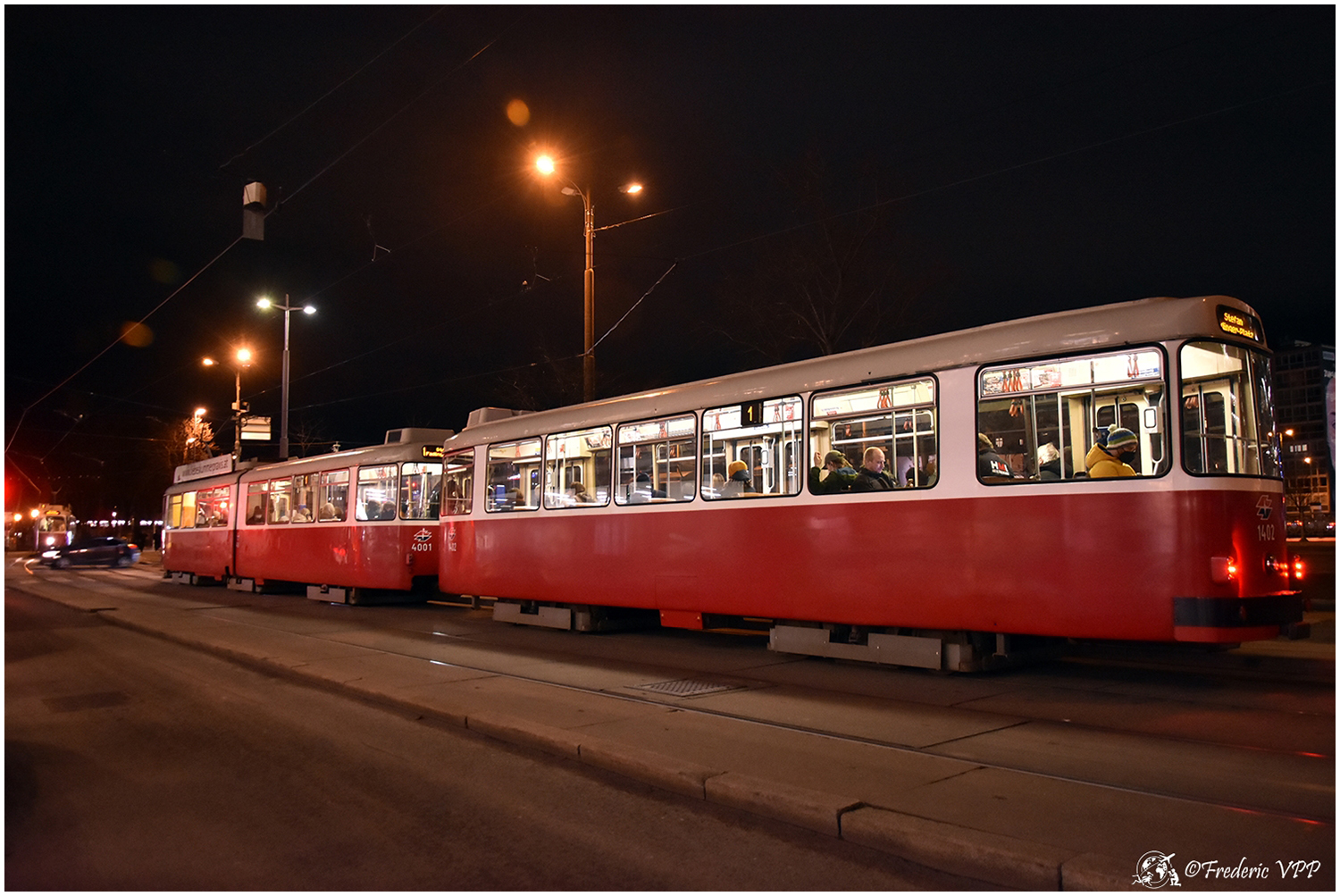
I reveal the first photos and we will talk later about this very German city in its architecture.
|
|
The origin of Vienna dates back to the sixth century BC, when the Celts founded a city there under the name Vindobona (white city). During the Middle Ages, Vienna successively became the seat of the Babenbergs (counts then dukes of Austria), then of the Habsburgs.
In 1529, during the first siege of Vienna by the troops of Sultan Suleiman the Magnificent, the resistance of the Viennese and the 20,000 soldiers saved the city. In 1683, during the second siege, Vienna owed its salvation to Charles V of Lorraine and the intervention of the Polish troops of Jean III Sobieski during the Battle of Vienna. For failing, Grand Vizier Kara Mustafa, commanding the Turkish troops, was beheaded by Sultan Mehmed IV.
The First World War put an end to the Empire of Austria-Hungary, of which Vienna had been the capital since 1867. From 1918 to 1934, Vienna was nicknamed Red Vienna, due to the coming to power of a coalition of social -democrats and social-christians.
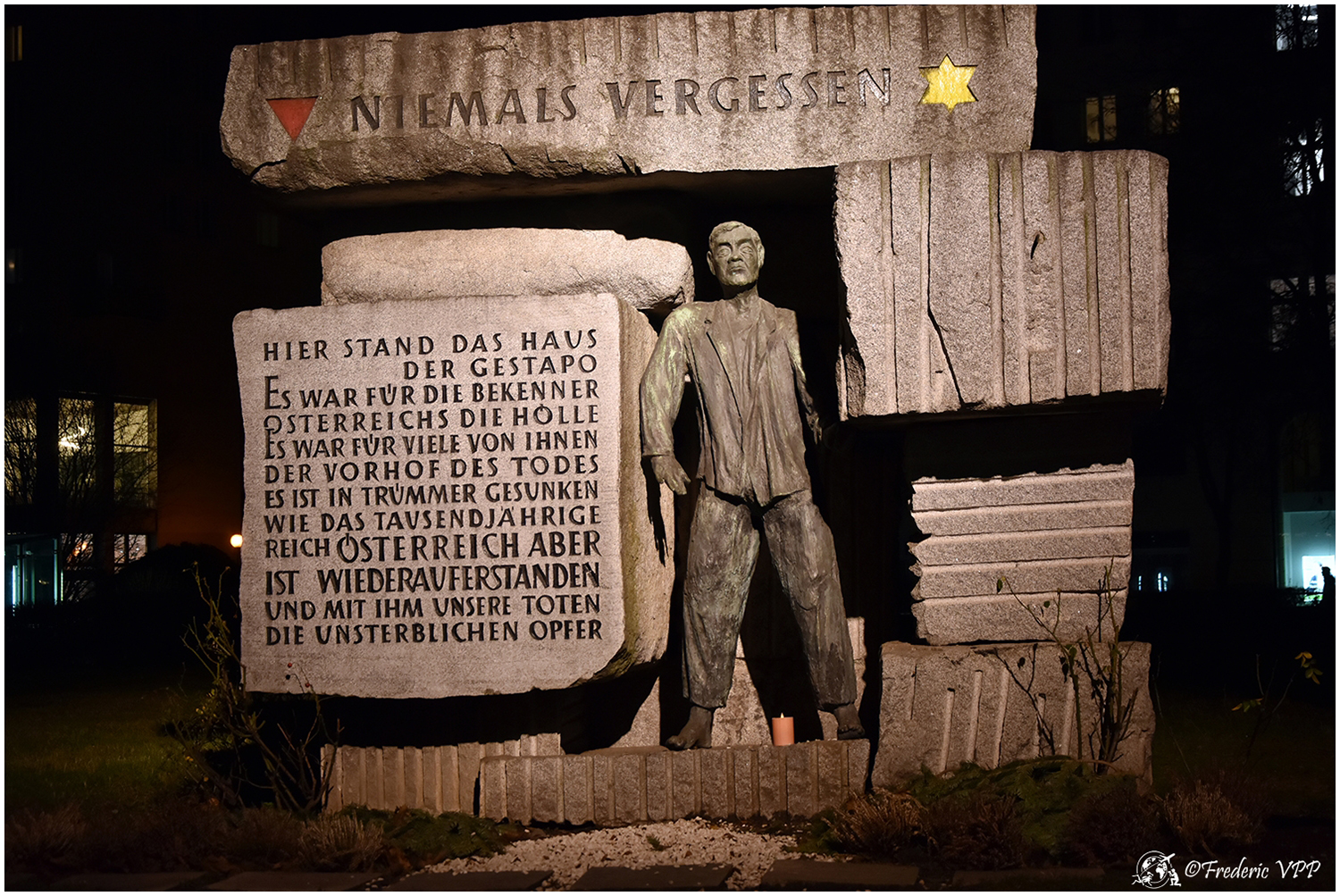
In 1938, Vienna and all of Austria were annexed to Nazi Germany during the Anschluss. On April 13, 1945, Operation Vienna Offensive allowed Soviet forces to occupy the city. After the defeat of the Nazi regime, Vienna is divided into 4 occupation sectors divided between the victors, in the same way as Berlin. In 1955, in the middle of the Cold War, Austria obtained its independence by the Austrian State Treaty and became neutral on the international level. Vienna then modernized.
|
|
Sorry if the links are outdated or not accessible
|
|
|


