 Angers
Angers, France, January 2023
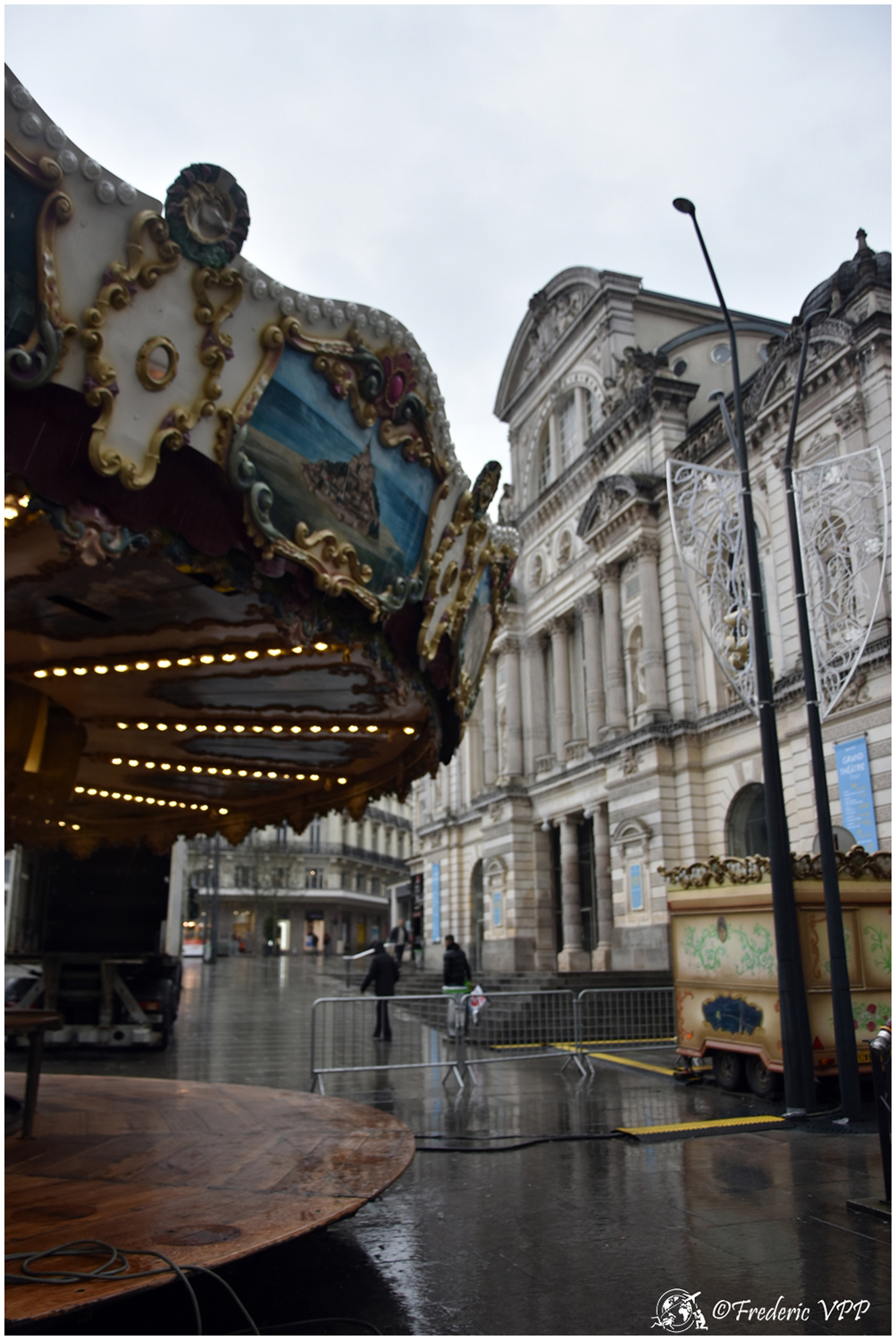
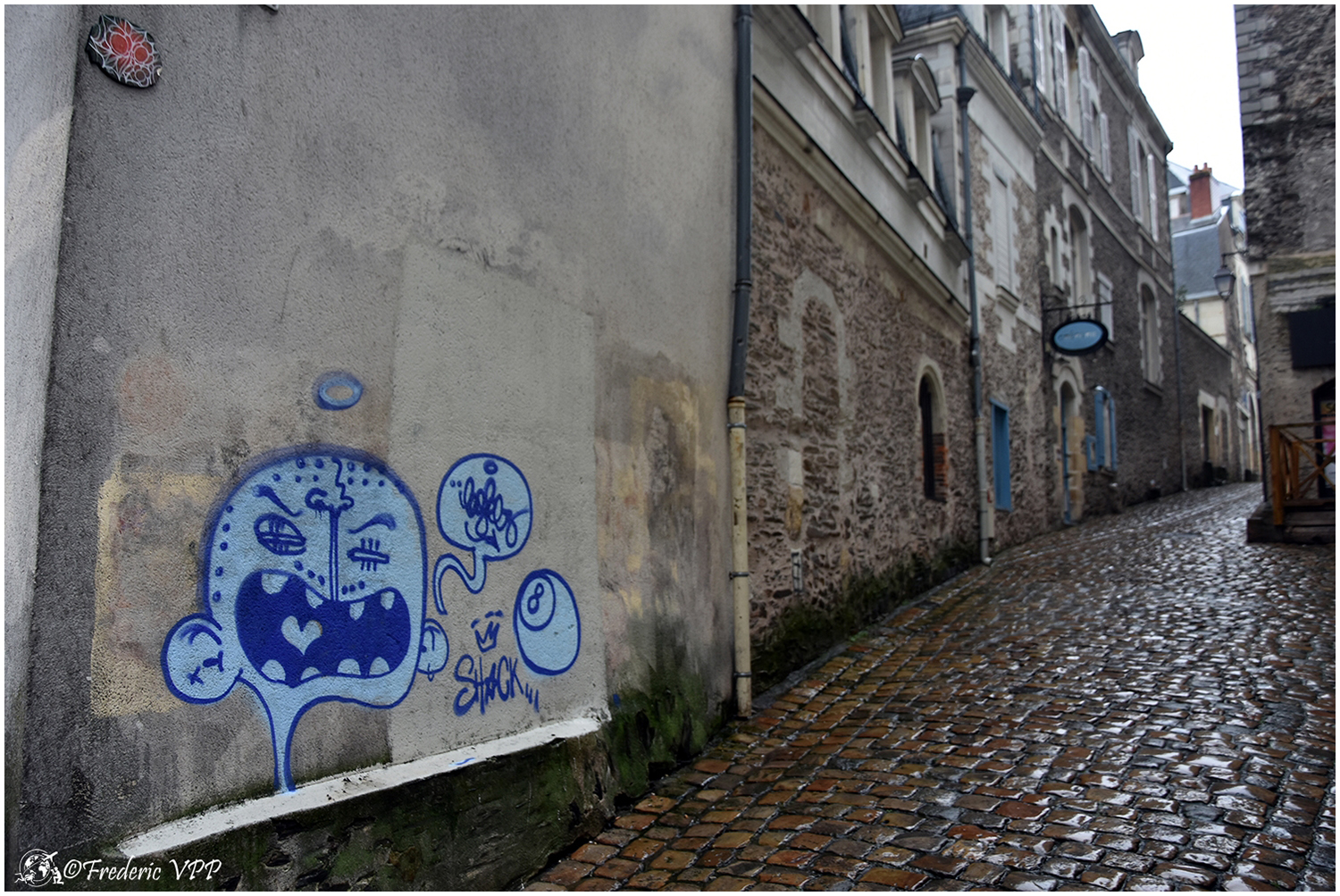
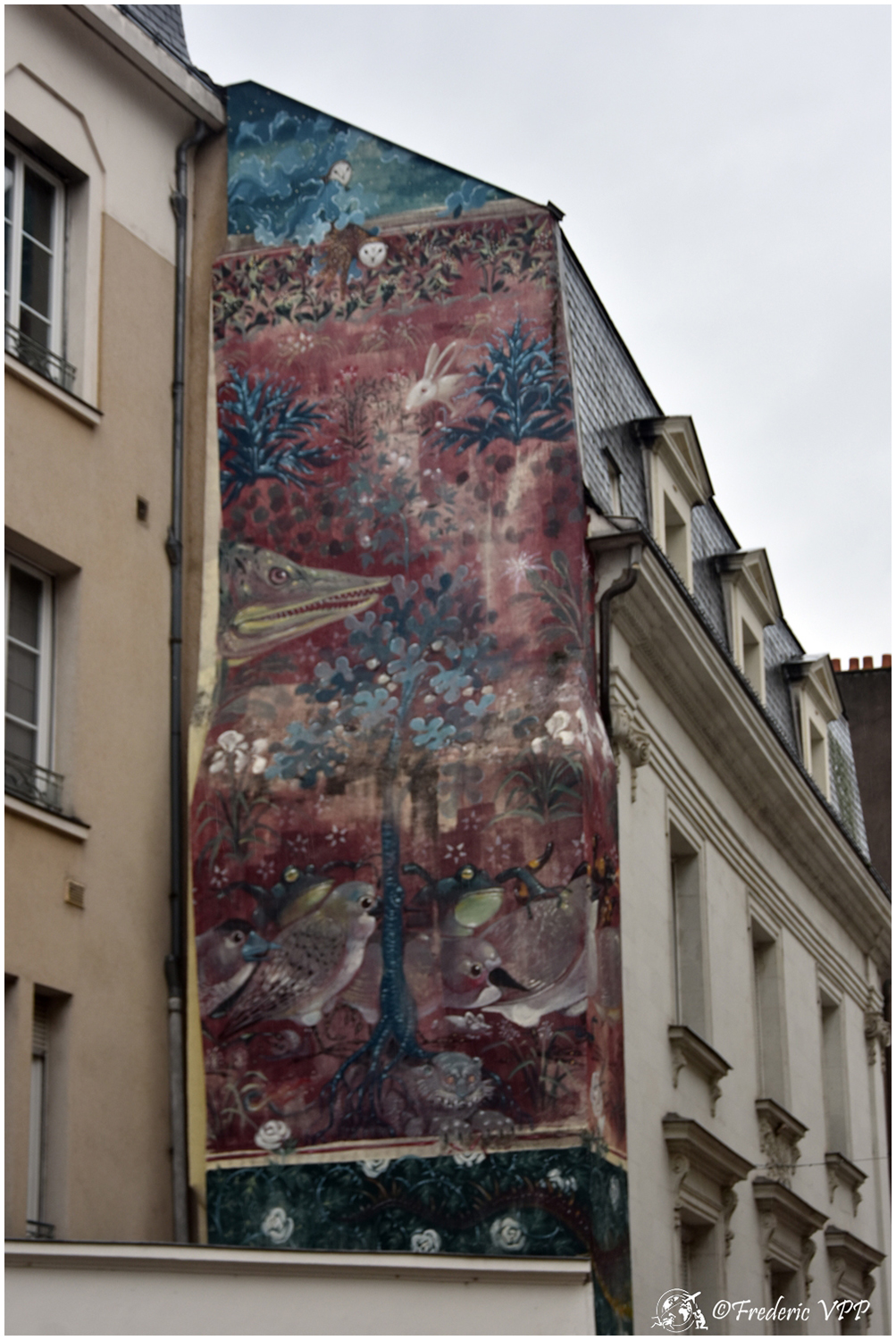
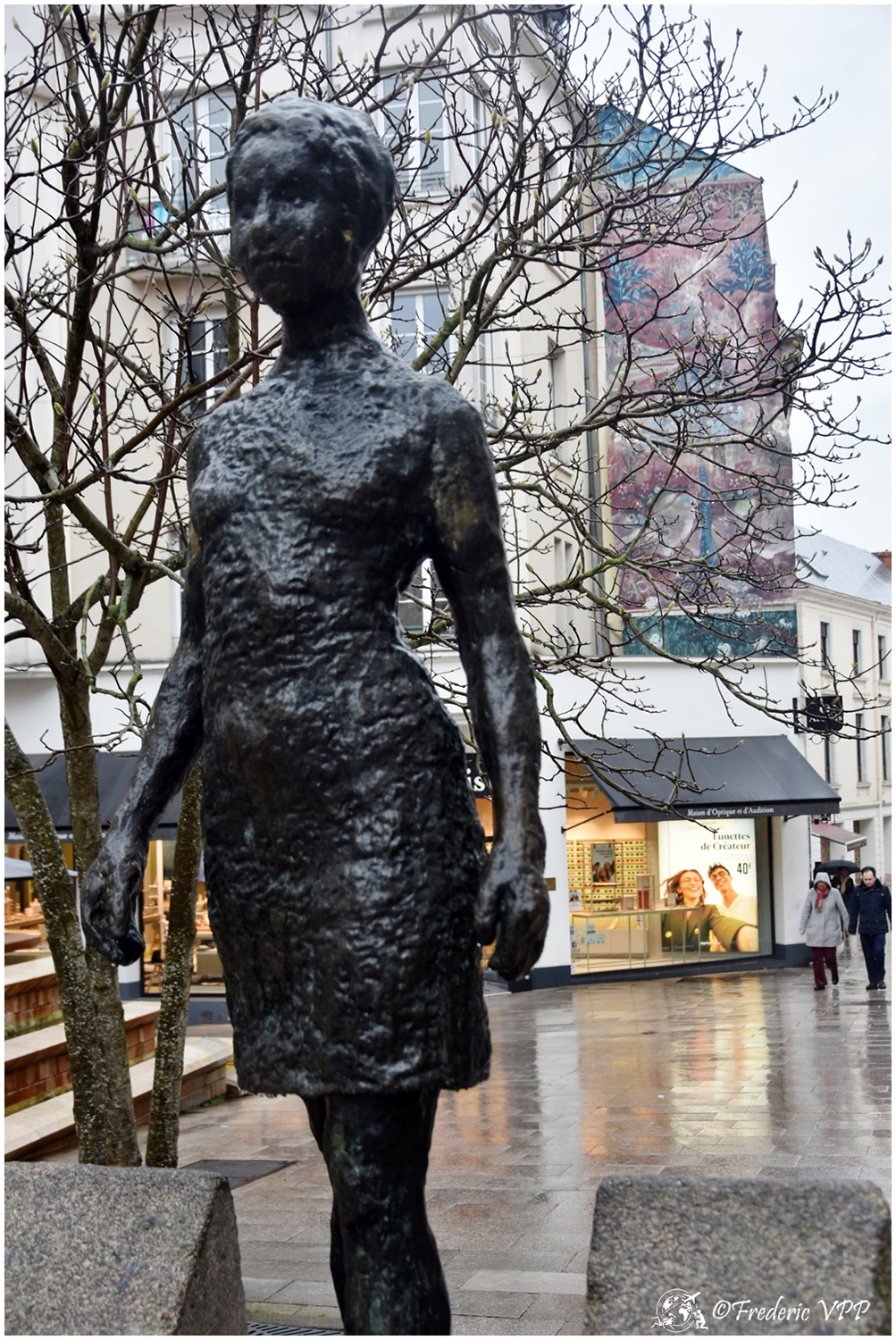
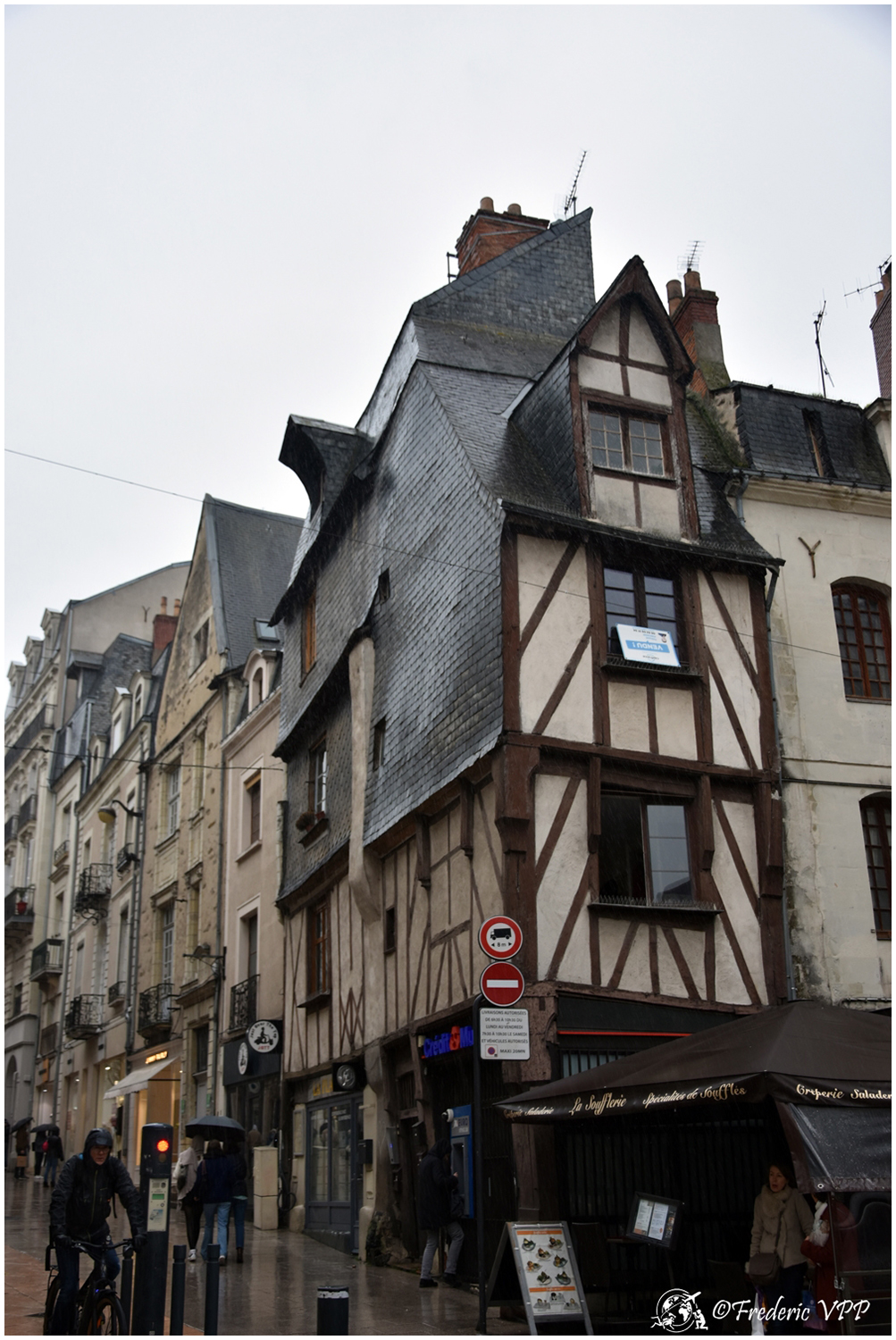
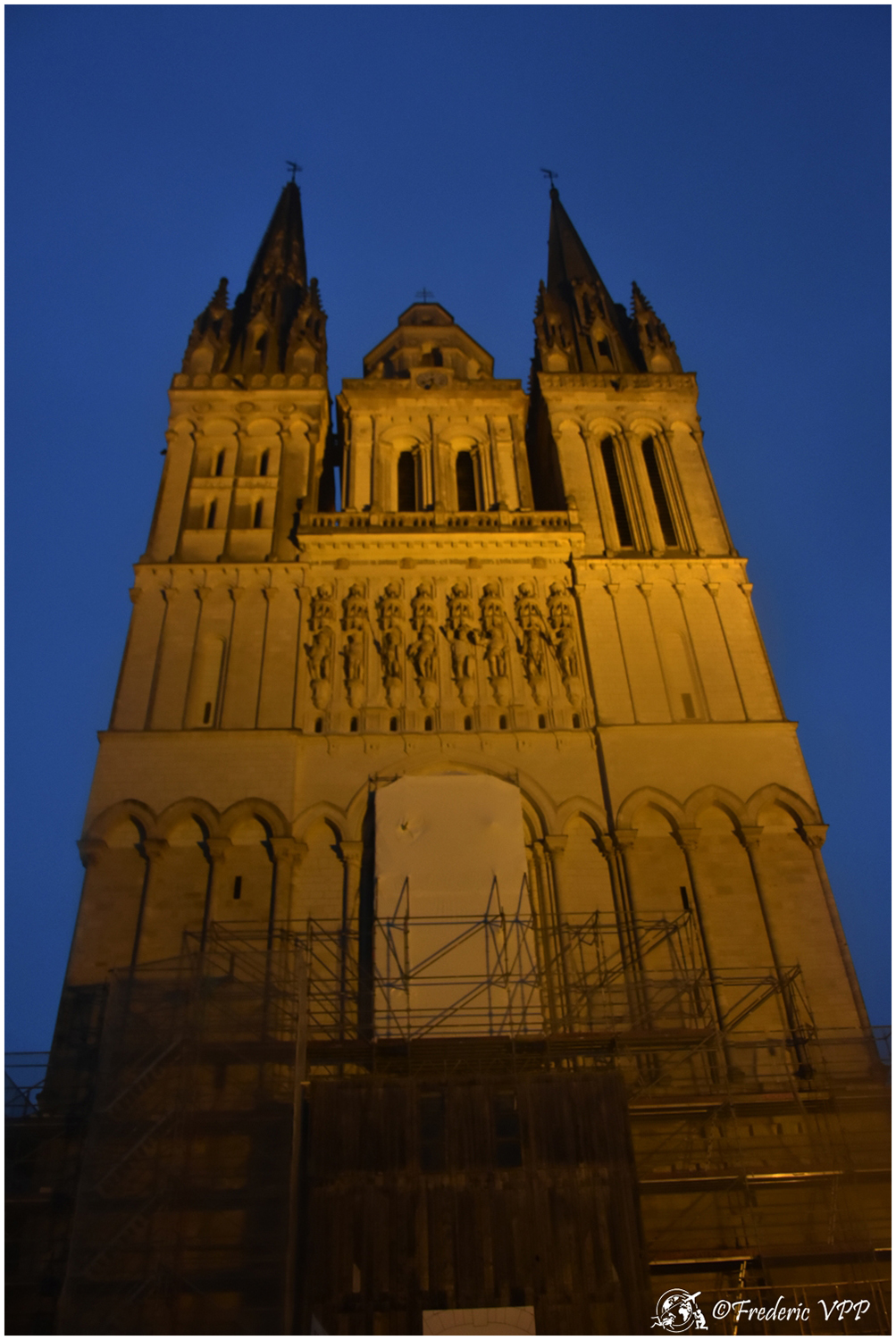
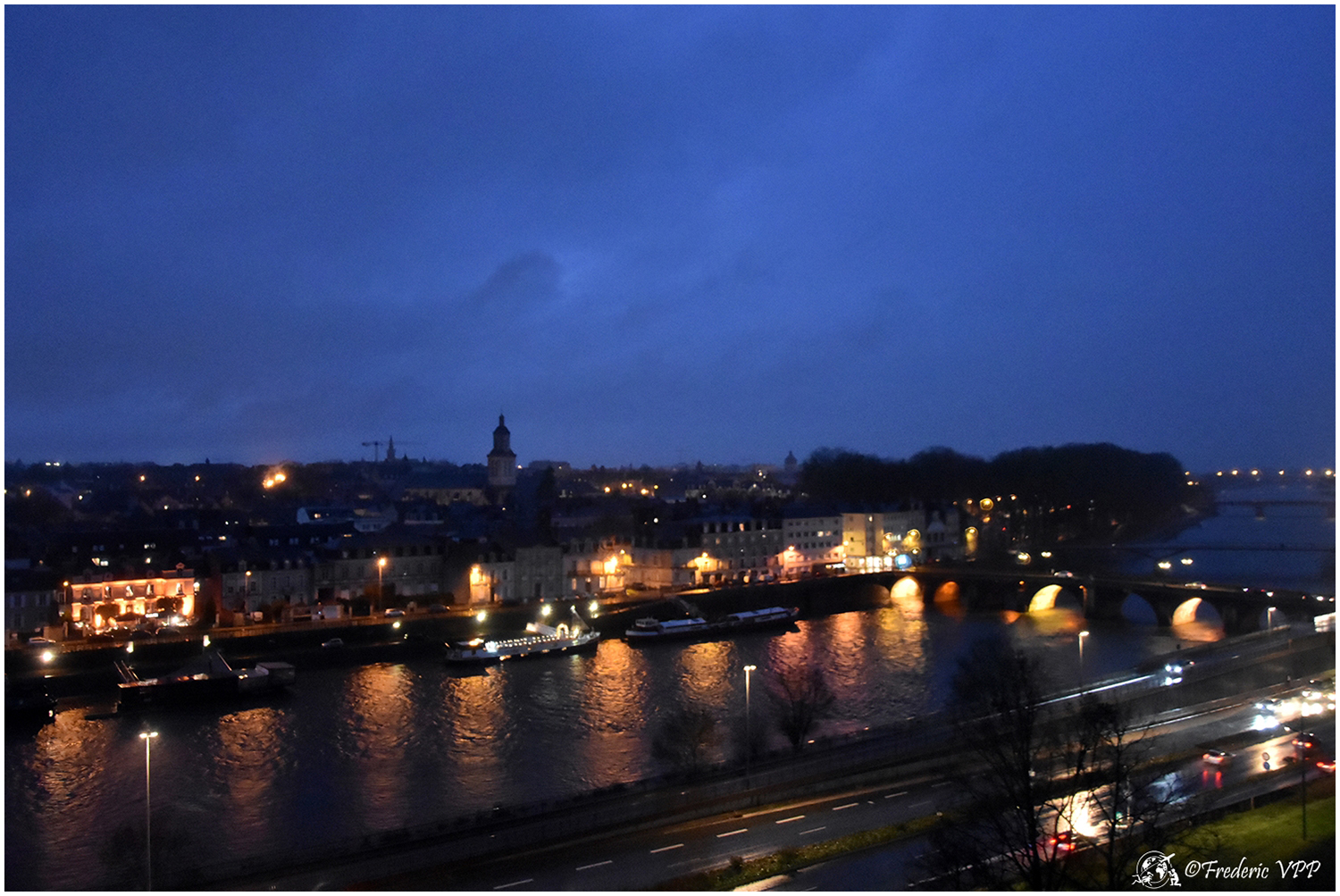
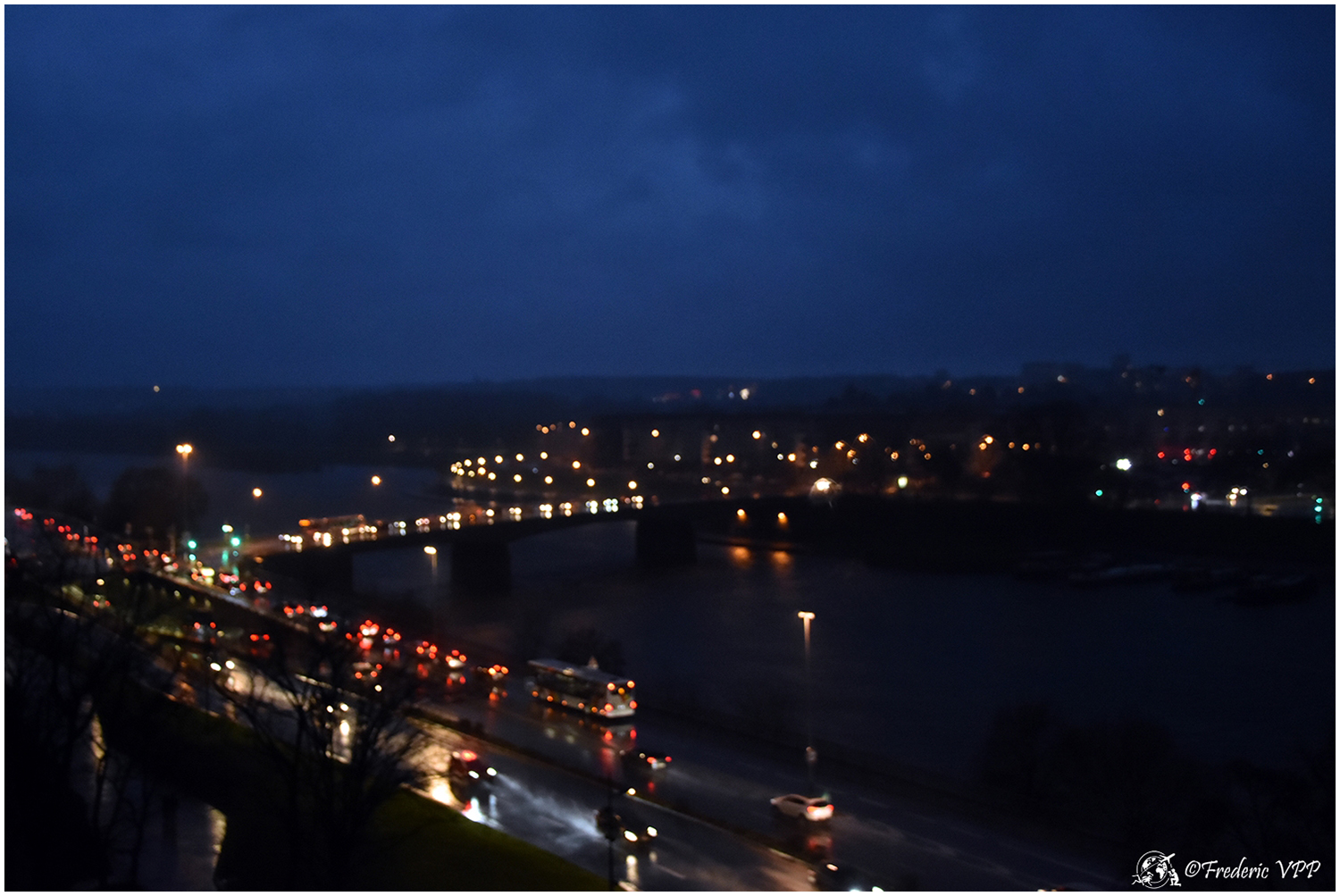
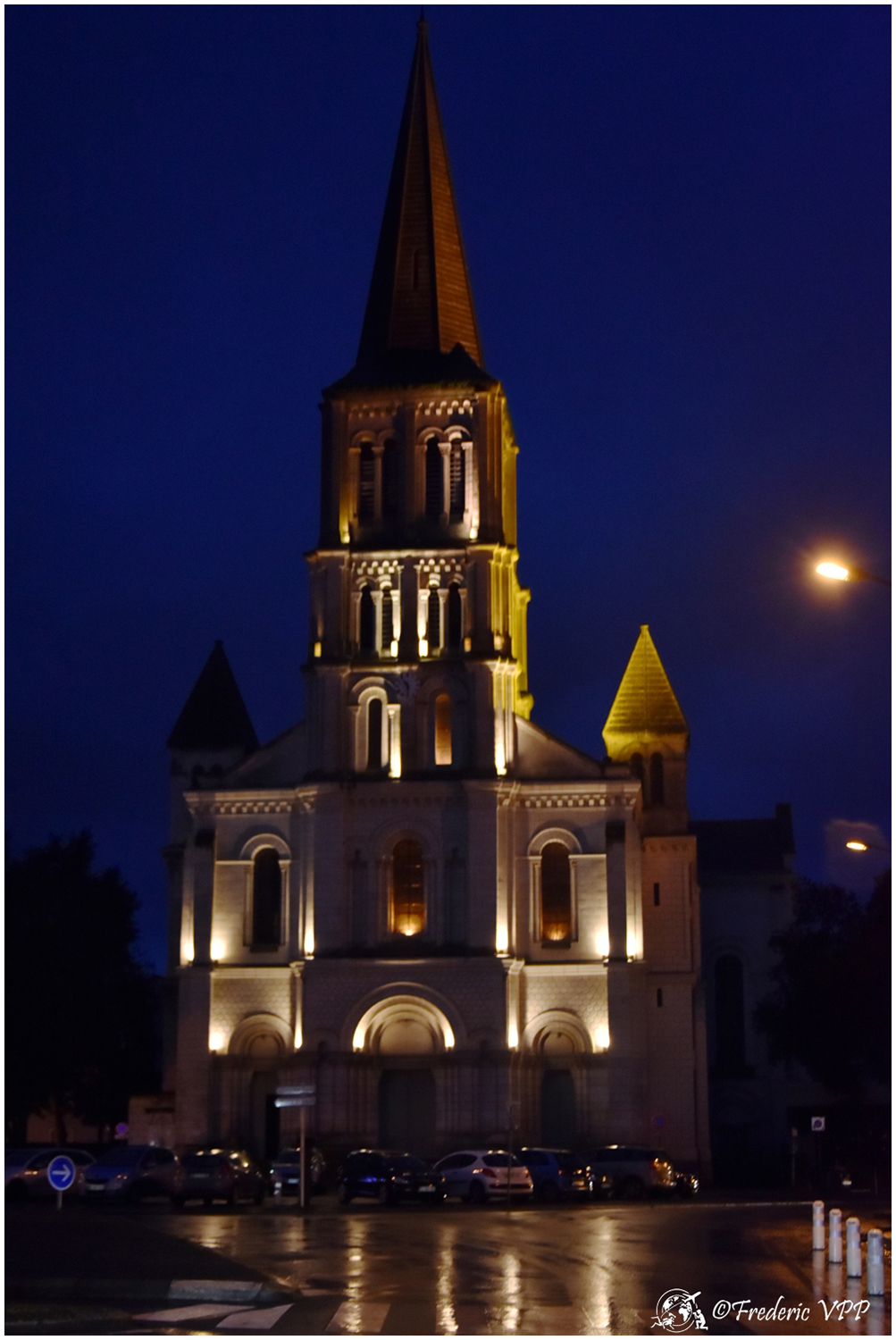
A nice walk unfortunately in the rain, a very Angevin rain, fortunately we always find the way to the "Rue de la Soif"...
|
It is true that this rain ruined this visit. Suddenly, it will be necessary to return under more lenient skies to be able to take advantage of the Angevin sweetness.
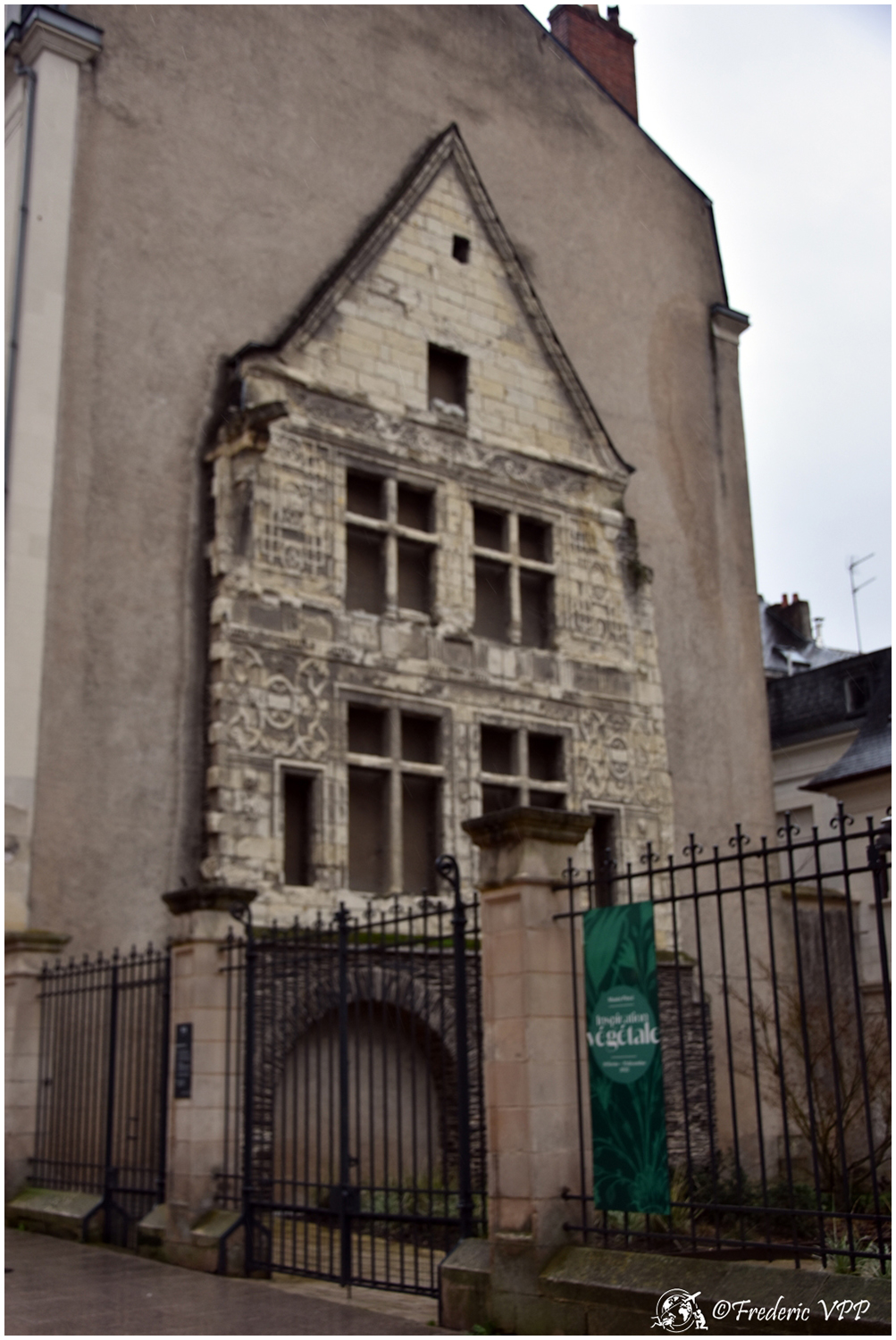
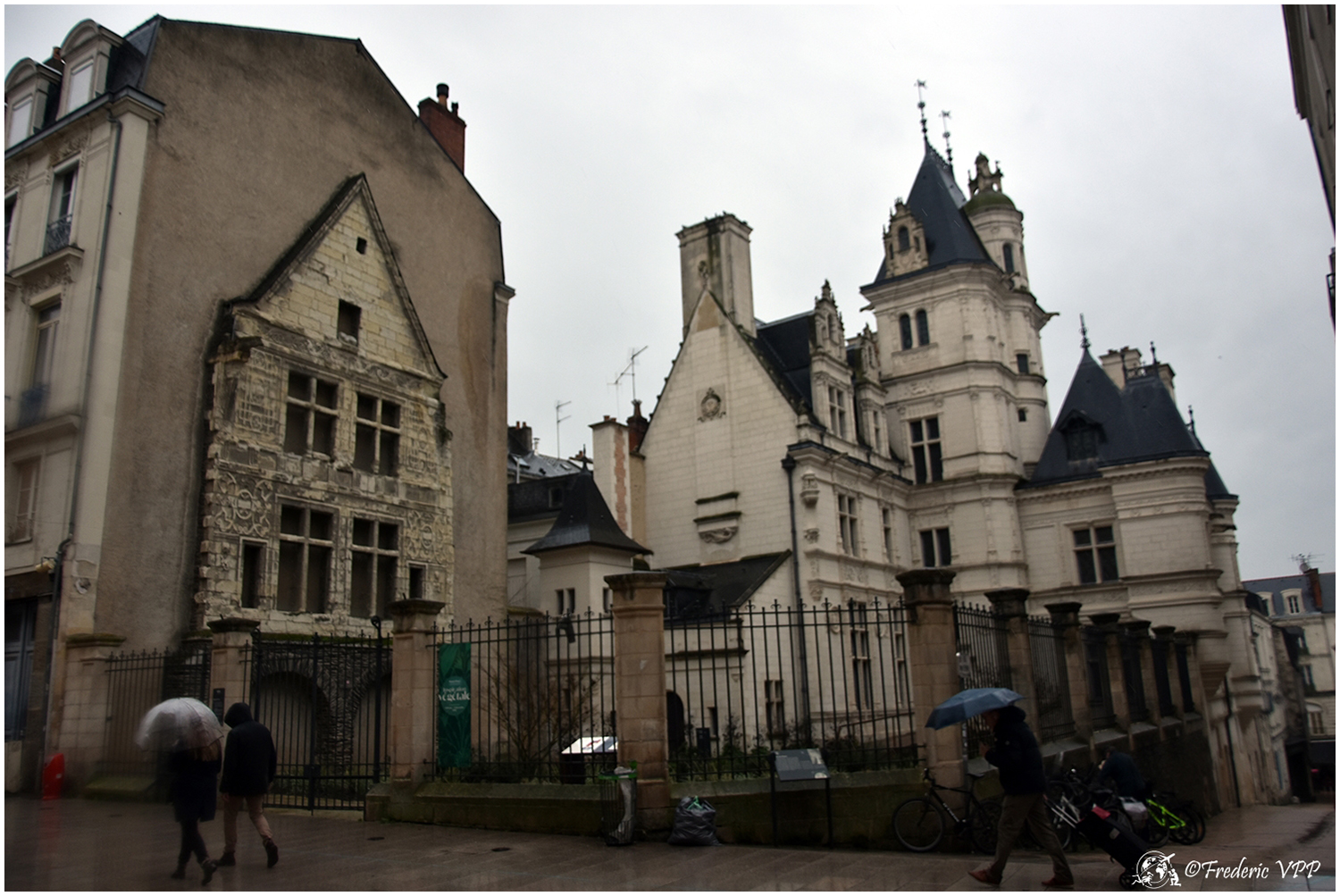
On the other hand, I'm afraid that my Nikon didn't appreciate this pouring rain, the auto-focus seems HS.
You will understand better why between the rain and this technical problem, some photos do not seem clear.
|
|
In the 5th century BC. AD, the Celtic people of the Andes or Andécaves settled in the region of Angers, especially north of the Loire, and gave it their name. After the conquest of Gaul by Caesar's armies, the city became Romanized. However, the Gallo-Roman name of Juliomagus ("the market / field of Julius") is not attested until the 2nd century.
At the turn of the 5th century, the city took the name of the Gallic people who lived there: civitas Andecavorum, or Andecavis, at the origin of the name Angers.
The middle of the 9th century saw troubled times appear. Both the Bretons and the Vikings made incessant incursions into Anjou and the city was sacked by the Norse chief Hasting in 845, then again in 852. After the battle of Jengland, Charles the Bald, king of the Franks, and Erispoë, chief Breton, met there in September 851 to sign the Treaty of Angers which gave Brittany the countries of Rennes, Nantes and Retz, thus fixing the border limits of Brittany. In 1360, the county was erected into a duchy. Louis I, the first Duke of Anjou, established a toll on goods crossing the duchy in order to maintain the city's fortifications. This tax, the "partition", will be the main resource. He also formally established the University of Angers in 1364 which was definitively constituted in 1432 with its four faculties: law, medicine, theology and arts.
The city is famous for its intellectual and university life: Angers saw the establishment of a printing press in 1476; the university trains several leading personalities, such as Guillaume Poyet, future chancellor of François I and author of the Villers-Cotterêts ordinance; Ambroise Paré did part of his studies at the faculty of medicine. Located between the royal resorts of Touraine and a Brittany that does not disarm, Angers frequently hosts the kings of France.
Prosperity sets in and in 1538, Angers appears as one of the sixteen most important cities of the kingdom. During the Revolution, a patriotic party emerged in Angers around notably Volney and La Révellière-Lépeaux. In 1790, the department of Maine-et-Loire was created (the name of Mayenne-et-Loire appears however sometimes) B 19 whose seat is fixed in Angers: it largely takes over the former territories of Anjou.
The 19th century saw these profound changes to the urban landscape continue. The Second Empire saw an increase in these urbanization works.
|
|
A big thank you to my son Florian, who like his sister, was interested in the past of his city and was able to share his knowledge with us.
|
|
Sorry if the links are outdated or not accessible
|
|
|


