 Père Lachaise
The Père Lachaise Cemetery, Paris, July 2013
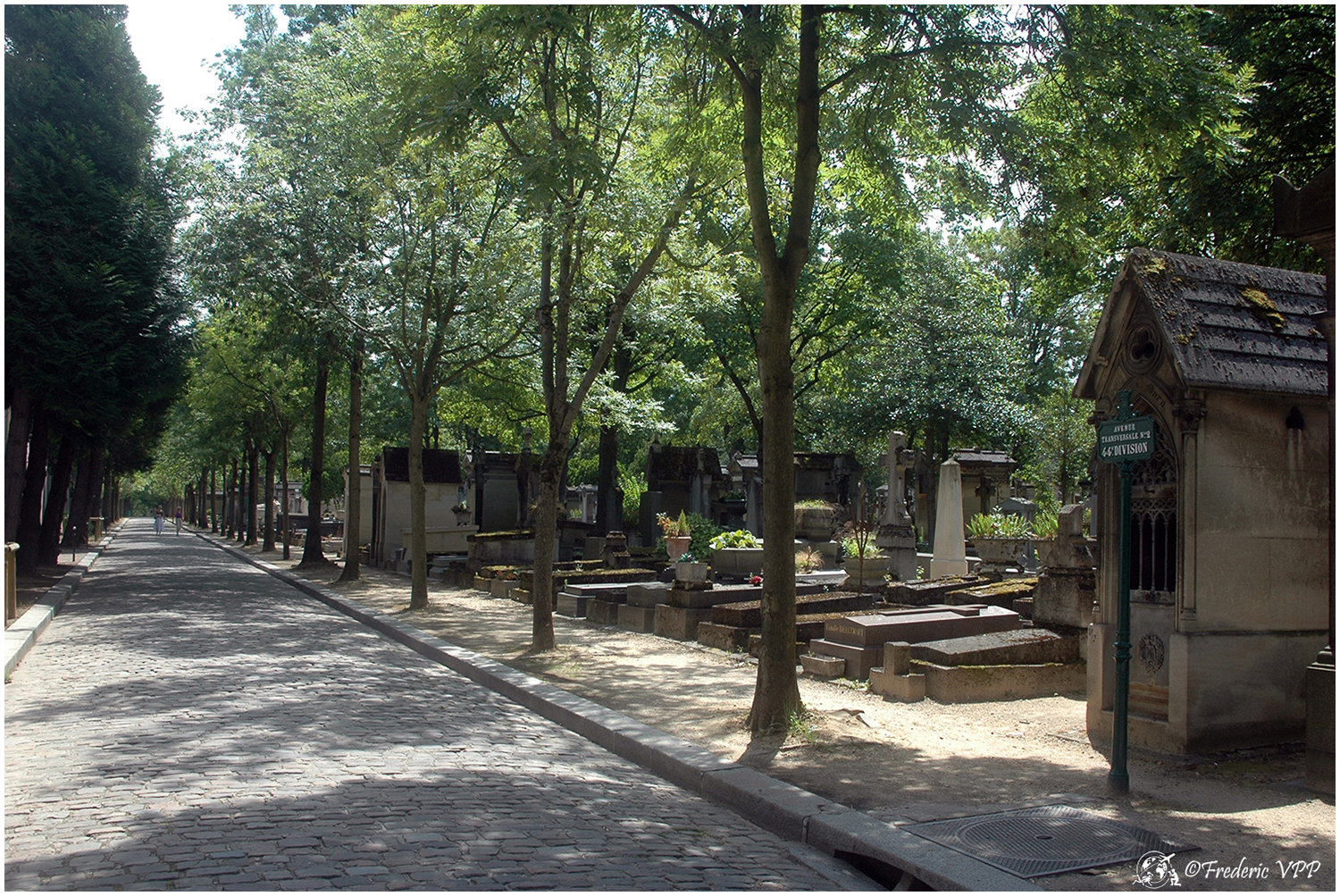
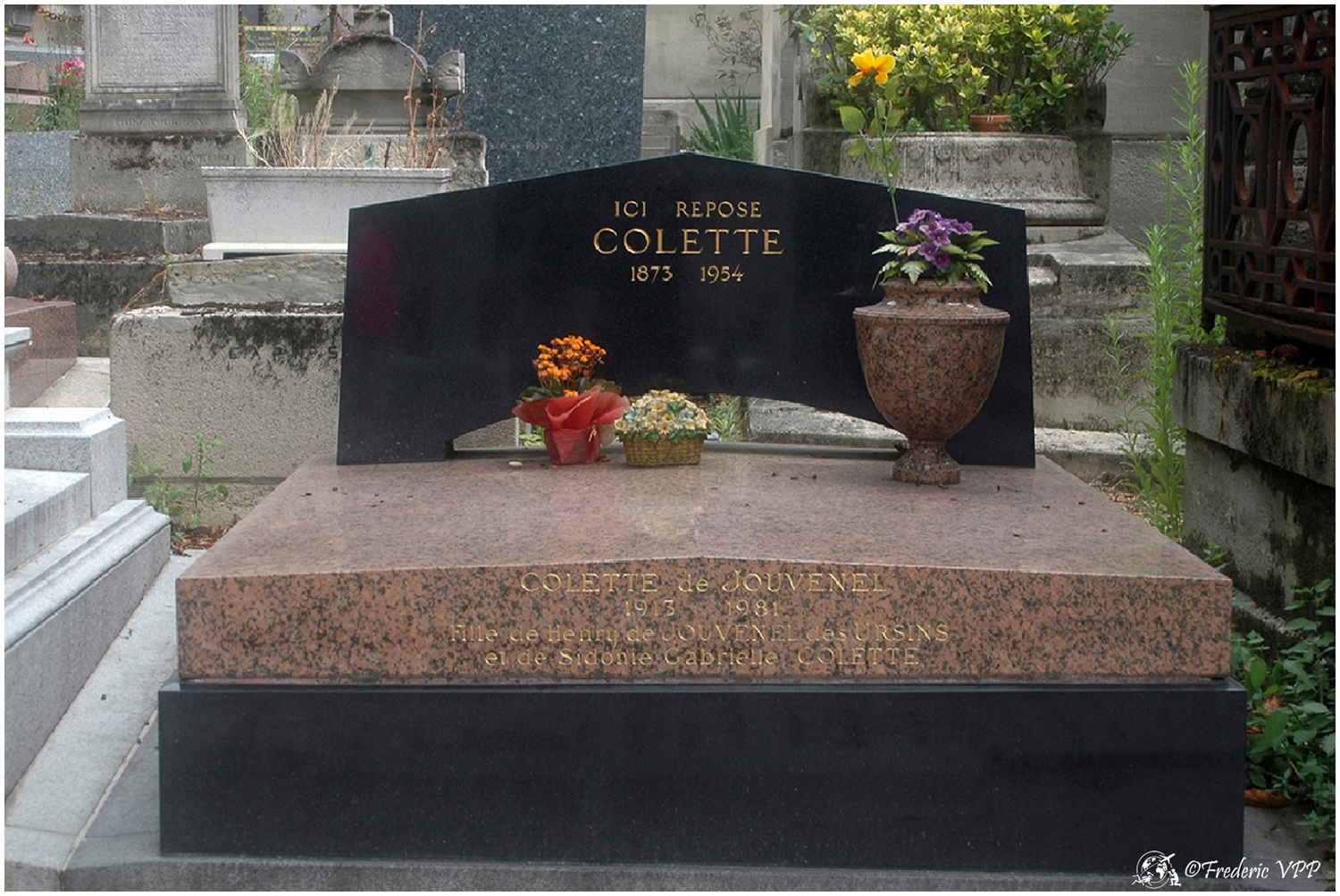
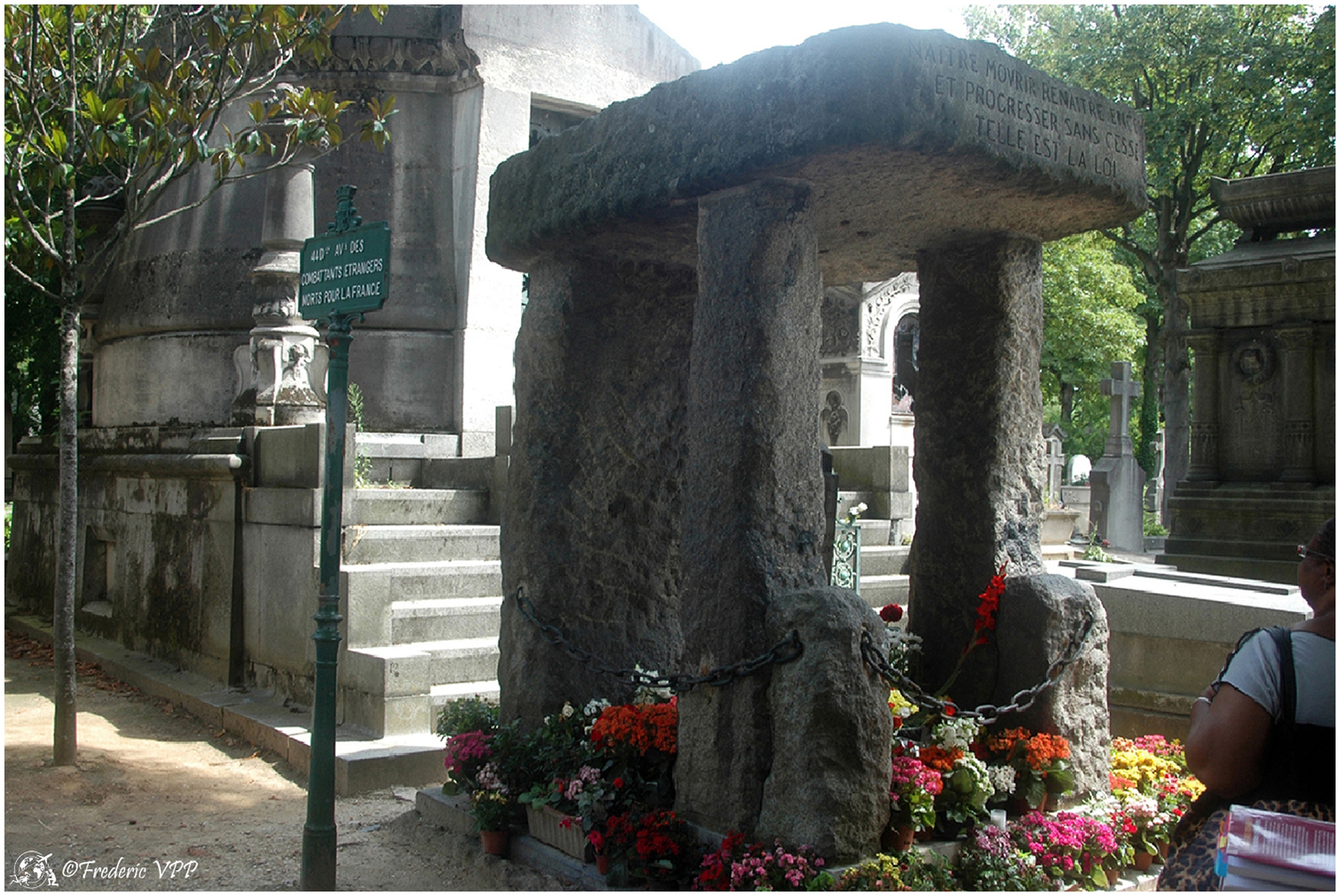
The Père-Lachaise cemetery is the largest Parisian cemetery in inner Paris and one of the most famous in the world. Located in the 20th arrondissement, many famous people are buried there. It is considered the most visited cemetery in the world by the number of visitors.
I invite you to discover it, you will not be disappointed. I would just advise you to take a speaker. For around twenty euros, you won't wander down the aisles without knowing where to go. You can even choose the theme of your visit. The explanations given during this visit will also be punctuated by anecdotes.
|
The Père-Lachaise cemetery is the largest Parisian cemetery in inner Paris and one of the most famous in the world. Located in the 20th arrondissement, many famous people are buried there. It is considered the most visited cemetery in the world by the number of visitors.
It bears the name of François d'Aix de La Chaise dit Père Lachaise who was the priest confessor of Louis XIV. Following the closure of the Cimetière des Innocents on December 1, 1780, in late application of the law of 1765 which prohibited cemeteries in the city, Paris began to run out of burial places.
Different cemeteries were created around Paris: the Montmartre cemetery to the north, the Montparnasse cemetery to the south and, to the west of the city, the Passy cemetery. The site of the future Père-Lachaise cemetery was chosen to become that of the East. On May 21, 1804 (1st Prairial Year XII), the cemetery was officially opened with a first burial, but in 1815 there were no more than 2,000 graves. To increase this figure, the prefect of Paris organizes the transfer of the remains of Héloïse and Abelard, as well as of Molière and La Fontaine. That was enough: in 1830, there were 33,000 graves. Between 1824 and 1850, the cemetery grew from 175,800 m2 to 439,300 m2 for 70,000 graves, 5,300 trees, a hundred cats, many birds and 3.5 million visitors.
A columbarium and a crematorium were erected (designed in 1886 by Jean Camille Formigé). It should not be forgotten that cremation dates from a law of November 15, 1887 which proclaims the freedom of funerals and authorizes cremation. Cremation then increases following the lifting of the ban by the Catholic Church in 1963. This cemetery is multi-religious: there are many Jewish and Muslim squares. This Muslim square was opened in 1857 but closed following the law of November 14, 1881 prohibiting confessional squares. The mosque is preserved despite this law but was destroyed in 1914. It will be replaced by the Great Mosque of Paris. This cemetery has also been a veritable museum since the 19th century, with the works of many architects and sculptors. Several elements of the cemetery's funerary heritage have been registered or classified as historical monuments.
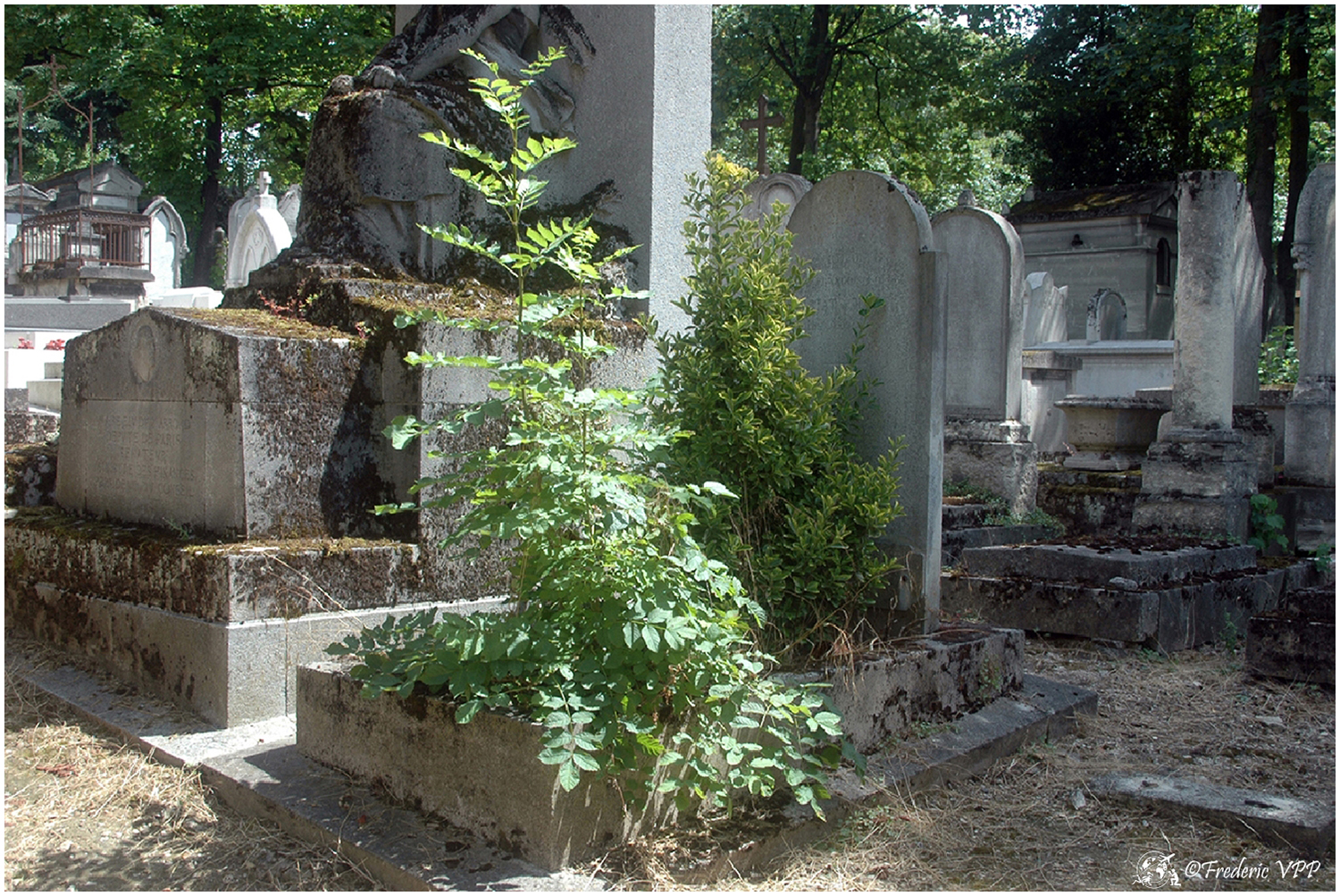
This square is also a large garden with trees more than a hundred years old. Because of this huge wooded park, around forty species of birds have nested there as well as cats, lizards, bats, weasels, hedgehogs and red squirrels. |
|
Sorry if the links are outdated or not accessible
|







|
|

