 Mumbai
Mumbai, India, 4 days, October 2019
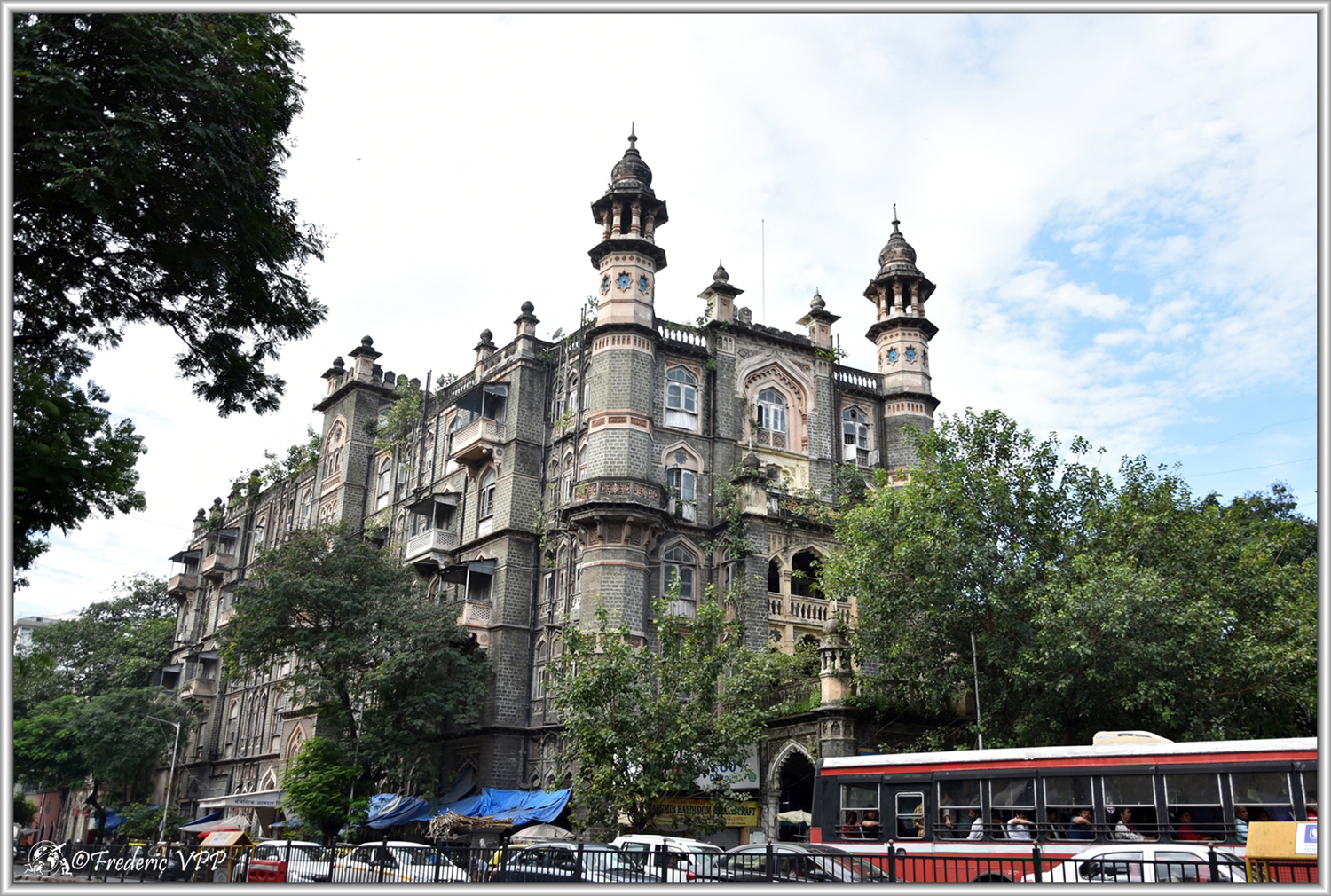
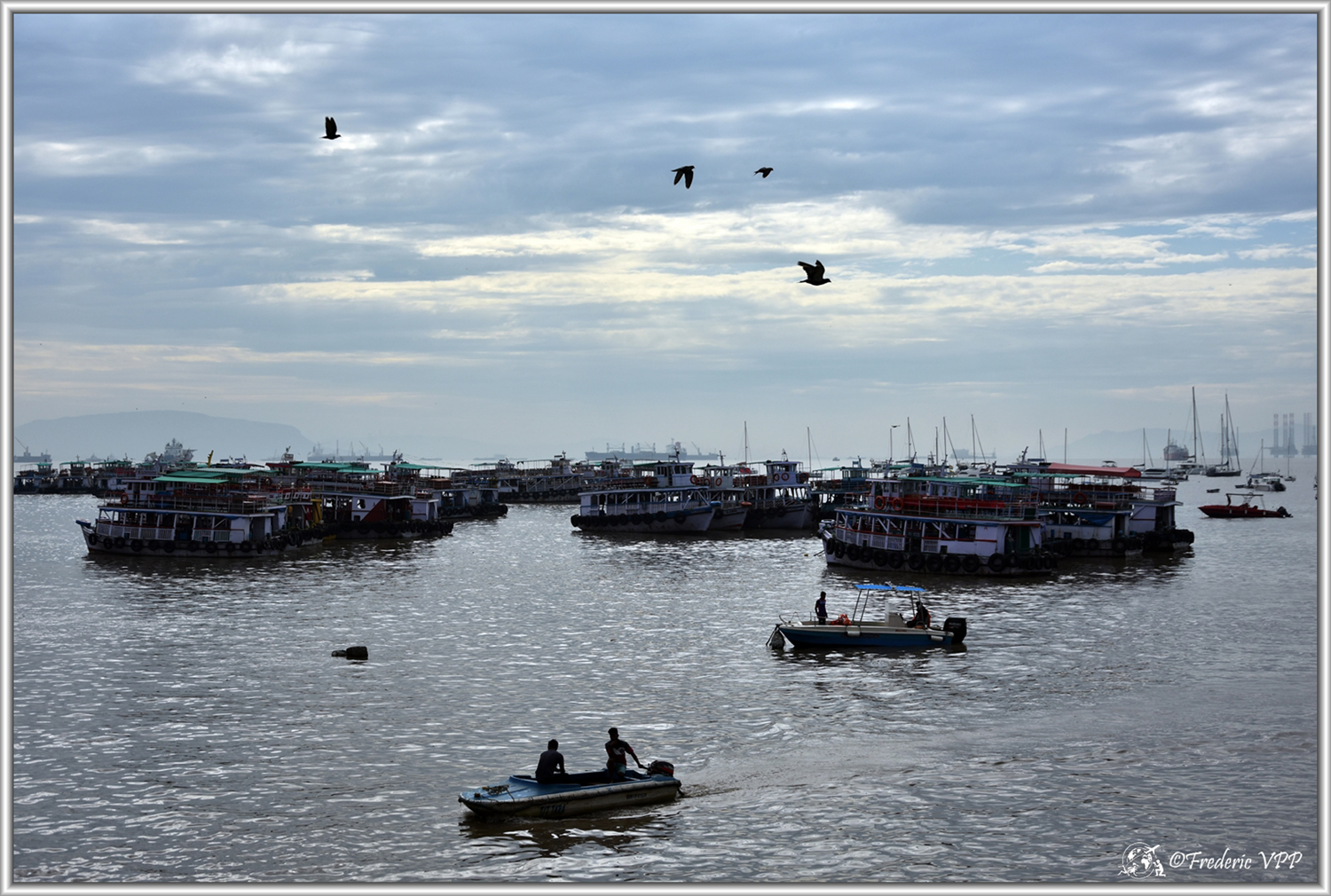
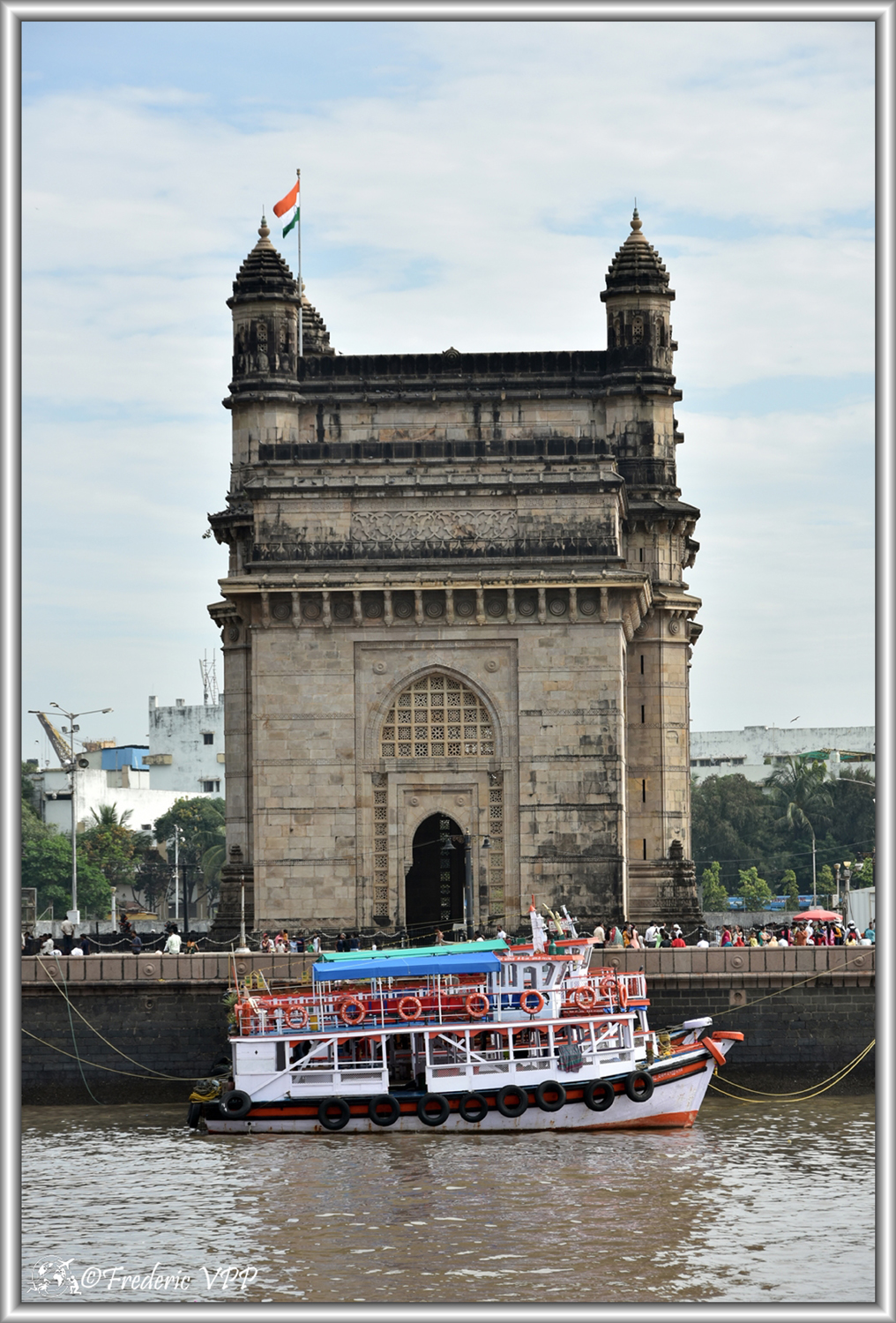
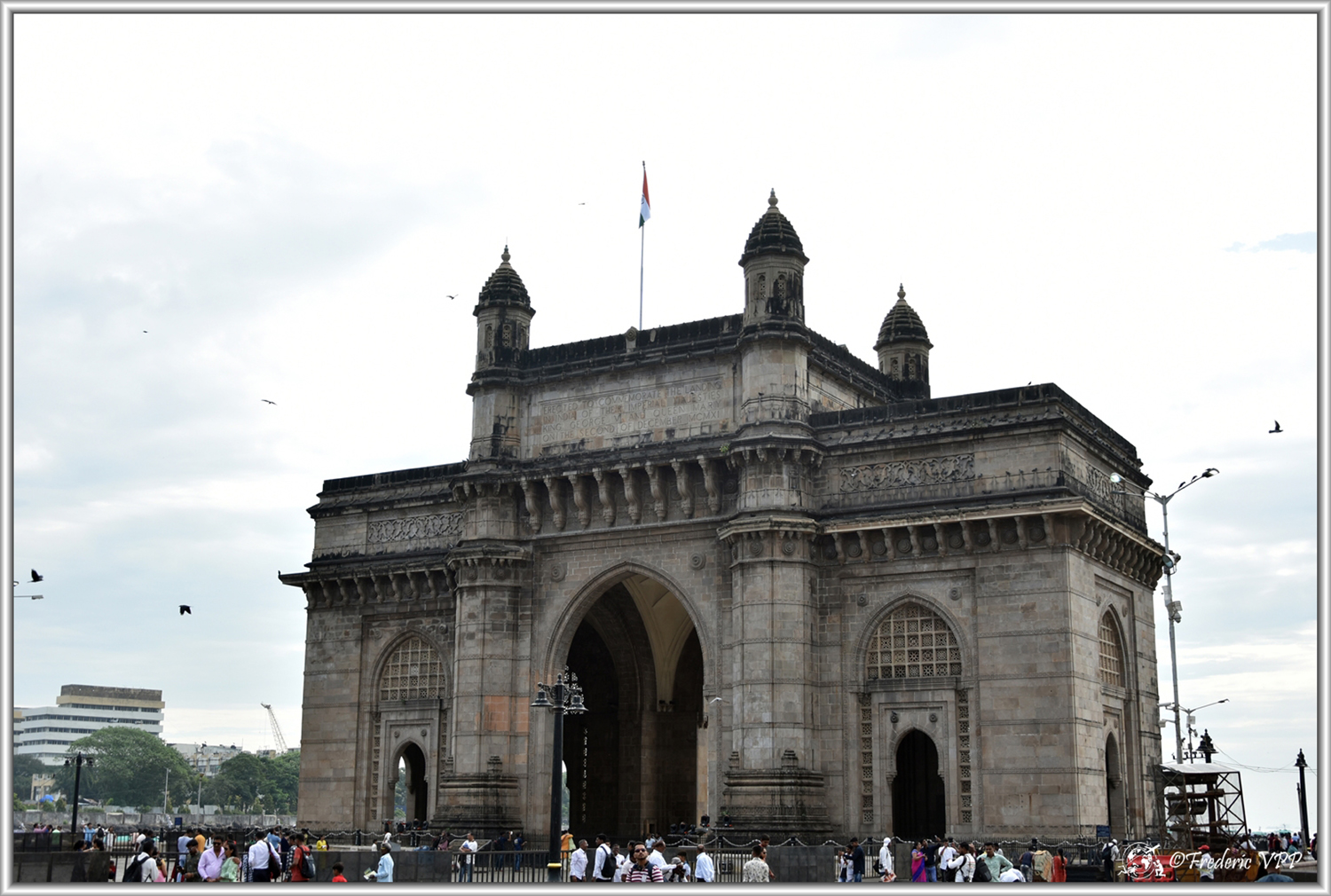
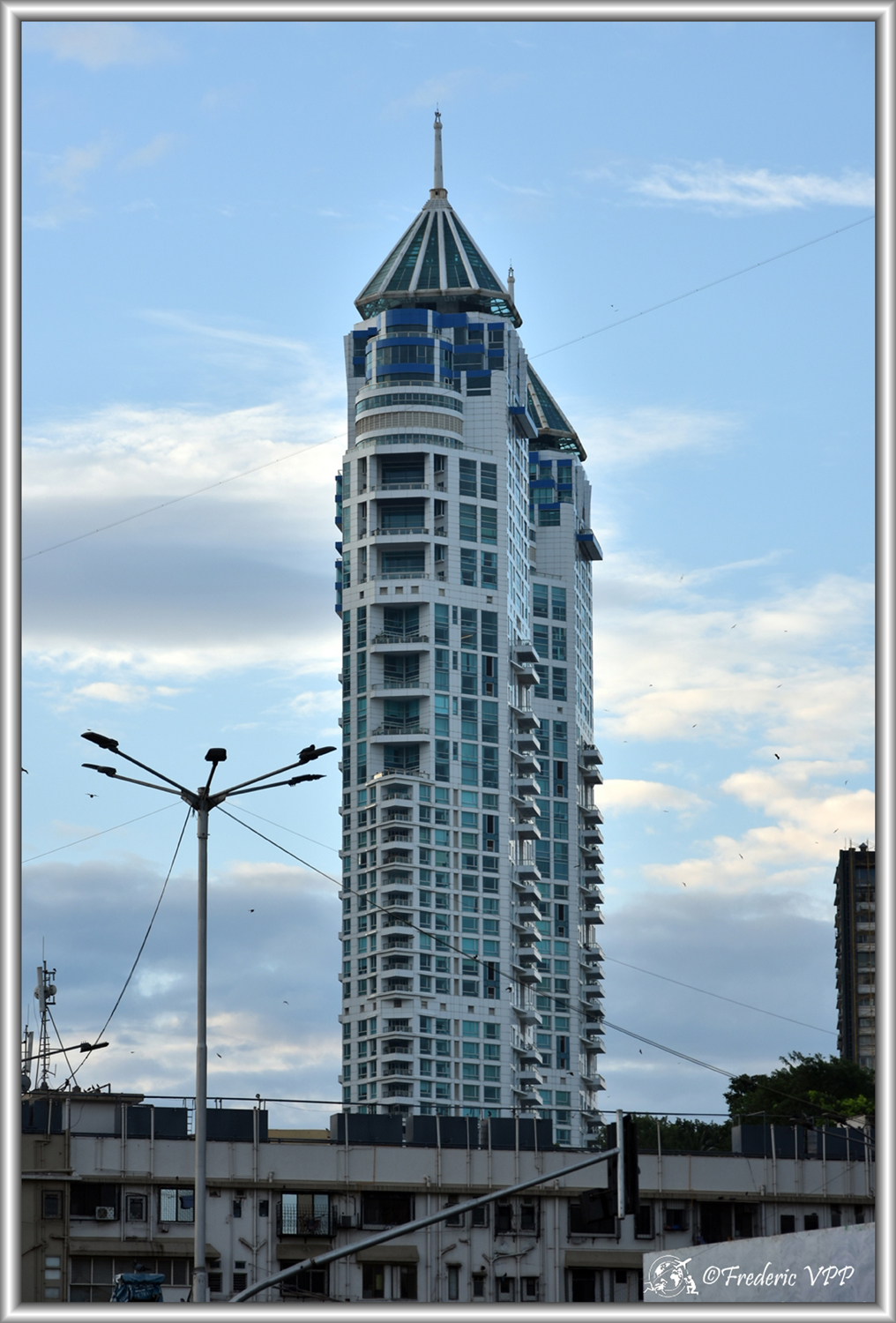
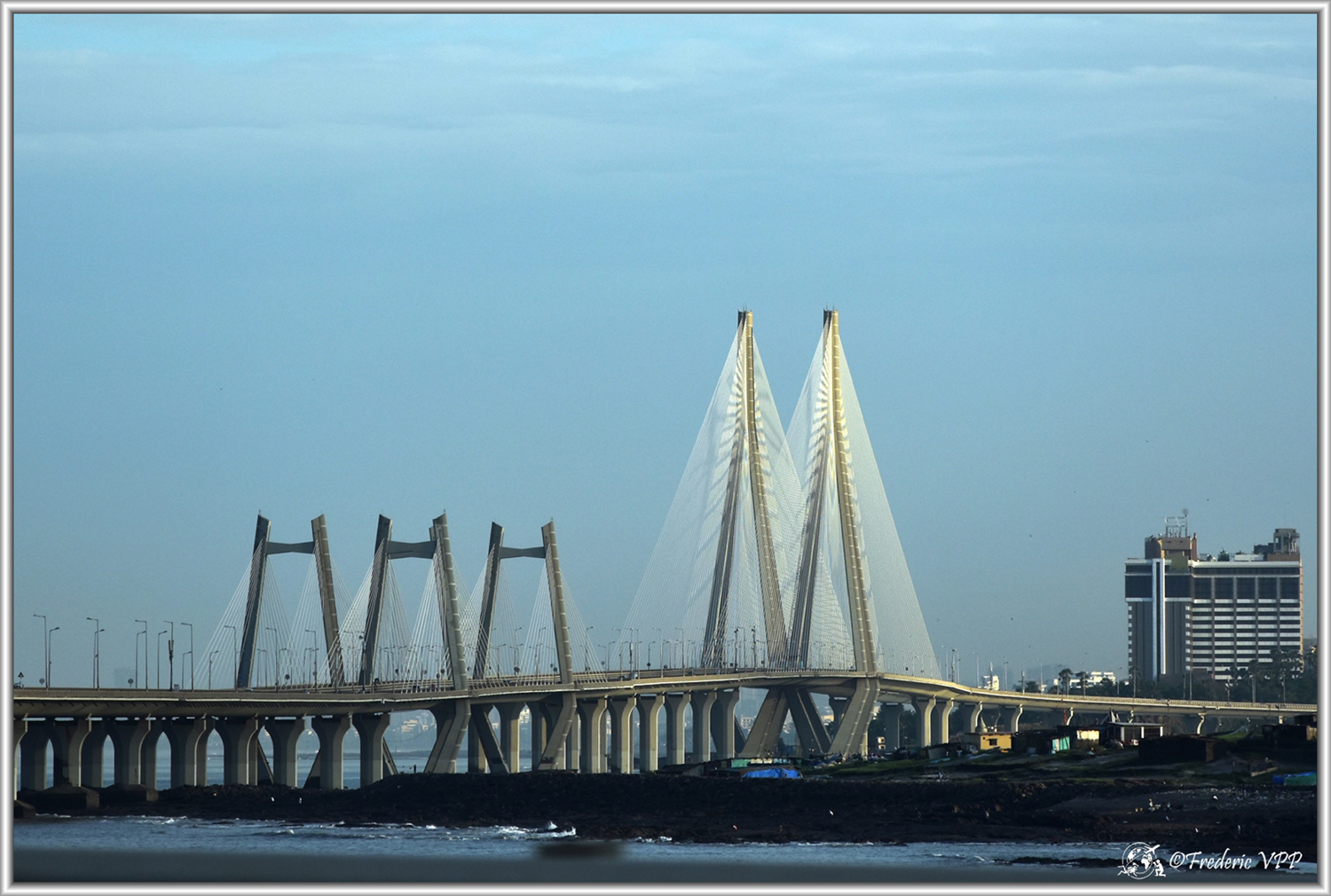
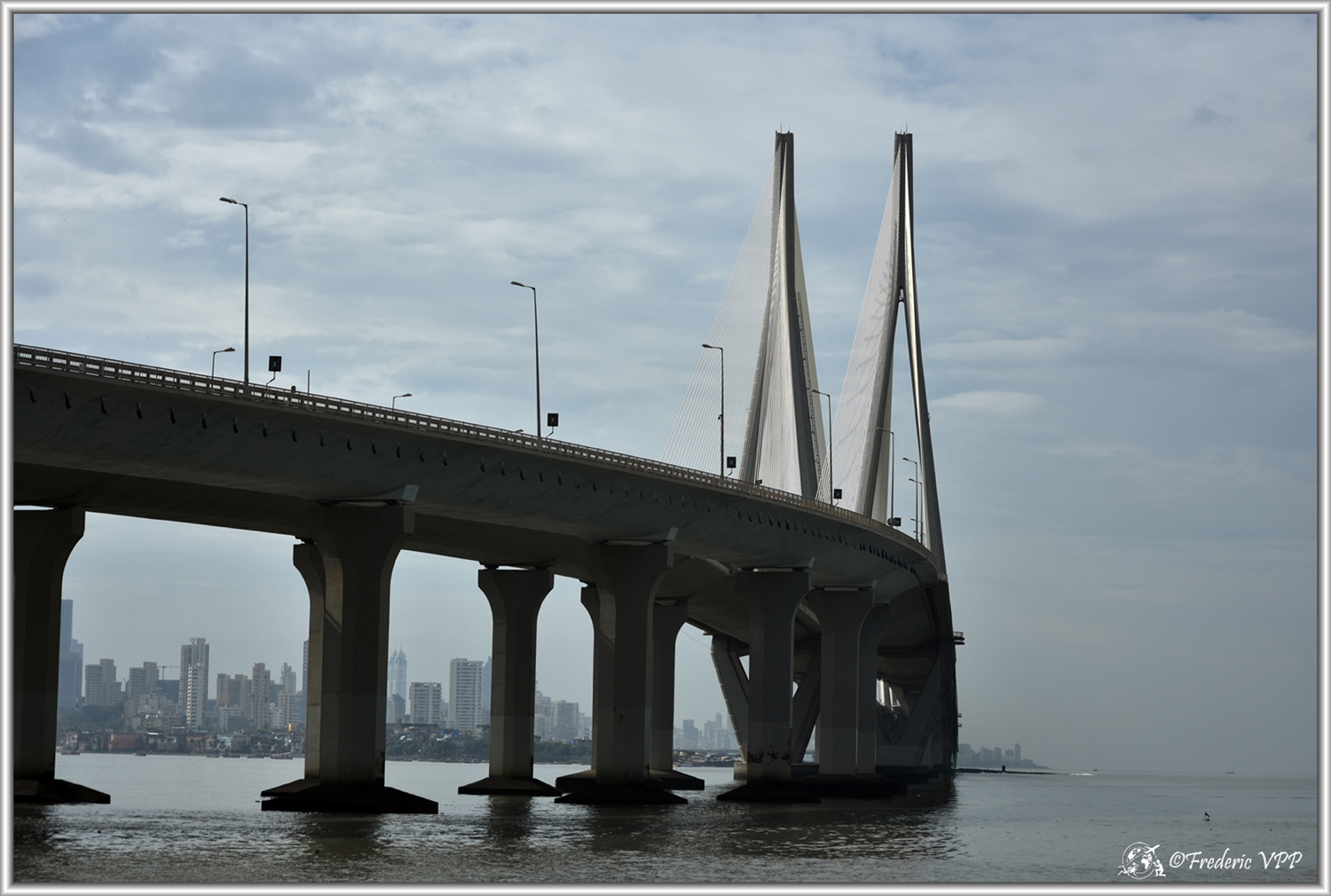
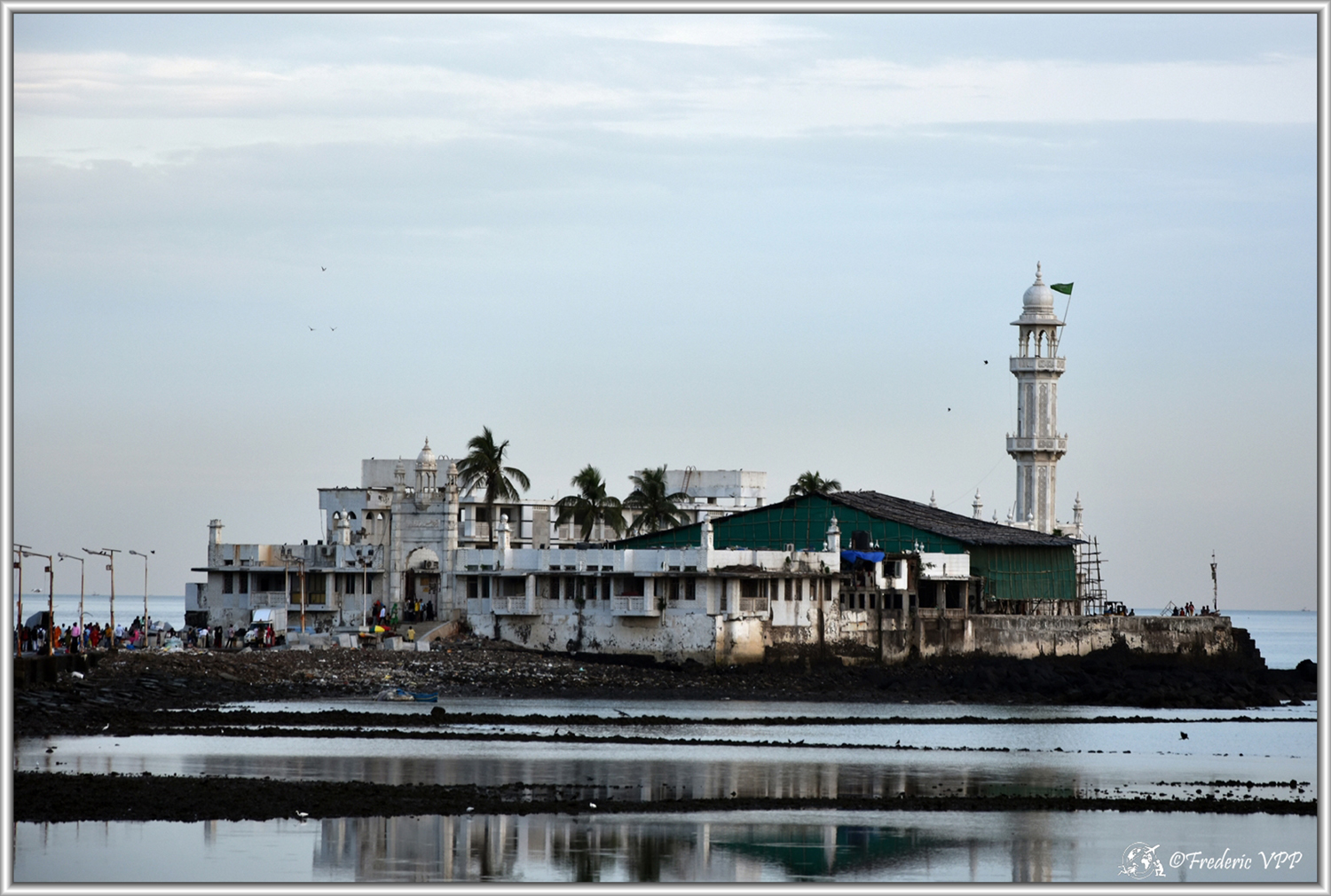
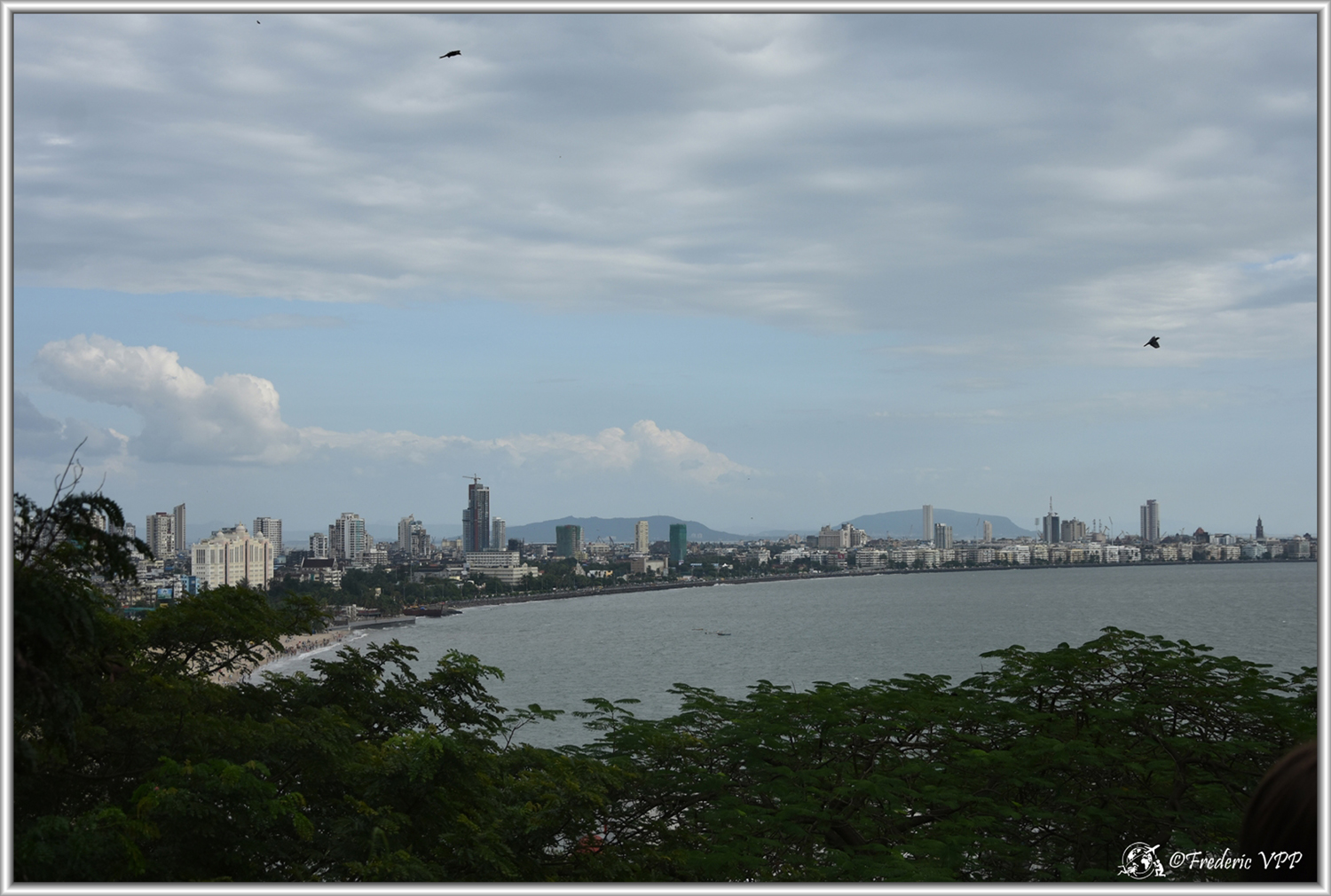
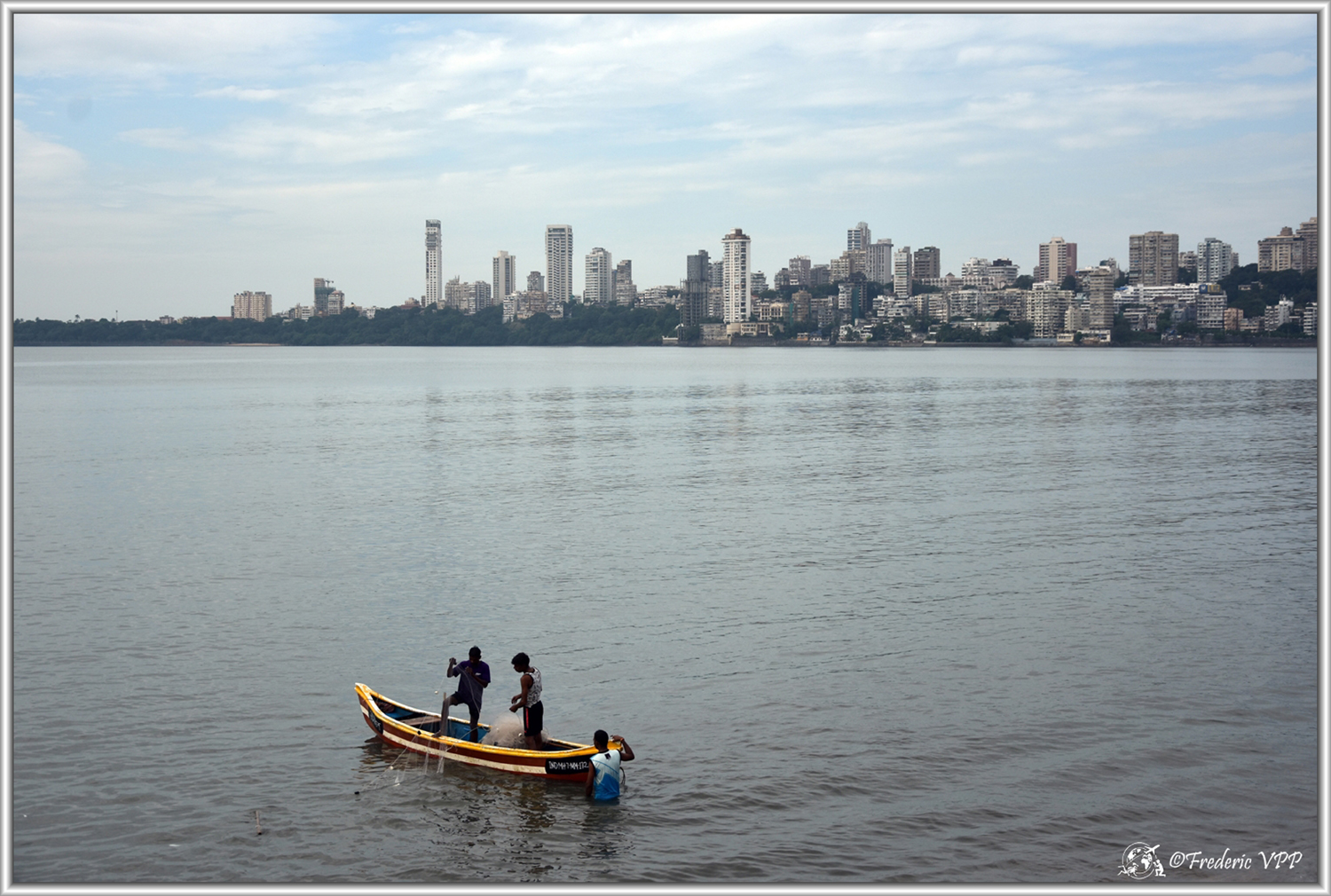
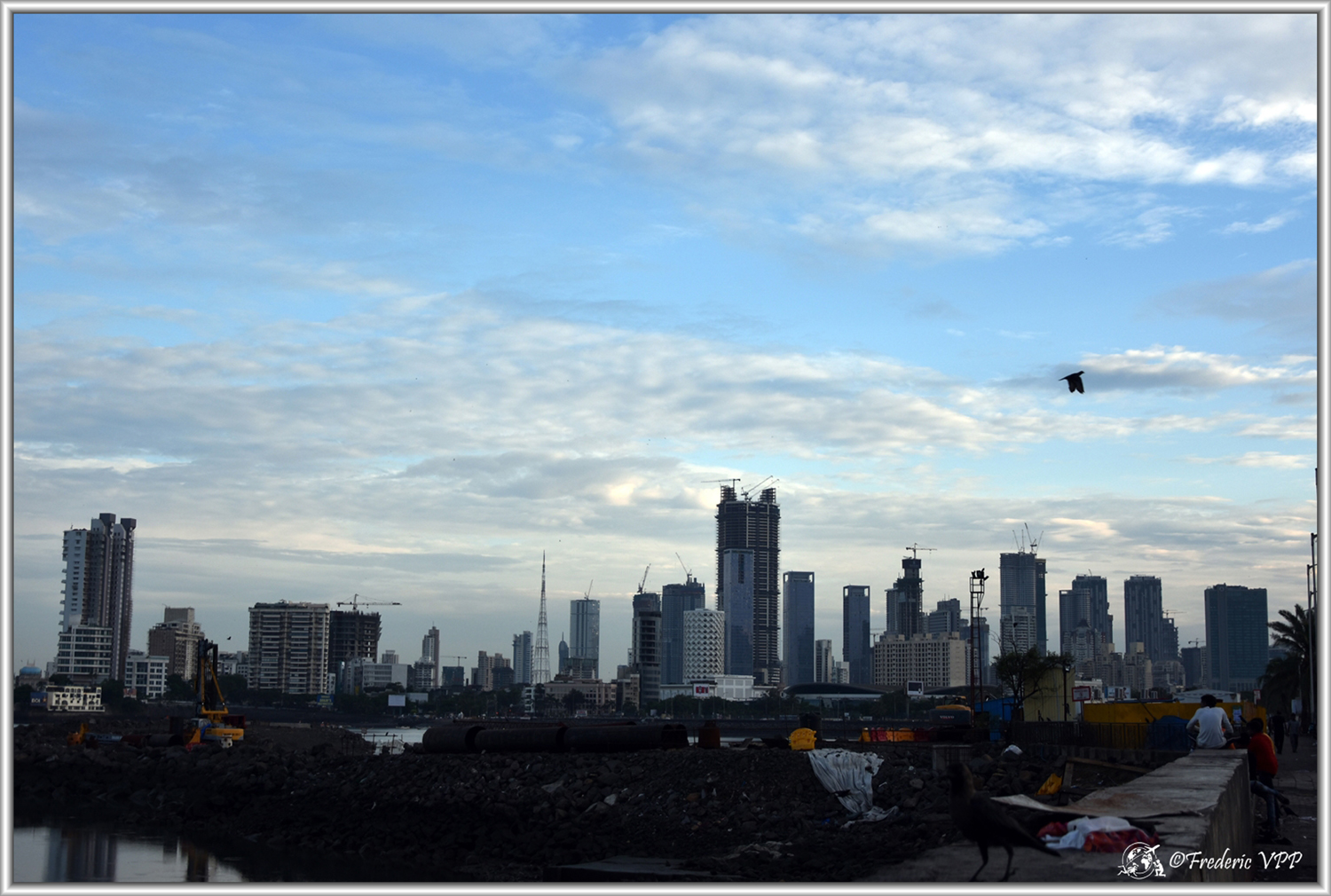
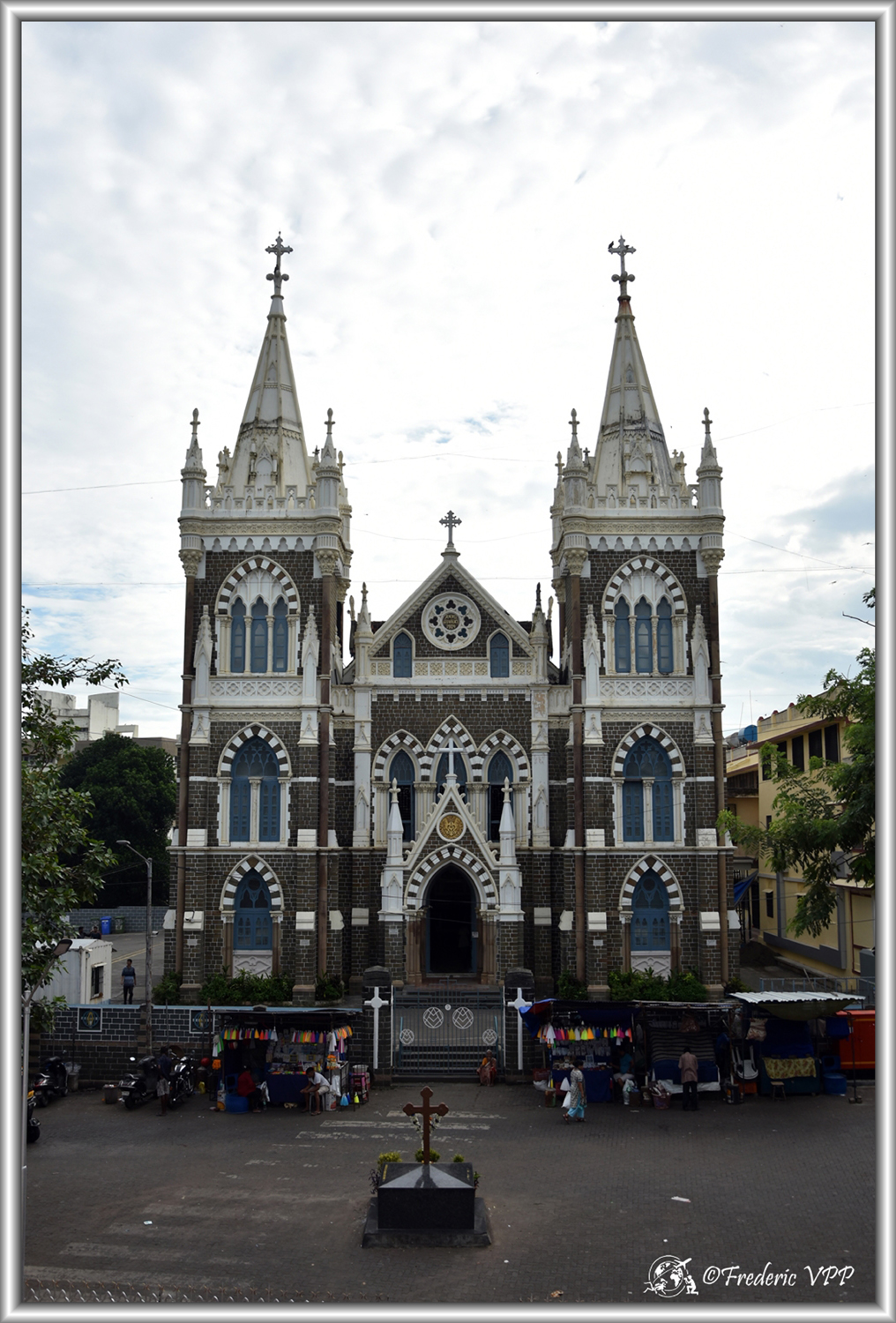
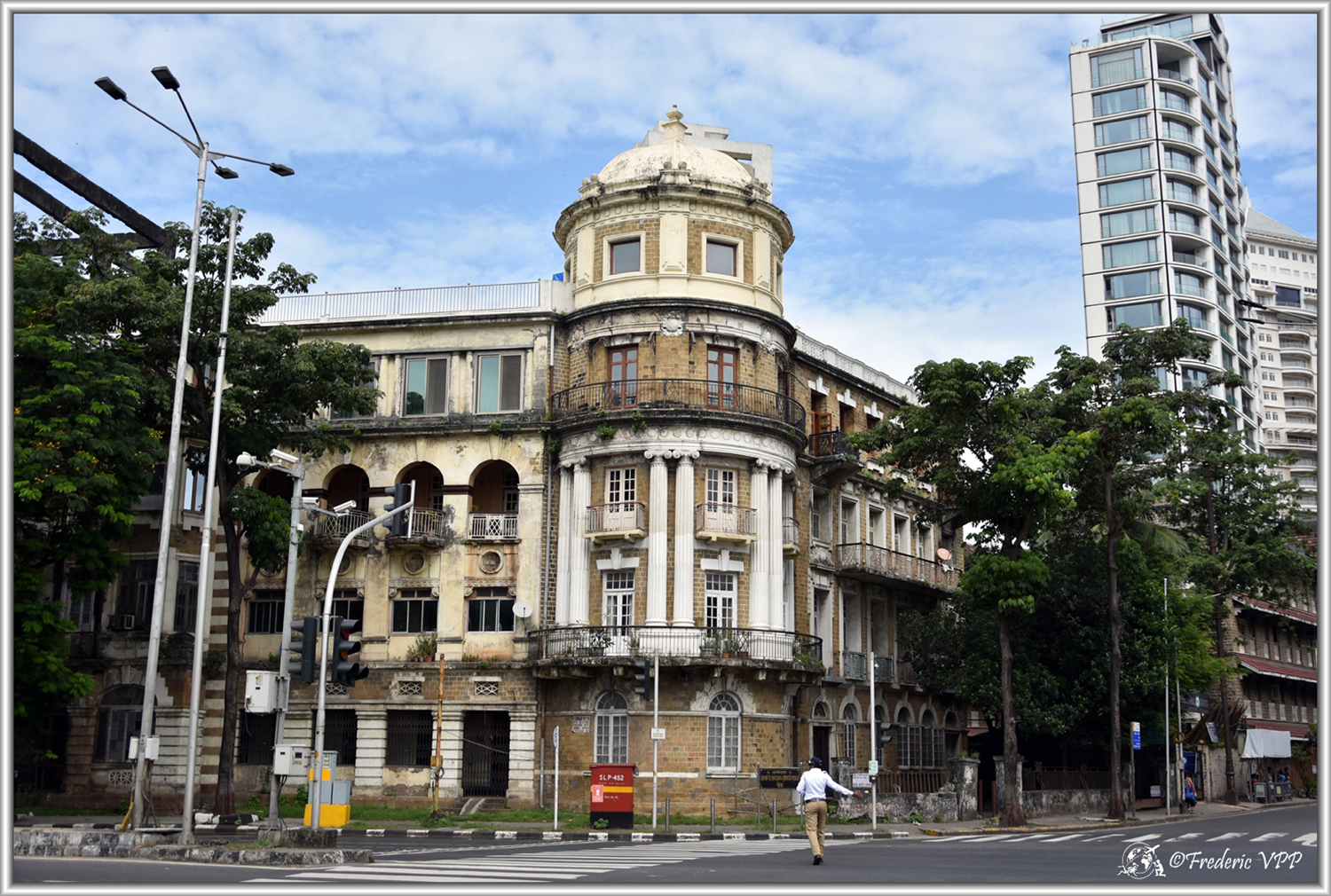
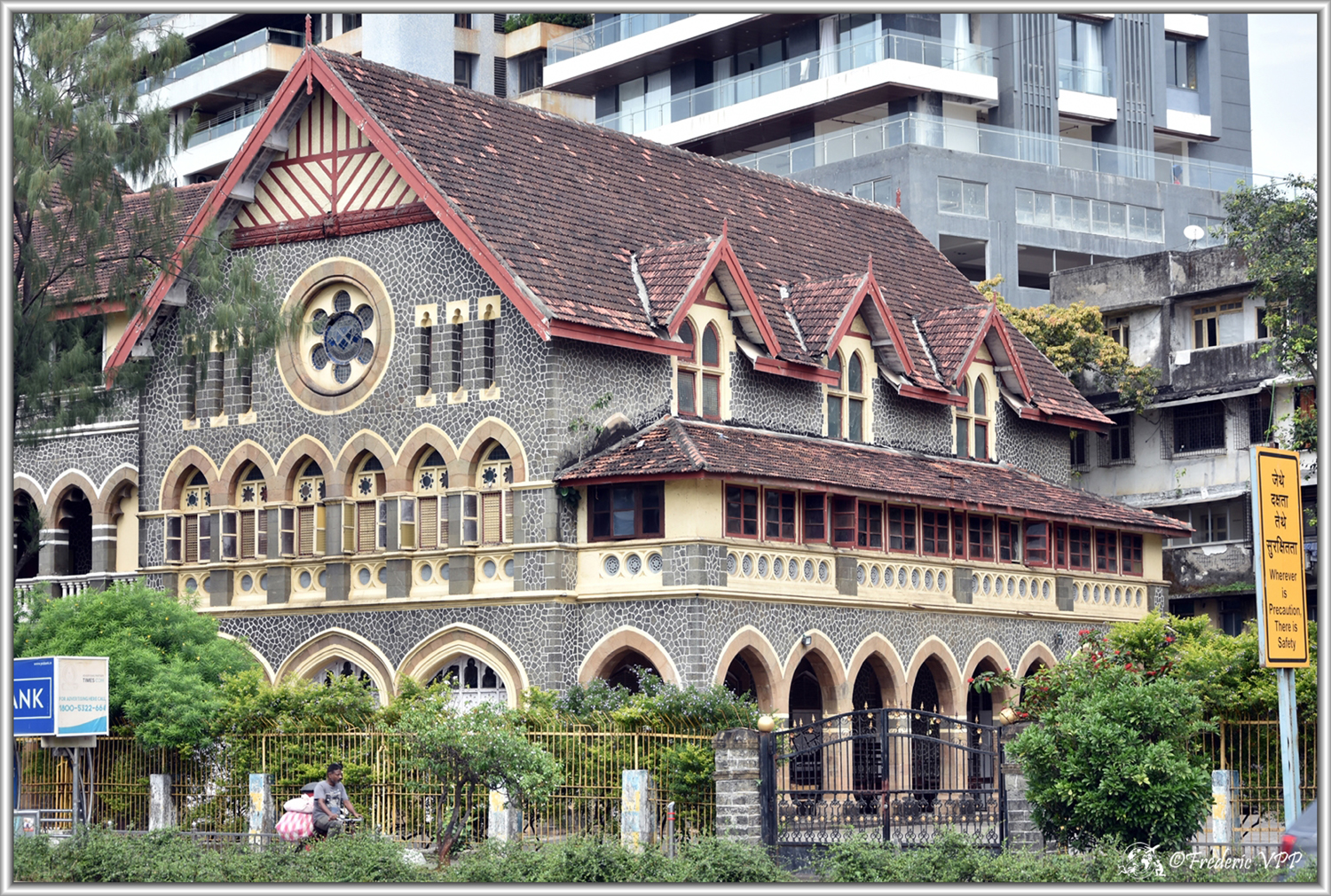
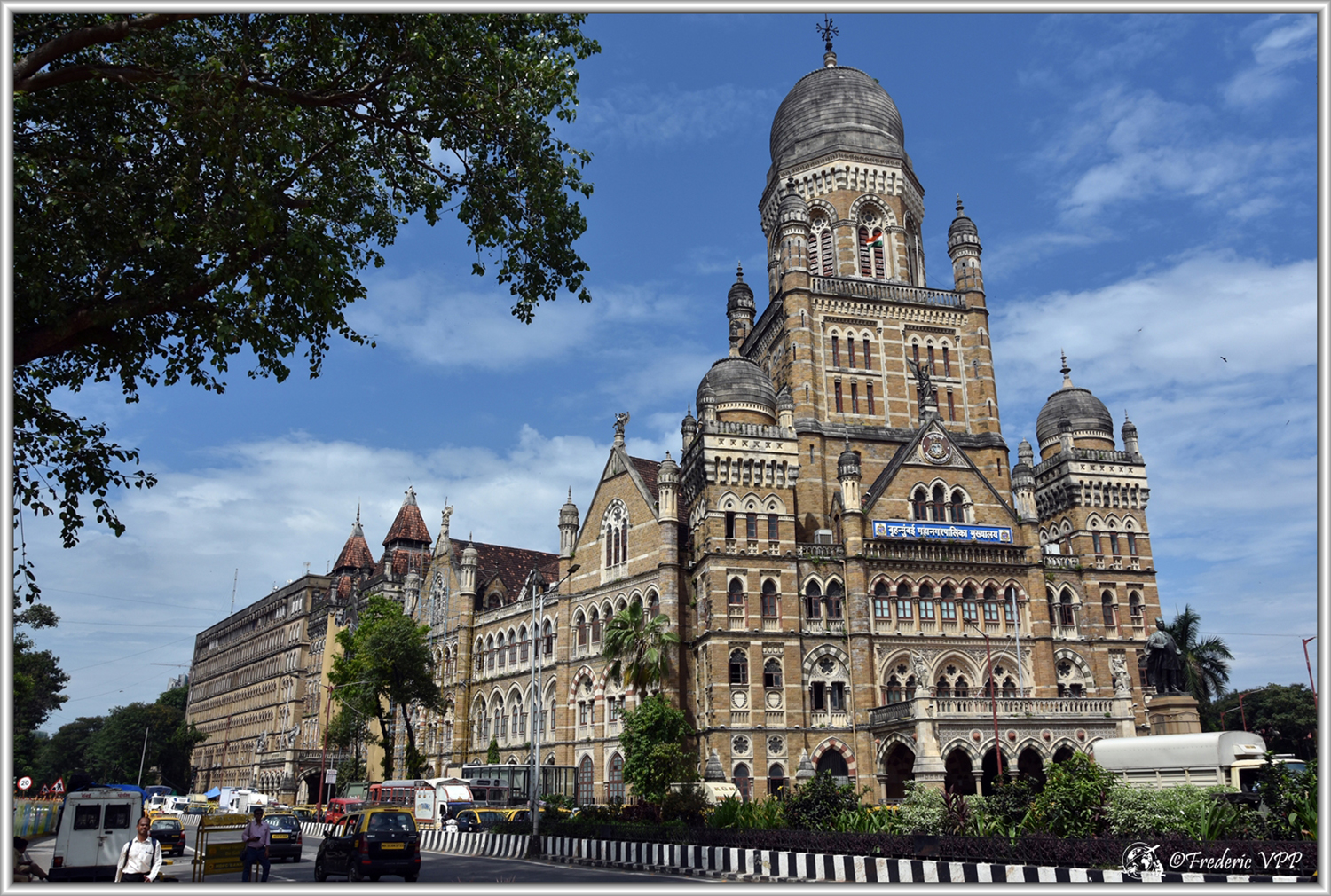
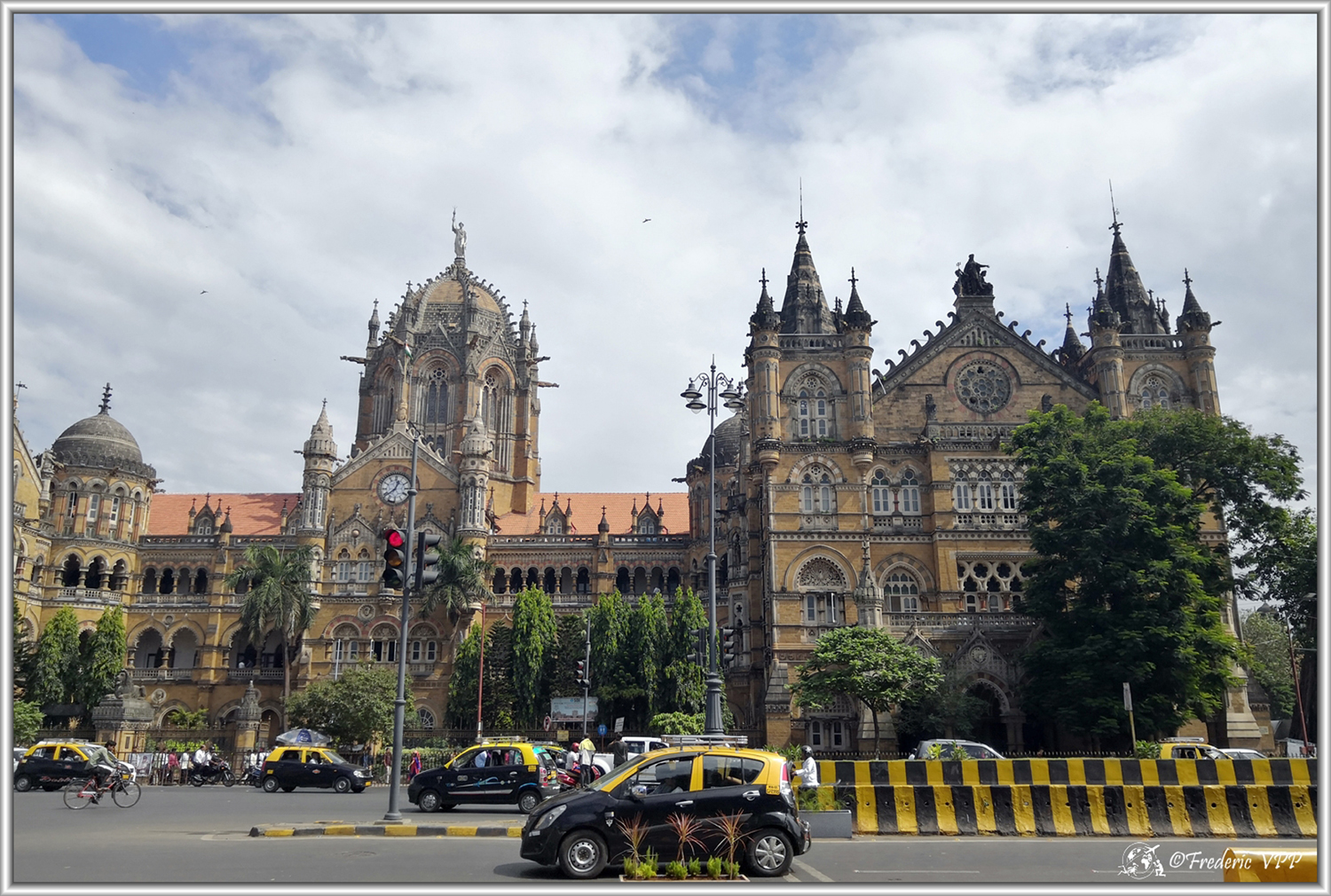
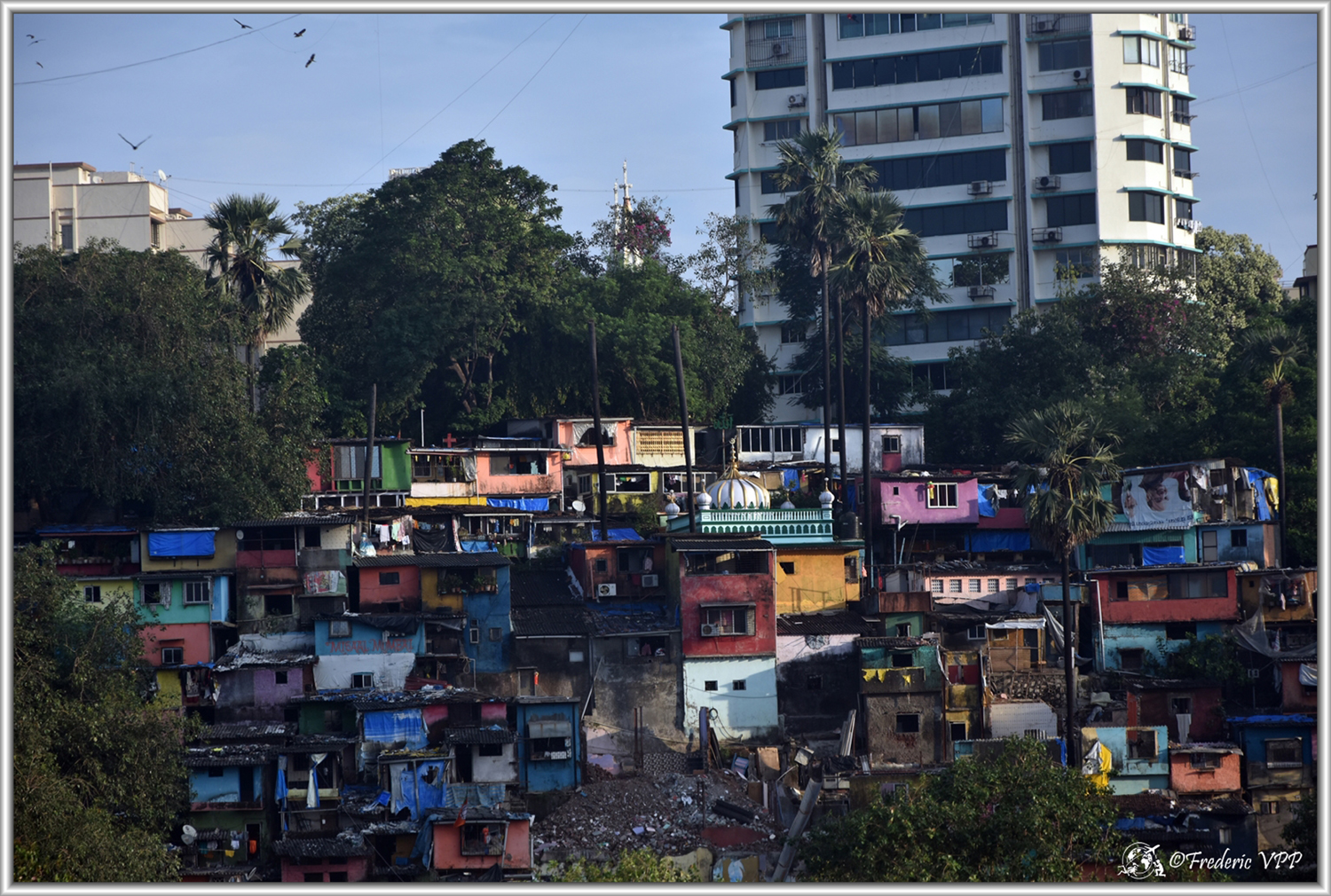
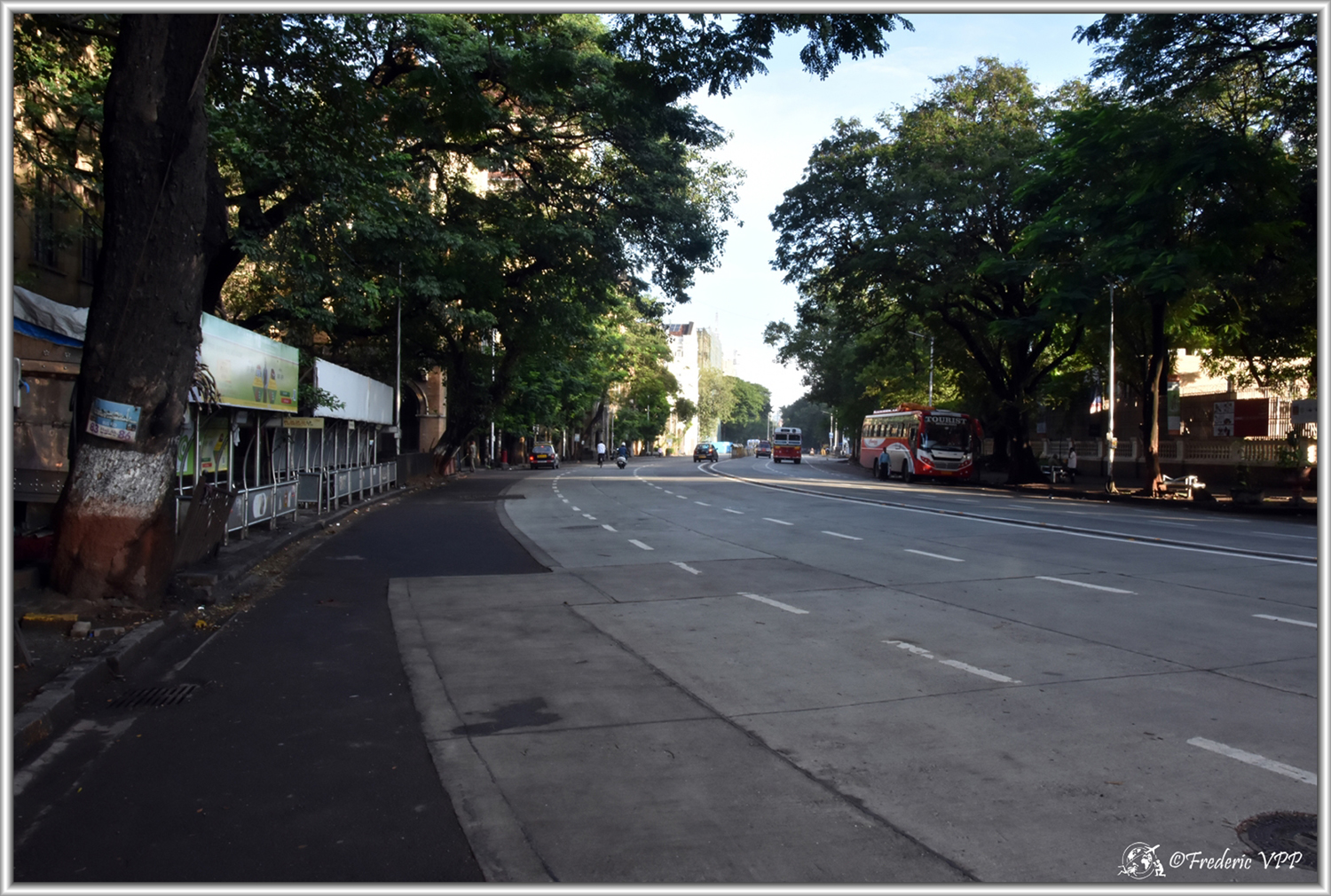
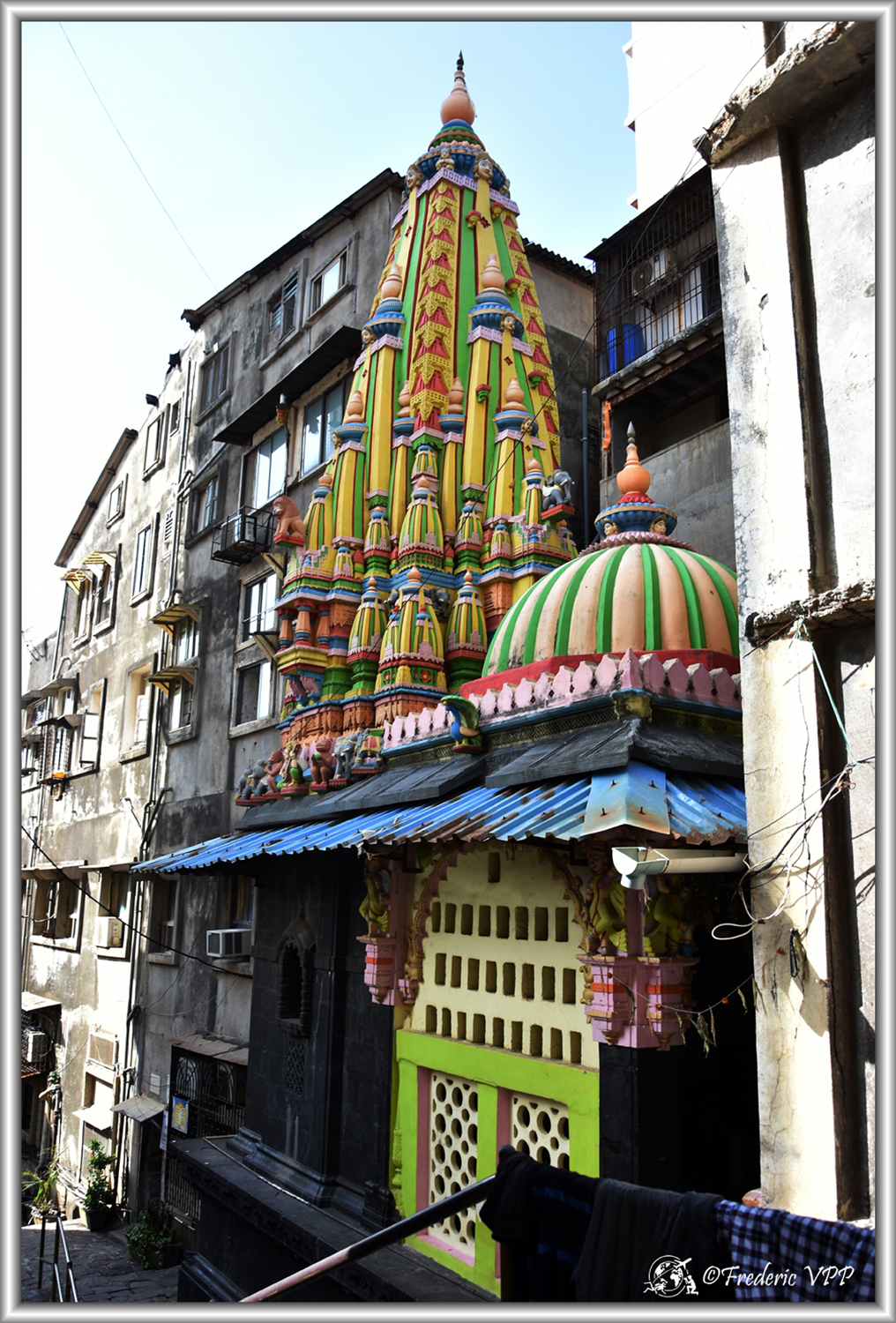
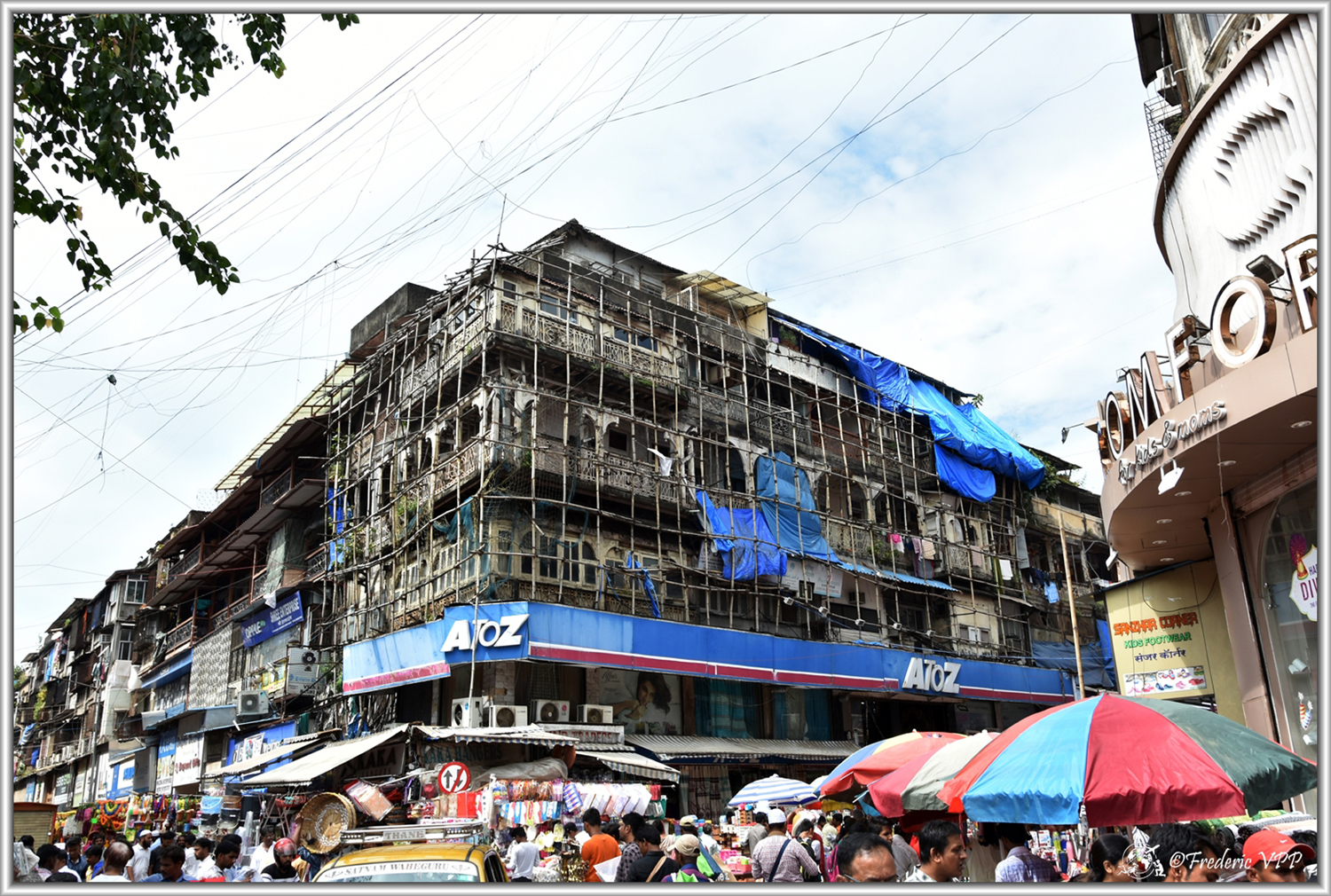
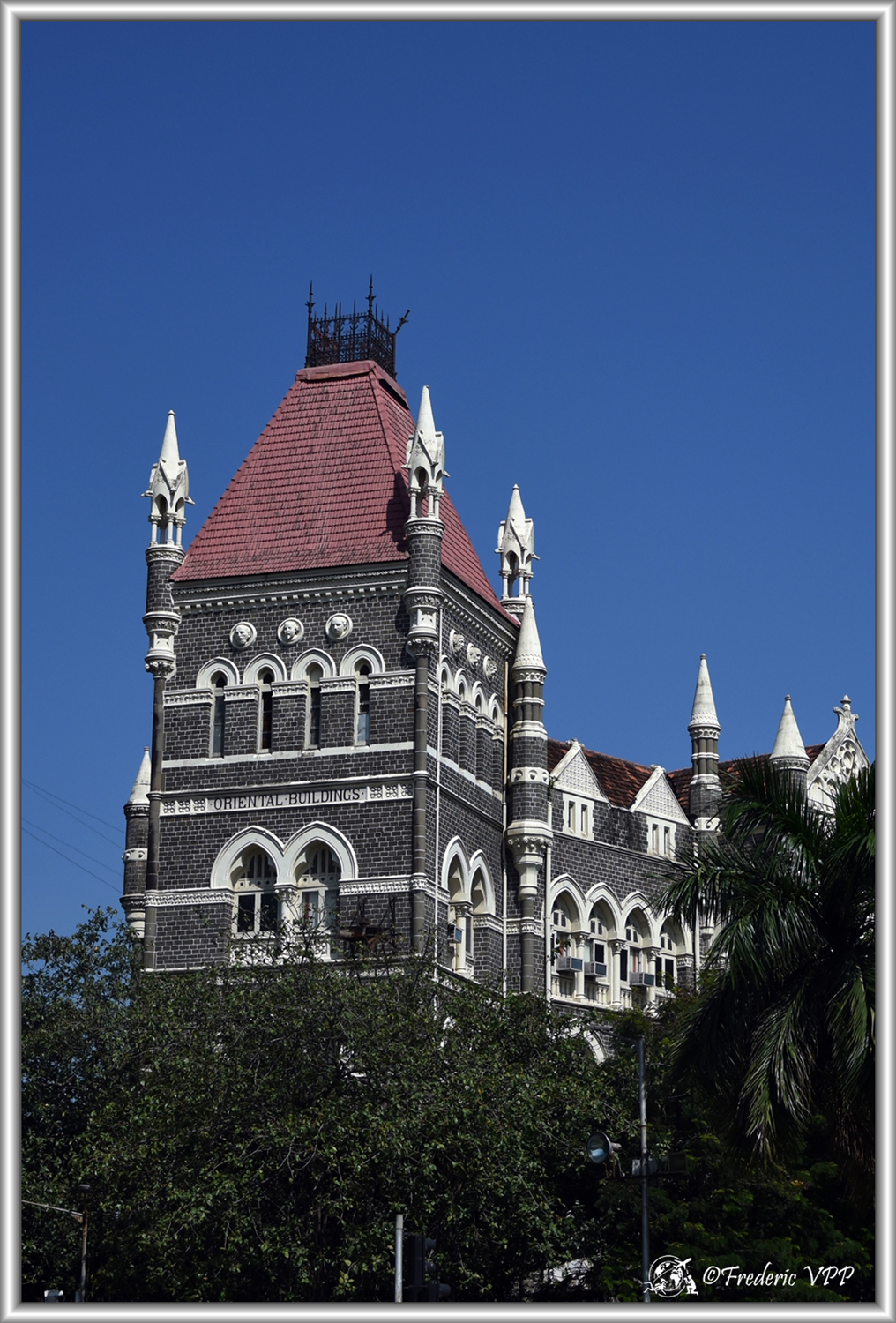
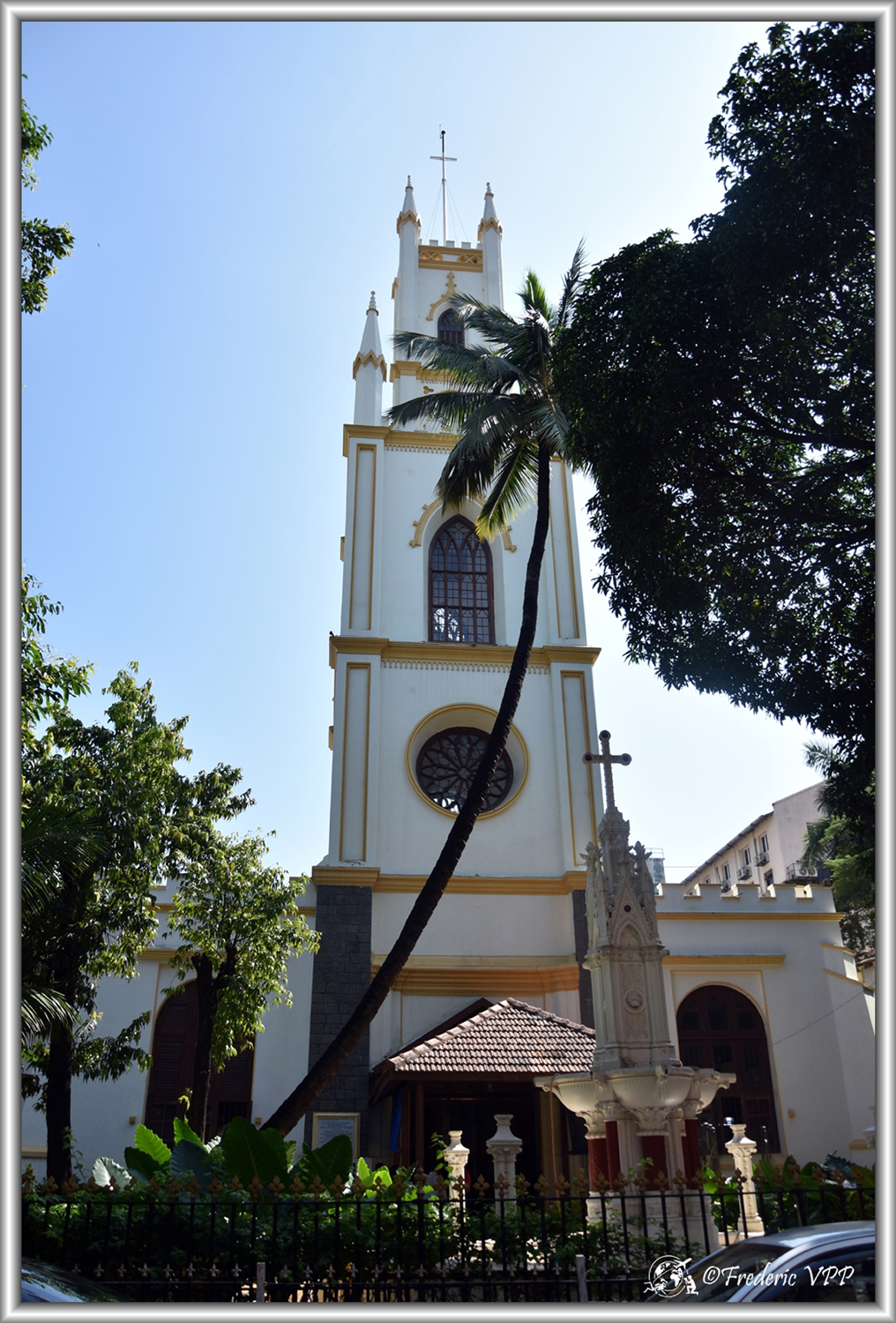
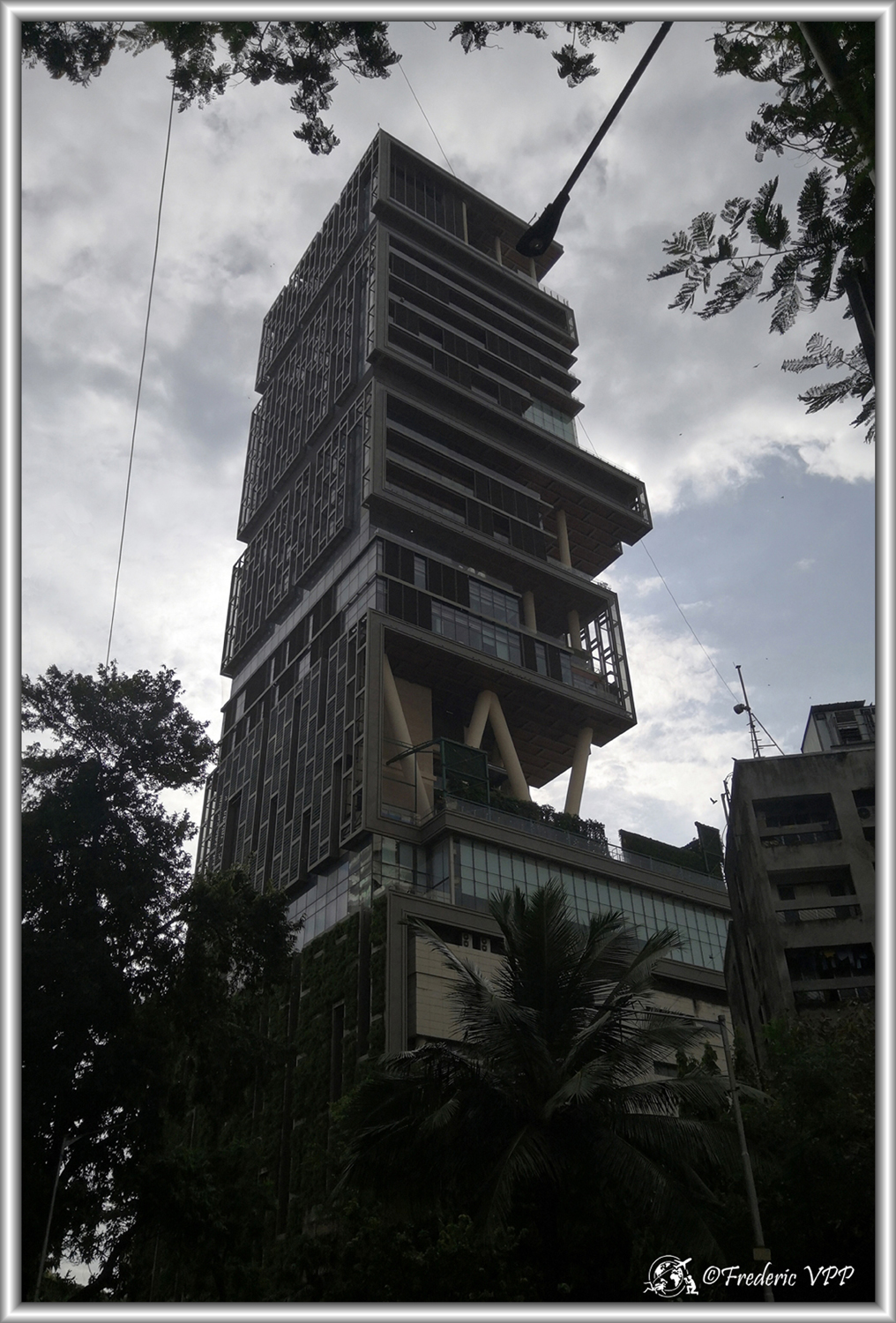
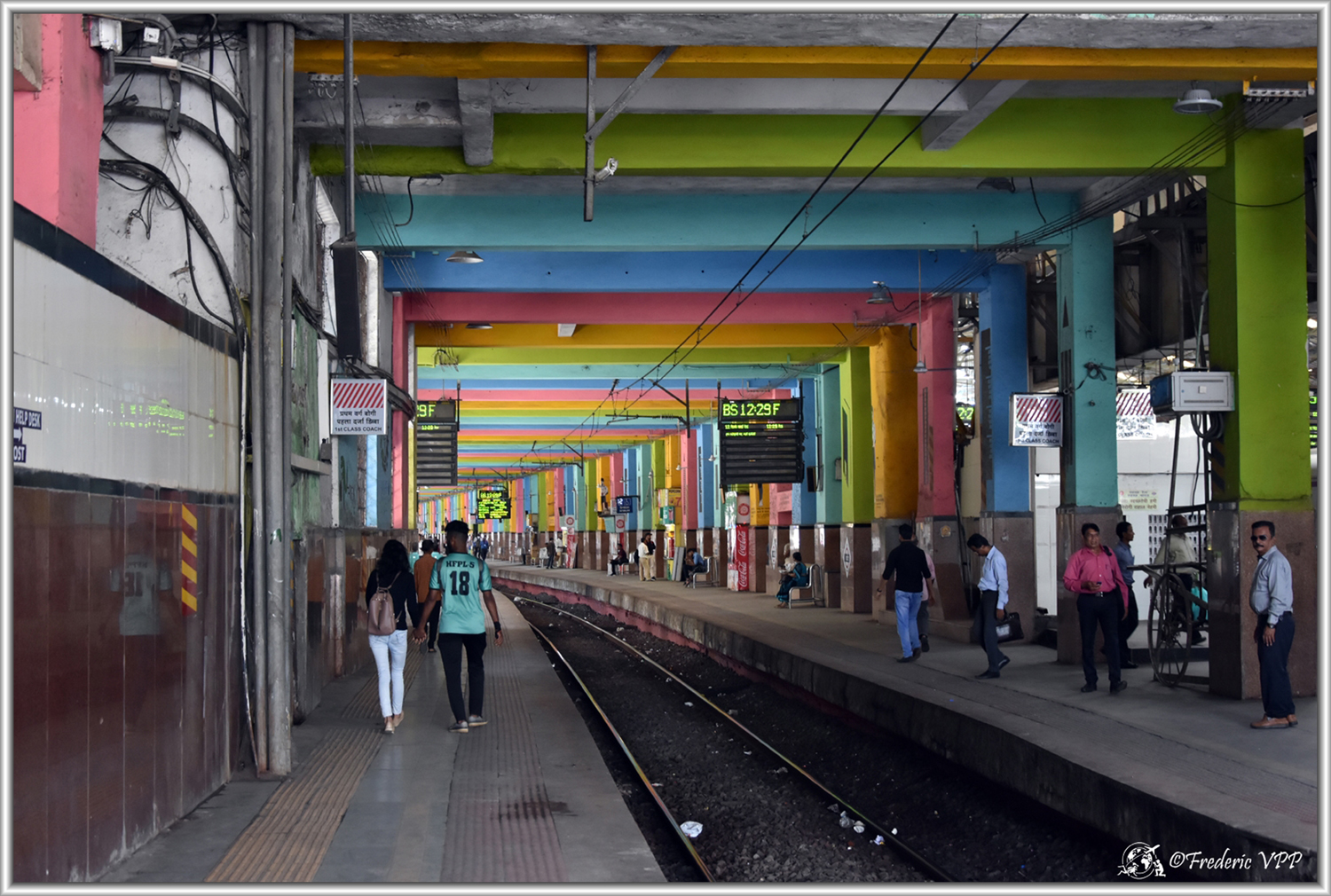
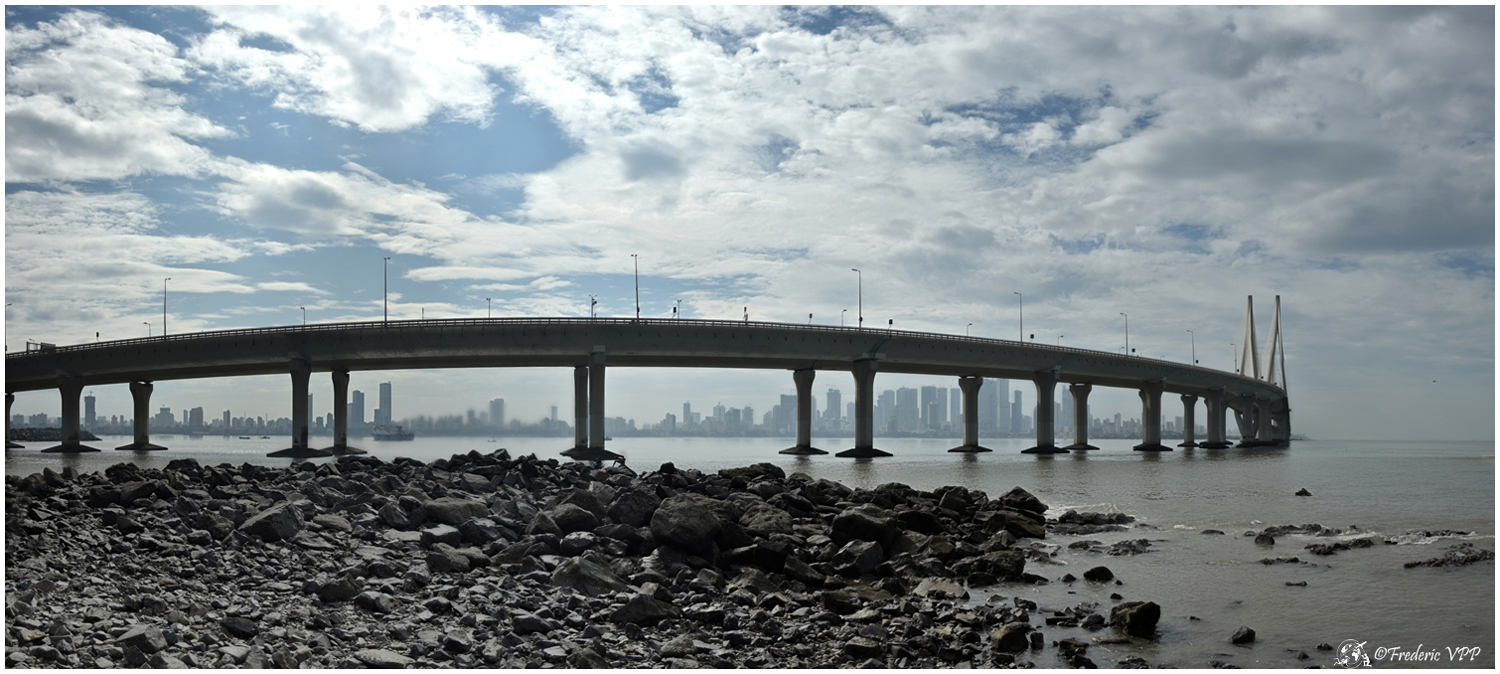
Mumbai, a changing city compared to Bangalore. Mumbai has 2 faces: on one side, the historic city with Colaba, or Dhobi Ghat, the open-air laundry and on the other the modern city, as evidenced by these buildings, these skyscrapers, these long and wide arteries. It's another vision of India, we are getting closer to modern India...
|
I am not a fan of big cities but I especially appreciated in the "modern" zone, the calm with a little less noise. In reality, the noise is omnipresent but the streets are wide so the sound can fly away and really hit our ears.
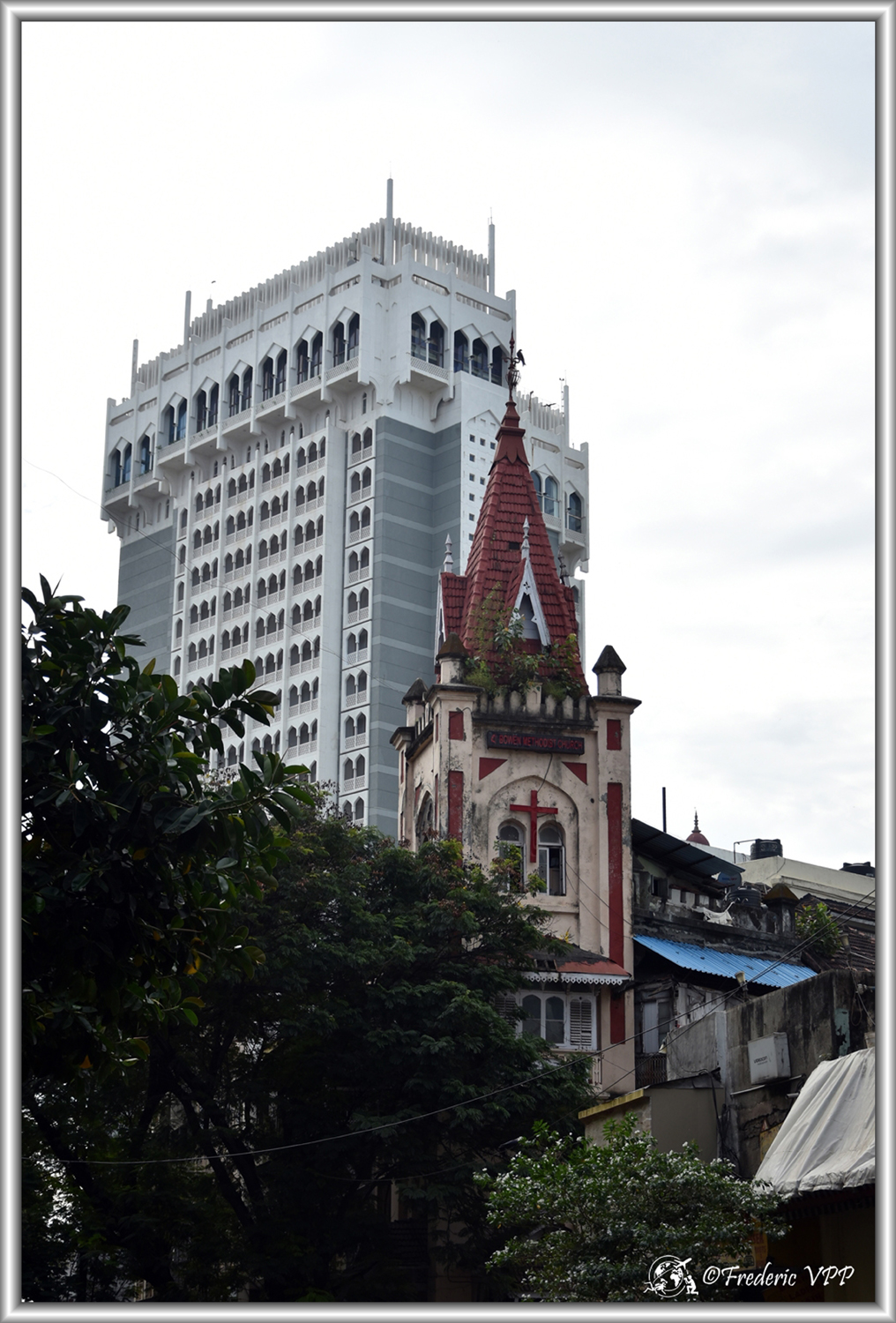
I read that lovers should not be too demonstrative in India, that it was shocking. However, while walking on "Chowpatty Seaface", many young people held hands, kissed each other without any shame. Has modernity also happened in love? Among the photos, you will have that of the Antilia tower, in the heart of Mumbai. A 27-storey tower, 600 employees for a small family, that of a billionaire. |
|
Mumbai has been known by different names according to languages and eras. The city bore the name Bombay officially until 1995 and has since been called Mumbai. This name, "Mumbai", comes from the contraction of "Mamba" or "Maha-Amba", name of the Hindu goddess Mumbadevi (en) who would have once been venerated by the inhabitants of the place and "Aai", "mother" in Marathi, the regional language.
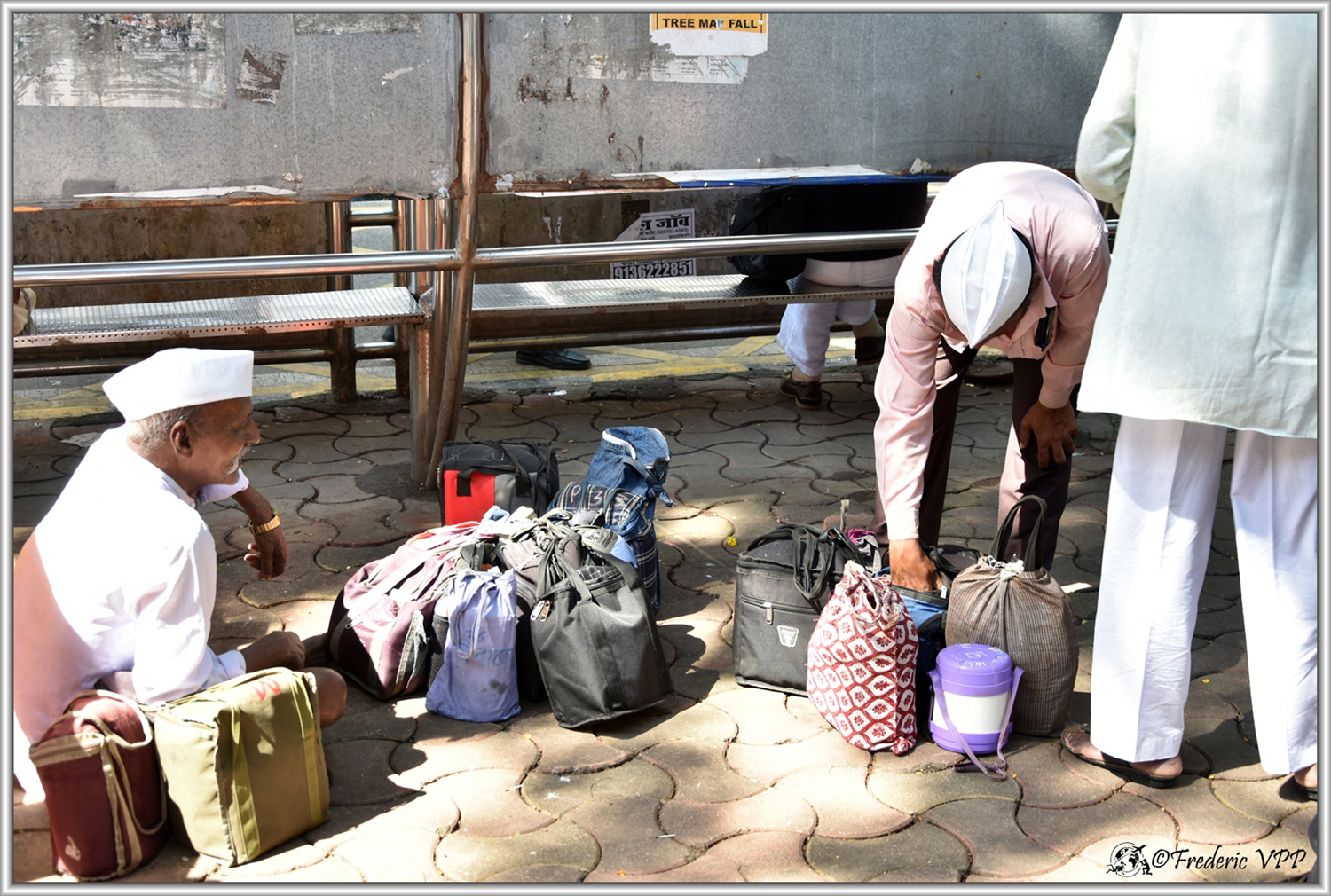
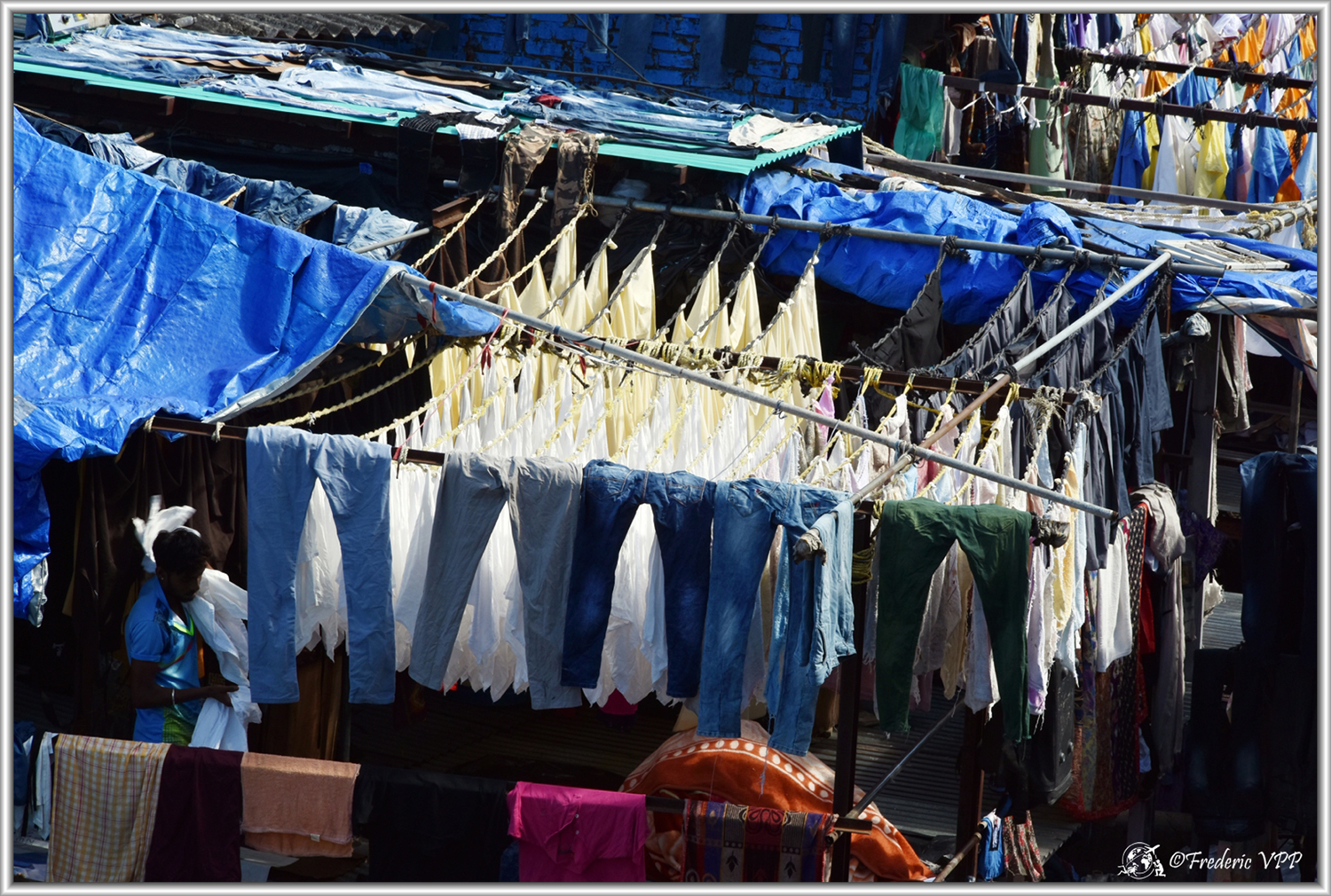
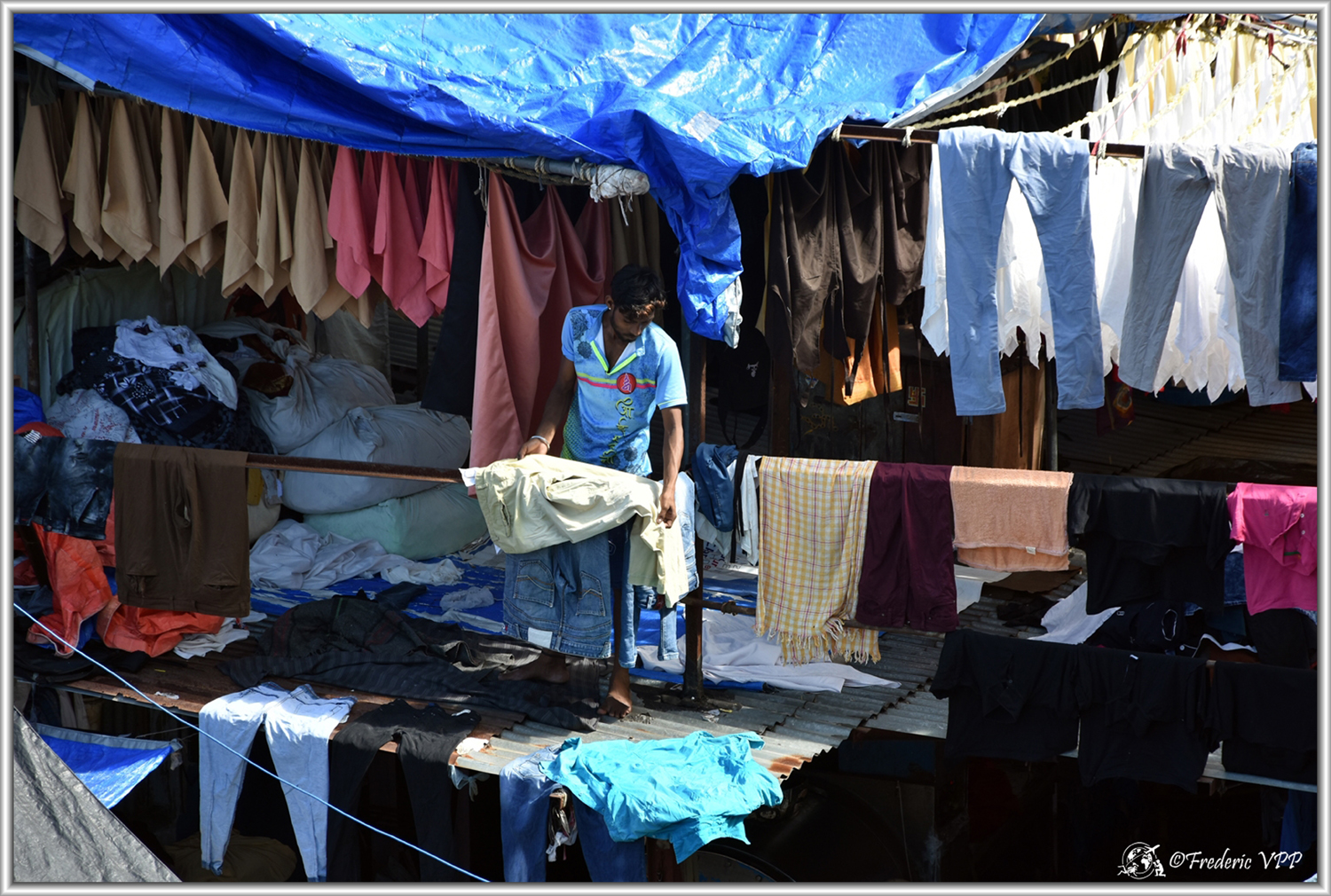
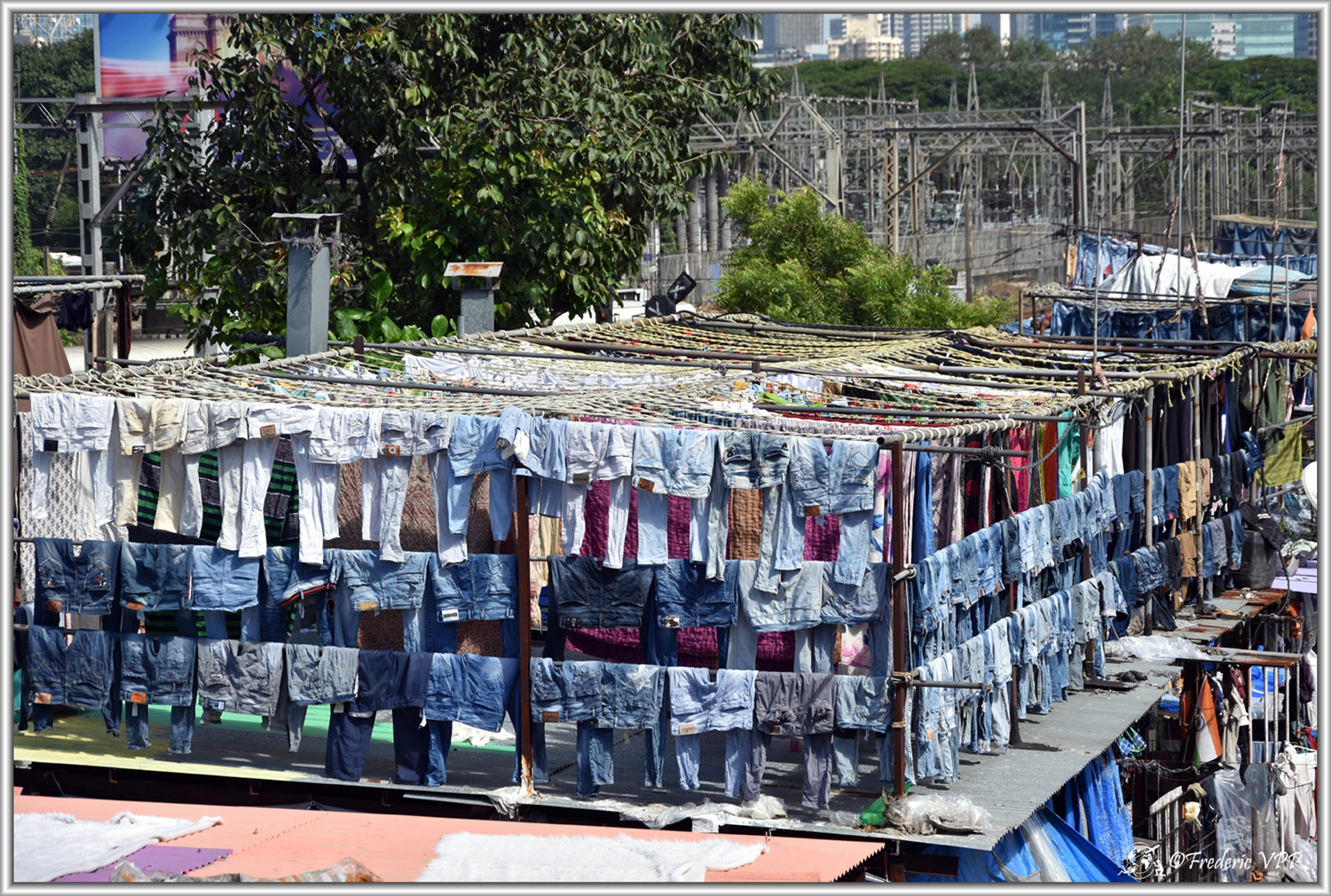
Bollywood, the Hindi film industry, is based in Mumbai and is one of the largest in the world with 150 to 200 films produced per year. The name "Bollywood" is a portmanteau of "Bombay" and "Hollywood". Dhobi Ghat, the open-air laundry. Surprising in a modern city that this laundromat continues to exist. Yet it is. The place has even undergone a modernization. On the other hand, the site, in the heart of Mumbai, is the subject of very strong desire. Dozens of Dhobis, these washers from father to son, are busy washing clothes in all of Mumbai, hotels and hospitals. Dhobis means "to wash", the men exercising this profession are called "dhobi wallah". Wallah literally means "one who does" and designates someone who performs a specific task, here therefore, those who wash. The linen is washed by hand, in more than 1000 laundries. The laundry is always sorted and extended by color. And the dhobis manage to find out who the laundry belongs to. One last particularity, the meal carriers: the Dabbawalas. They are present all over India but very visible in Mumbai. This system appeared in 1890. The main reason for the popularity of this system lies in the fact that a home-cooked meal is a guarantee for the customer of the respect of the dietary prescriptions linked to his caste. Meals are picked up at home and identified to be taken to the drop-off station for delivery. The identification consists of colors and letters allowing illiterate Indians to understand it easily. The lunchboxes are then taken home by the same system. I urge you to watch the film "The Lunchbox" (2013) by Ritesh Batra. |
|
Sorry if the links are outdated or not accessible
|
Note: I'm not a video editing pro, so my motto is "Go simple".
To watch some videos properly, it is best to rotate the phone.
To watch some videos properly, it is best to rotate the phone.