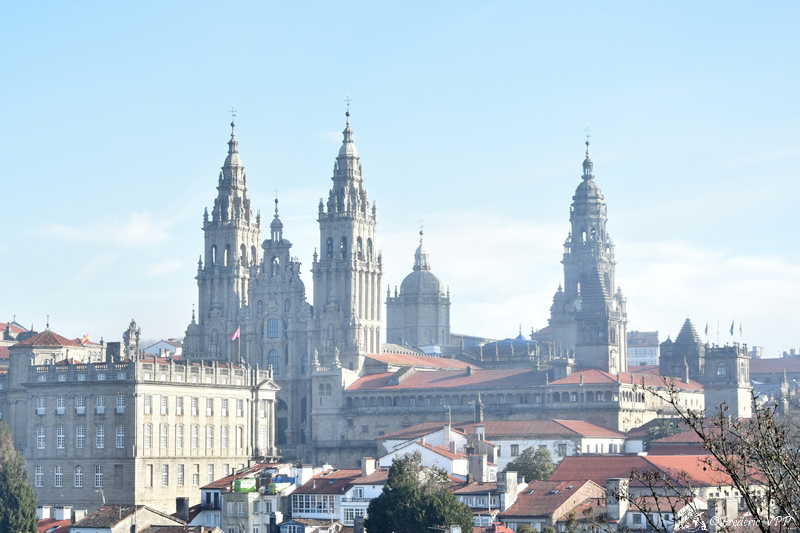
 Santiago de Compostela
Santiago de Compostela, Spain, January and February 2019
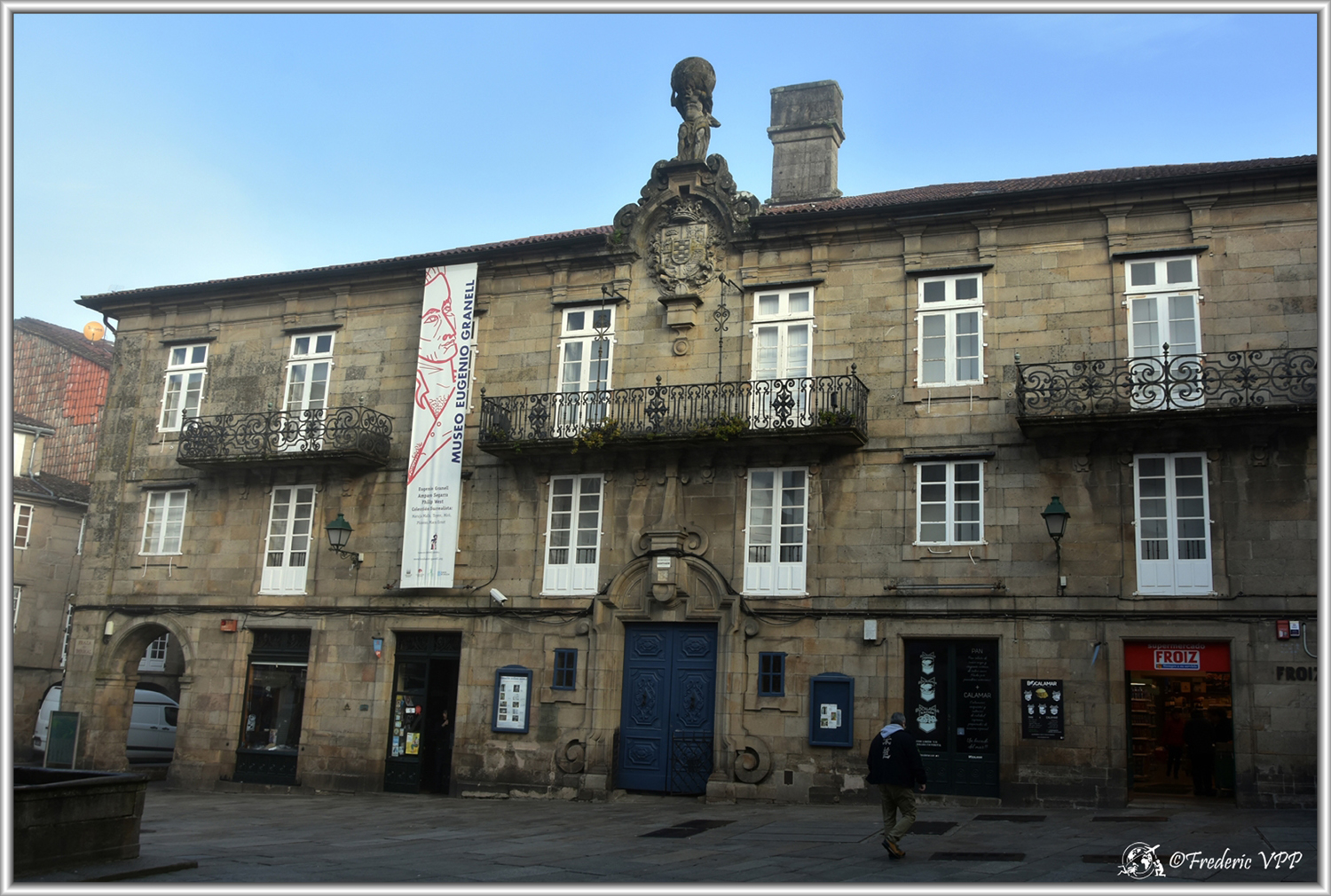
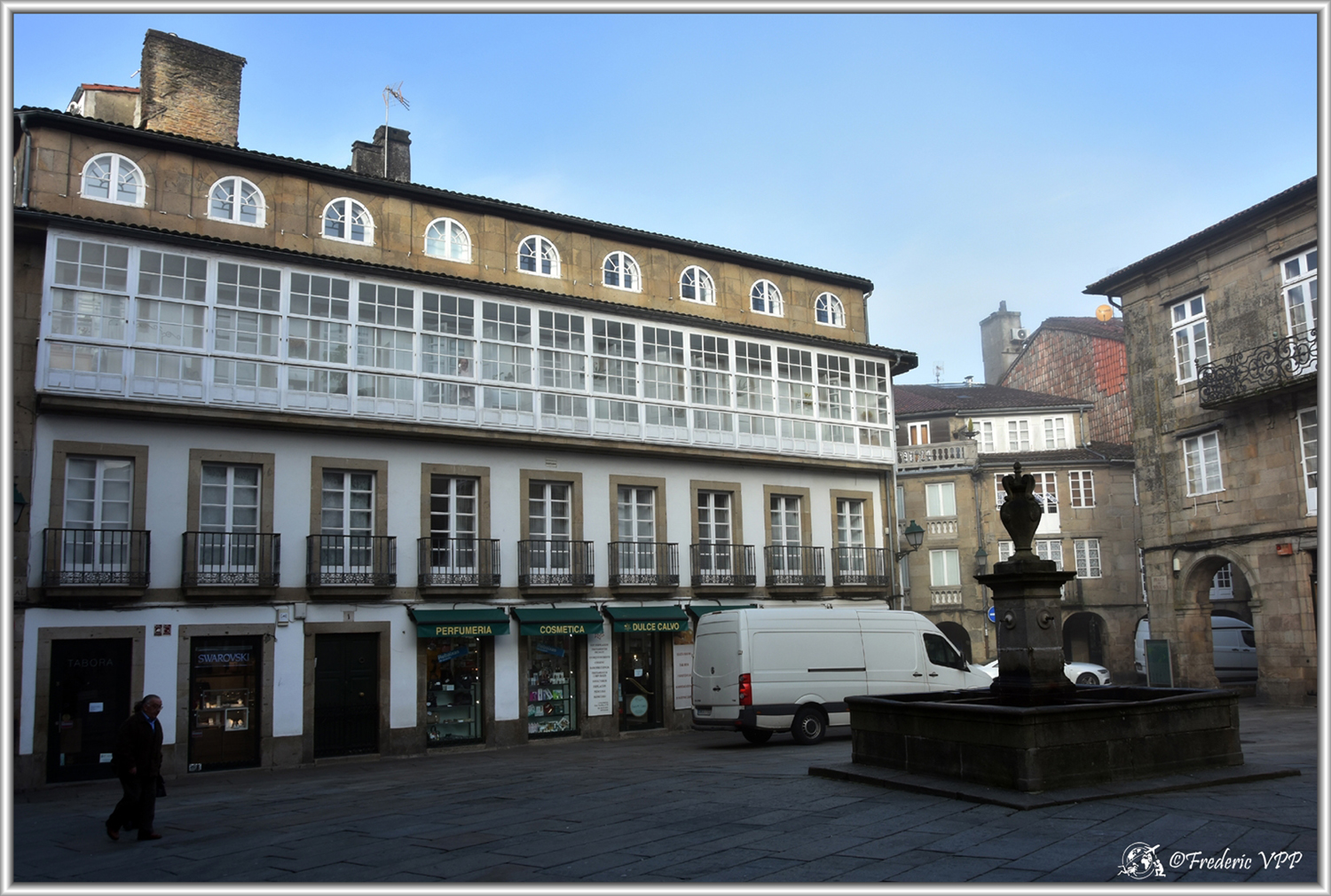
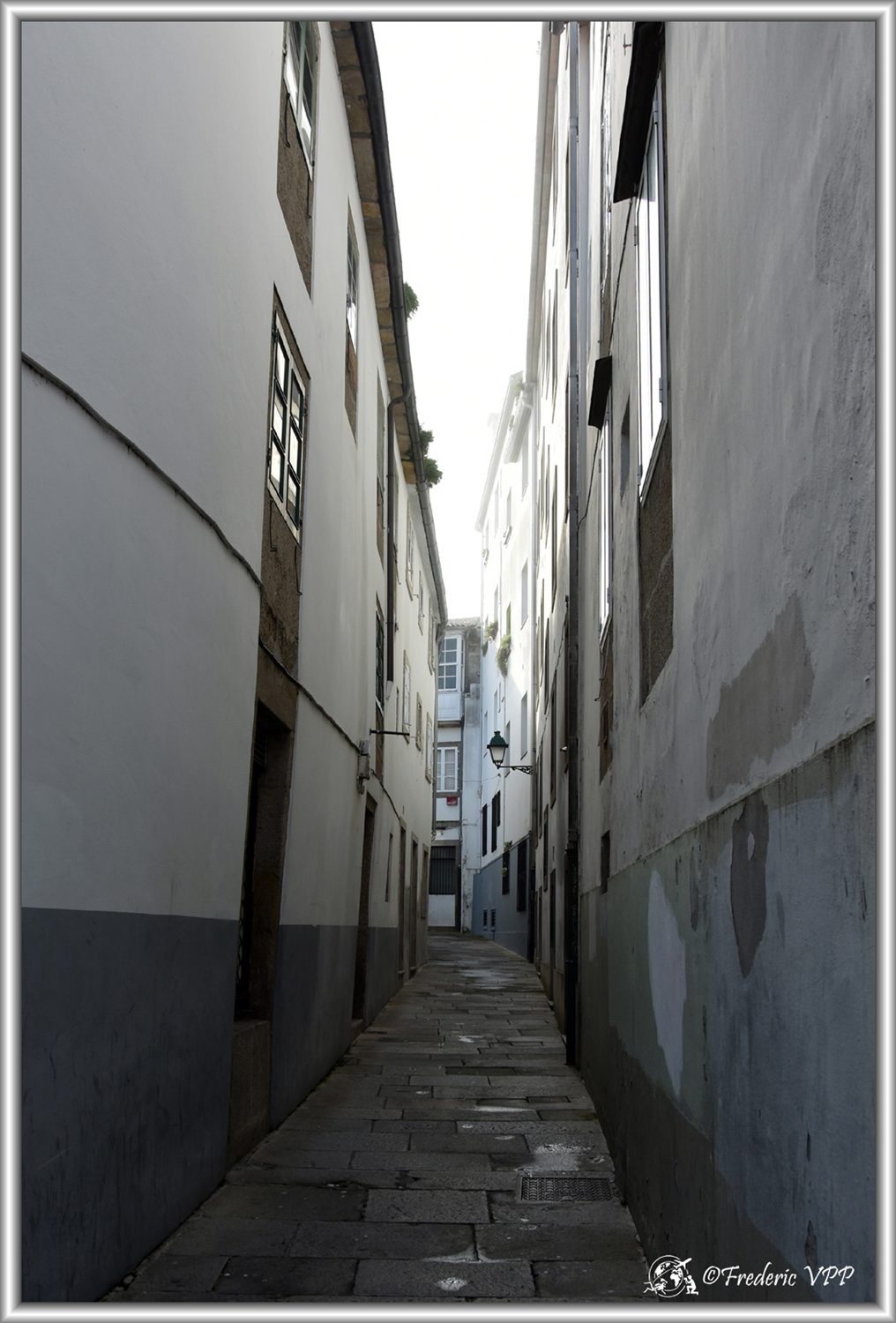
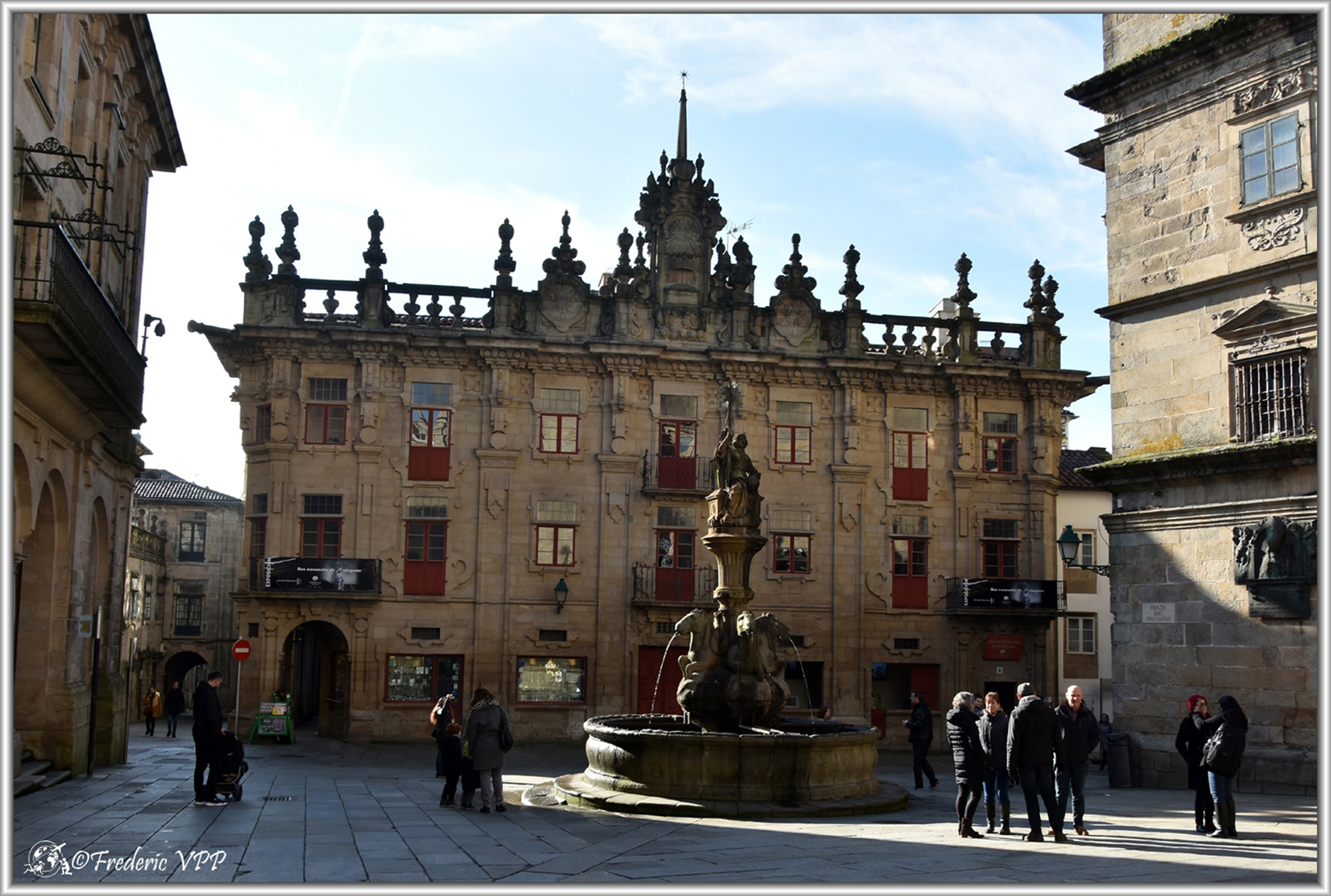
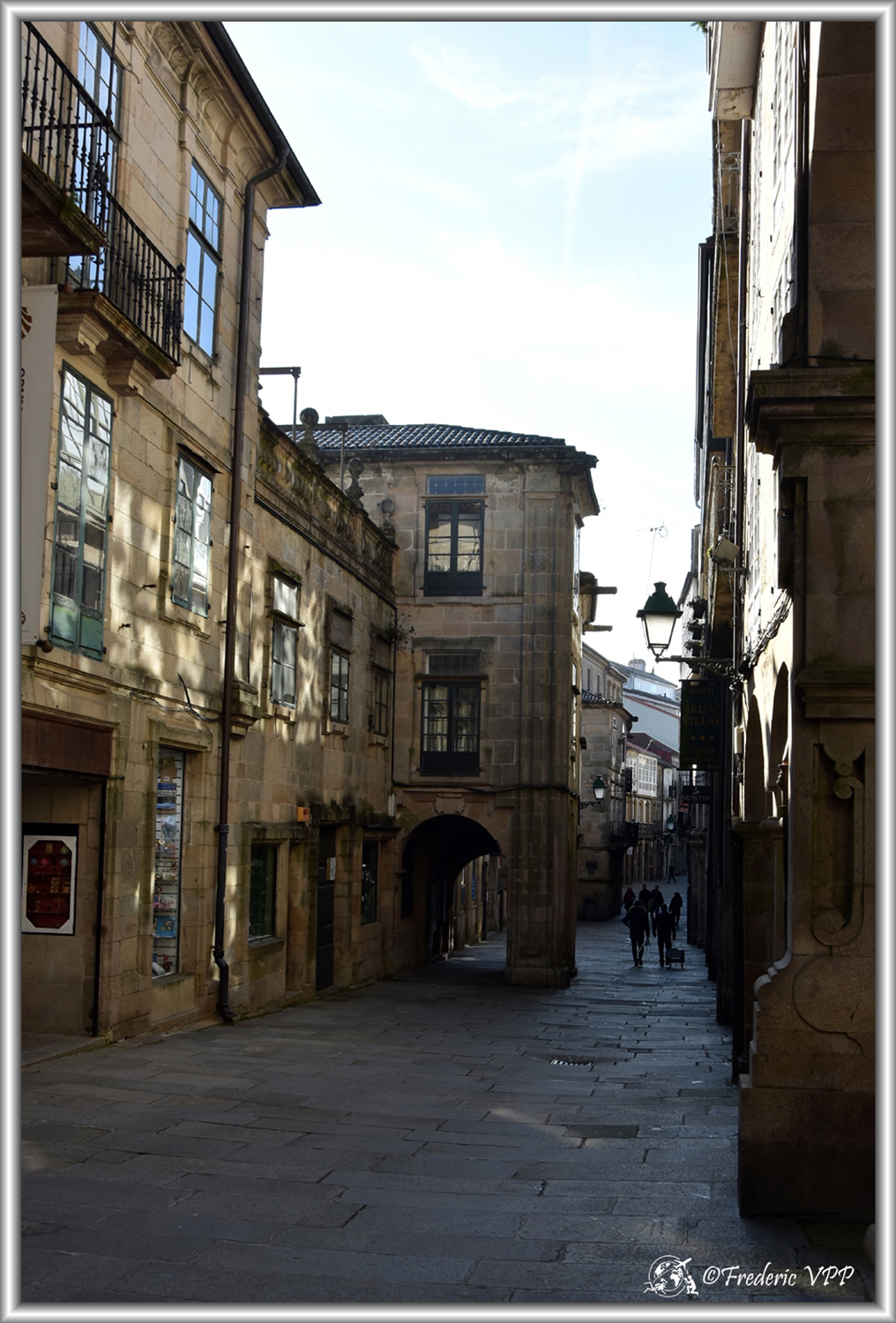
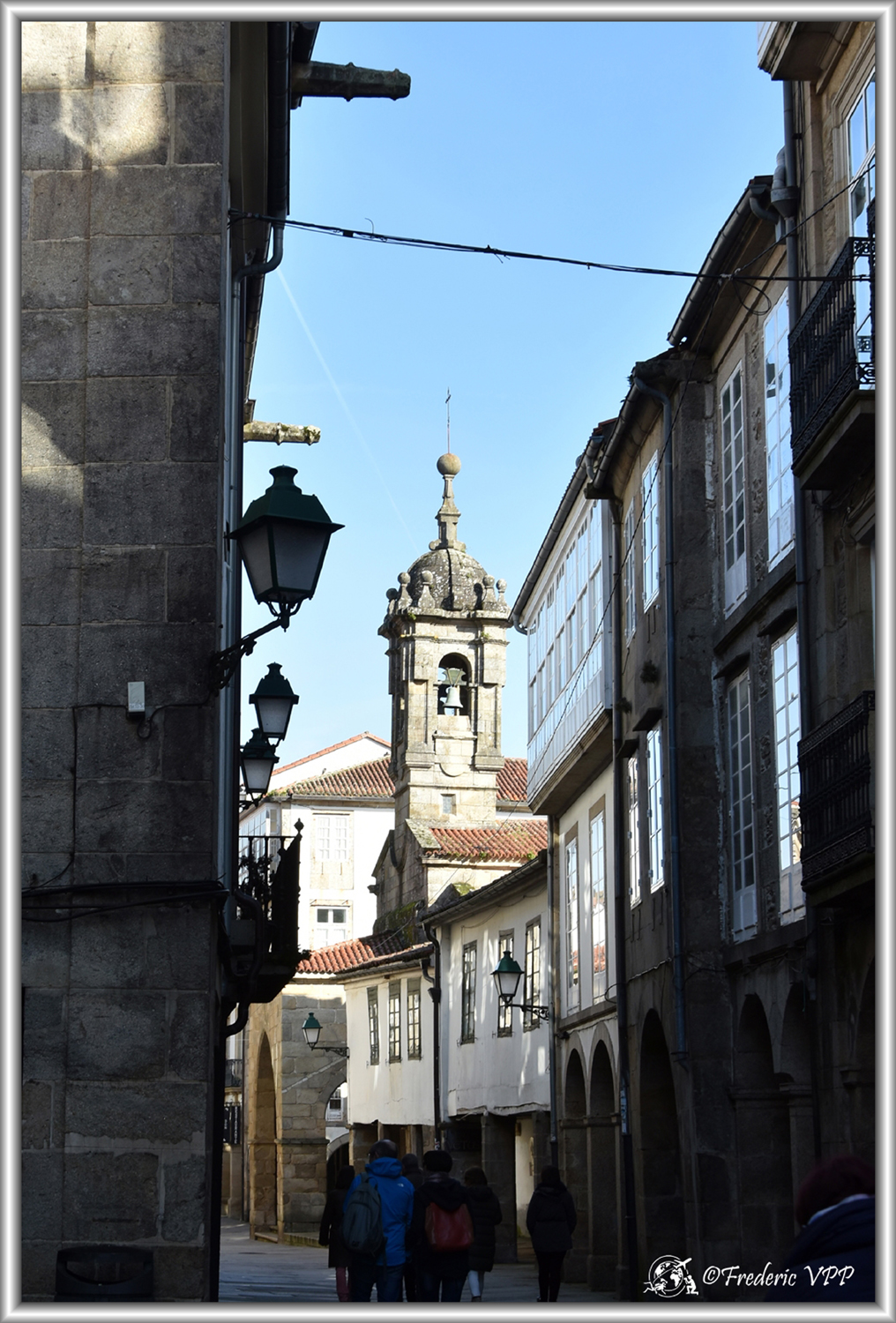
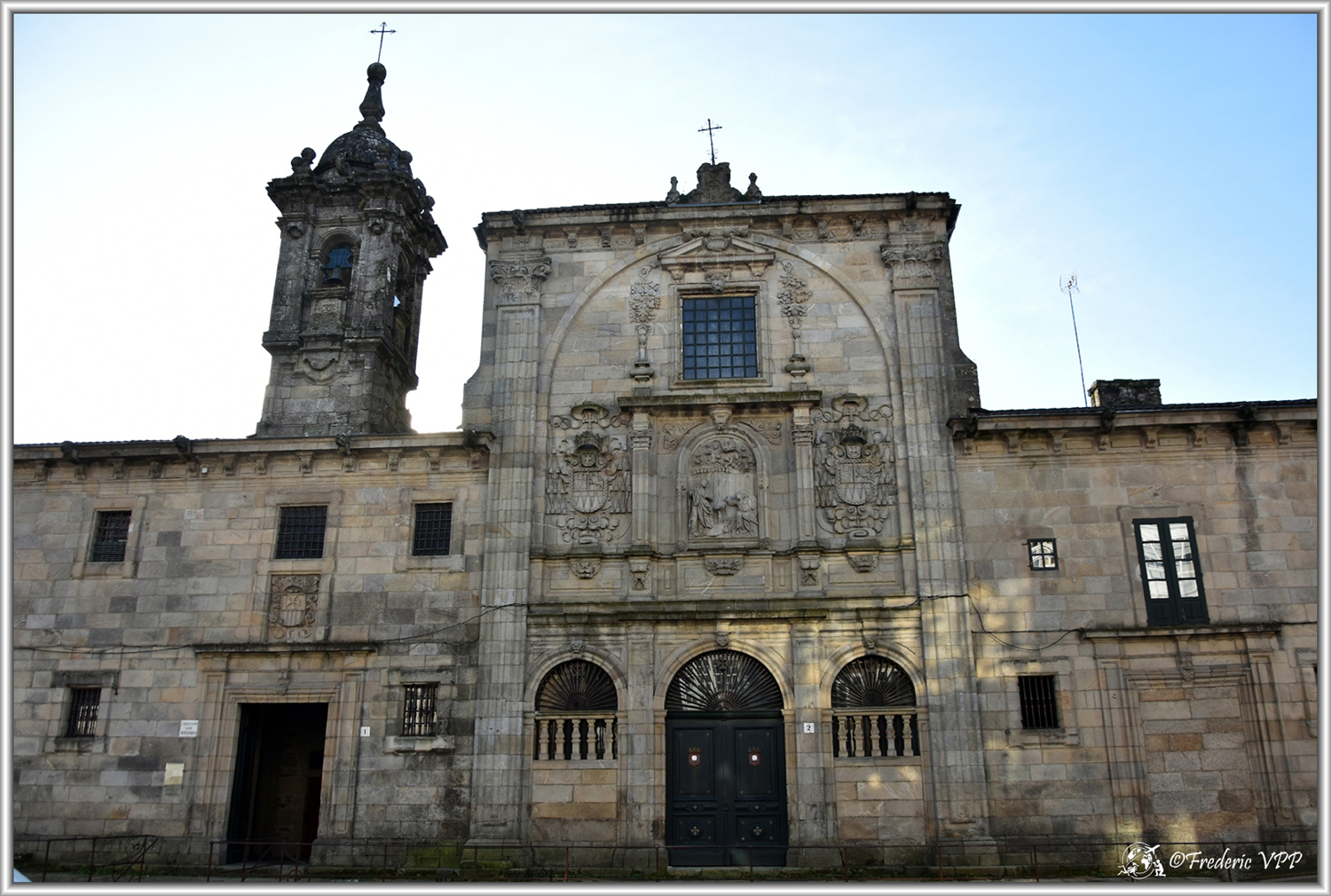
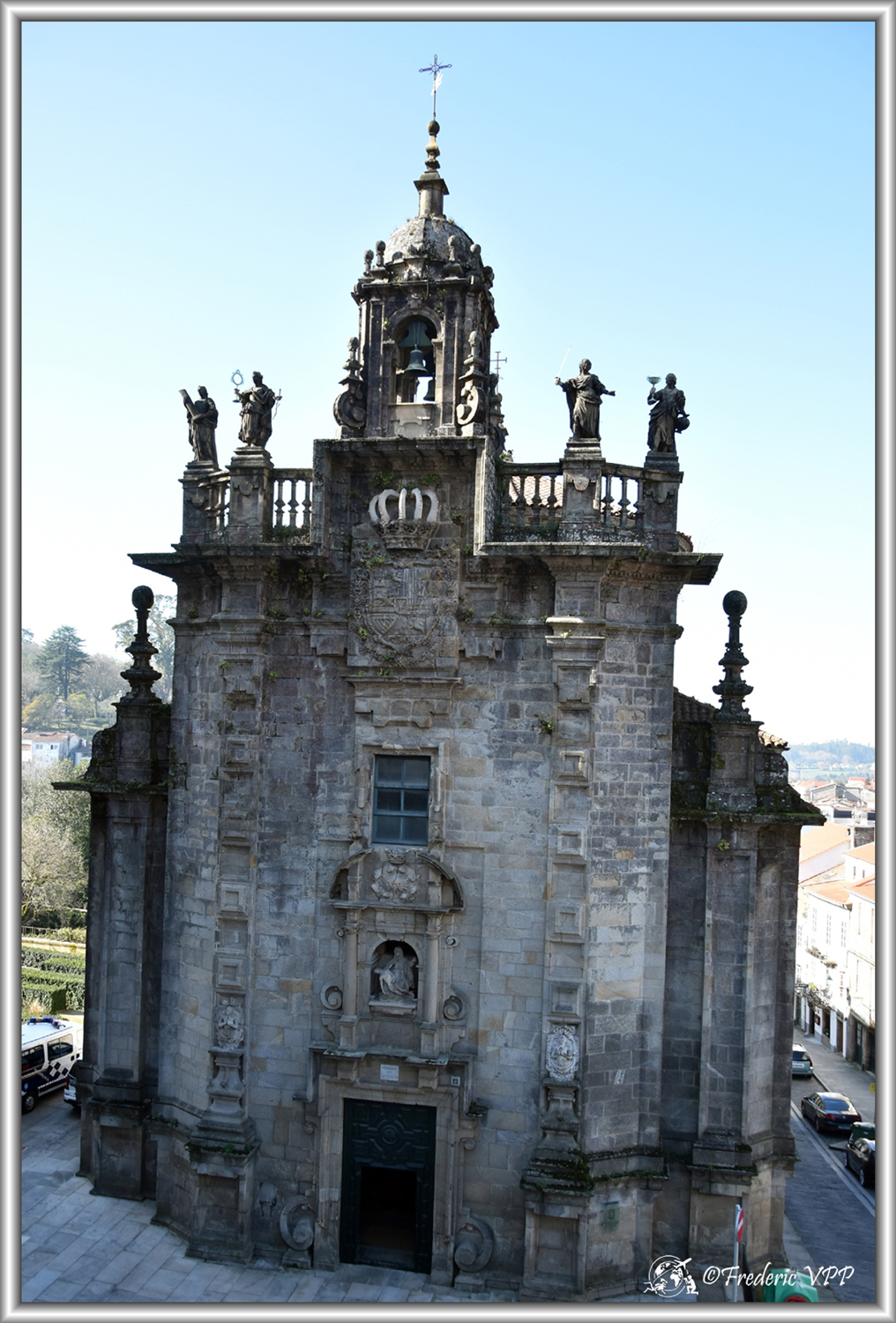
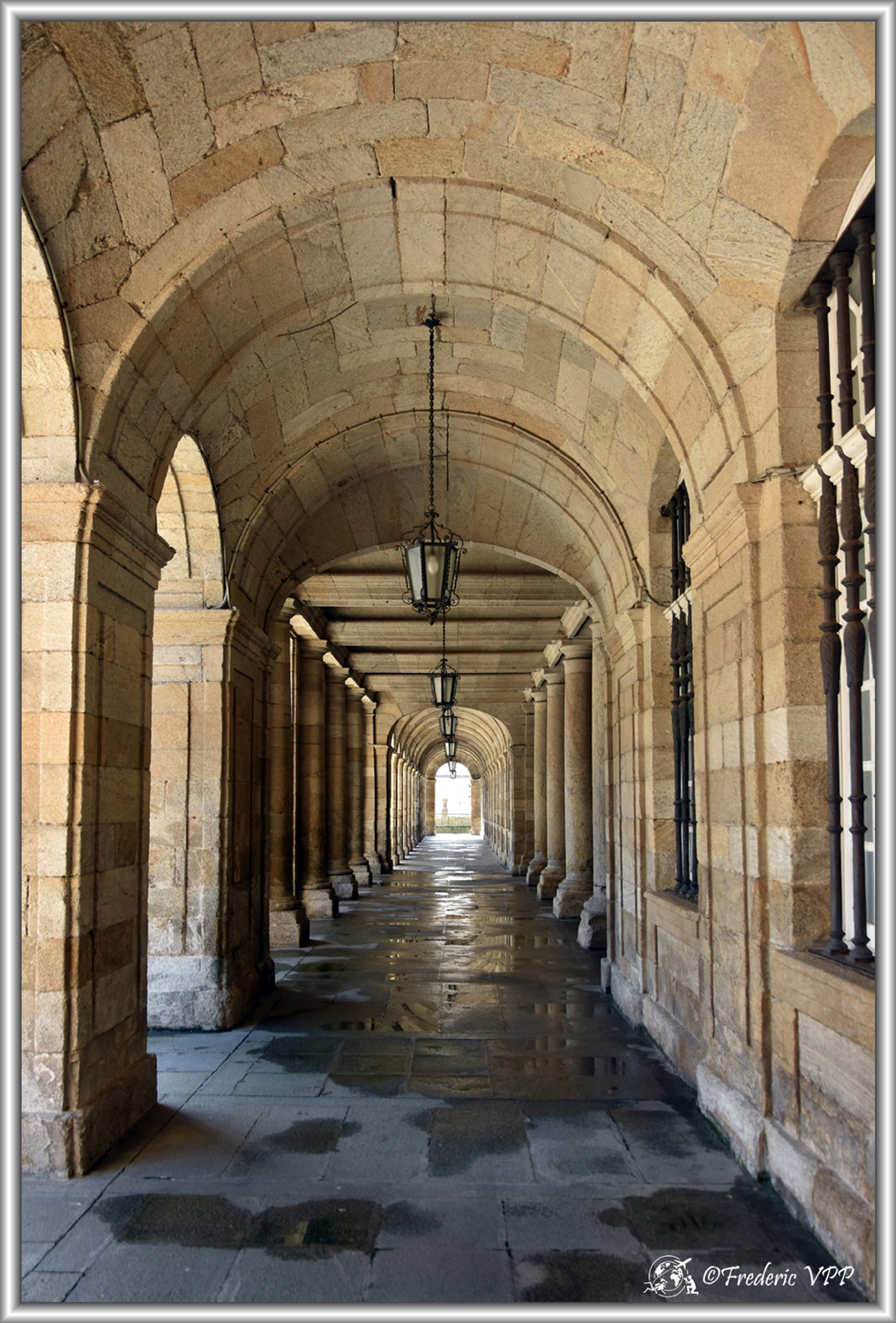
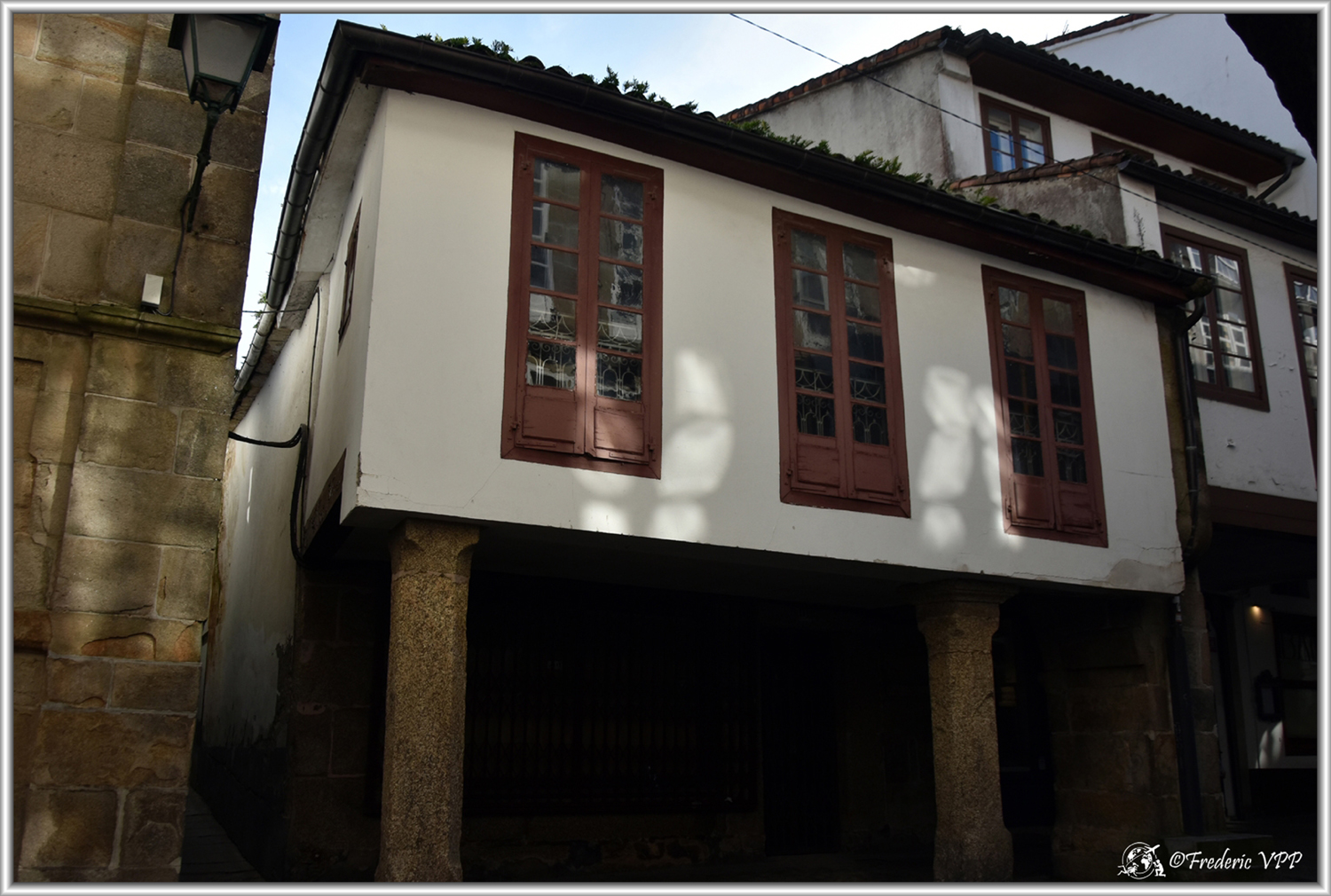
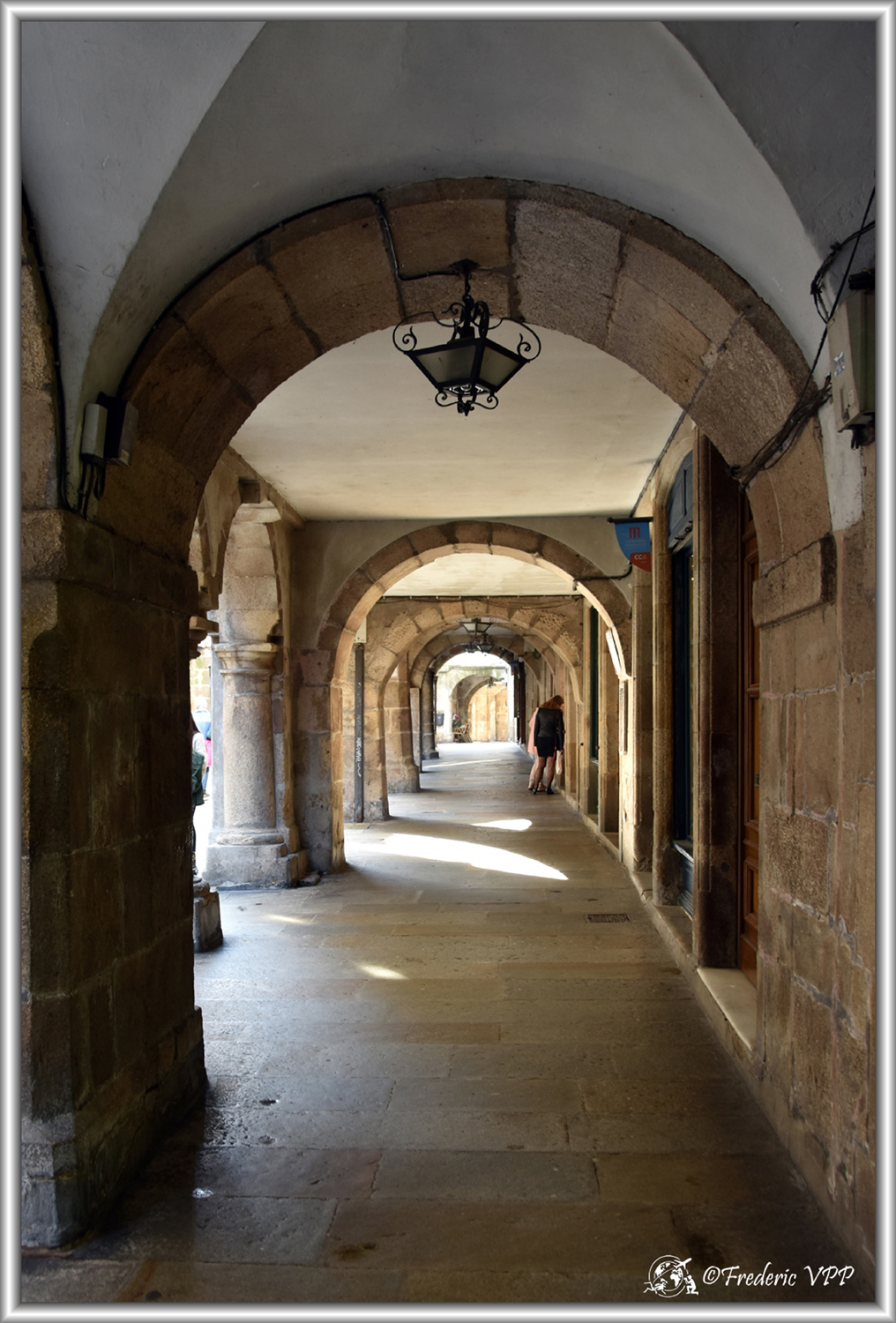
A very beautiful city with a very eclectic population due to the many pilgrims present in the city. This city is really very very beautiful but I really only visited a small part because there are so many things to see...
|
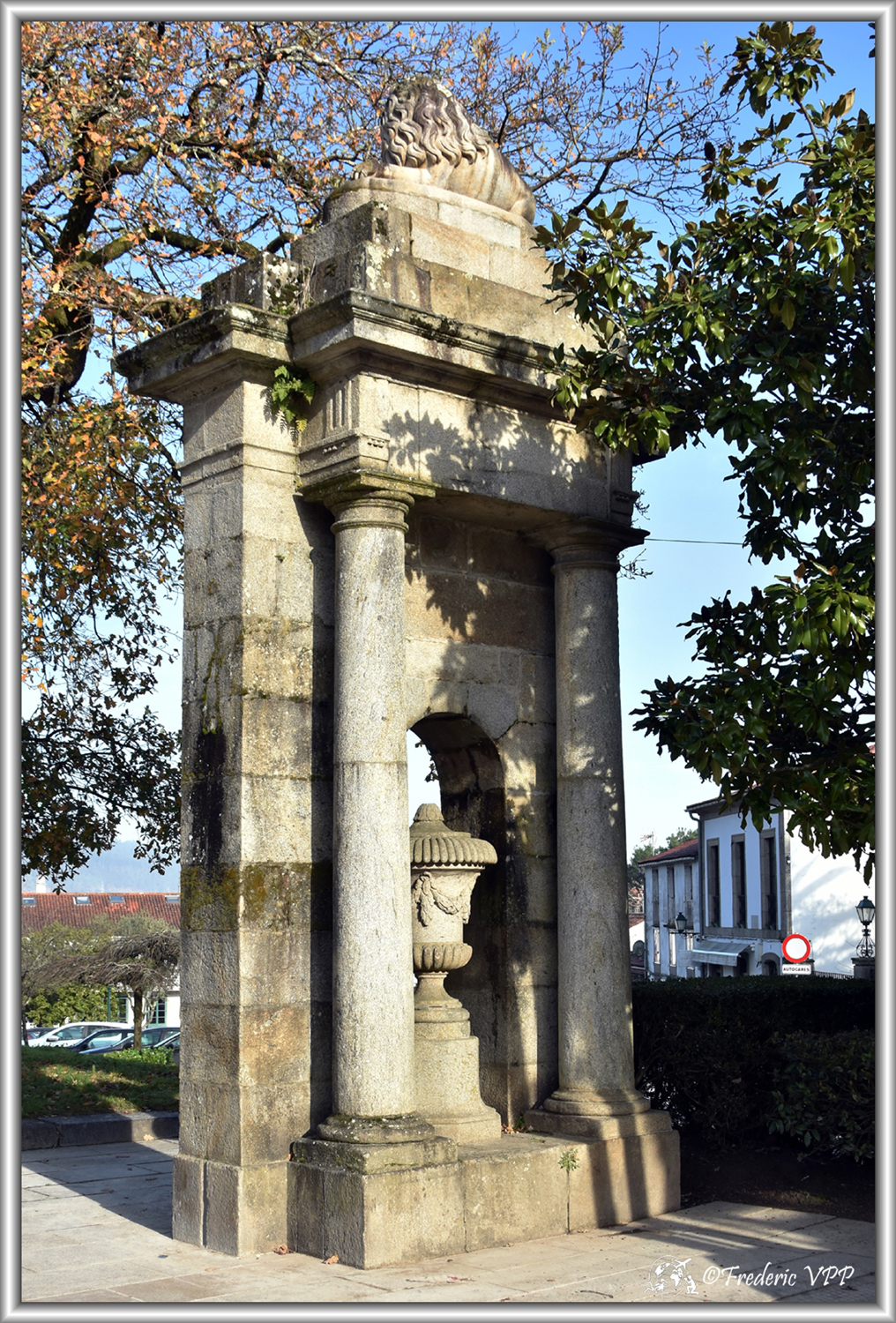
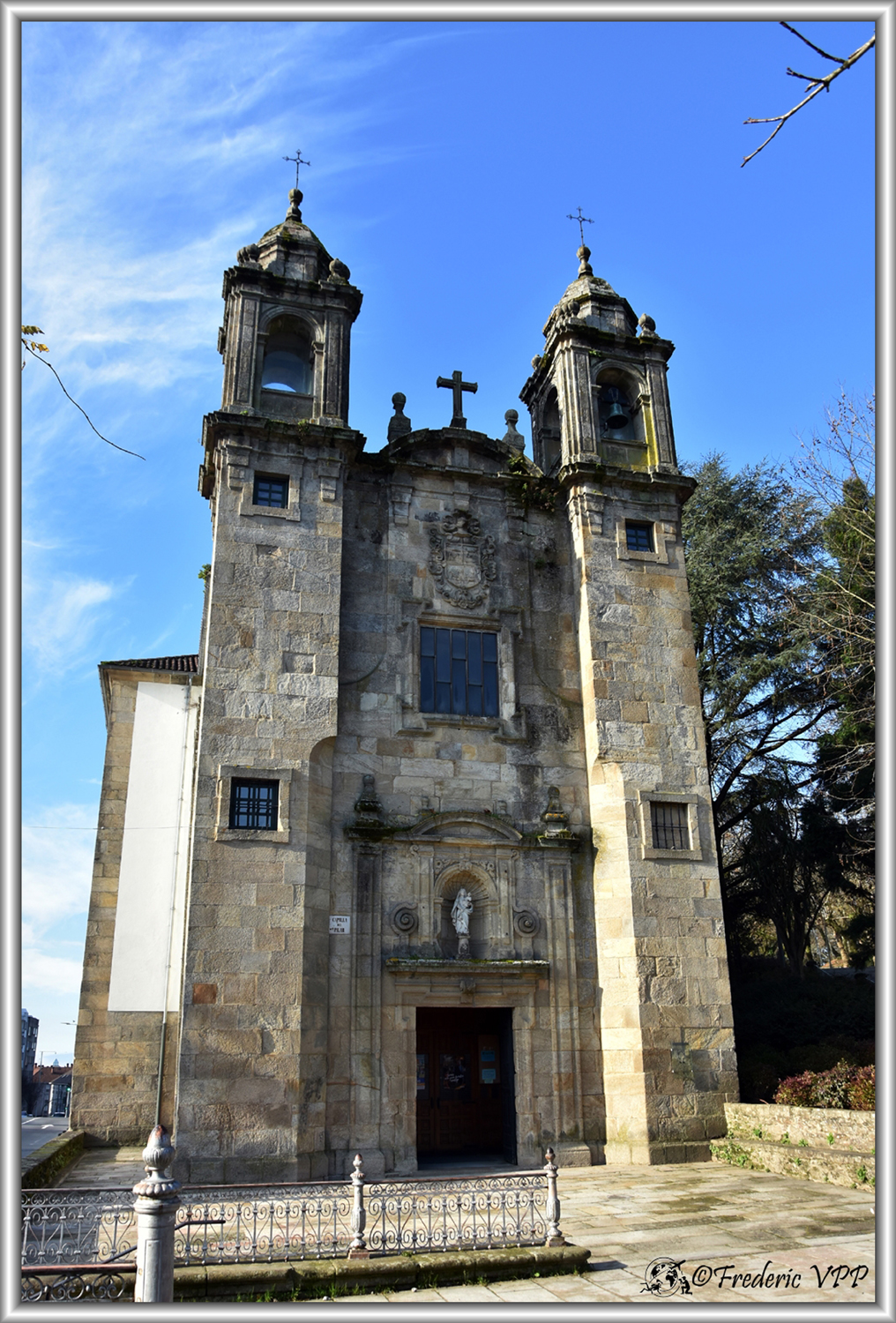
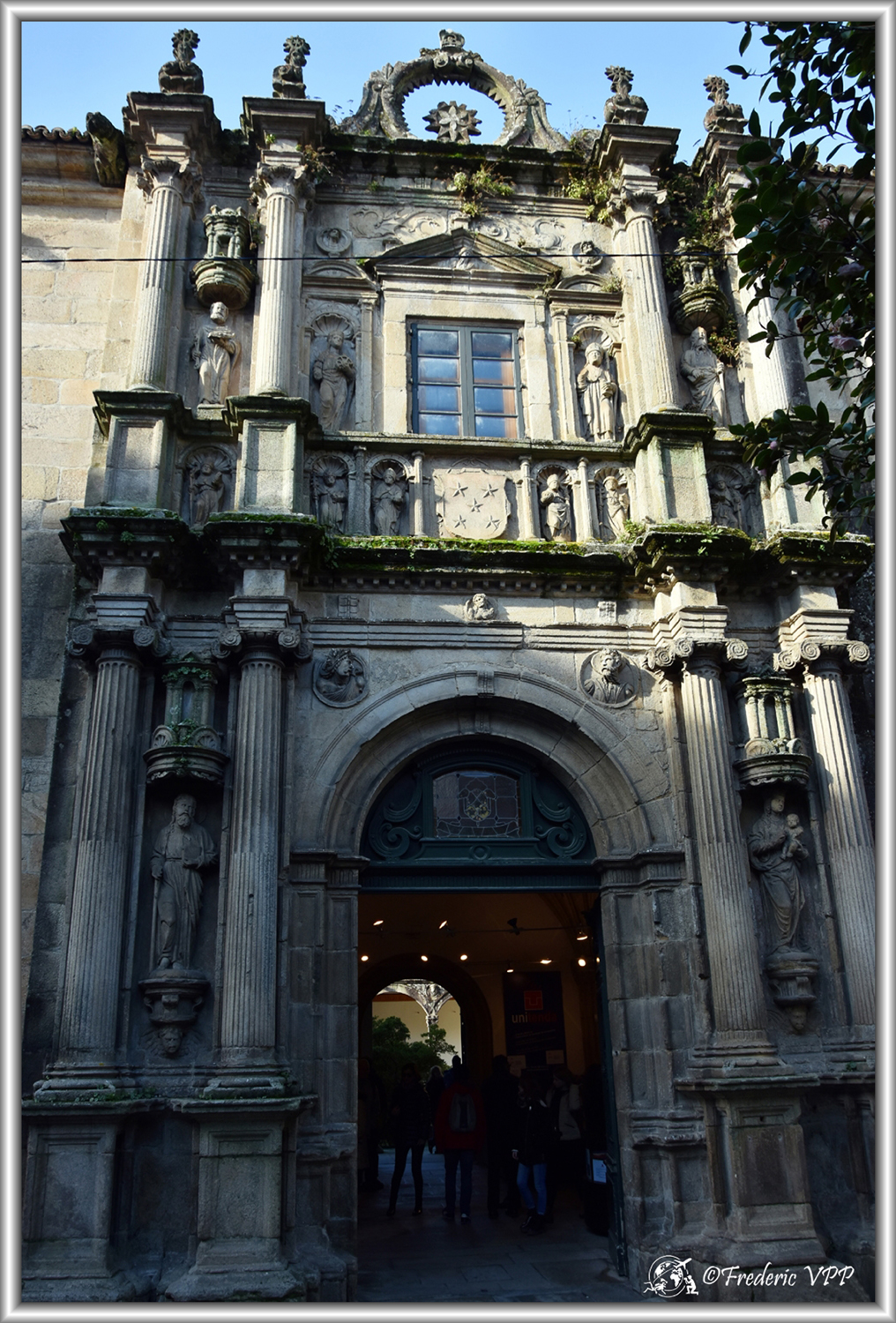
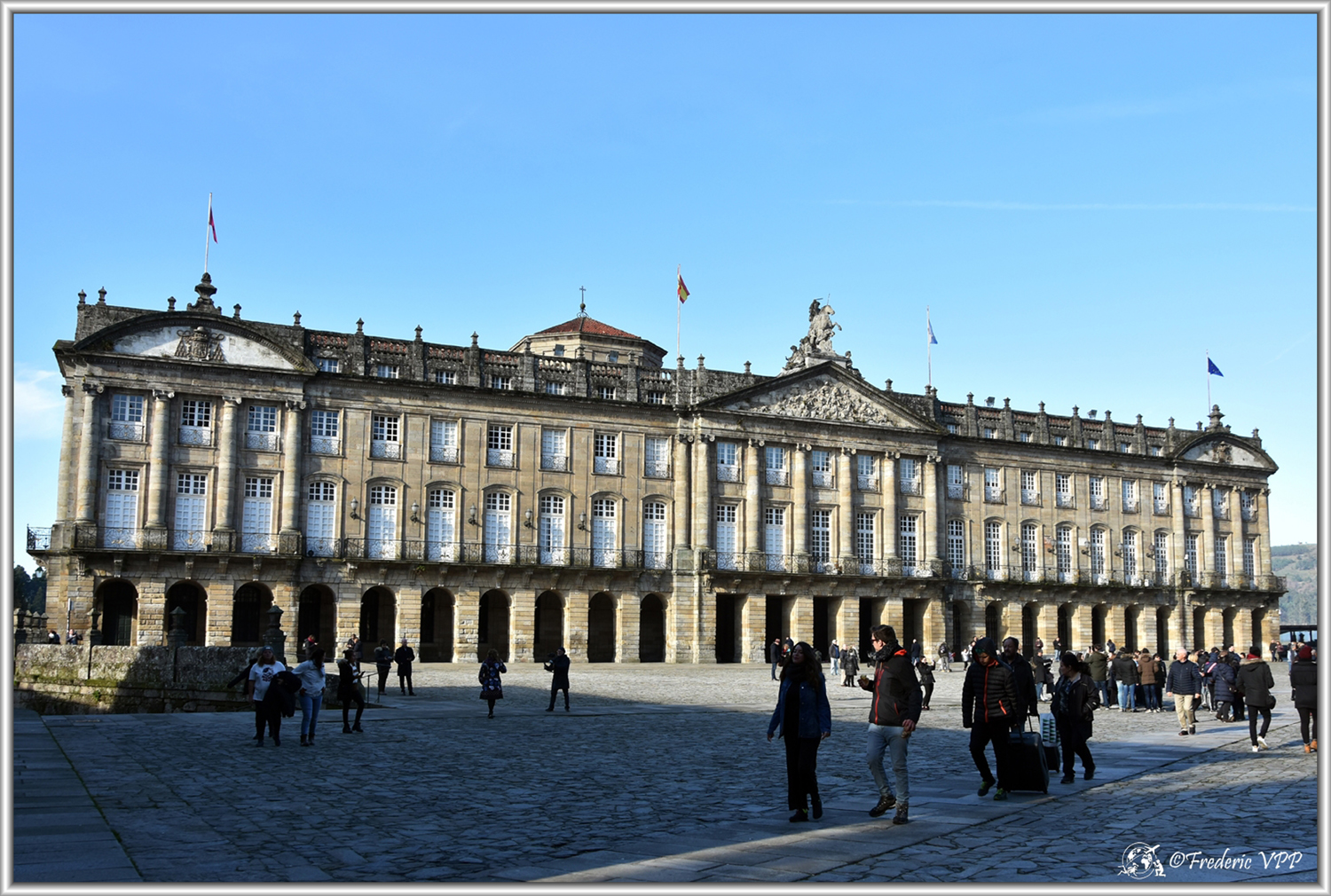
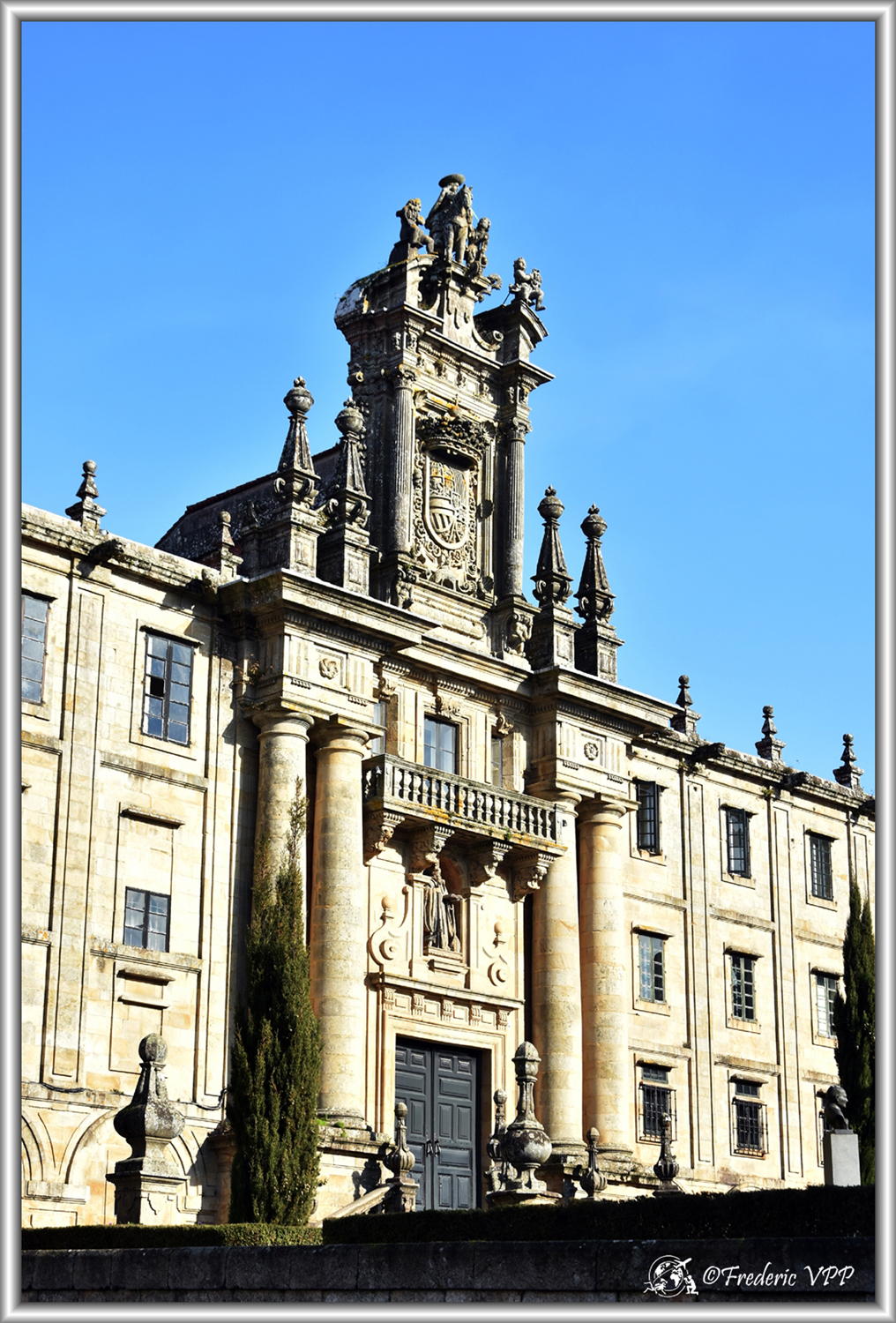
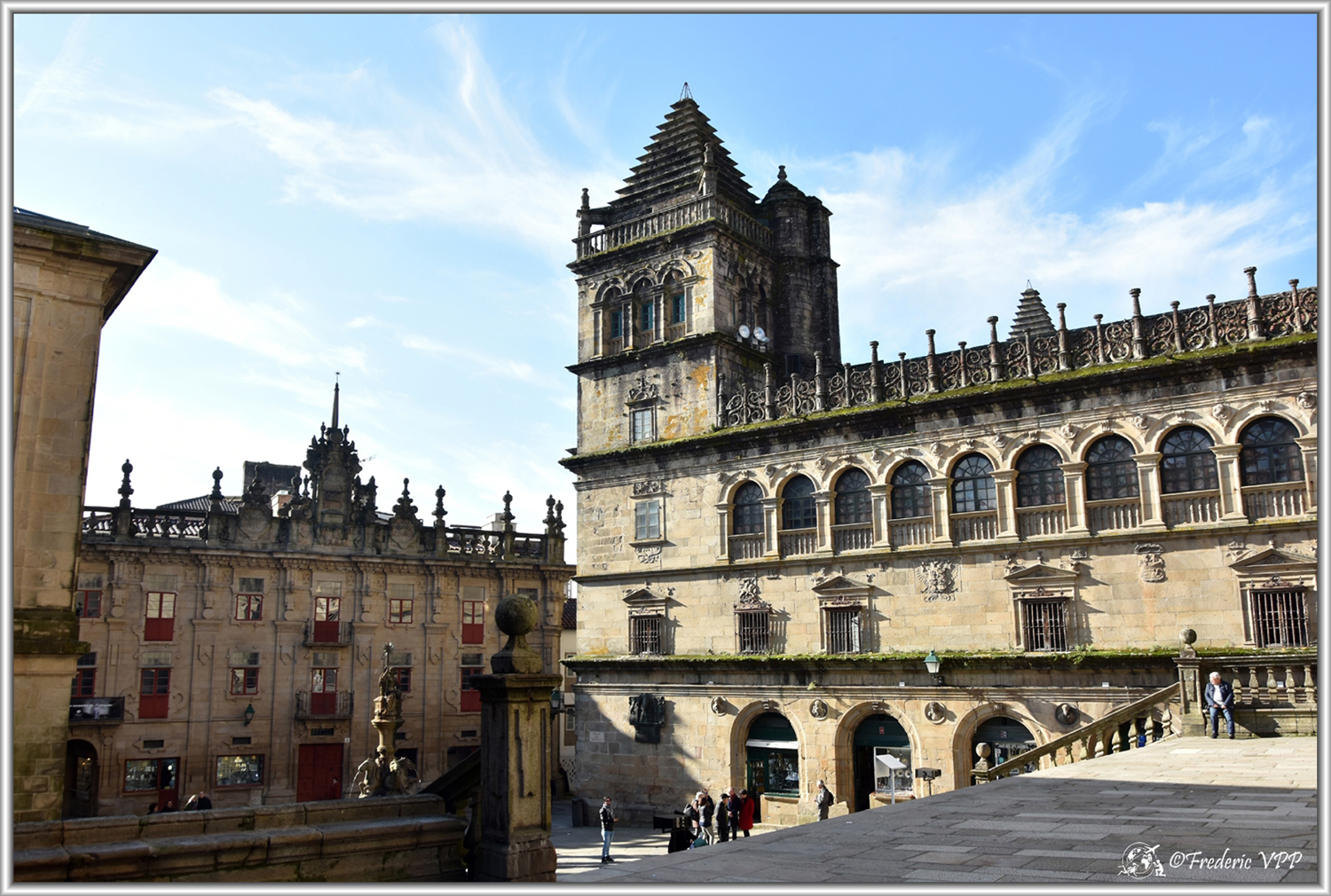
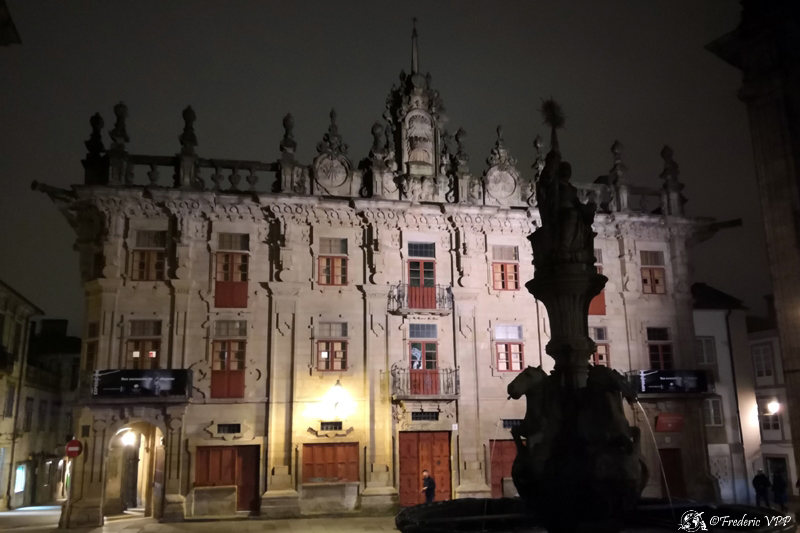
The monuments are numerous as well as the parks decorated with statues where many people walk there.
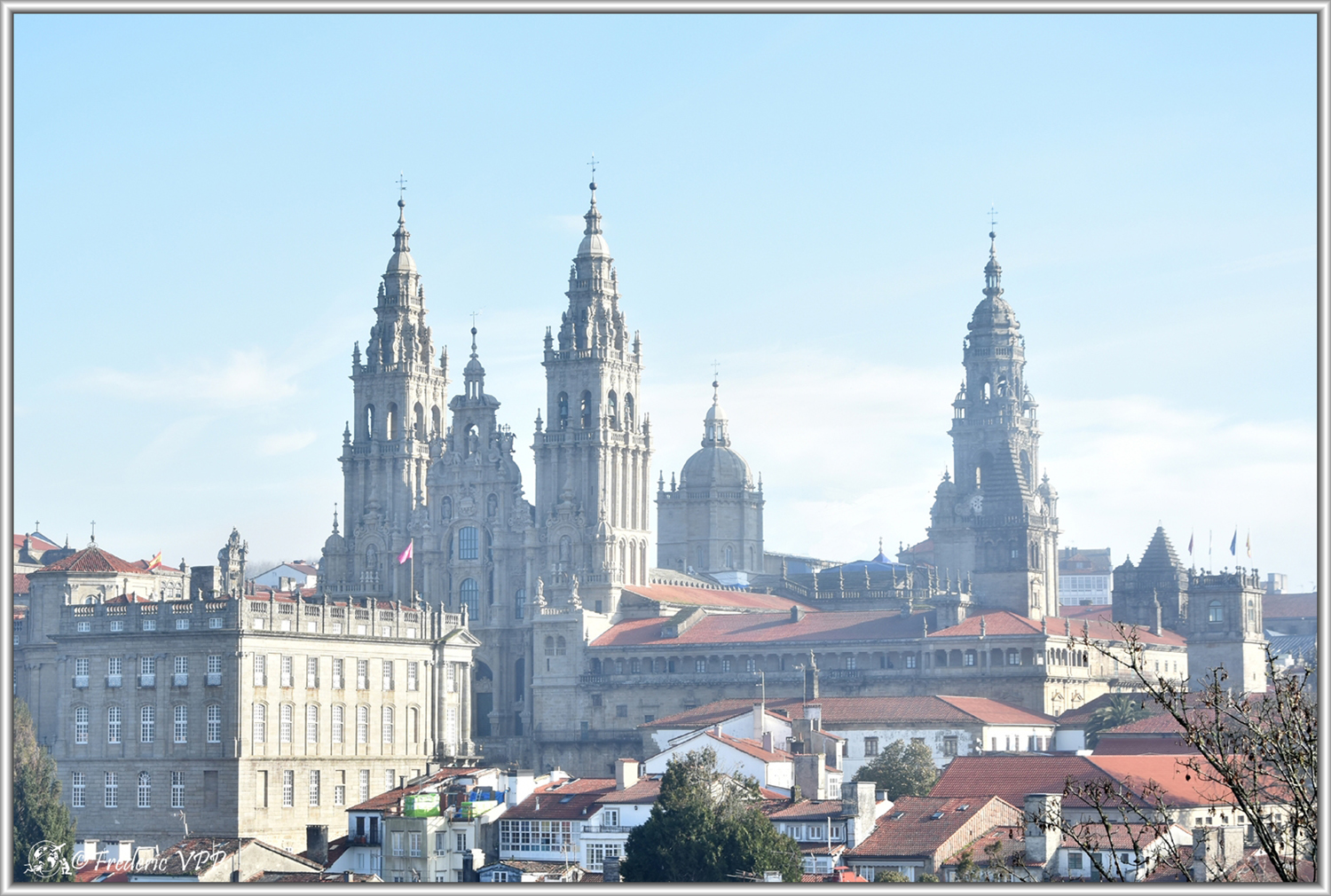
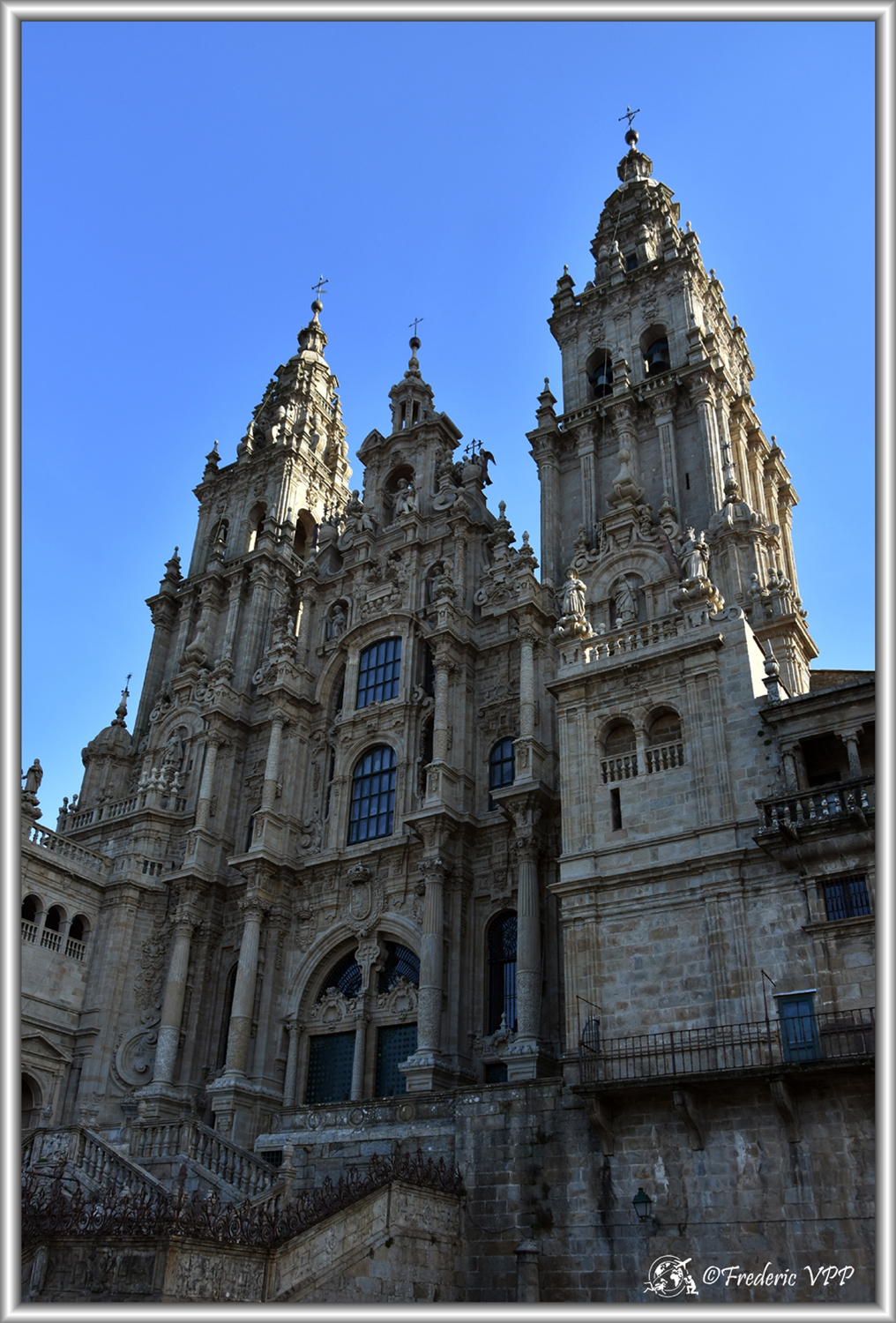
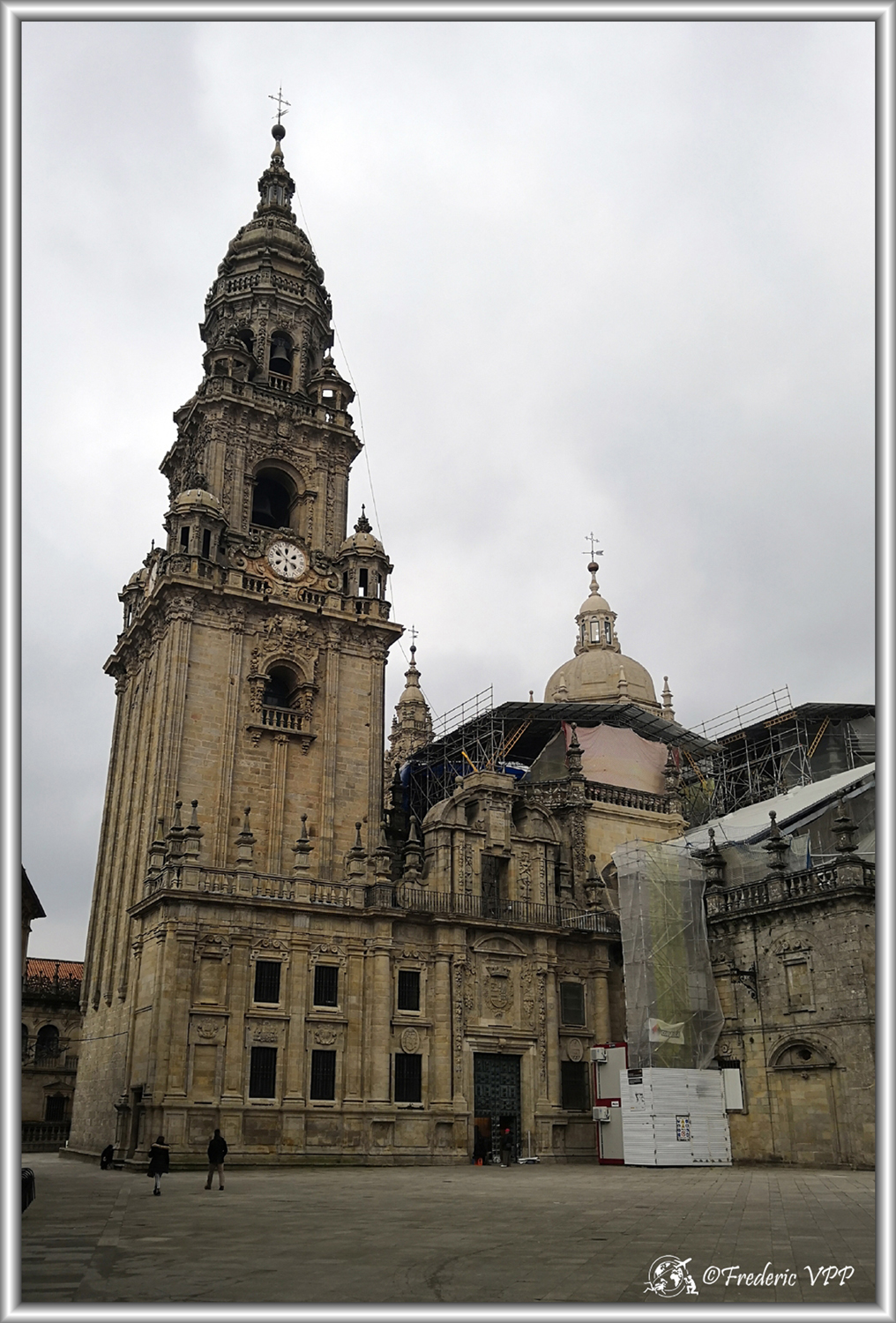
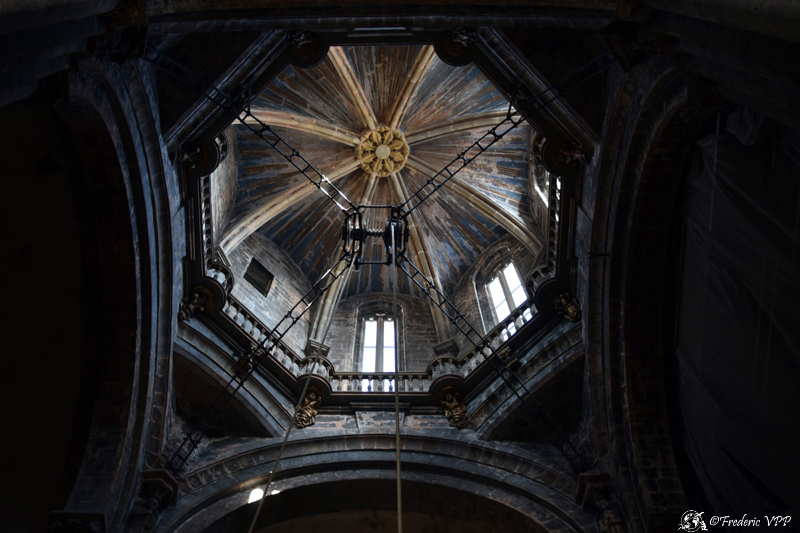
Among these monuments, the cathedral is truly grandiose. Its immensity from the outside is difficult to estimate but the interior reveals its grandeur. Unfortunately, in renovation, only a part is allowed to visit.
Go there and if you have the soul of a pilgrim, walk otherwise, do like me, take the plane, it's still faster, and you can walk in the plane...
|
|
The very site of the city would have been a place of Druidic worship. The Romans established a mausoleum there. It is assumed that a city existed and that it was called Asseconia. It was certainly Christianized from the 1st to the 3rd century and then forgotten, following the Persecutions of Christians. Very early, from the years 785, Saint James was already presented as the savior of Christian orthodoxy and the Patron of Spain by the monk Beatus de Liebana, a refugee in the mountains of Asturias: "Resplendent leader of Spain, our protector and patron of our country". And from the end of the 8th century, a poem circulated in Christian circles which gave Saint James as the patron saint of suffering Spain: Saint Jacques Matamore, the "killer of the Moors".
If Saint-Jacques de Composelle was not not conquered by the Moors, it was however taken and plundered in 997 by Muhammad ibn Abi Amir known as el-Mansour, al-Manzor in Spanish, which means "the victorious" in Arabic. This warlord of the Caliph of Cordoba Hicham II, before setting fire to the basilica, had the doors and bells torn down, which Christian captives had to transport to Cordoba, where they were stored in the great mosque. Only the tomb of the apostle James the Greater, companion of Jesus Christ was not touched. Consternation was great in Christendom. The powerful order of Cluny organized relief throughout the Christian West. The event was to strike people's imaginations for a long time: it was these same bells that other prisoners, Muslims this time, carried to Toledo, when Ferdinand III, King of Castile and Leon, captured Cordoba in 1236.< BR/>Calixtus II makes Santiago de Compostela (of which his brother Raymond of Burgundy is King), a holy city of the same order as Jerusalem and Rome. He had the cathedral built with his brother. It prompts the writing of the Codex Calixtinus to ensure devotion to the Apostle of Christ, St James the Greater, who came to evangelize the Roman Empire as far as Santiago de Compostela, in the 1st century and whose holy relics will rest in the new cathedral. It promotes the pilgrimage to Santiago de Compostela throughout Europe. Santiago, within its medieval wall, as Aimery Picaud saw it and as it remained for centuries, had the shape of a heart slightly inclined towards the west. If there are very few vestiges of its enclosure, its circular profile remains perfectly drawn. It can be followed from the Puerta del Camino or Porte de France, where the so-called "Homo Santo" Calvary stands.
The city rises between two rivers, the Sar is to the East, between the Mount of Joy and the city, and the Sarela to the West. It has seven gates or entrances. The first is called Porte de France. The second, Porte de la Peña. The third, the door below the brothers. The fourth, Porte de Saint-Pèlerin. The fifth, Porte des Fougeraies which leads to the "Petronus". The sixth door of "Susannis". Eefin, the seventh, carries "Macerelli" through which the precious liquor of Bacchus enters the city.
|
|
The Pilgrimage to Santiago de Compostela or Pilgrimage to Compostela is a Catholic pilgrimage whose goal is to reach the tomb attributed to the apostle Saint James the Greater, located in the crypt of the Cathedral of Santiago de Compostela. -Compostela in Galicia (Spain). It is a "Path strewn with numerous demonstrations of fervor, penance, hospitality, art and culture, which speaks eloquently to us of the spiritual roots of the Old Continent". The Santiago routes, which correspond to several routes in Spain and France, were declared in 1987 "First cultural route" by the Council of Europe. Since 2013, the Camino de Santiago has attracted more than 200,000 pilgrims each year, with a growth rate of more than 10% per year. These pilgrims come from many countries including the most distant: the United States, South Korea, Brazil, Poland.
|
|
Sorry if the links are outdated or not accessible
|