 Petra
PetraPetra, Jordan, October 2018
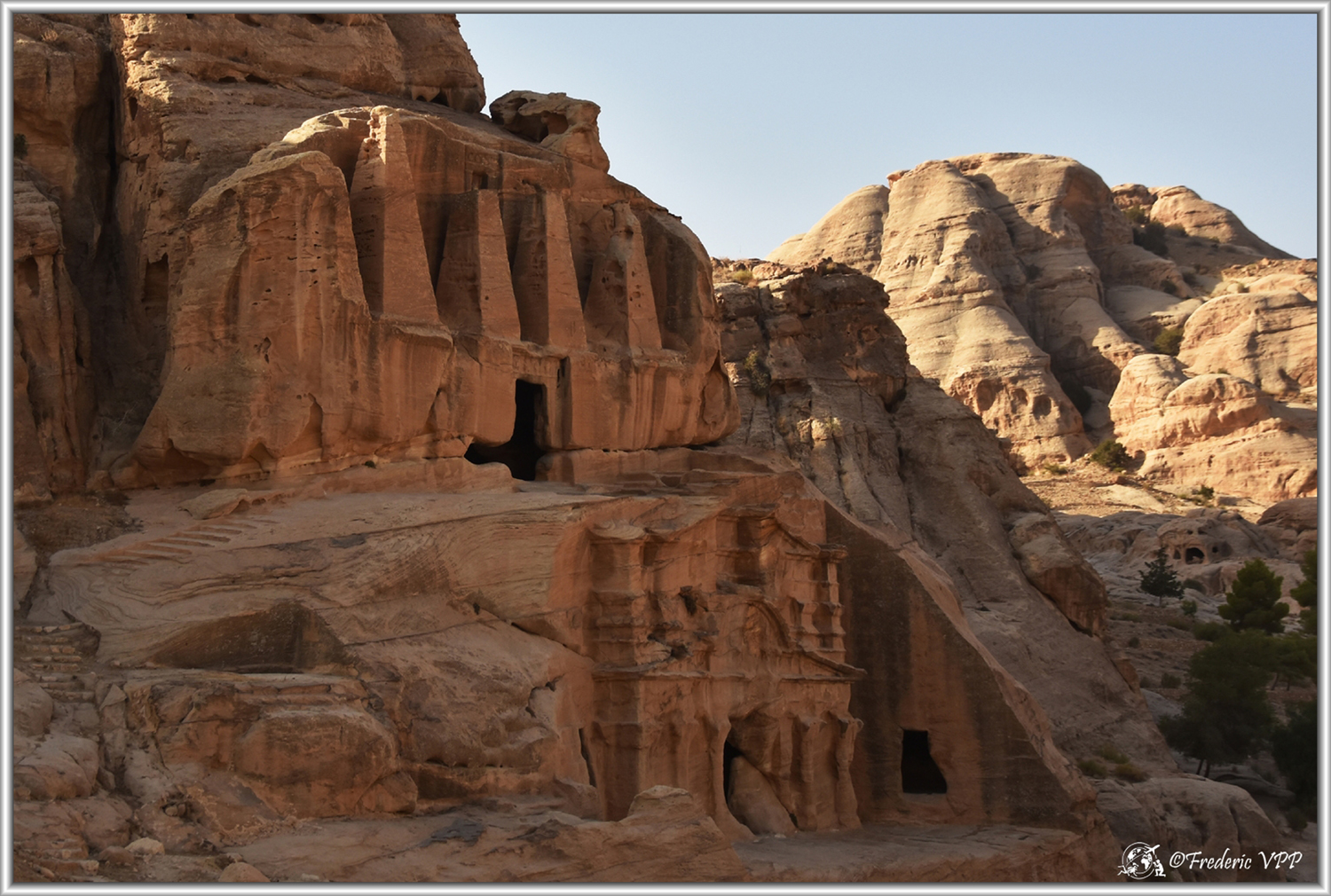
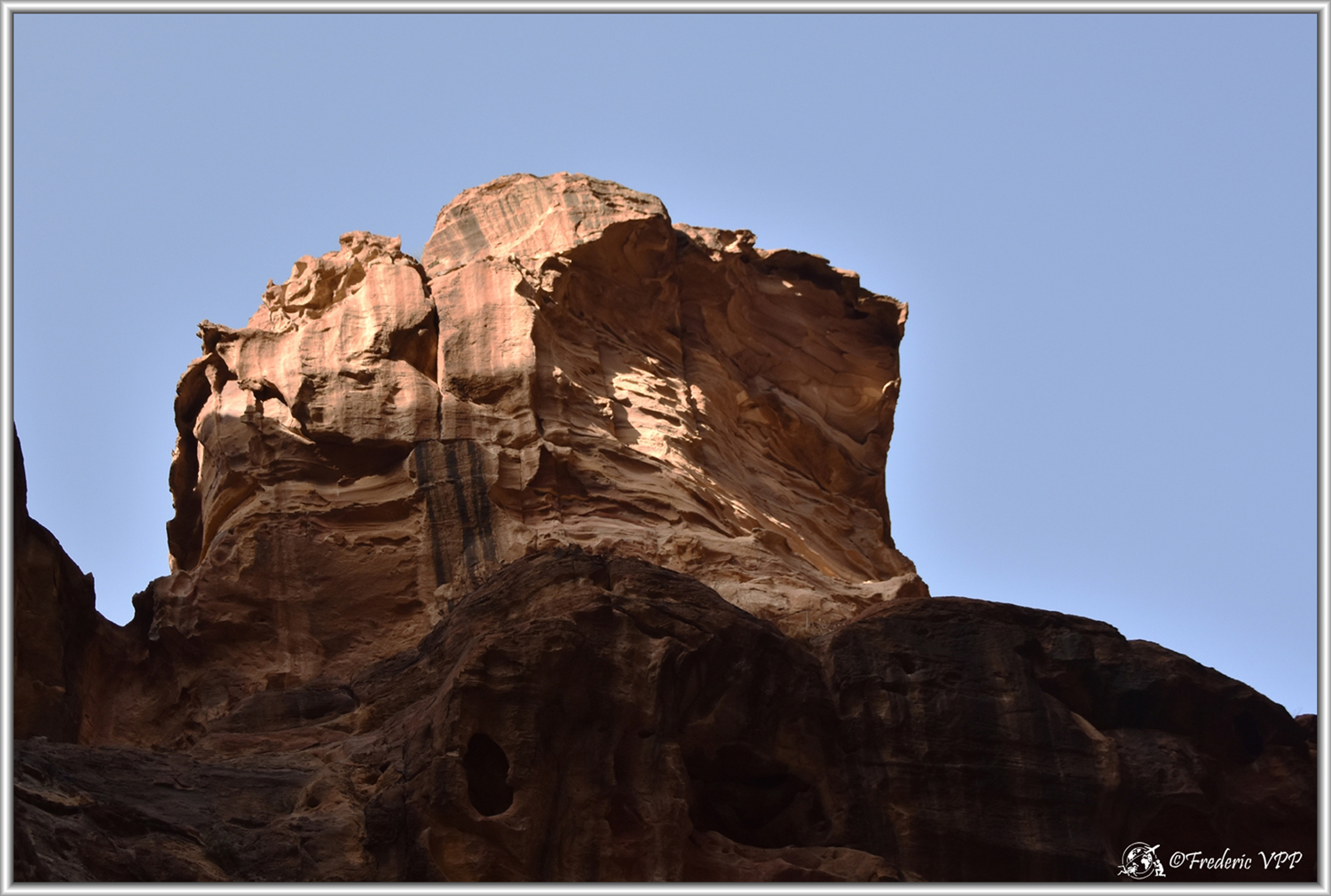
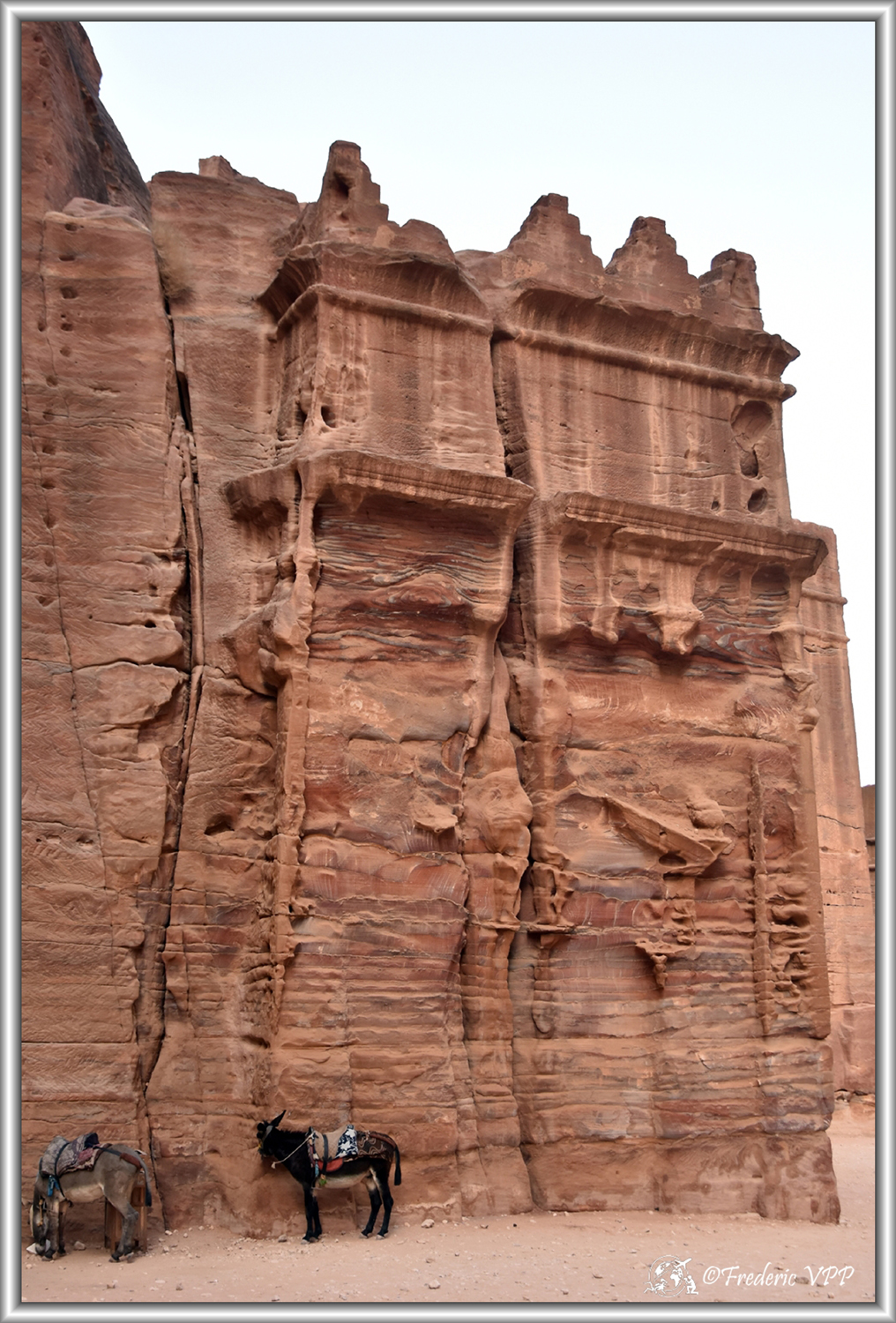
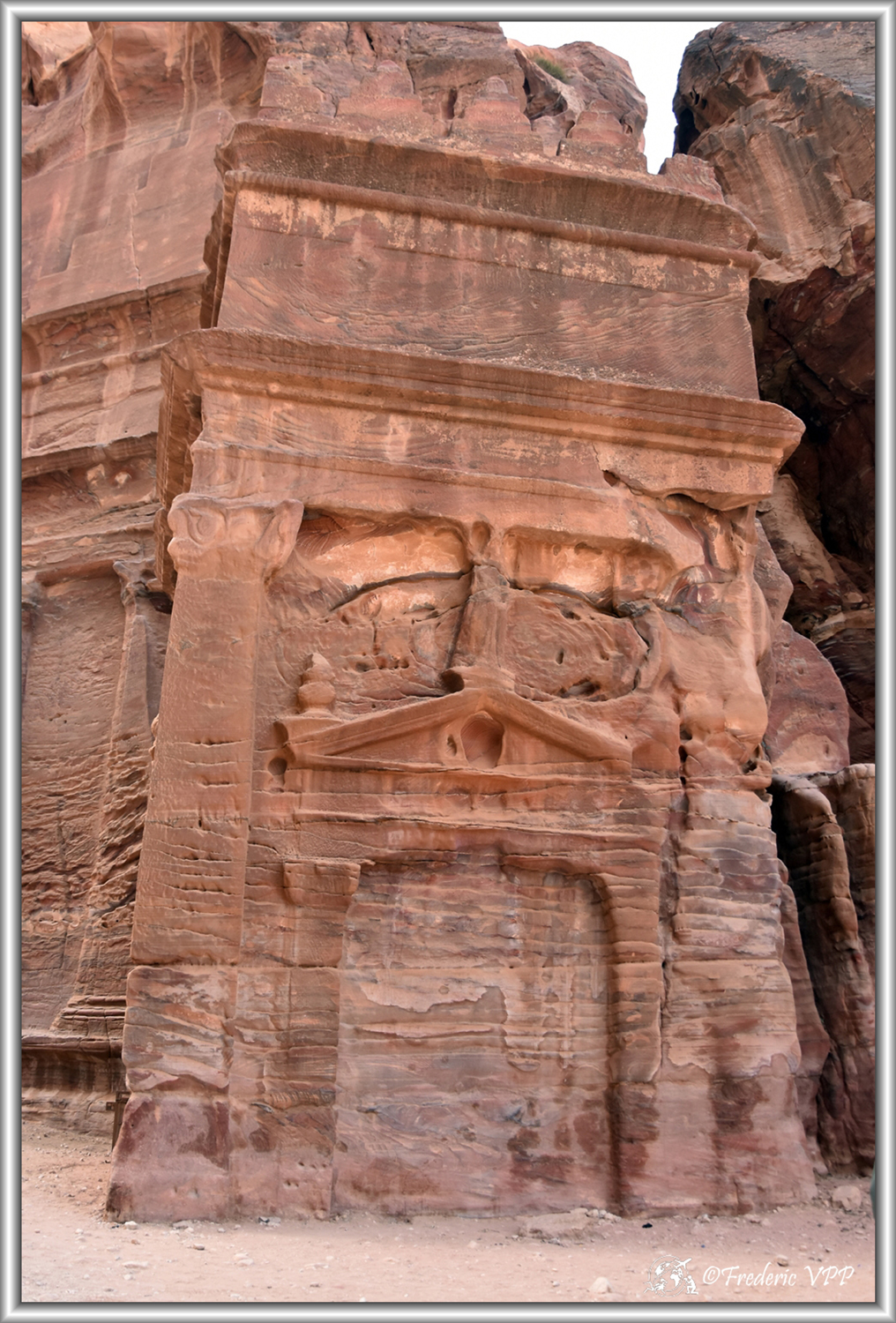
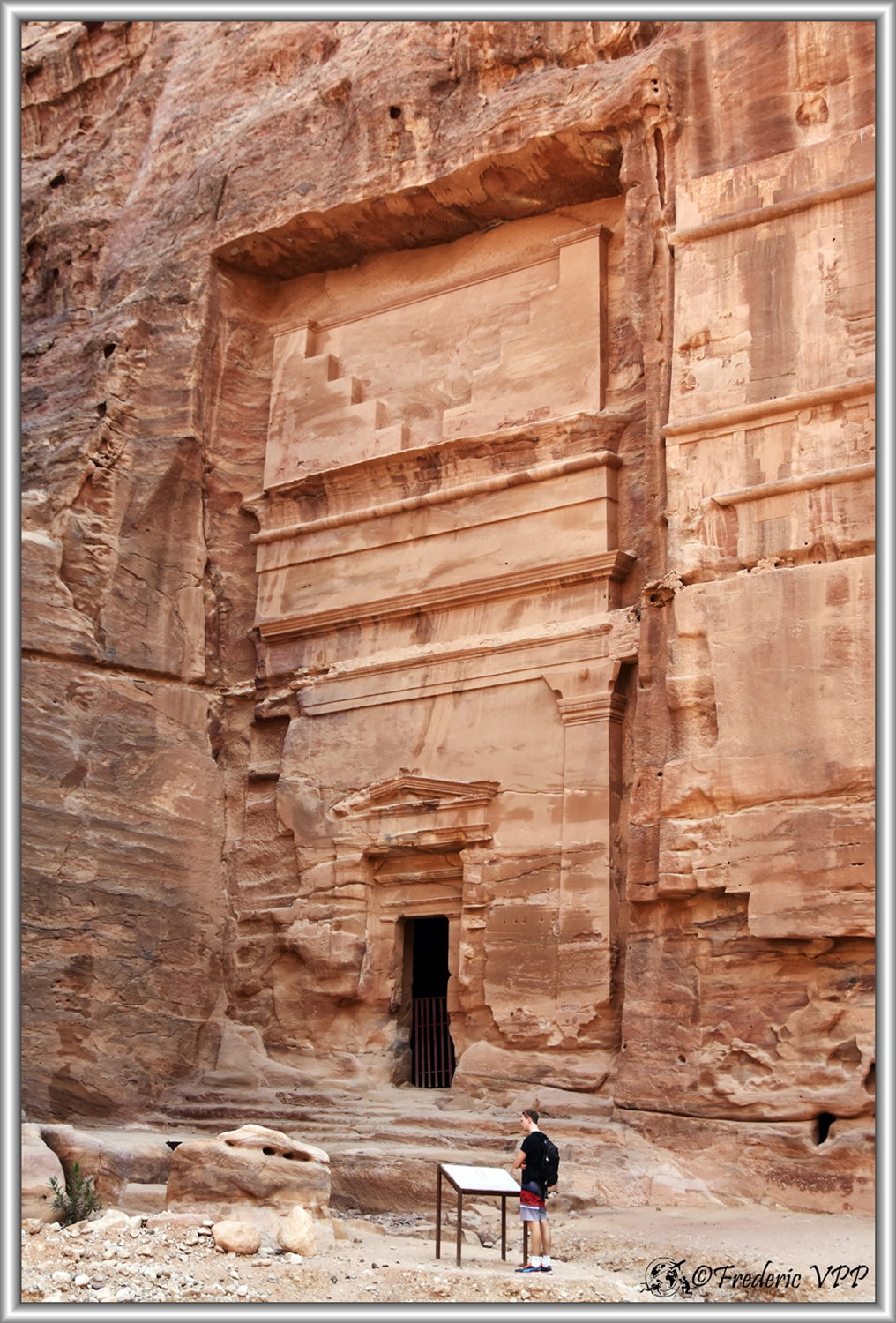
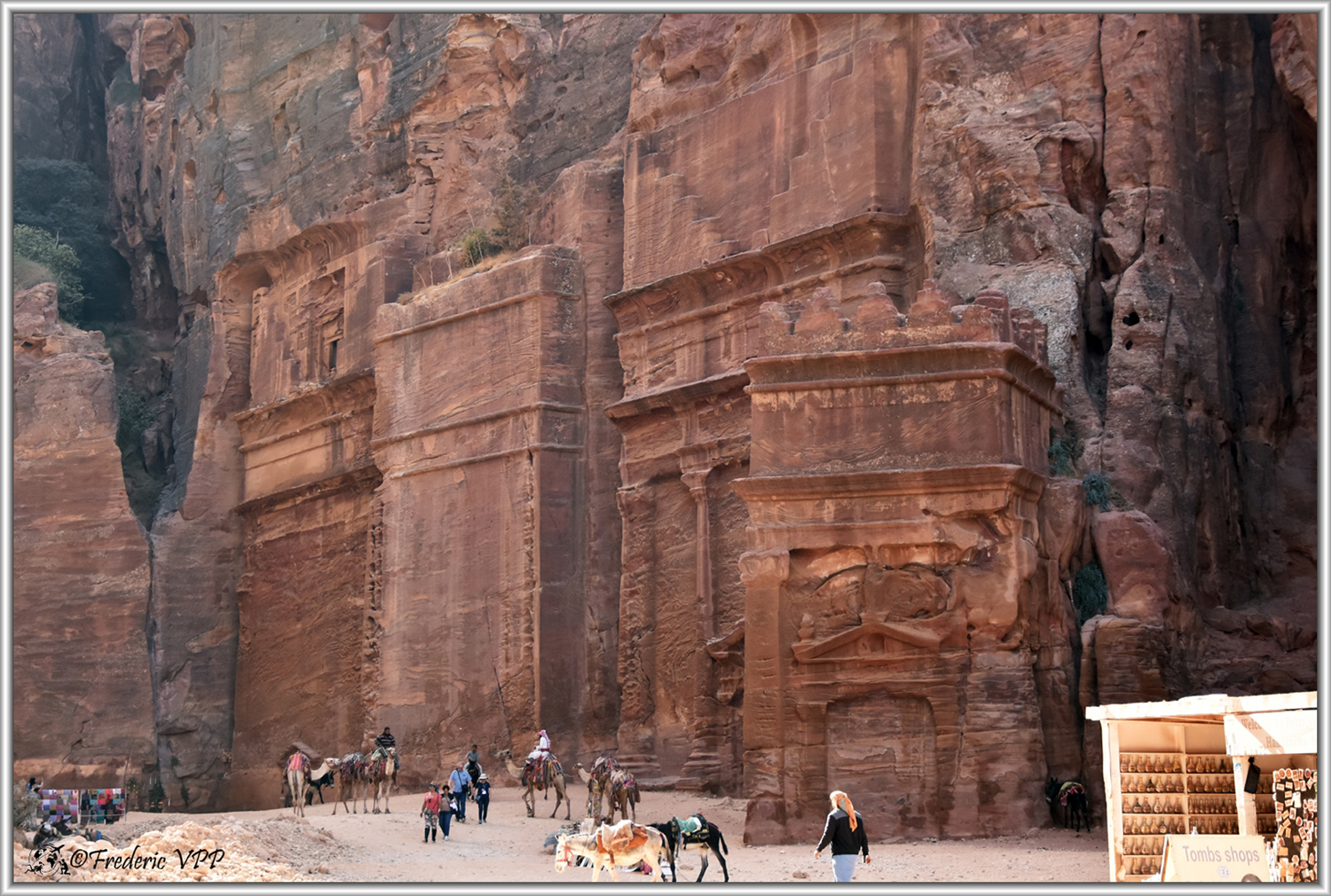
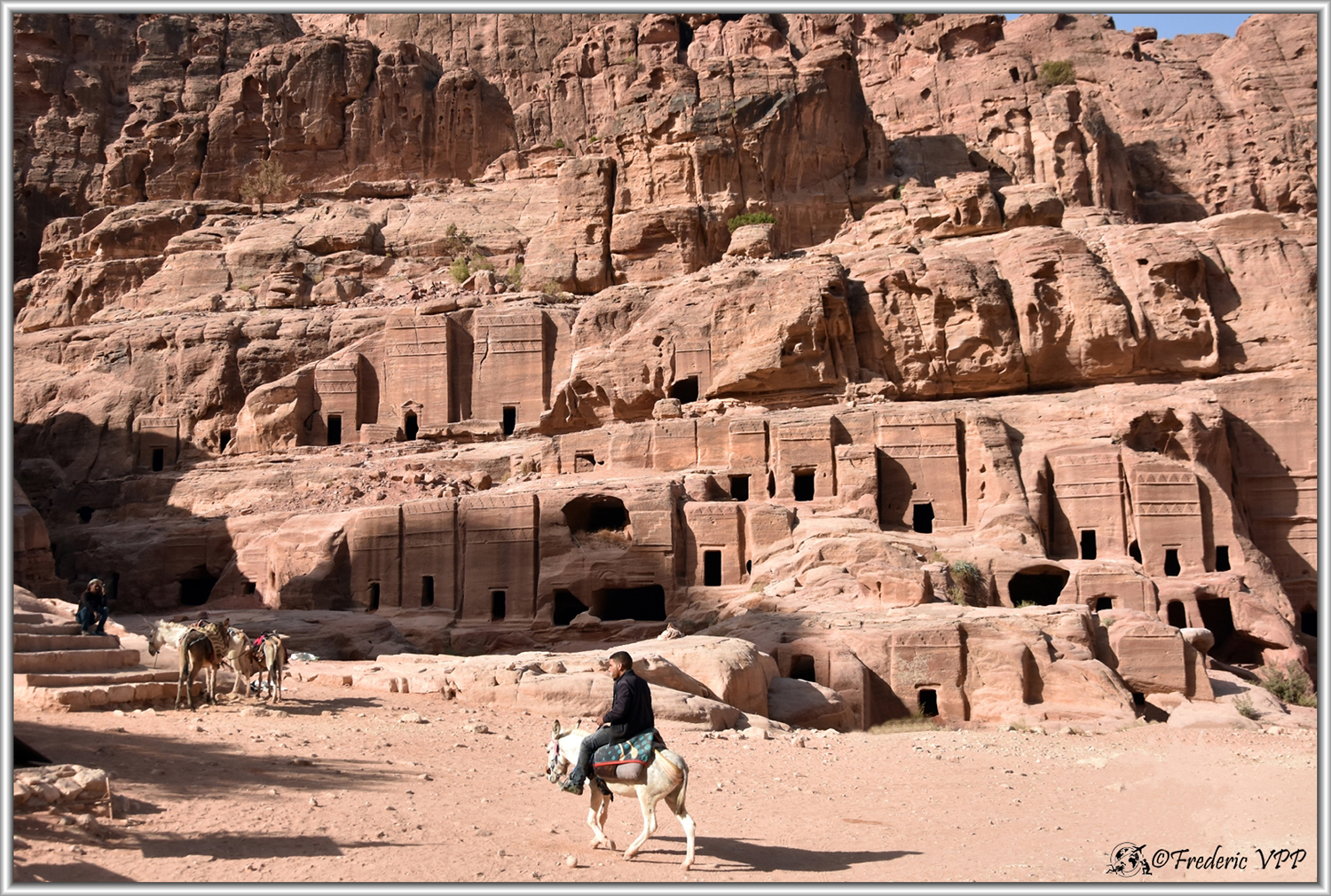
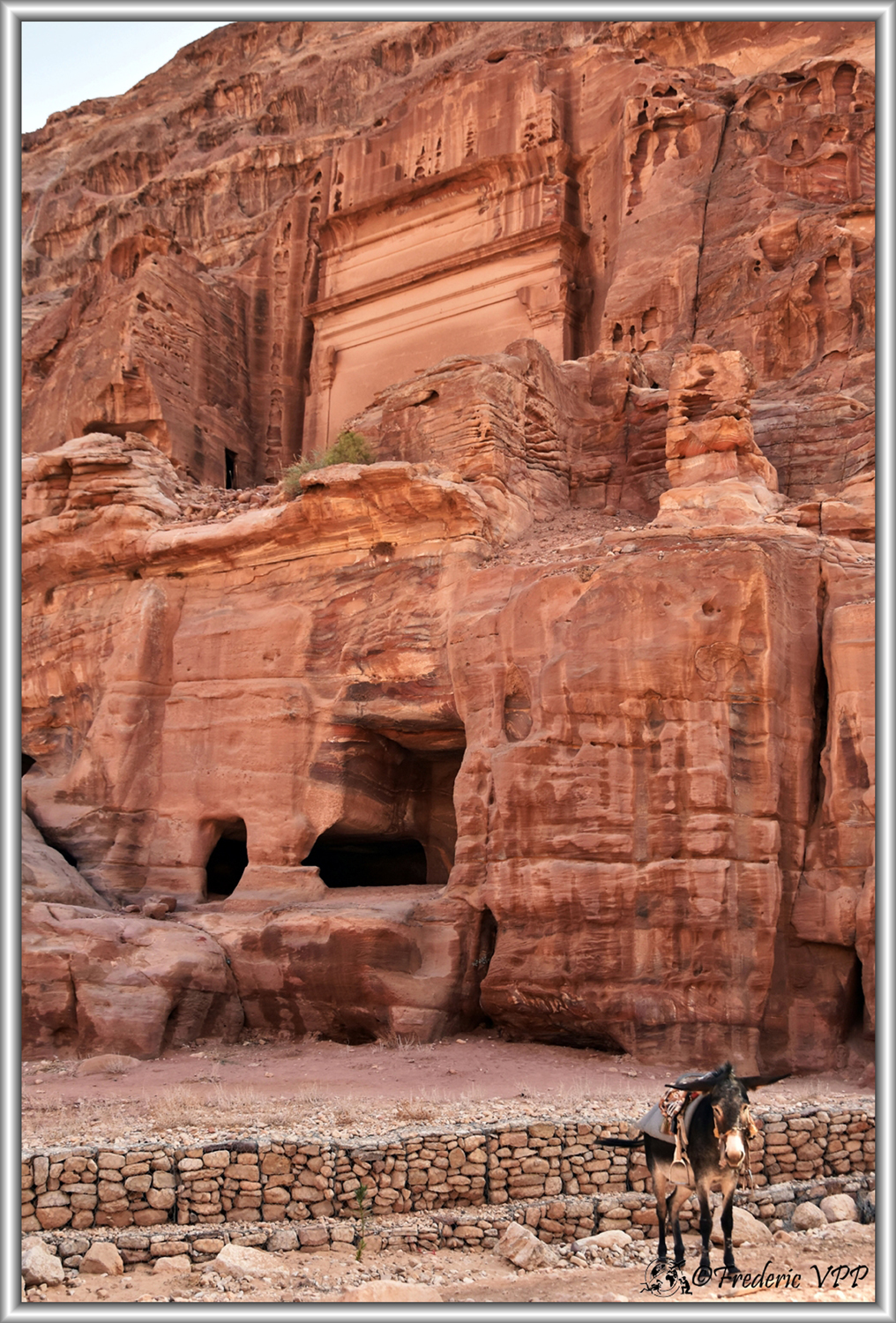
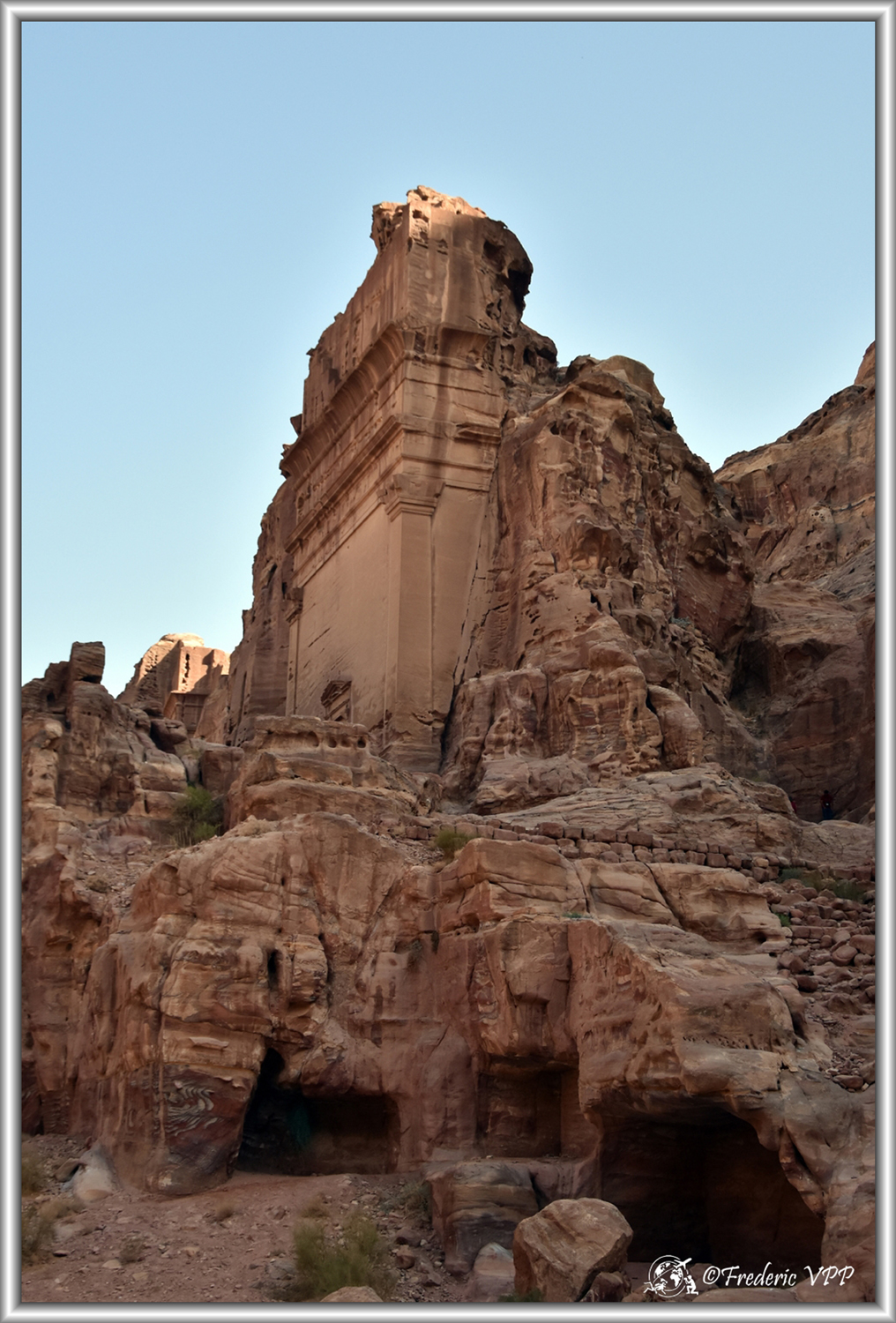
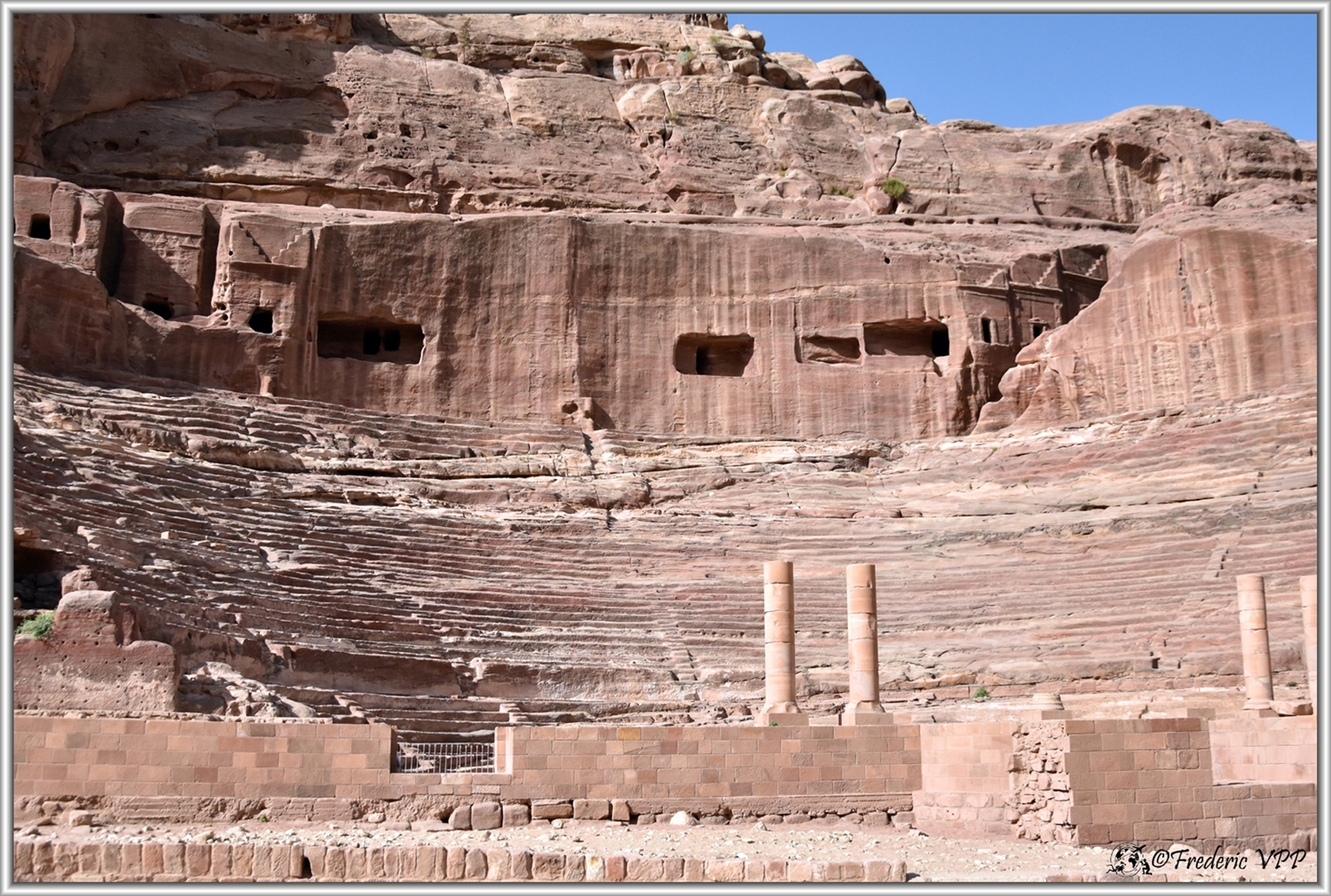
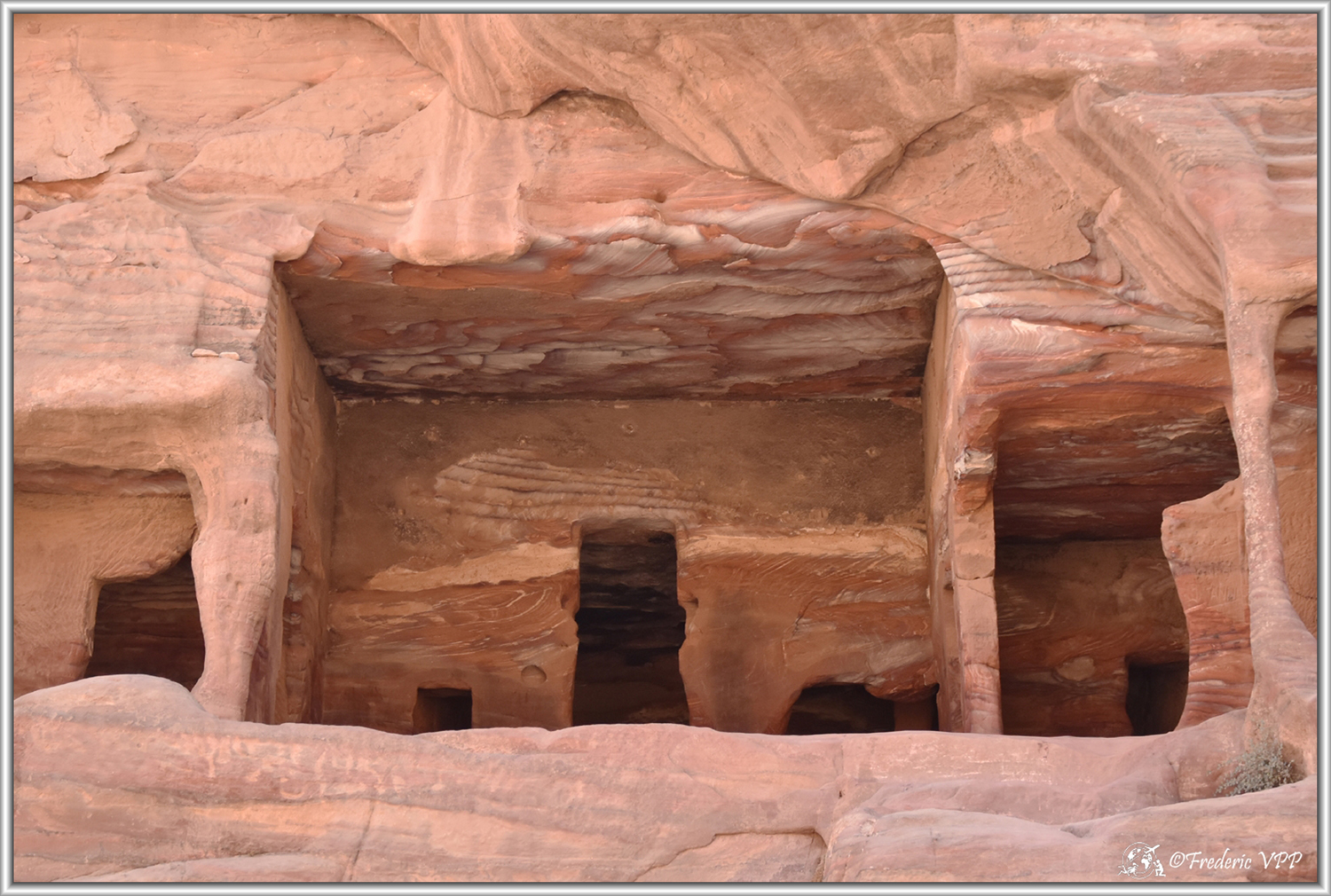
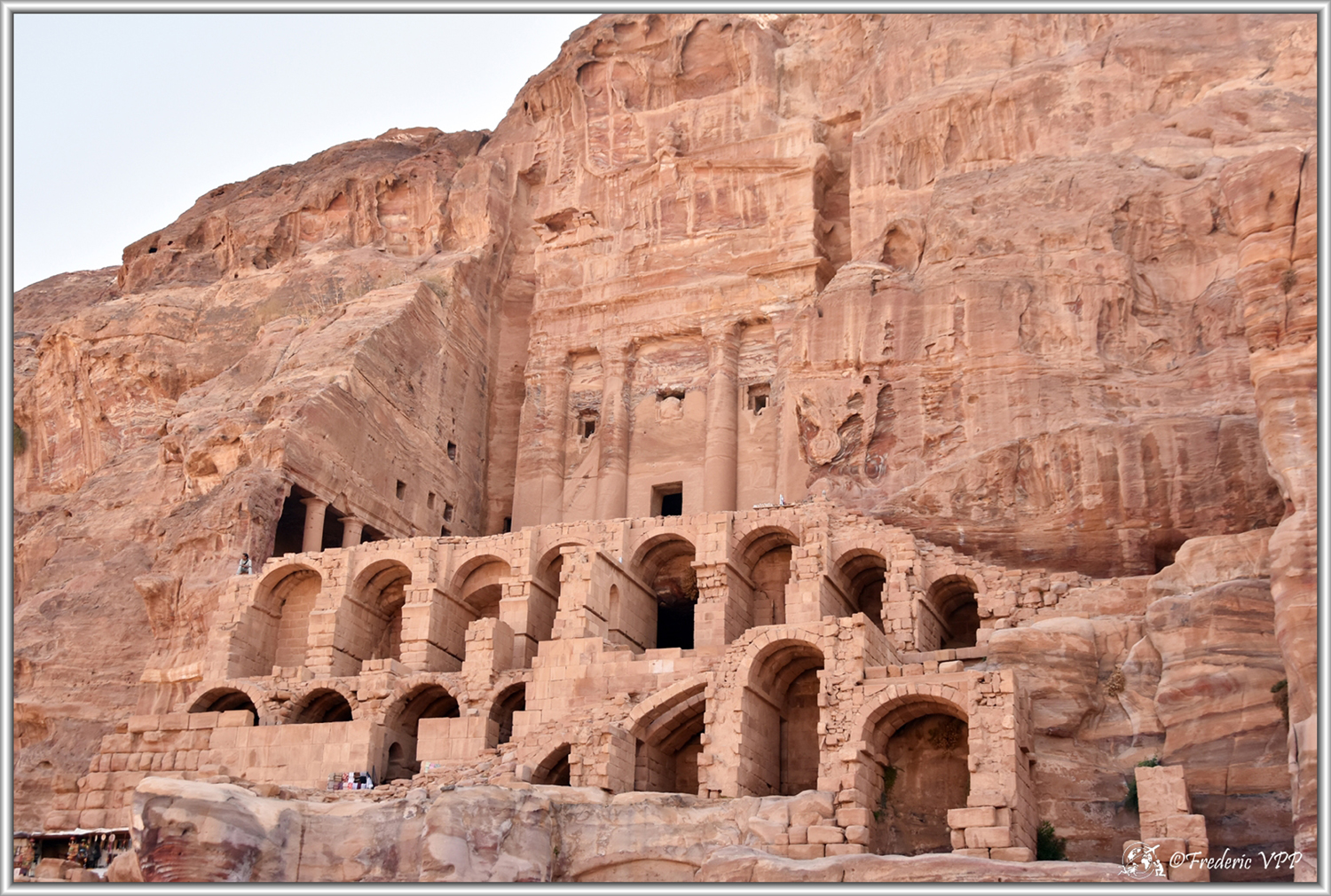
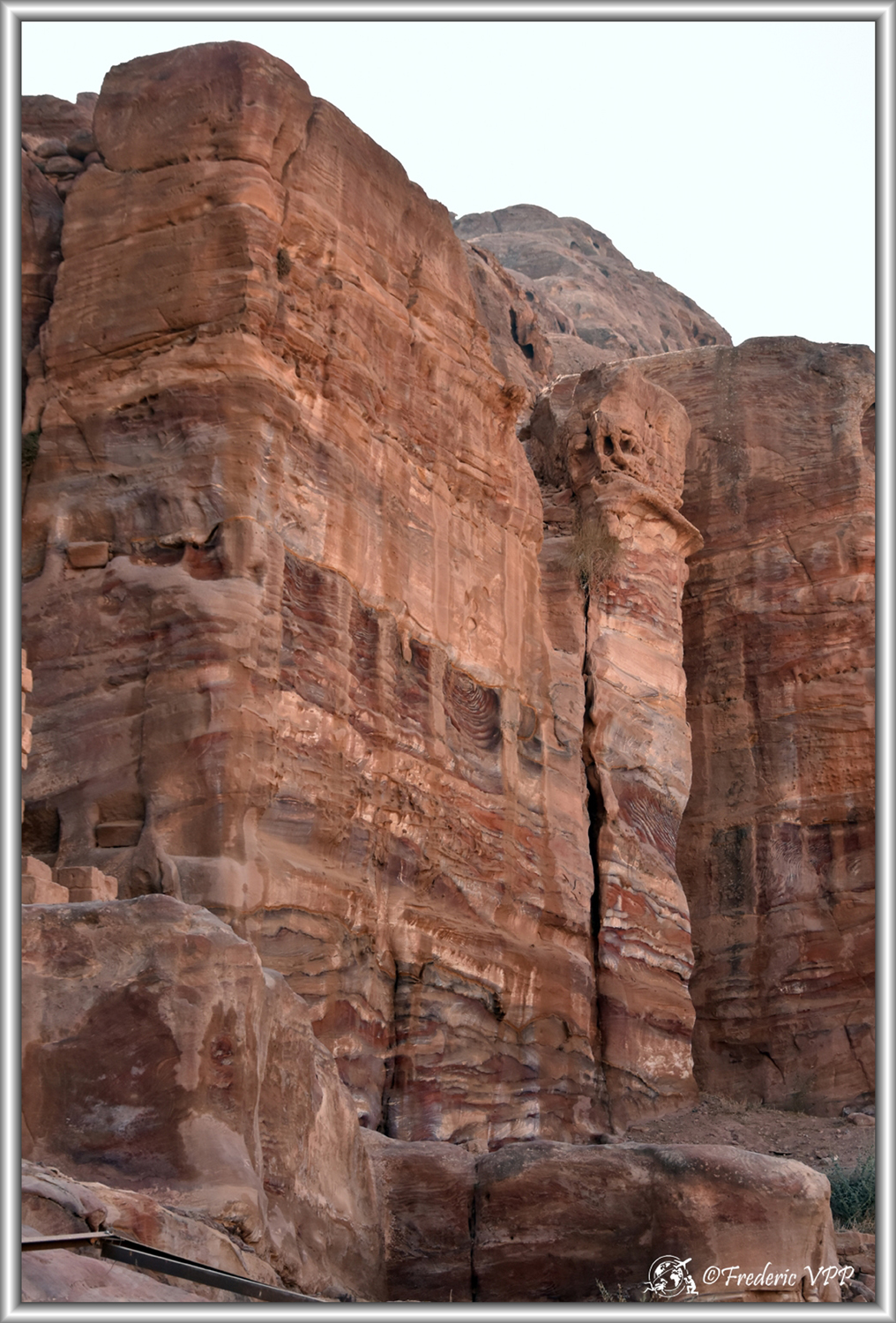
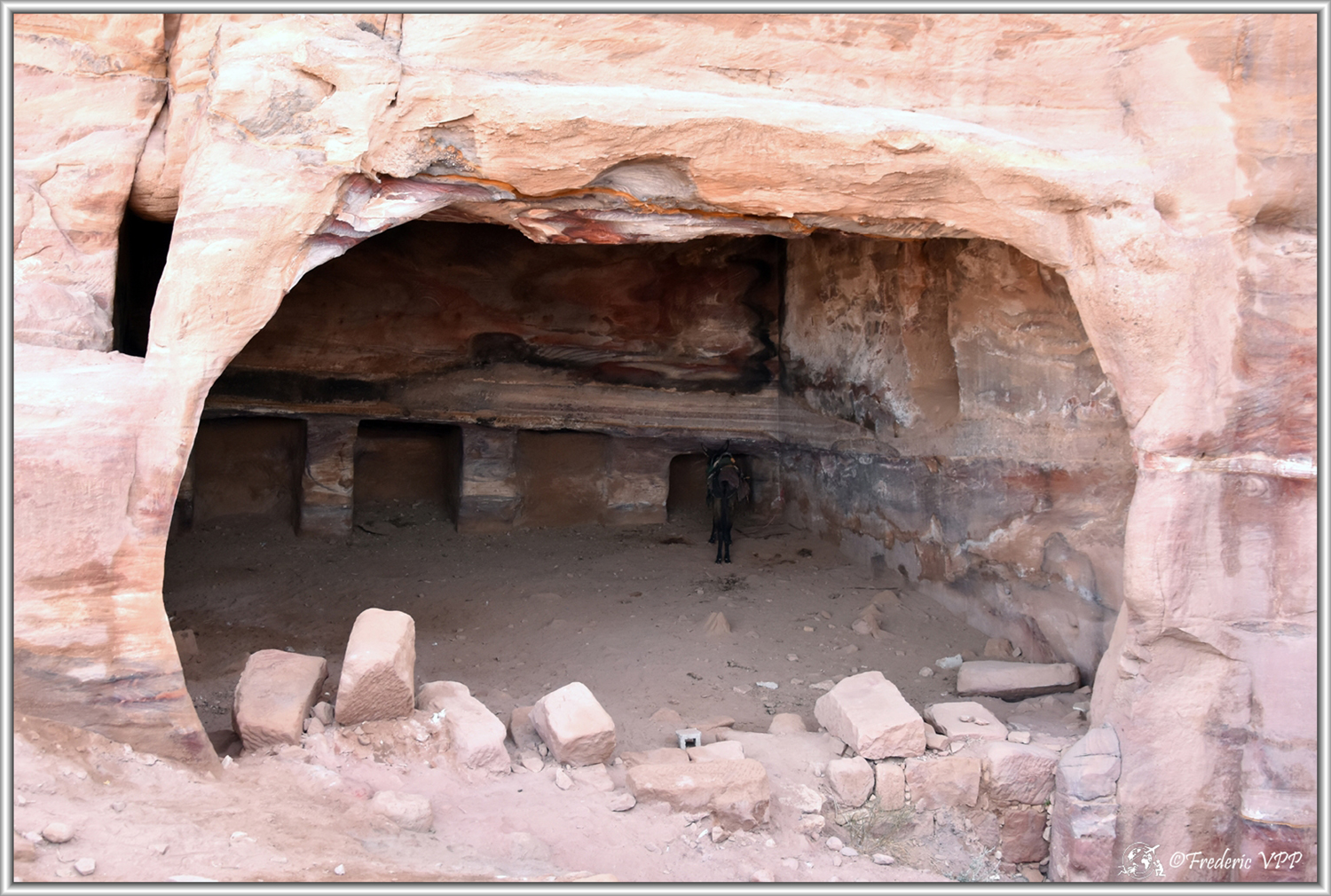
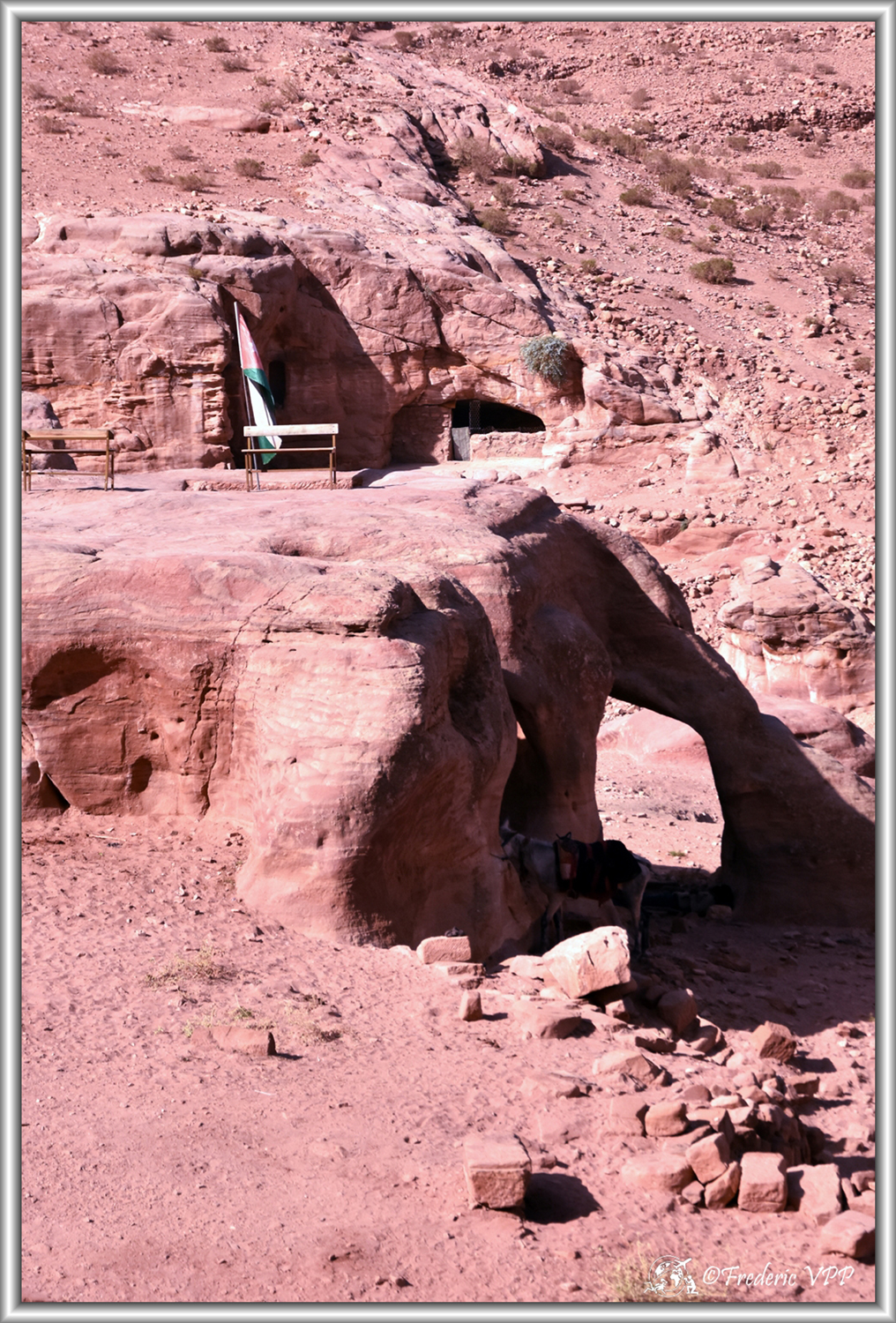
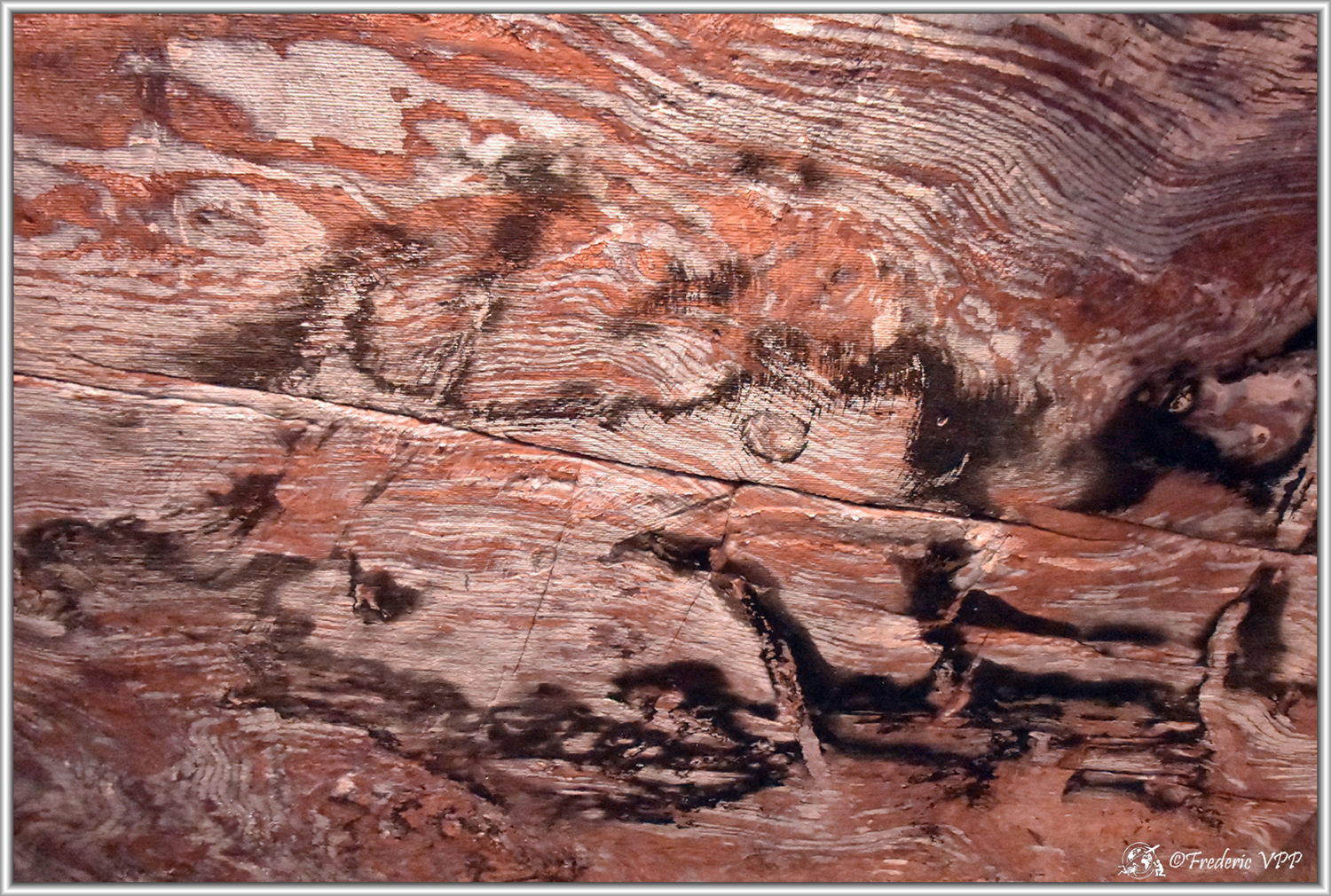
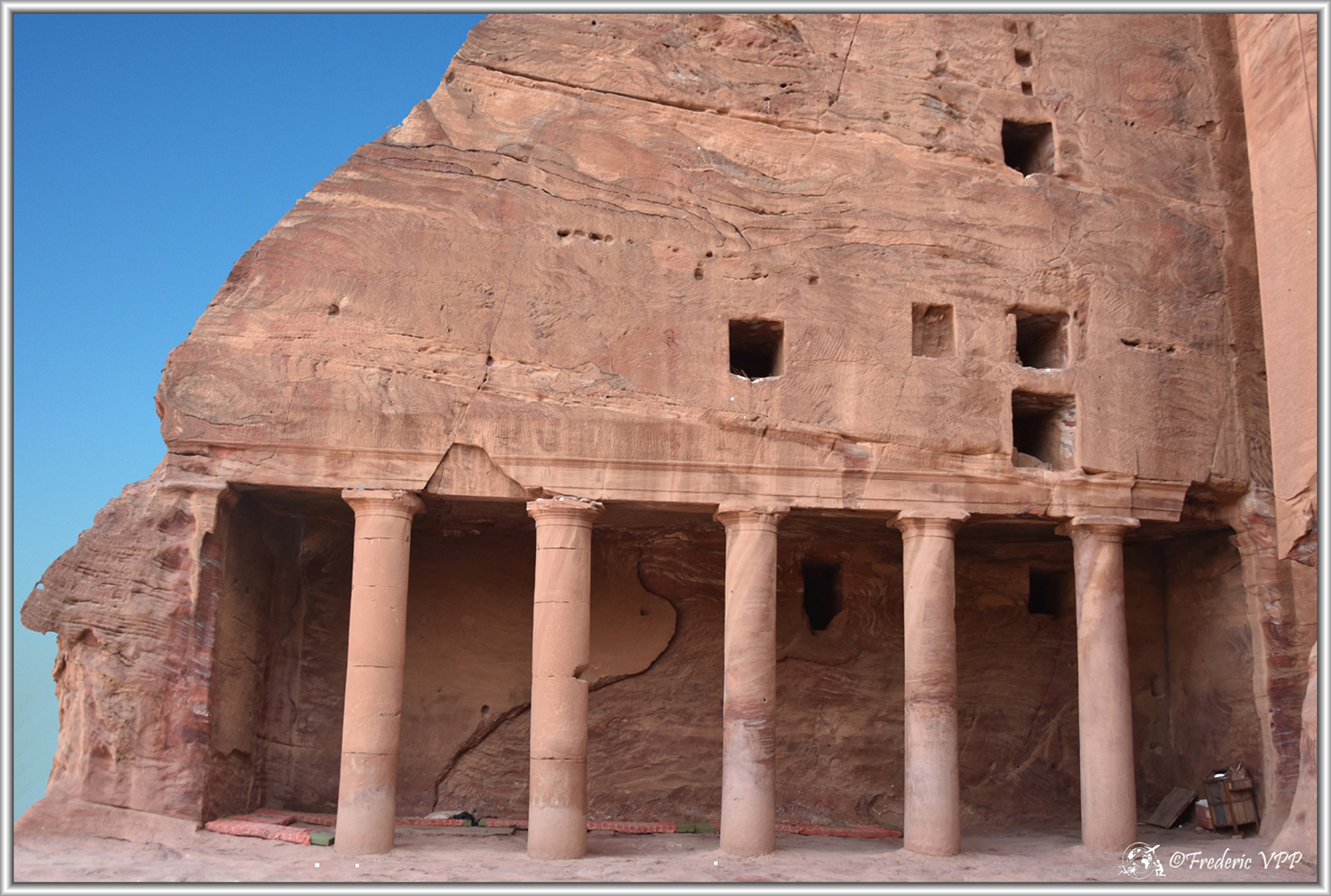
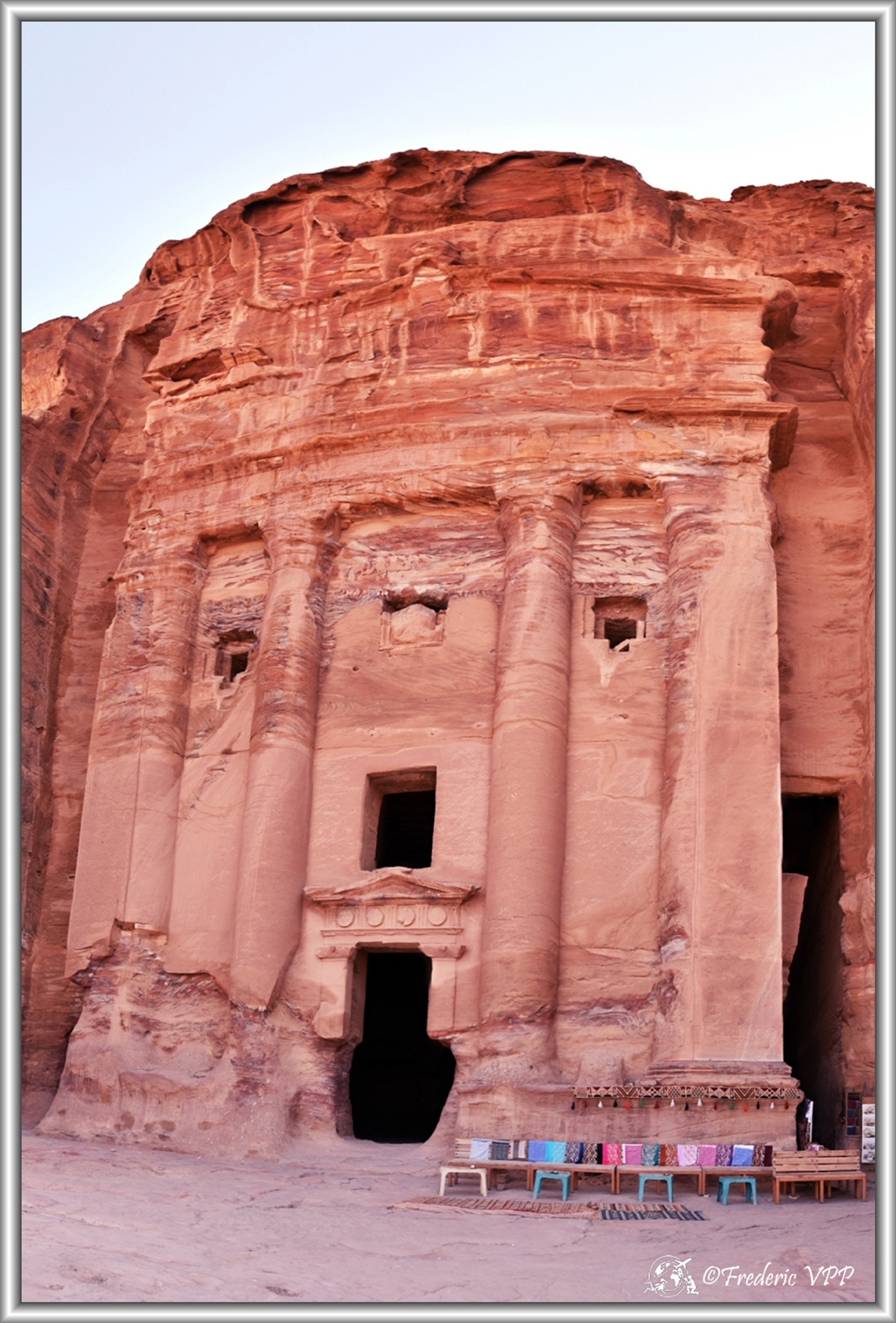
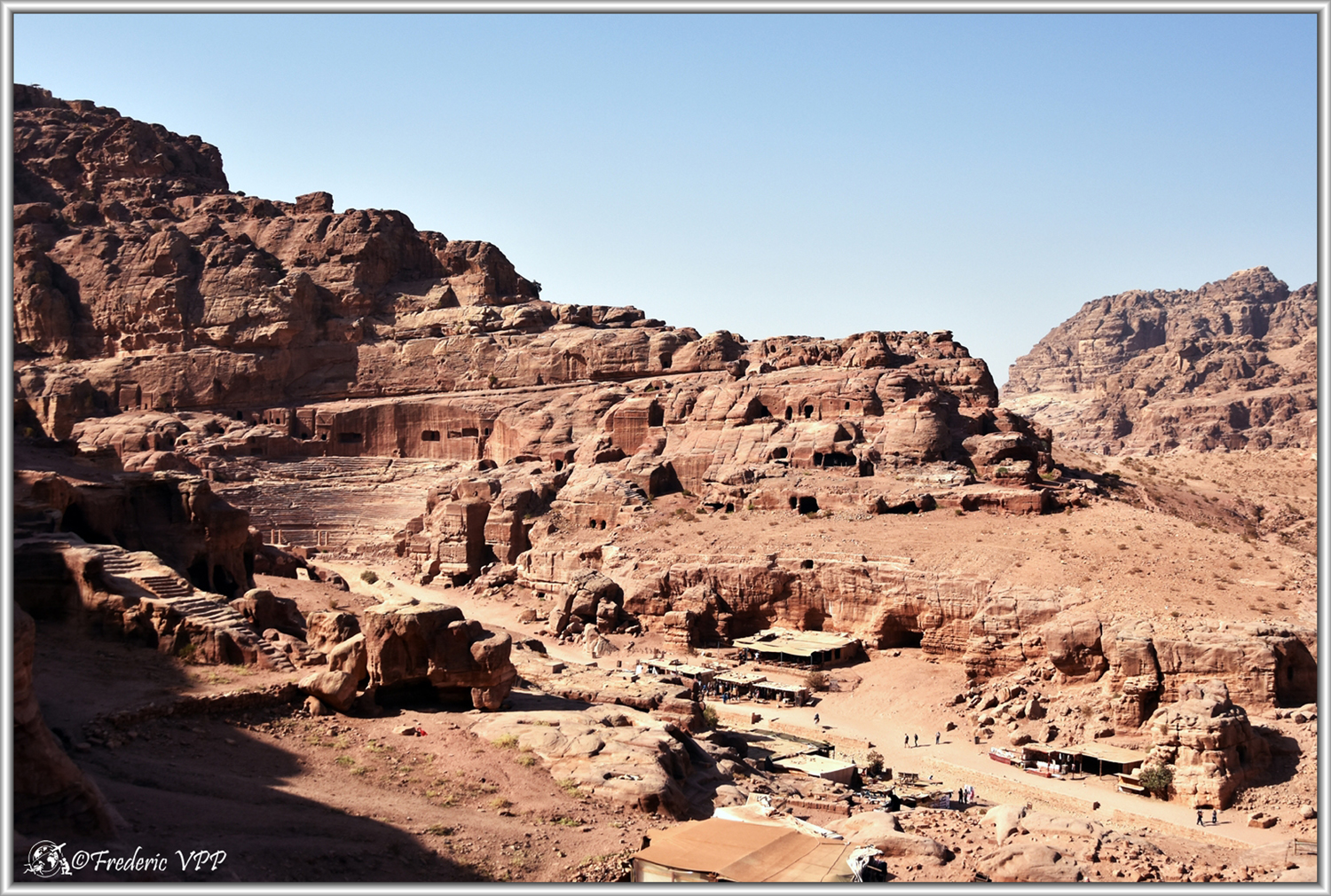
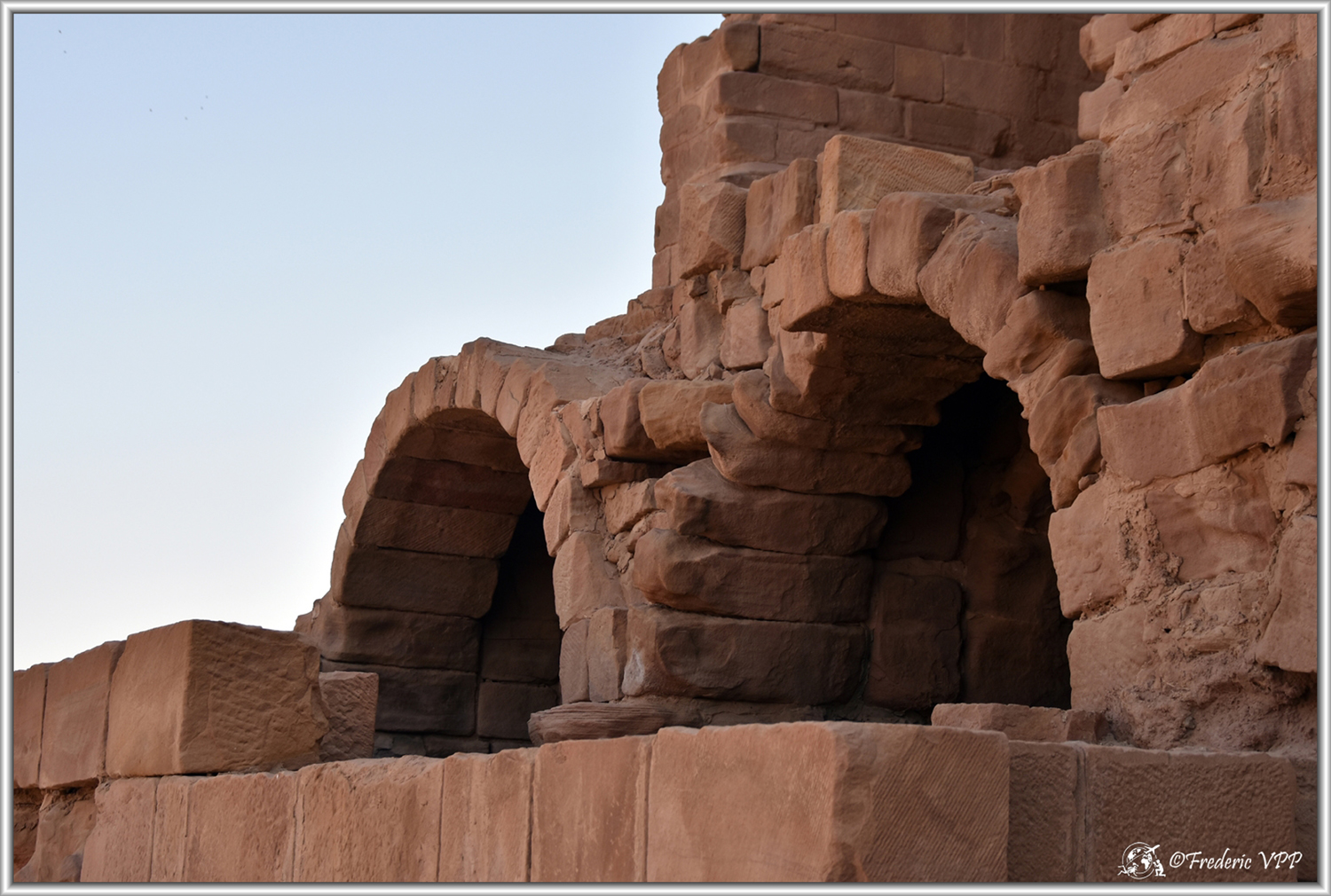
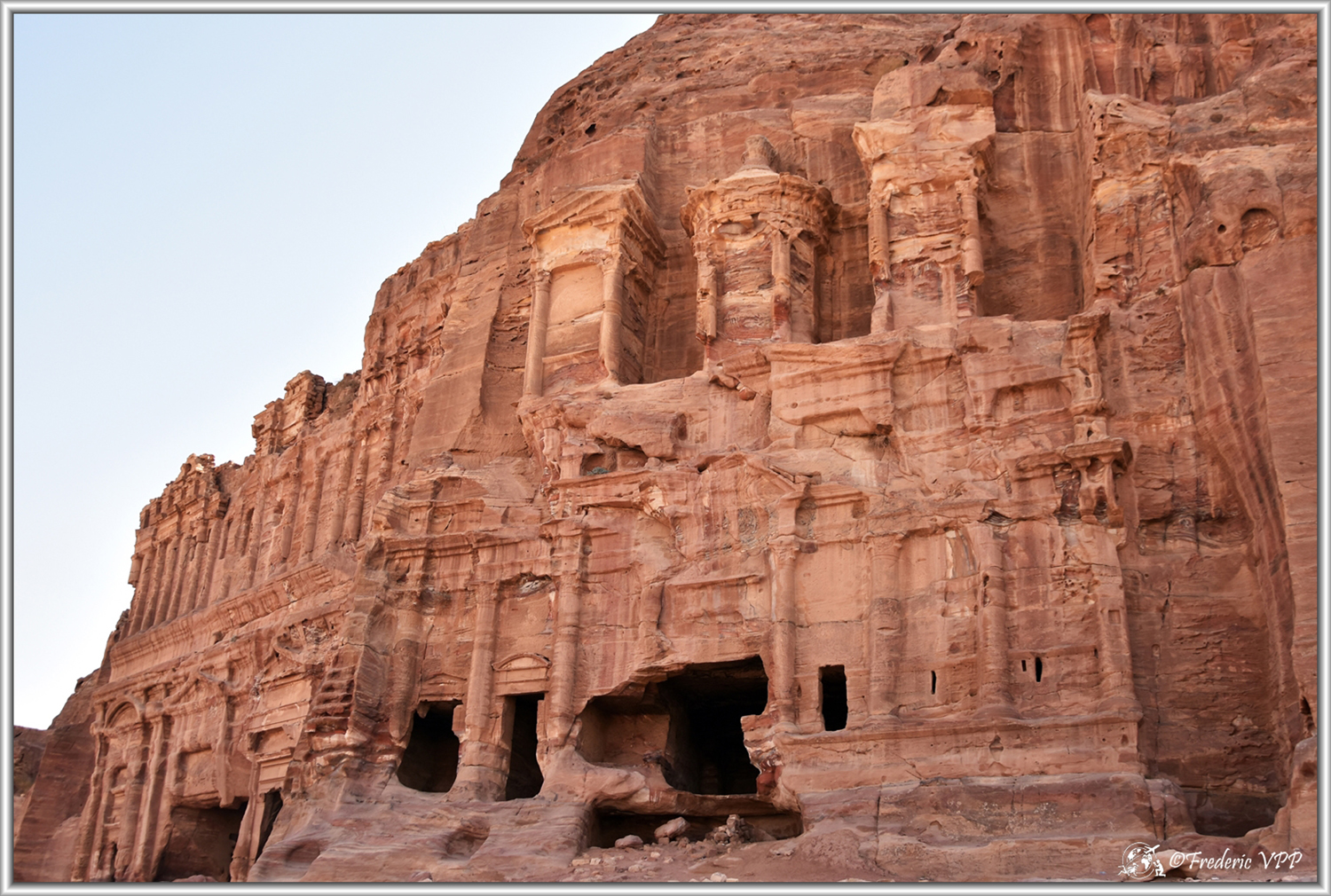
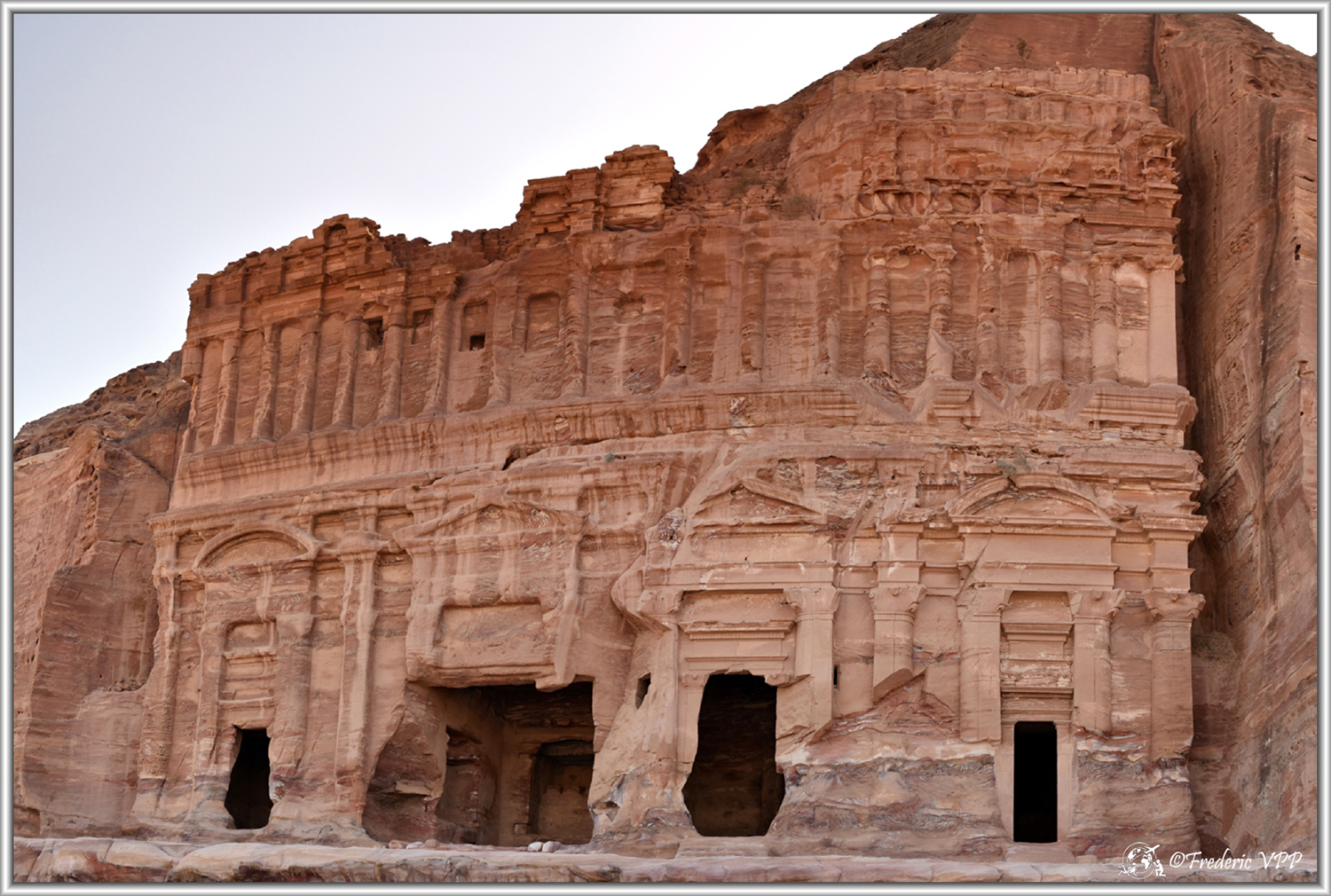
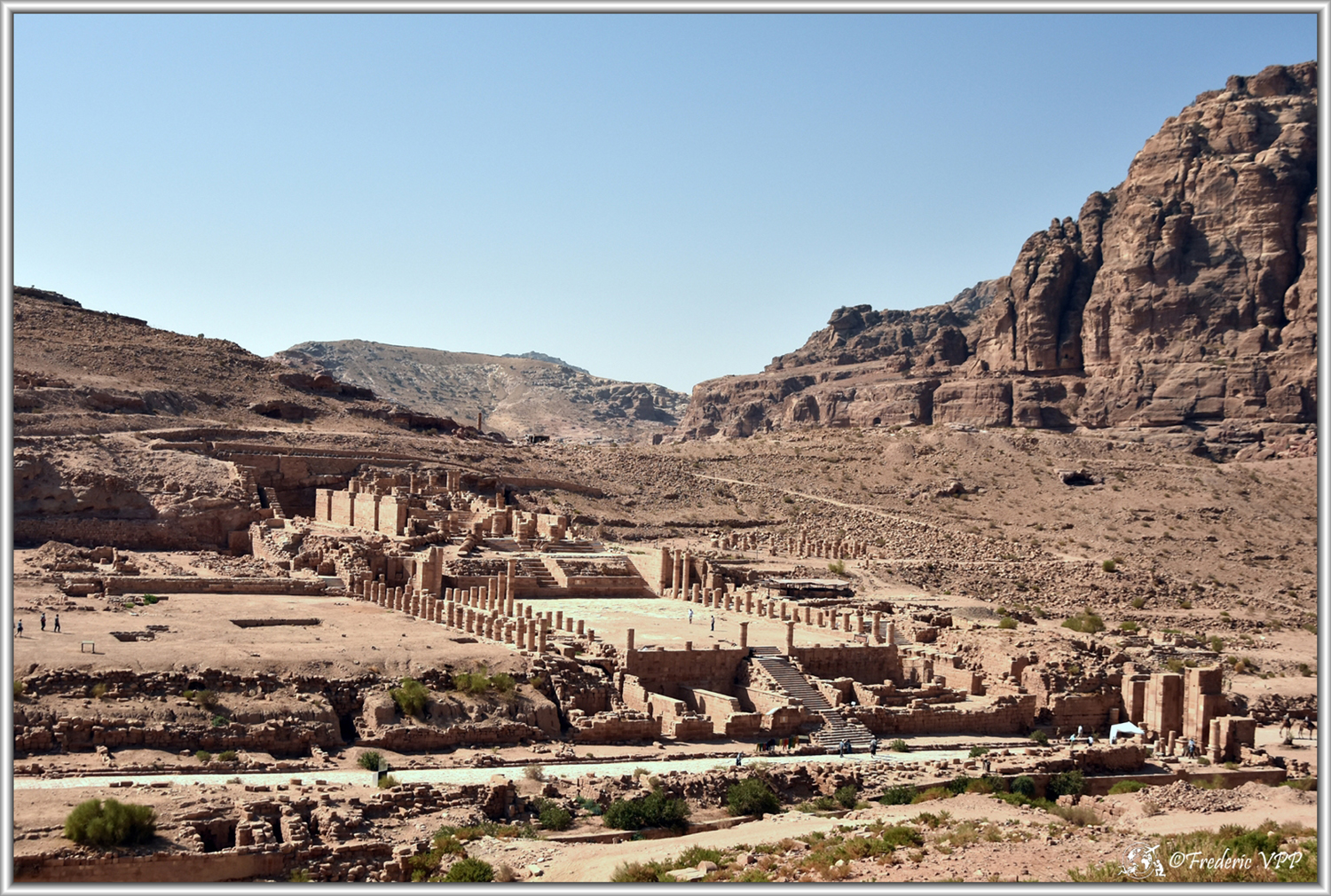
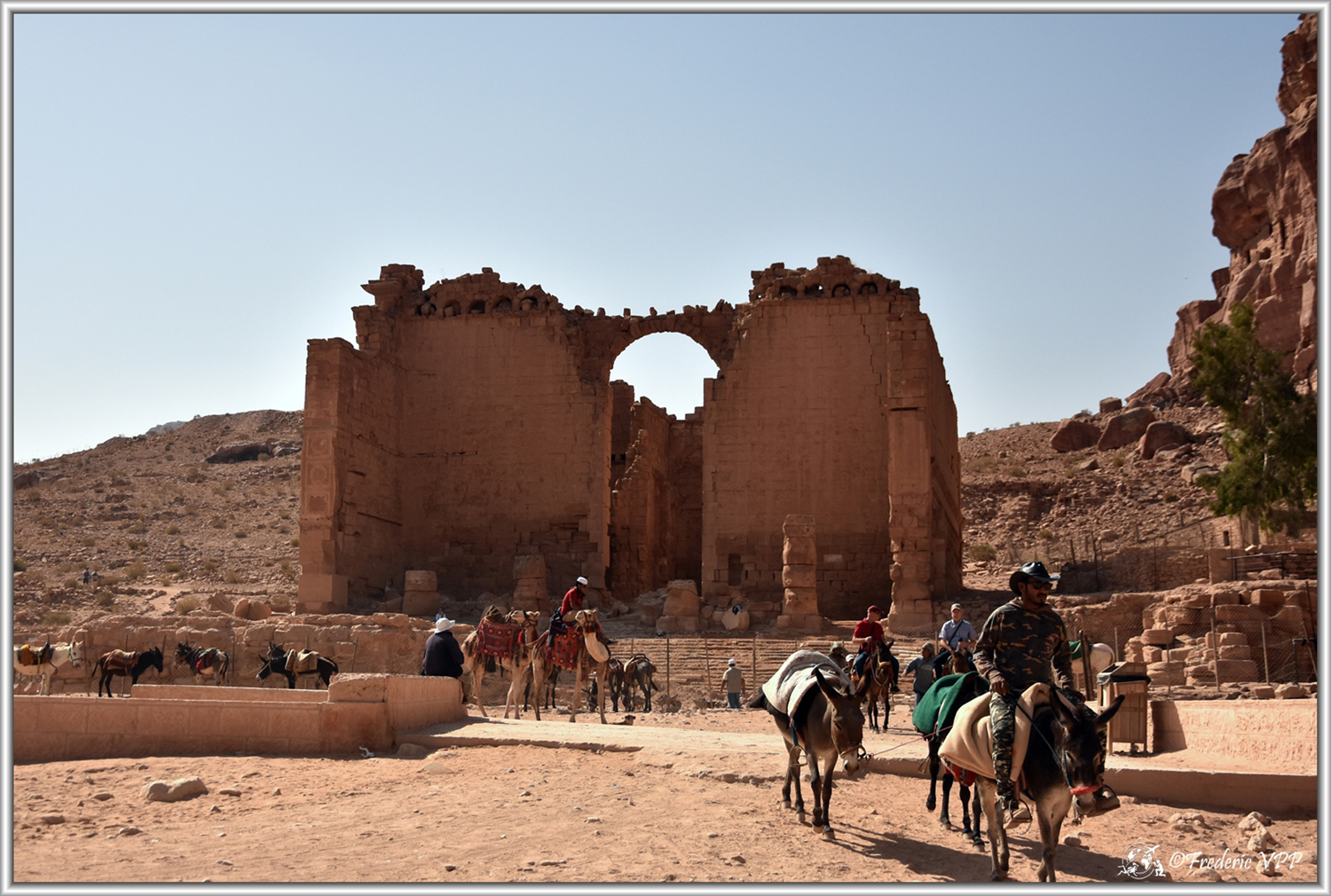
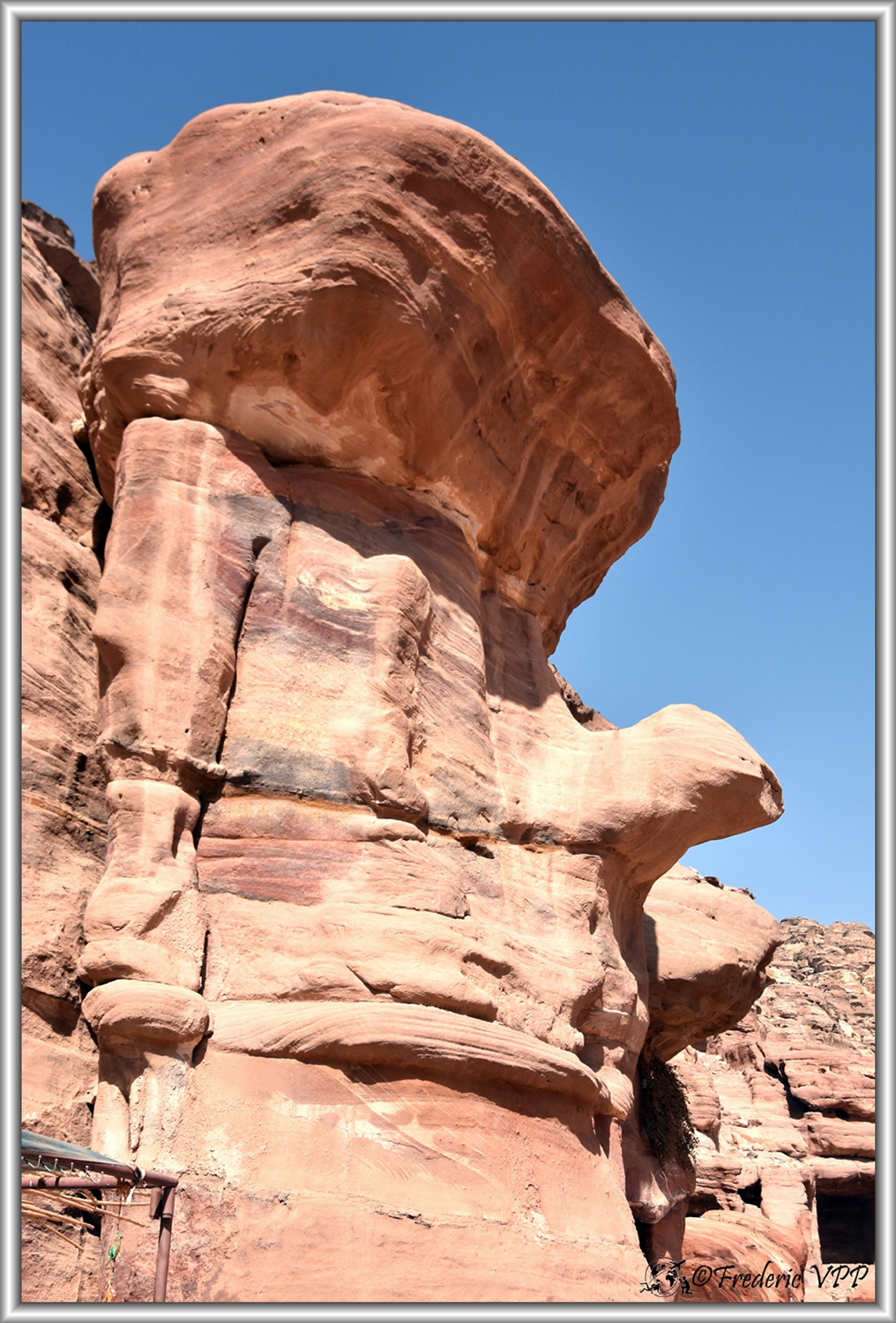
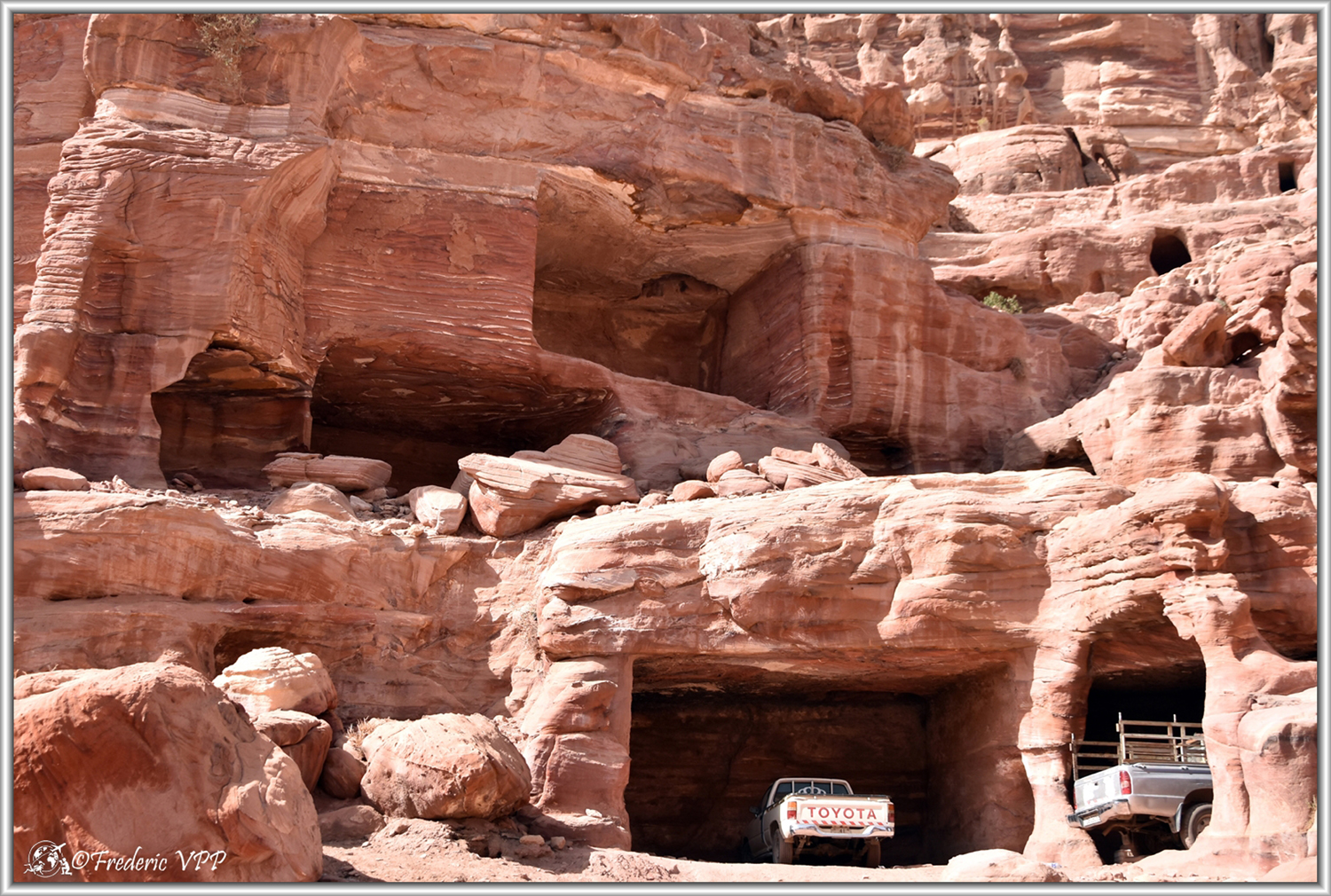
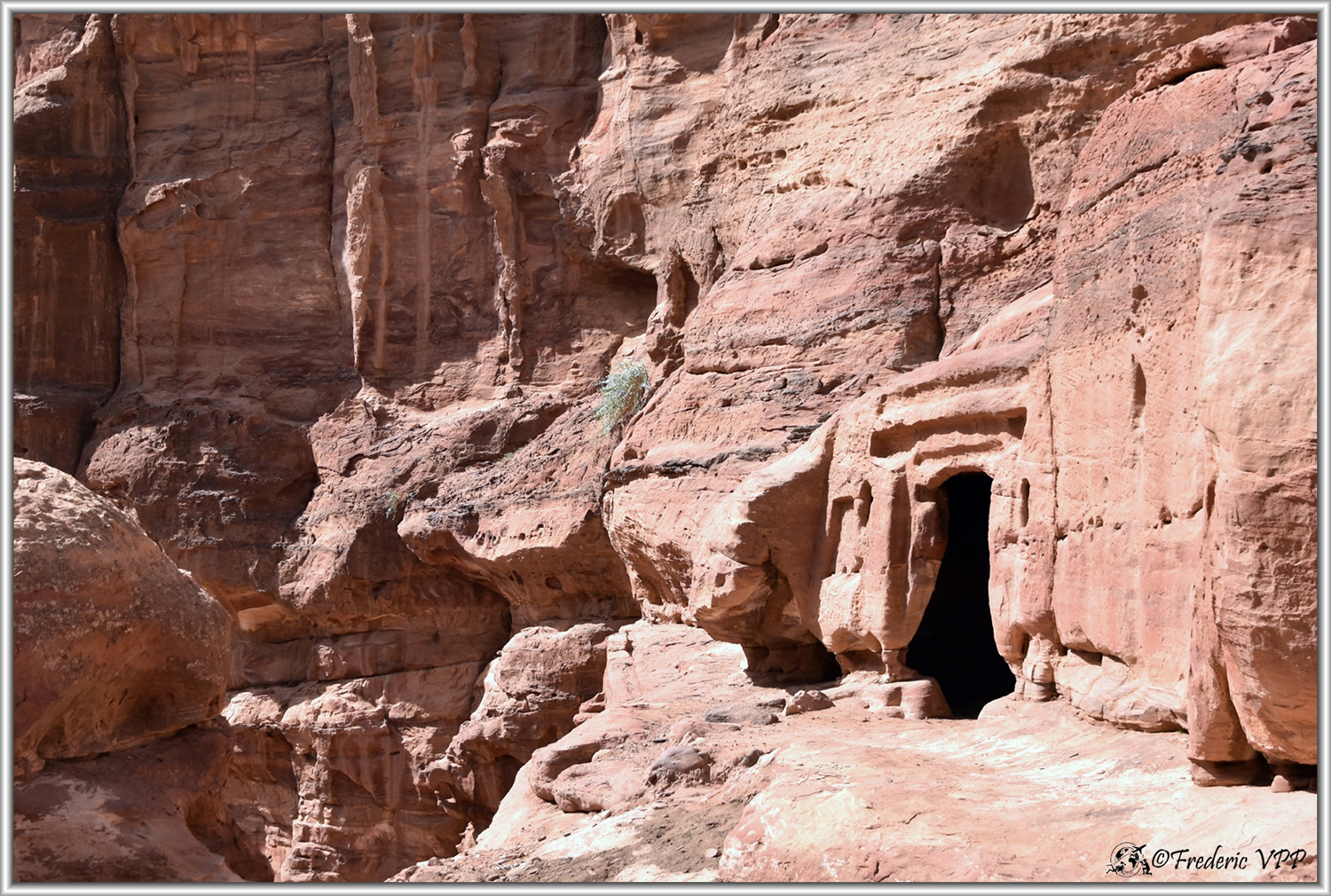
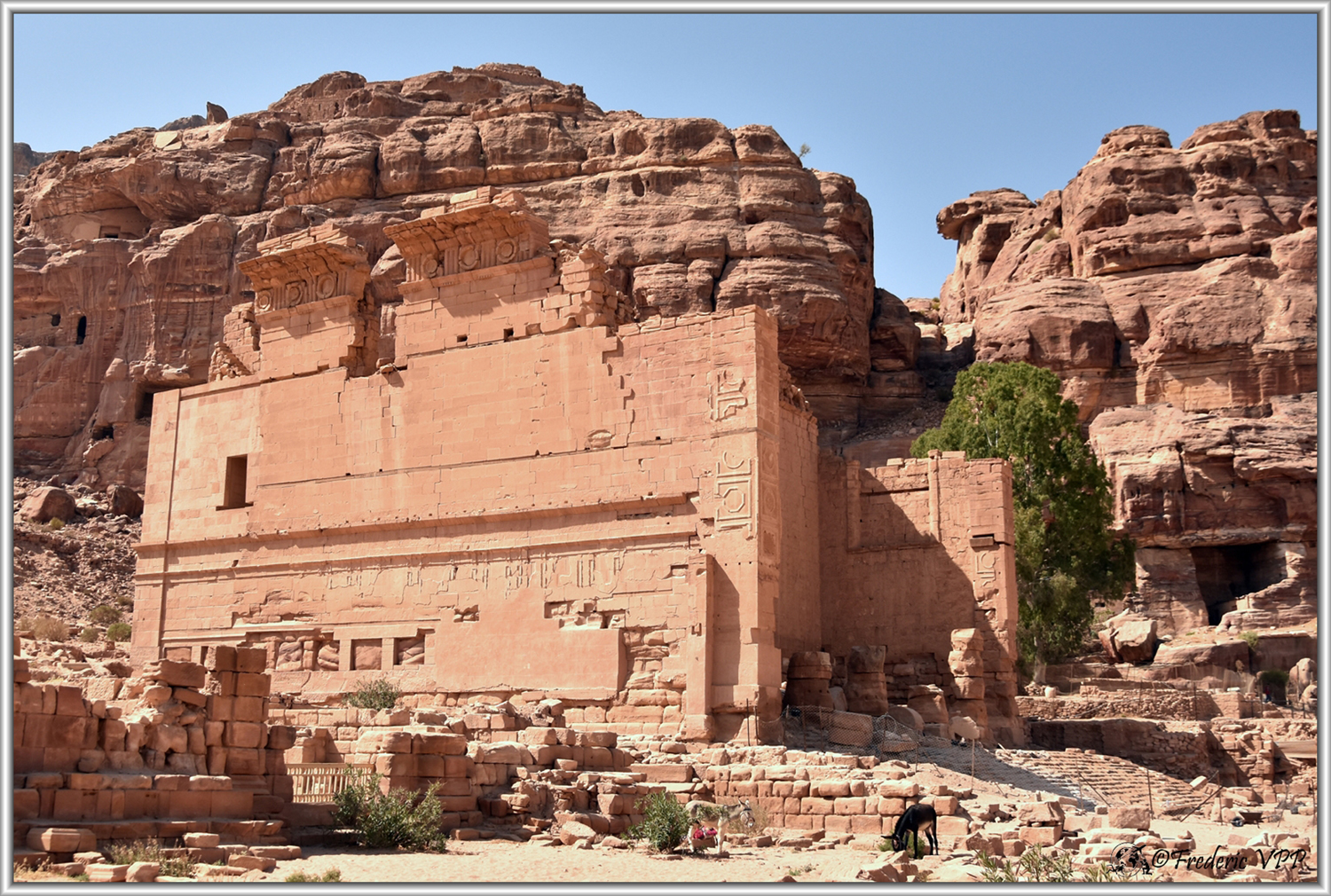
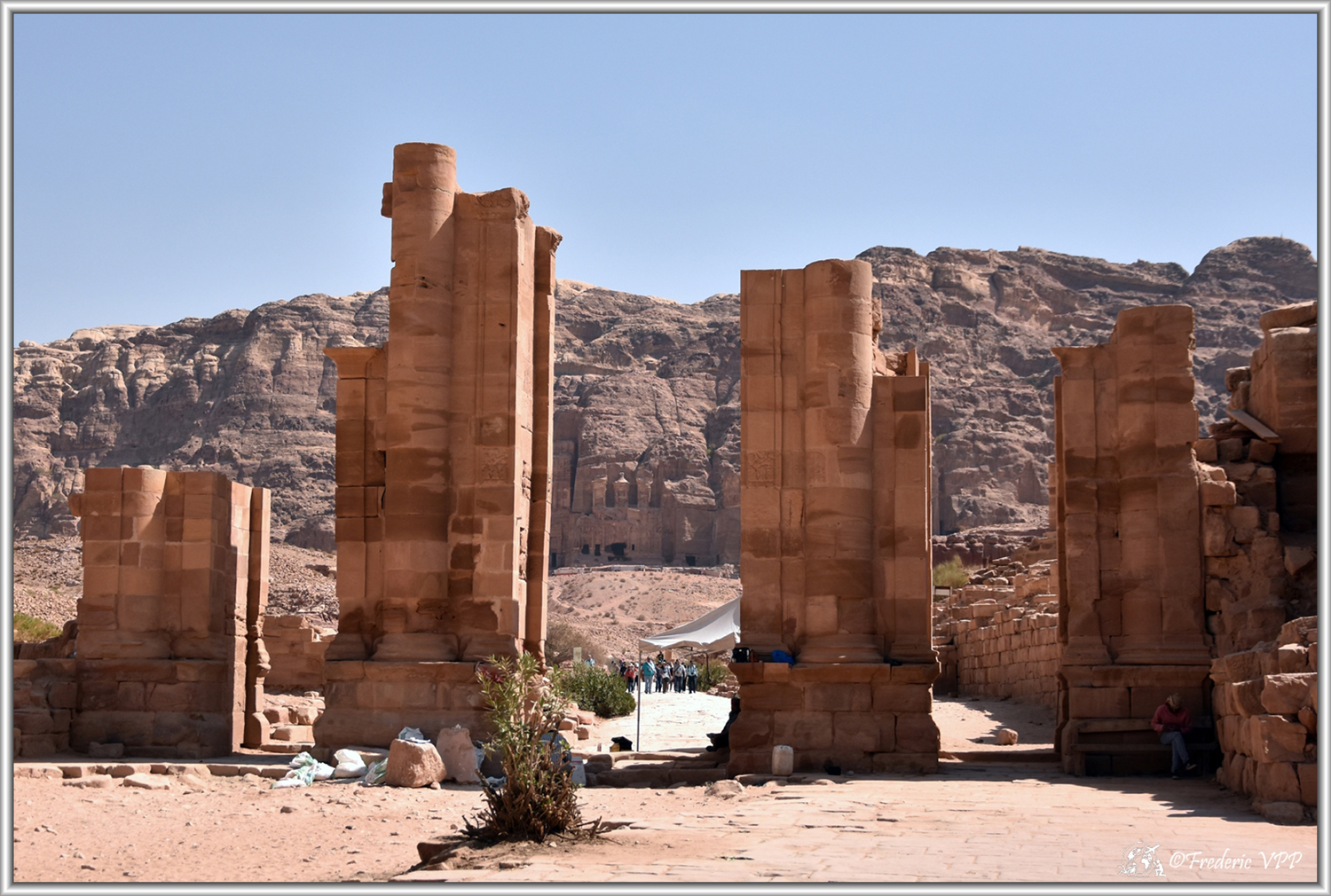
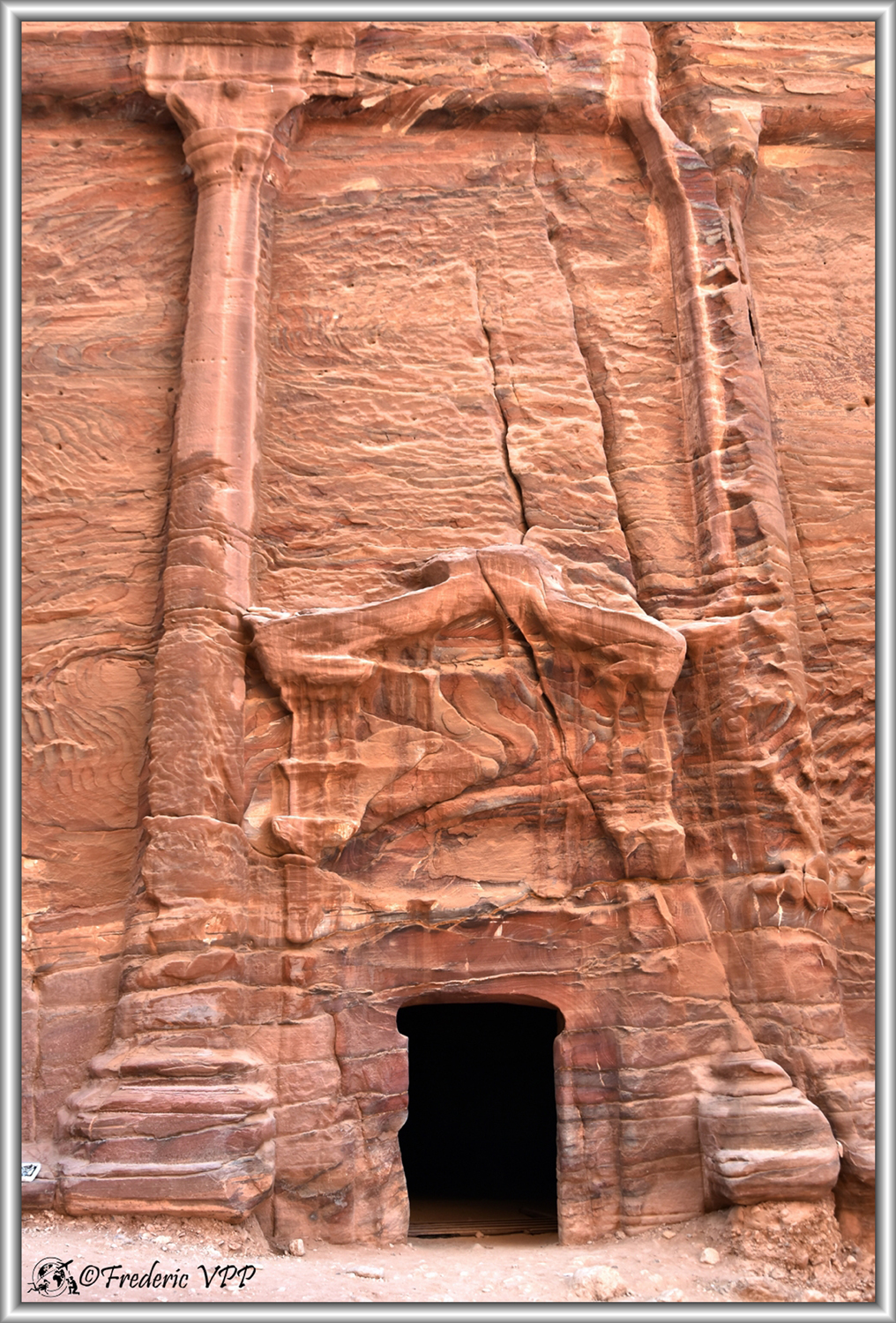
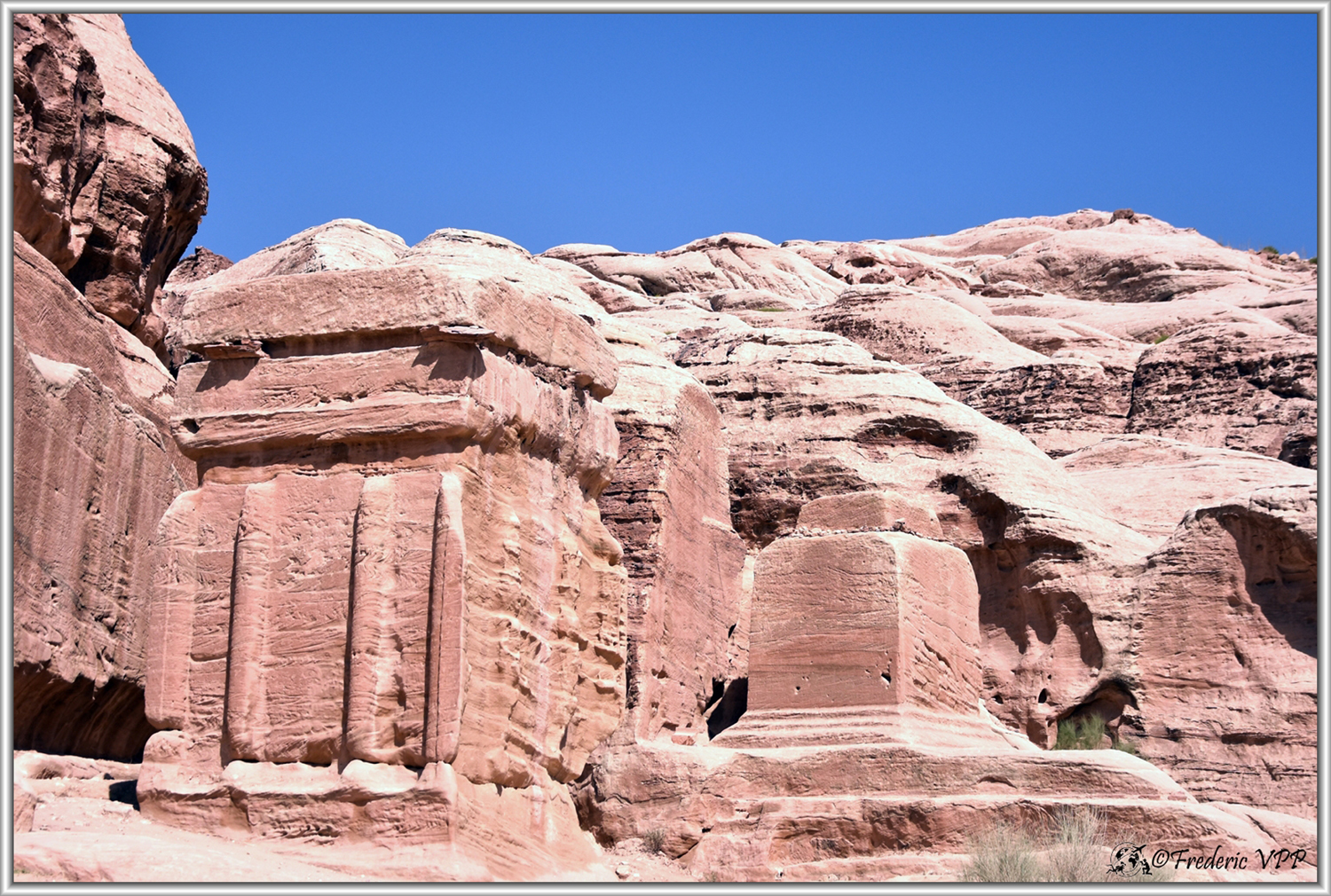
GORGEOUS, that's the only word that comes to mind. I only stayed there for 4 hours but I was able to see a lot of things. All these funerary tombs were carved into the rocks of sandstone and granite. I would never have imagined such a place...
|
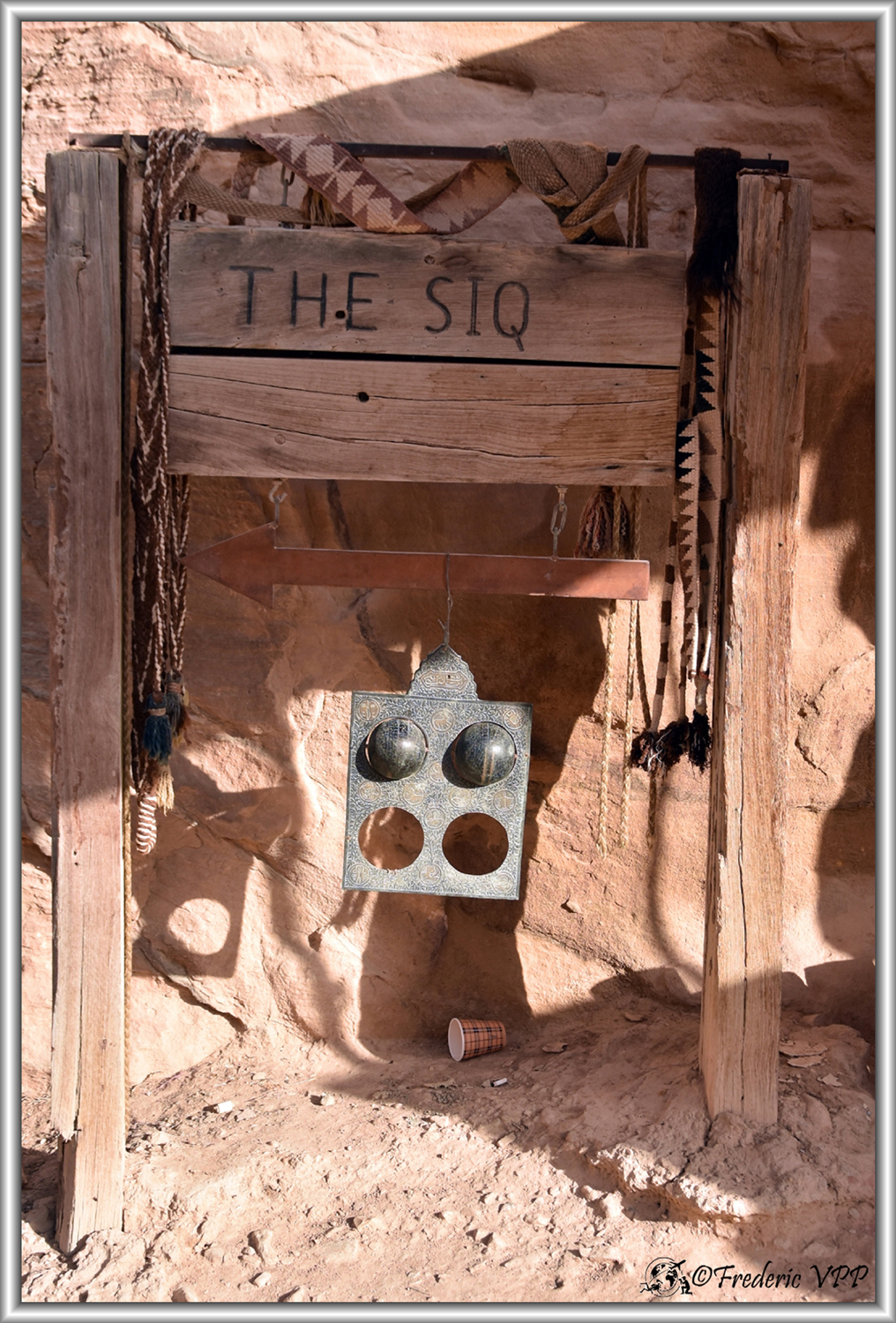
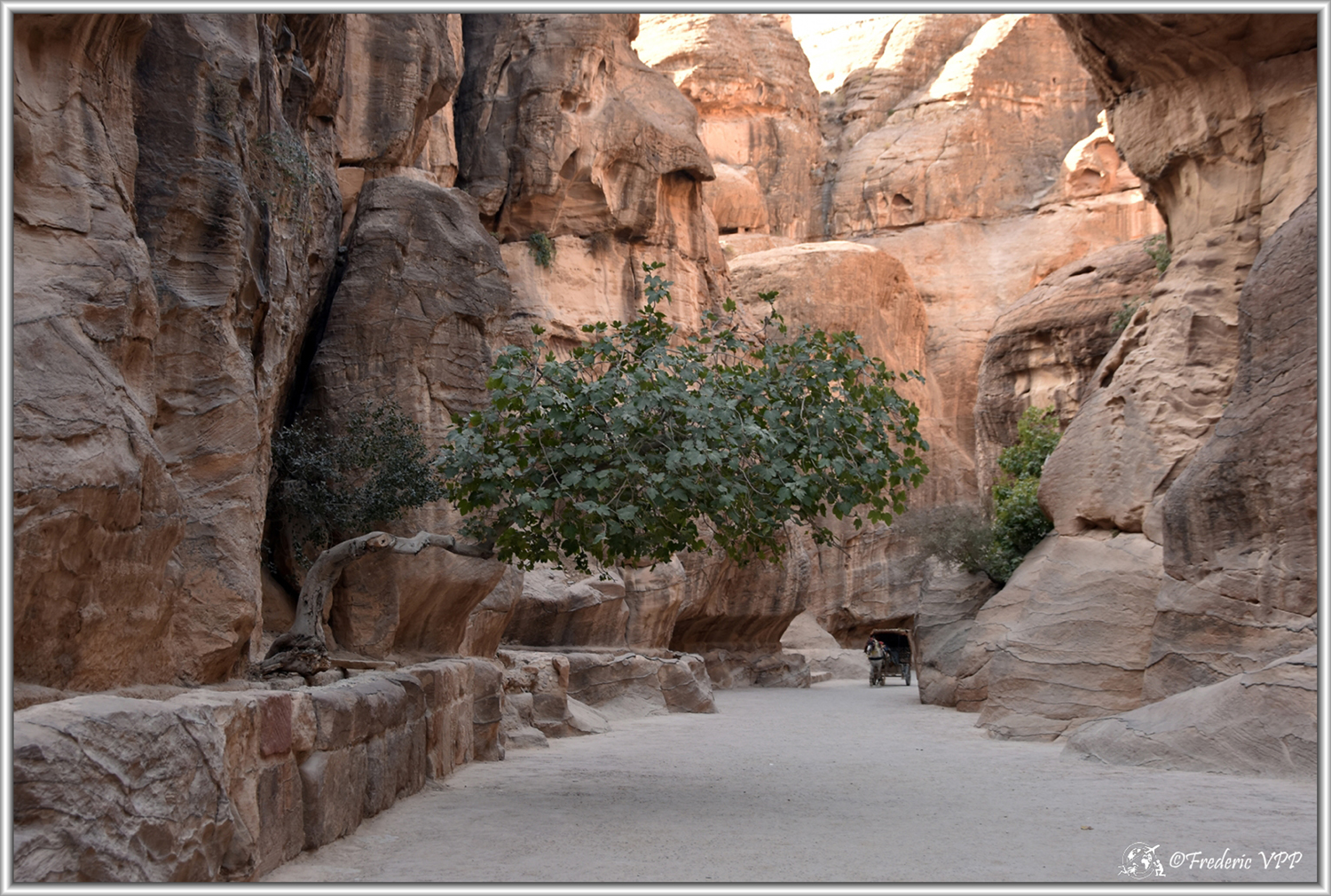
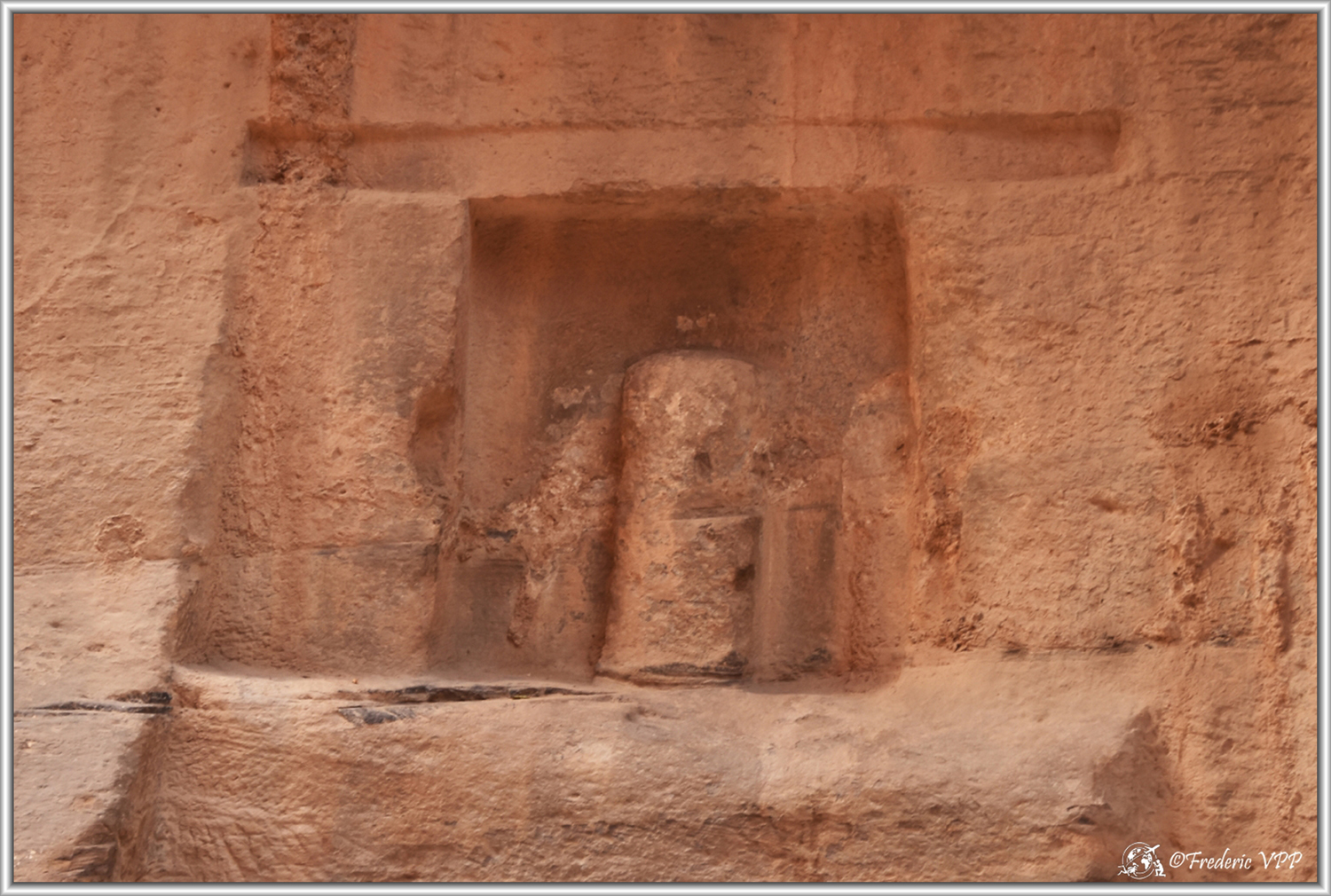
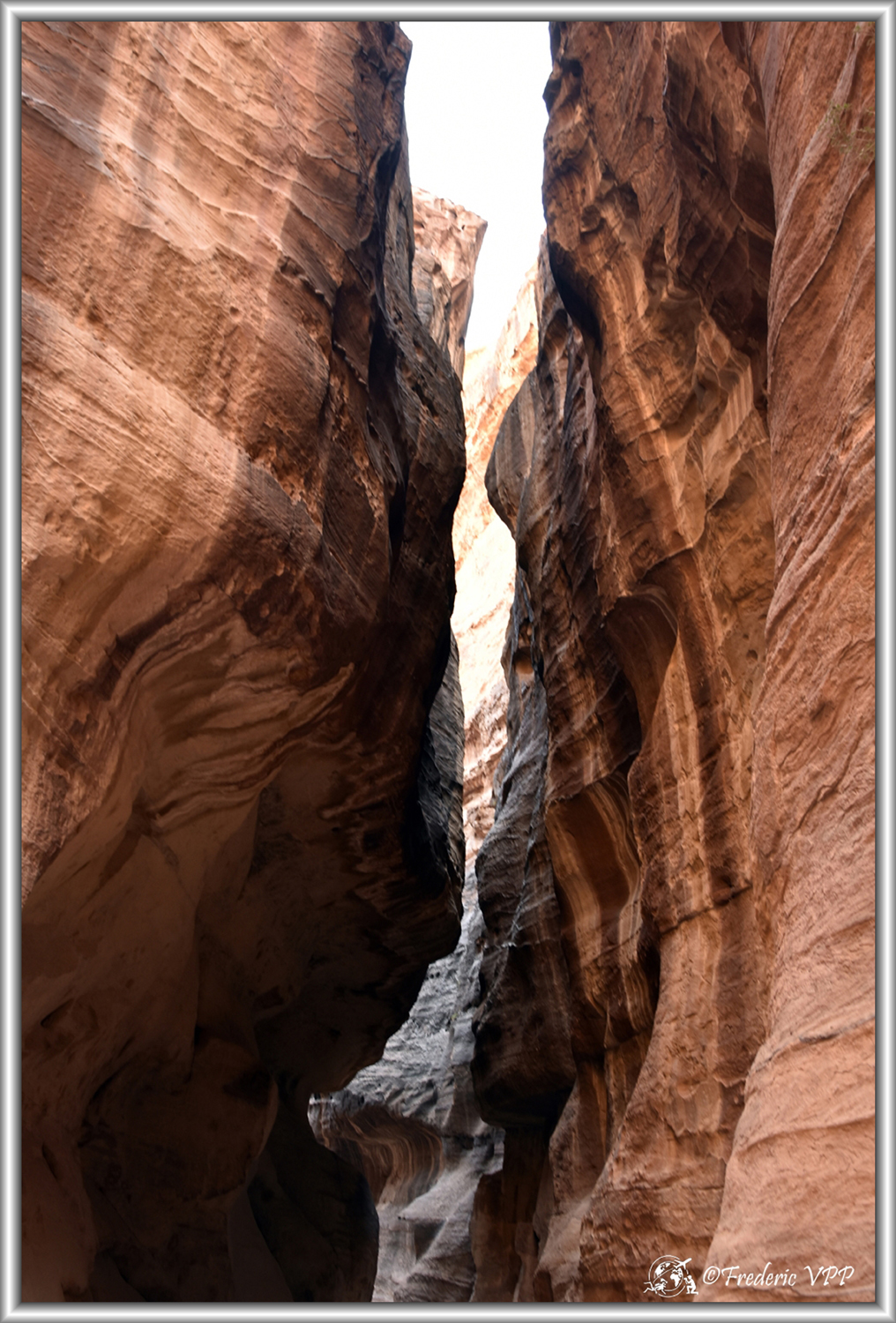
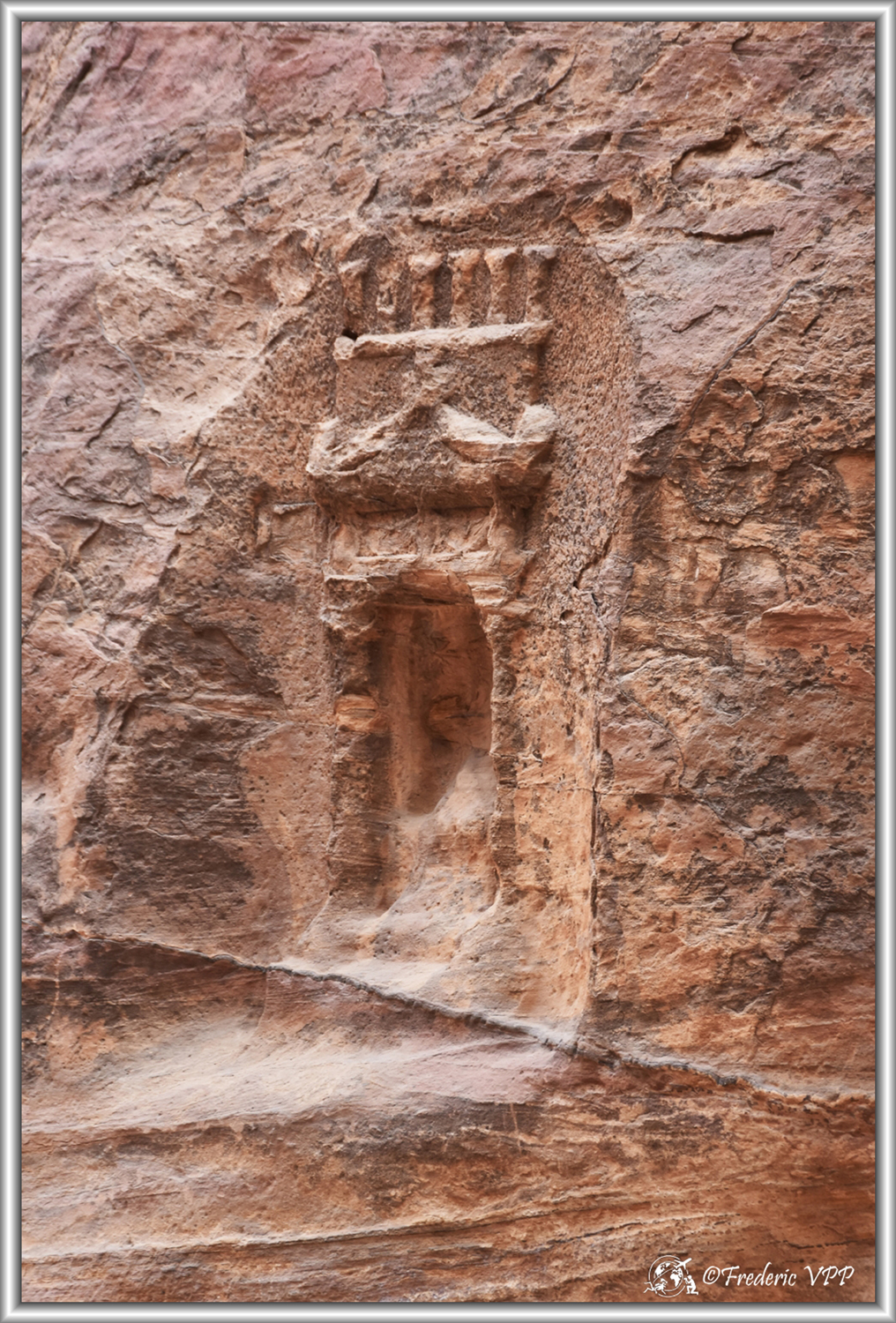
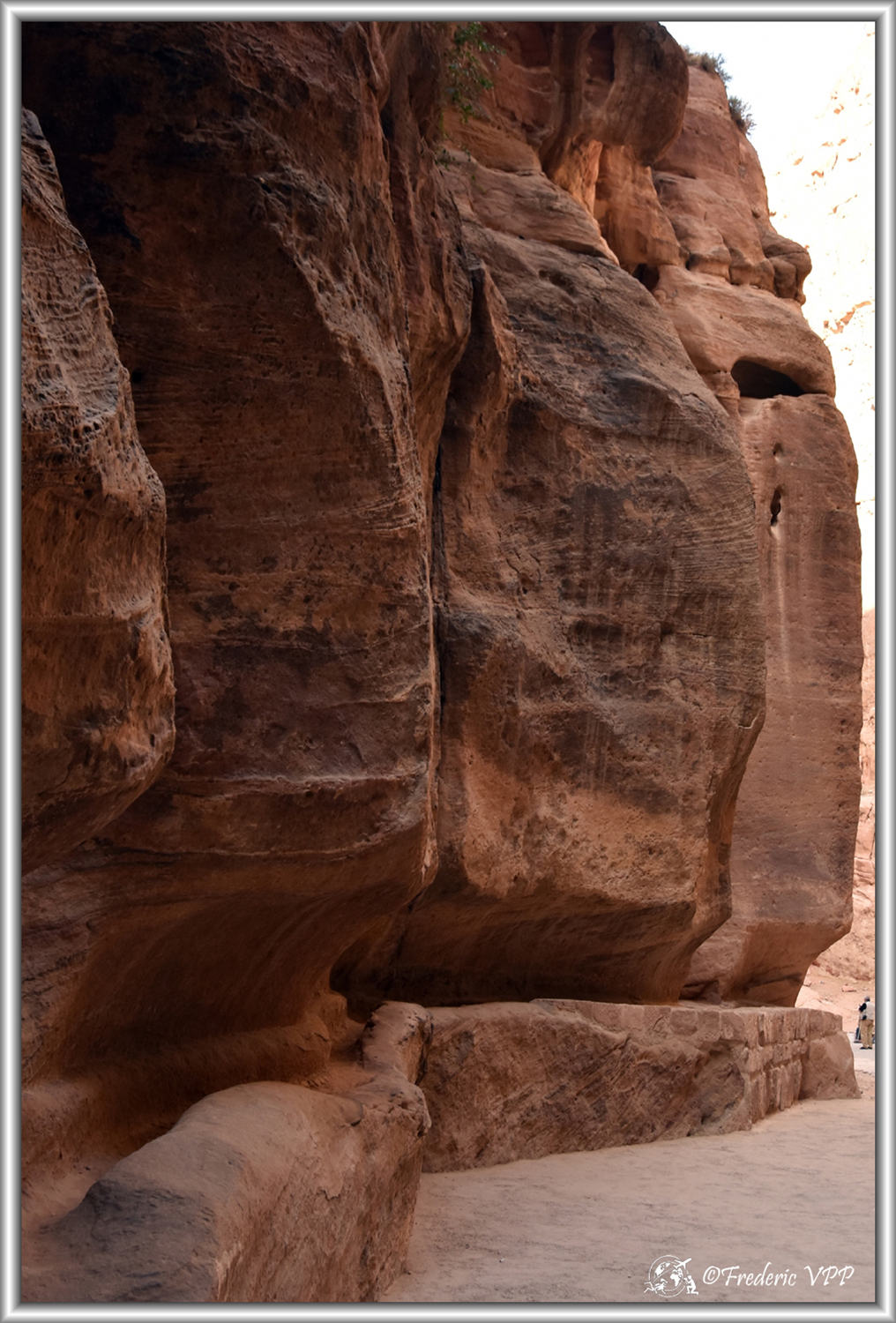
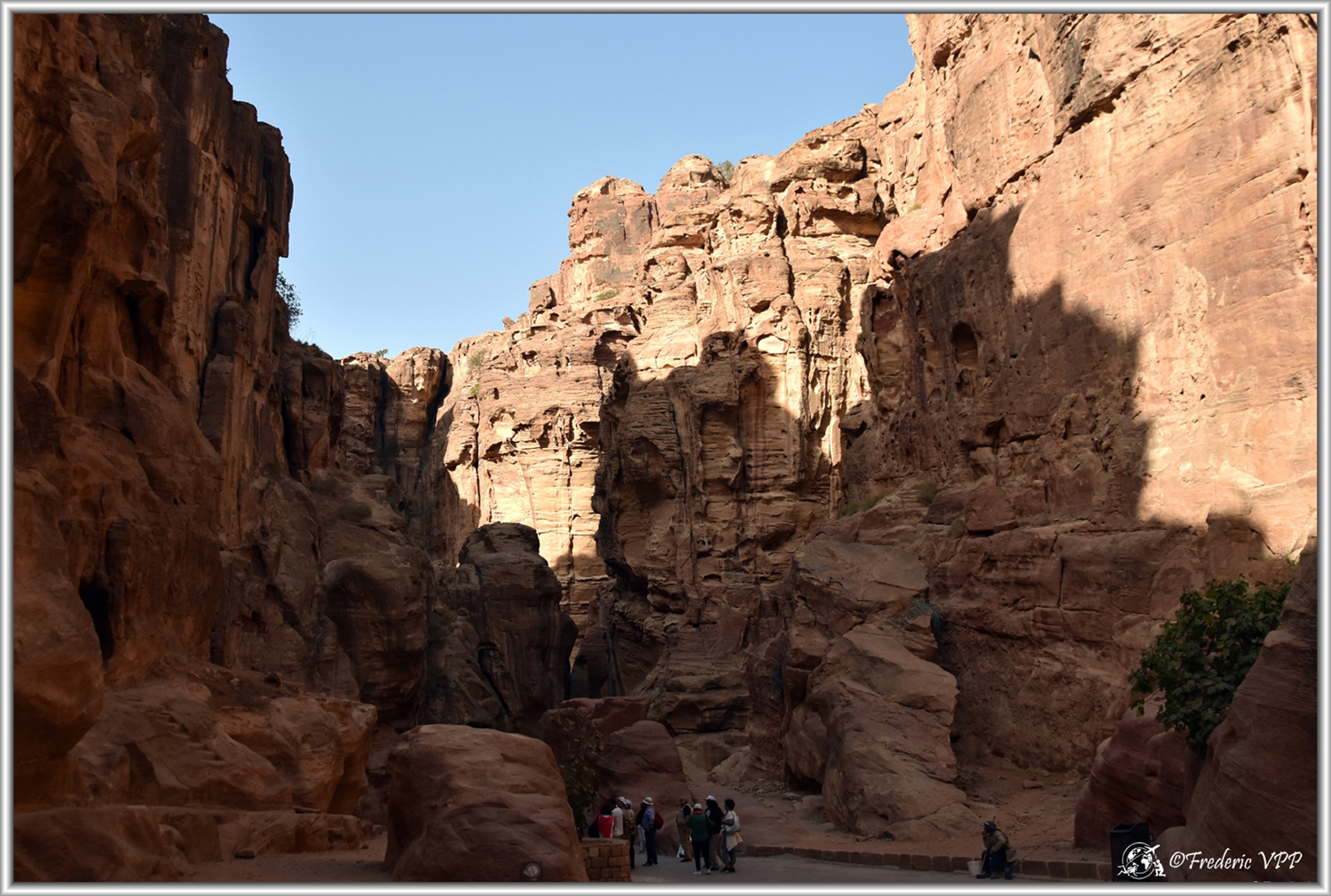
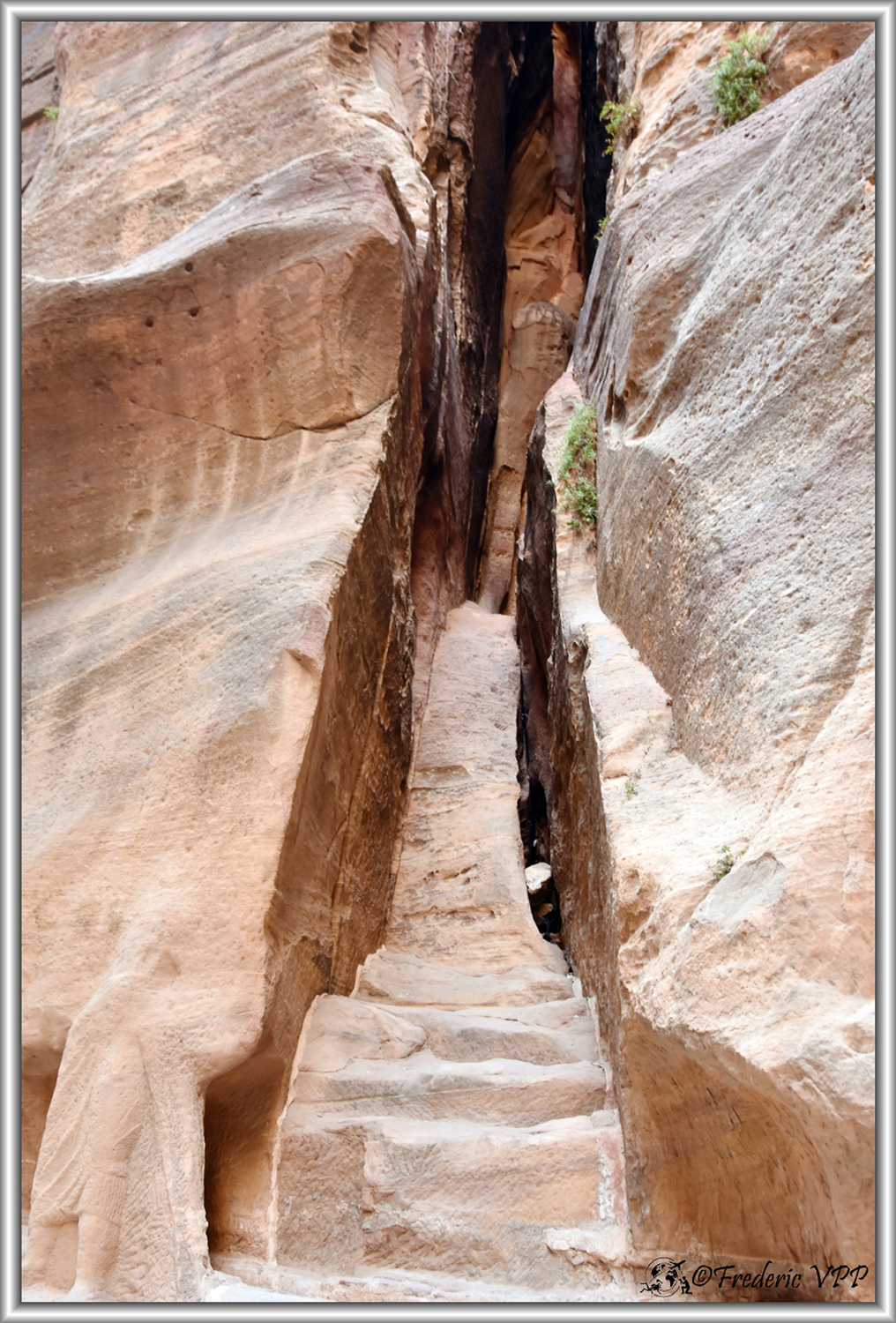
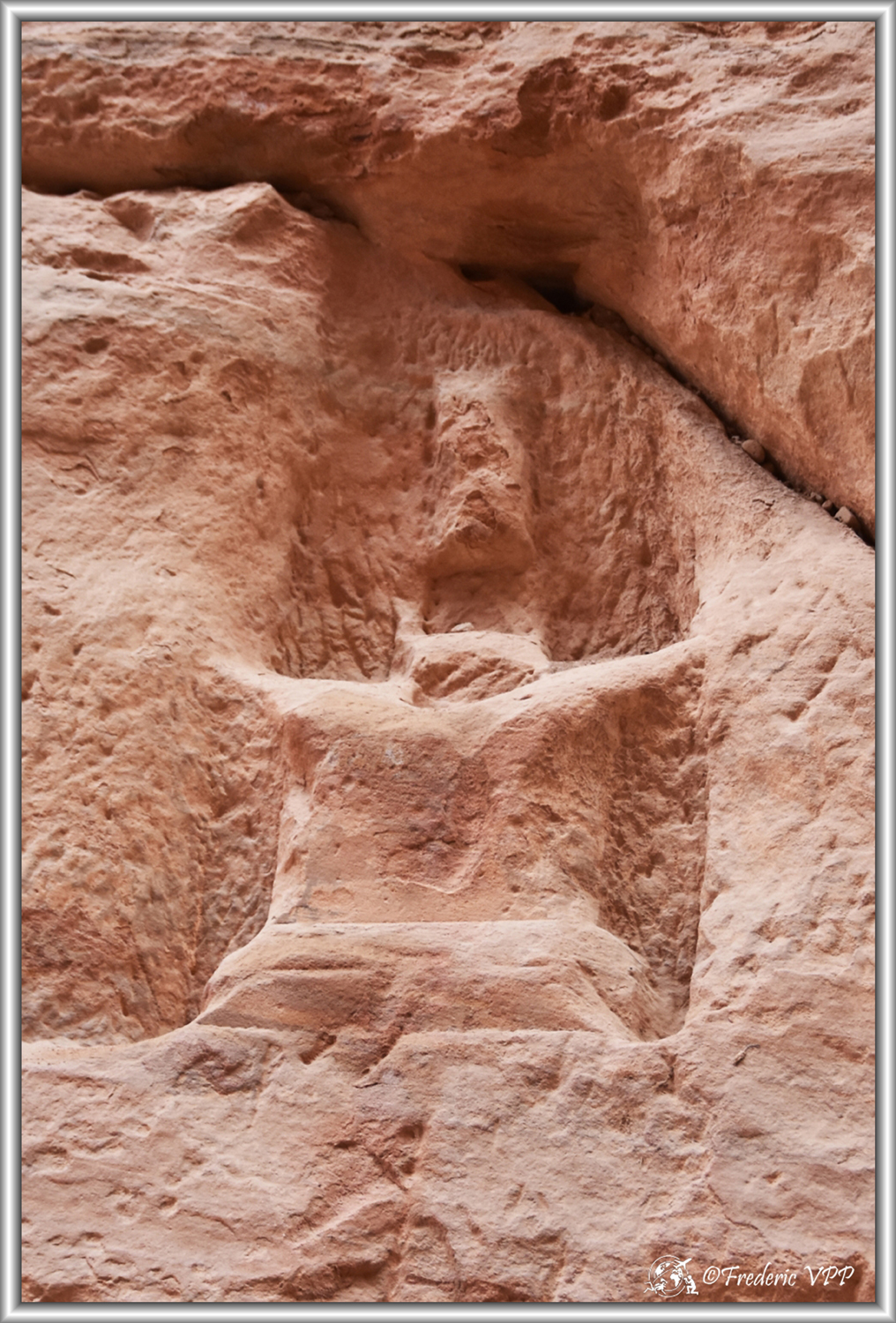
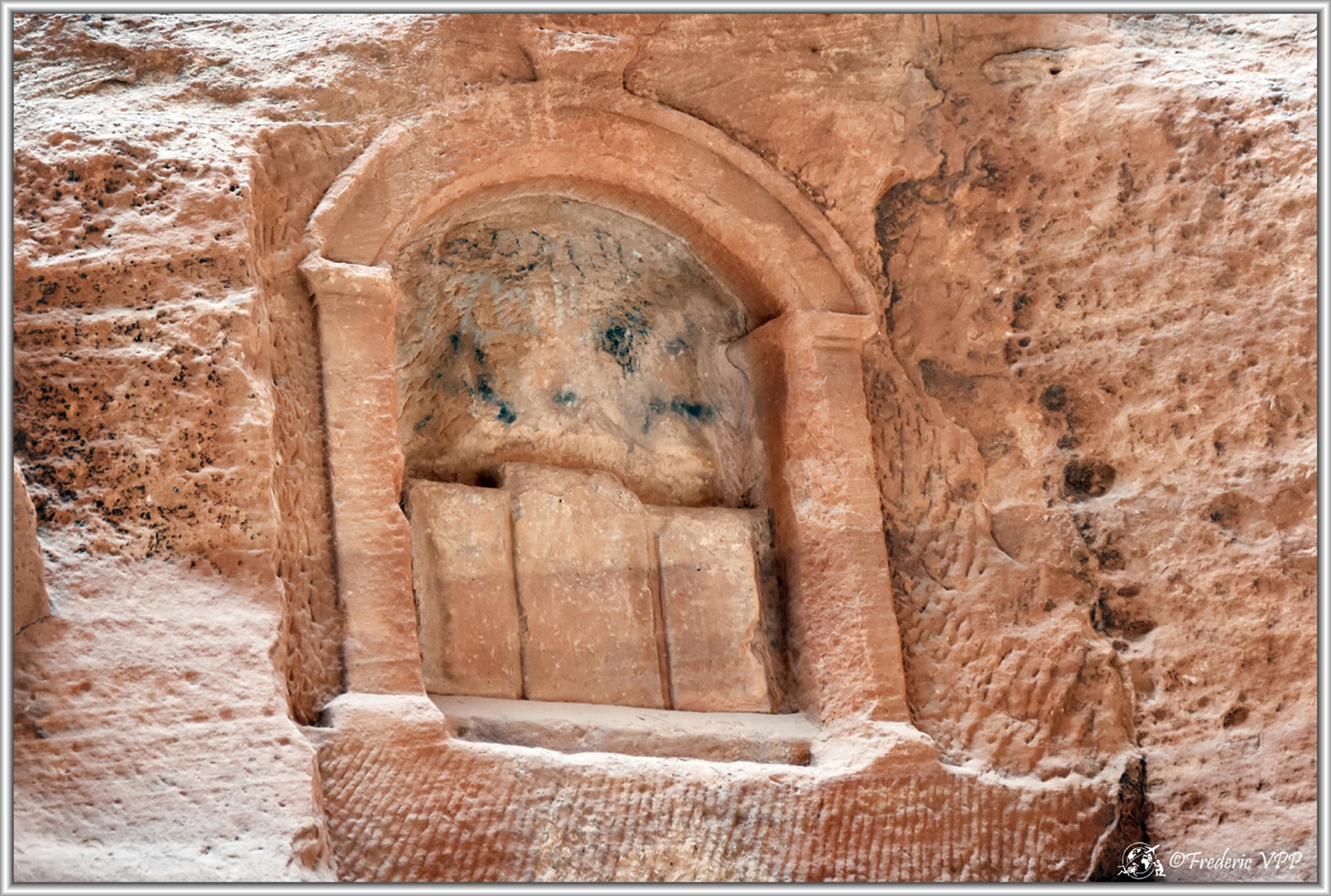
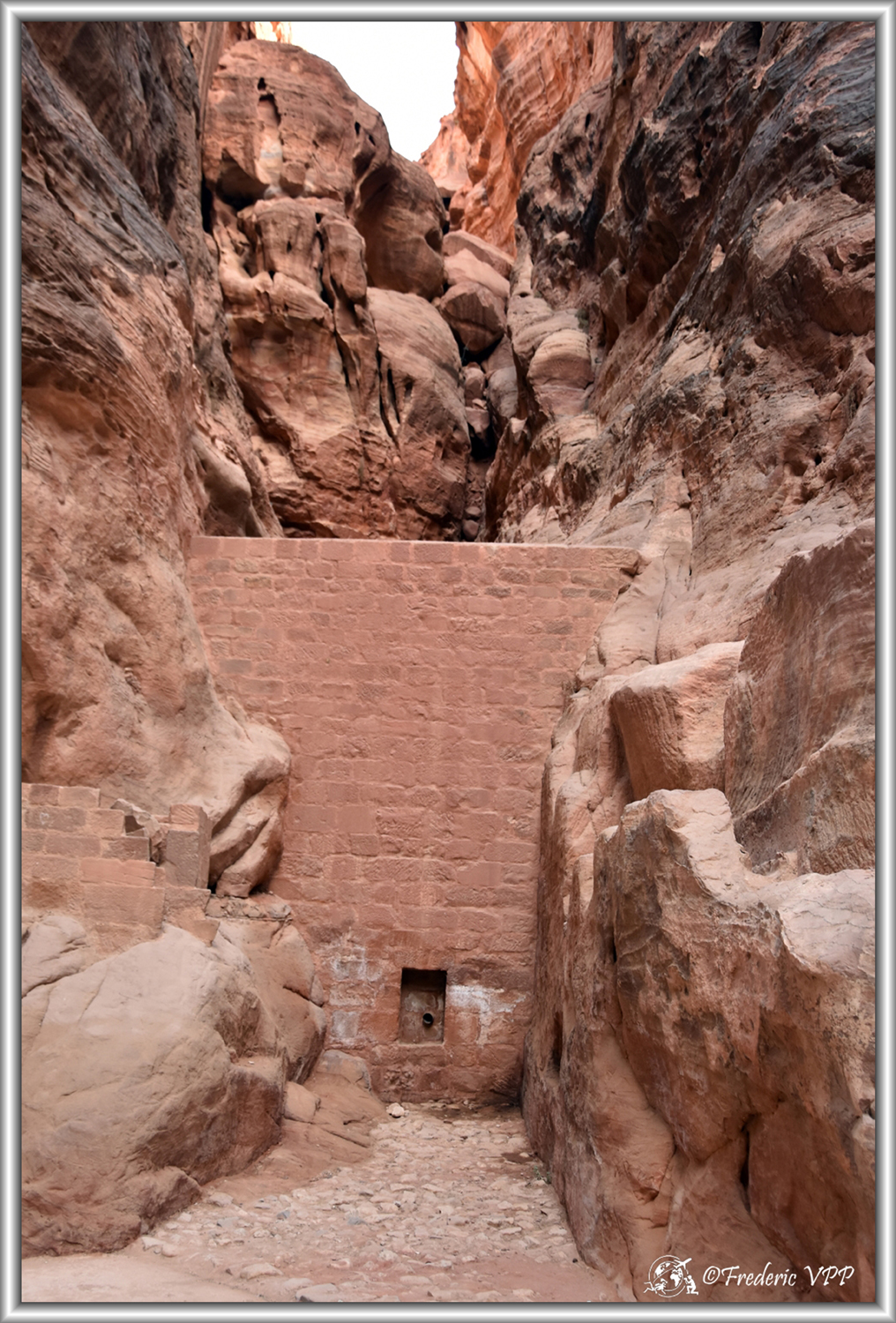
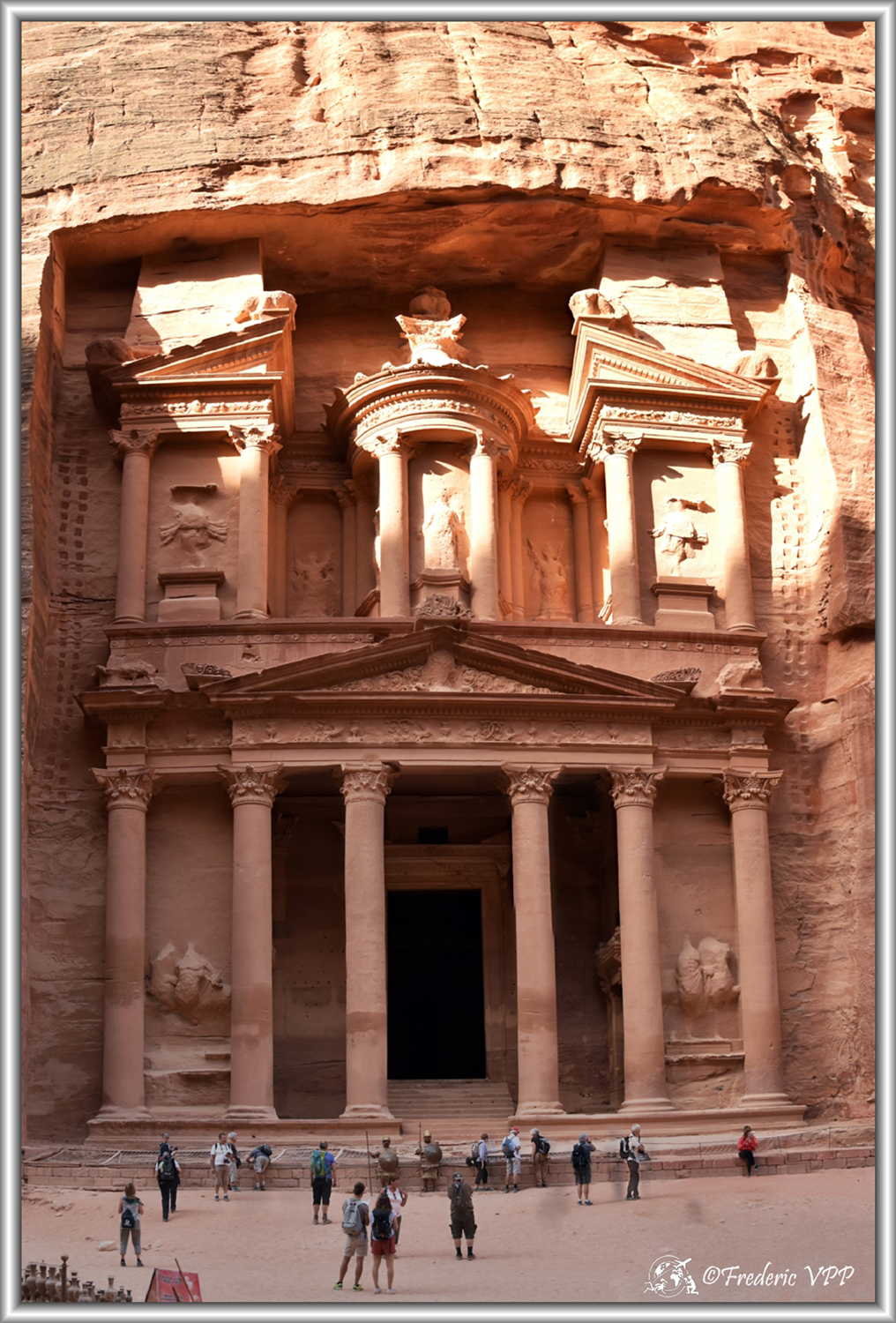
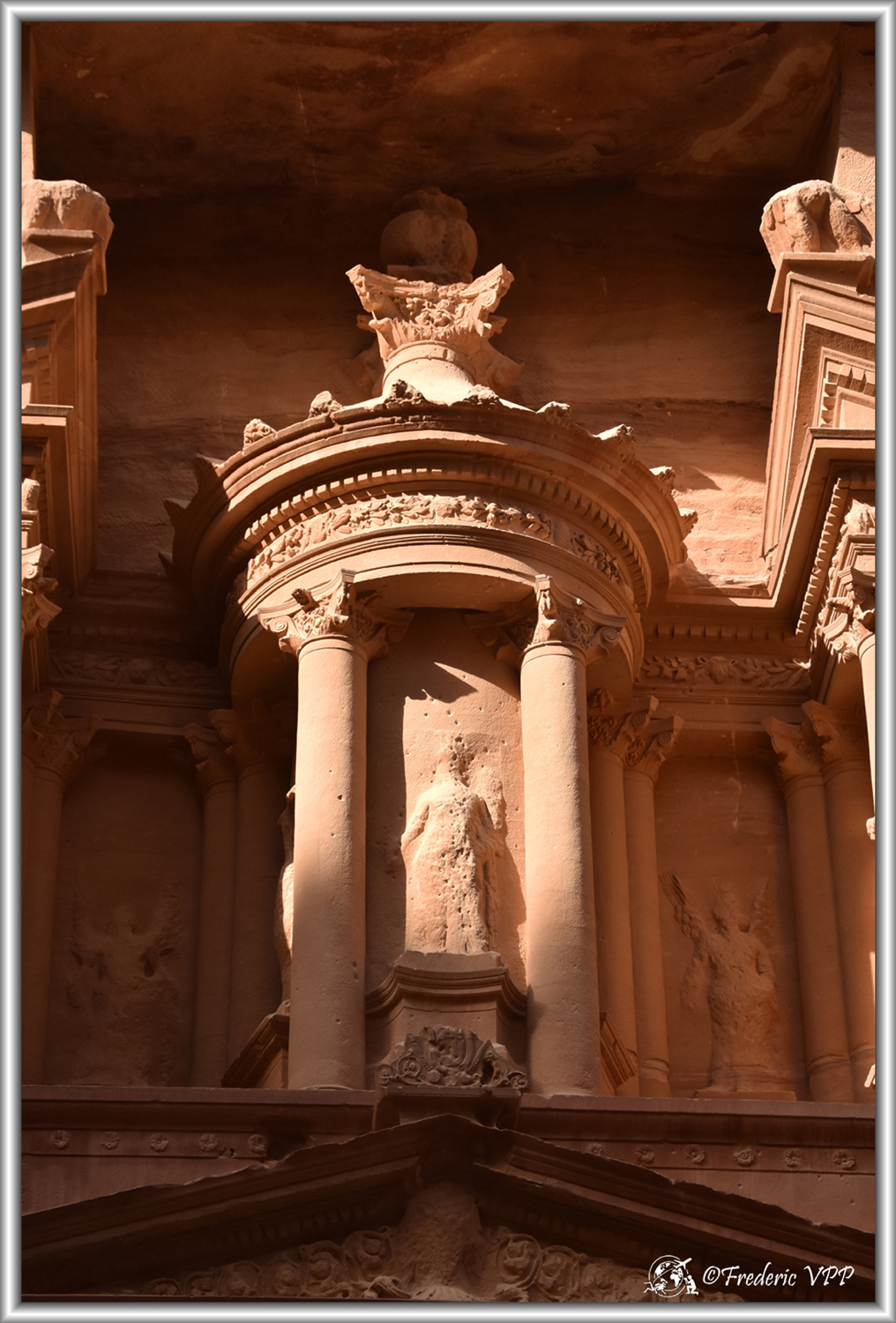
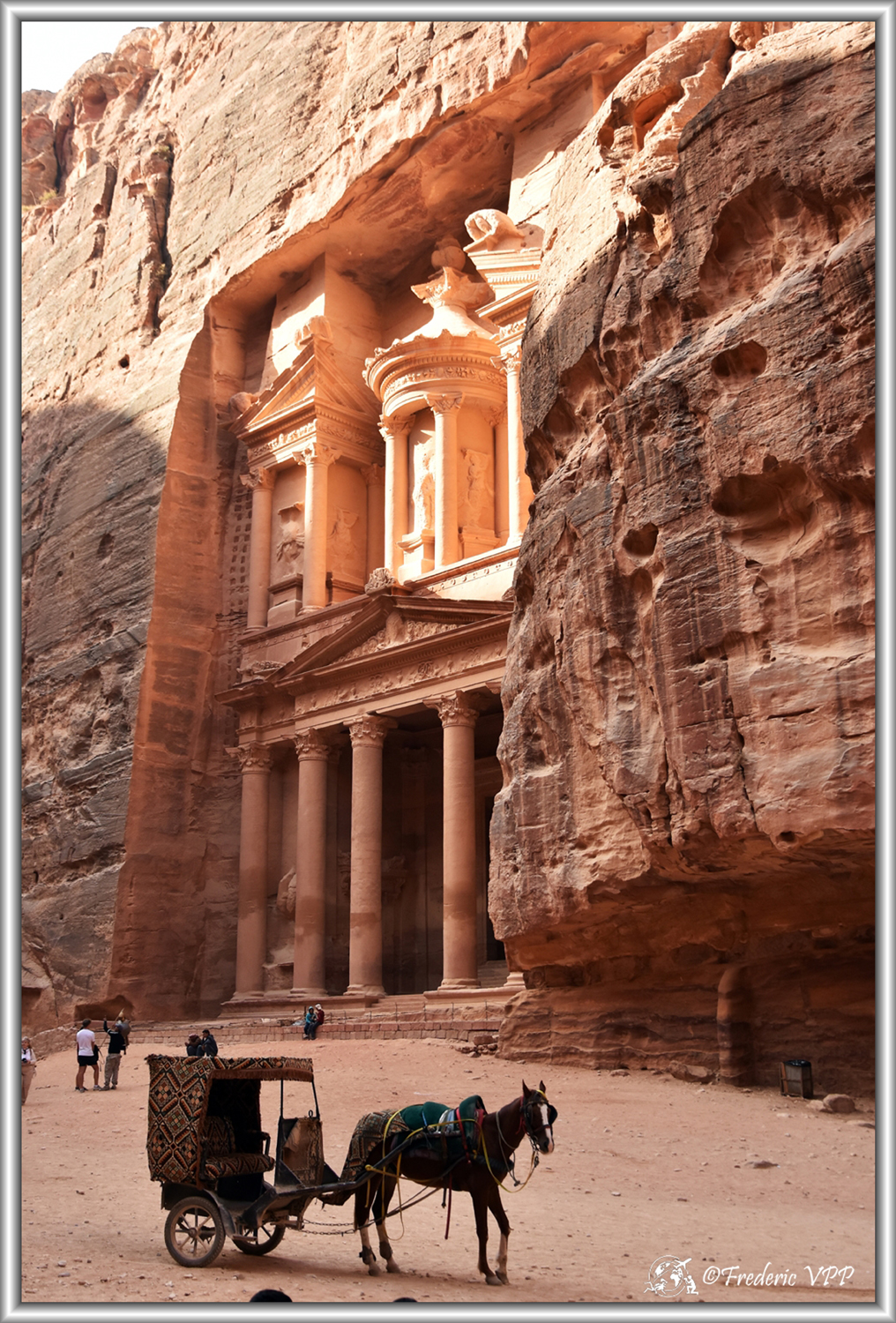
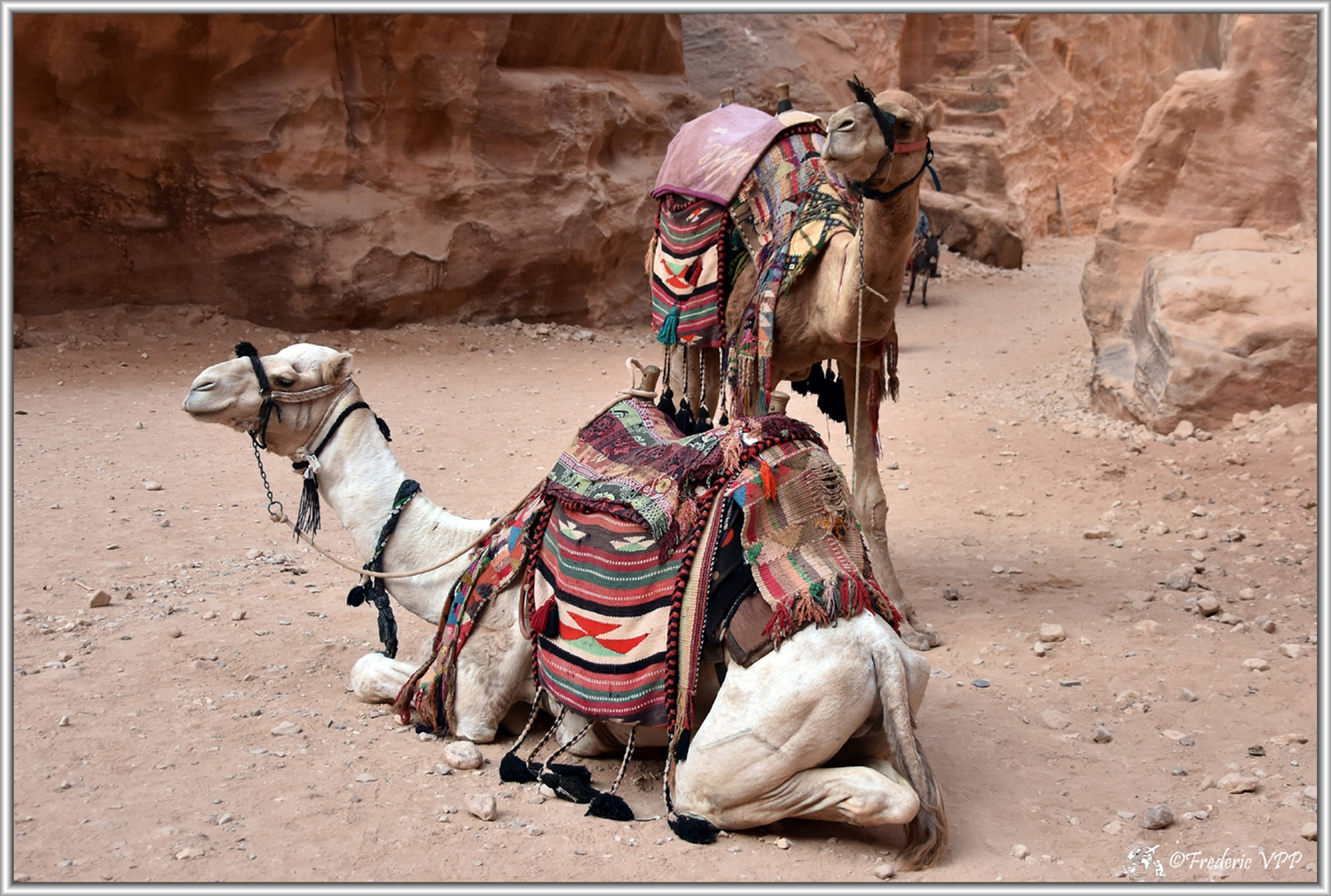
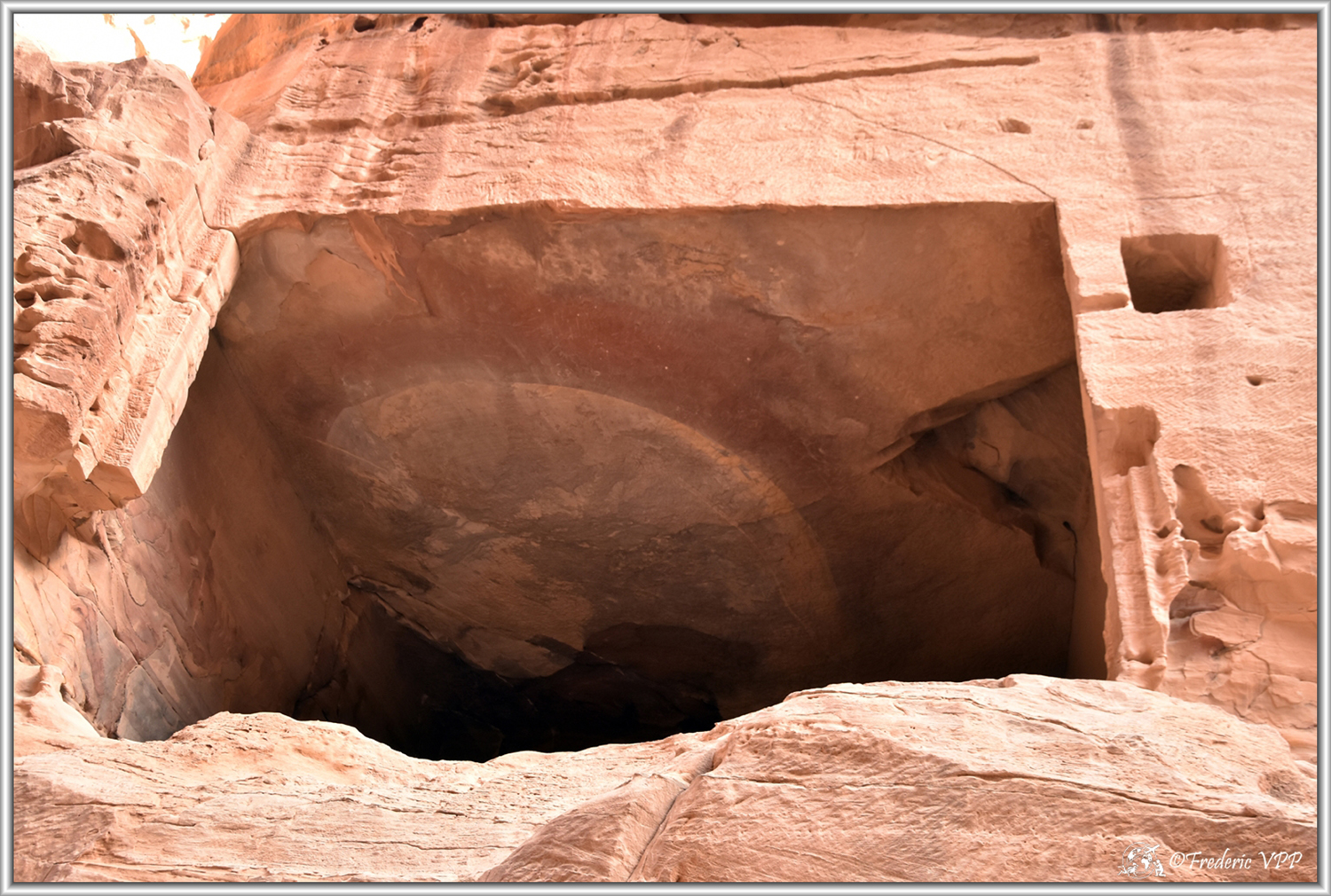
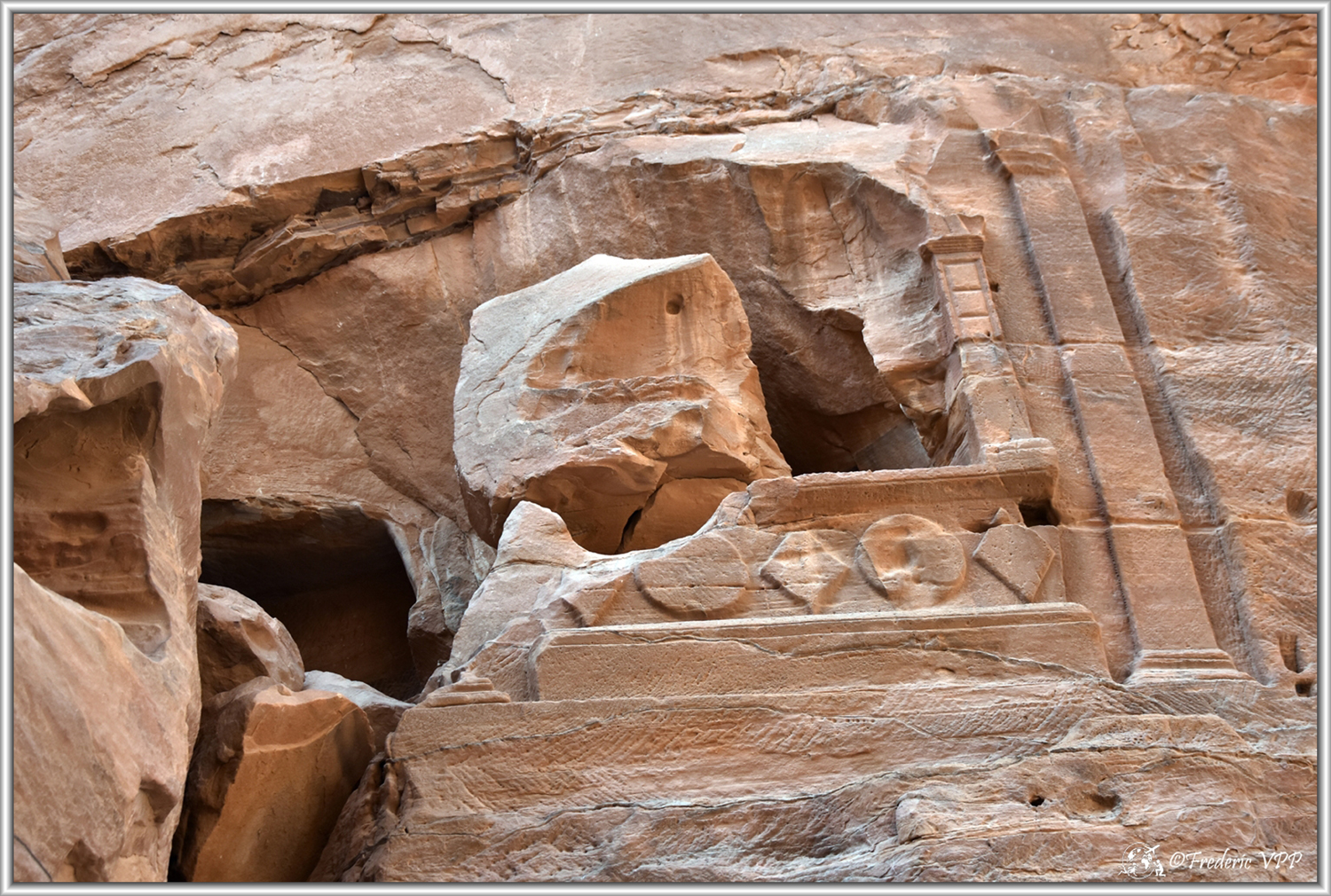
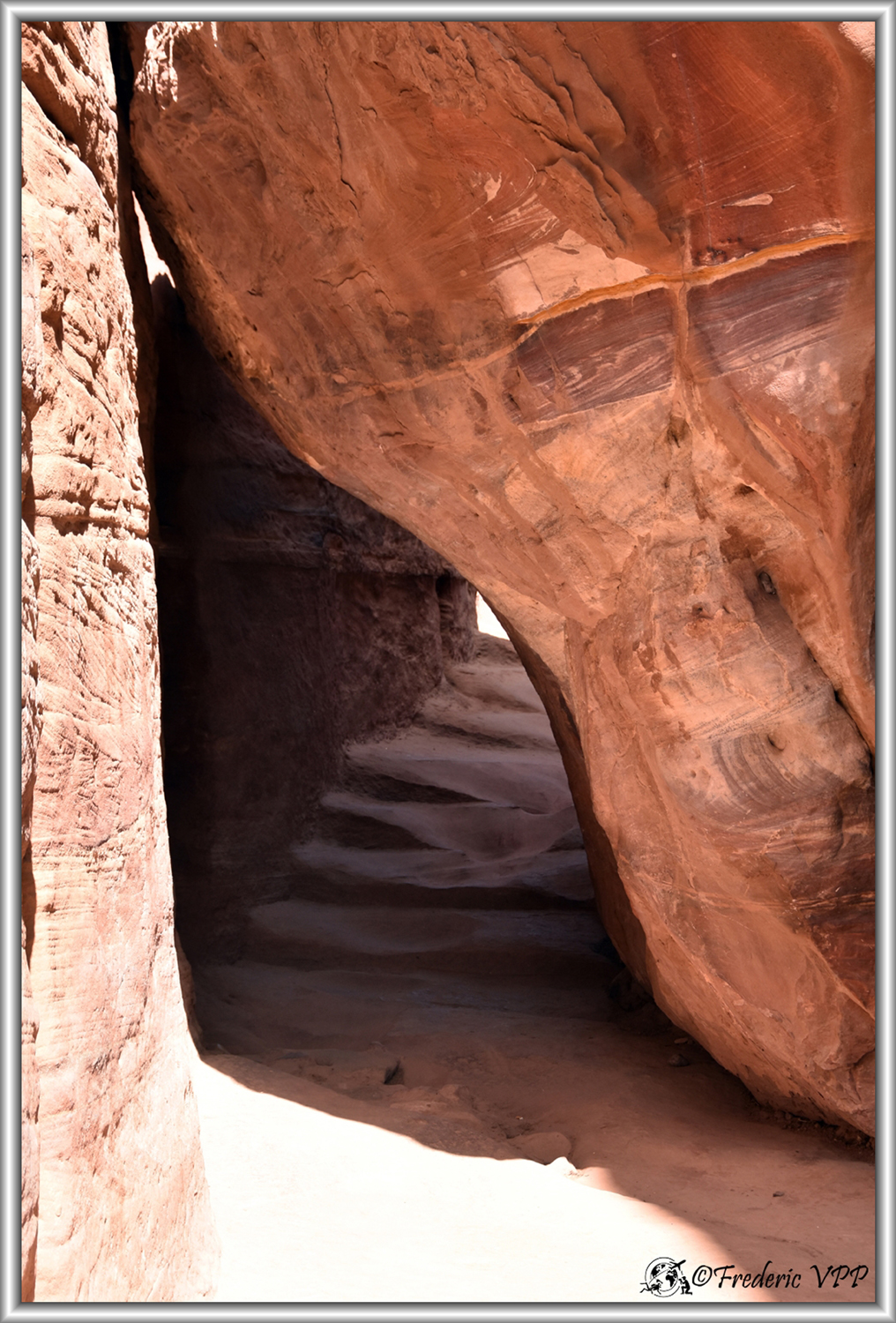
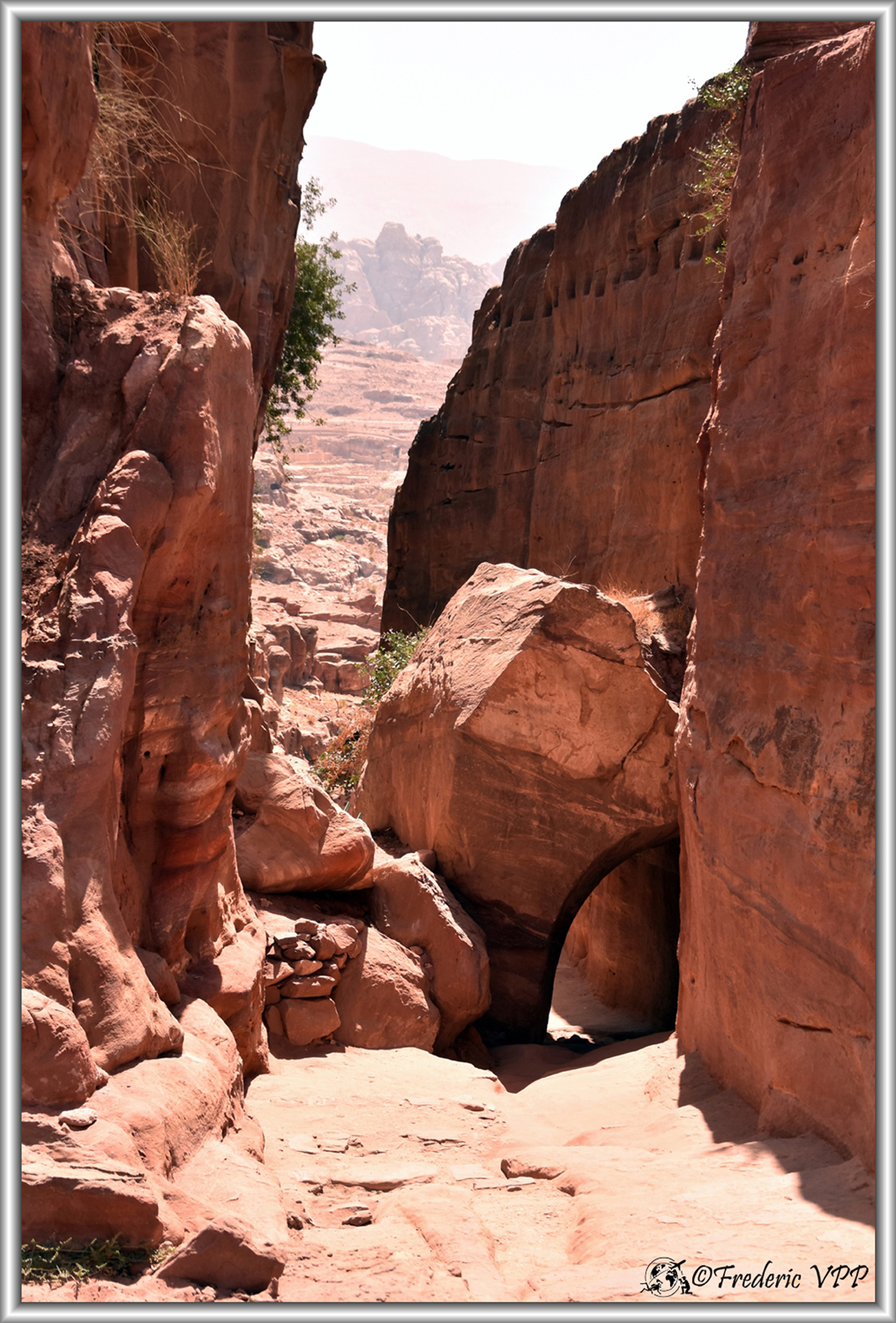
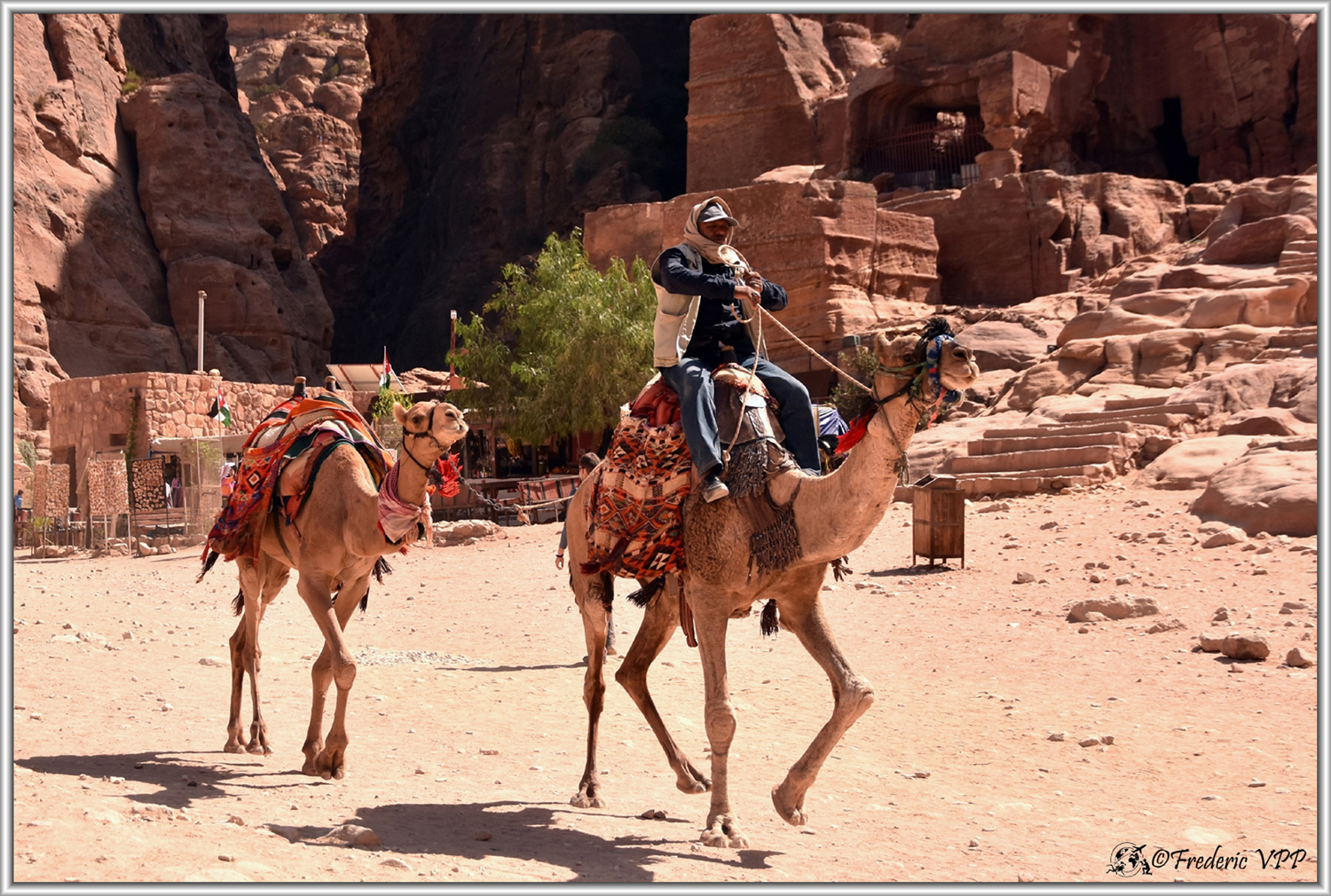
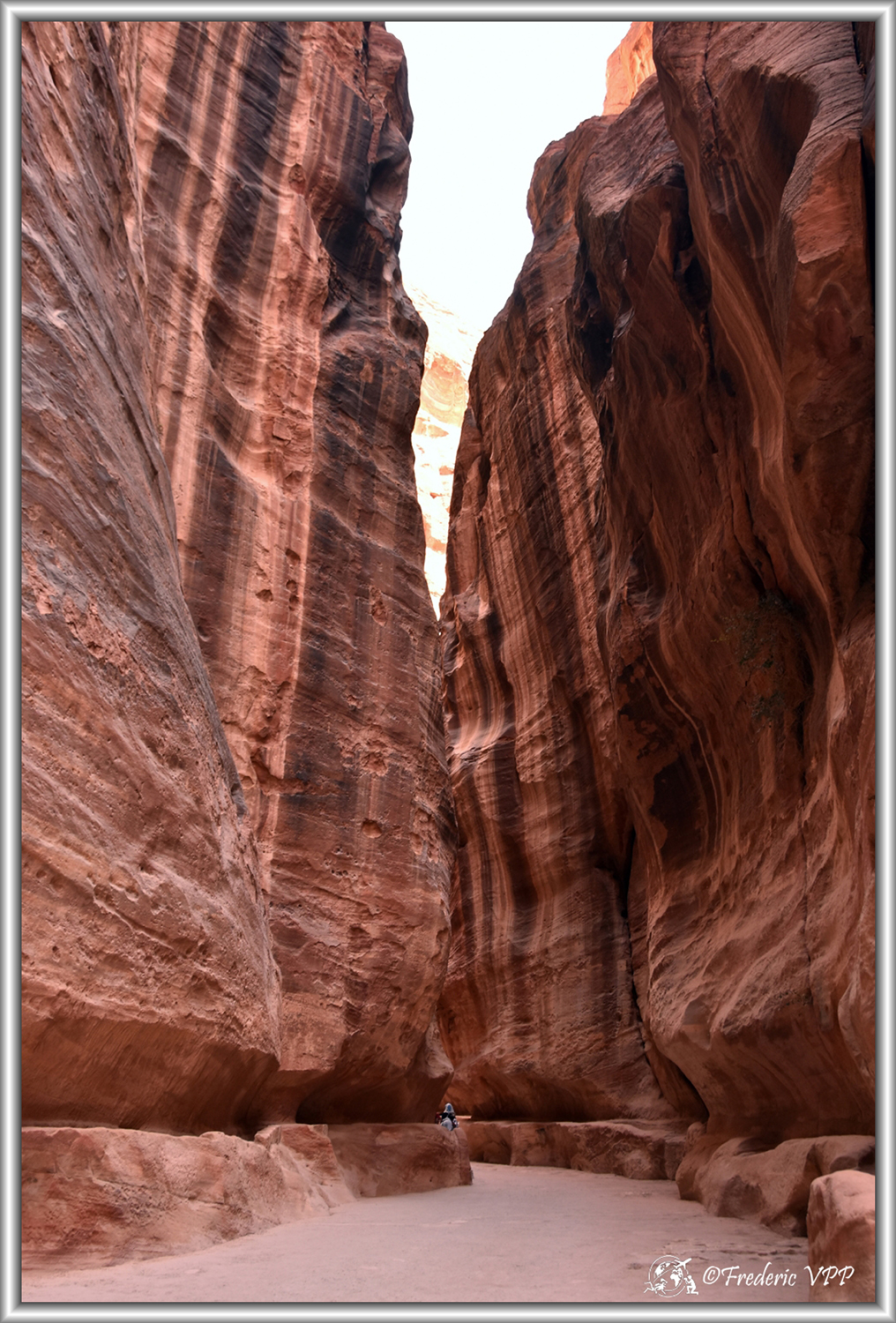
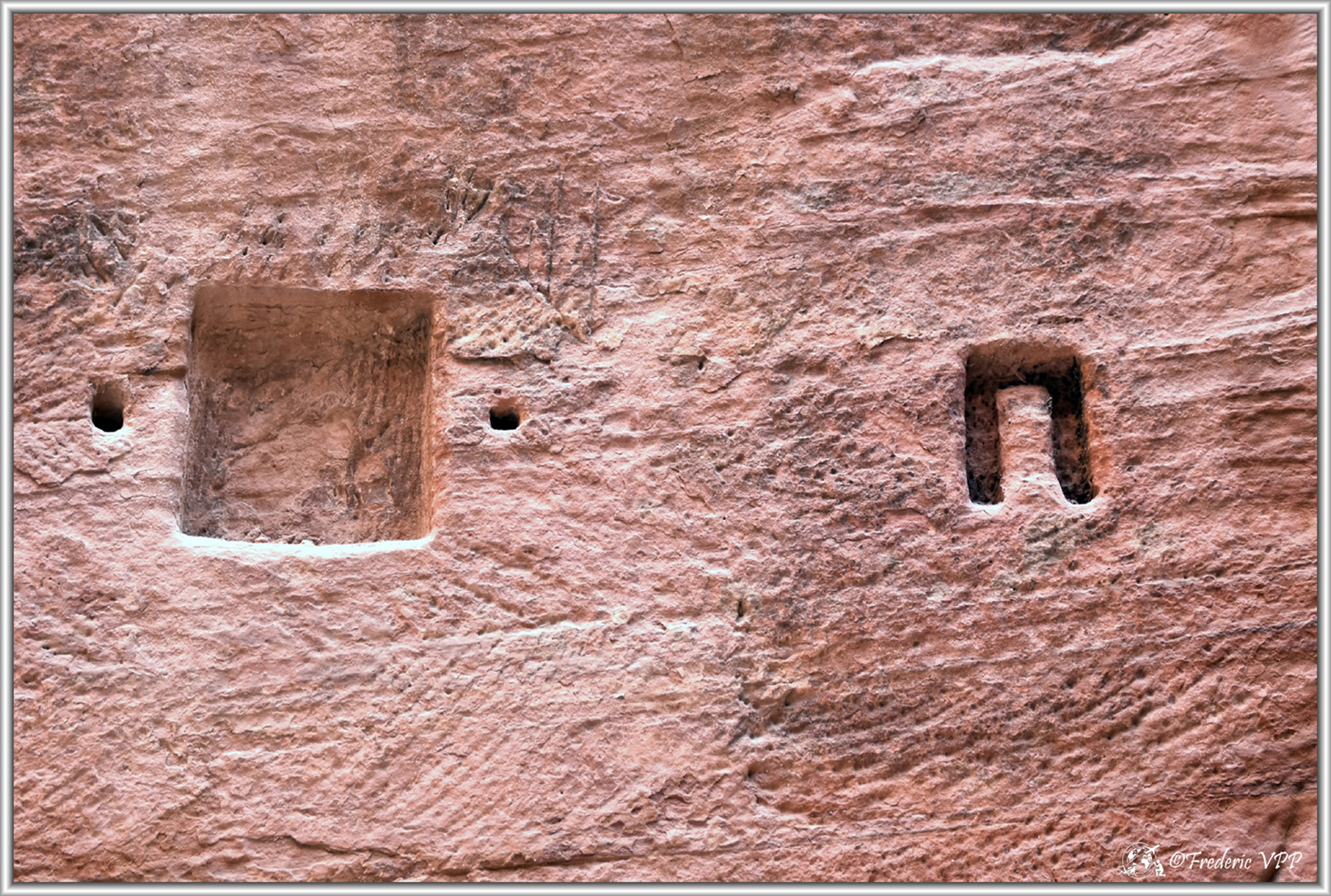
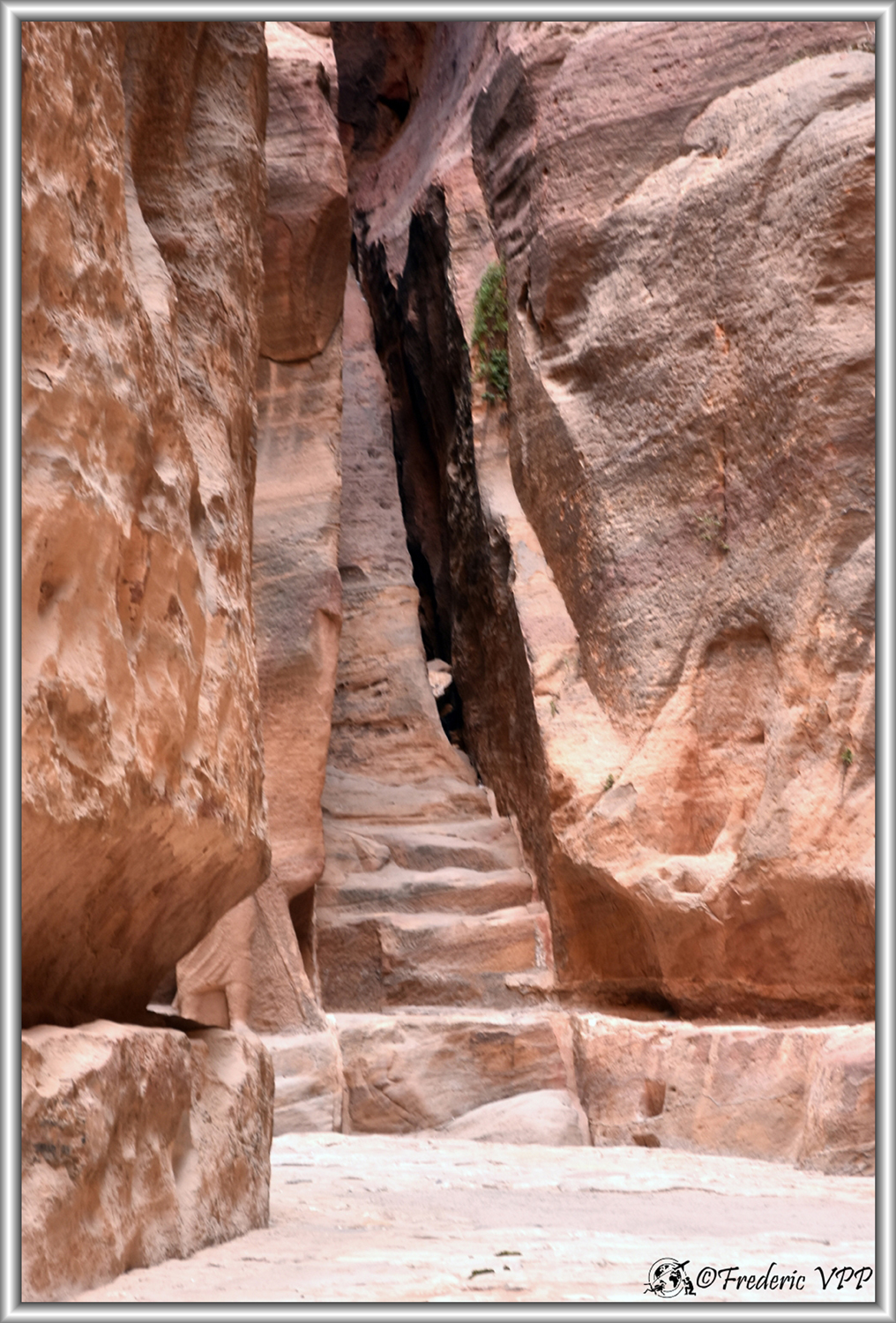
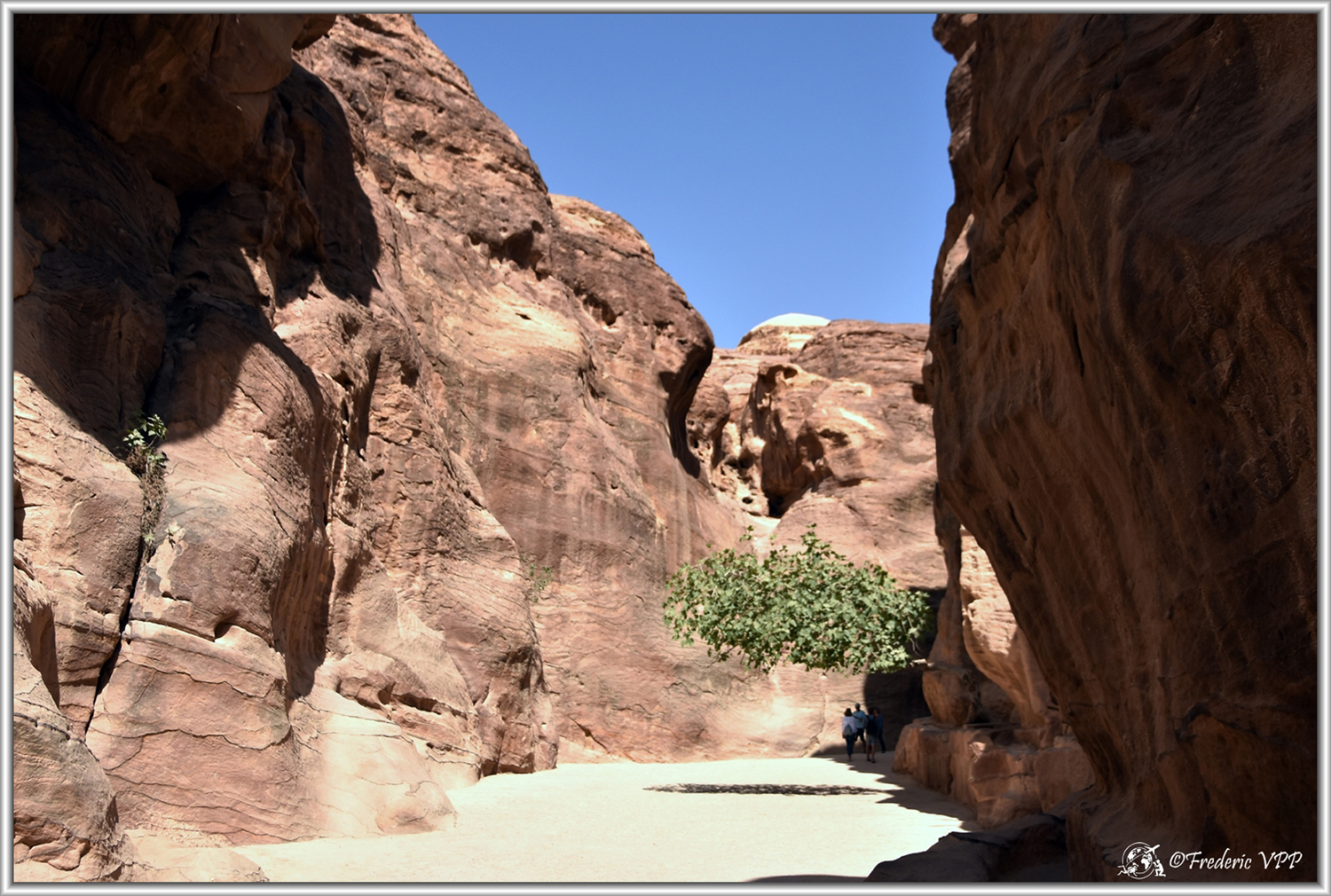
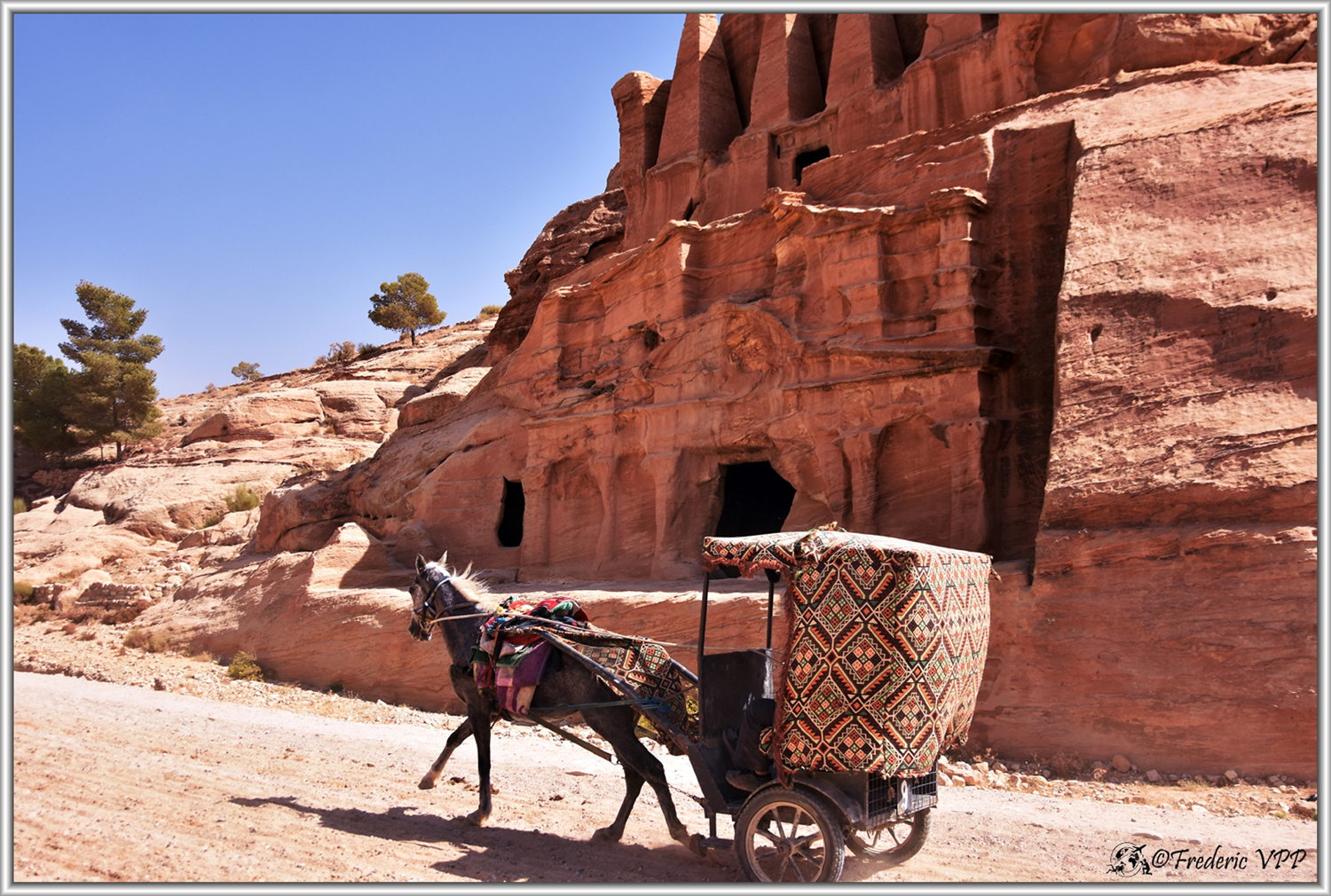
A short walk of 1km (0.62mi) before reaching Al Sîq ("The Ditch"). You will then discover the entrance to the 1.2km (0.74mi) gorge that will lead you to "Khazneh" ("The Pharaoh's Treasury"), Petra's best-known monument. This procession is splendid by the colors and its dimensions. You will also discover small votive niches containing sculptures of gods, or the "aqueducts" which have been shaped in the rock on each side, in order to supply water to the city in the center of Petra, as you will see in the photographs . In addition, small dams have been created as well as water reservoirs. On this path, you will also discover the remains of a very damaged road which represented a dromedary and camel drivers arriving at their destination ; the great caravan city and capital of the Nabataeans. And finally, at the end of this parade, you discover the Khazneh, with the pink sandstone facade carved directly into the rock.
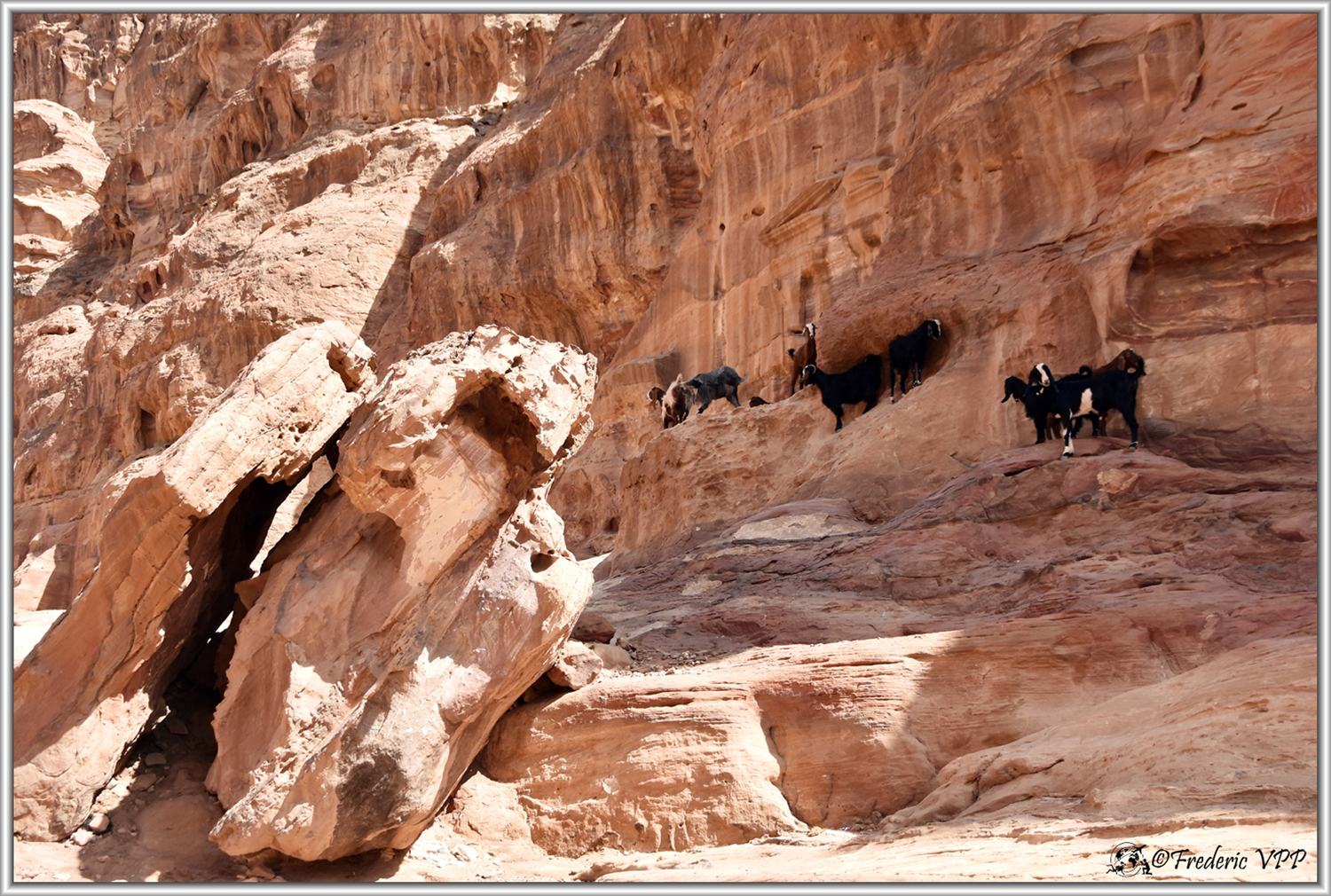
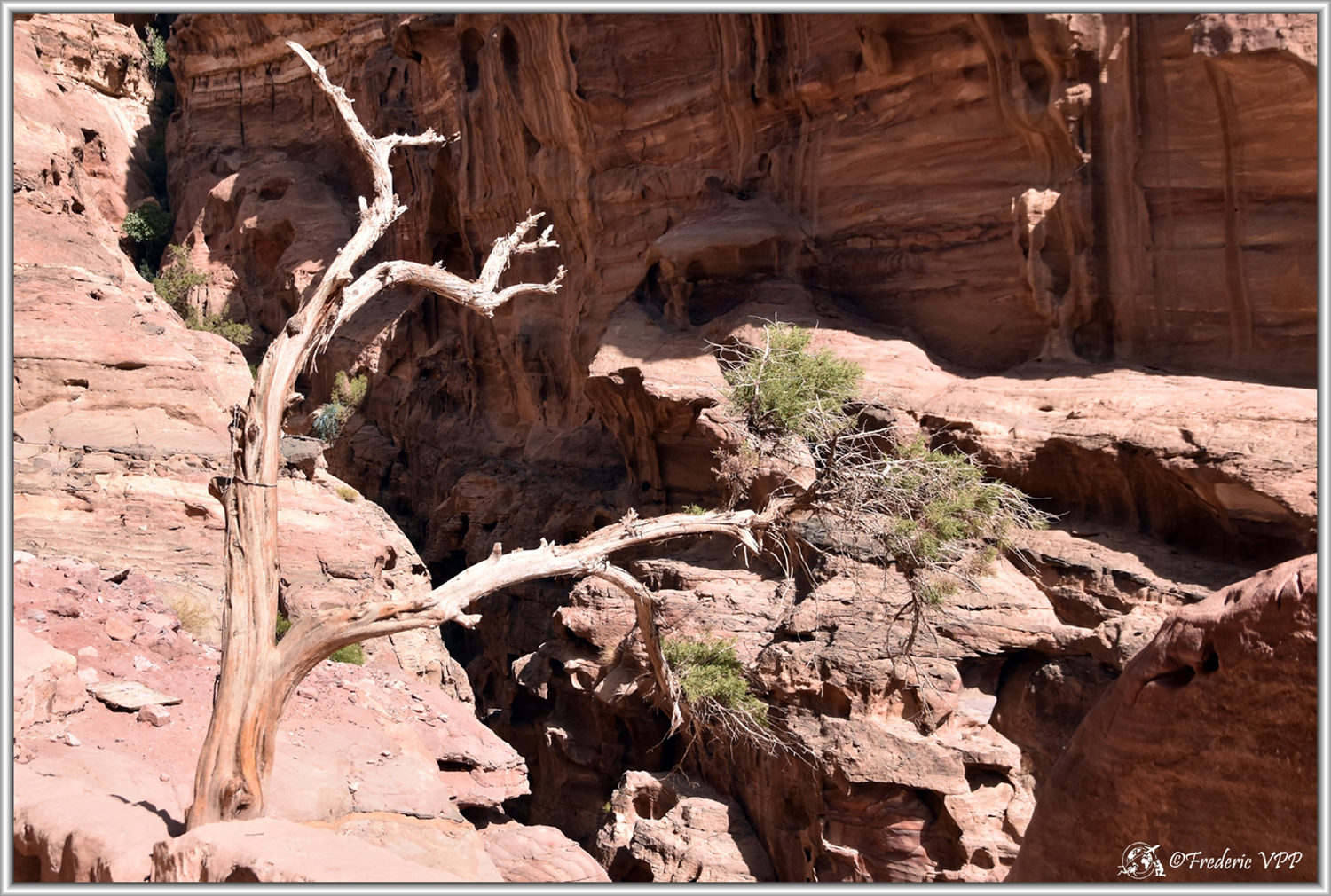
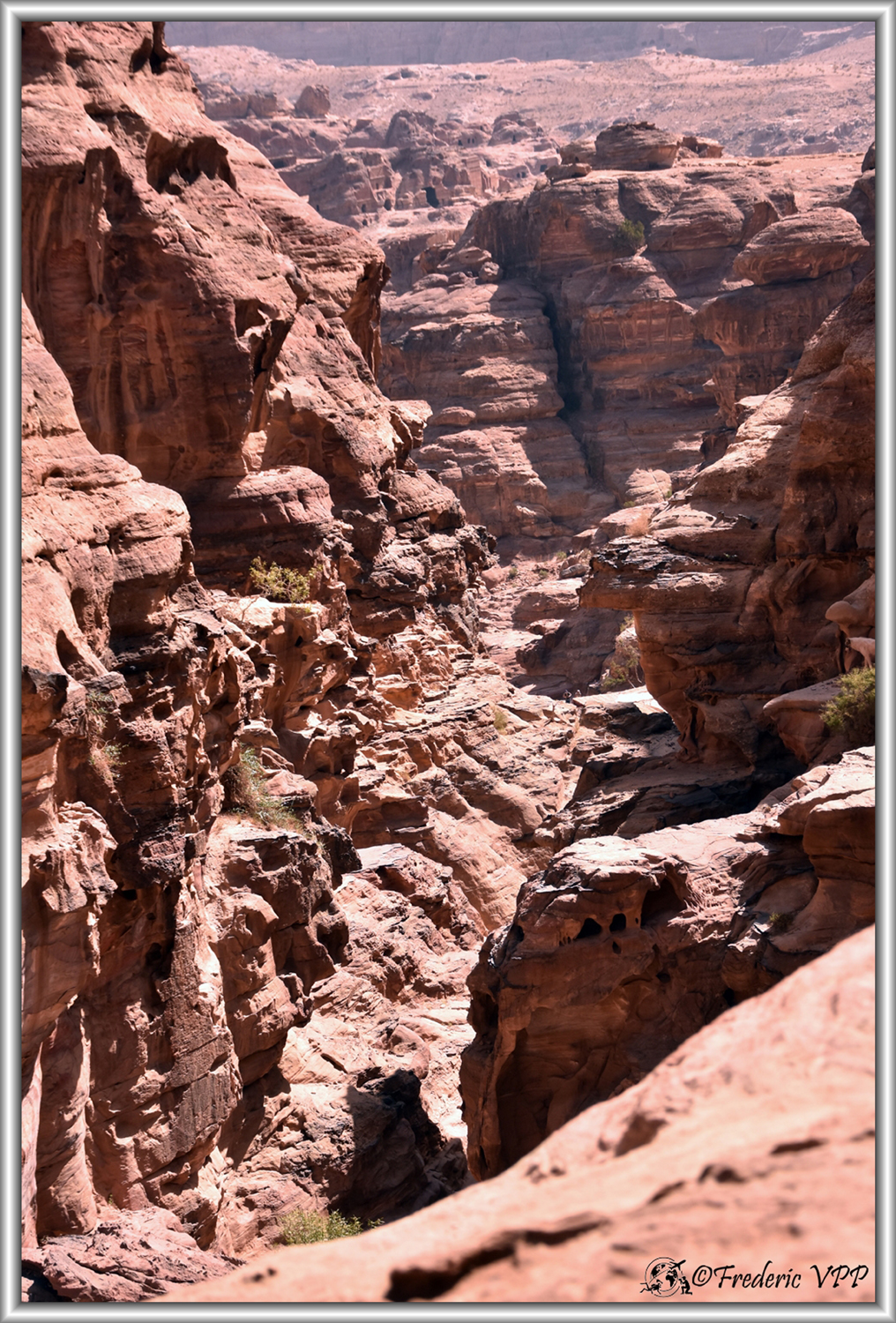
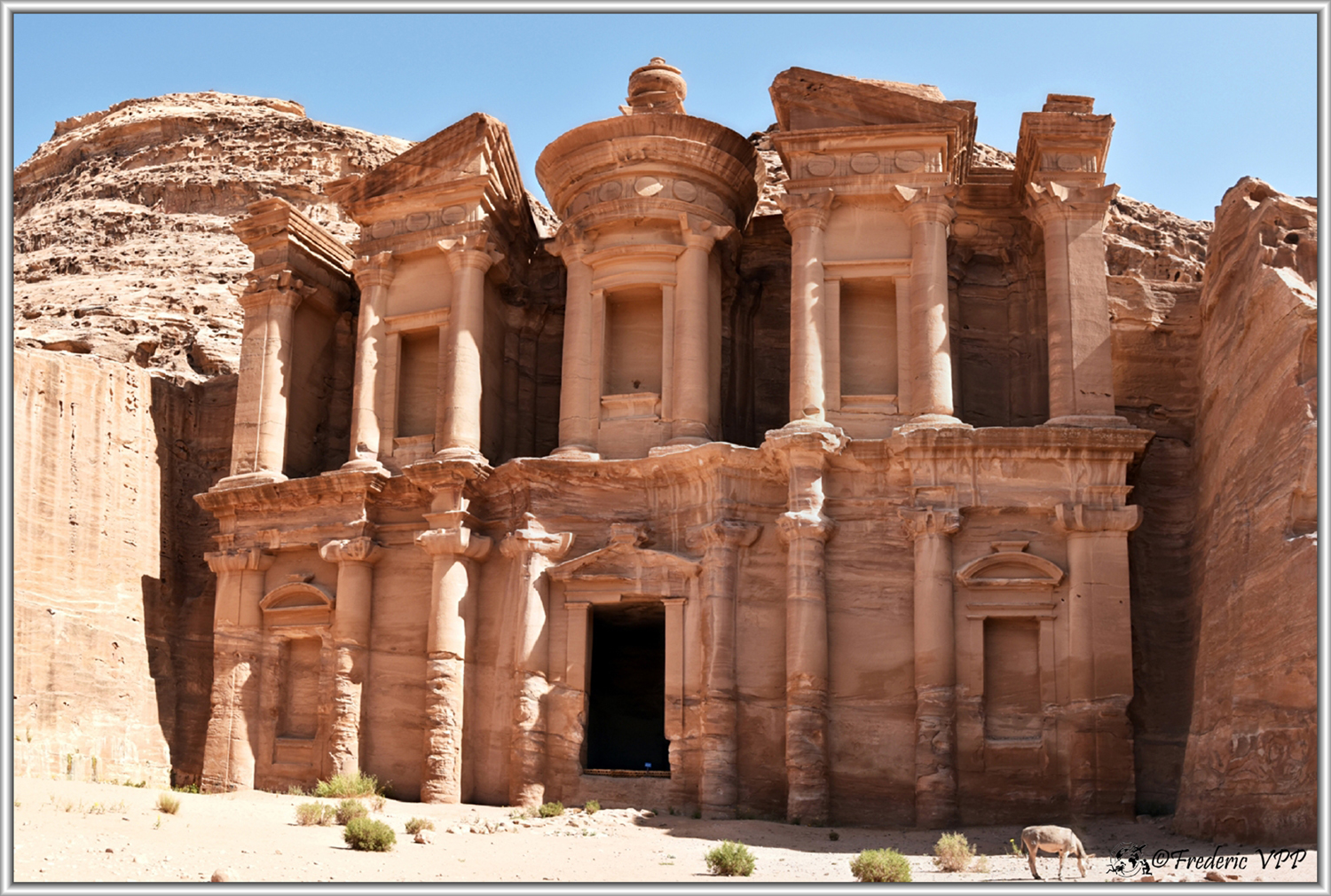
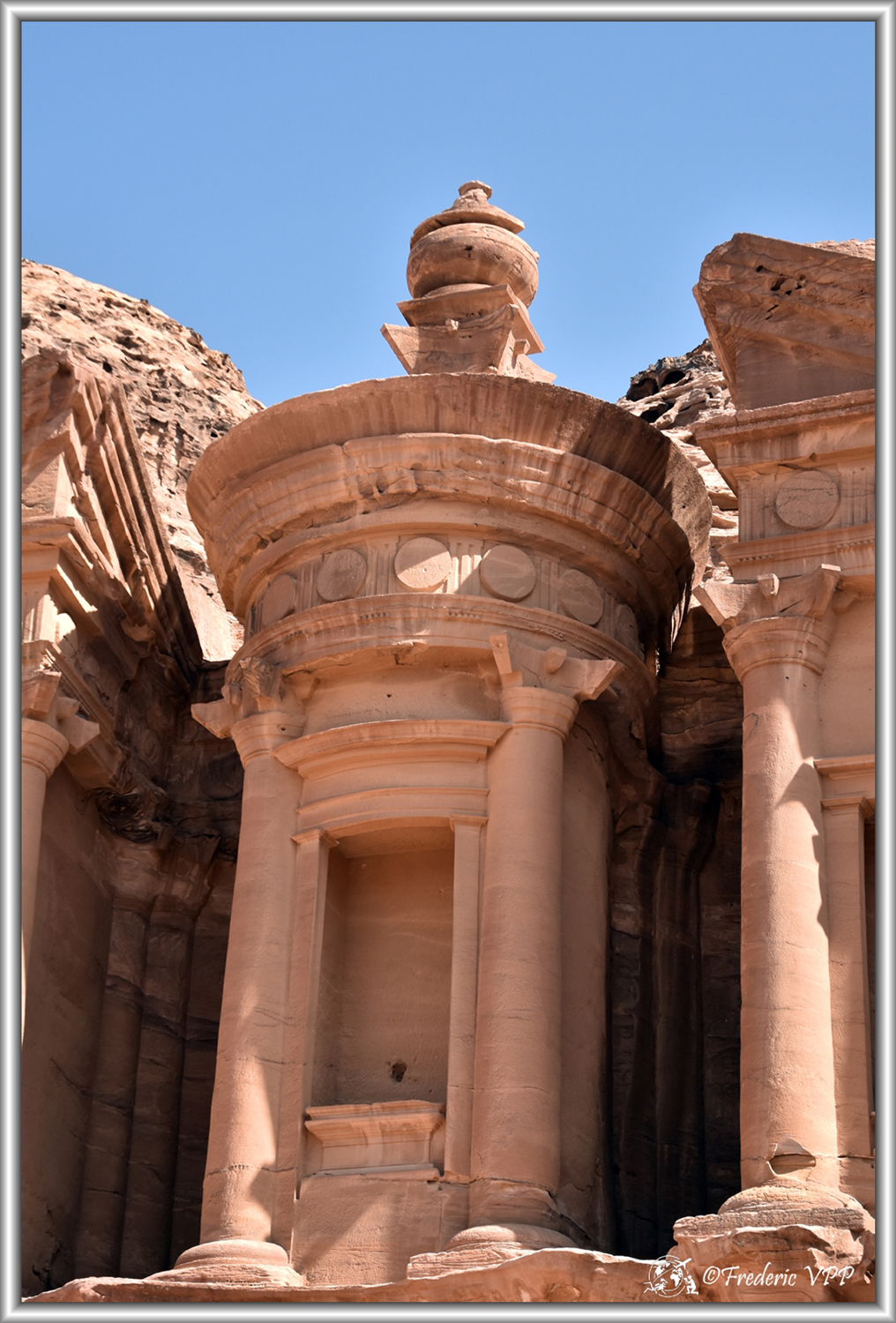
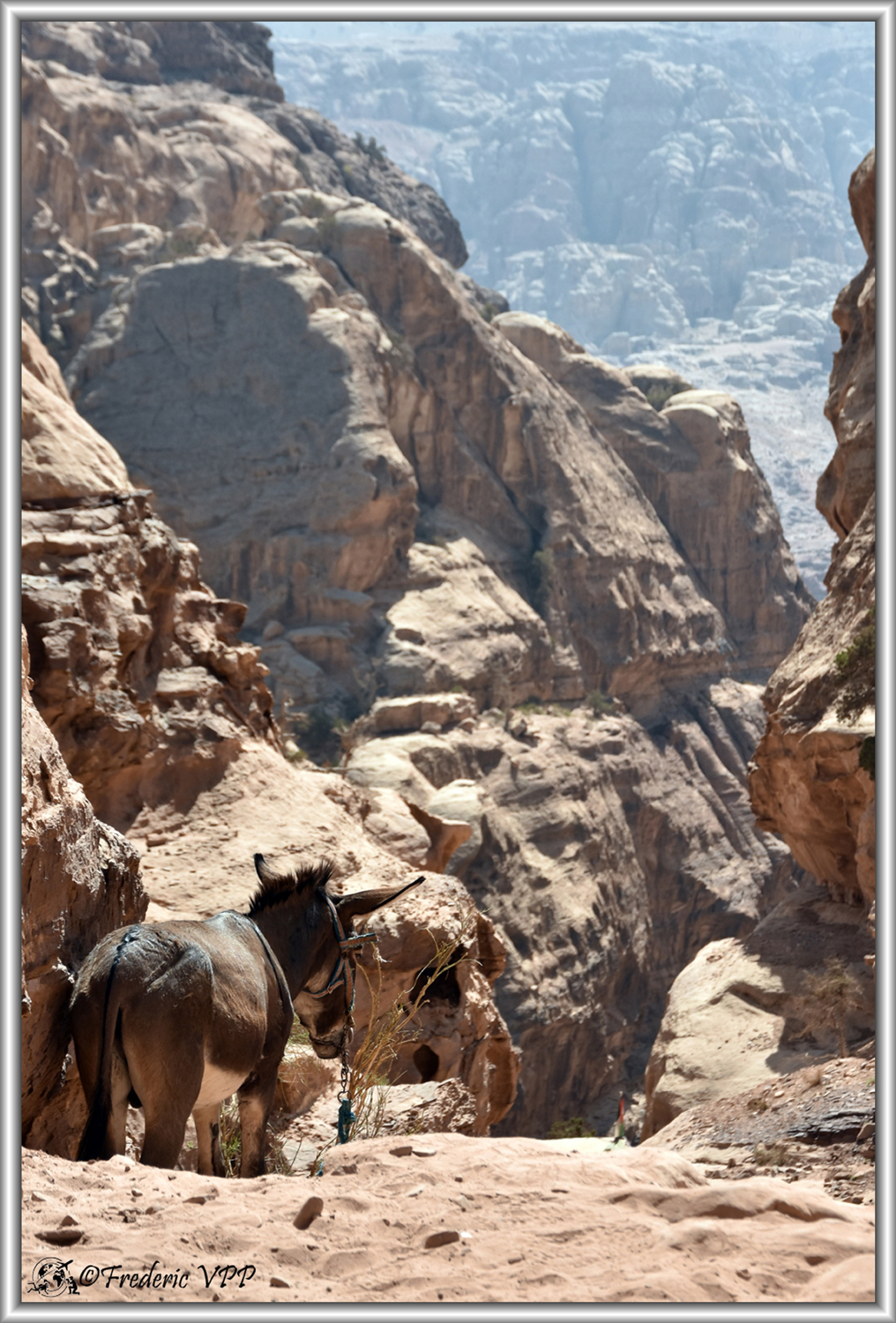
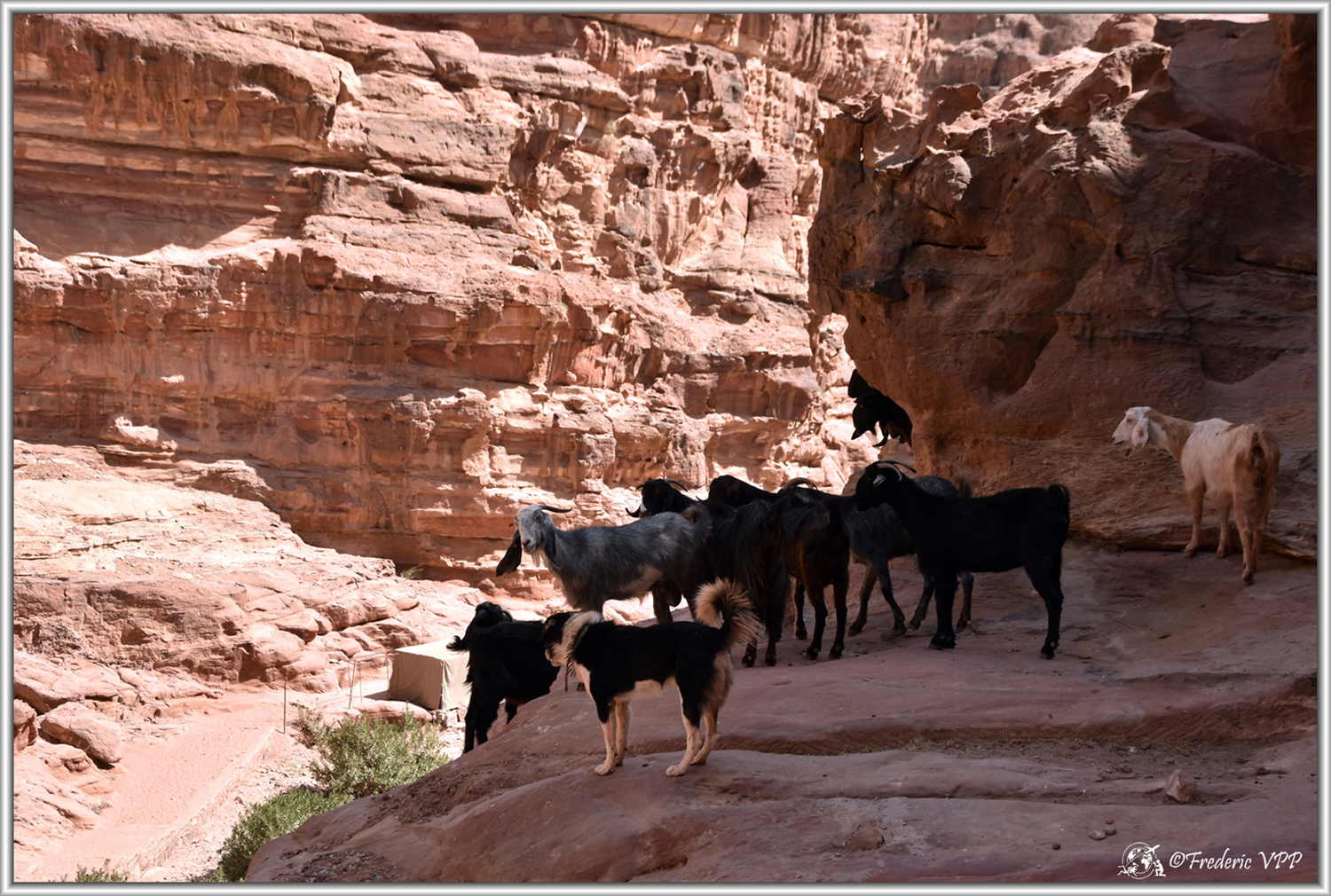
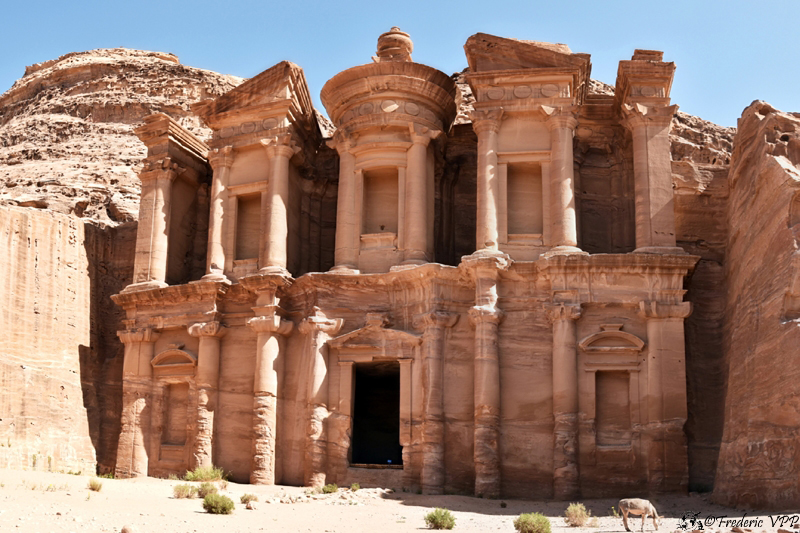
The most spectacular monument has to be earned. This is the "Deir" (from the Arabic "al-Deir", "the monastery"). It is one of the best known buildings, with and the largest in the ancient city. Its facade measures 45m (147ft) wide by 42m (137ft) high. Why does he deserve it? Quite simply, because the arrival in front of the monument is via a path and stairs of 800 steps carved into the rock. There are a few photos showing this trail and steps, including one with goats.
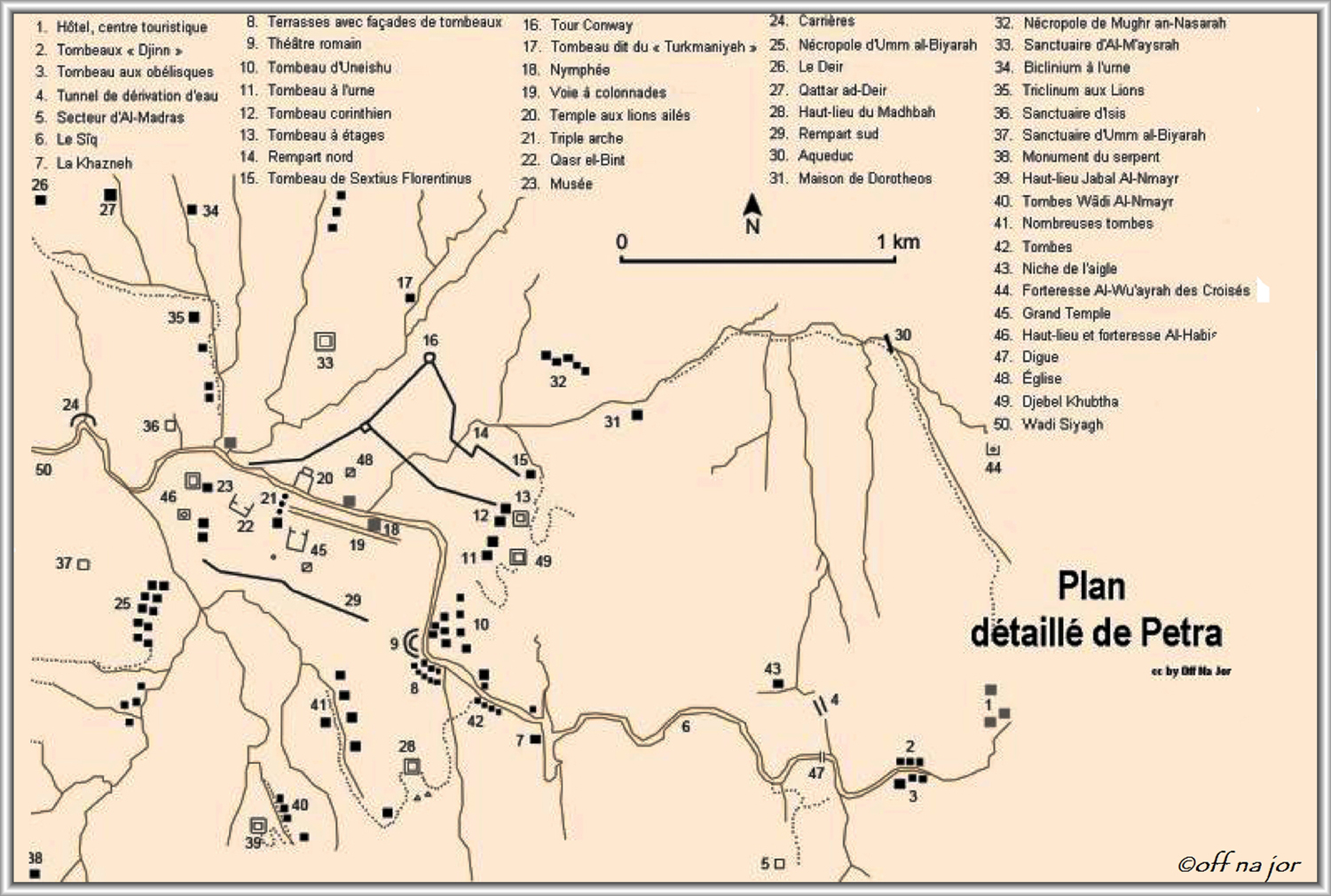
The site is so vast that it's hard to really know where to go. The Petra site can be visited in 3 days to take your time. There is also a "Little Petra" that I would have had time to visit the day before but unfortunately, I was too tired from the busy day. To visit, I had a French-speaking guide, I could not see myself understanding all the explanations in English, and especially remembering. Despite this, I did not remember everything.
Advice
Go directly to the Monastery when arriving in Petra. You will have energy and you will be able to visit the rest of the site with less people because the visitors advance in order...
|
|
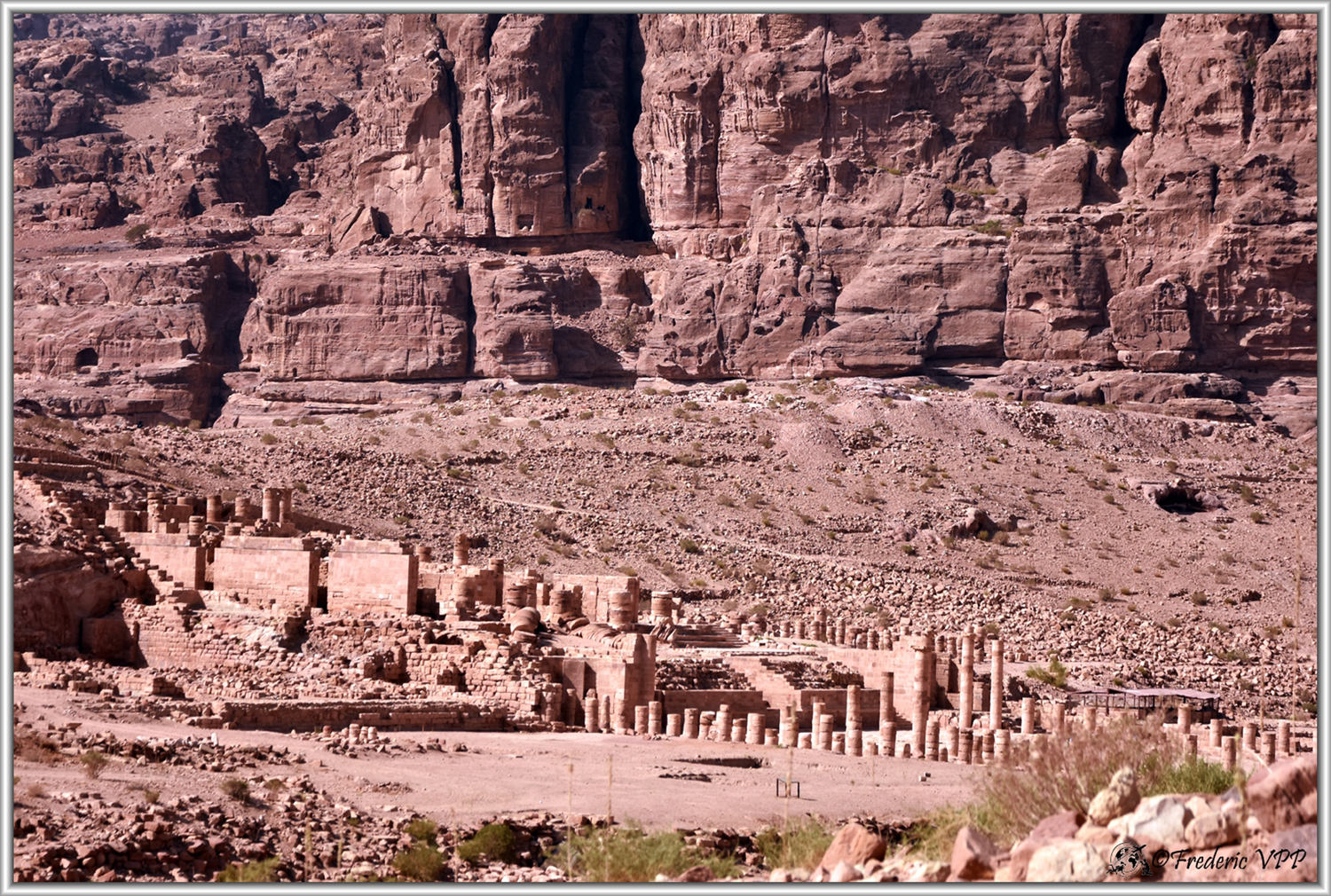
Petra has a long history and its valley is particularly prized for its ease of defence. The first inhabitants are prehistoric. The city was founded towards the end of the 8th century BC. AD, by the Edomites, it was then occupied around the 6th century BC. BC by the Nabataeans who make it prosper thanks to its position on the caravan route carrying incense, spices and other precious products between South Arabia, Egypt, Syria and the Mediterranean .
Then, a few centuries before our era, during the Nabataean era, a city developed, mostly carved into the rock. The Nabataean civilization settled there for several centuries, until Roman times. Petra became the base for Roman attacks on the Parthian Empire in Iran to the east. After the Byzantine period, the site was virtually abandoned. Around the 8th century, the modification of trade routes and several earthquakes led to the gradual abandonment of the city. Fallen into oblivion in modern times, the site was rediscovered in 1812 by the Western world thanks to the Swiss explorer Jean Louis Burckhardt. The many buildings, whose monumental facades have been carved directly into the rock , make it a unique ensemble which has been on the UNESCO World Heritage List since 1985. |
|
Sorry if the links are outdated or not accessible
|
|