 Mallorca
Majorca, Spain, September 2018
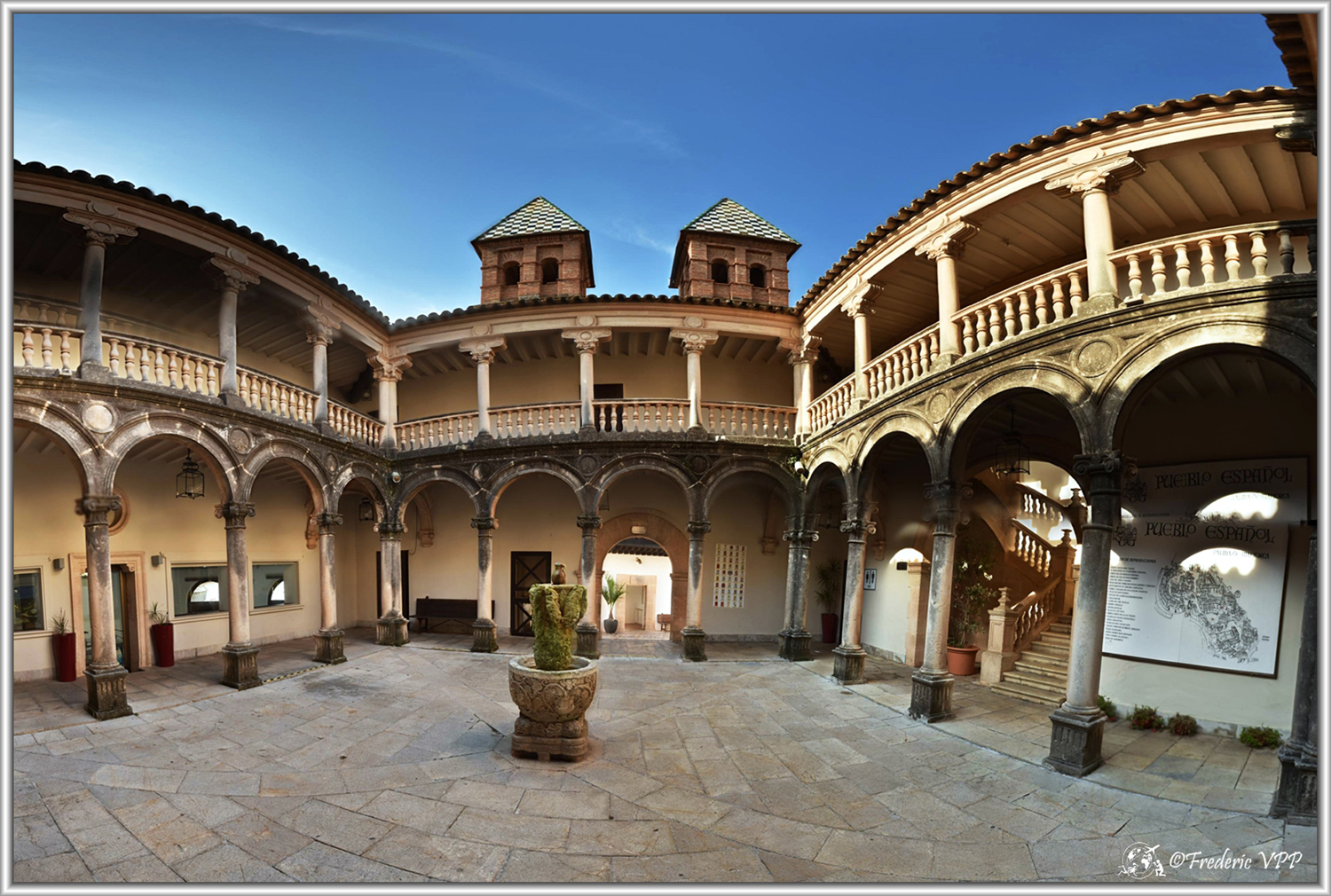
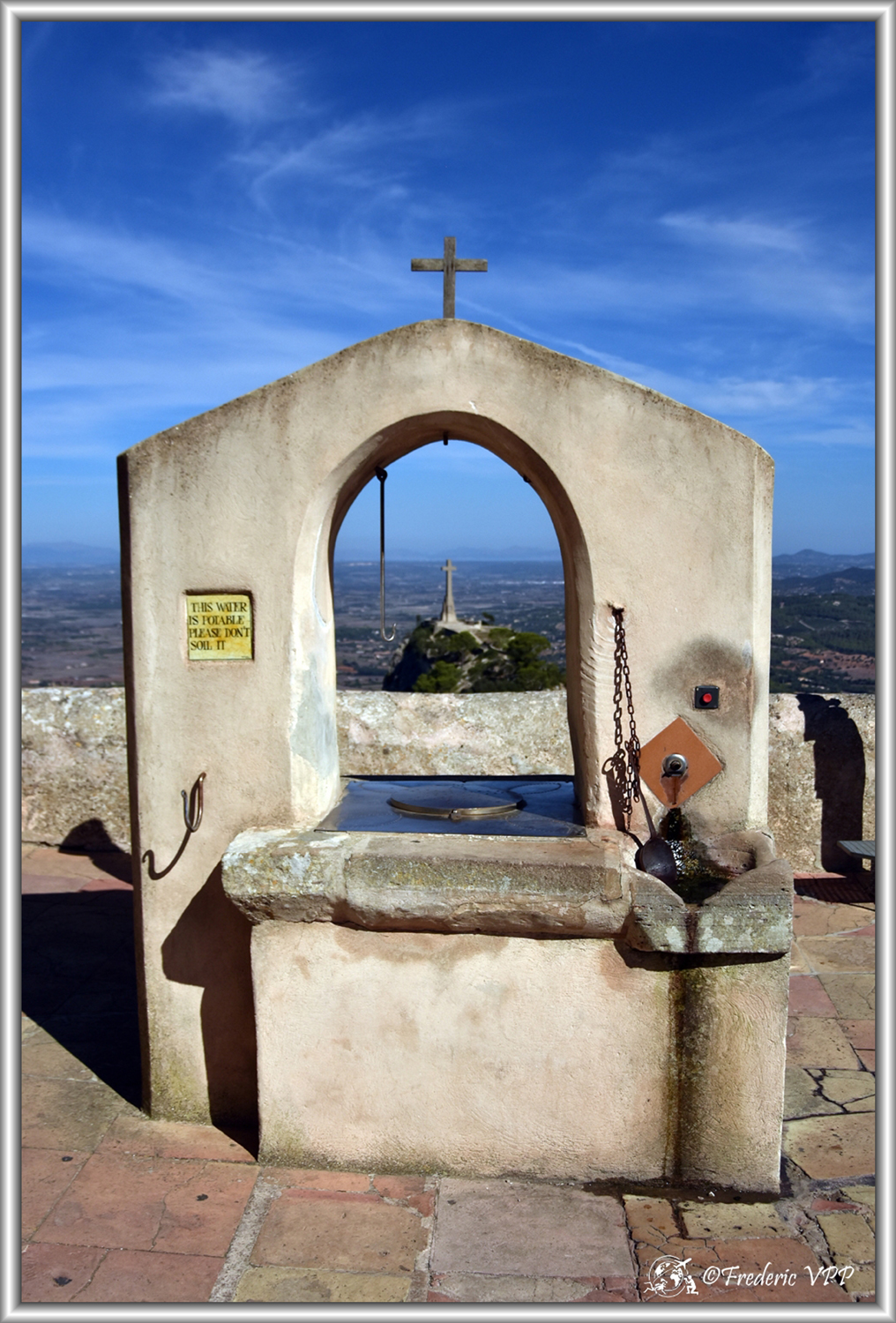
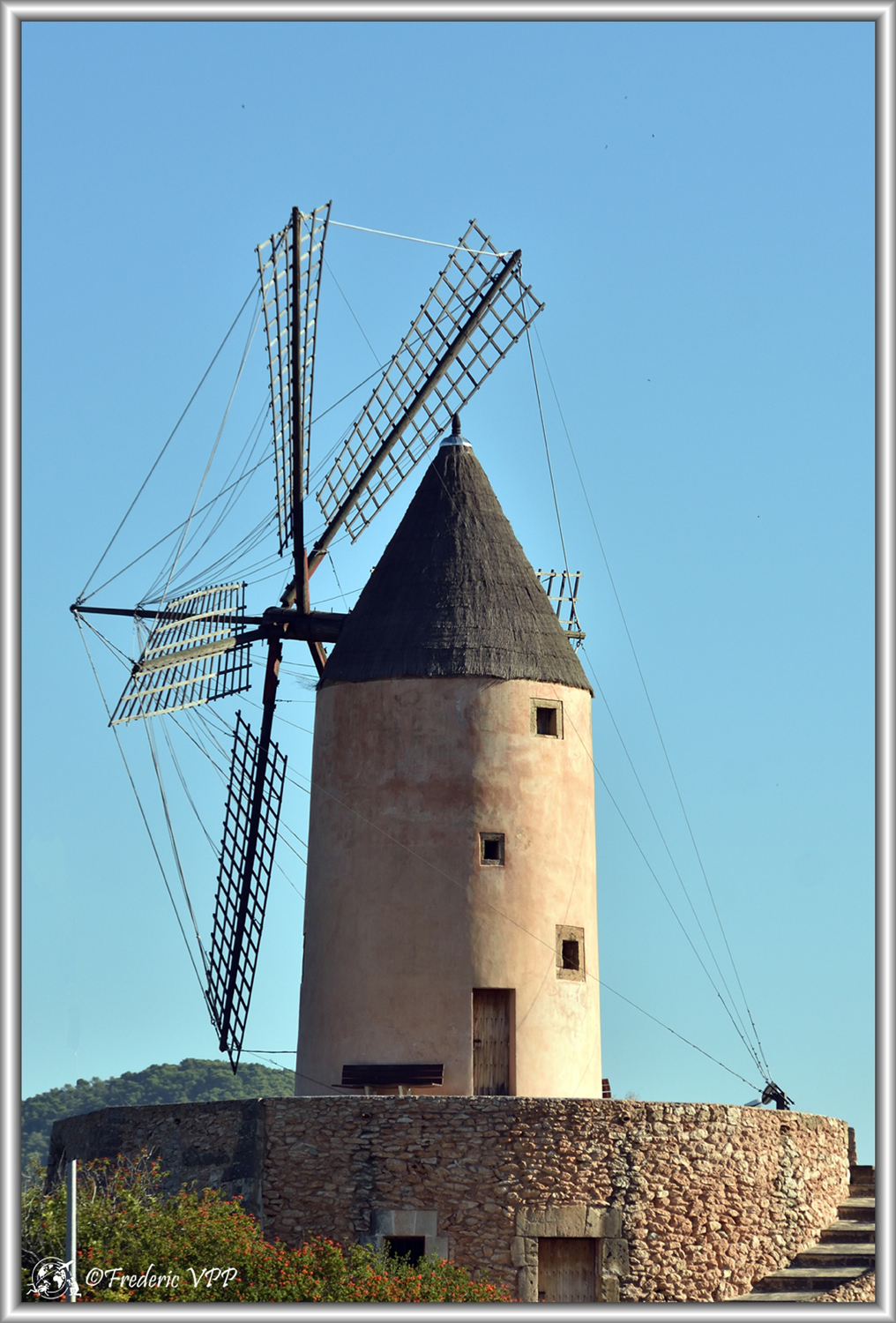
Four magnificent days on the island of Majorca with a very mild temperature, 27°C (80.6°F). I even bathed in Paguera, in the south of the island. There are so many things to discover and the ideal is to rent a car and go around the island in several days...
|
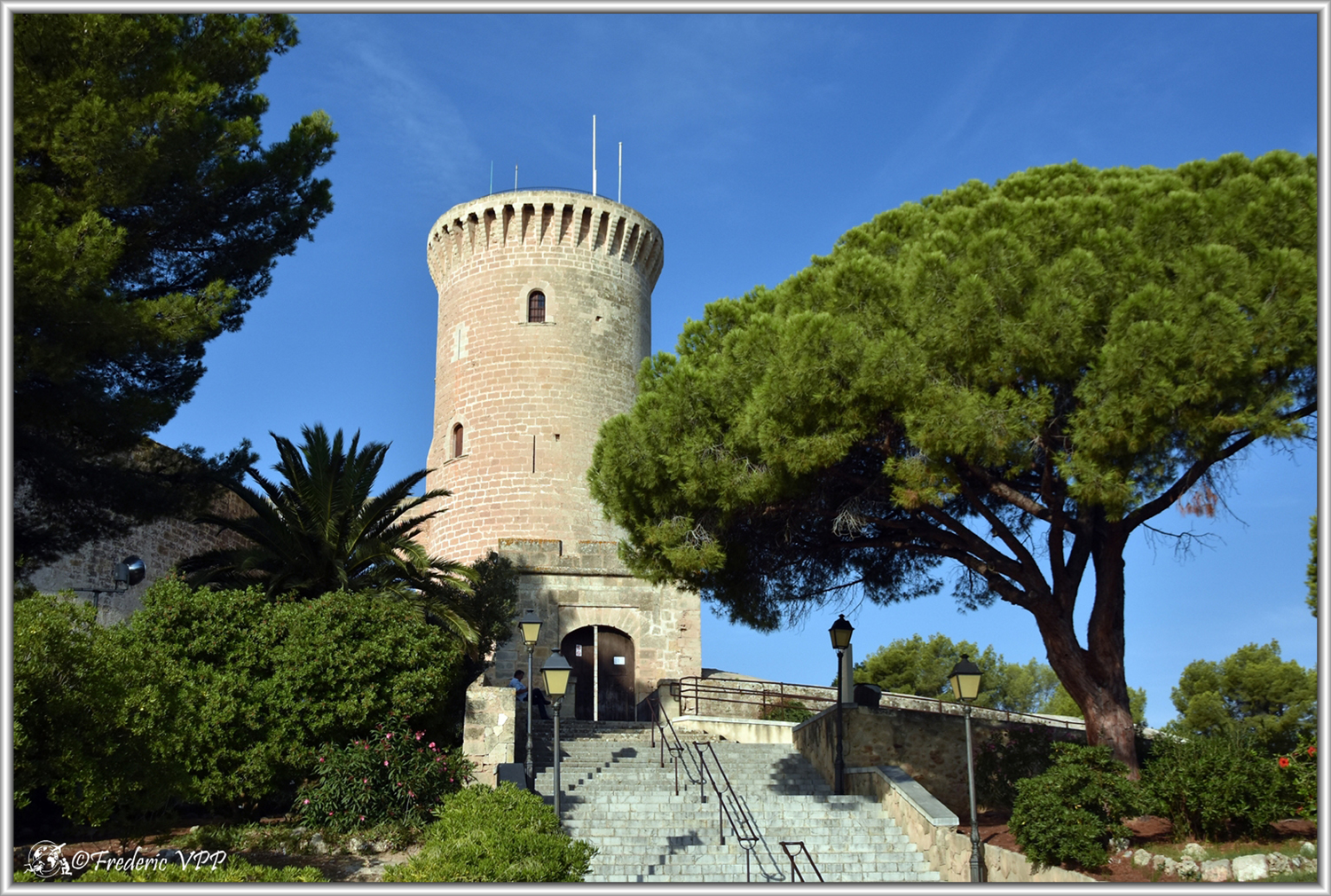
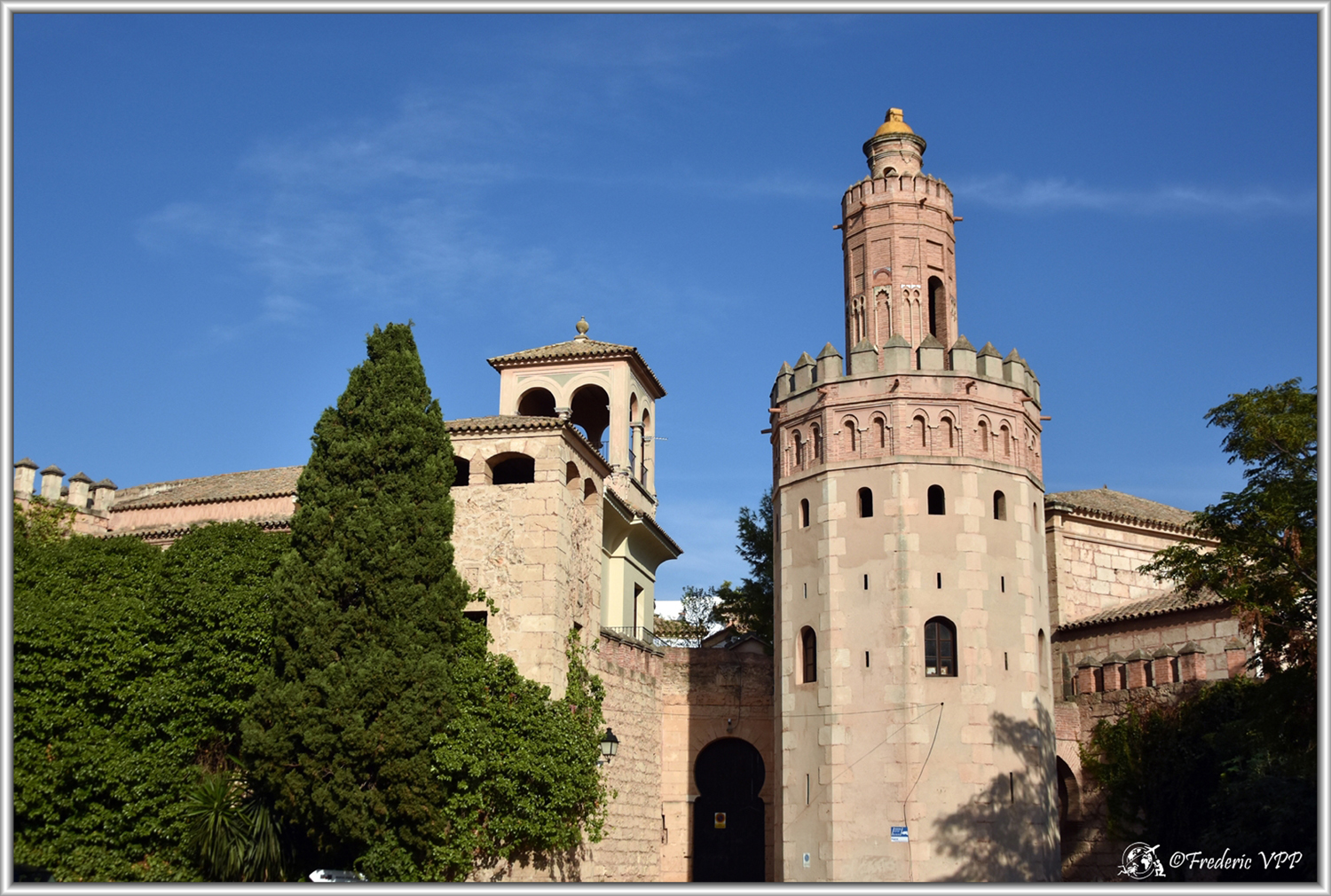
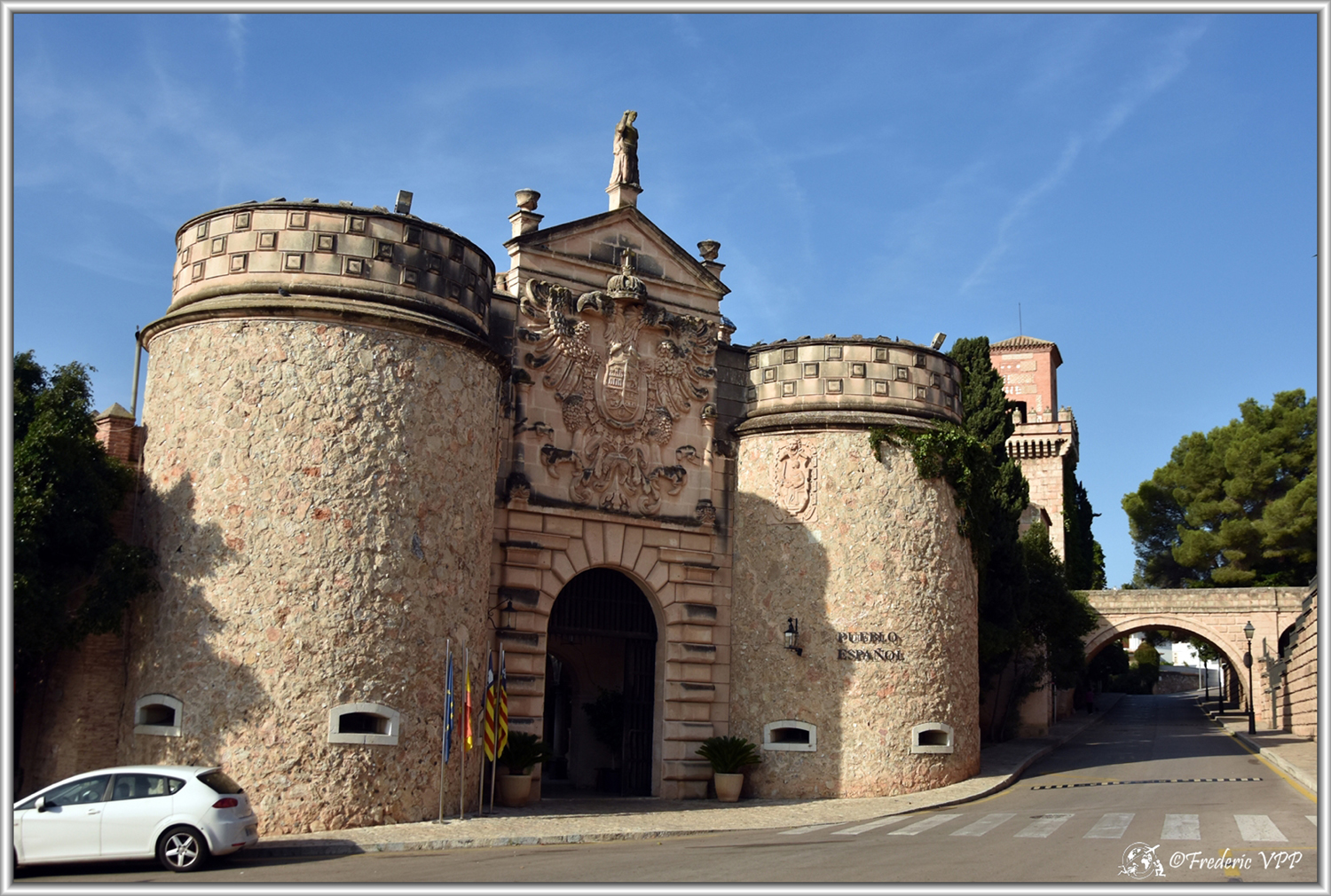
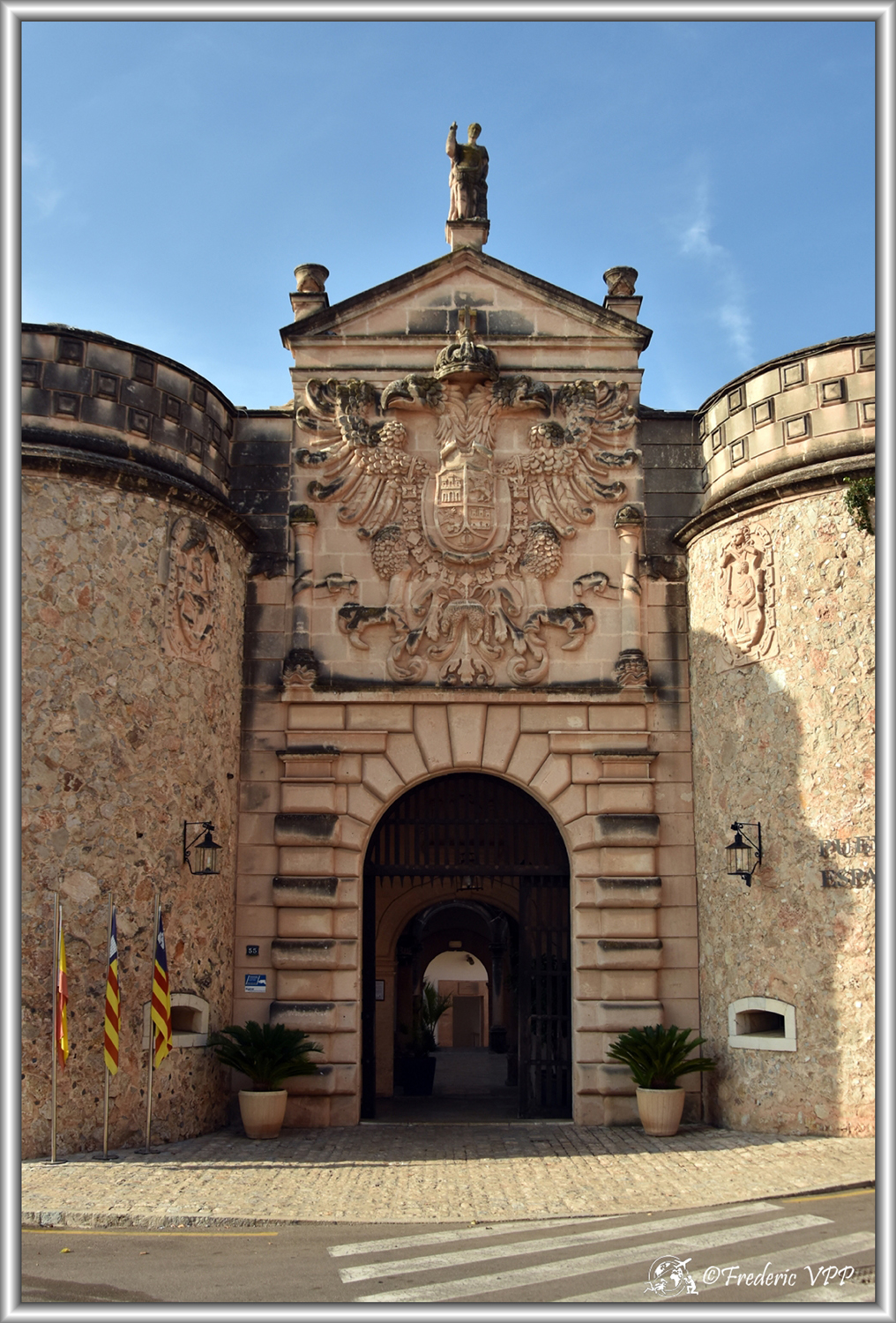
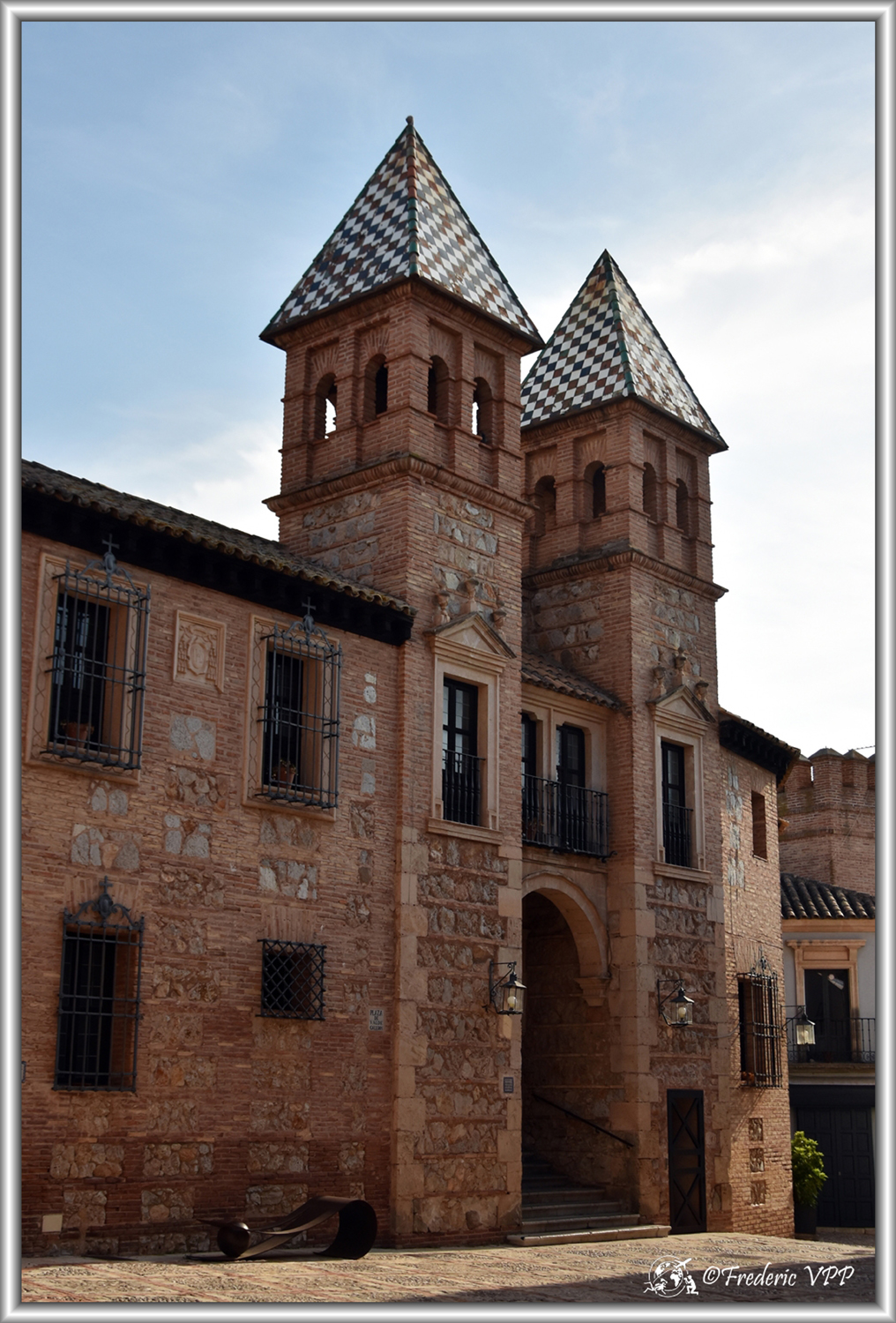
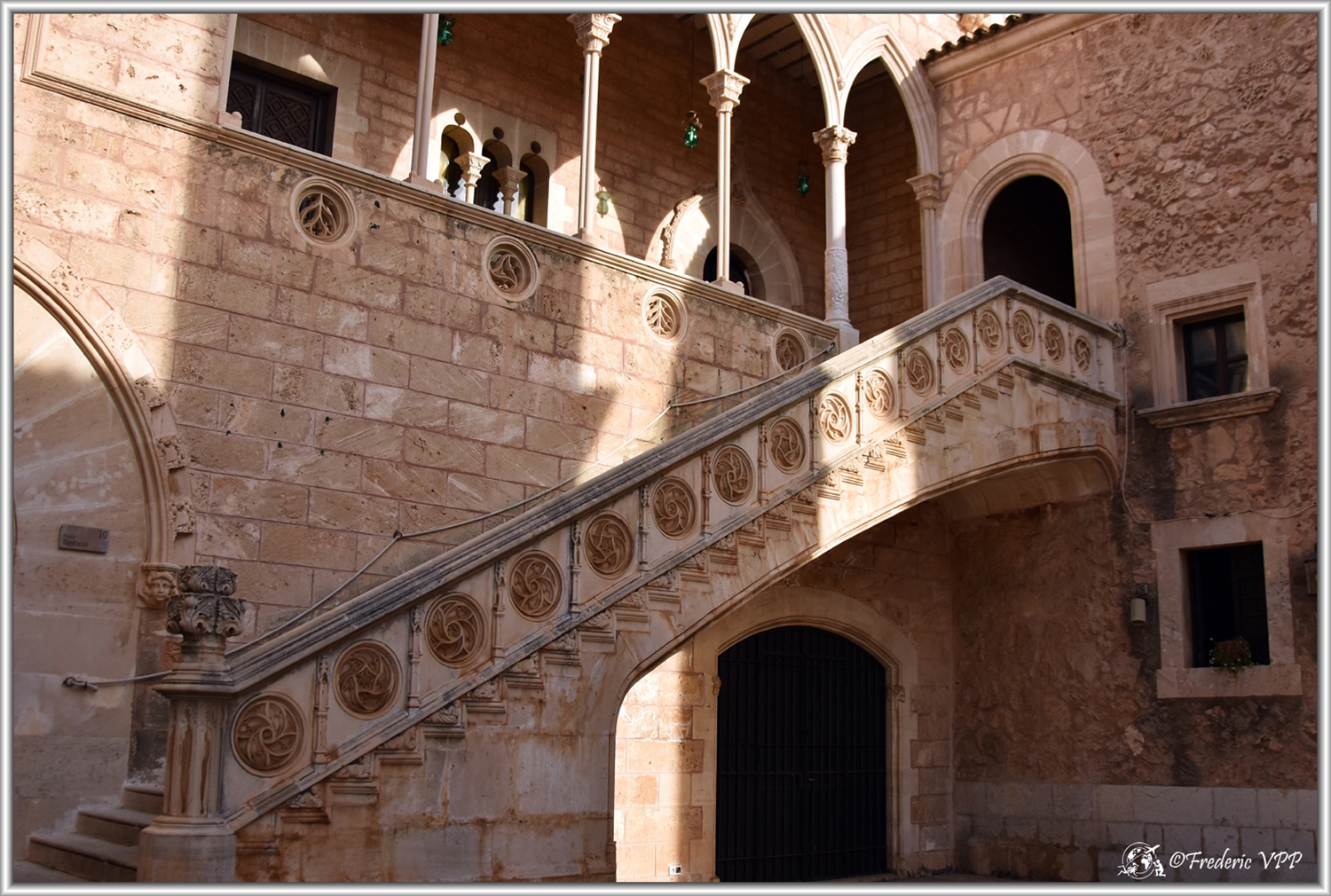
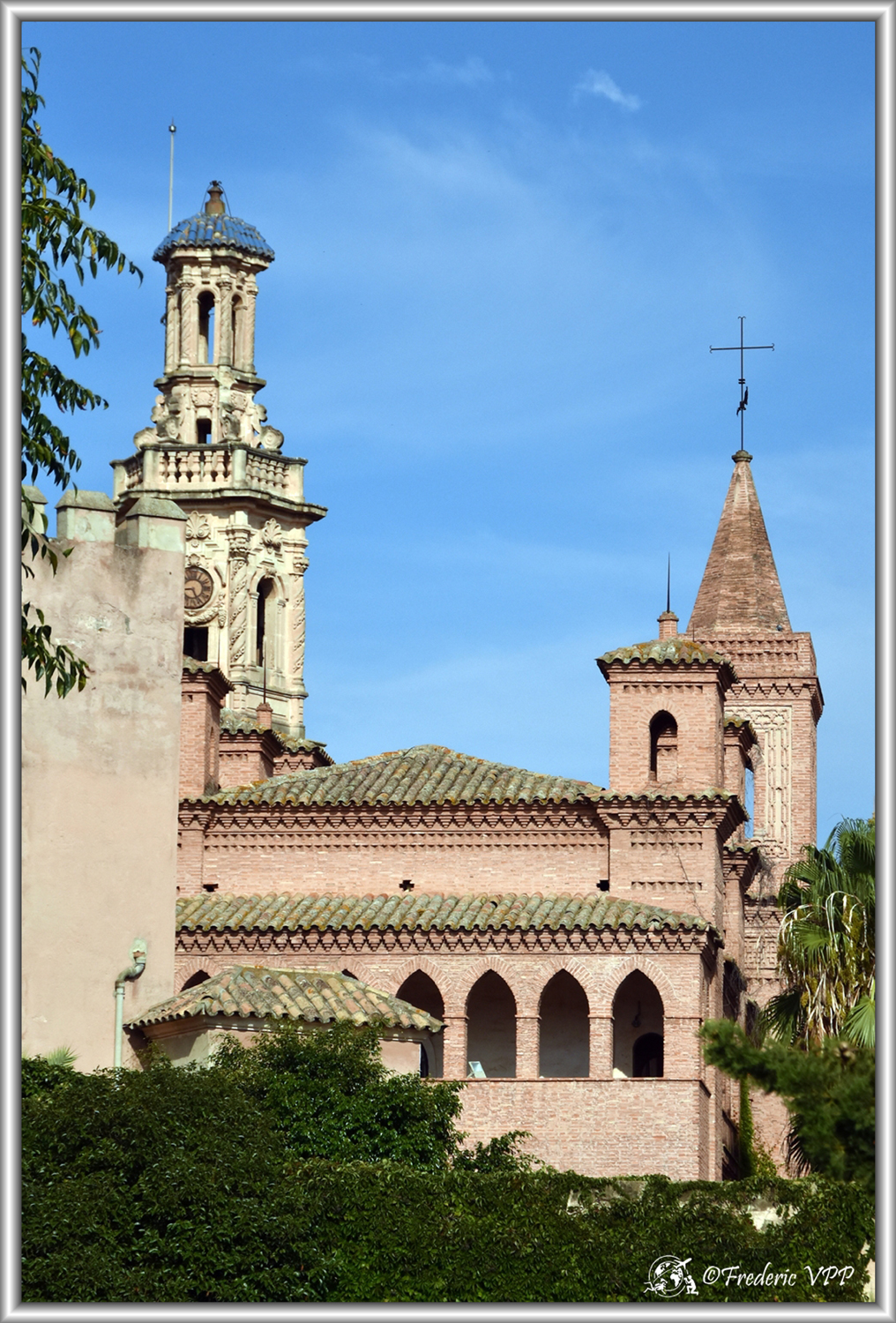
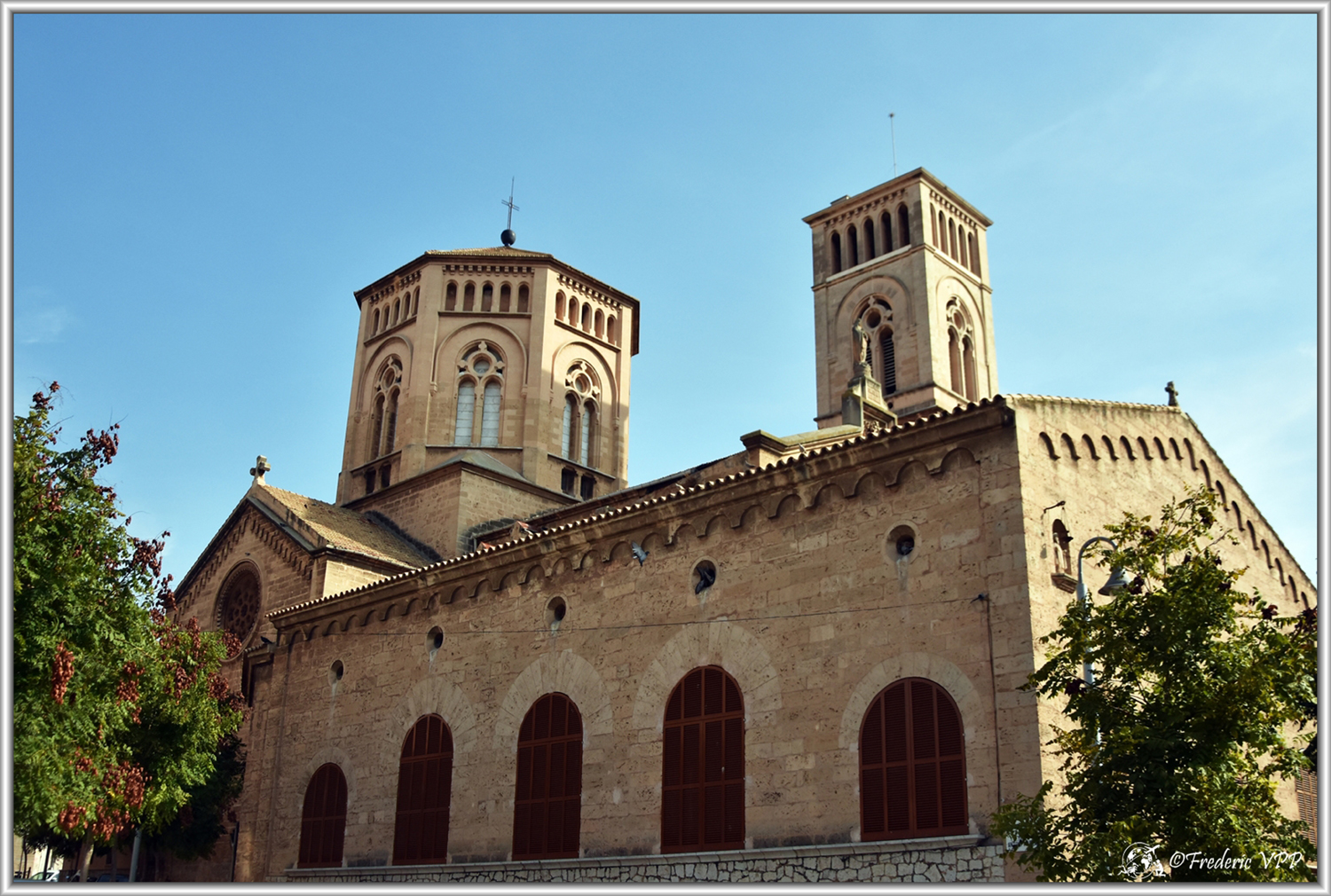
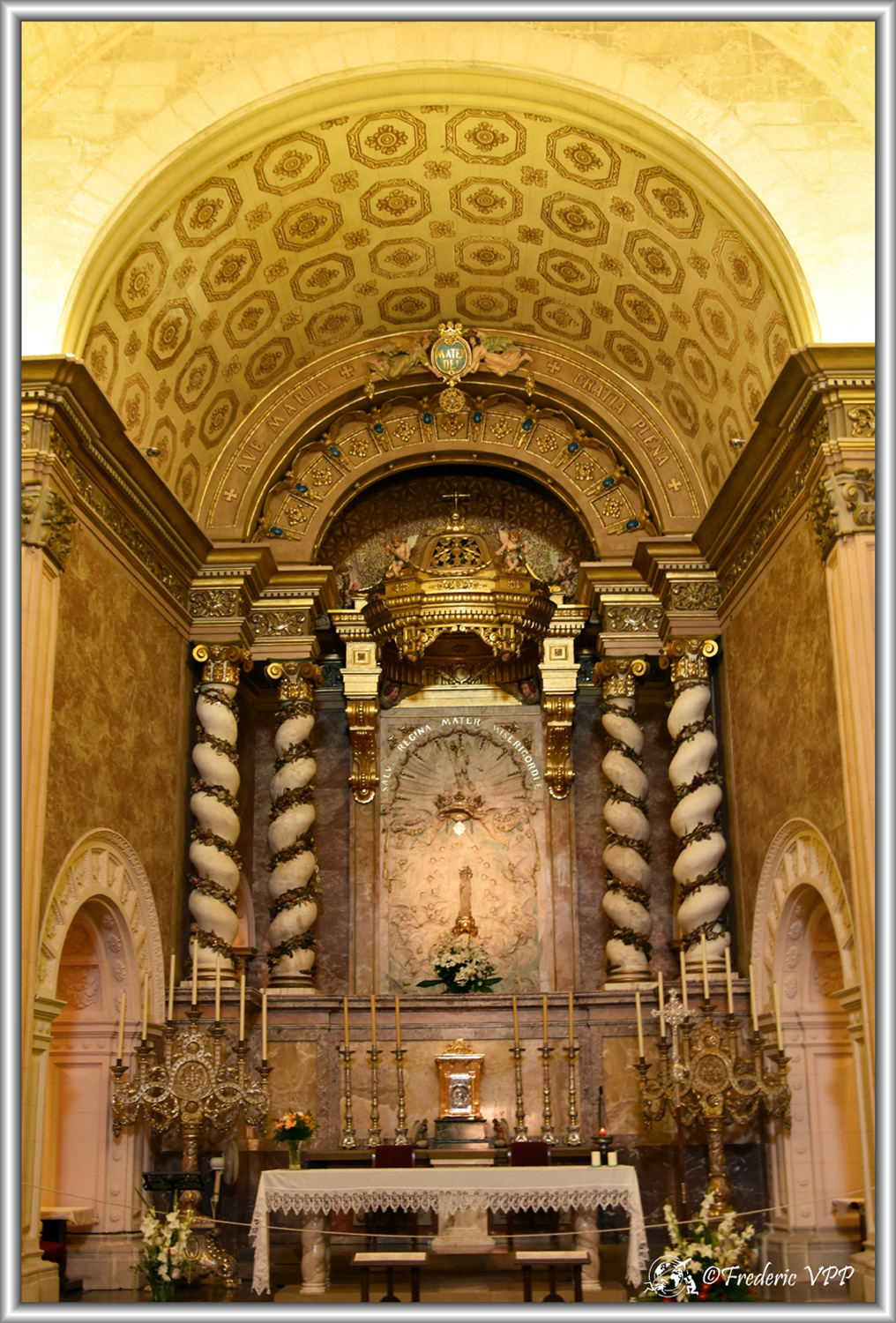
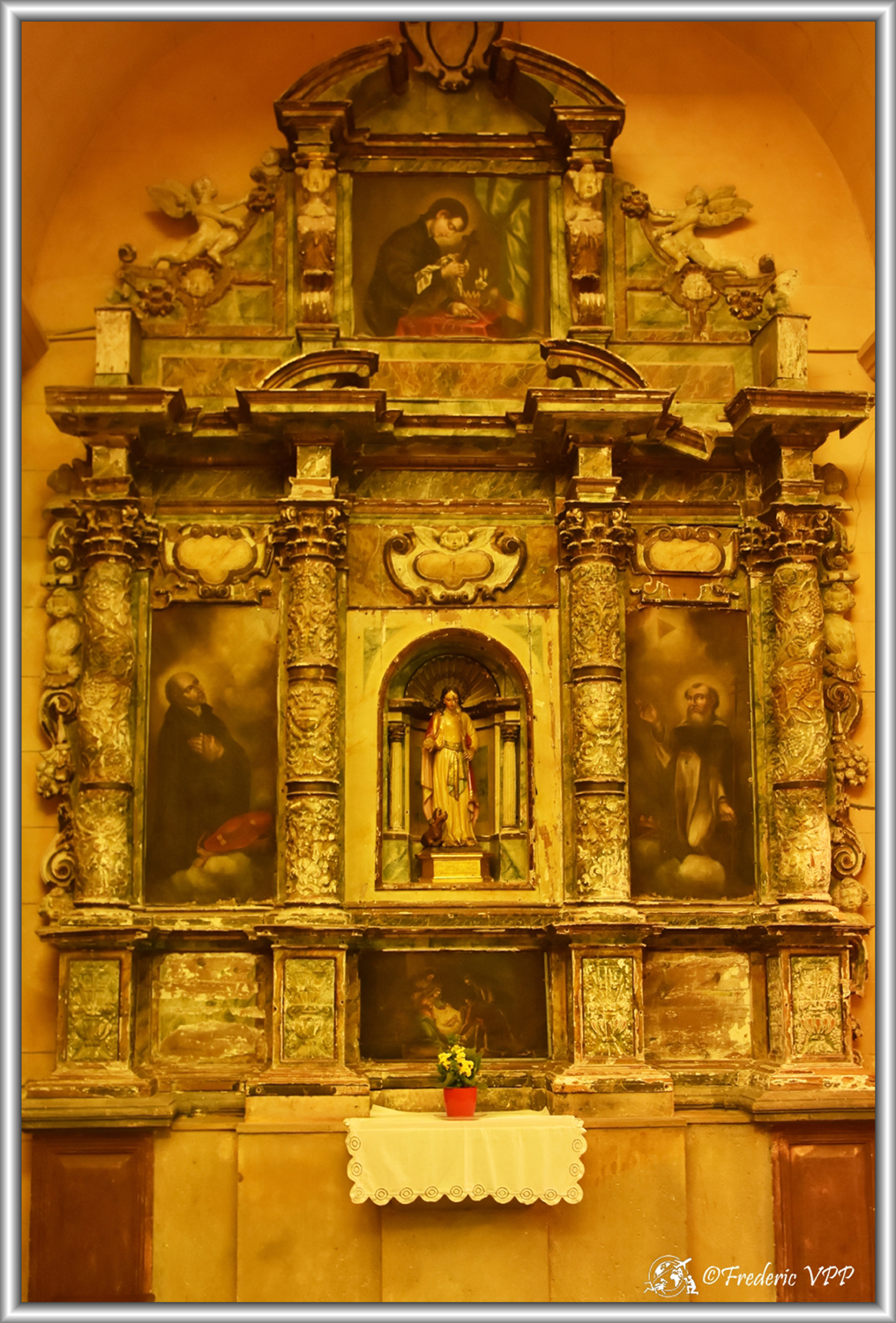
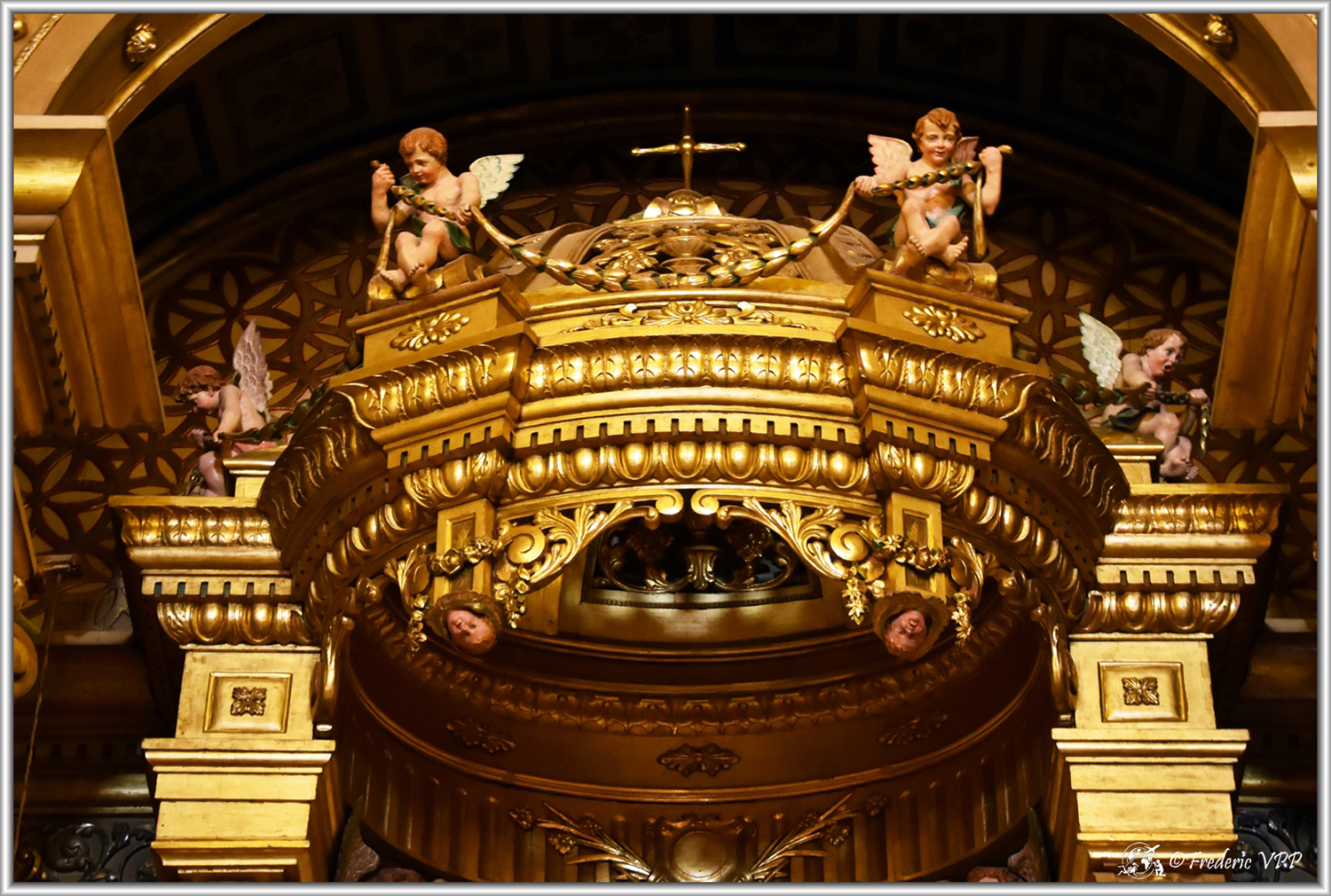
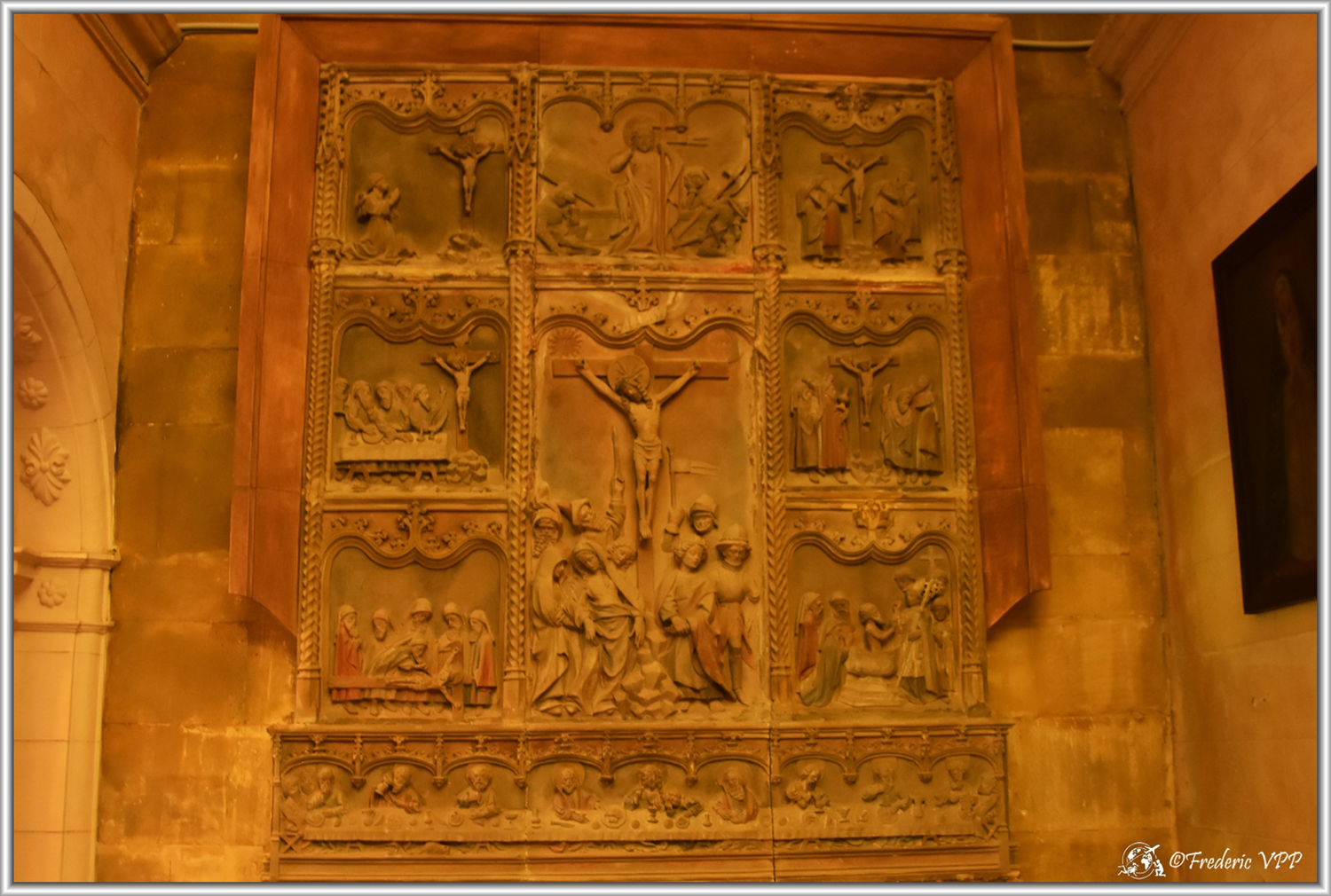
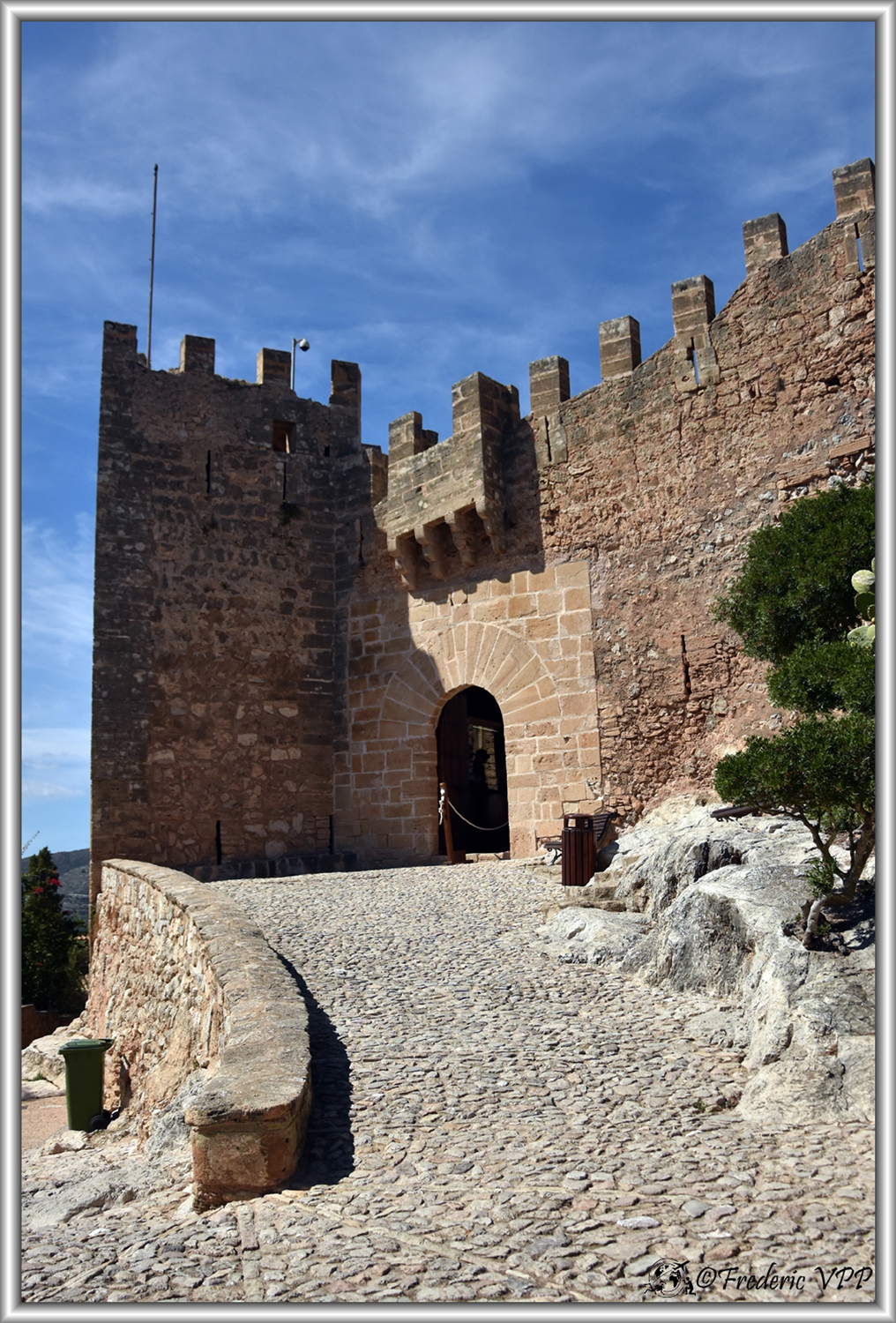
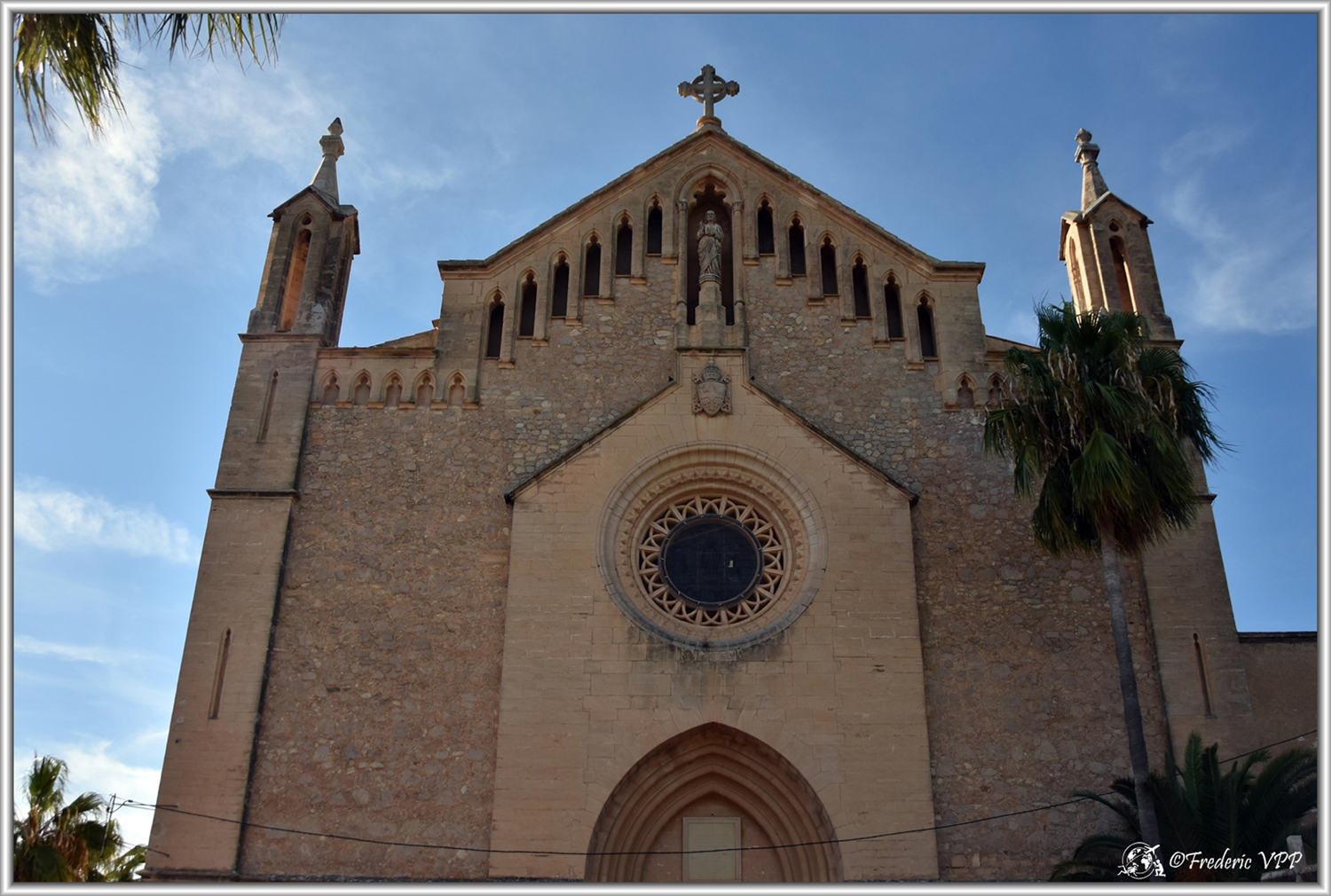
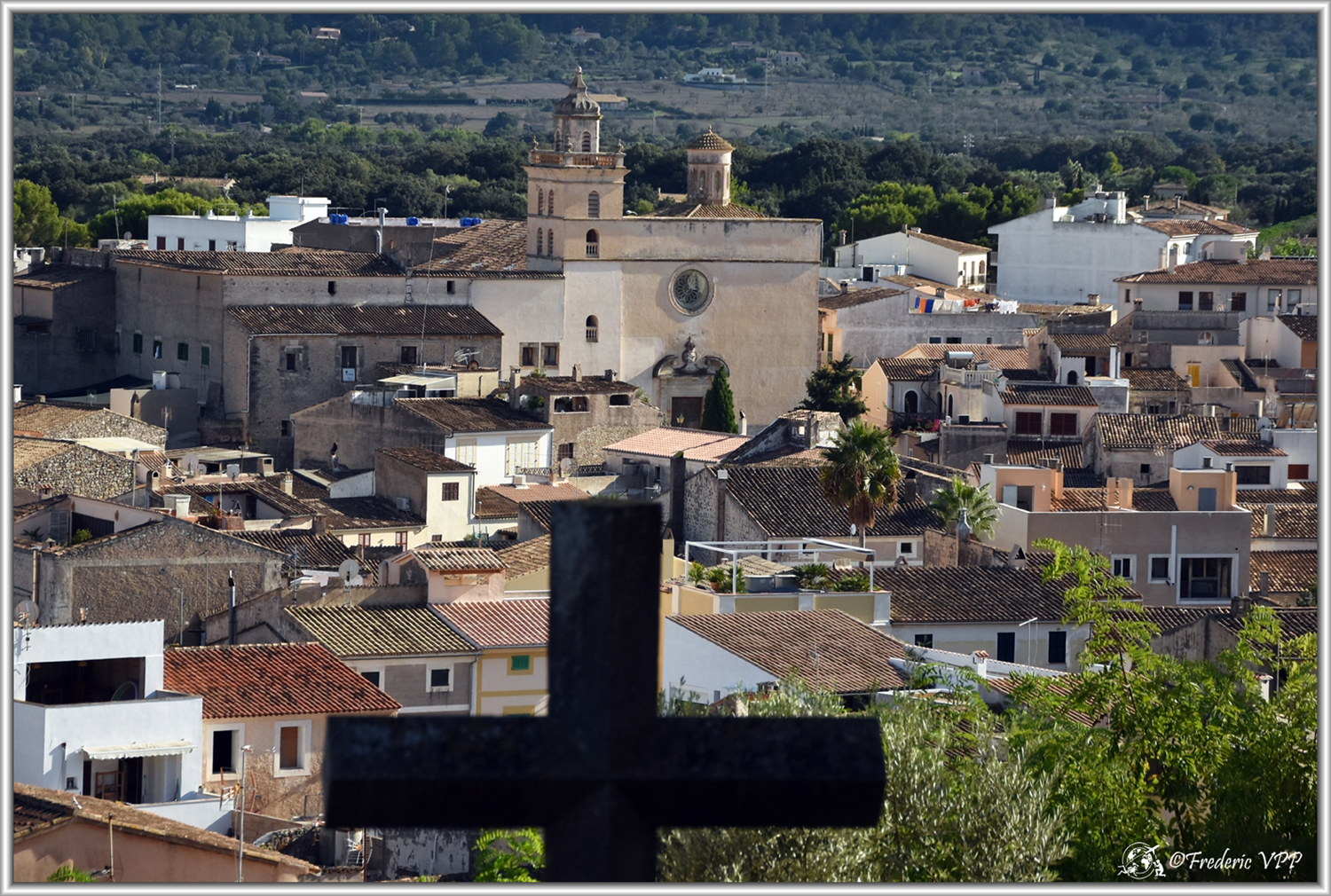
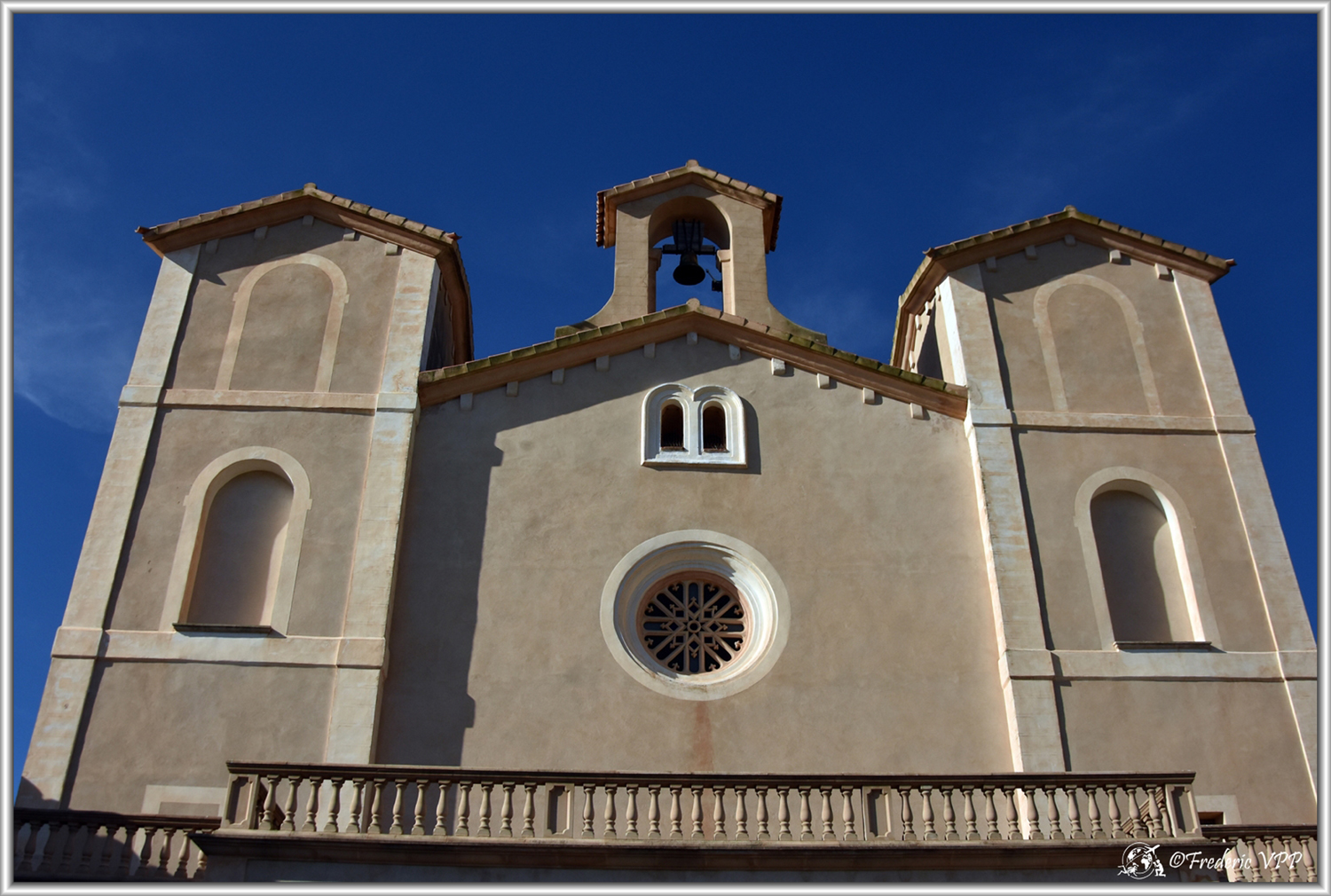
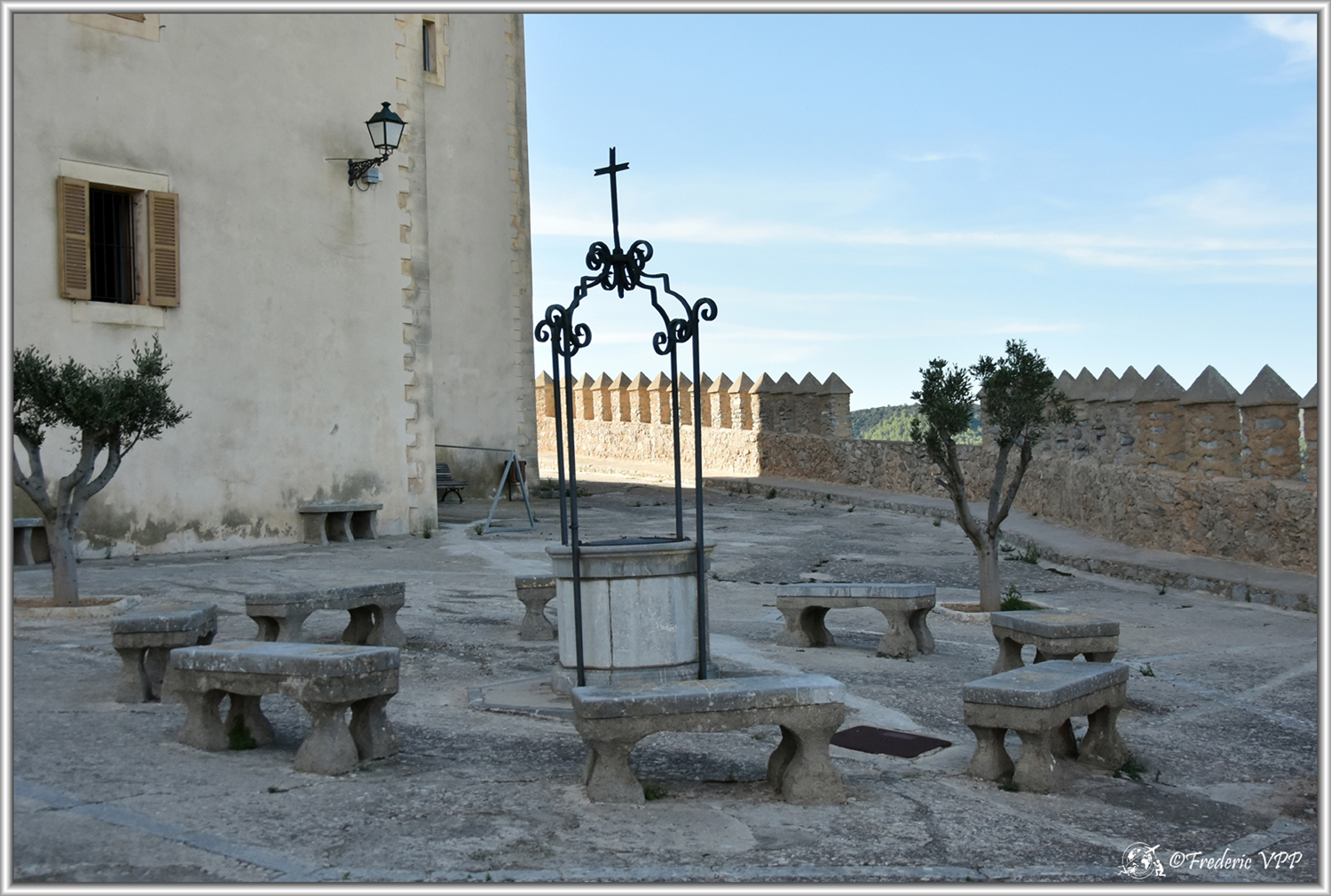
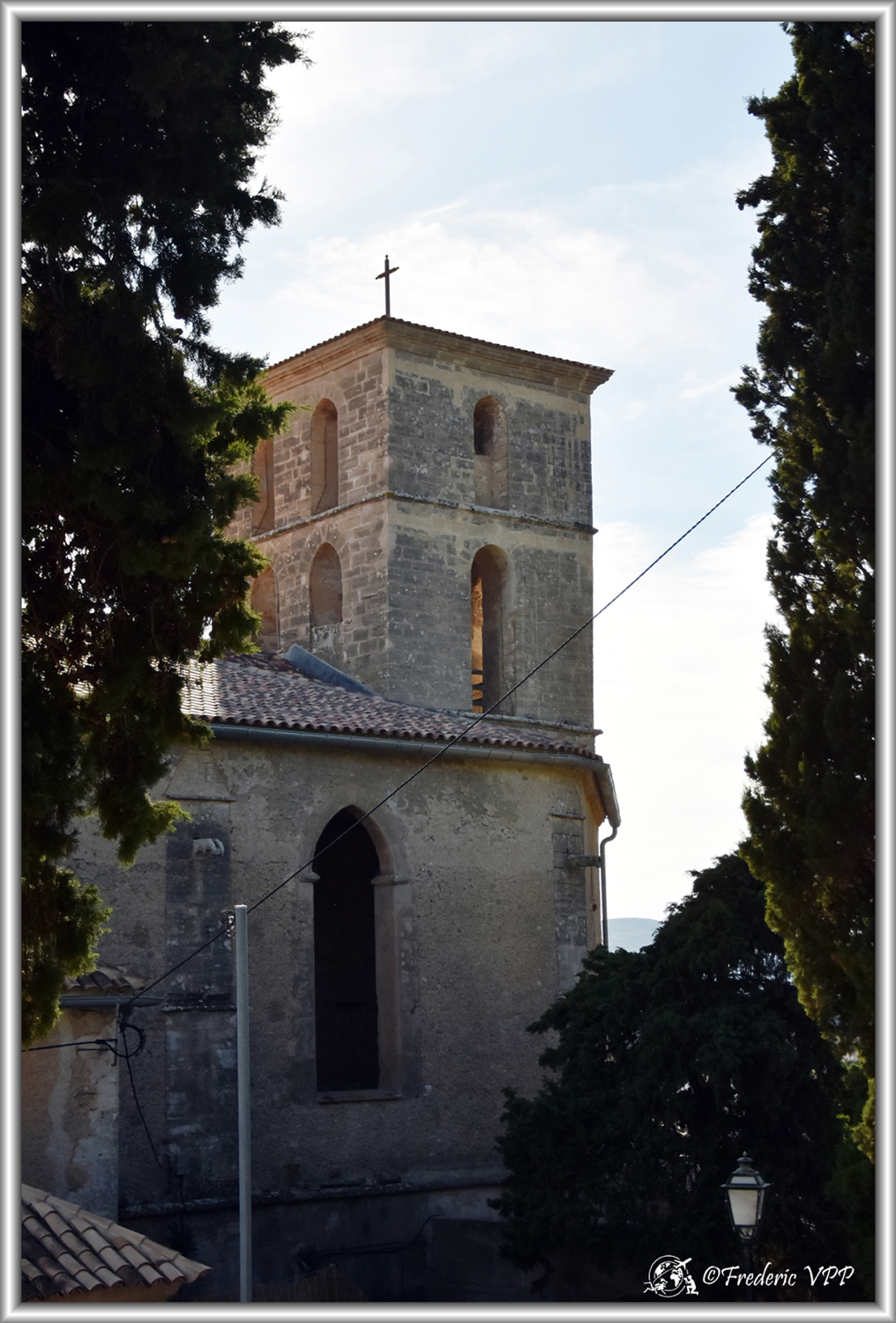
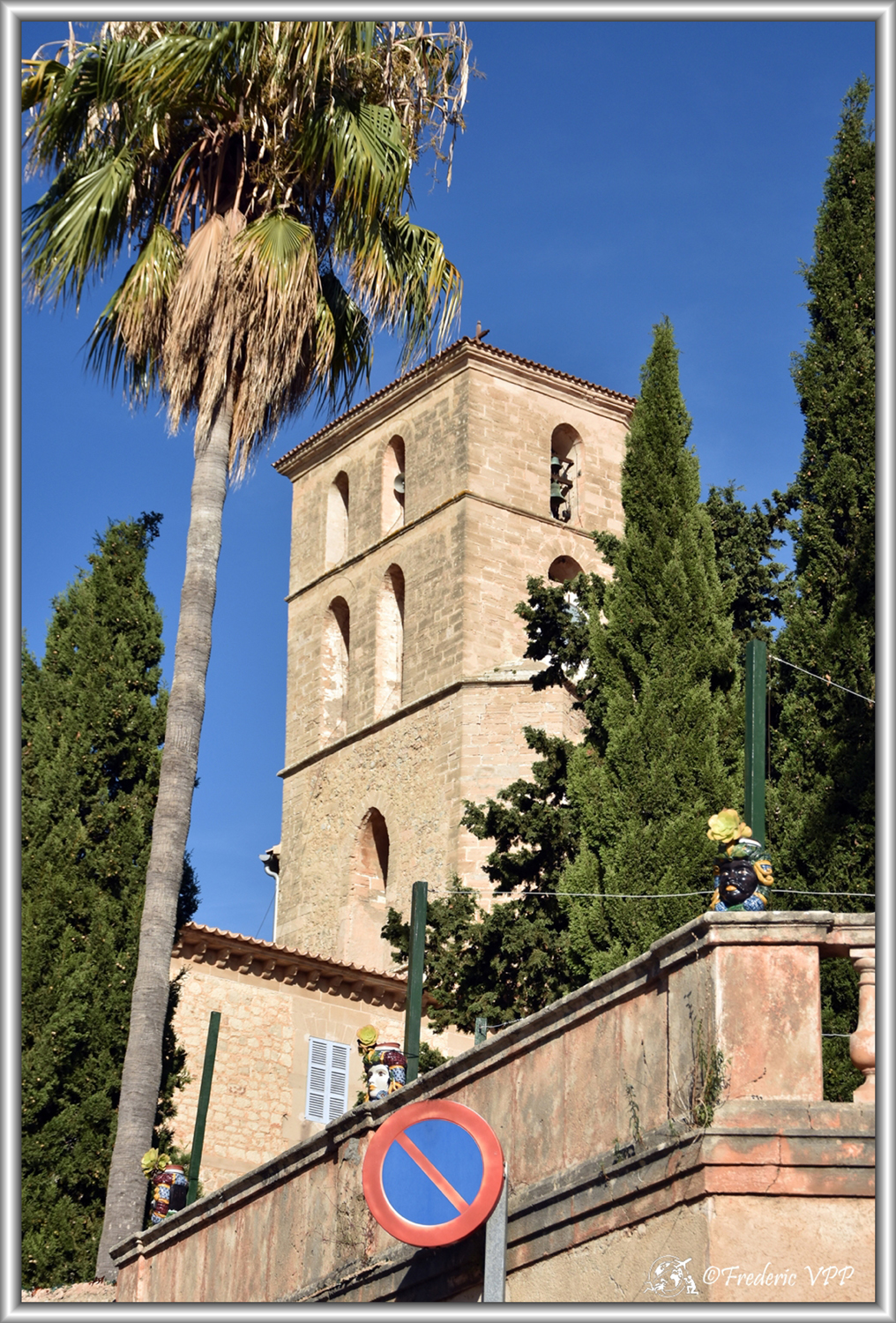
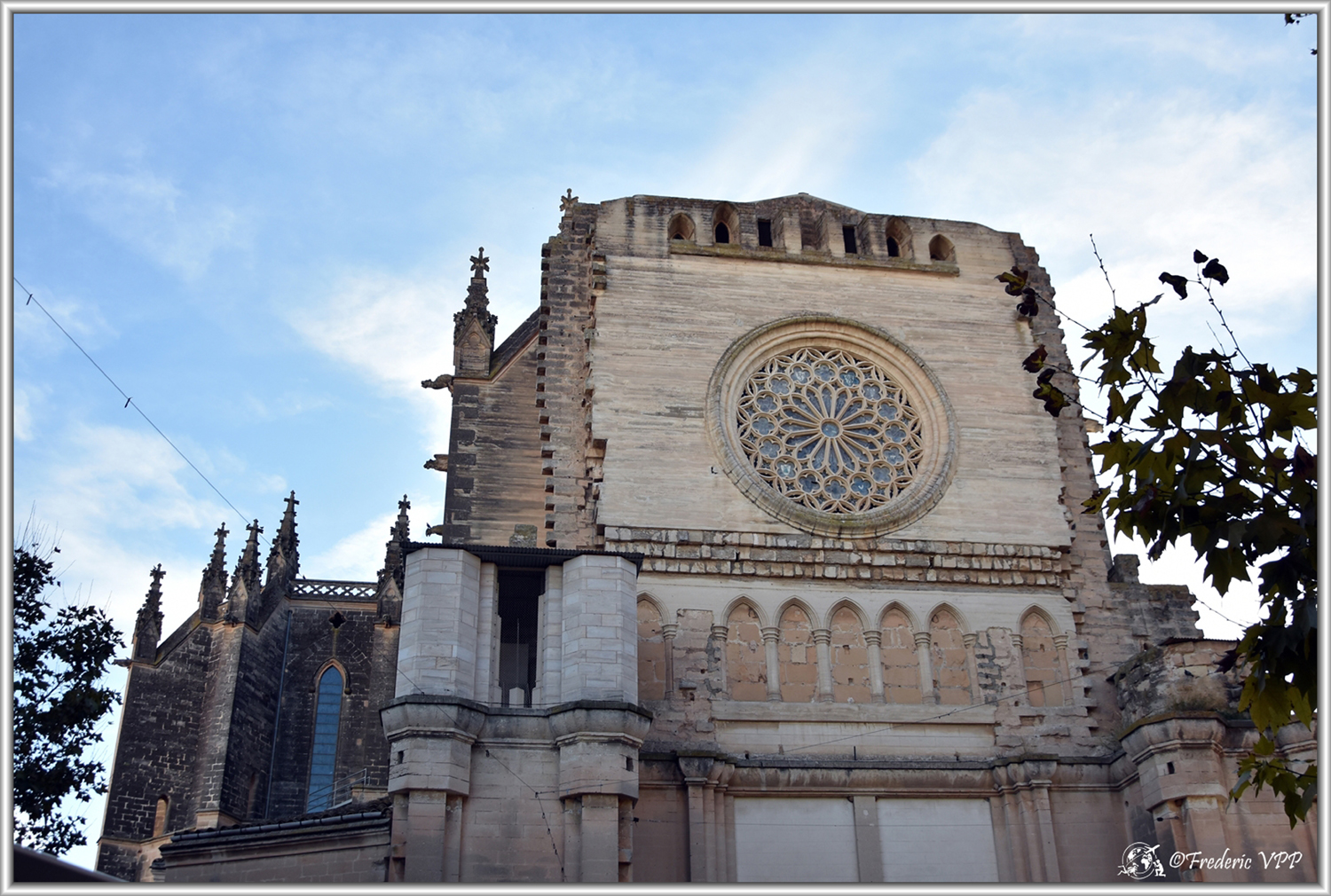
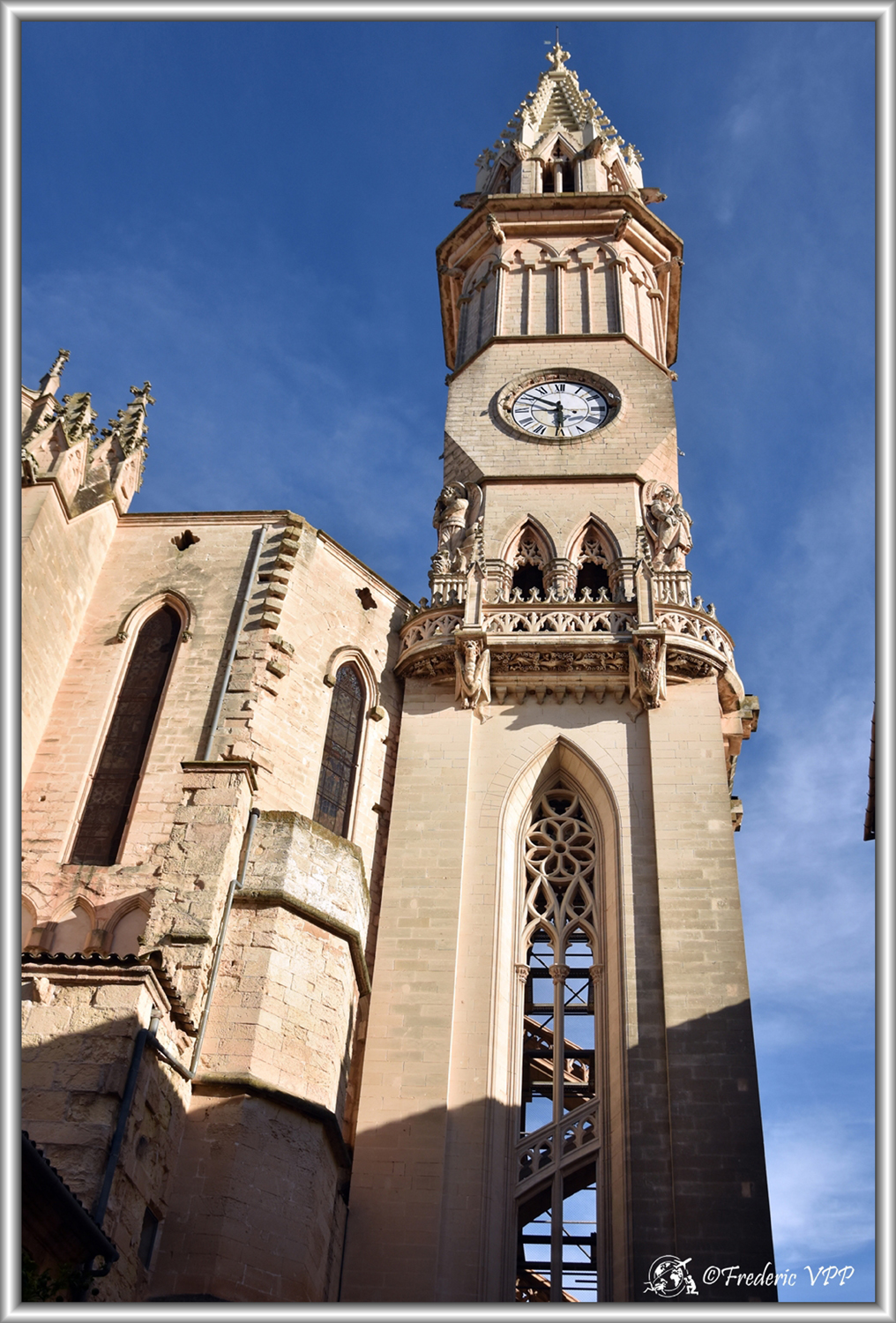
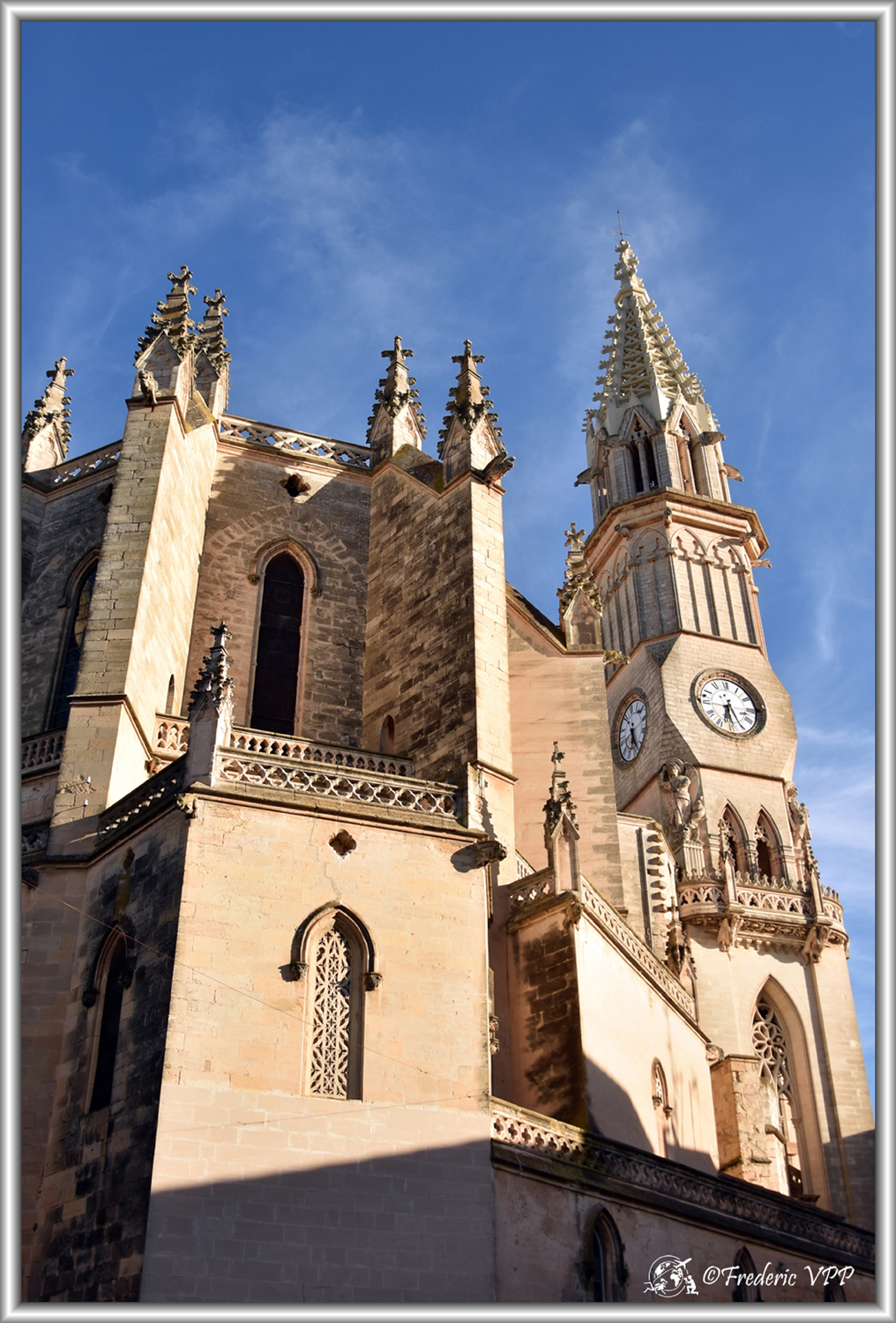
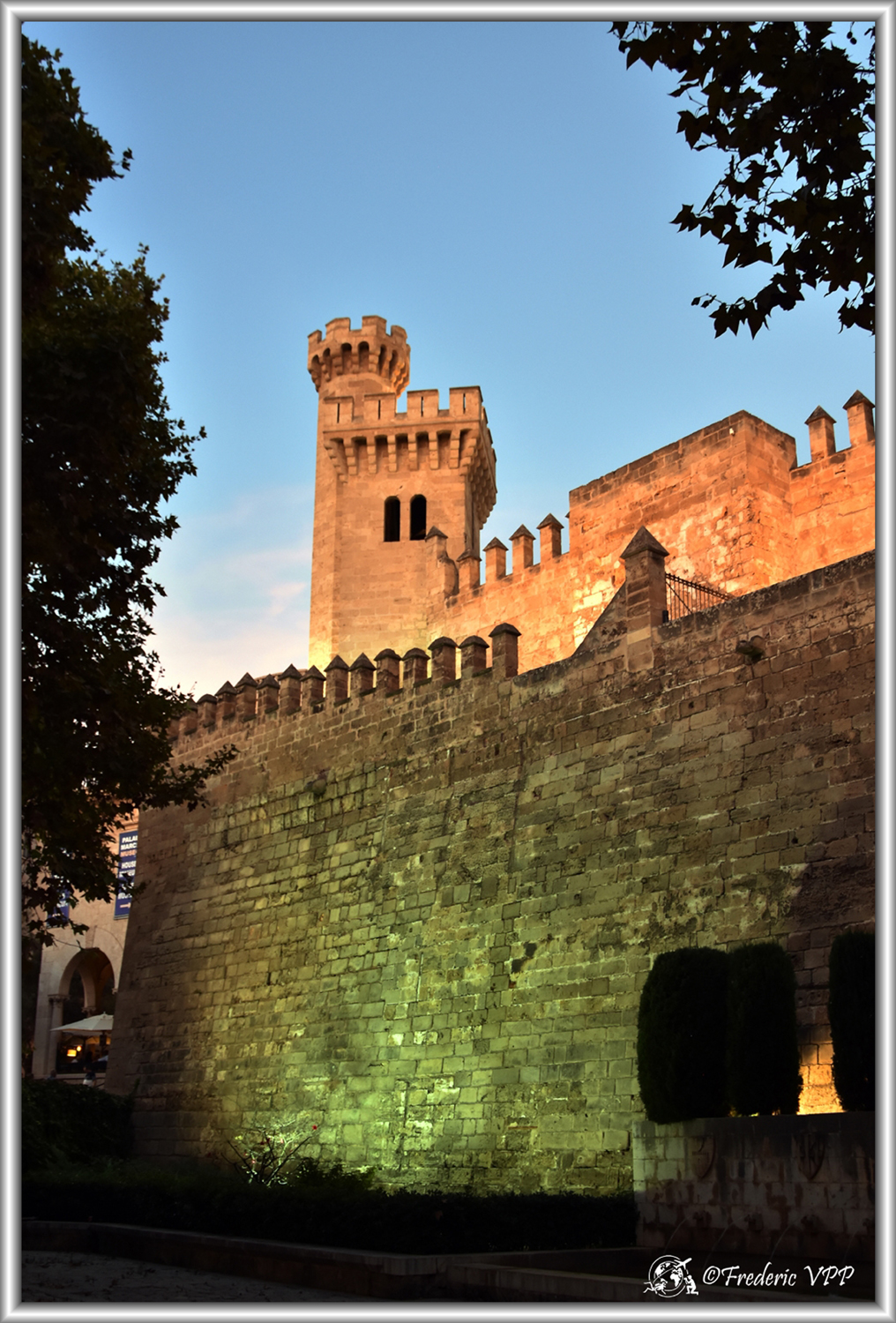
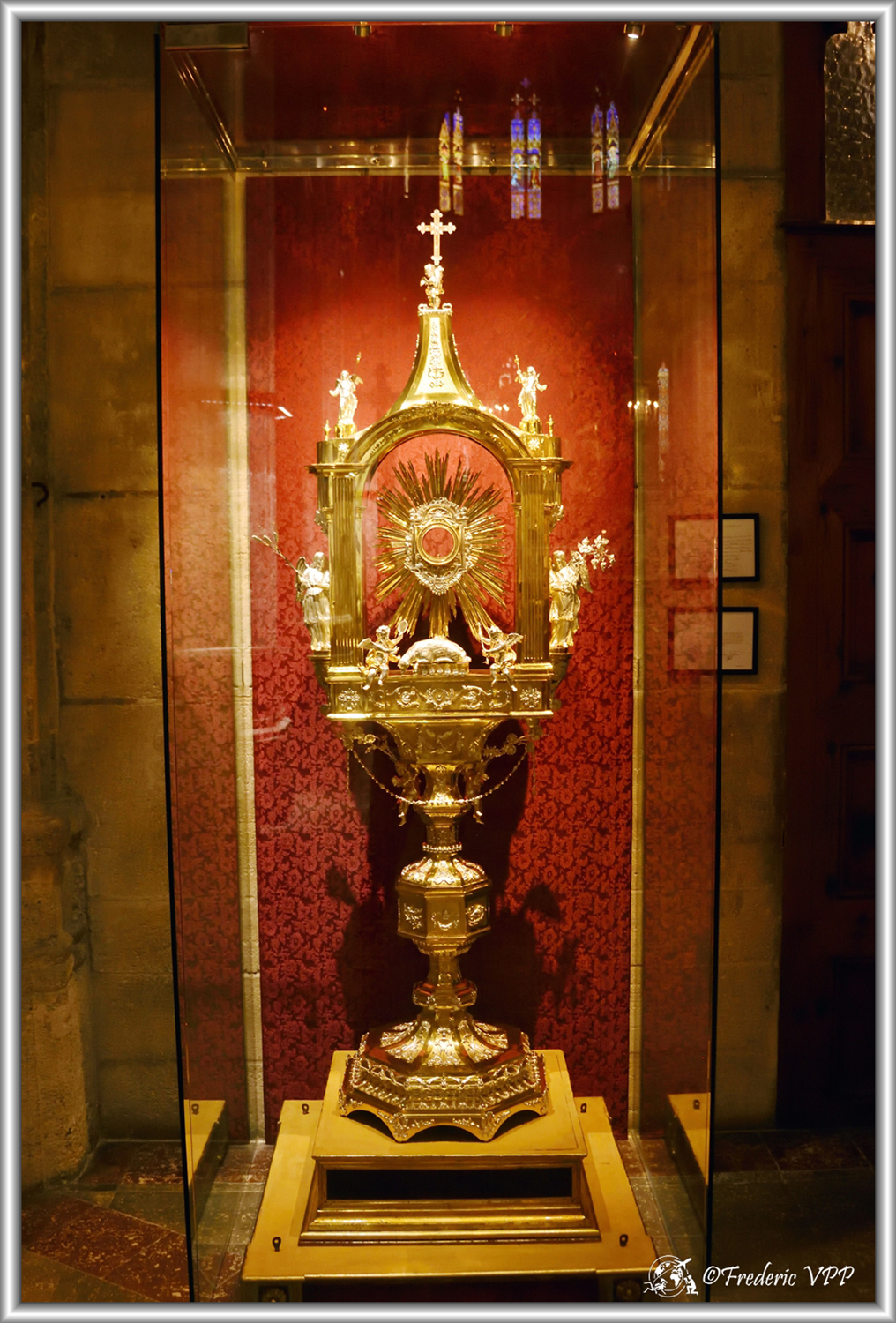
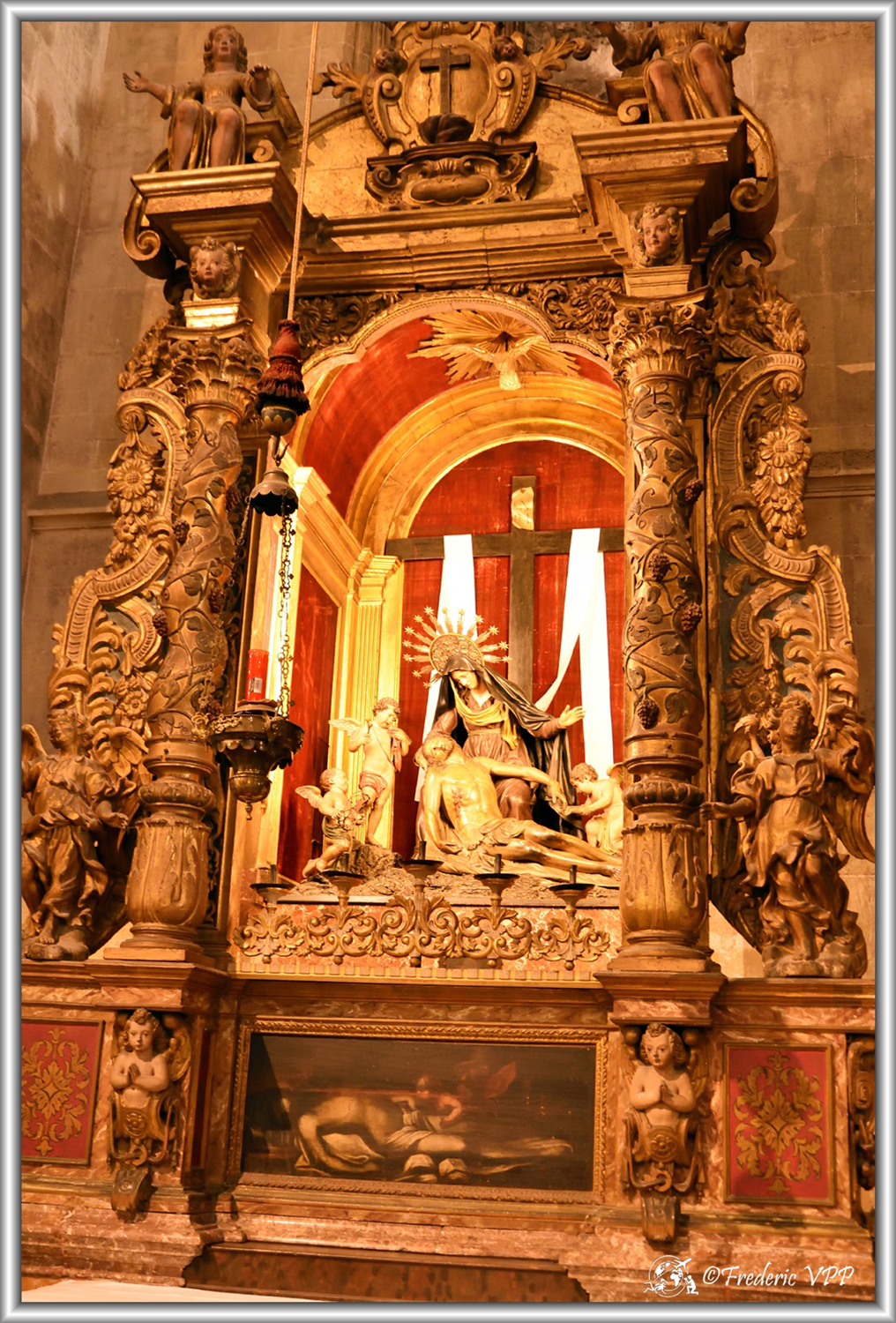
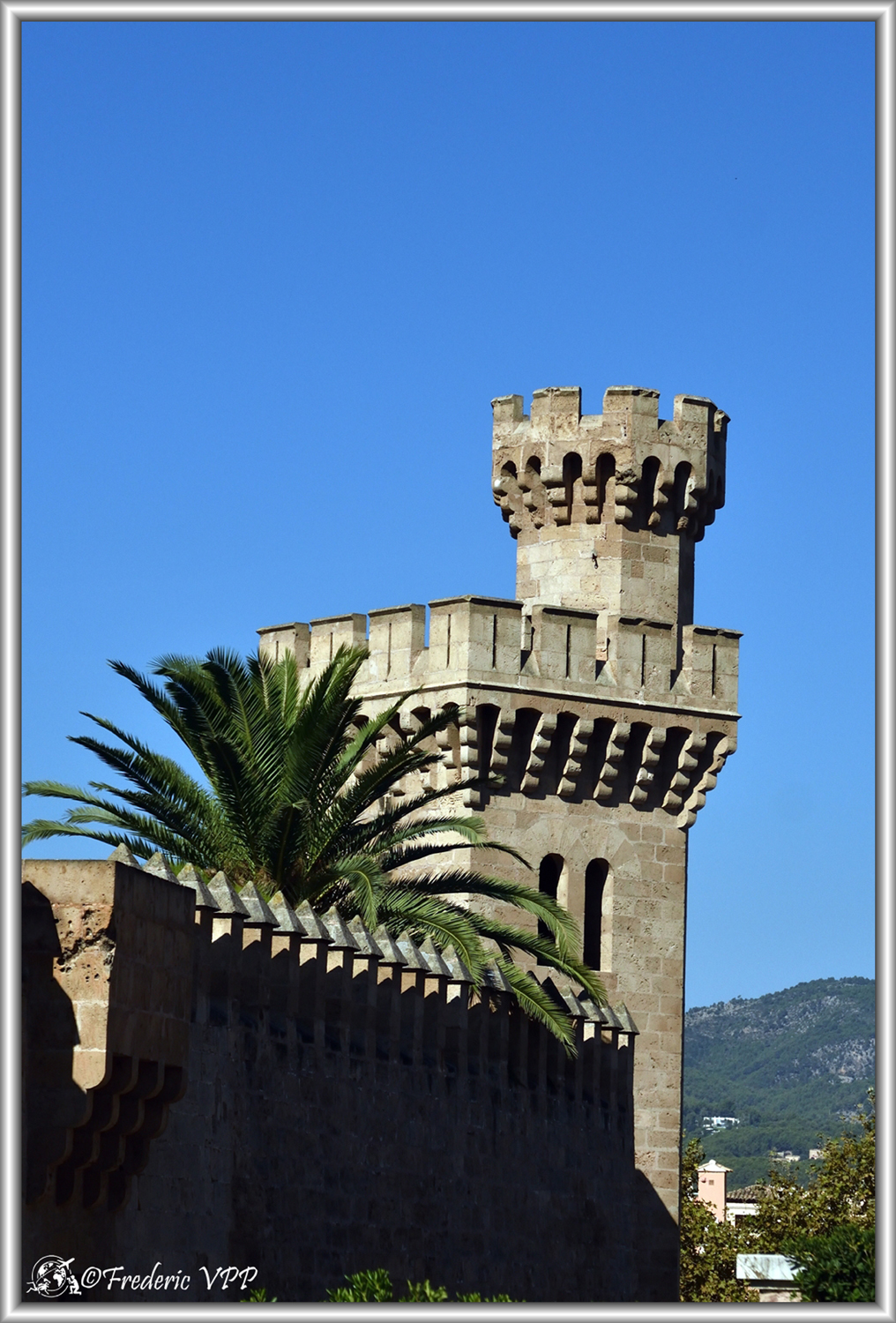
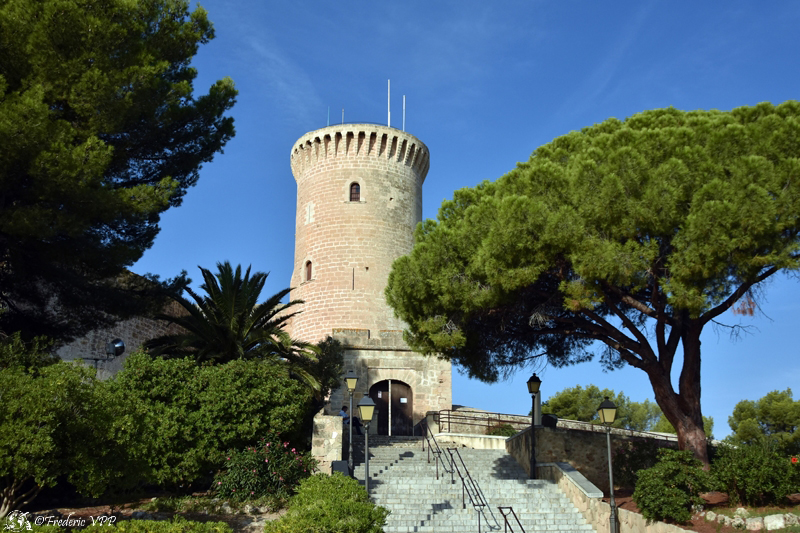
Many castles, magnificent churches are to be discovered throughout this journey. For this 1st trip, I traveled the east coast starting from Cala s'Almonia and going up to Cala Agulla. The roads are magnificent except on the very mountainous western part.
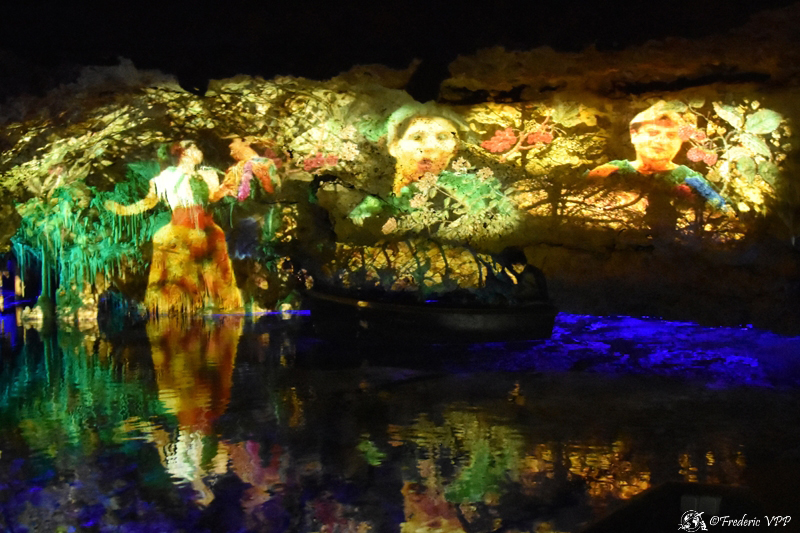
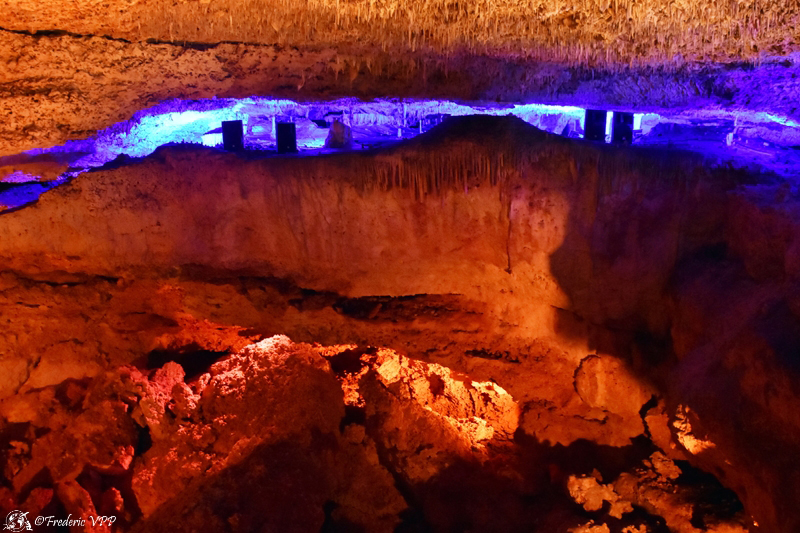
During this walk, I also visited the caves of Hams, which is the subject of a page because many photos with a sound and light show projected on the walls rocky, as in the Image Cathedral of Les Baux-de-Provence. Another cave seems interesting but the price remains dissuasive. That will be for next time.
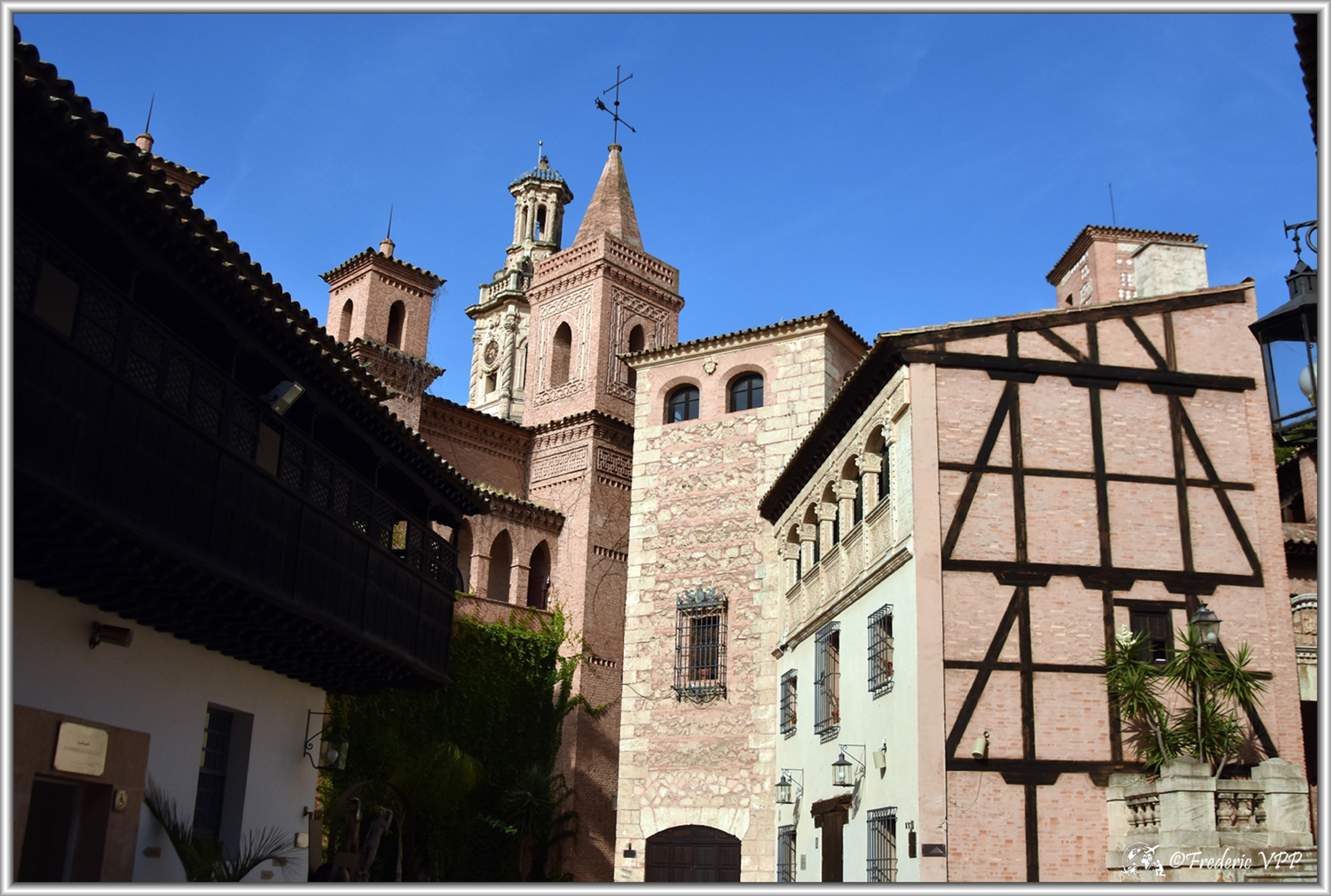
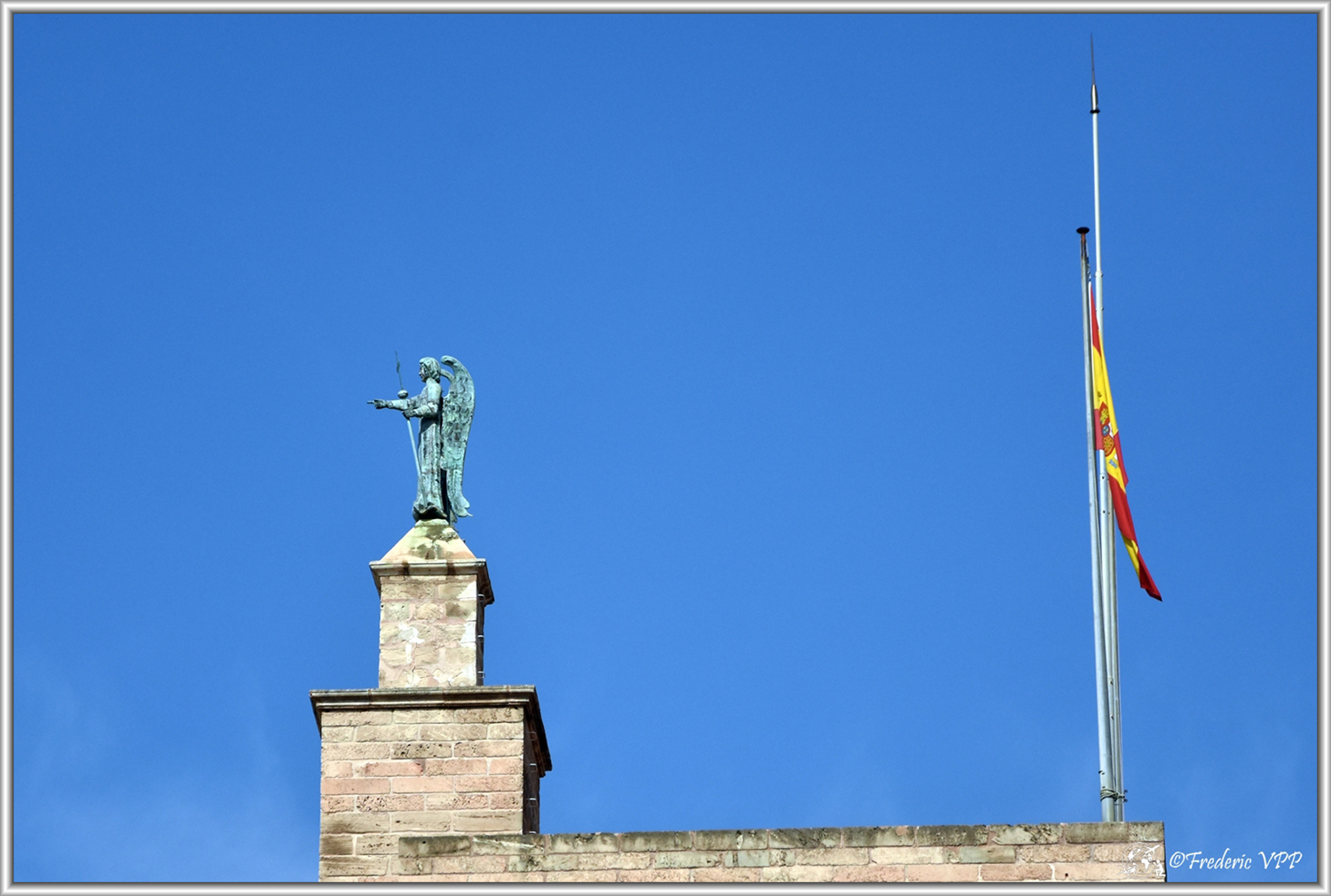
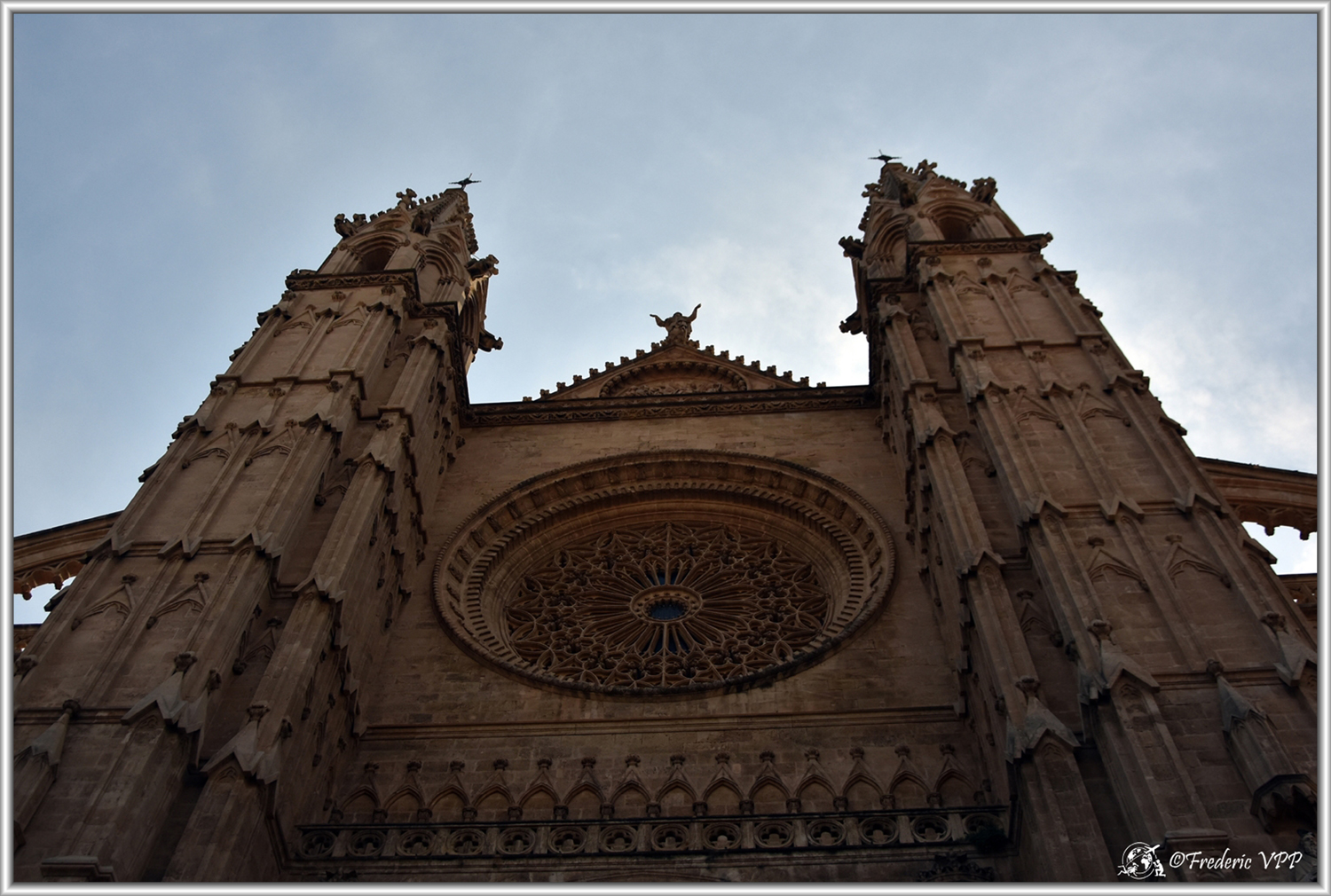
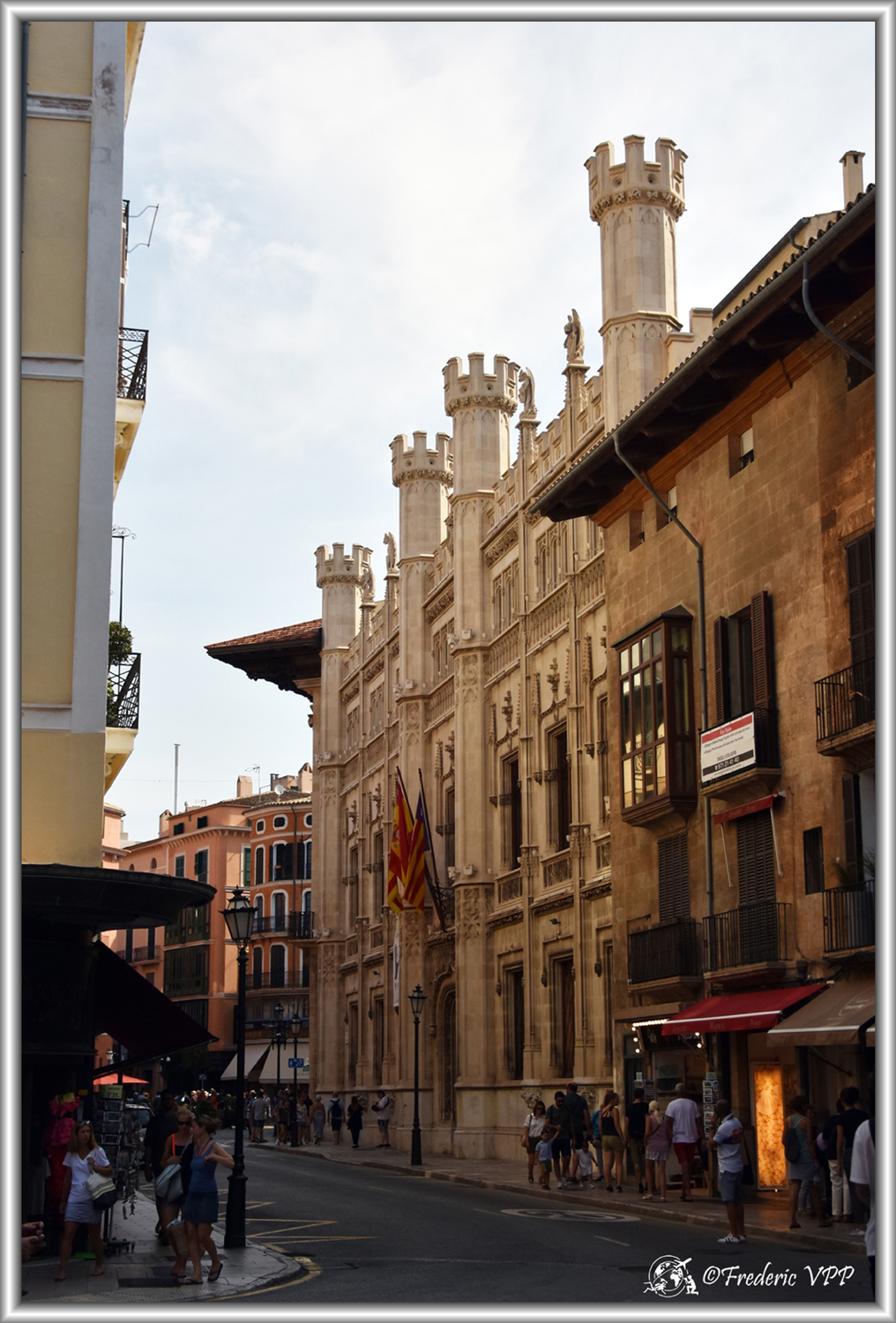
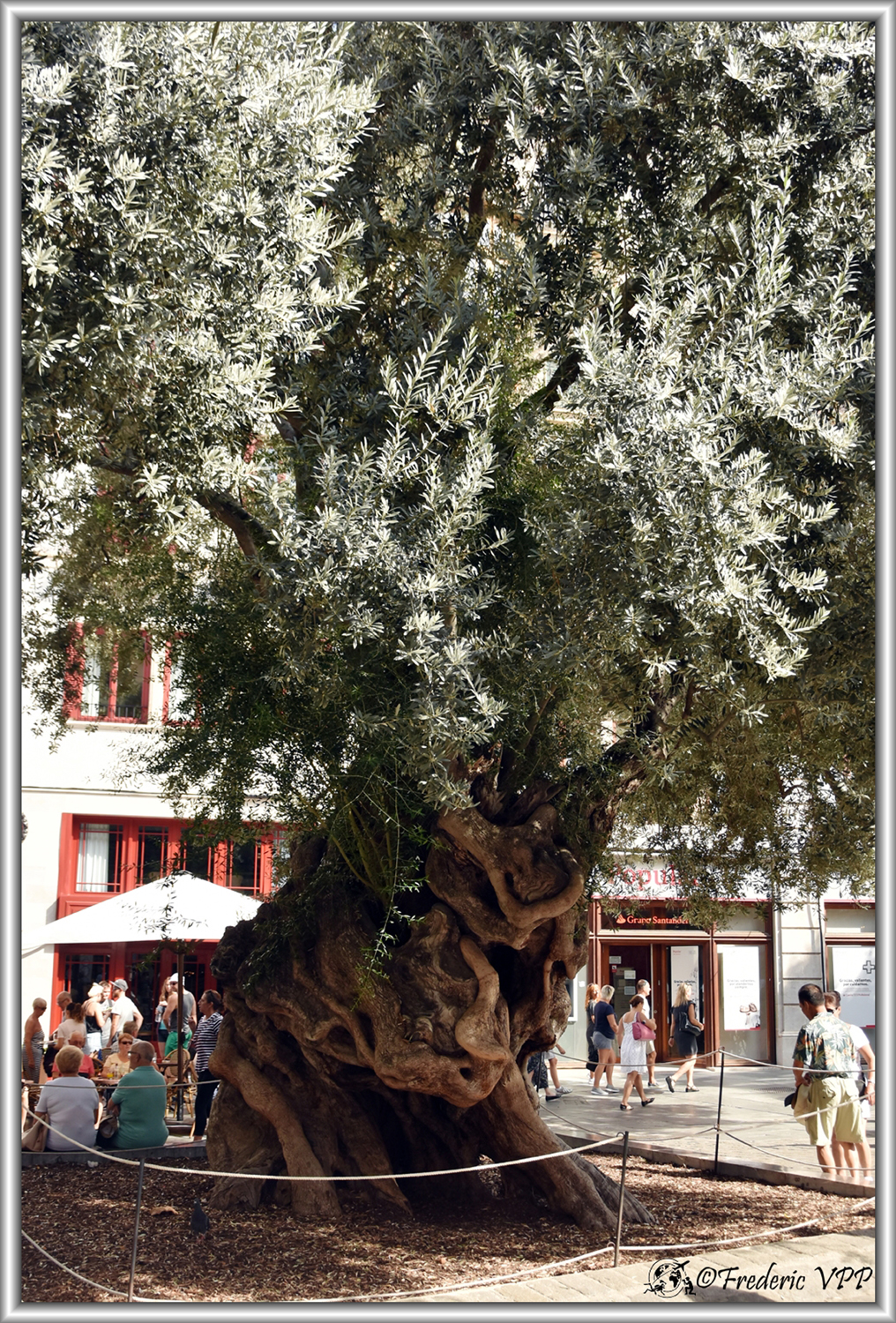
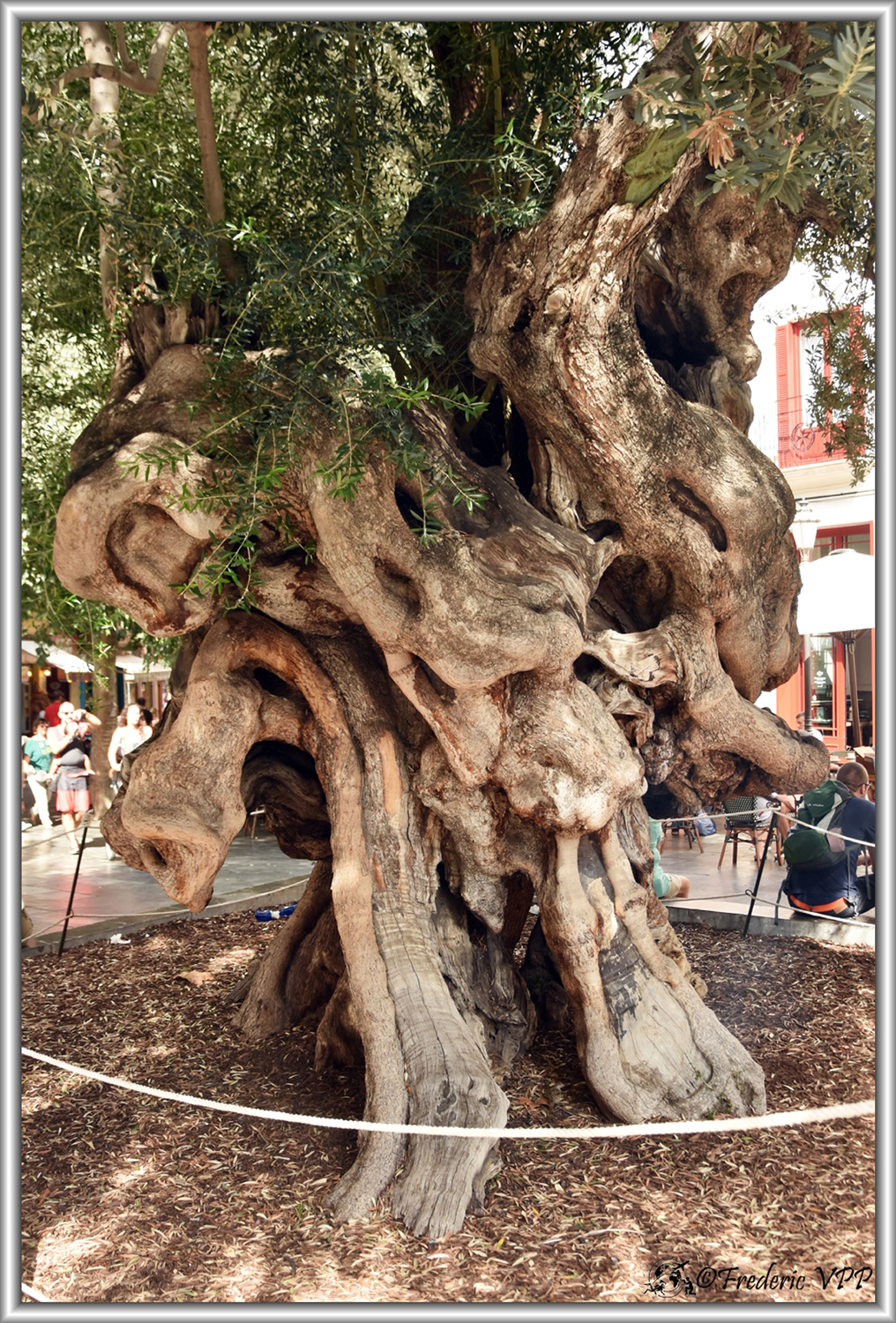
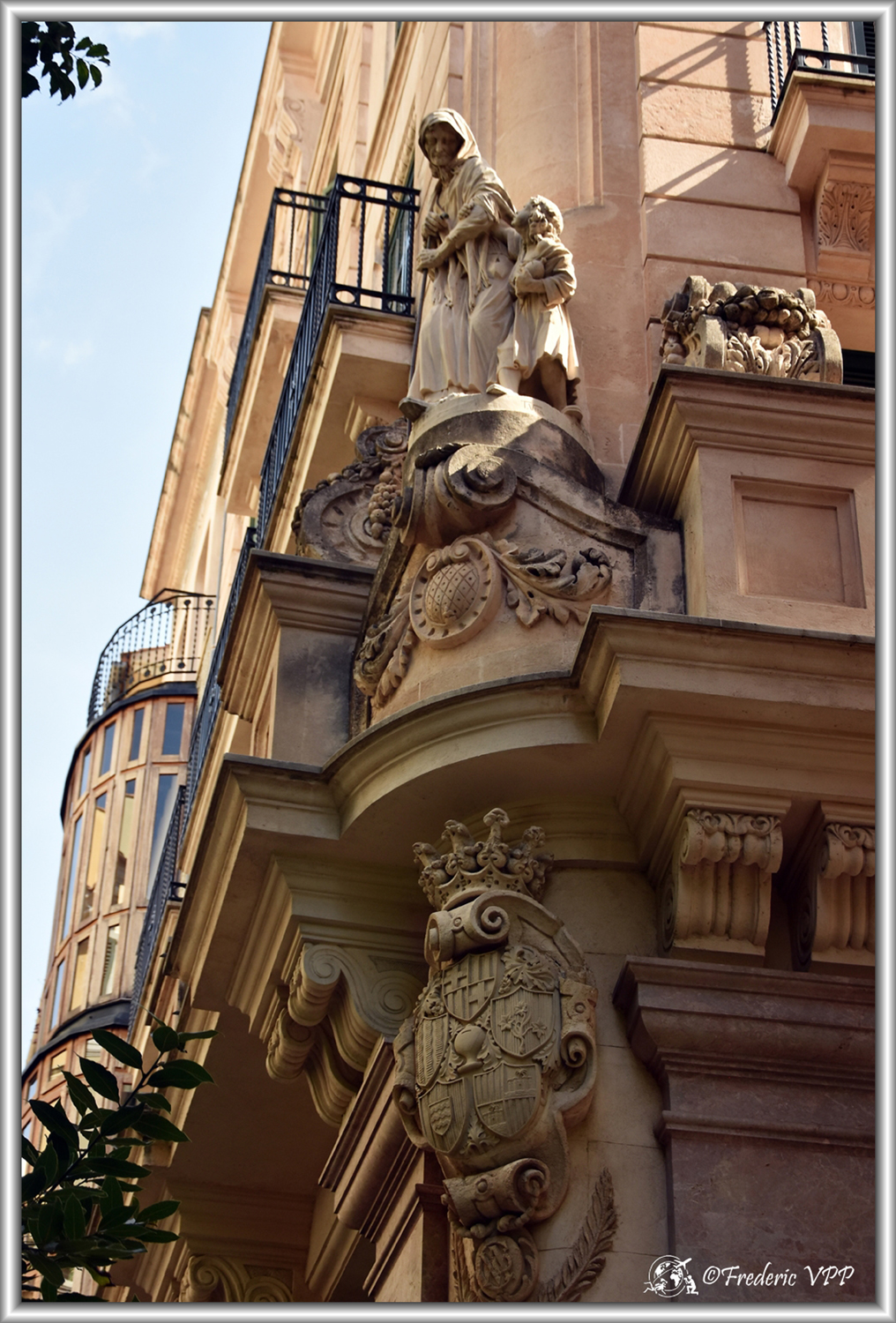
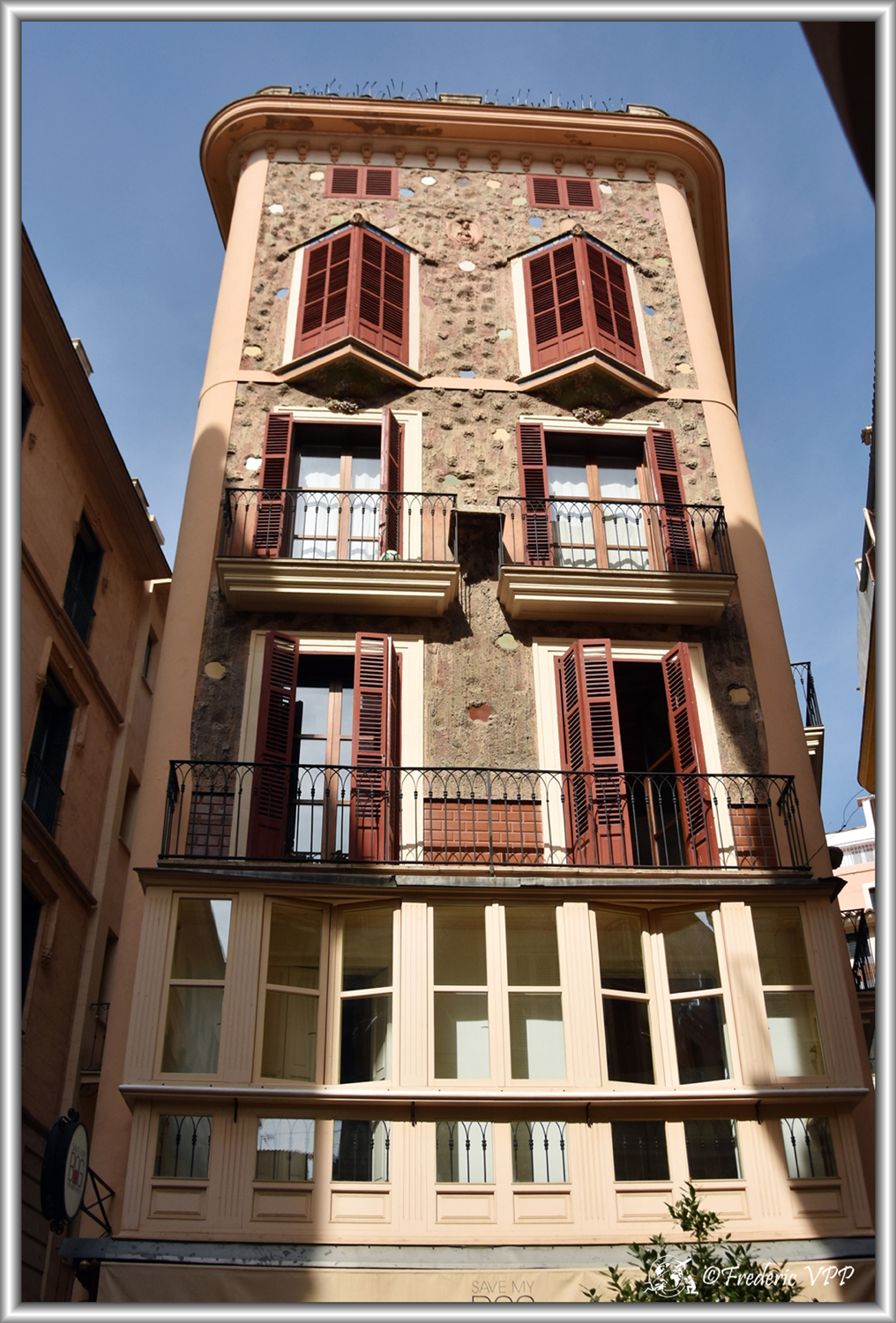
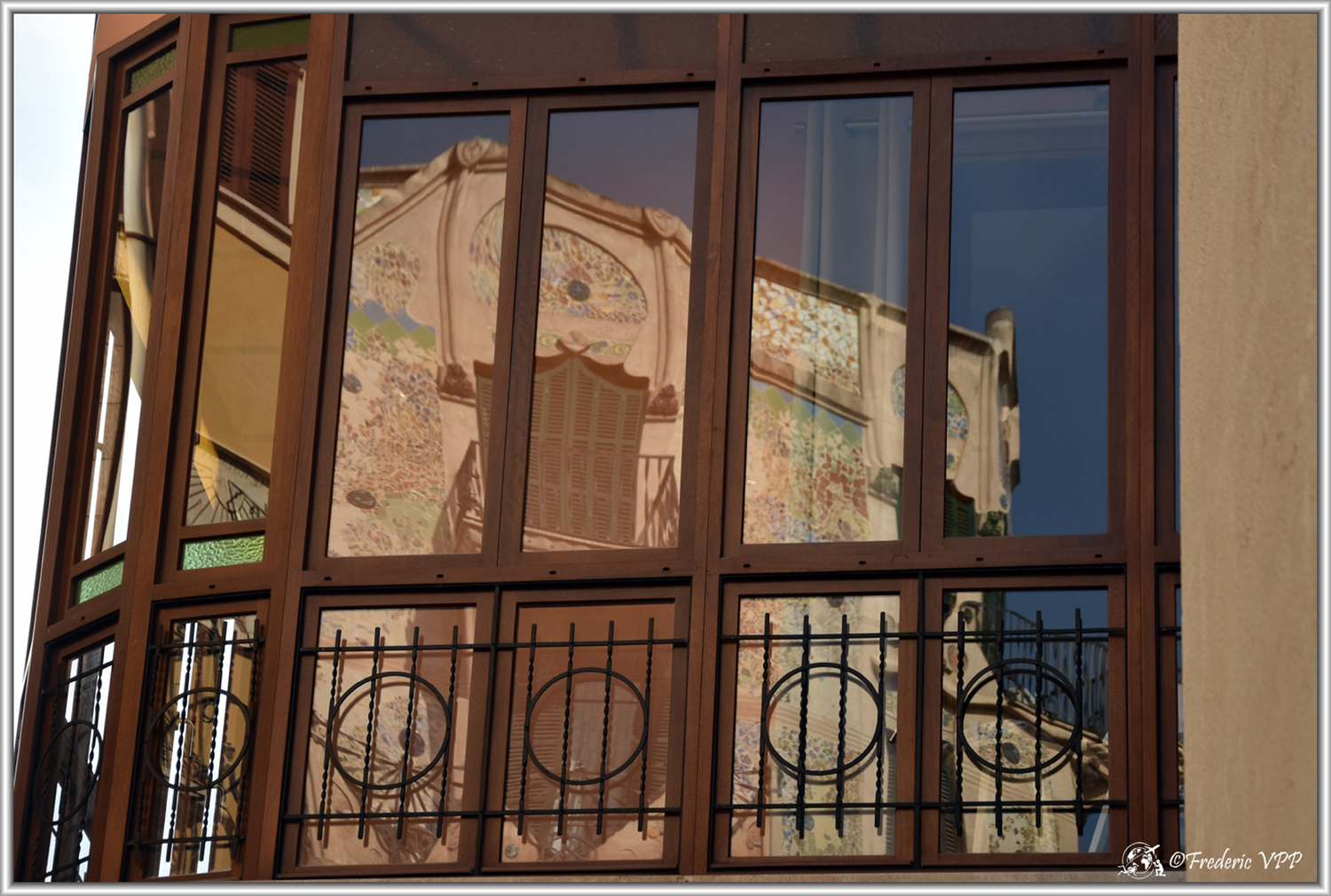
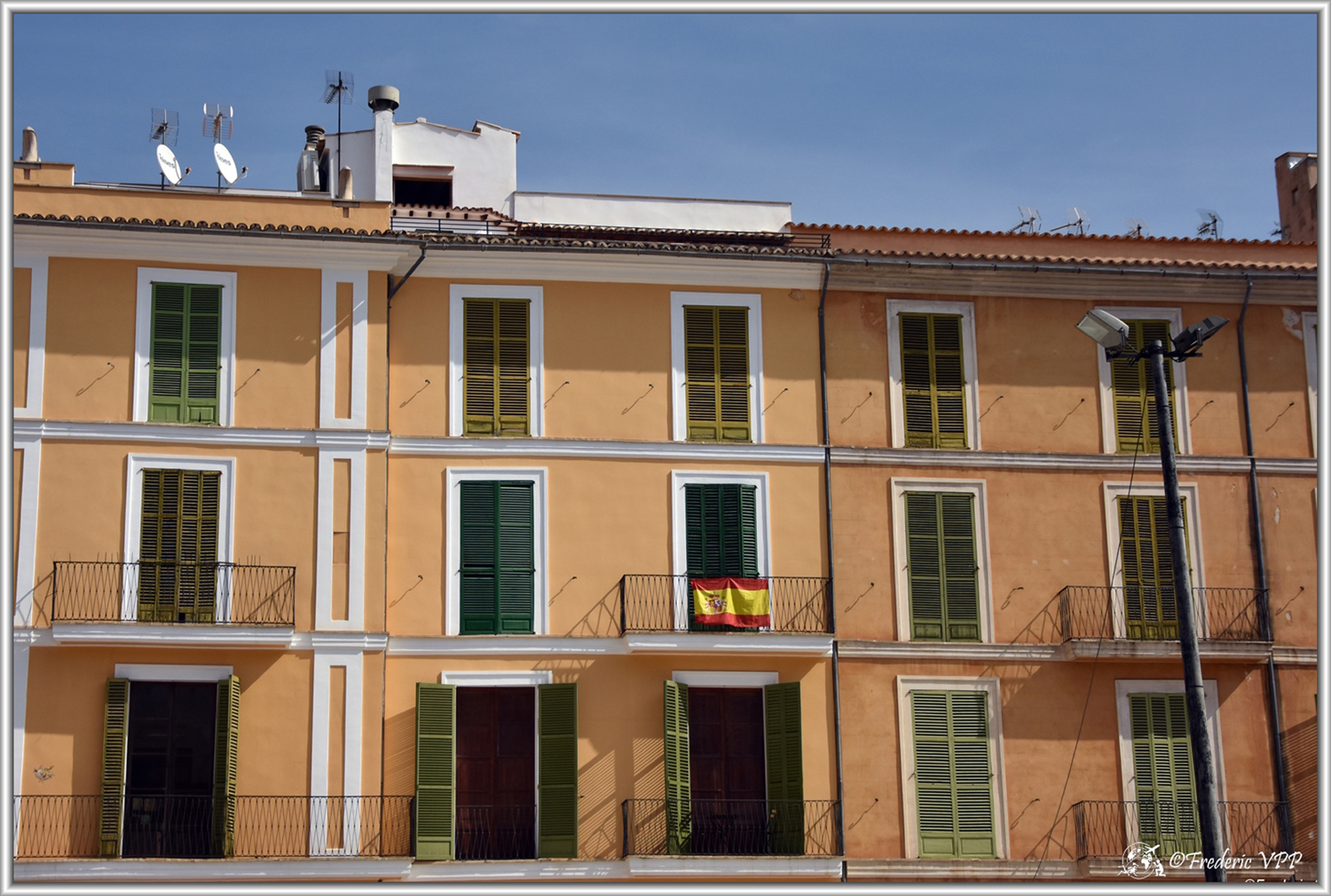
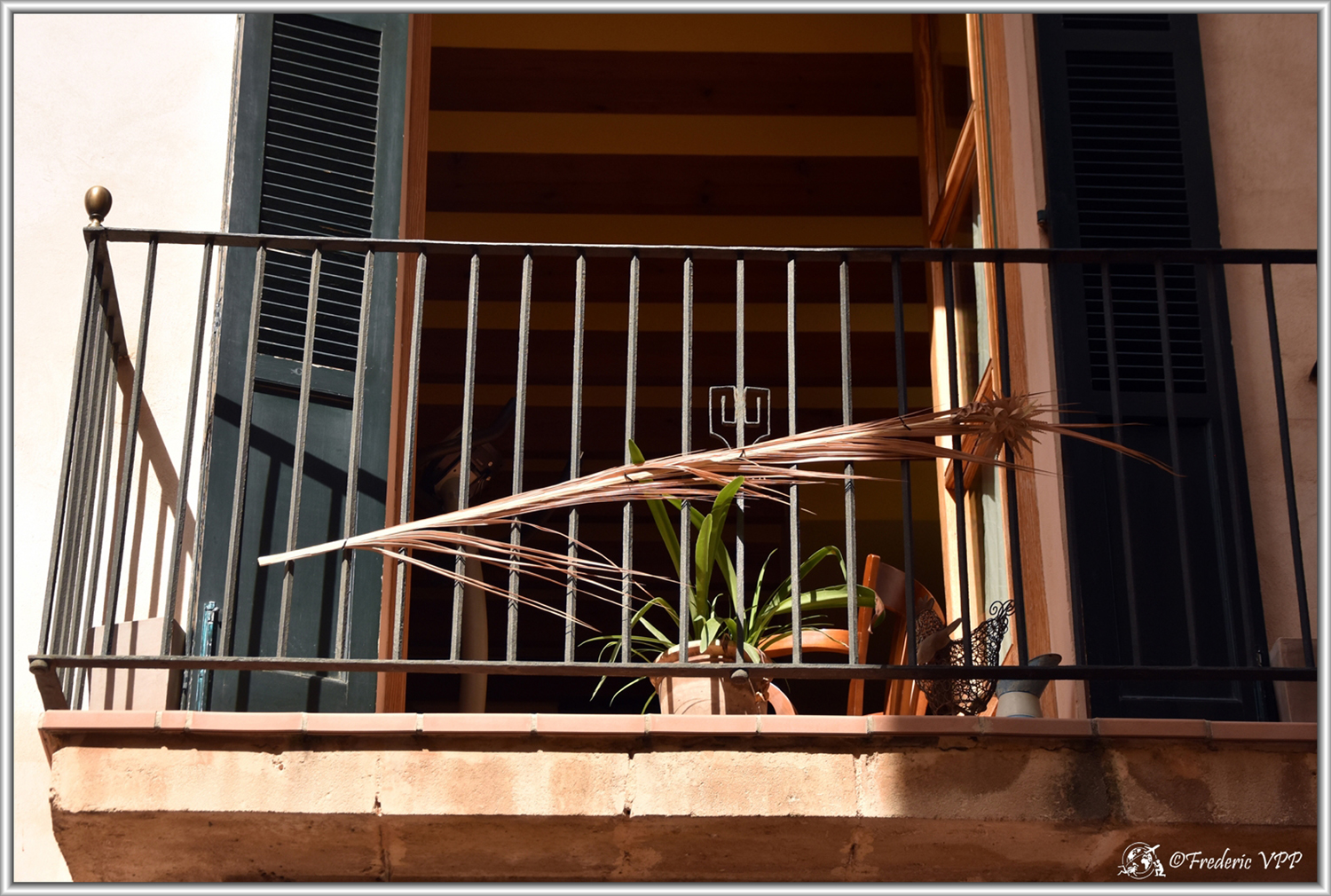
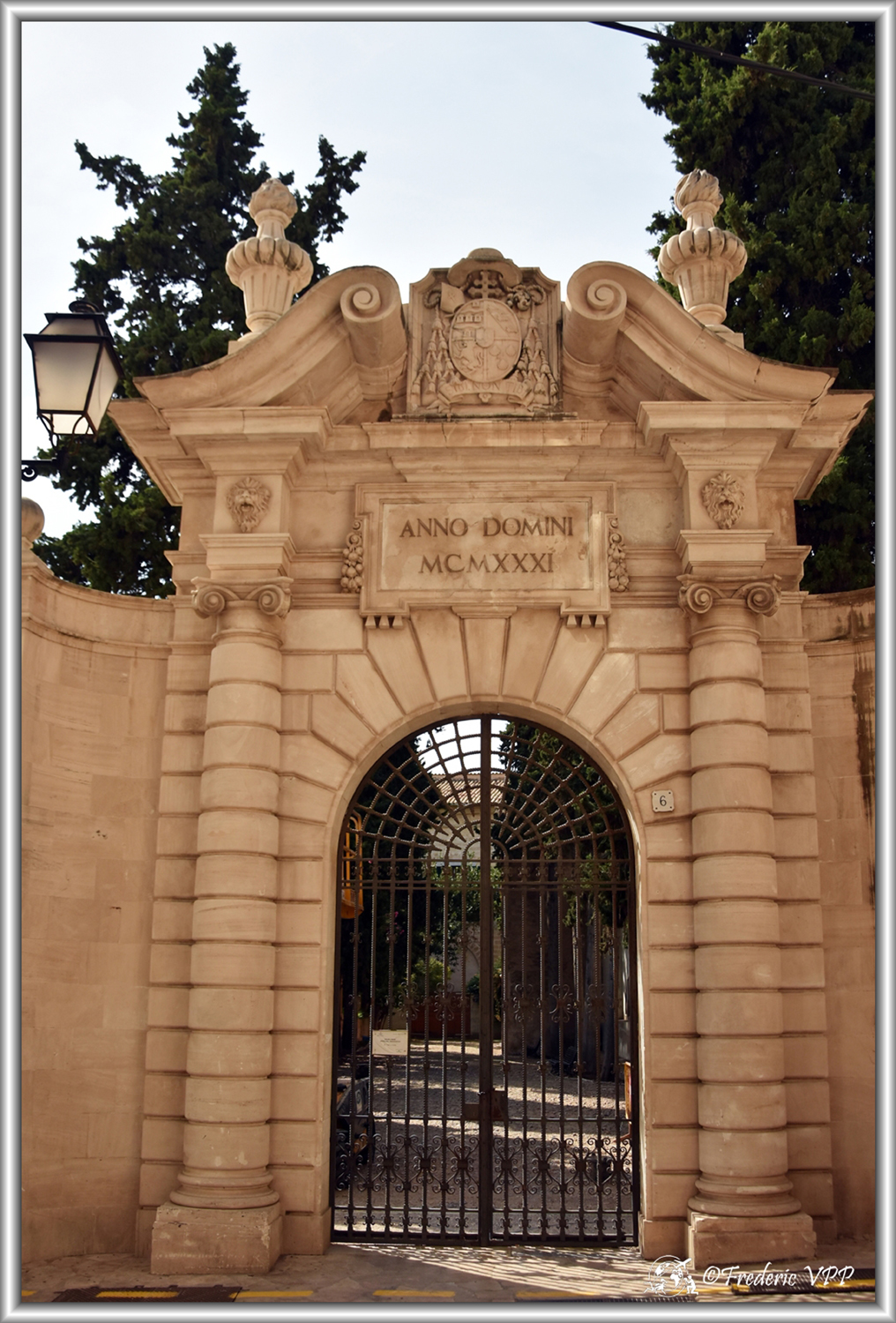
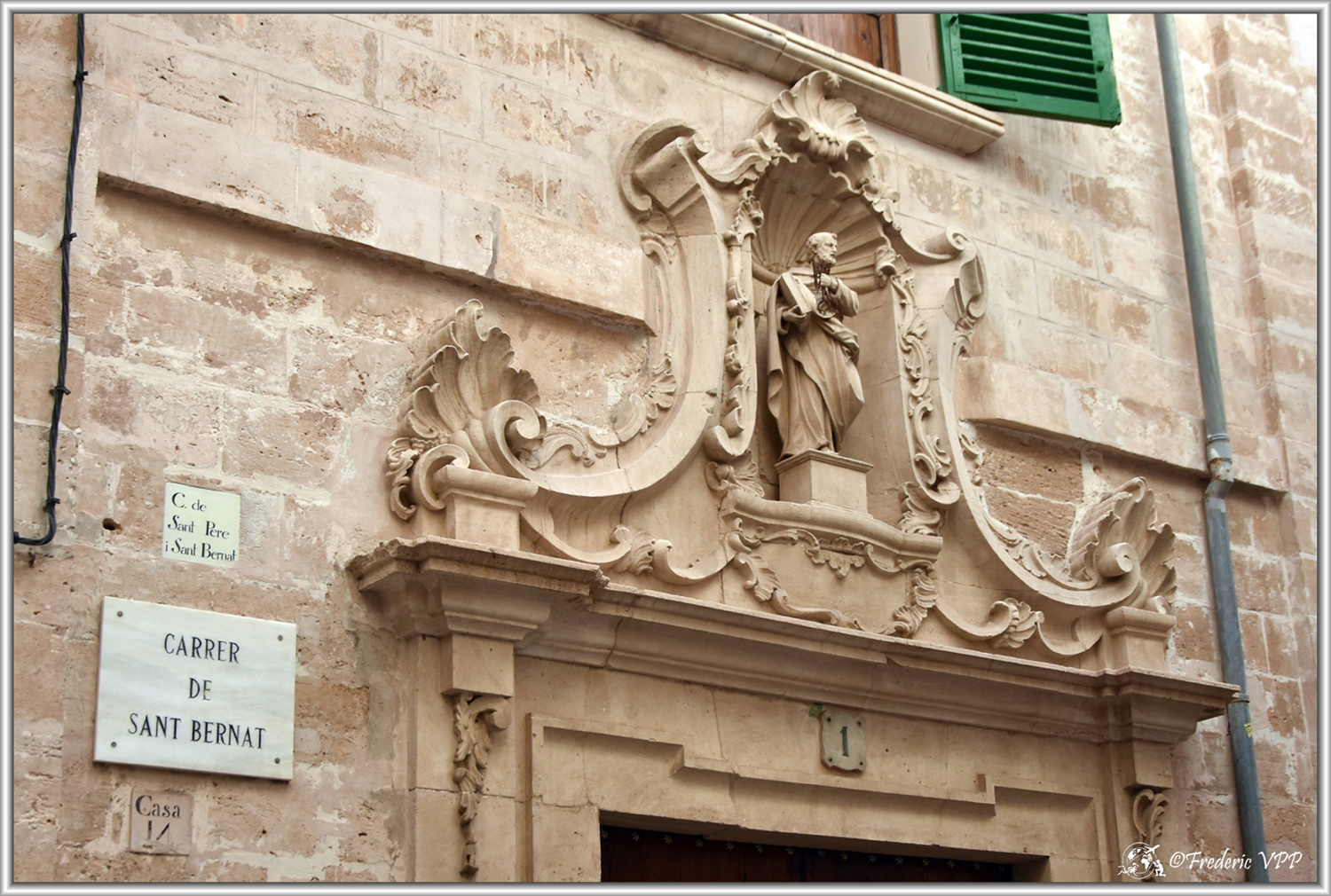
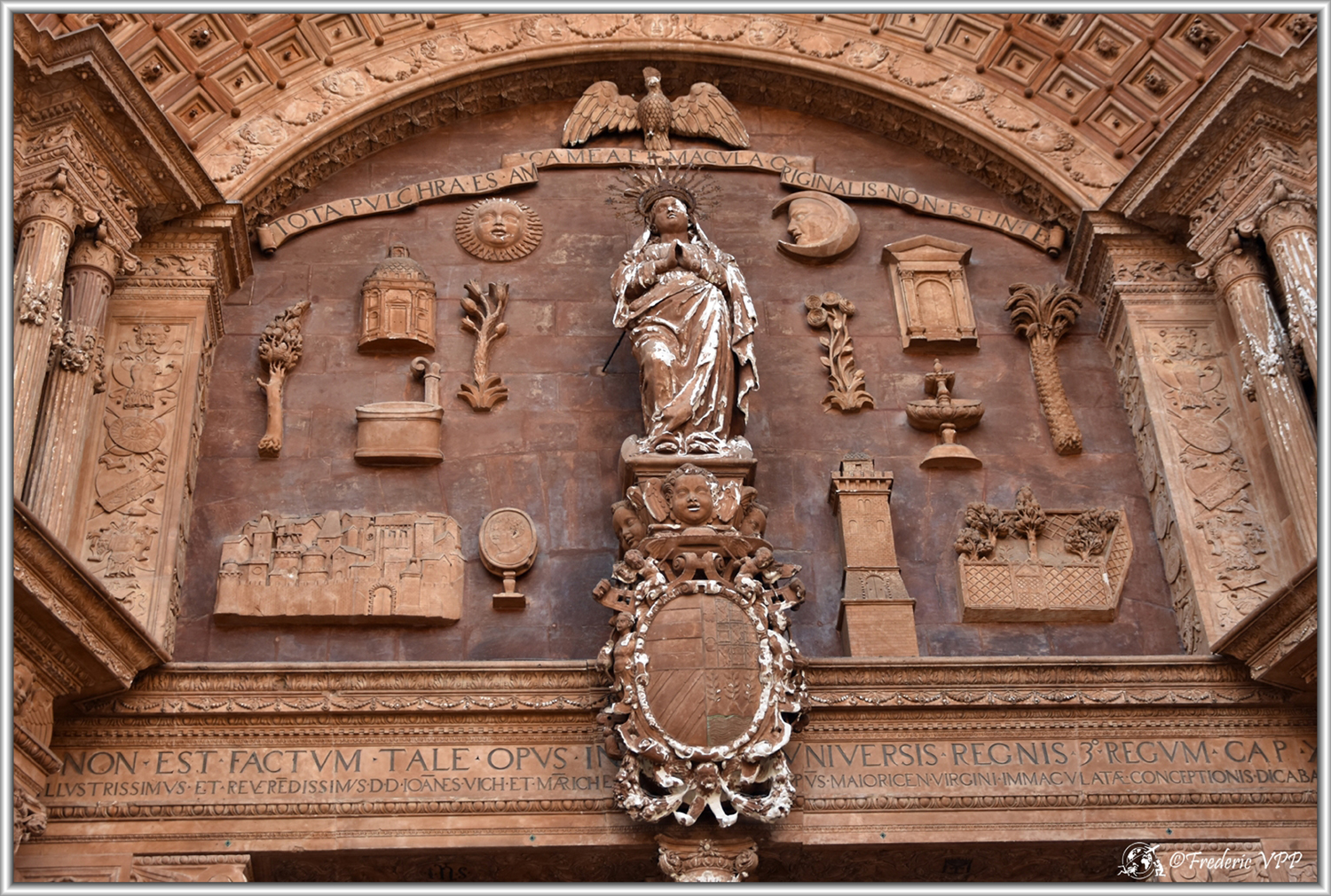
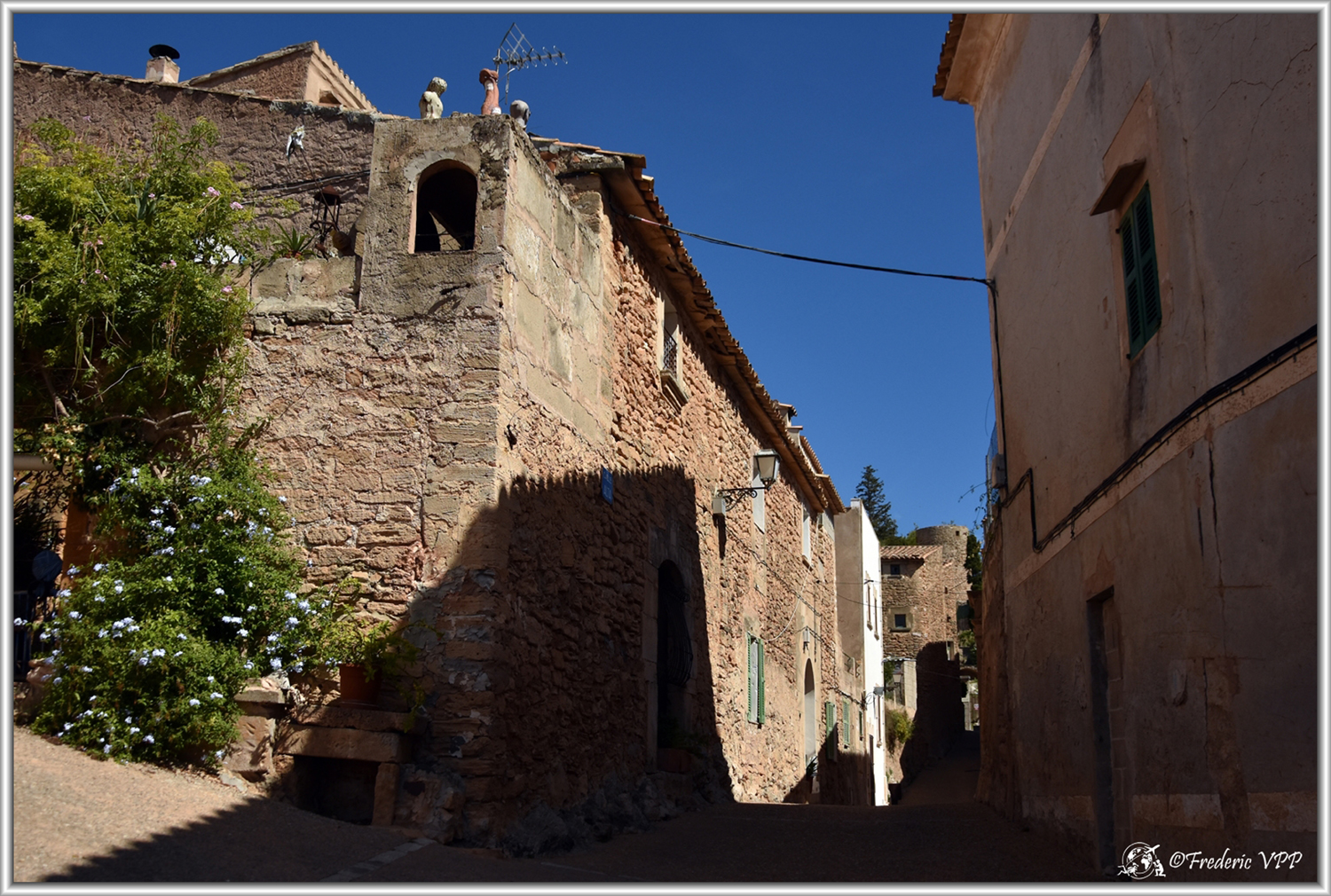
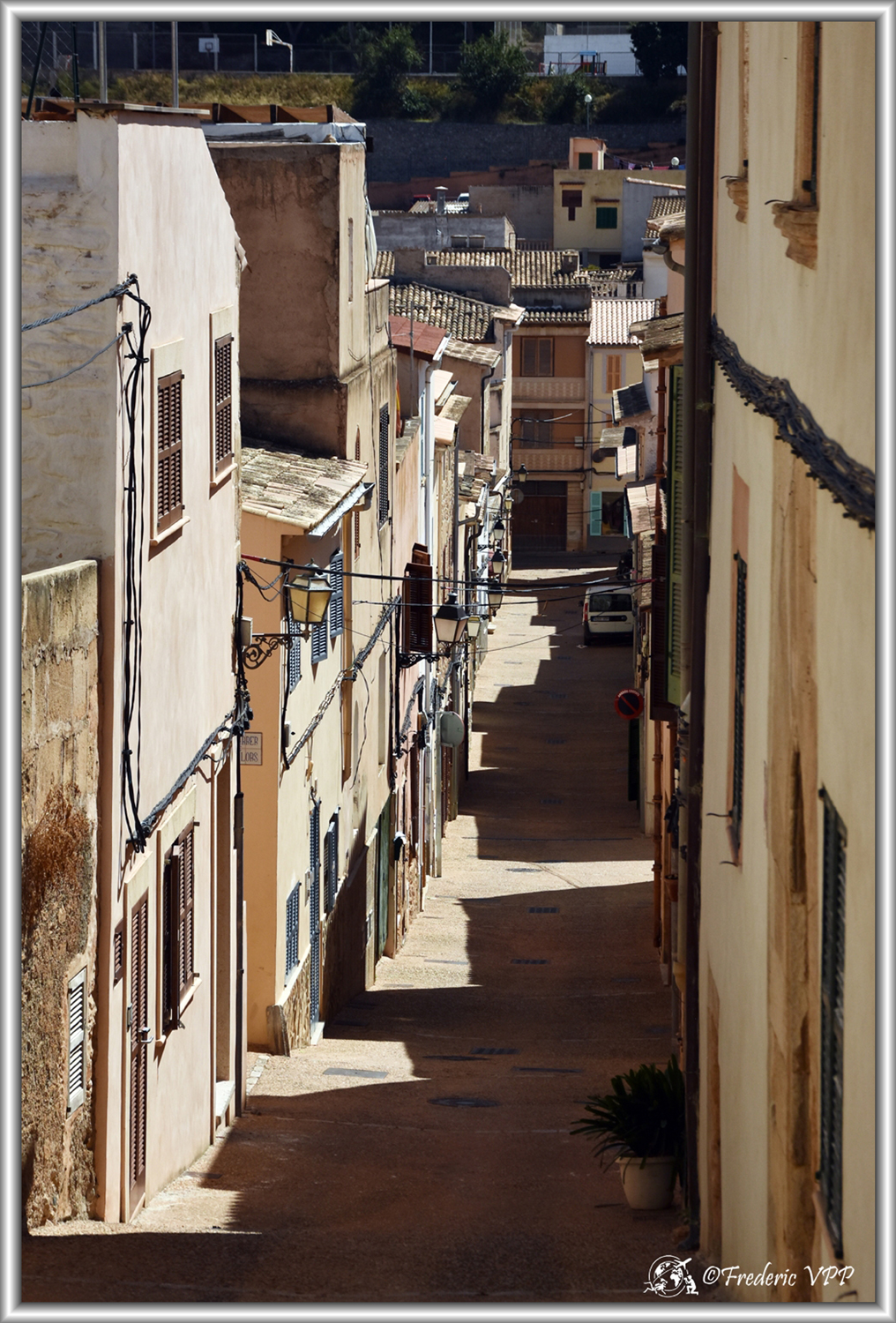
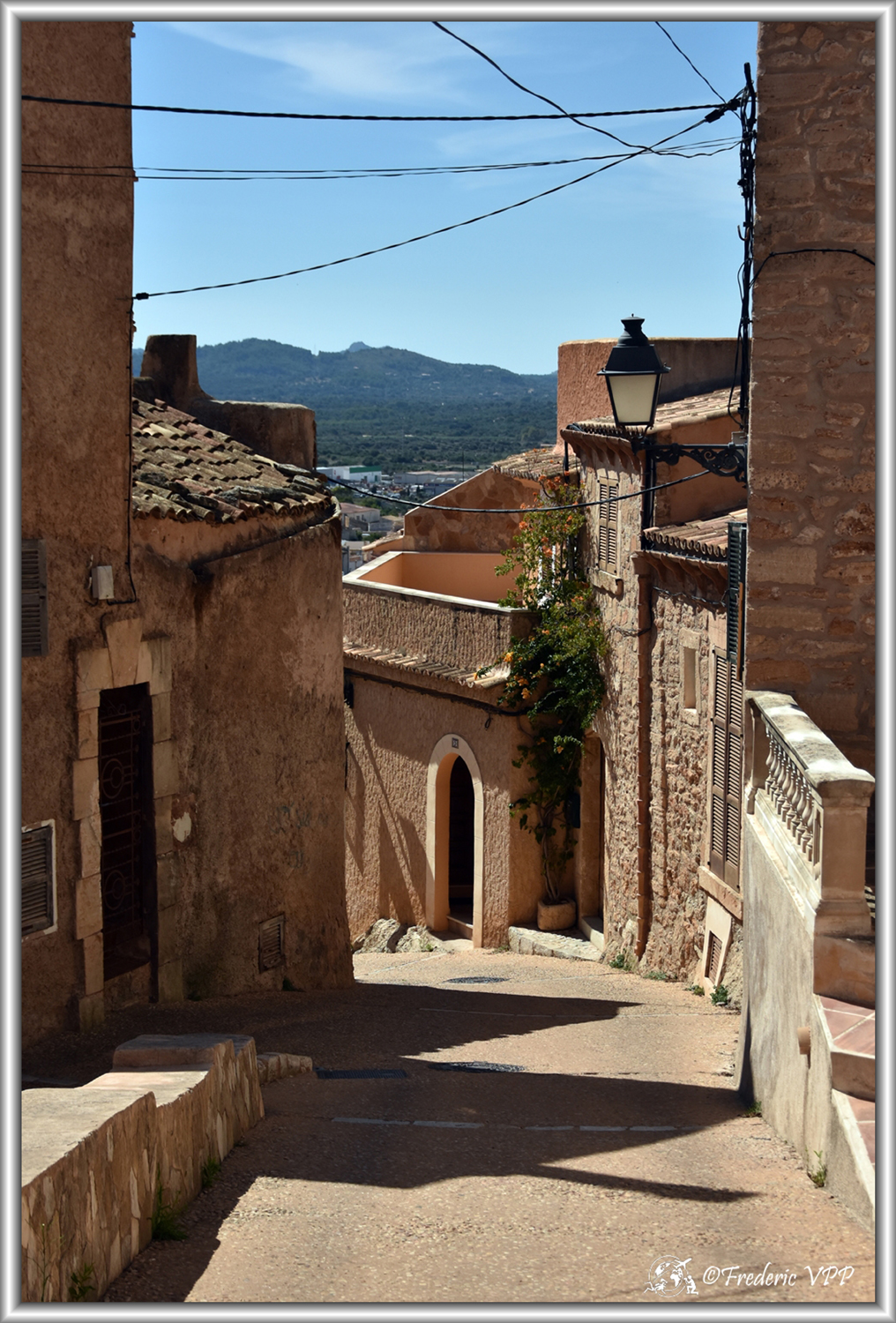
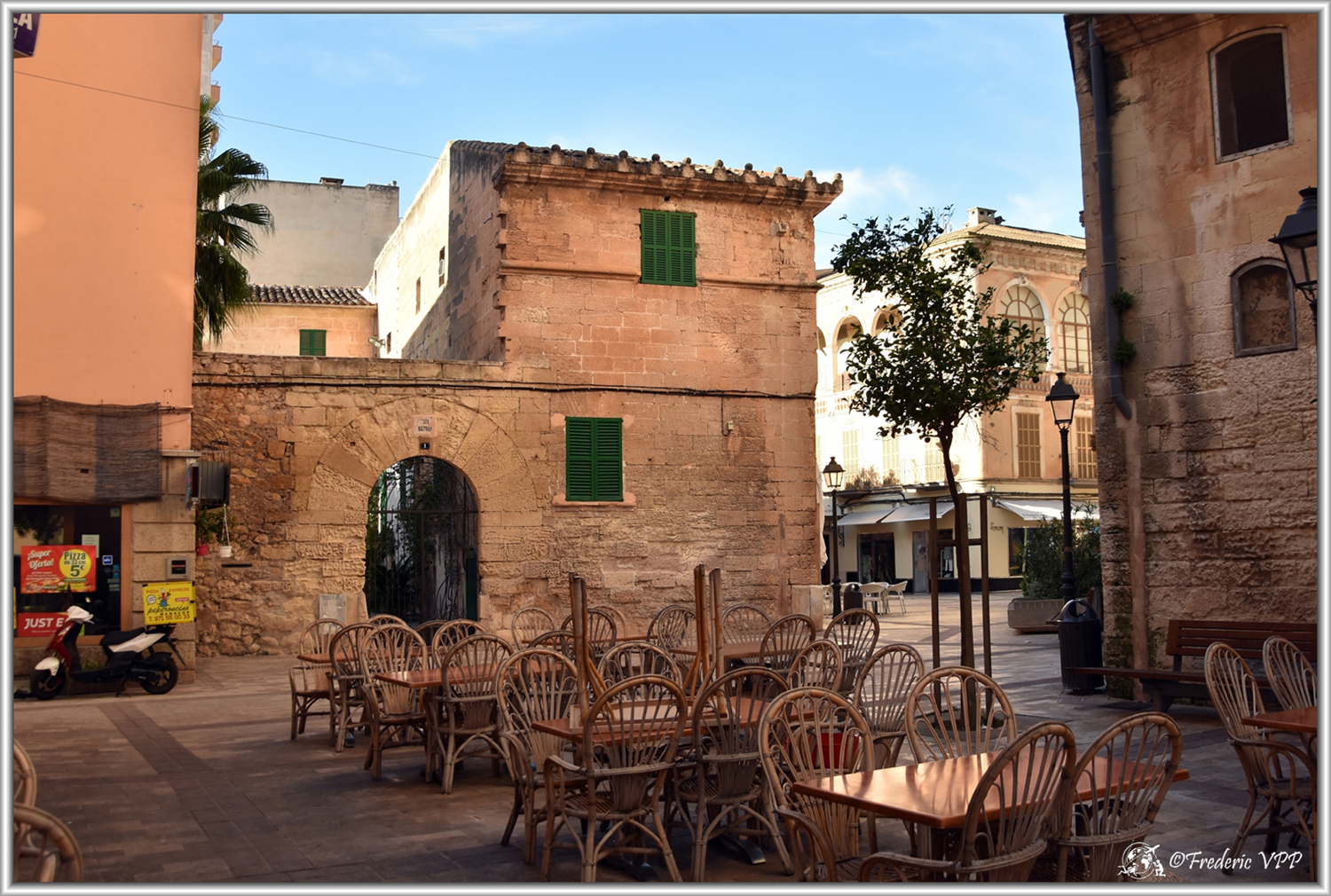
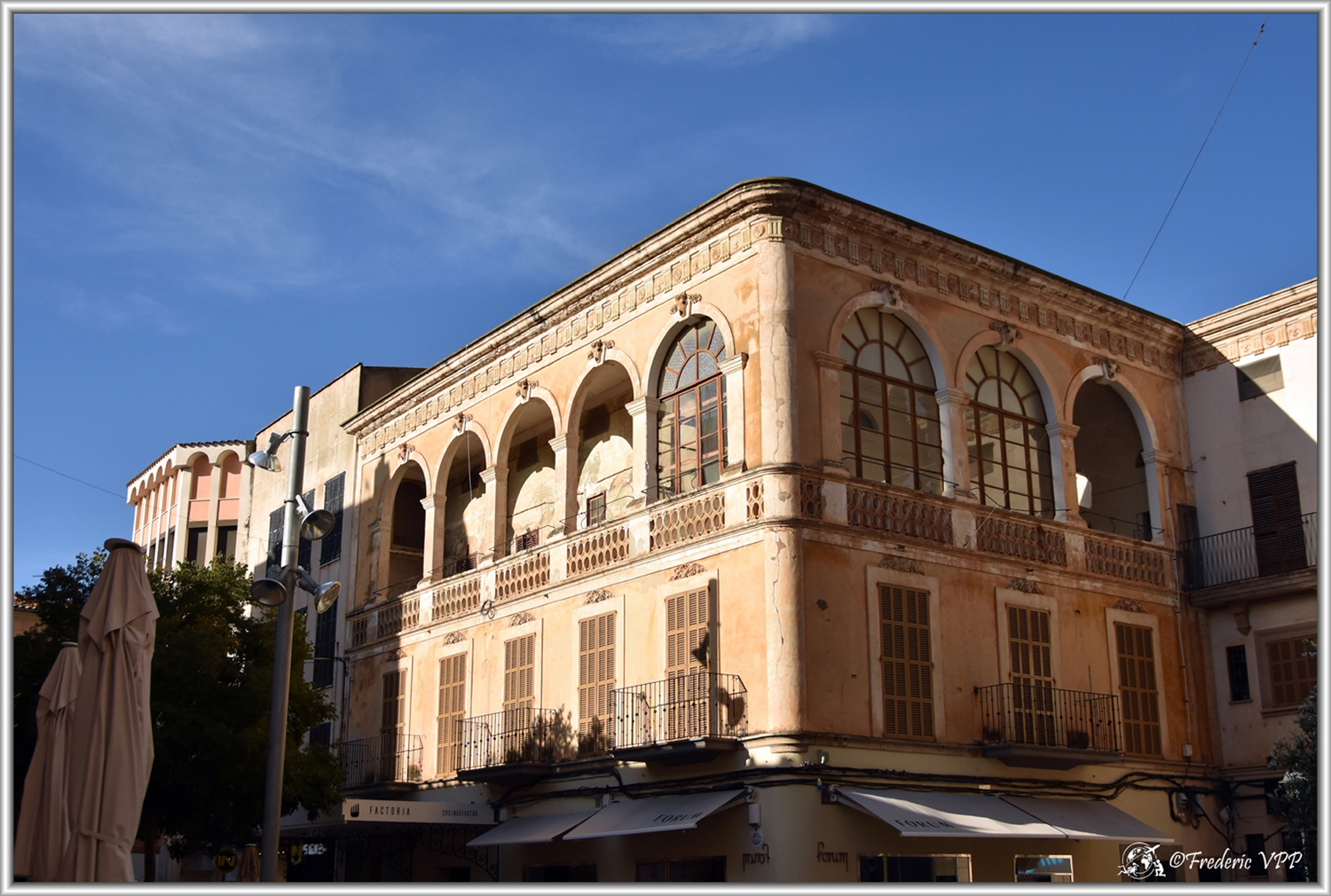
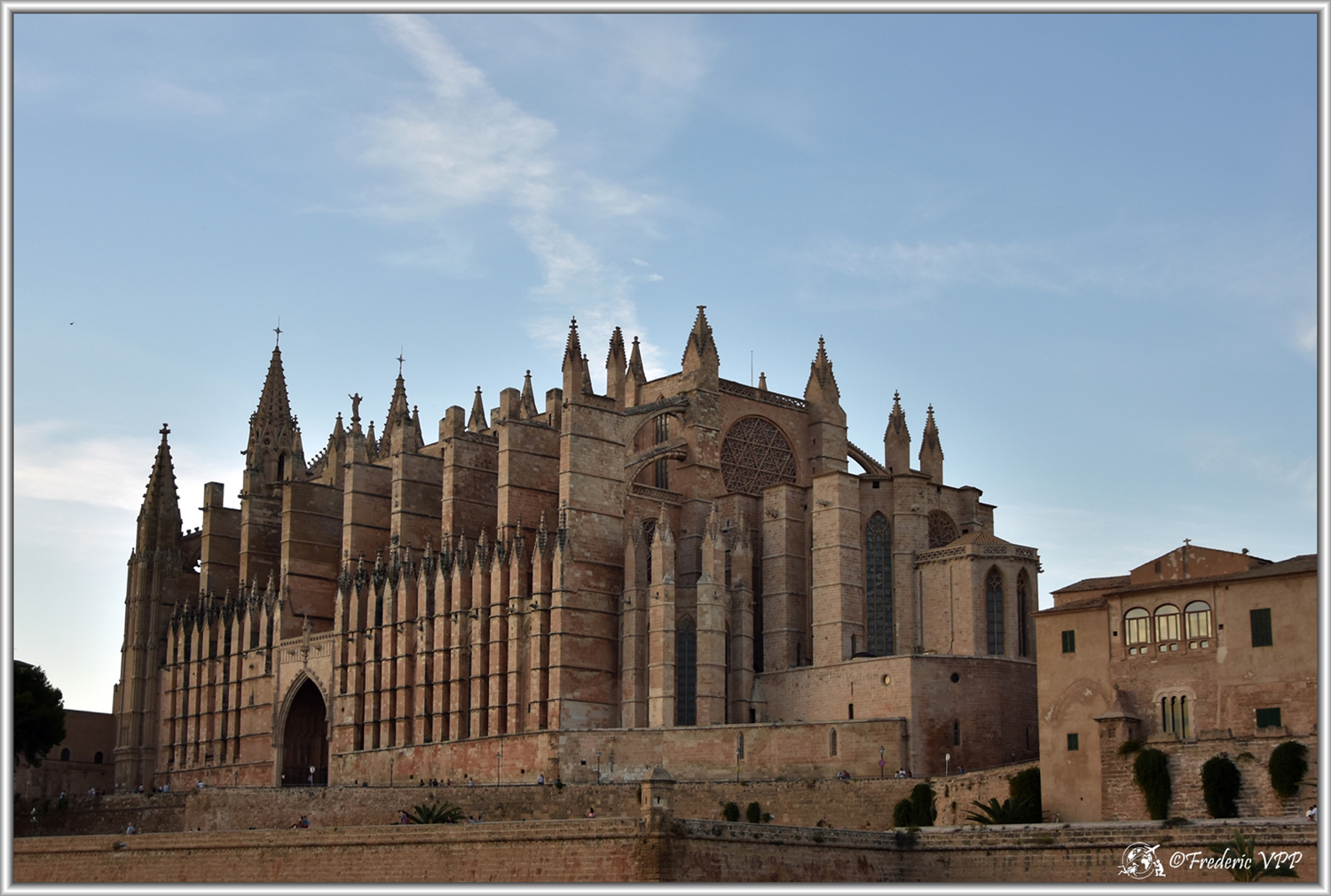
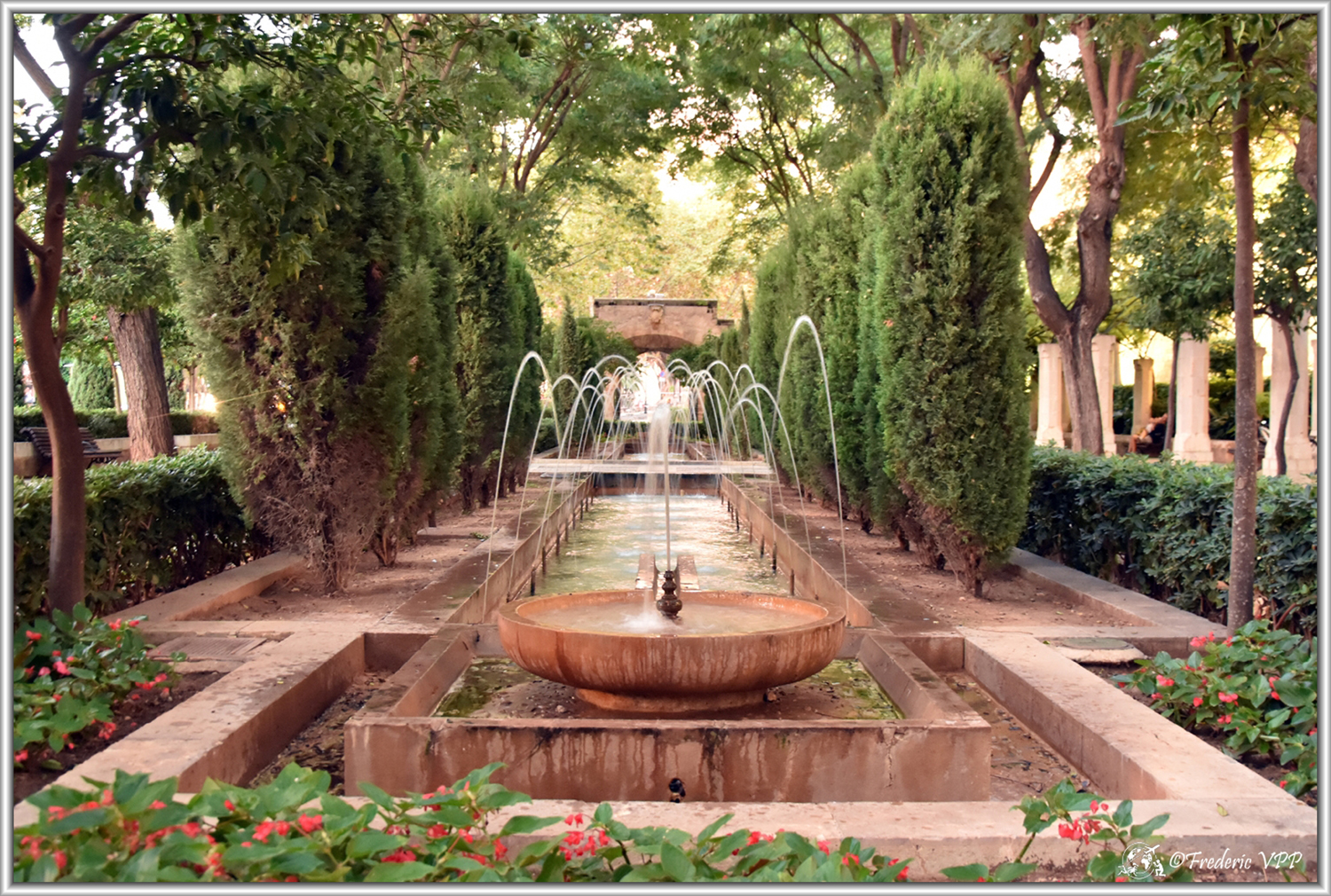
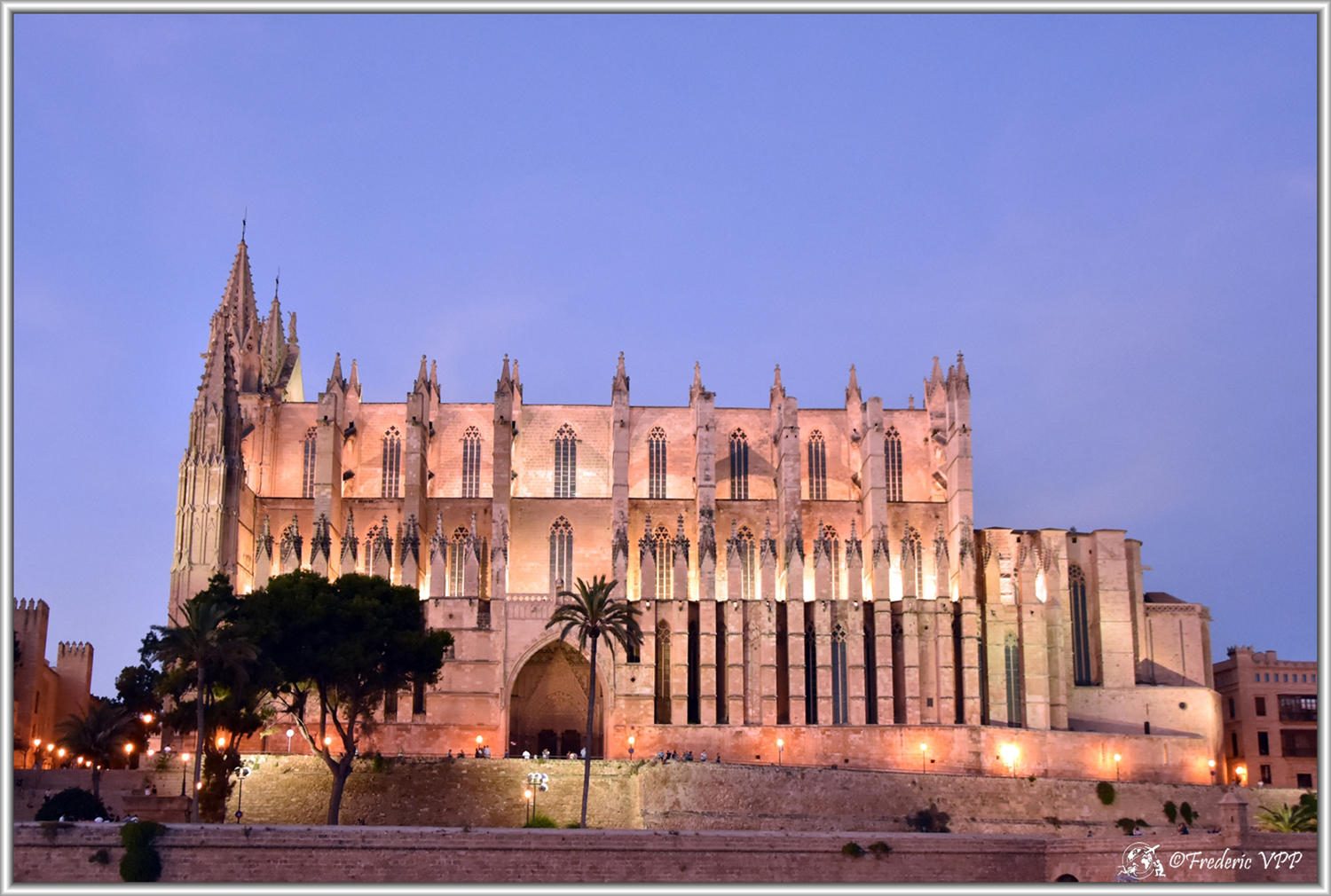
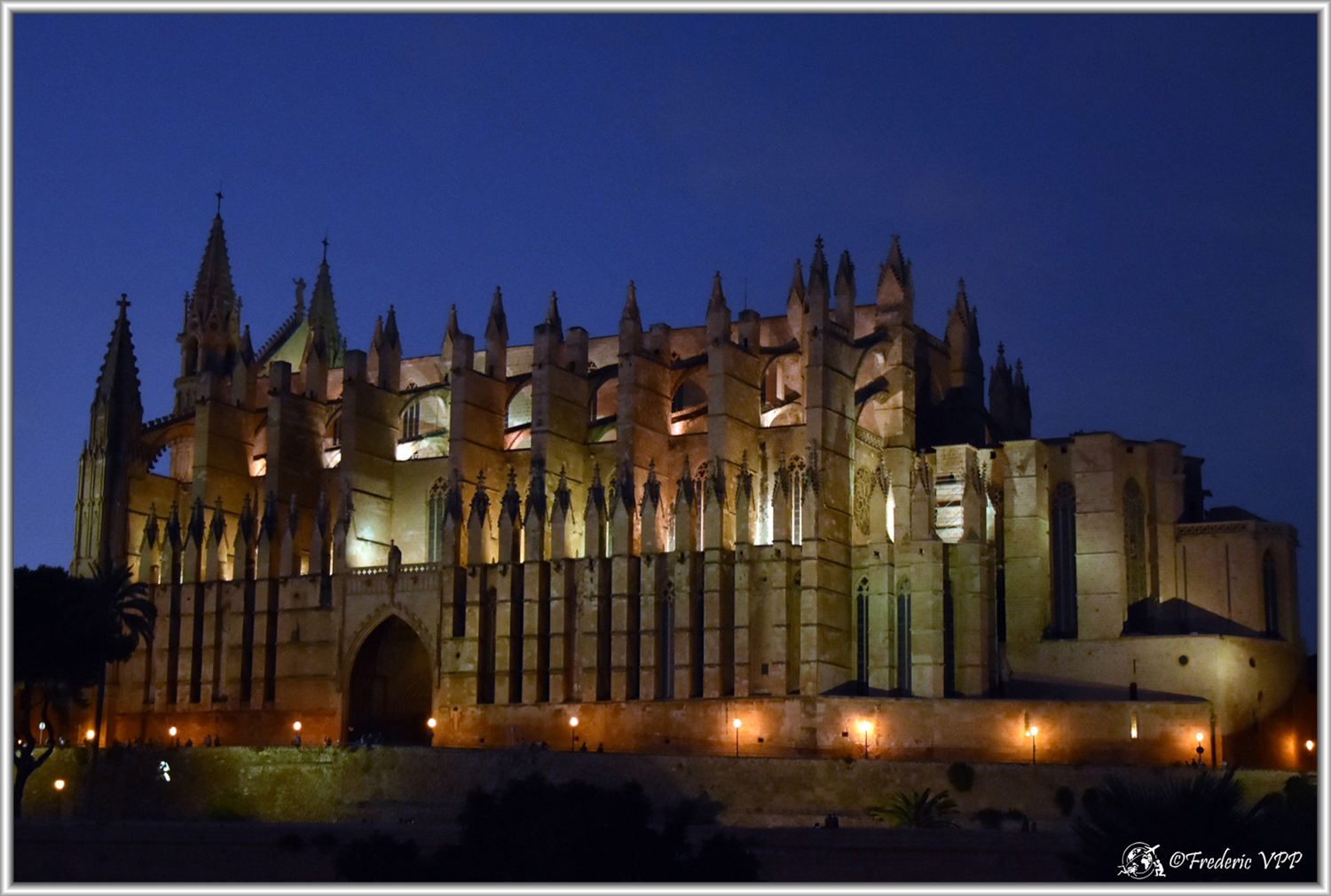
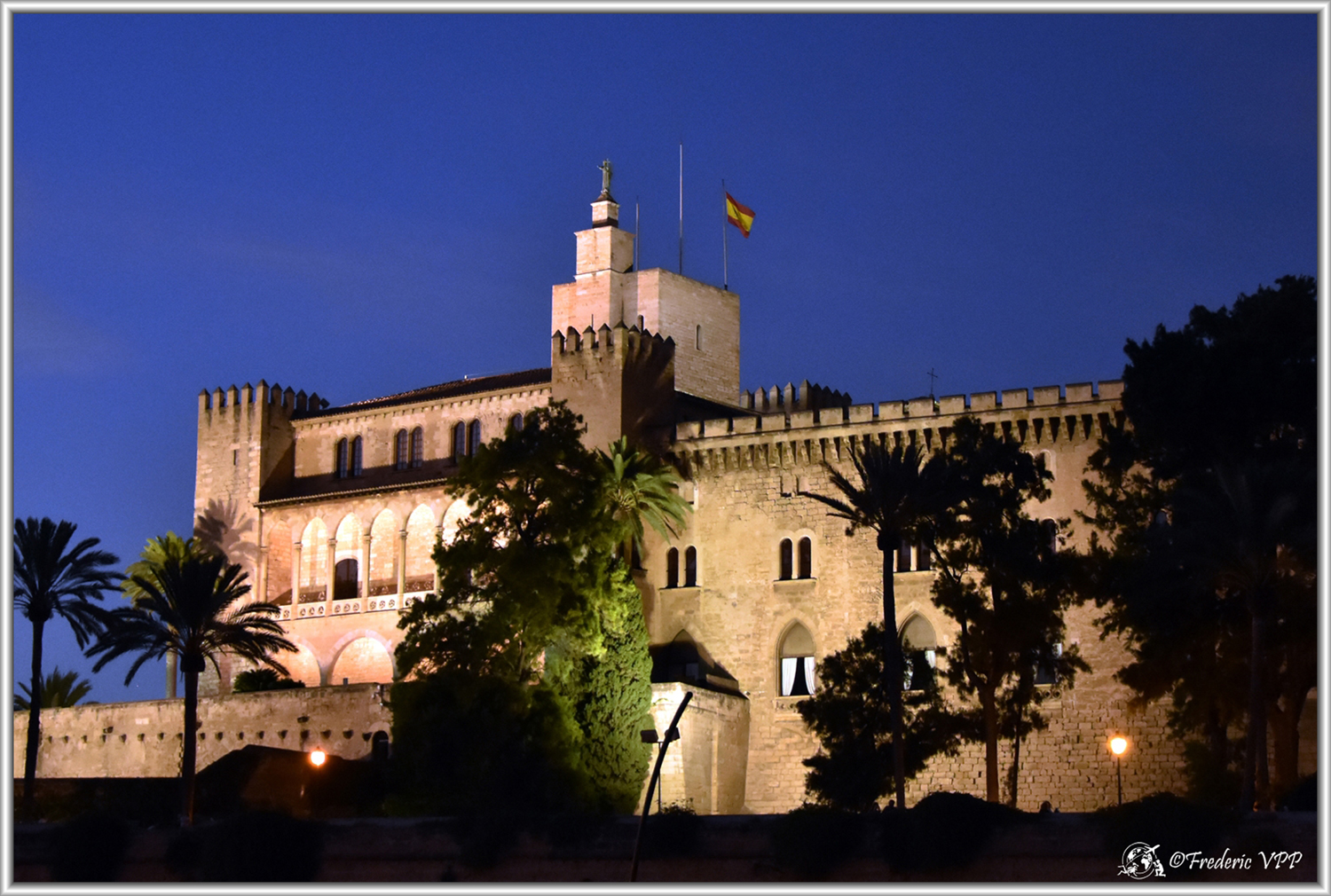
Palma de Mallorca is spectacular with its cathedral, the palace and the many houses in the small streets. As always, I strolled a little in the small alleys to discover the hidden charm of Majorca, far from the commercial alleys crowded with tourists.
|
|
Majorca (Majorca in Catalan and Castilian), is the largest of the Balearic Islands. It includes 6 main regions: Serra de Tramuntana (mountains, in the north), Ponent (in the south-west), Raiguer (agricultural and wine-growing land at the foot of the mountain), Pla (in the center), Migjorn (south-east), Llevant (to the east) and the city of Palma. Catalan is the official language along with Castilian. It was inhabited from the prehistoric period, then by the Romans replaced by the Vandals, the Eastern Roman Empire, the Franks, the Almoravid Moors, then the Almohades, followed by the Catalans. The island was the center of an independent kingdom which existed from 1276 to 1344, the kingdom of Majorca.
The Catalan name of Majorca derives from the Latin insula maior transformed into Maiorica (large island) as opposed to the insula minor became Menorca - Menorca. During the period of Byzantine rule, Christianity flourished there and many churches were built. However, from 707 began maritime raids by Muslims from the coasts of North Africa. These attacks continued until finally, in the year 903, Mallorca fell under the rule of the Umayyad emir of Spain. For a short time, the Muslims were driven from the island but acts of piracy resumed. The expedition to conquer Majorca, comprising 15,000 men and 1,500 horses, set out from Salou, Catalonia, landed at Santa Ponça and defeated the Muslim army at the Battle of Portopí in September 1229. In December, Palma was taken and its inhabitants put to the sword. The large number of corpses had the effect of provoking an epidemic which decimated the army of the victors. The island was repopulated mainly by Spaniards, but also by a large number of French people from Languedoc. In his will, Jacques I had planned to divide his domains by creating the kingdom of Majorca, vassal of the kingdom of Aragon and comprising the Balearic Islands, Roussillon, Cerdagne, the lordship of Montpellier, the viscountcy of Carladès and the barony of Omelas. On his death, his son Jacques took the name of Jacques II of Majorca and assumed power under a charter called Carta de les Franqueses. However, and until her death in 1404, her daughter Isabelle, who had taken refuge in France at the Château de Gallargues, near Montpellier, which had been ceded to her by King Charles VI, continued to claim the title of Queen of Majorca. Majorca then shared the fate of the Kingdom of Aragon, later integrated into the Kingdom of Spain. Majorca has three mountain ranges and the cultural landscape of the Serra de Tramuntana has been a UNESCO World Heritage Site since 2011. If in many minds, Majorca remains synonymous with uncontrolled tourism, inspired by the sea and driven by mass urbanization ( "Balearization"), the island and Majorcan life offer many aspects that contradict this vision: preserved agricultural villages, various traces of past cultures, art and culture, walking and hiking in mountainous areas (GR 221 or "route de dry stone"), gastronomy.
"Palma" or "Palma de Mallorca" in French, "Palma" or "Palma de Majorca" in Catalan and Castilian, has been officially called Palma since 2016 (Palma de Mallorca from 2012 to 2016)2), is the main city of the island of Majorca and the capital of the autonomous community of the Balearic Islands, in Spain. It alone constitutes one of the comarques of the island. Founded in 123 BC. J.-C., south of the island of Majorca and at the end of the bay to which it gives the name, it was a strategic port in the Mediterranean (off Valencia, halfway between Europe and Africa) which aroused the greed of a large number of peoples. The city is locally nicknamed La Ciutat ("the city") after its medieval appellation. |
|
Sorry if the links are outdated or not accessible
|