 London
London, United Kingdom, March 2018
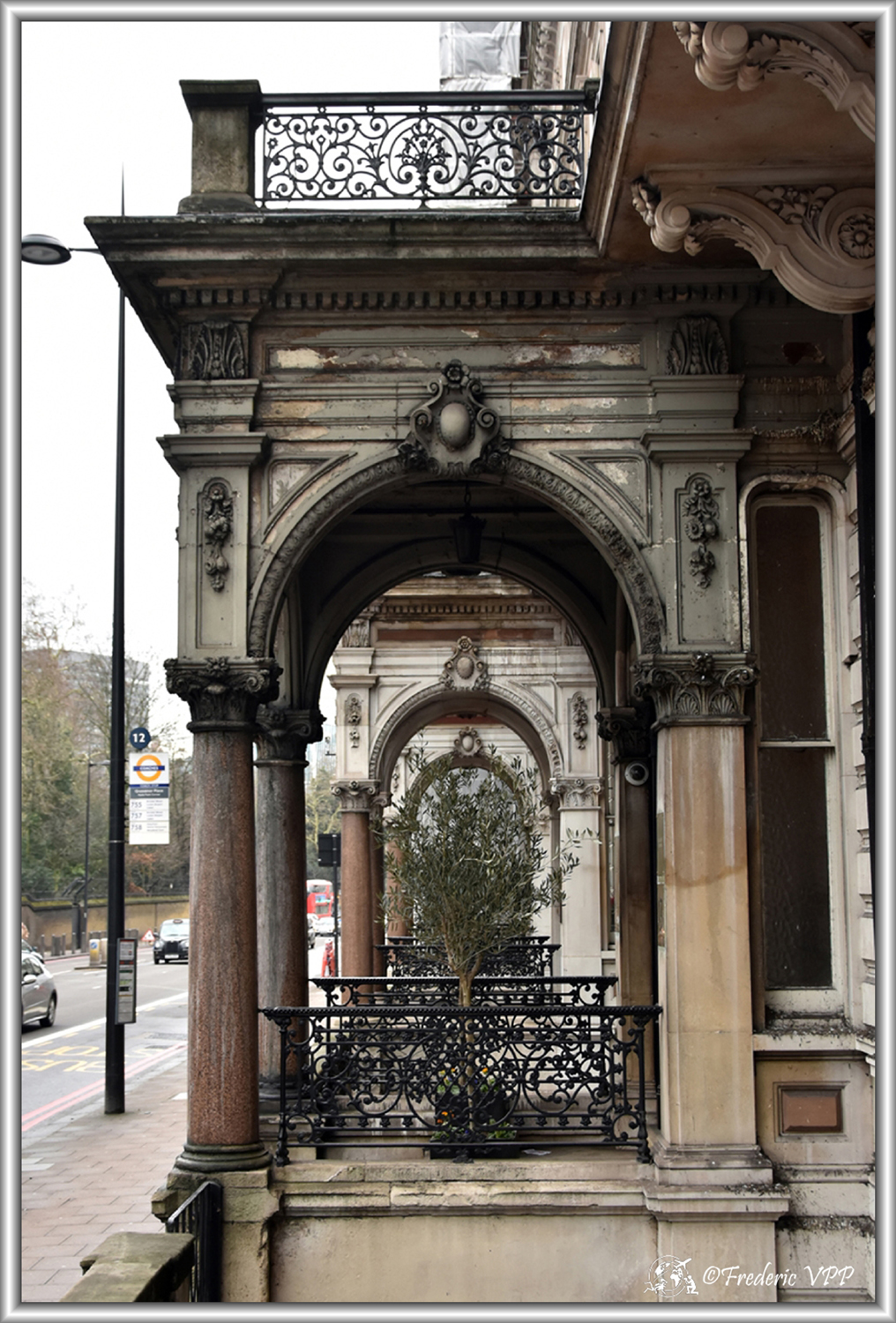
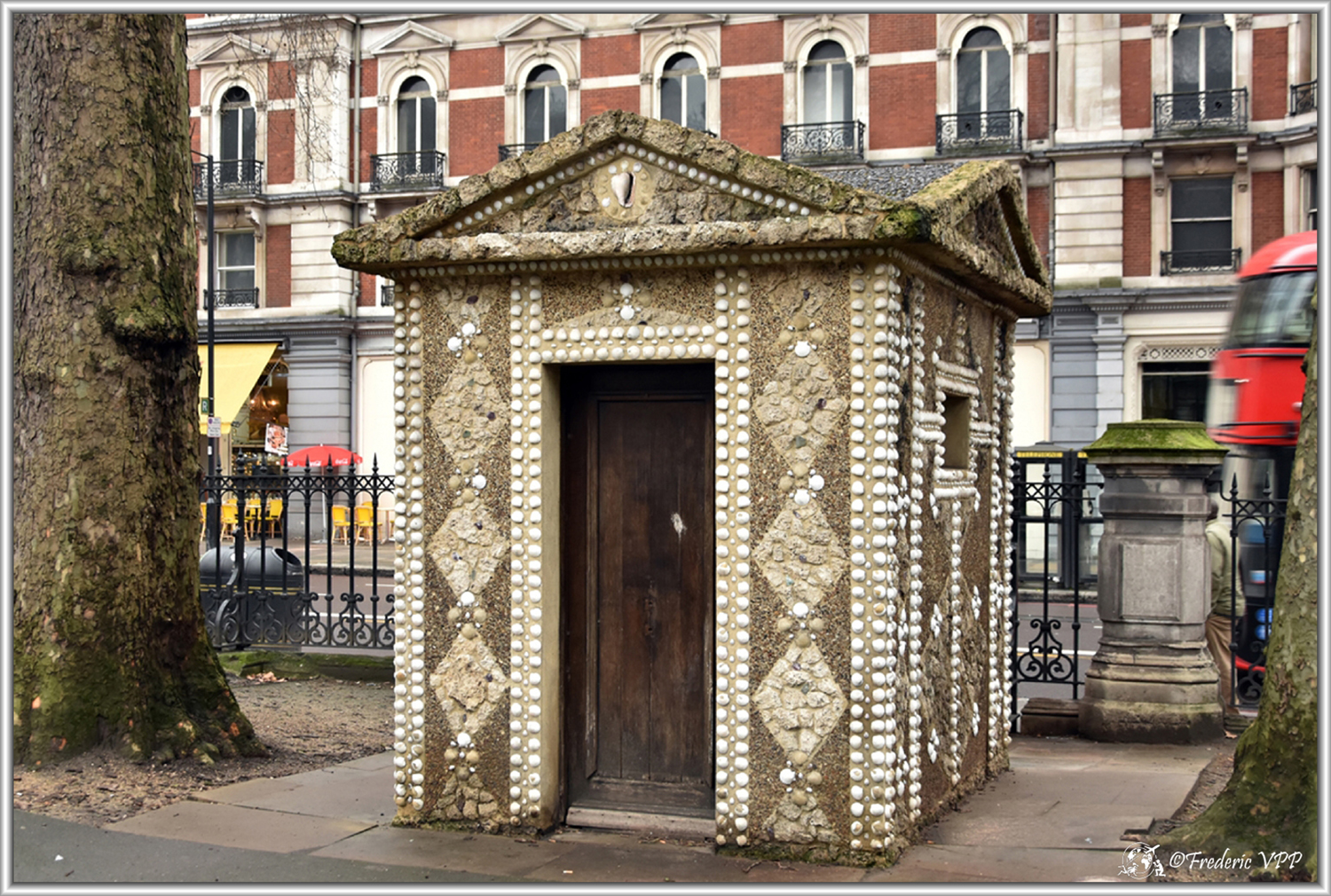
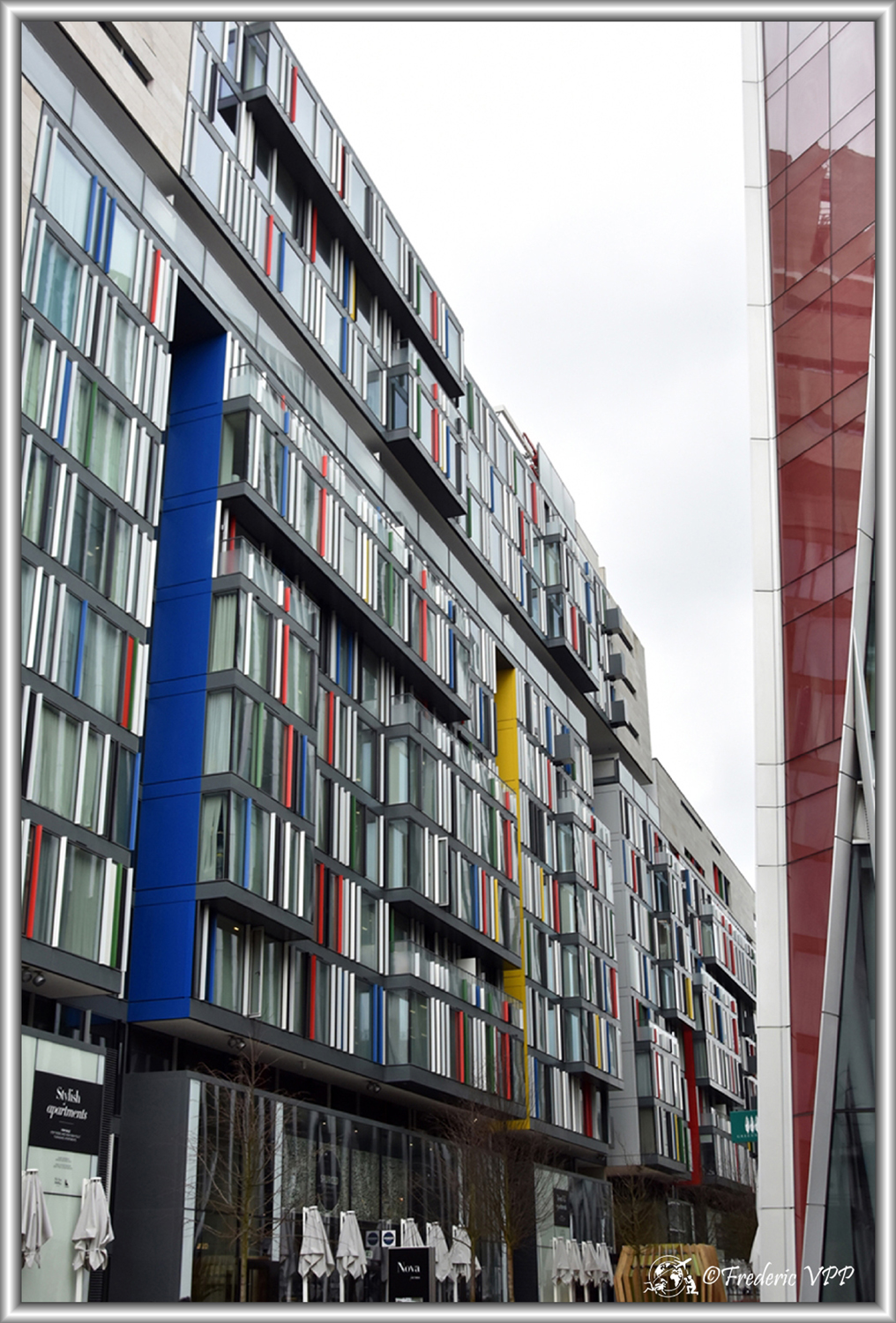
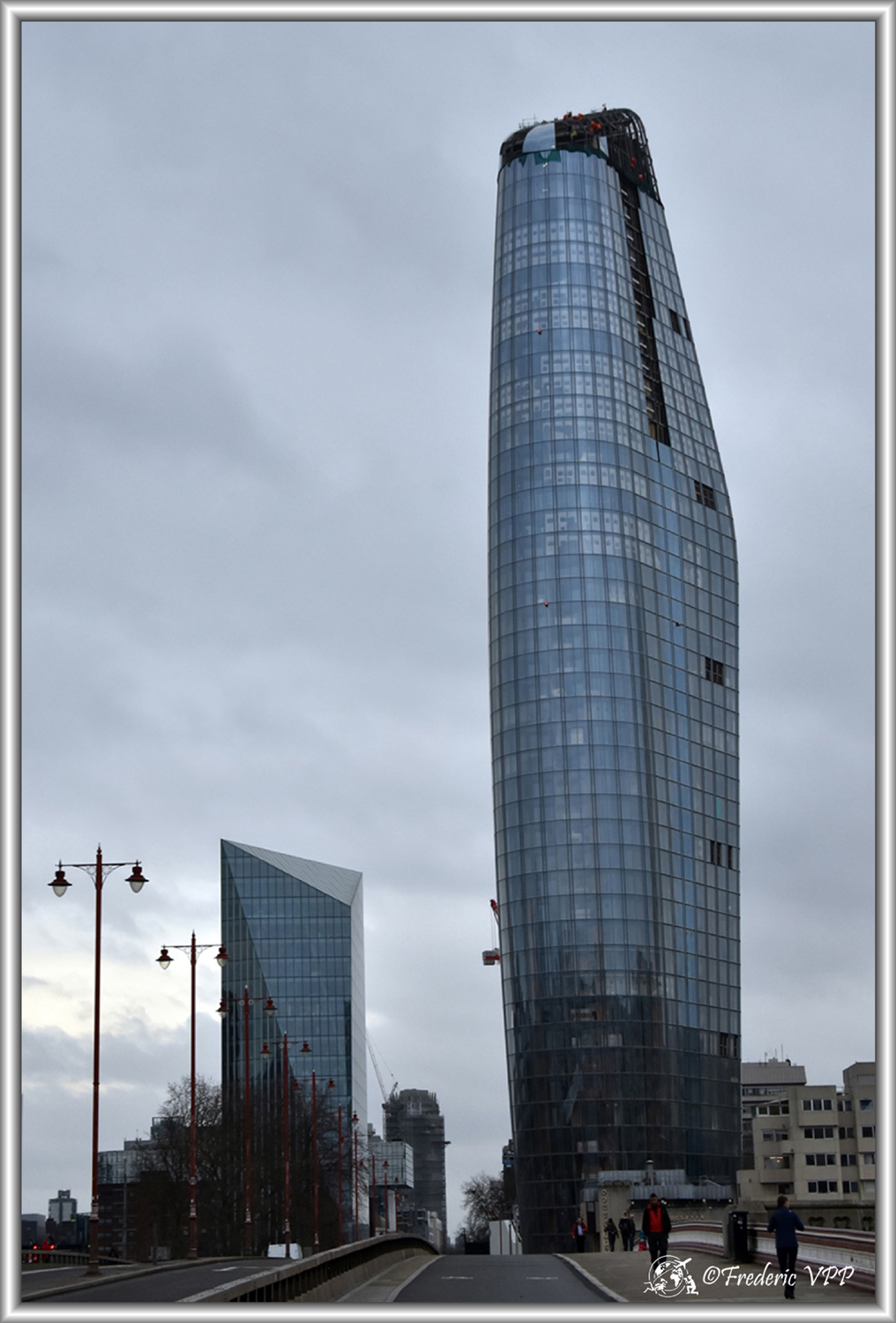
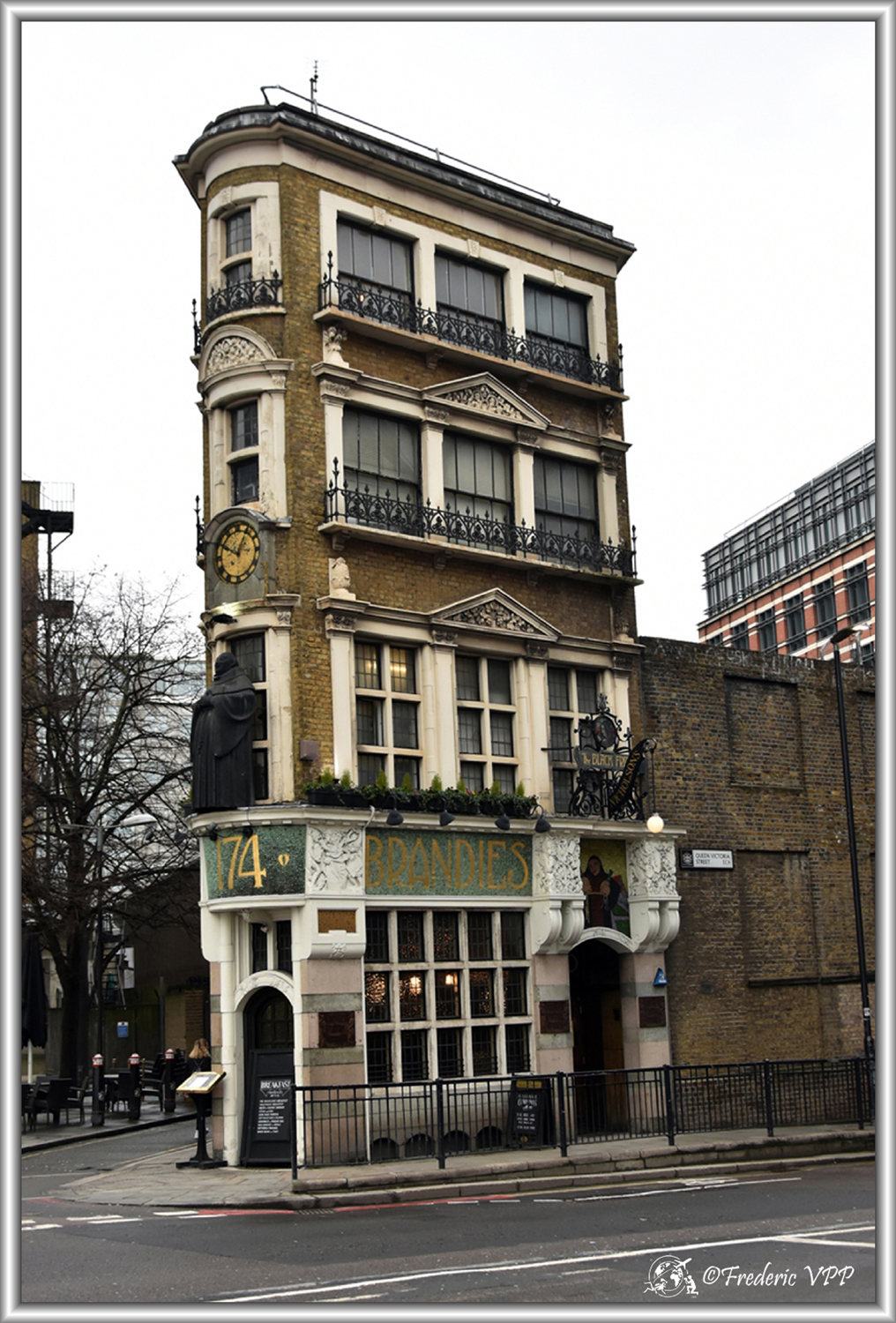
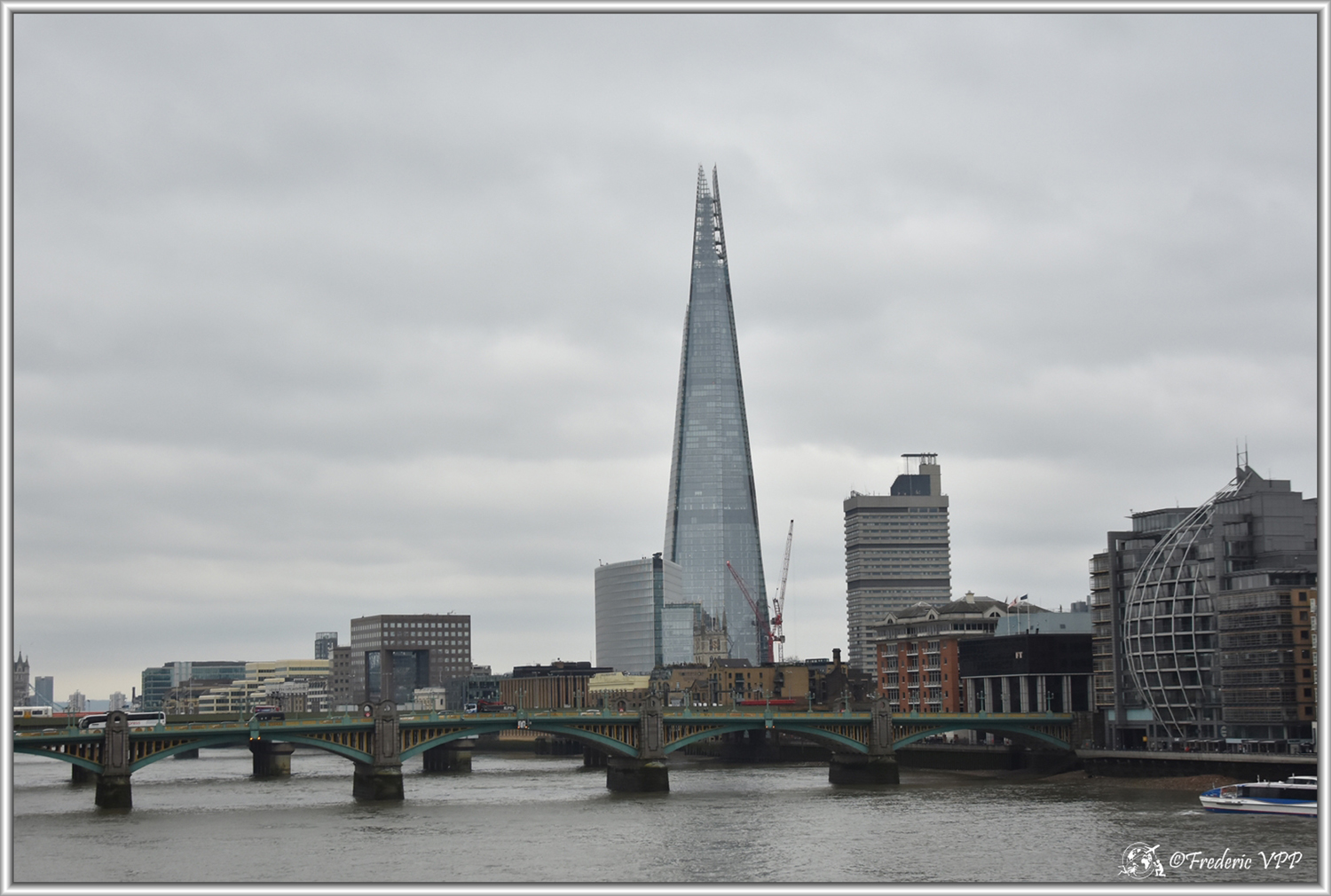
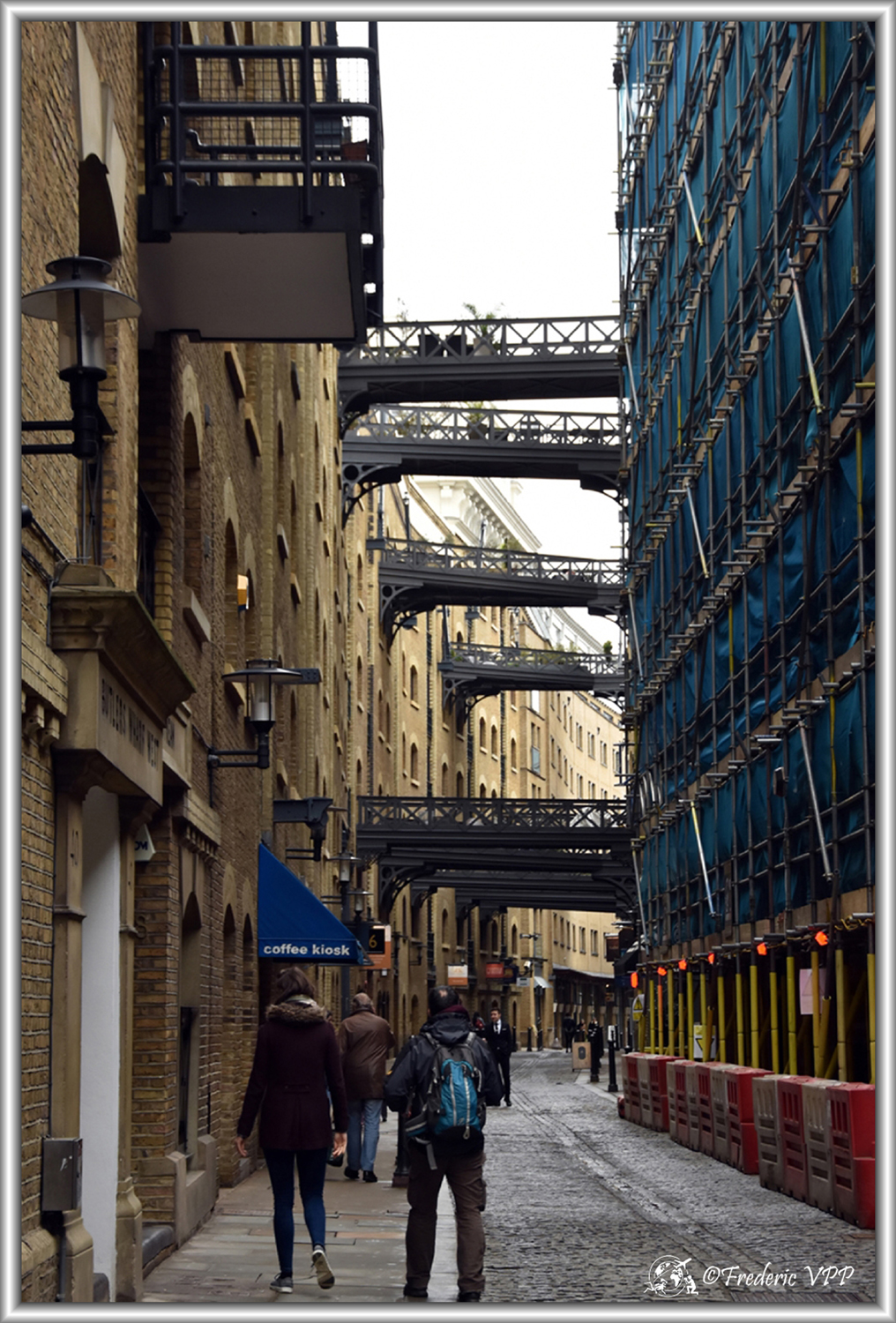
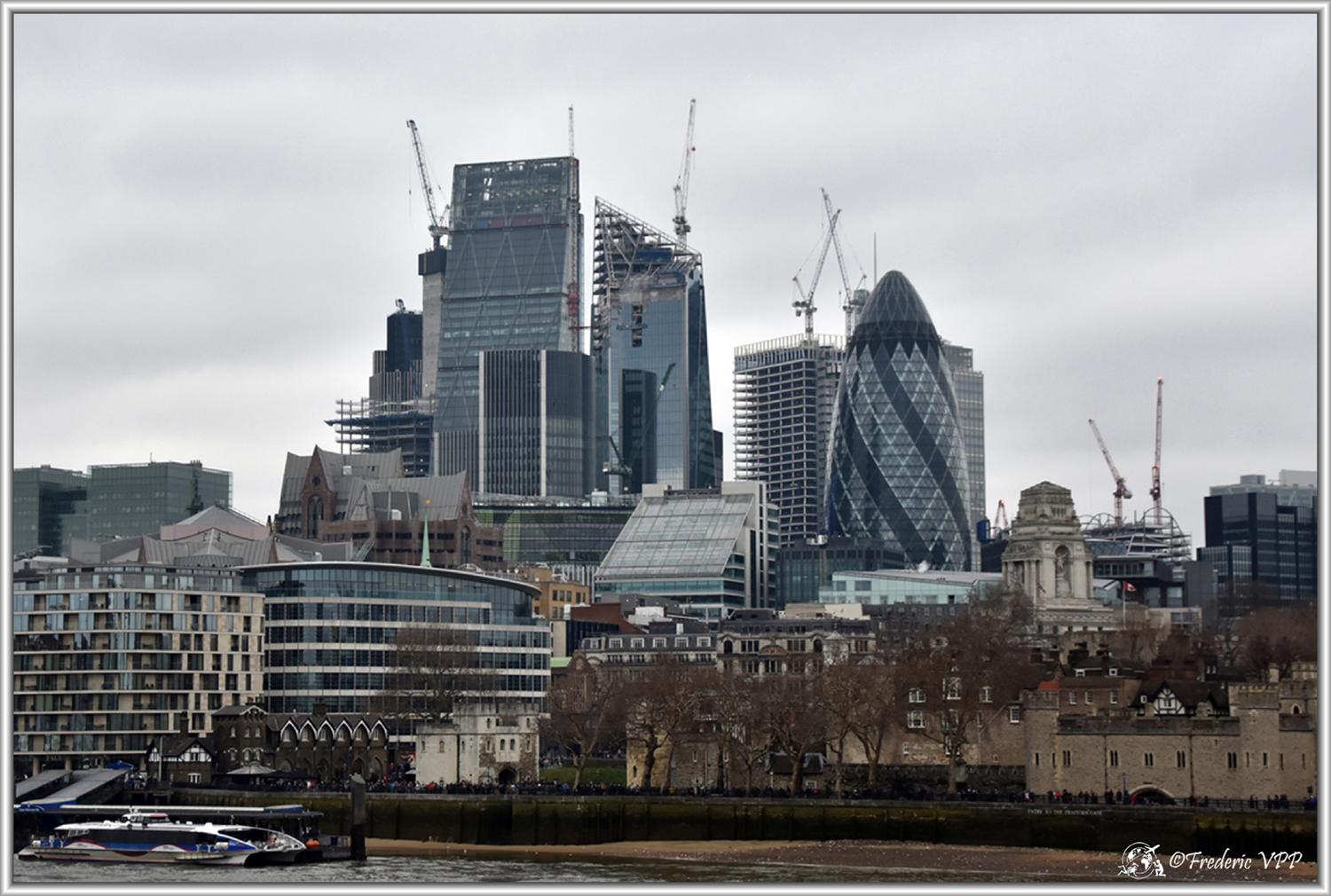
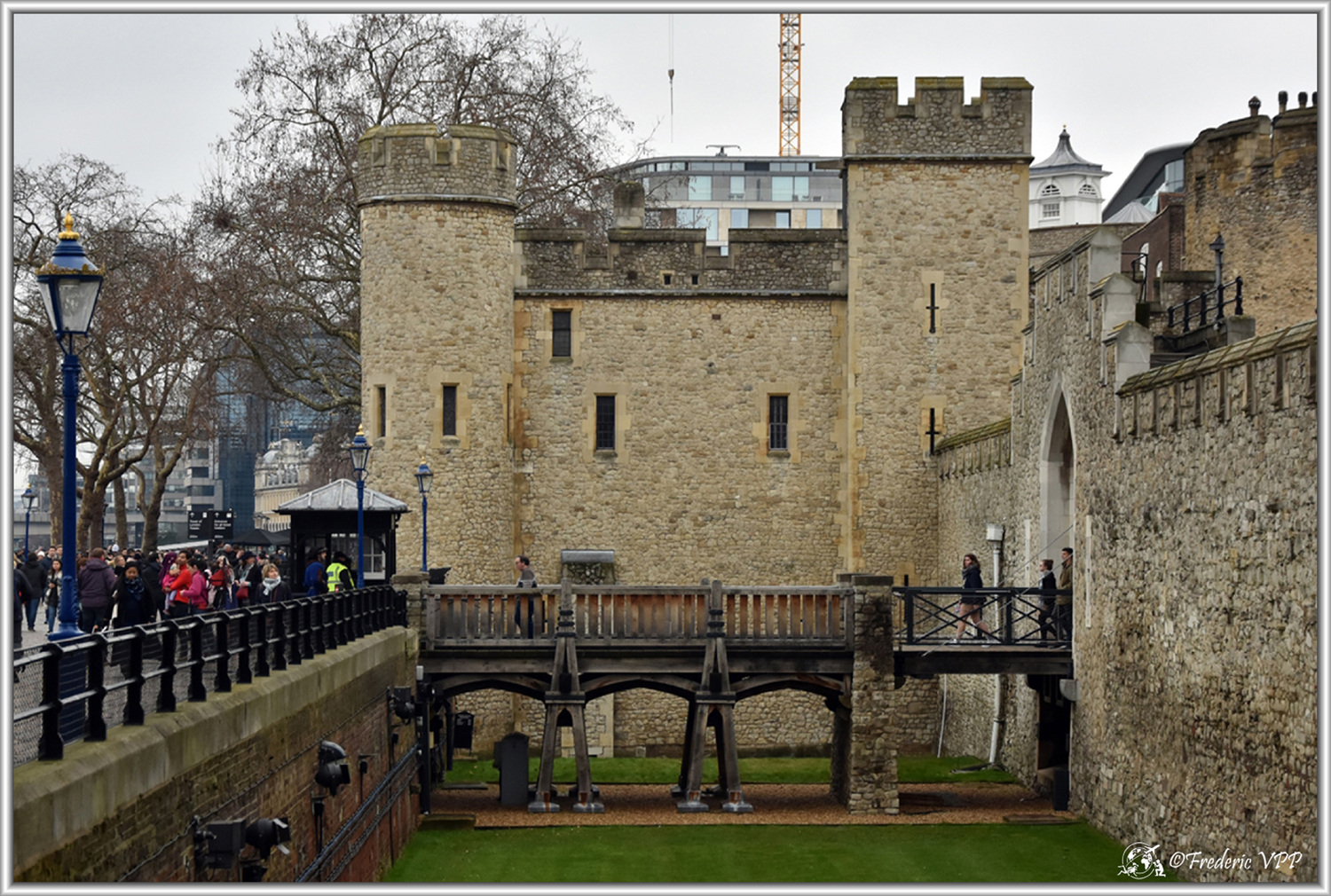
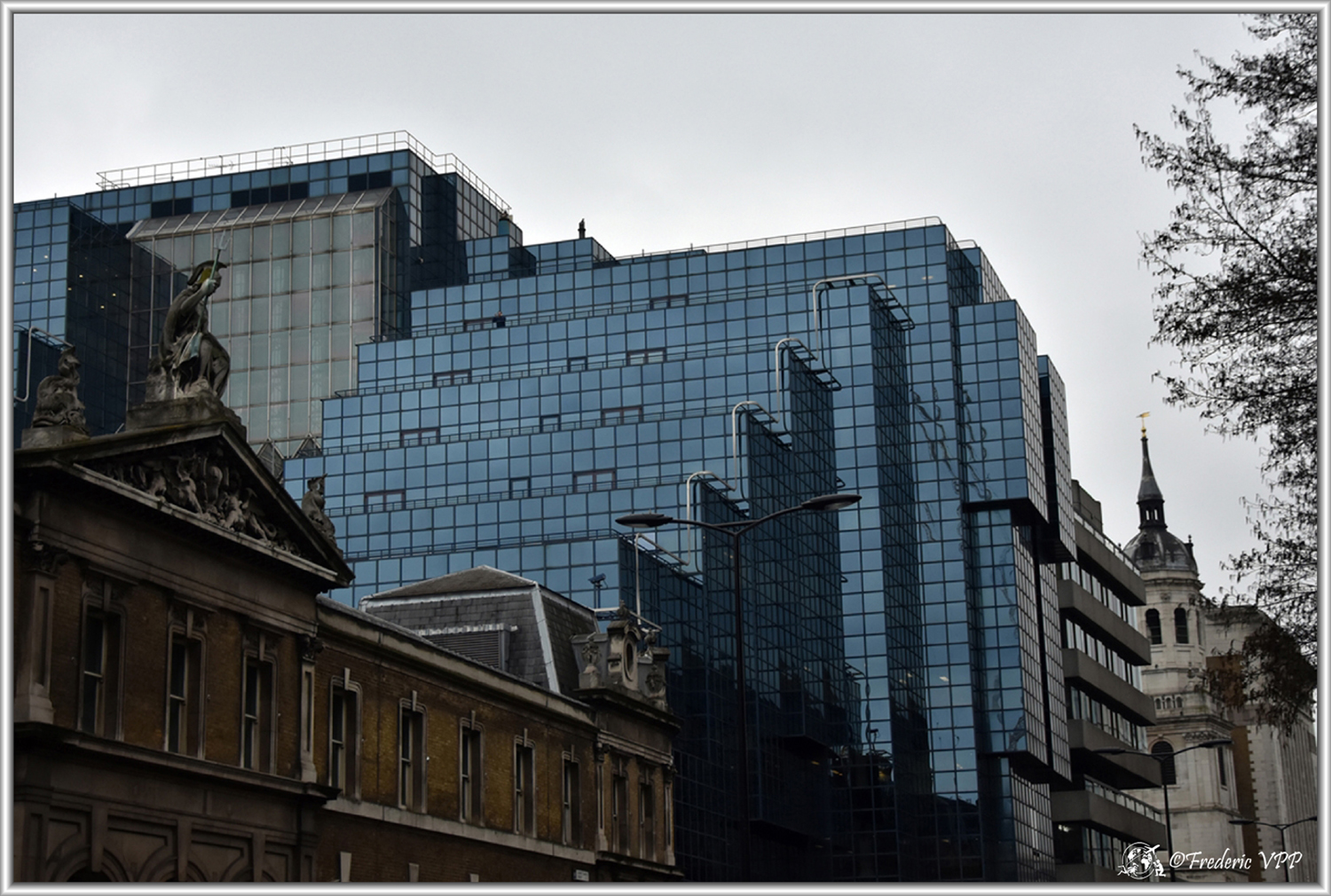
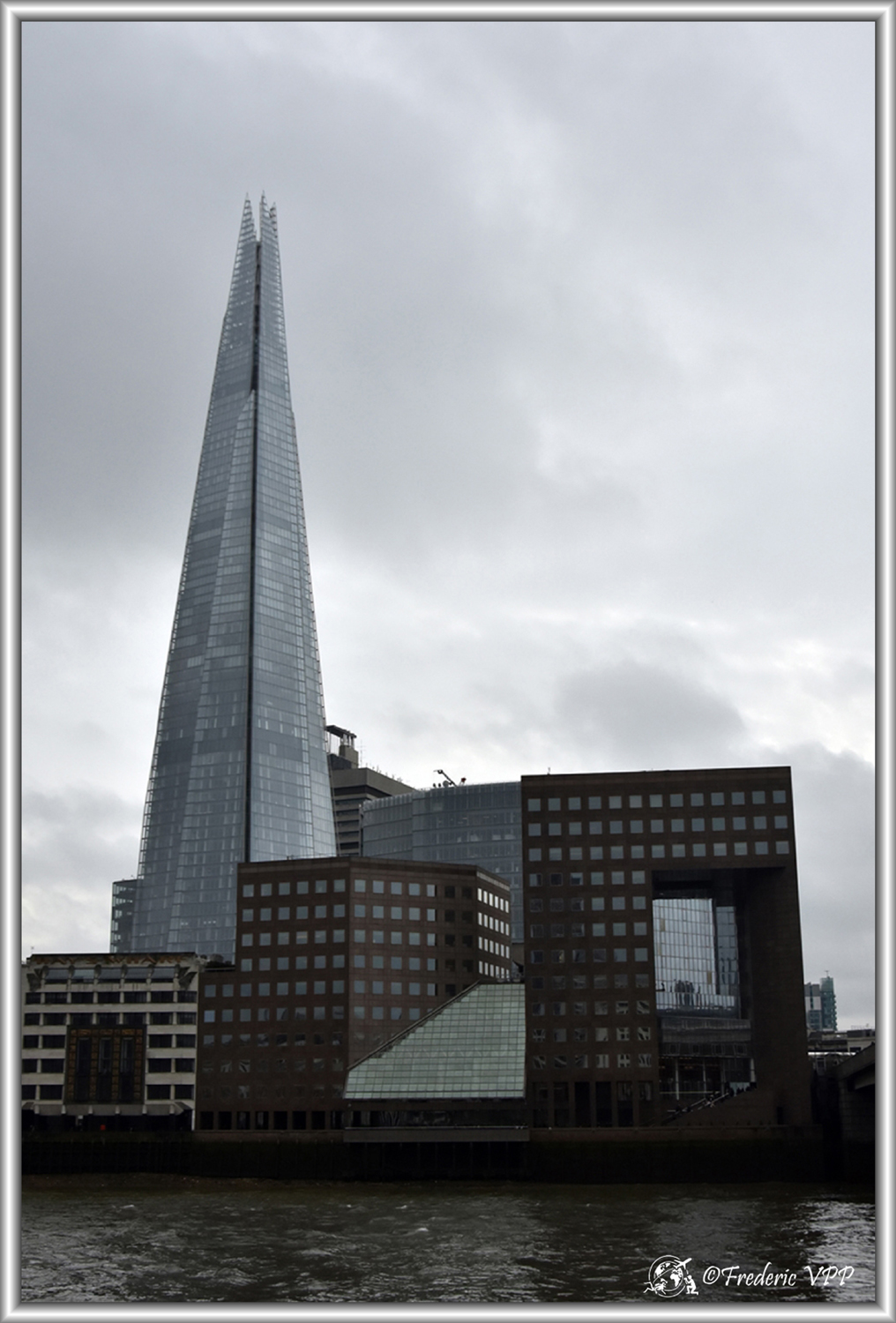
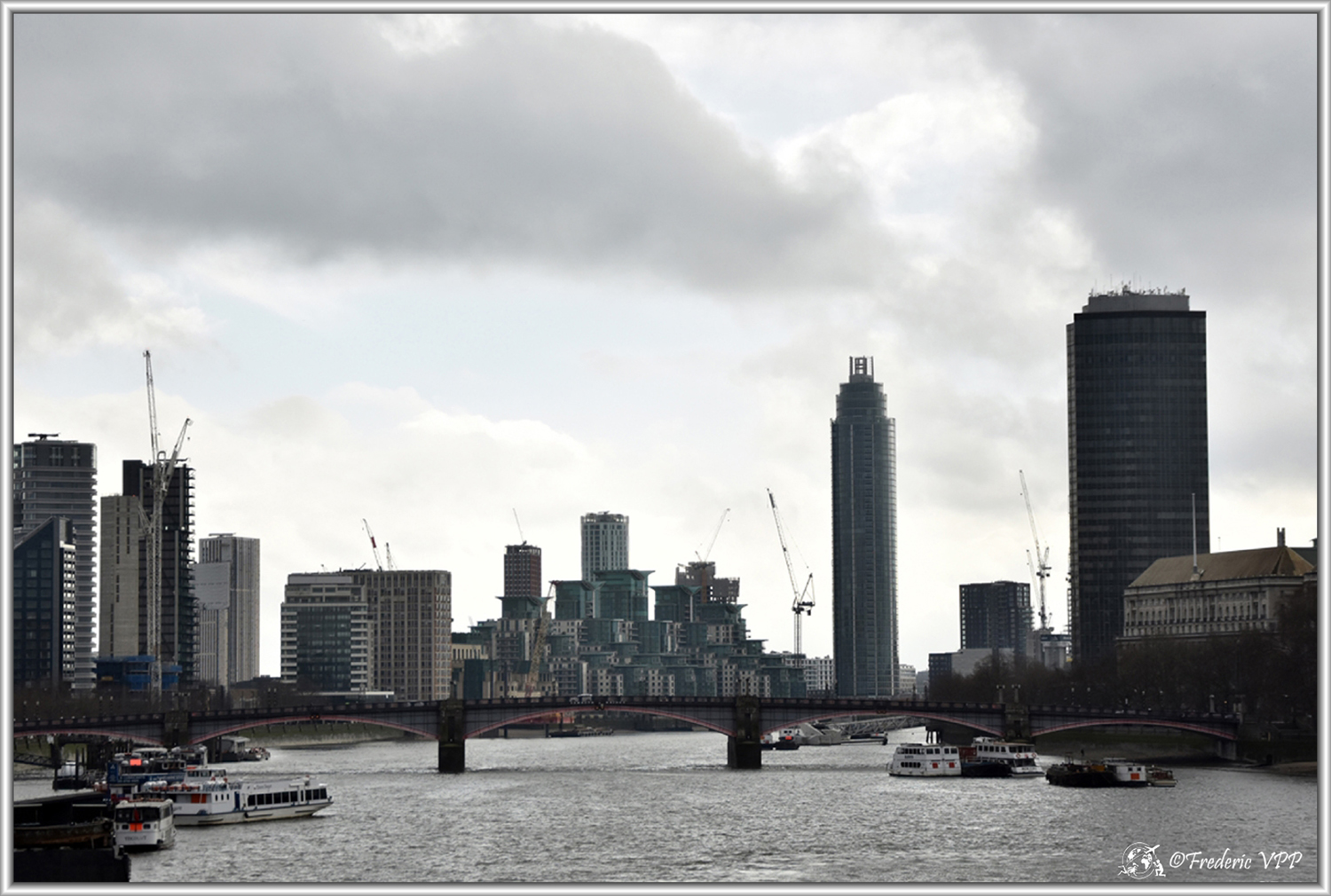
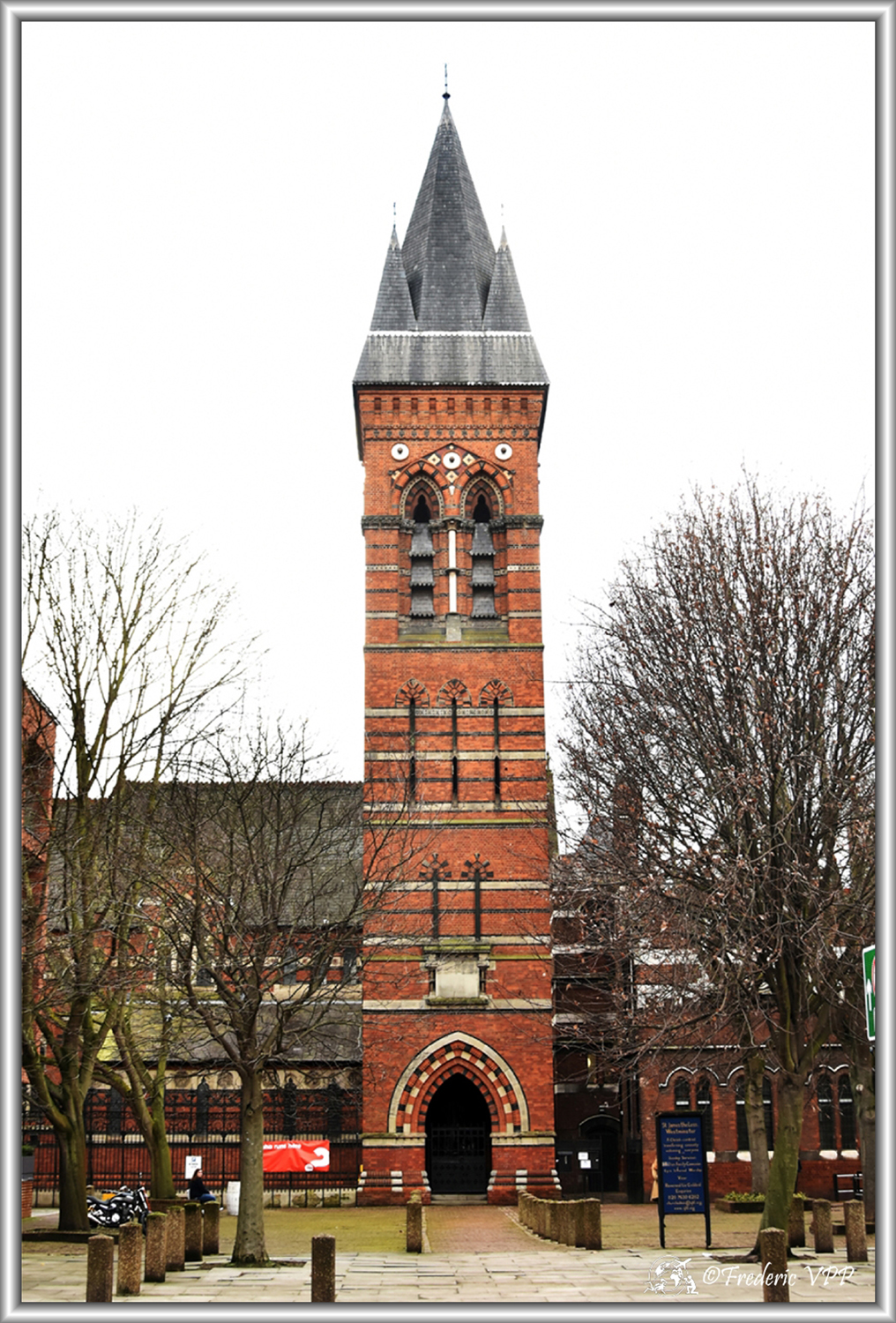
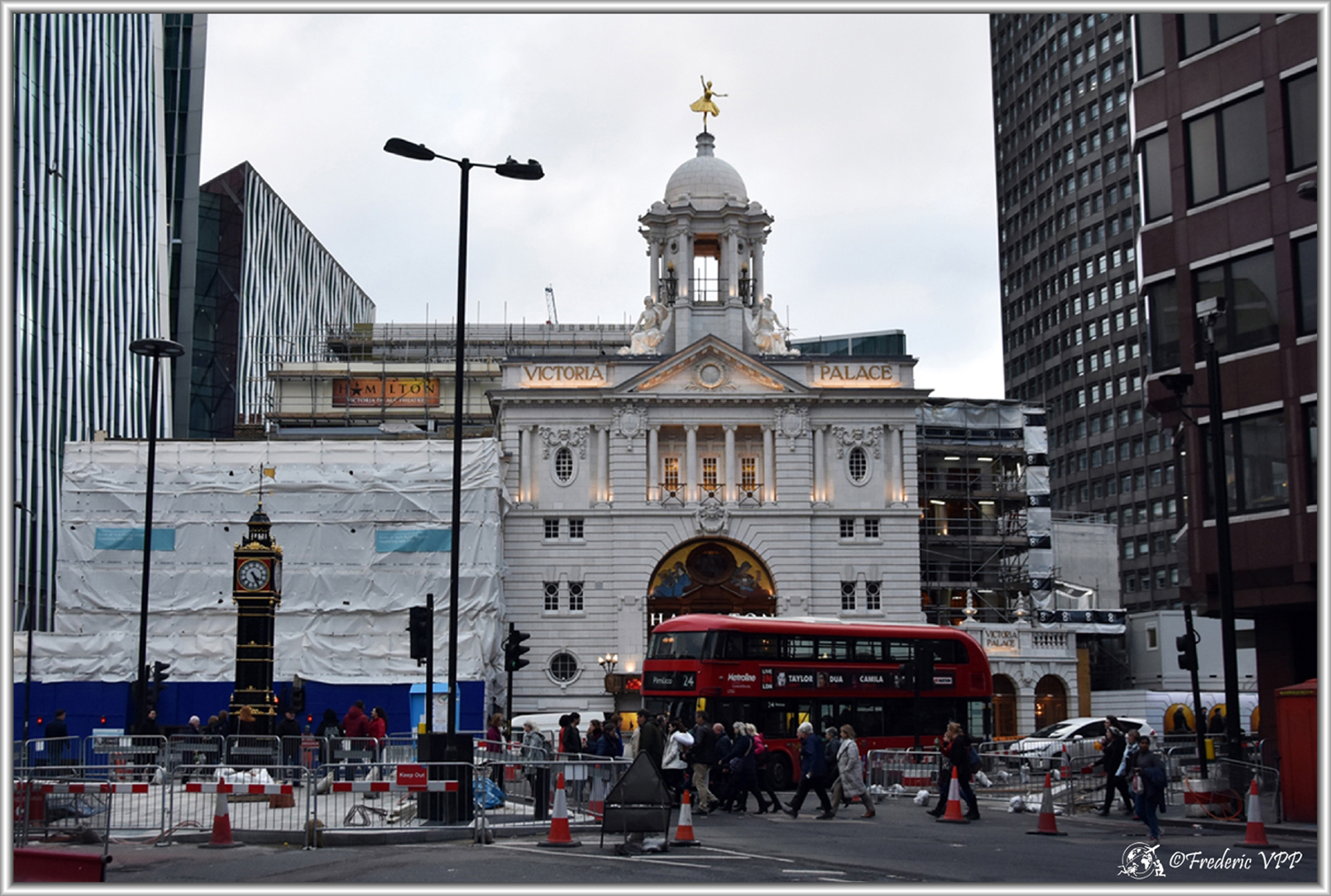
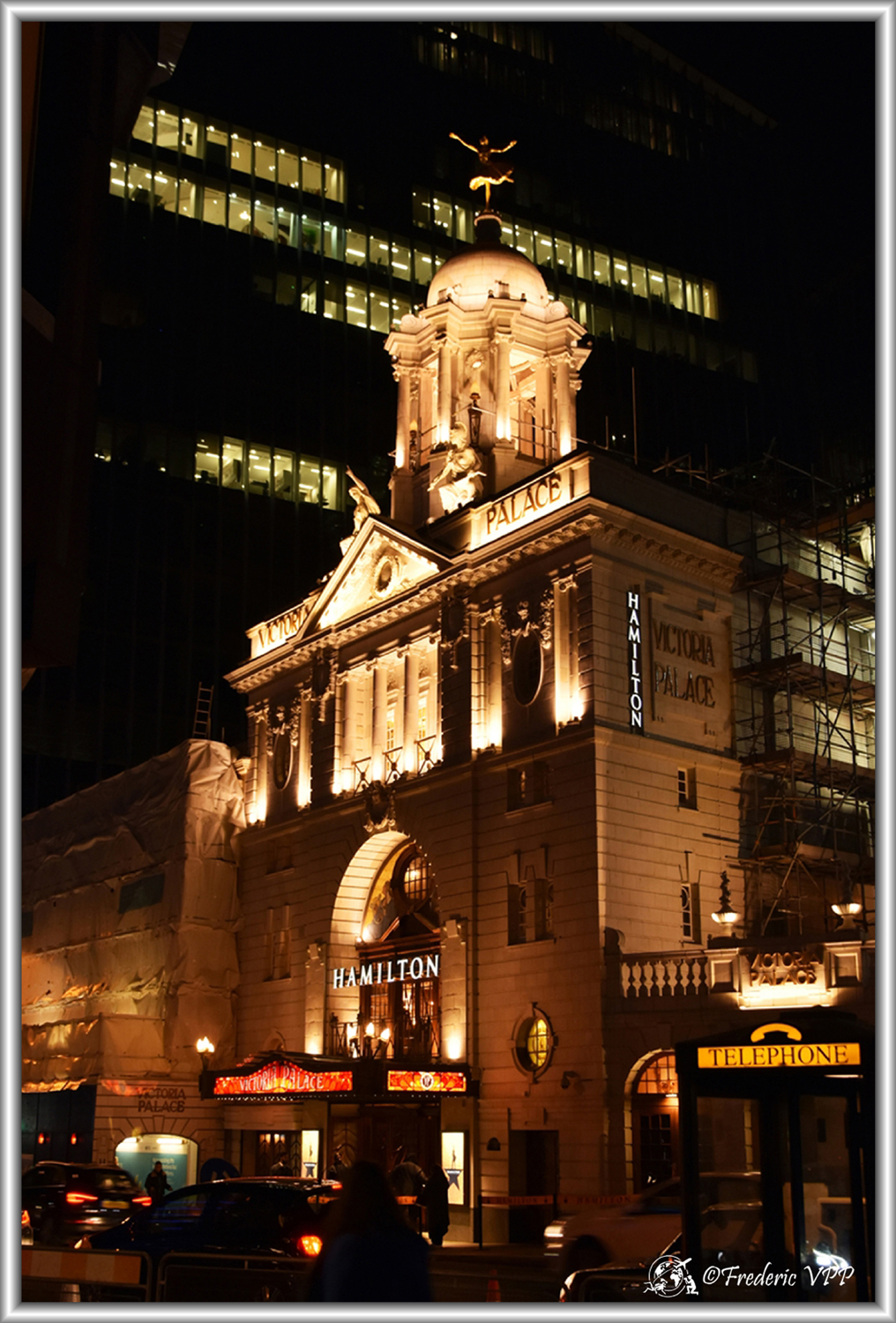
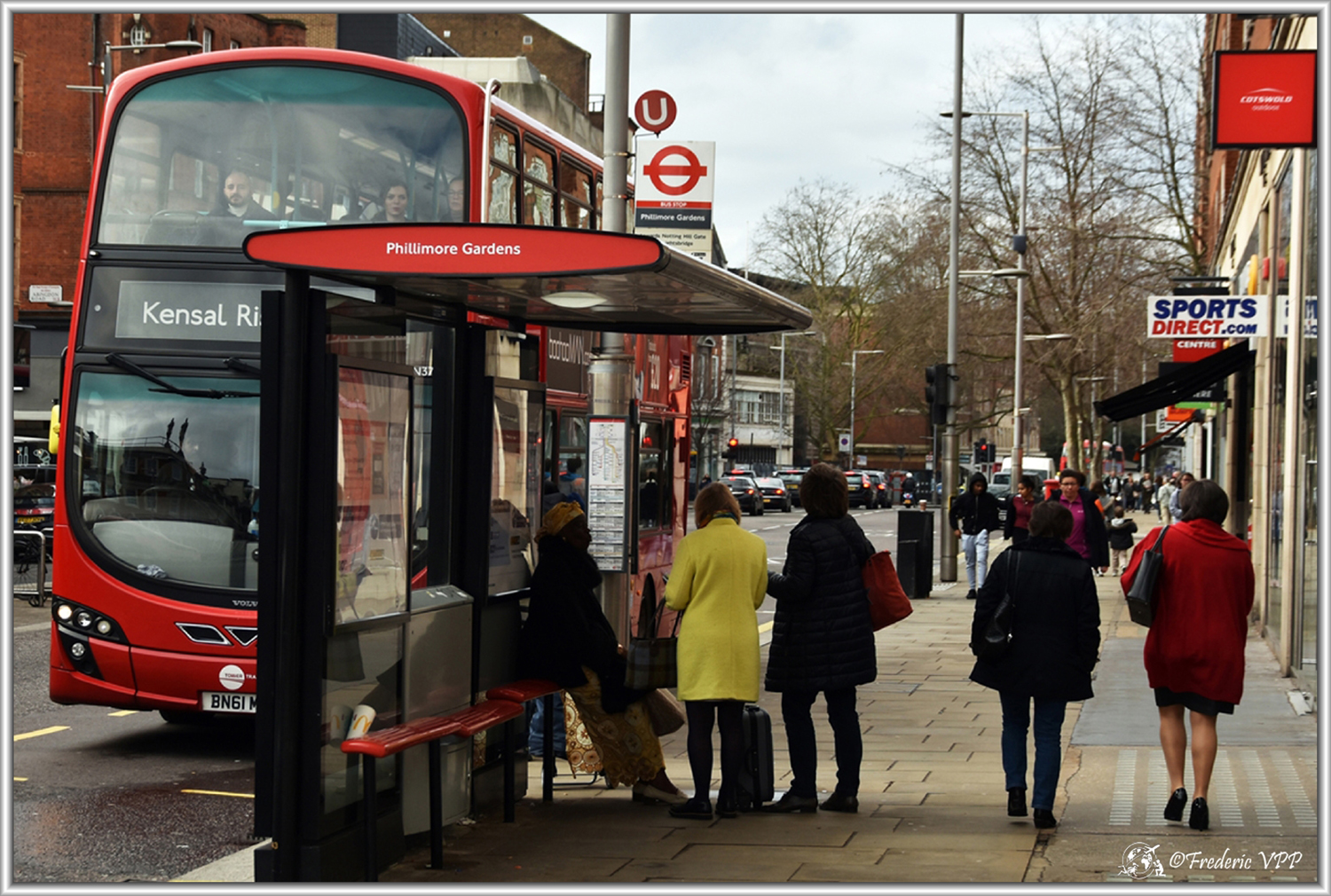
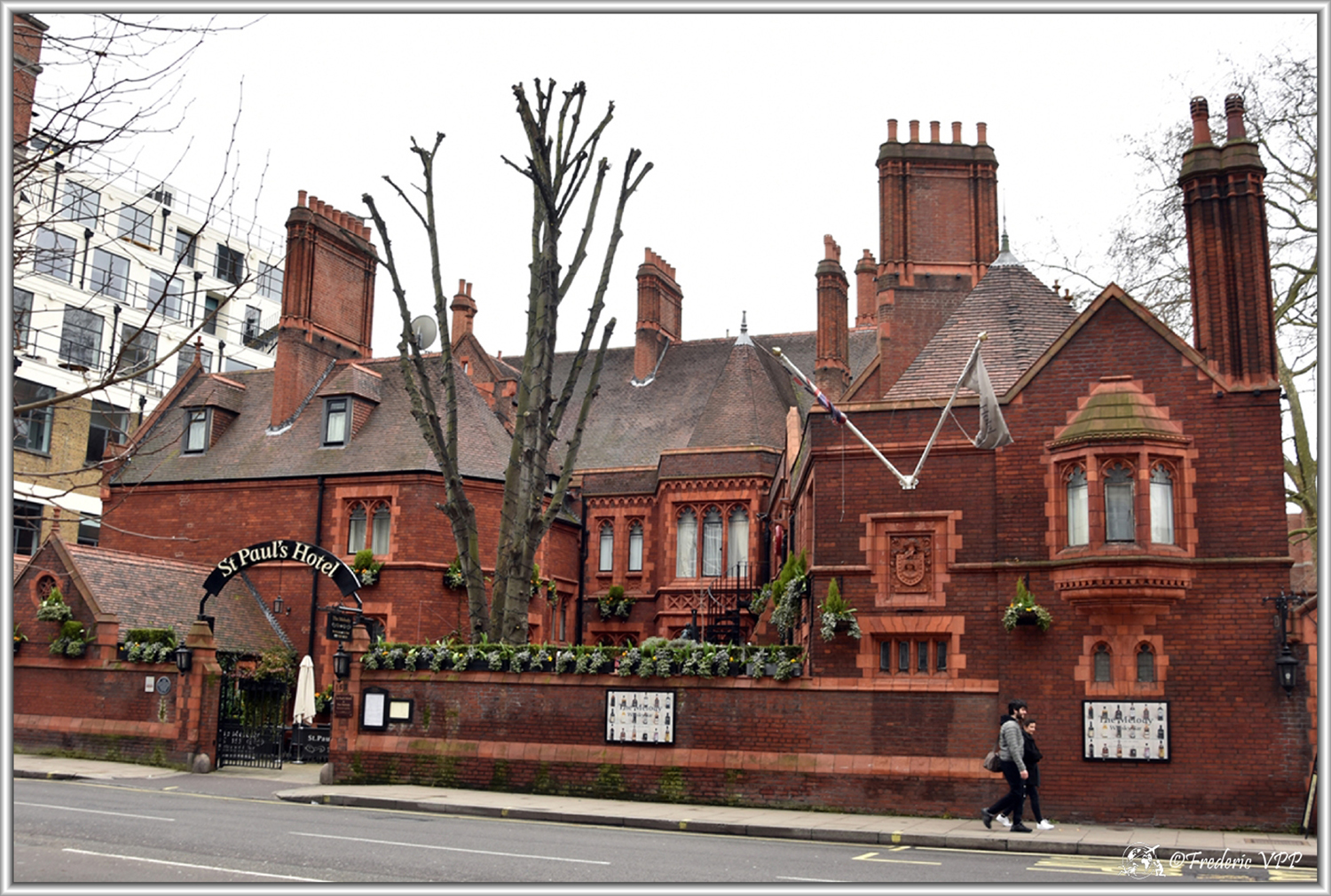
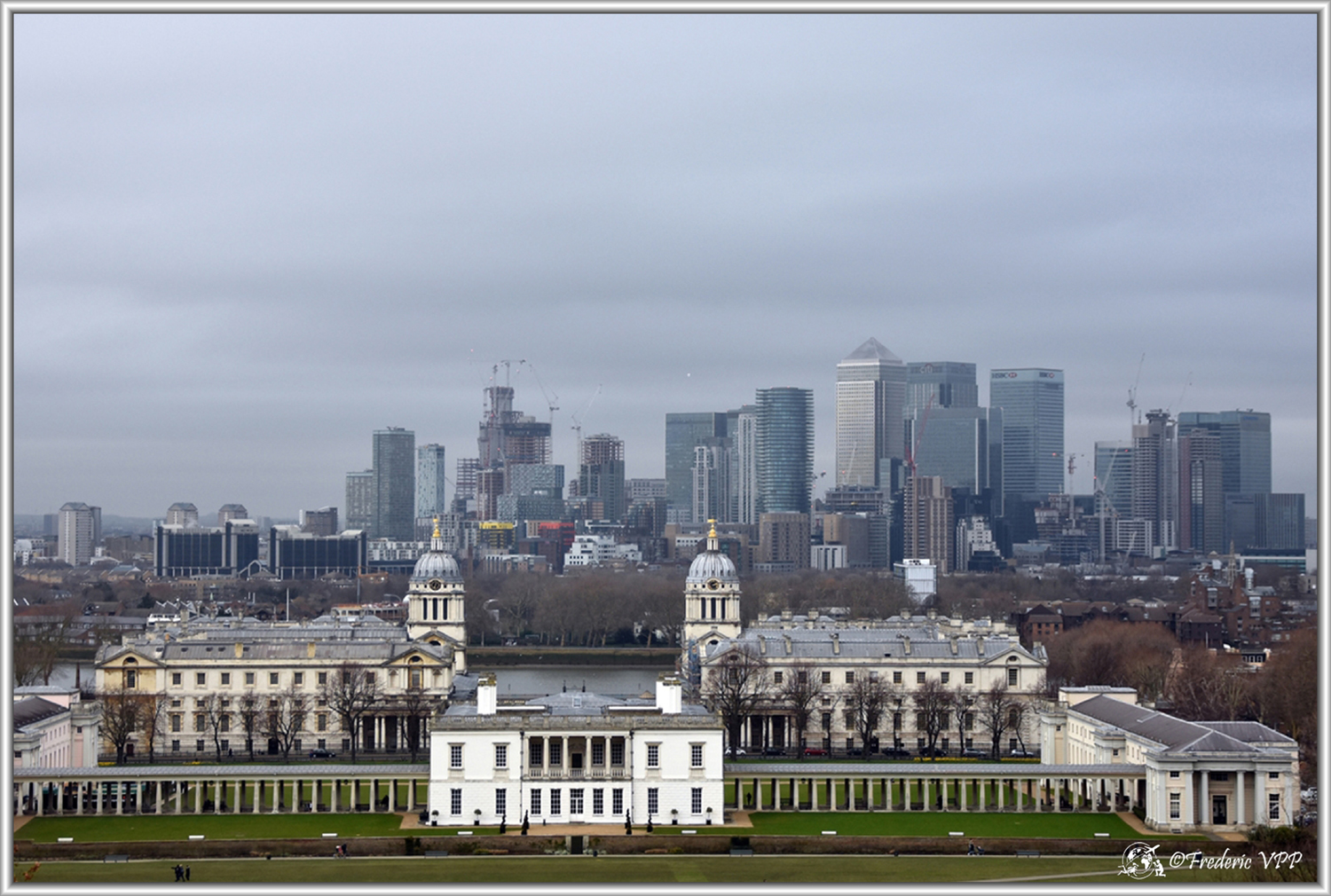
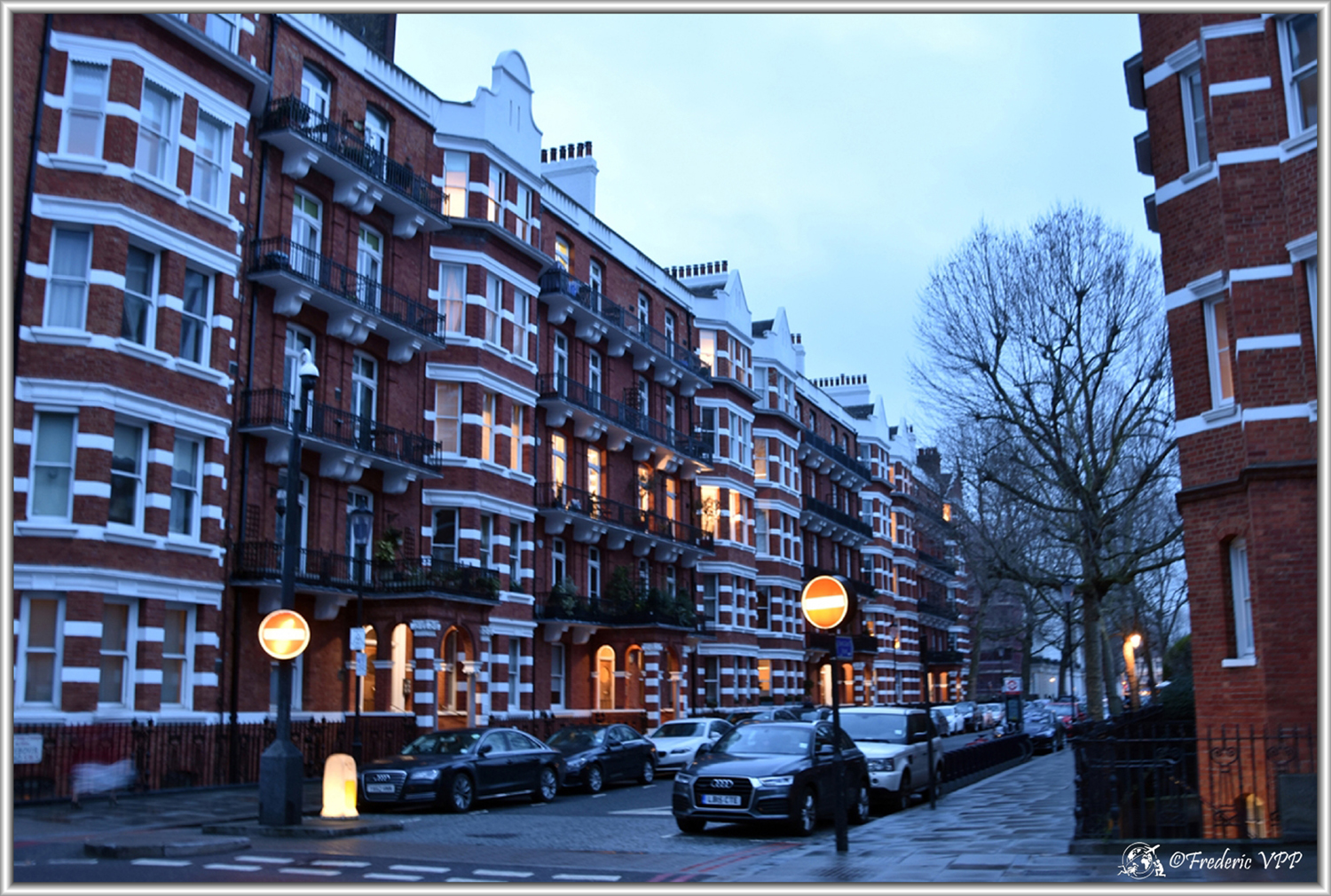
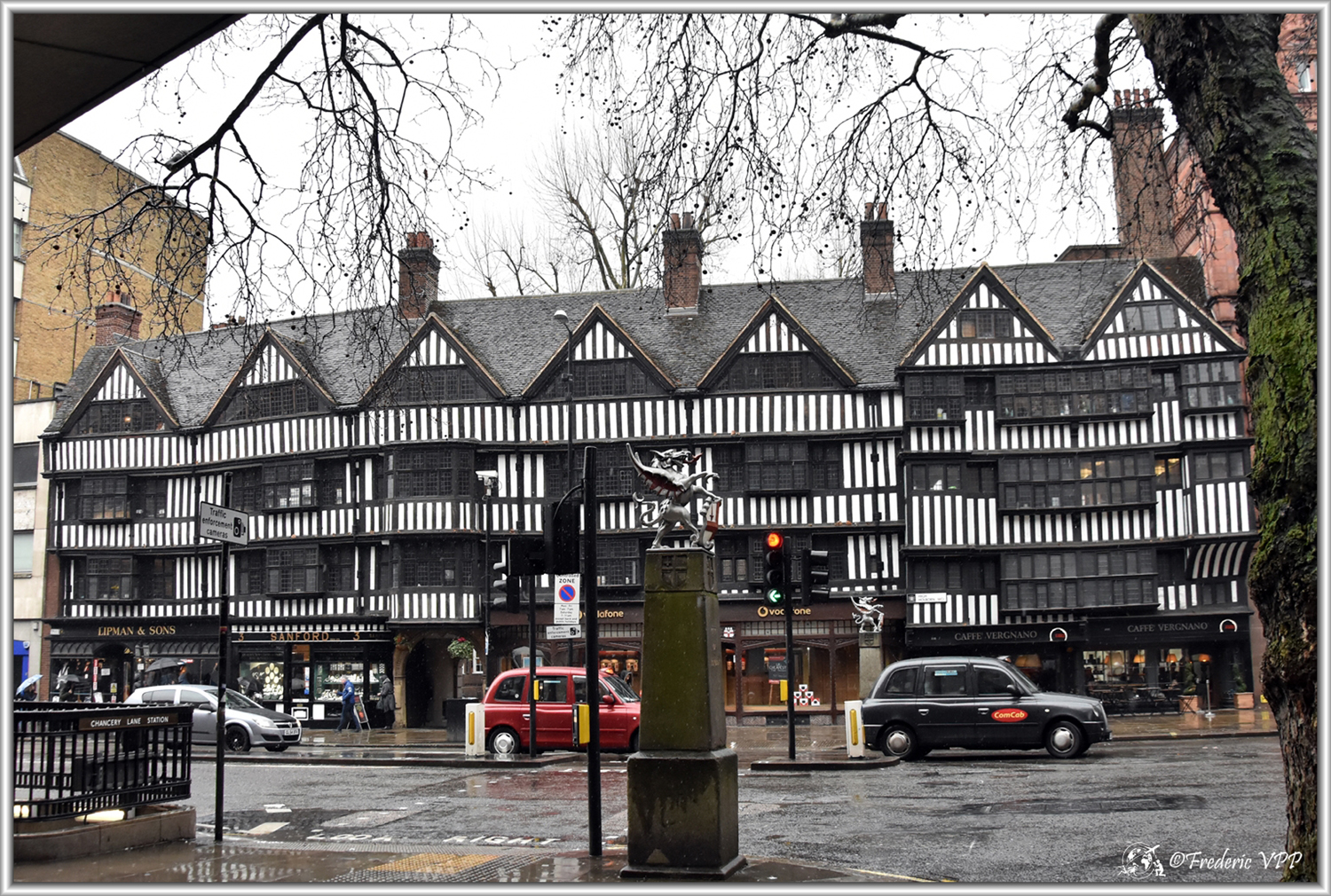
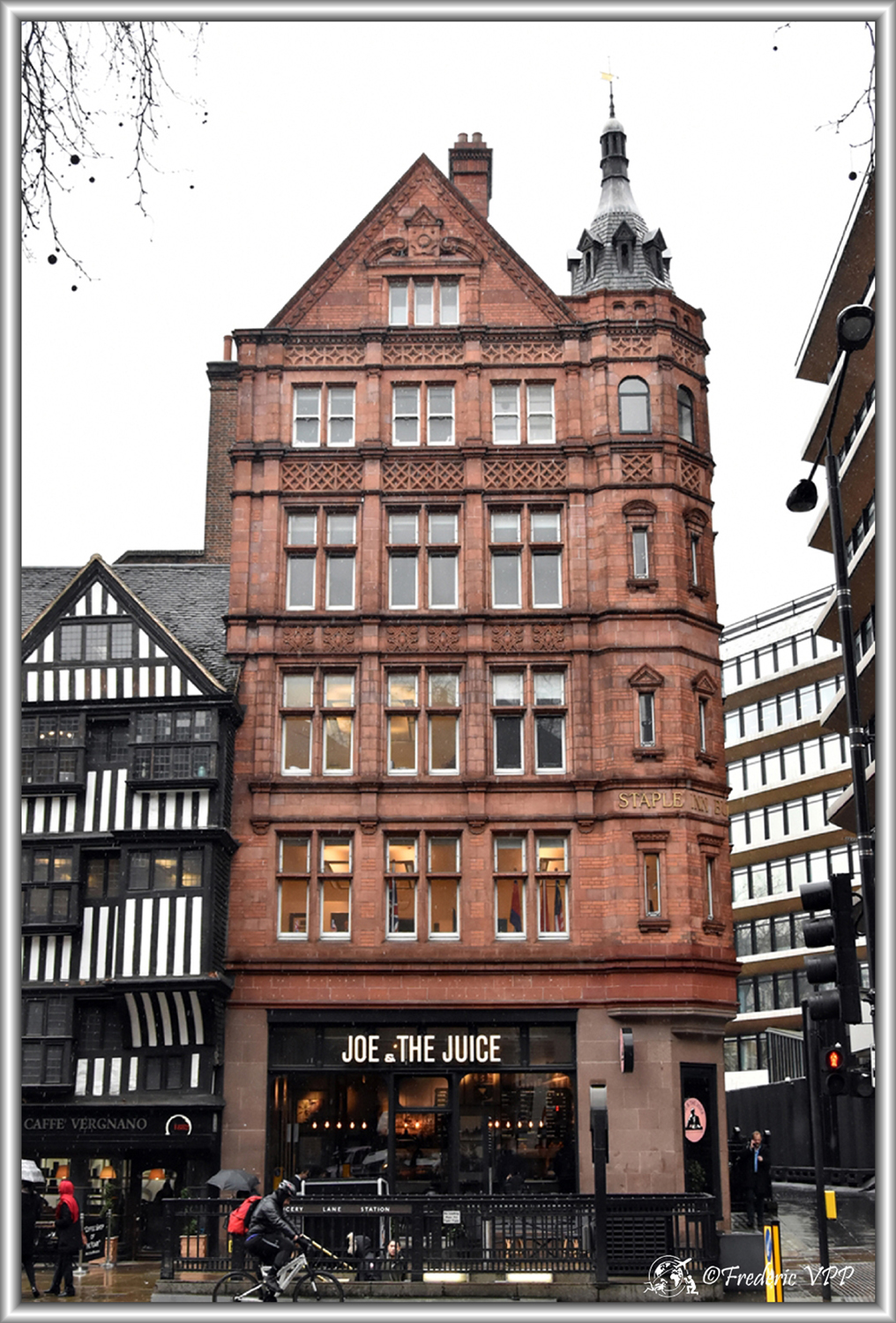
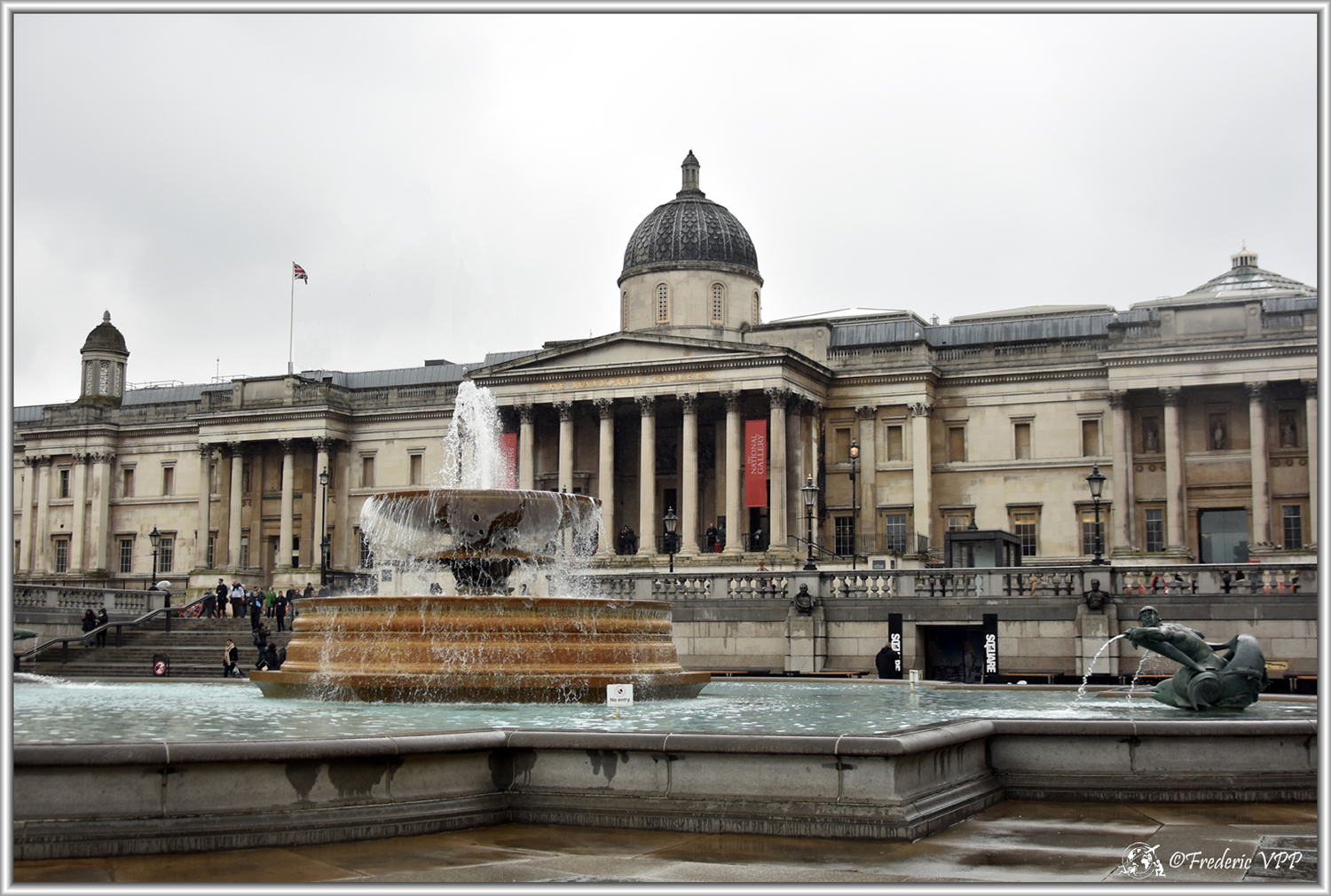
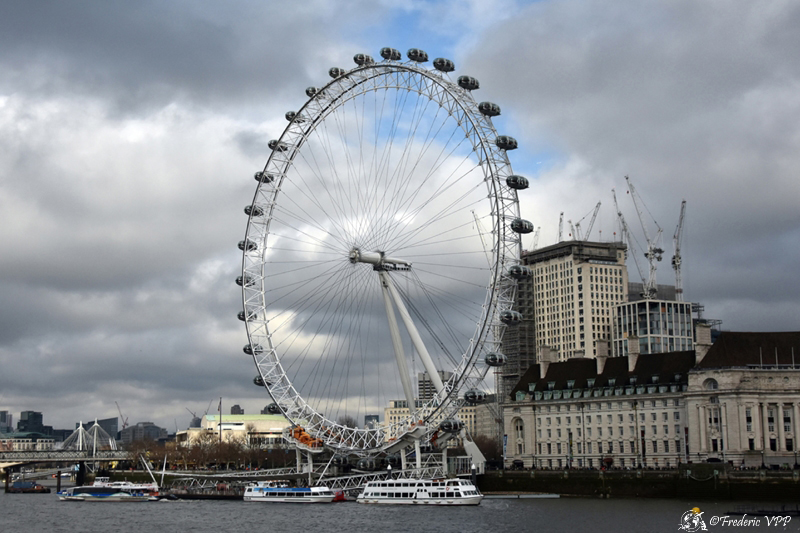
I really liked this surprising city. Old buildings blend with modern ones. I couldn't go to the City but I saw it from afar, huge towers pointing to the sky like pencils wanting to write in the often cloudy sky...
|
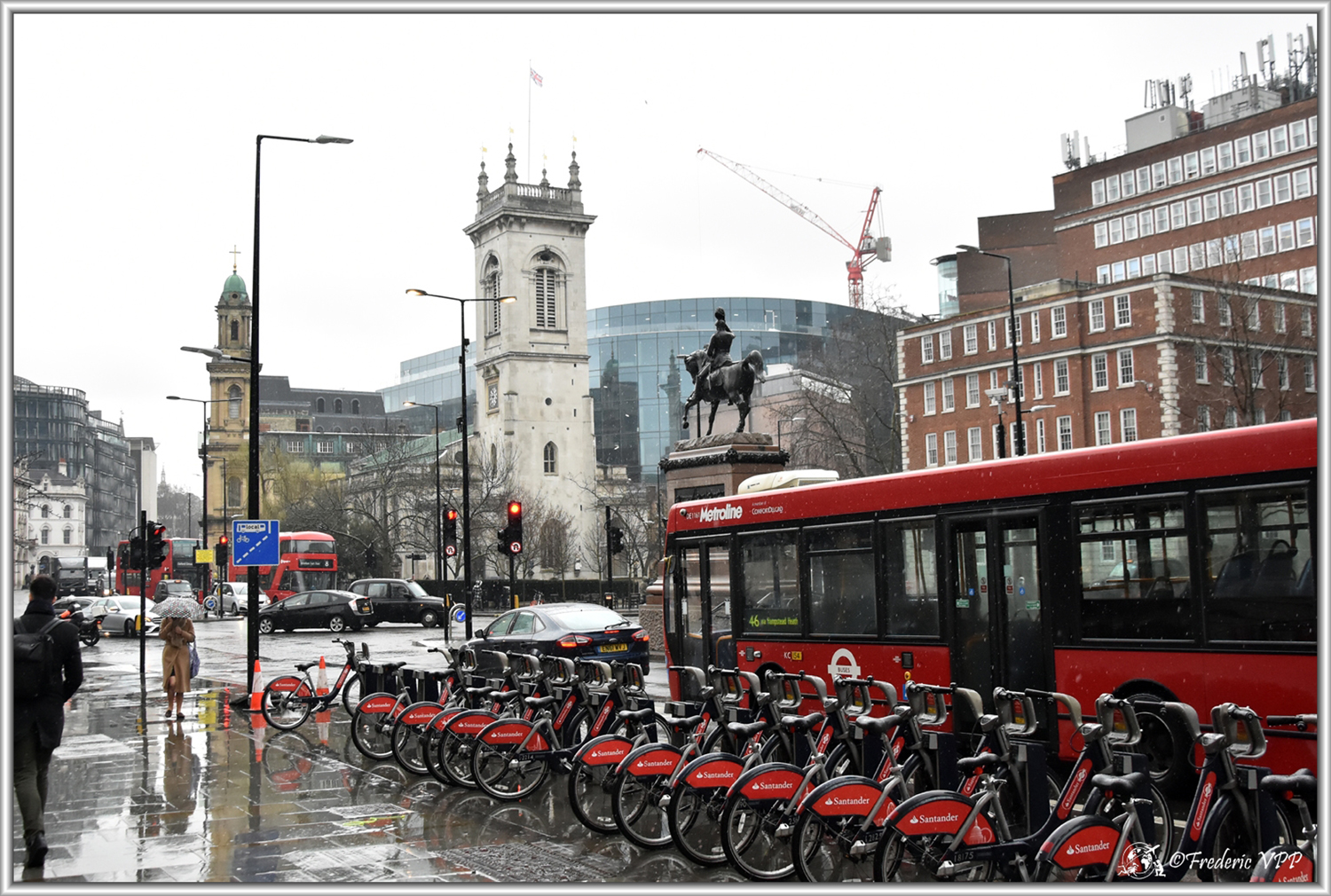
I was lucky with the weather. I understand better, moreover, why Londoners walk around, even on a sunny day with an umbrella. A magnificent sun can quickly give way to a squall of a few minutes. I had to buy an umbrella which never left me during my walks. Imagine: 60km (37.28mi) in 3 days with 35km (21.74mi) already on the 1st day.
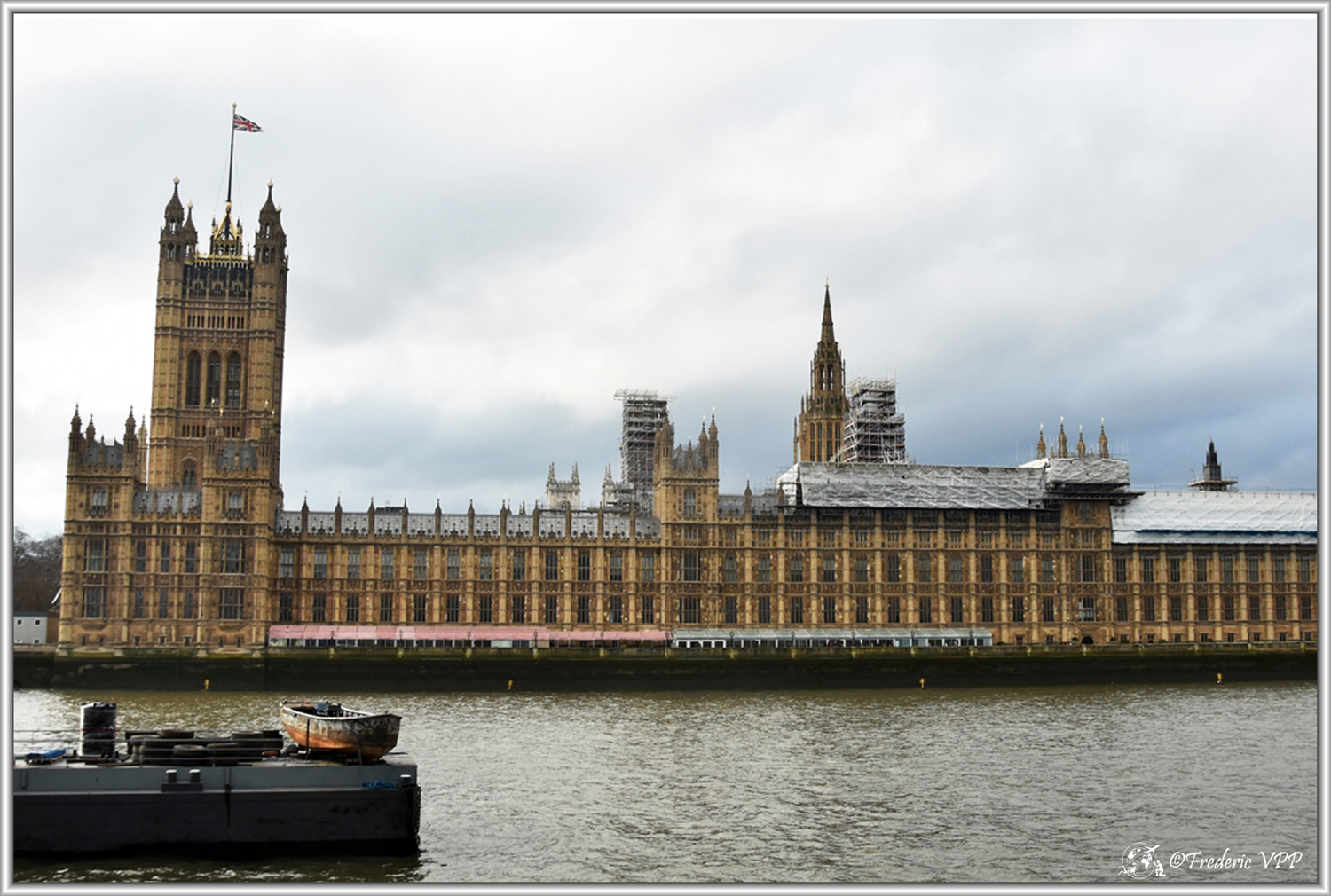
I planned to come back because I didn't have the chance to see Big-Ben, surrounded by its wooden strapping during the 4-year renovation work, which began in August 2017. With a few rare exceptions, the bell should no longer ring before the end of the work. This decision nevertheless divided the population and the British MPs; according to Prime Minister Theresa May, "it is not reasonable for Big-Ben to be silenced for four years". It still makes a lot of noise on the other side of the Channel. Will it sound to officially announce "Brexit" in 2019.
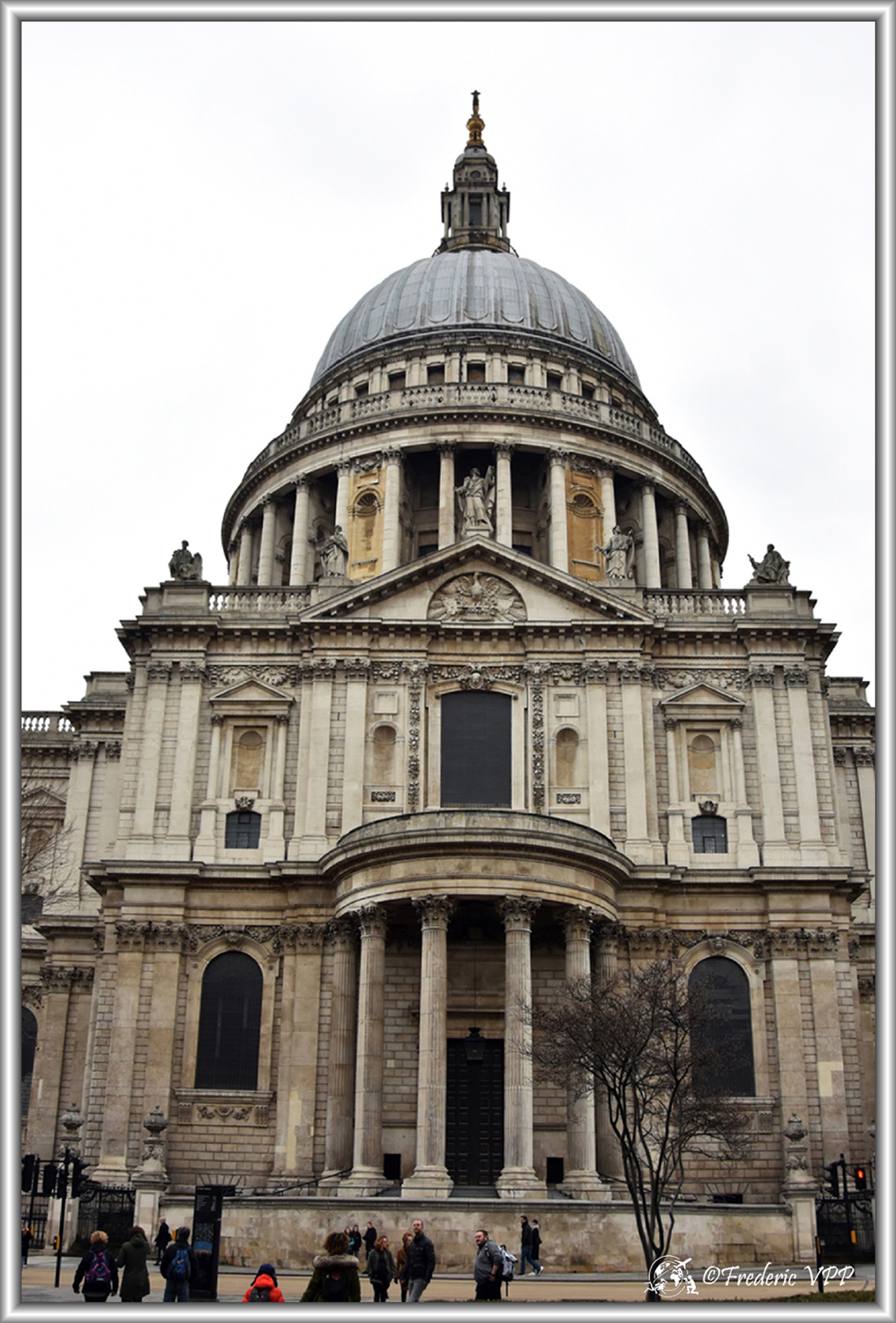
Next trip, I'll go see the pool in a cathedral and take a cruise on the Thames.
|
|
London was founded almost 2,000 years ago... by the Romans under the name of Londinium, London was the most populous city in the world in the 19th century. Even Asterix and Obelix came there "These Bretons are crazy..." Obelix kept saying. According to René Goscinny, it is thanks to Panoramix that the "Bretons" have since put tea in their hot water... But let's get serious again, the rest is coming...
The areas around London (today within the borders of Greater London) appear to have been inhabited by insular Britons since prehistoric times, but there are no archaeological records was unearthed north of London Bridge, the place where the city was truly born and from where it developed.
The oldest certain traces of lasting settlements date back to the year 43 and are due to the Romans who, following their conquest of Brittany, built a first city there. This first encampment is called Londinium. London Bridge was at the center of the brand new network of roads created by the Romans and was a privileged crossing point to cross the Thames, which attracted many traders and thus contributed to the growth of the city. London quickly became an important center of trade and commerce, the Thames making it possible to easily transport goods to the heart of the city. Around the 2nd century, the city was surrounded by walls: the wall from London. For more than a millennium, the borders of the city are marked by this wall which delimits an area largely encompassed today by that of the City. After the departure of the Romans from Britain in 410, and around the year 600, the Anglo-Saxons founded a new town, Lundenwic, about 1km (0.62mi) upstream from the Roman town, where now stands Covent Garden. The city was razed by the Vikings. After this Viking occupation, Alfred the Great restored peace and moved the town into the walls of the Old Roman City (then called Lundenburgh) in 886. The original town became Ealdwic ("Old Town"), the name of which survives until today to give Aldwych. She was then French with William the Conqueror and his son, William le Roux who began, in 1097, the construction of the hall of Westminster, near the abbey of the same name. This hall is the origin of the Palace of Westminster. After the defeat of the Spanish Invincible Armada in 1588, a certain political stability in England allowed London to develop further. Several outbreaks of the Black Death hit London in the early 17th century, culminating in the Great Plague of London in 1665, which killed around 20% of the population. The following year, the great fire of 1666 destroyed a large part of the town's wooden houses. The reconstruction of London occupied the whole of the following decade. In 1603, James VI of Scotland ascended the throne of England and endeavored to unify the two countries. From 1825 to 1925, London was the most populous city in the world. London played a major role during the 2nd World War and regularly suffered German bombardments. |
|
Sorry if the links are outdated or not accessible
|