 Crete
CreteCrete, Greece, April 2014
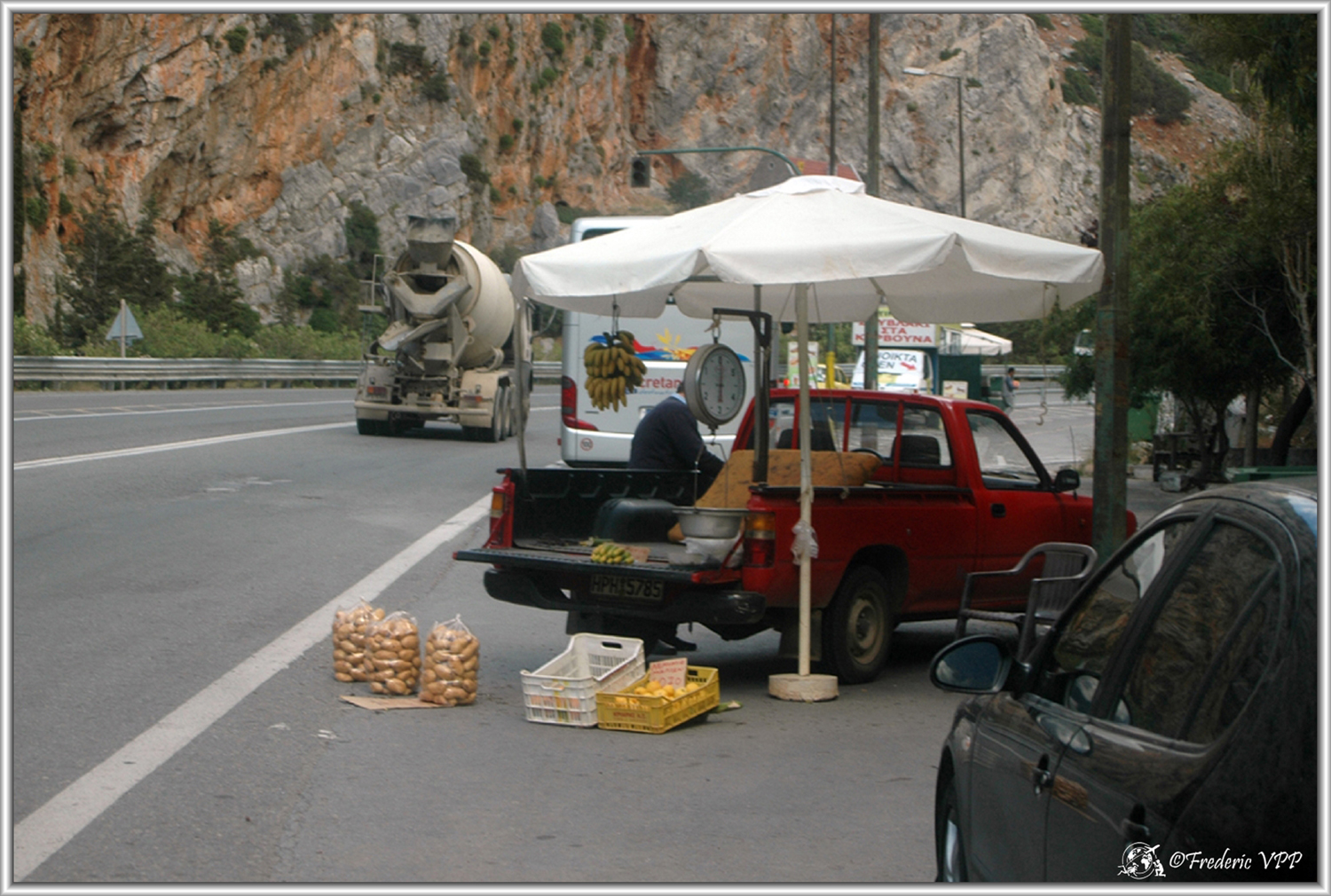
In Crete, don't be surprised, by car, when you are overtaken by another vehicle on a two-lane road. It can have up to 4 cars abreast, a small feature that can be confusing at first.
If you want to taste a good fish in Heraklion, go and have a look at "Kastella", "Sofokli Venizelou". The boss will offer you the Raki, and if you're lucky, the dessert.
The ideal, for Crête, is to go for a walk sleeping in different places each night. This will allow you to see the difference between the South and the North of the island.
The ideal, for Crête, is to go for a walk sleeping in different places each night. This will allow you to see the difference between the South and the North of the island.
|
On the current territory of Greece, the climate allowed a good conservation of even very ancient remains, and writing appeared early: the history of the country is therefore very well known, from ancient Greece to present-day Greece in passing through the Hellenistic, Roman, Byzantine, Ottoman periods, of independence, of the monarchy, of the civil war and of the dictatorship of the colonels.
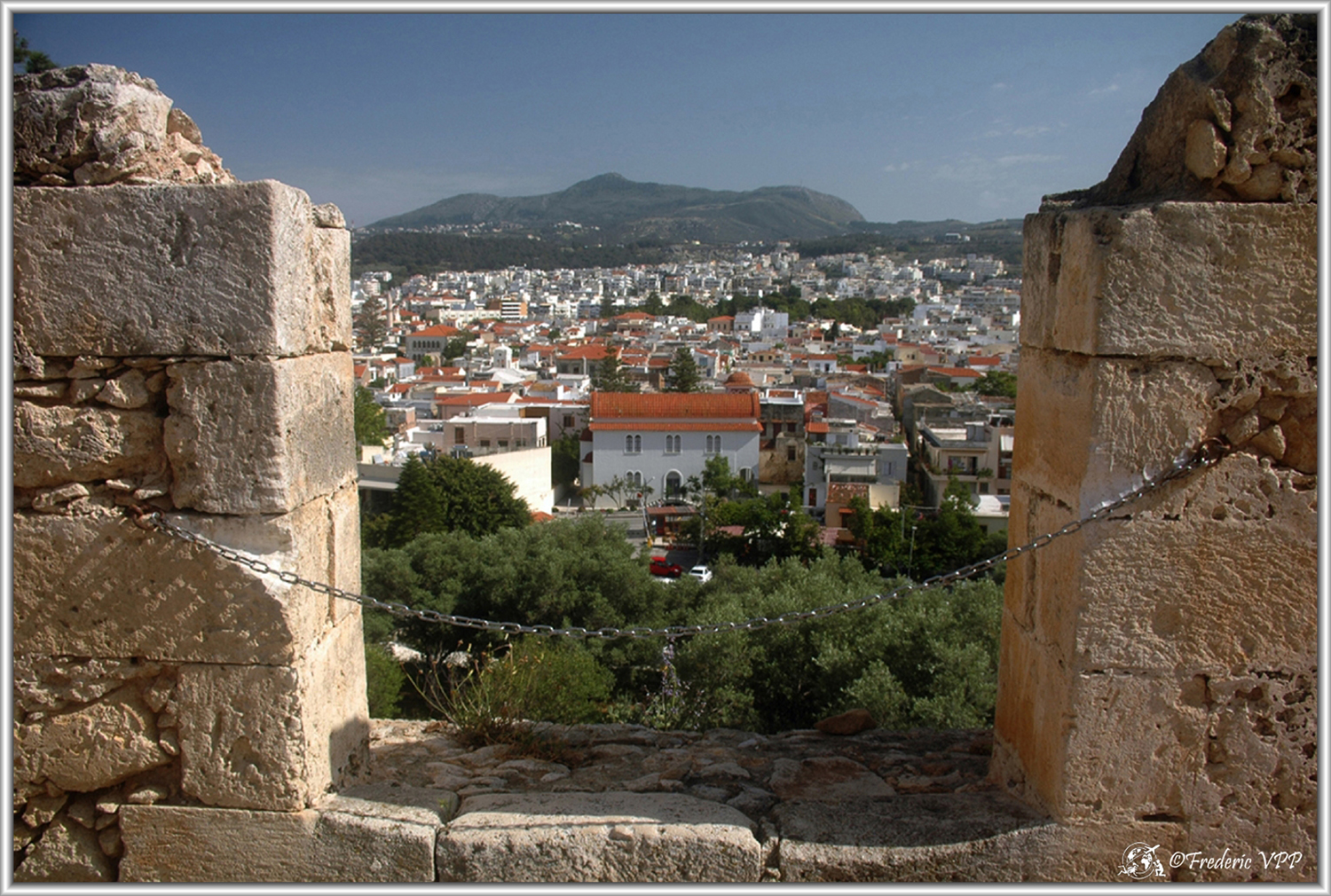
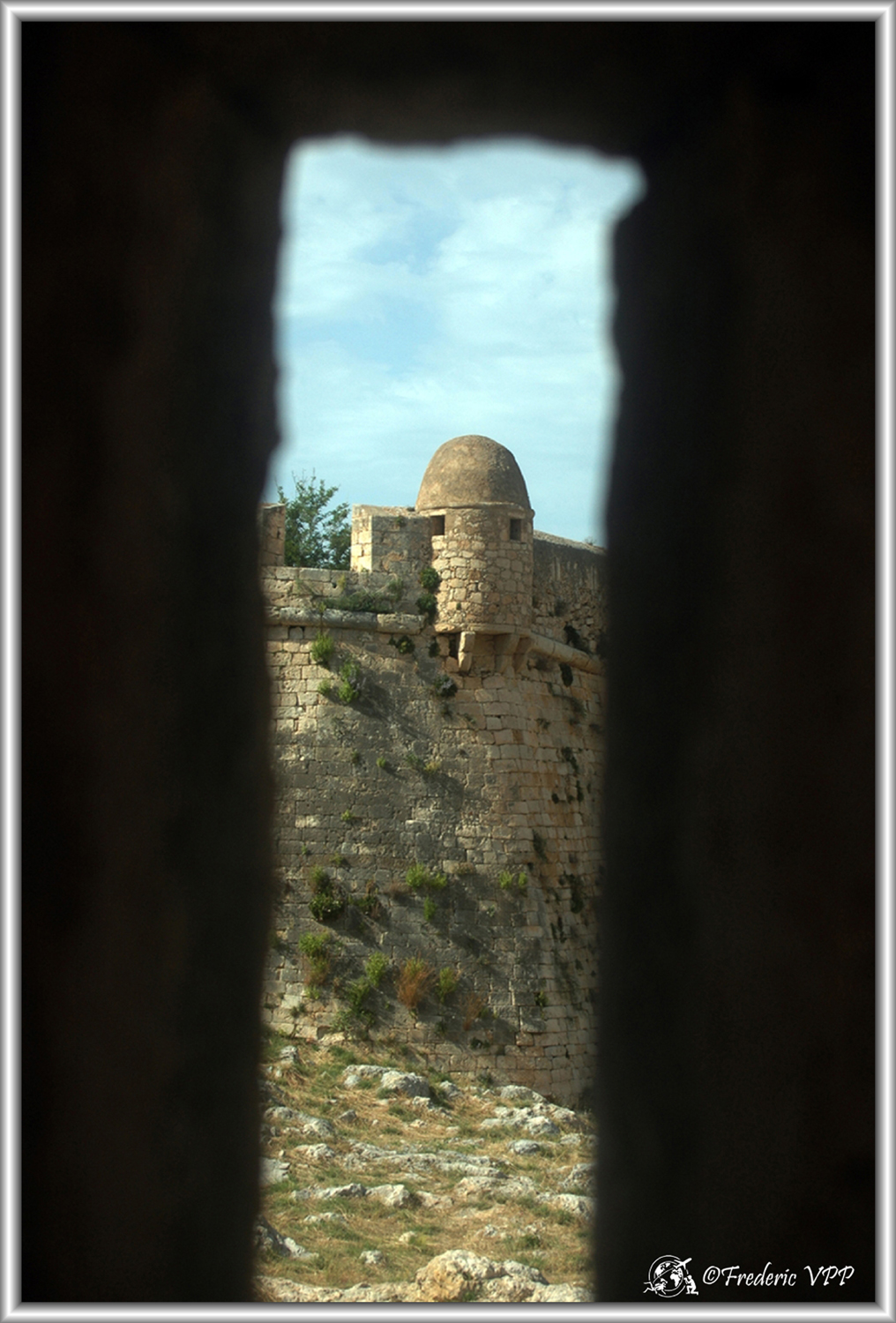
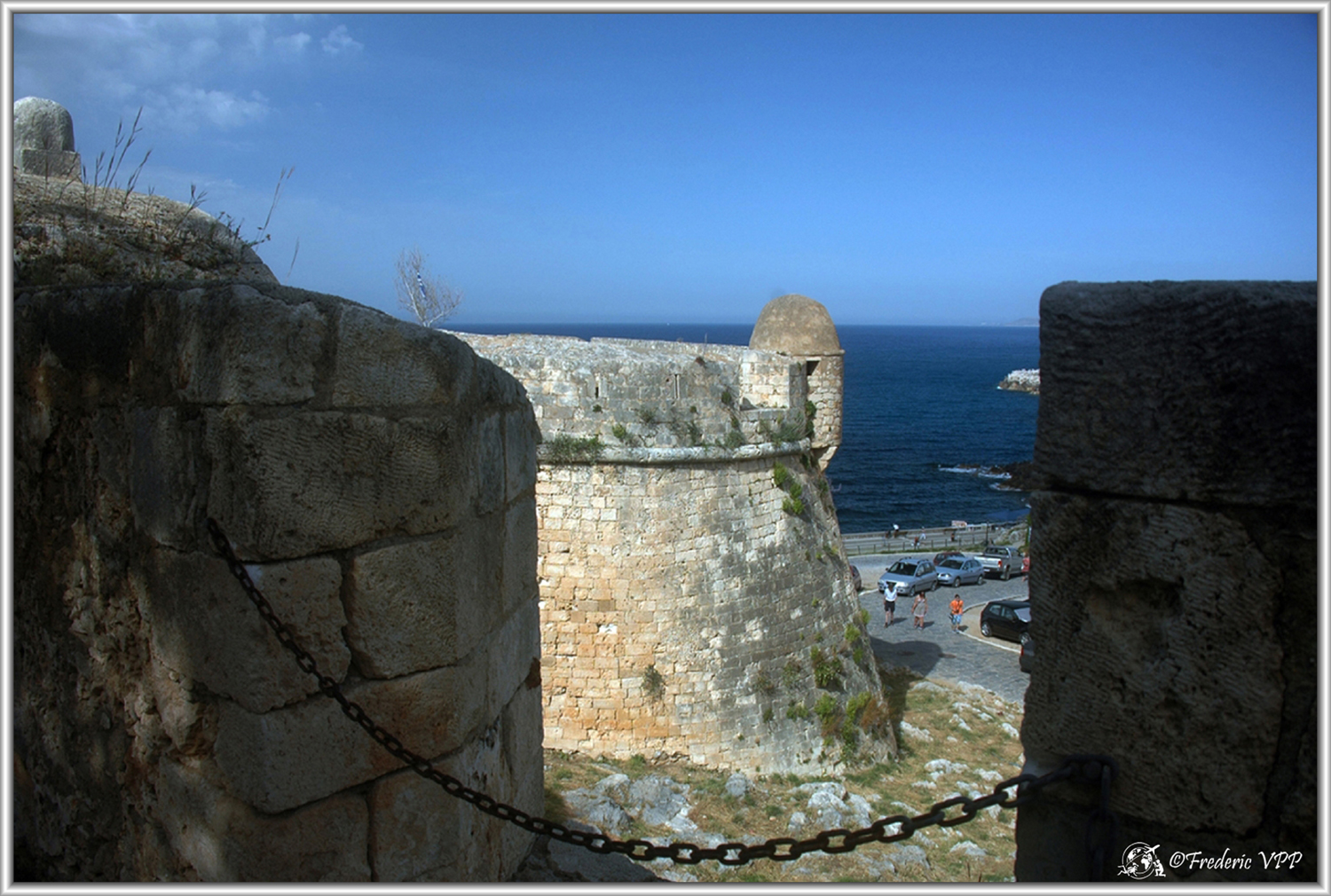
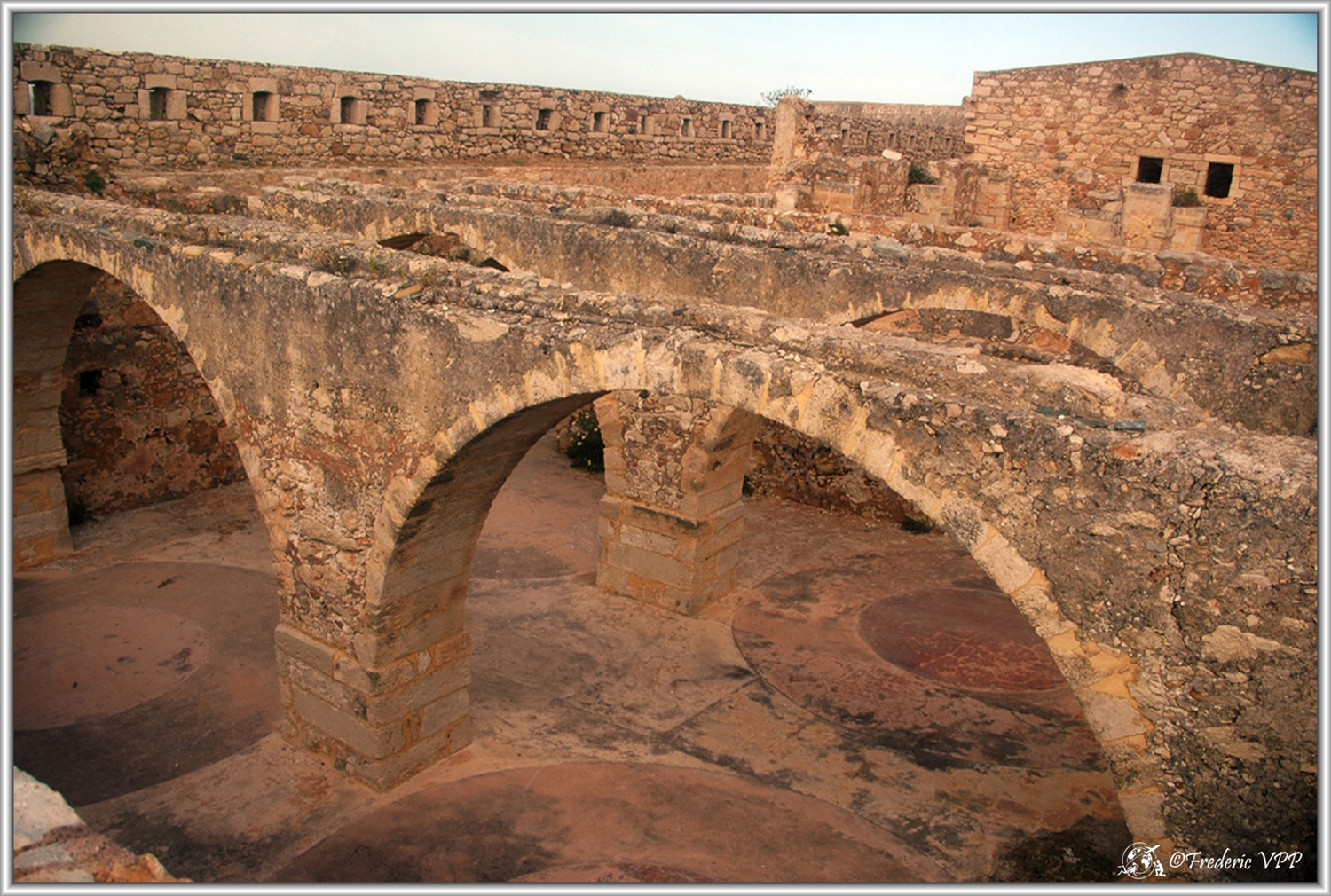
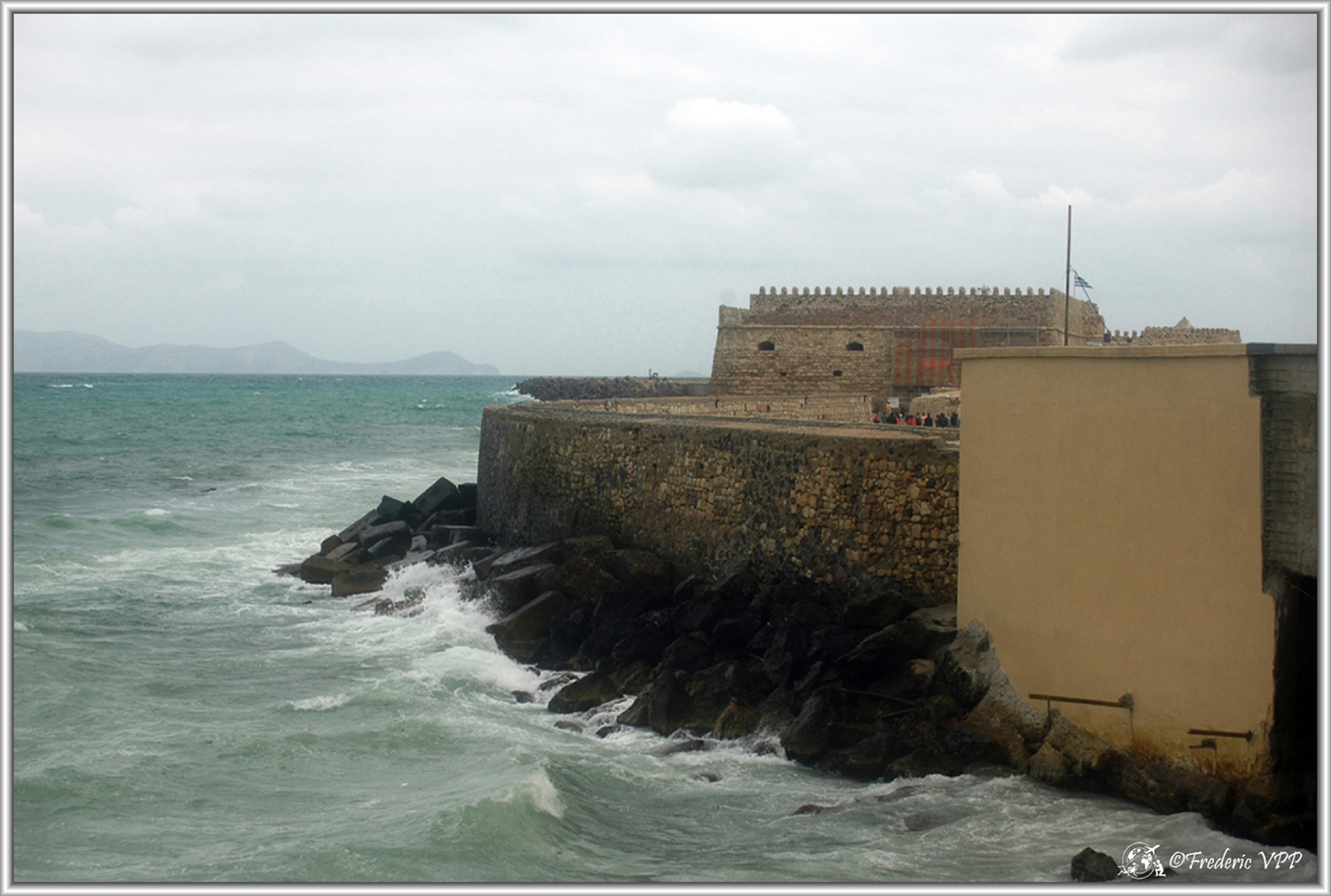
Since the 19th century, two schools have clashed over writing of the history of Greece: that of a continuity of Hellenism between antiquity and our days, which take into account above all the evolution of the language, and that of a profound difference between classical Greece and Contemporary Greece, introduced through the Byzantine and then Ottoman Empires, whose monotheistic religions are analyzed as a fundamental cultural break. Greece is therefore a country steeped in history as evidenced by the many monuments visible in Athens but also throughout the country. Crête was formerly called "island of Candia". Largest of the Greek islands and fifth island of the Mediterranean Sea in surface, it is attached in 1913 to Greece, of which it constitutes, with other small islands, one of the thirteen peripheries (administrative region), as well as the one of the seven decentralized dioceses created by the "Kallikratis" program in January 2011. Crete is the cradle of the Minoan civilization, of which "Knossos" is the heart and the most important archaeological site. Its history was also very turbulent. It belonged to the Eastern Roman Empire (known as Byzantine) then annexed by the Andalusians and then again Byzantines. It experienced a Venetian then Ottoman period, attached to Egypt. In 1898, it obtained a status of autonomy under international supervision after a Greek-Turkish conflict lost by the Turks. During the 2nd World War, it was invaded by the Germans. The Cretan resistance liberated the island in 1945.
|
|
Sorry if the links are outdated or not accessible
|